
Observed on December 1st each year, World AIDS Day is a global call to action, an opportunity to remember those we’ve lost and a reminder of the ongoing fight against HIV/AIDS.
World AIDS Day was first conceived in August 1987 by James W. Bunn and Thomas Netter, two public information officers for the Global Programme on AIDS at the World Health Organization, or WHO, in Geneva, Switzerland. Their goal was to create a day dedicated to raising awareness about HIV/AIDS and honouring those affected by the virus. December 1st was chosen and the inaugural World AIDS Day was observed later that year.
HIV, or the Human Immunodeficiency Virus, and AIDS, or Acquired Immunodeficiency Syndrome, have had a profound impact on global health and society. HIV is a virus that attacks the immune system, weakening the body’s ability to fight off infections and diseases. It is primarily transmitted through unprotected sexual intercourse, the sharing of needles among intravenous drug users, and from mother to child during childbirth or breastfeeding. The virus can also be transmitted through blood transfusions and organ transplants if the blood or organs are not screened for HIV.
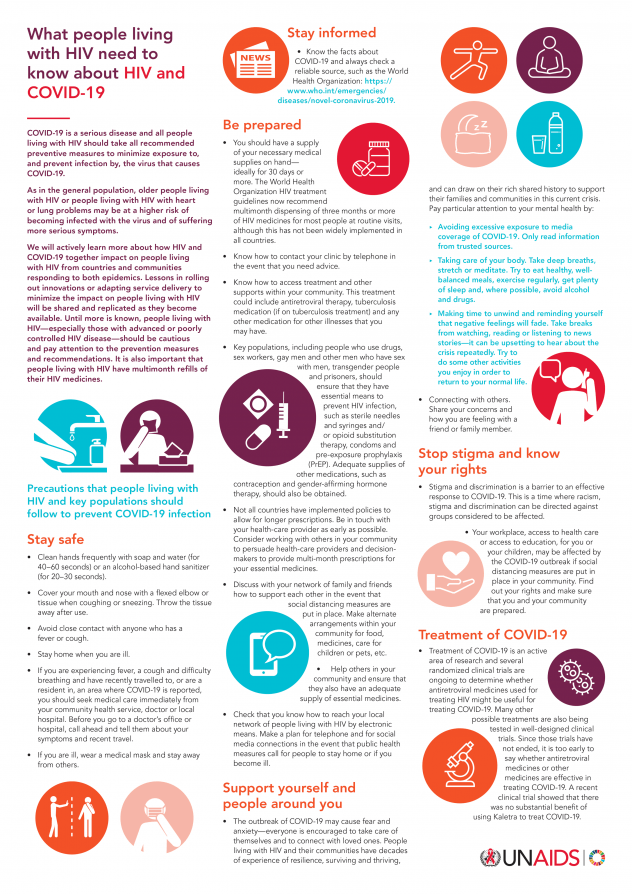
AIDS is the final stage of HIV infection, characterized by a severely compromised immune system. At this stage, the body becomes vulnerable to opportunistic infections and cancers that a healthy immune system would typically fend off. Without proper medical care and treatment, AIDS can be life-threatening.
Since the beginning of the HIV/AIDS pandemic, it has claimed the lives of millions of people worldwide. It has also had far-reaching social and economic consequences, particularly in sub-Saharan Africa, which remains the most affected region. HIV/AIDS has challenged healthcare systems, strained resources, and tested our collective ability to respond to a global health crisis.
The World AIDS Day theme for 2023 is “Ending the HIV/AIDS Pandemic: Equitable Access to Care and Prevention.” This theme encapsulates the urgent need to tackle the HIV/AIDS pandemic on multiple fronts. The theme underscores the shared commitment to bringing an end to the HIV/AIDS pandemic once and for all. It acknowledges the progress made over the years but emphasizes the work that remains to be done.
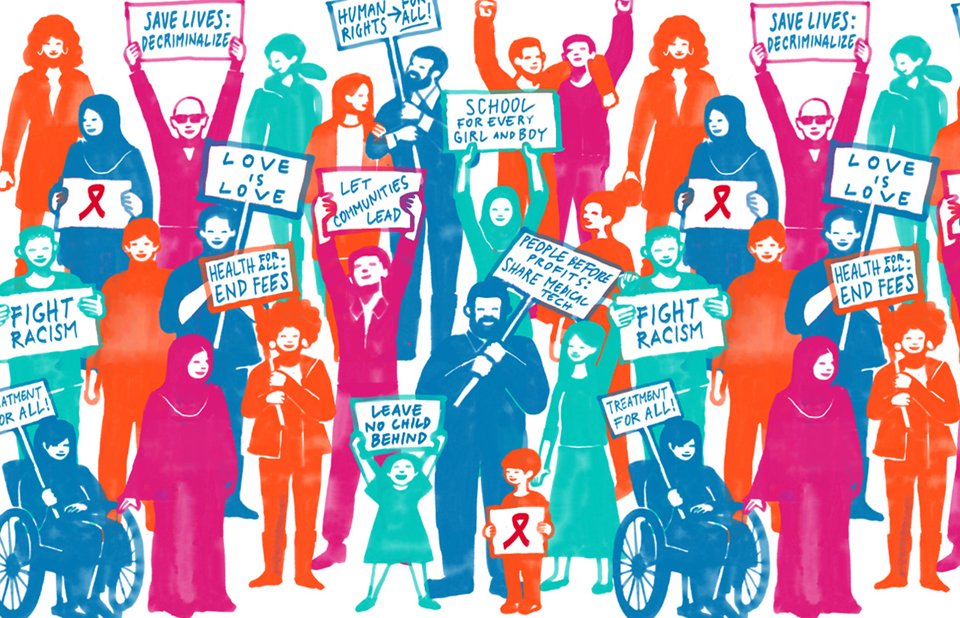
The term “equitable access” is central to the theme. It highlights the importance of ensuring that all individuals, regardless of their background, geographical location, or economic status, have equal access to essential HIV/AIDS care and prevention measures. The theme also recognises that tackling HIV/AIDS requires a dual approach. Care involves providing support, treatment, and medical services to those living with HIV/AIDS. Prevention focuses on education, awareness, and measures to stop the further spread of the virus.
The theme aligns with the broader global health equity movement, emphasizing the need to bridge healthcare disparities and ensure that everyone has the same opportunities for a healthy life. It underscores the importance of eliminating stigma and discrimination associated with HIV/AIDS. Equitable access means creating an environment where individuals feel safe and supported to seek testing, treatment, and care. Addressing HIV/AIDS requires the active involvement of communities, governments, healthcare systems, and international organizations. The theme encourages collaboration and a shared responsibility in the fight against the virus. Equitable access extends to education and awareness programs that empower individuals with knowledge about HIV/AIDS prevention, transmission, and treatment. It’s a reminder that information is a powerful tool in the fight against the virus.
As we reflect on the theme of World AIDS Day 2023, it’s crucial to acknowledge that the battle against HIV/AIDS is far from over. But there is hope, and there are concrete steps we can take. We should support policies and initiatives that promote equitable access to HIV/AIDS care, treatment, and prevention measures and advocate for increased funding for research and healthcare infrastructure.
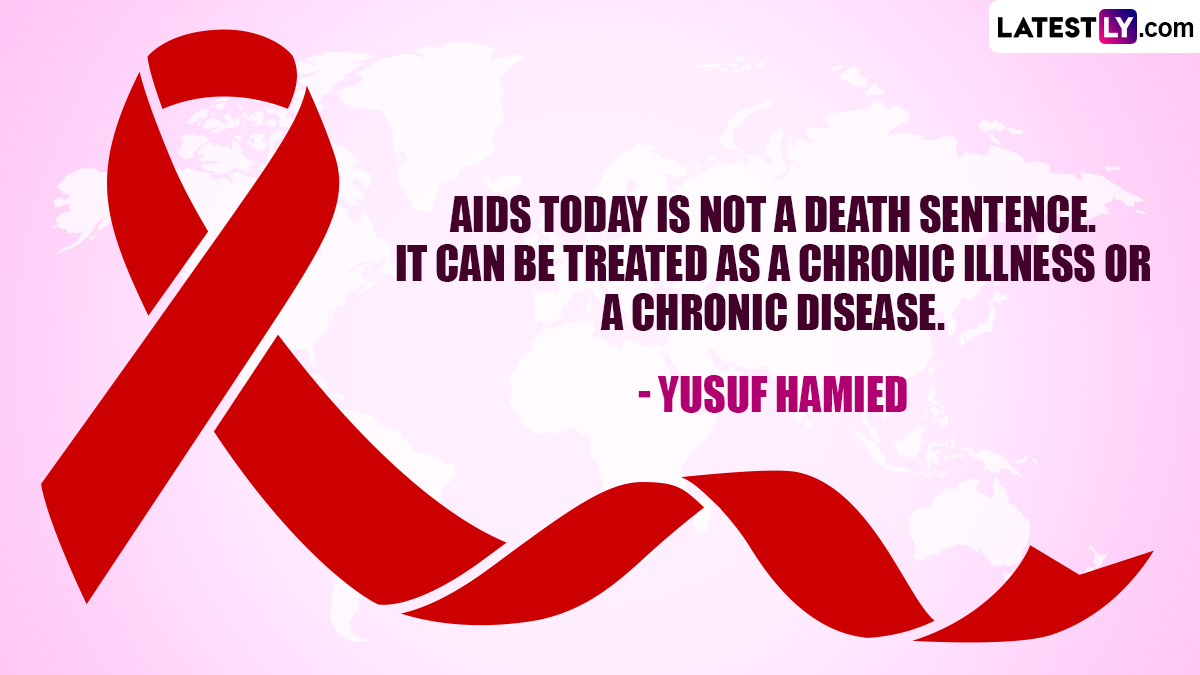
As we commemorate World AIDS Day 2023 and reflect on its theme, we are reminded that the fight against HIV/AIDS is a shared responsibility. It is a testament to our capacity to come together as a global community, transcending borders and differences in pursuit of a common goal – ending the HIV/AIDS pandemic and ensuring equitable access to care and prevention.
This World AIDS Day, let us honour the memory of those we have lost, support those living with HIV/AIDS, and recommit ourselves to the collective effort to create a world where no one is left behind in the fight against this devastating virus. In our unity and resolve, we find hope and the potential for a brighter, healthier future for all.
 Memories and Such