
Tomorrow is World Cancer Day, an international observance that takes place every year. The day is observed to raise awareness of cancer and to encourage its prevention, detection, and treatment. The day is organised by the Union for International Cancer Control or UICC to support the goals of the World Cancer Declaration, written in 2008. The primary goal of World Cancer Day is to increase awareness about the disease and significantly reduce illness and death caused by cancer as well as an opportunity to rally the international community to end the injustice of preventable suffering from cancer. This can include things like promoting healthy lifestyles, increasing access to cancer screenings and treatments, and investing in cancer research. The day is observed by the United Nations.
World Cancer Day was established on 4 February 2000 at the World Cancer Summit Against Cancer for the New Millennium, held in Paris. The Charter of Paris Against Cancer, which was created to promote research, prevent cancer, and improve patient services, also included an article establishing the anniversary of the document’s official signing as World Cancer Day. This was signed at the Summit by the then General Director of UNESCO, Kōichirō Matsuura, and then French President Jacques Chirac. World Cancer Day targets misinformation, raises awareness and reduces stigma.
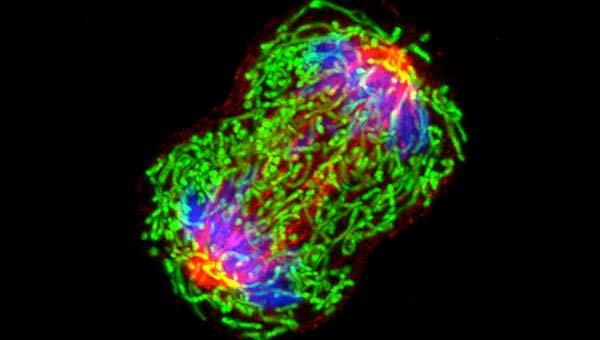
Cancer is a disease which occurs when changes in a group of normal cells within the body lead to uncontrolled, abnormal growth forming a lump called a tumour; this is true of all cancers except leukaemia which is cancer of the blood. If left untreated, tumours can grow and spread into the surrounding normal tissue, or to other parts of the body via the bloodstream and lymphatic systems, and can affect the digestive, nervous and circulatory systems or release hormones that may affect body function.
Cancer tumours can be divided into three groups: benign, malignant or precancerous. Benign tumours are not cancerous and rarely threaten life. They tend to grow quite slowly, do not spread to other parts of the body and are usually made up of cells quite similar to normal or healthy cells. They will only cause a problem if they grow very large, become uncomfortable or press on other organs. Malignant tumours are faster growing than benign tumours and can spread and destroy neighbouring tissue. Cells of malignant tumours can break off from the primary tumour and spread to other parts of the body through a process known as metastasis. Upon invading healthy tissue at the new site they continue to divide and grow. These secondary sites are known as metastases and the condition is referred to as metastatic cancer. Precancerous or premalignant describes the condition involving abnormal cells which may or are likely to develop into cancer.
There are five main types of cancer. Carcinoma cancers arise from the epithelial cells which are the lining of cells that help protect or enclose organs. Carcinomas may invade the surrounding tissues and organs and metastasise to the lymph nodes and other areas of the body. The most common forms of cancer in this group are breast, prostate, lung and colon cancer. A type of malignant tumour of the bone or soft tissue like fat, muscle, blood vessels, nerves and other connective tissues that support and surround organs, the most common forms of sarcoma are leiomyosarcoma, liposarcoma and osteosarcoma. Lymphoma and Myeloma are cancers that begin in the cells of the immune system. Lymphoma is a cancer of the lymphatic system, which runs all through the body, and can therefore occur anywhere. Myeloma or multiple myeloma starts in the plasma cells, a type of white blood cell that produces antibodies to help fight infection. This cancer can affect the cell’s ability to produce antibodies effectively. Leukaemia is a cancer of the white blood cells and bone marrow, the tissue that forms blood cells. There are several subtypes; common are lymphocytic leukaemia and chronic lymphocytic leukaemia. Brain and spinal cord cancers are known as central nervous system cancers. Some are benign while others can grow and spread.
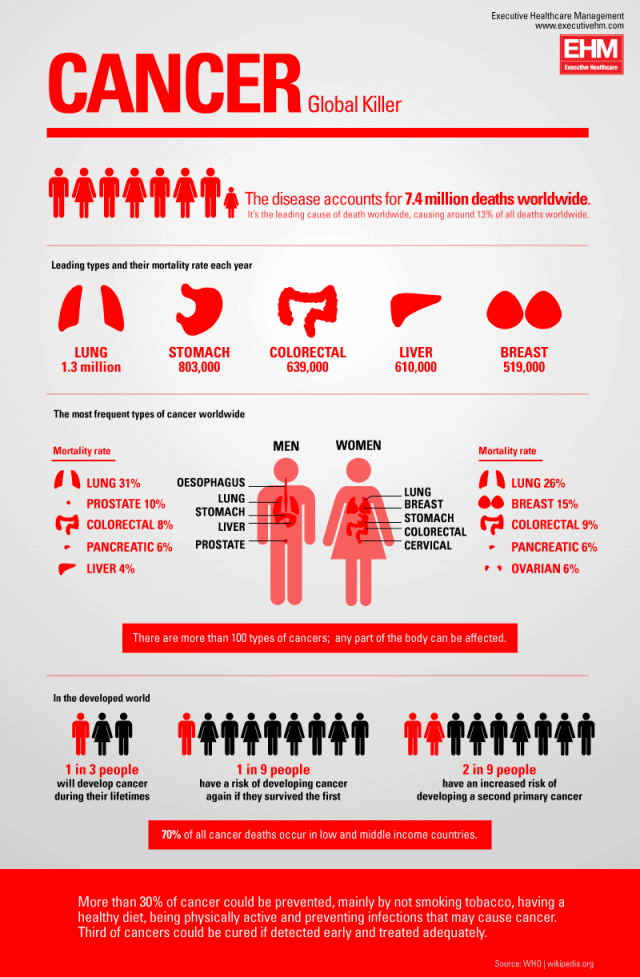
Cancers can be caused by many different factors and, as with many other illnesses, most cancers are the result of exposure to several different causal factors. Around one-third of cancer cases can be prevented by reducing behavioural and dietary risks. Modifiable risk factors include the drinking of alcohol, being overweight or obese, diet and nutrition, physical activity, tobacco, ionising radiation, workplace hazards and infection. Non-modifiable risk factors include age, cancer-causing substances or carcinogens in the body, genetics, and one’s immune system.
With so many different types of cancers, the symptoms are varied and depend on where the disease is located. However, there are some key signs and symptoms to look out for, including unusual lumps or swelling, coughing, breathlessness or difficulty swallowing, changes in bowel habits, unexpected bleeding, unexplained weight loss, fatigue, pain or aches, new moles or changes to a mole, complications with urinating, unusual breast changes, appetite loss, a sore or ulcer that won’t heal, heartburn or indigestion and heavy night sweats.
Cancer is the second-leading cause of death worldwide with 10 million people dying from it every year, which is more than the deaths because of HIV/AIDS, malaria and tuberculosis combined. By 2030, experts project cancer deaths to rise to 13 million. More than 40% of cancer-related death could be preventable as they are linked to modifiable risk factors. At least one-third of all deaths related to cancer could be prevented through routine screening, and early detection and treatment. 70% of cancer deaths occur in low-to-middle-income countries and millions of lives could be saved each year by implementing resource-appropriate strategies for prevention, early detection and treatment. The total annual economic cost of cancer is estimated at US$1.16 trillion.

The theme for the years 2022-2024 is Close the care gap which focuses on eliminating the difference in access to cancer care services faced by populations of various groups of country income, age, gender, ethnicity etc. The World Cancer Day theme is a multi-year campaign that means more exposure and engagement, more opportunities to build global awareness and ultimately more impact. In 2022, the first year of the Close the Care Gap campaign was all about understanding and recognising the inequities in cancer care around the globe. This was the year to question the status quo and help reduce stigma; to listen to the perspectives of the people living with cancer and their communities and let those lived experiences guide our thoughts and actions. This year is all about uniting voices and taking action. These actions can take countless forms, from motivating neighbours to provide transport to cancer treatment for a fellow resident or ensuring that healthy and affordable food options are offered at the local school. In 2024, the last year of the campaign will bring attention to a higher level by raising voices to engage leaders and become lifelong advocates fully equipped to push for lasting change.
In recent years, cities have begun to support the day by lighting up important landmarks in orange and blue. In 2019, 55 landmarks in 37 cities participated in the landmark lighting initiative and at least 60 governments officially observe World Cancer Day. The event invites everyone to take action, make a pledge and support the cancer movement. By doing this, it aims to reduce the number of premature deaths from cancer and improve the quality of life for cancer patients around the world.
 Memories and Such