World Diabetes Day

World Diabetes Day (WDD), observed annually on November 14, is the primary global awareness campaign focusing on diabetes mellitus. Launched in 1991 by the International Diabetes Federation (IDF) and the World Health Organization (WHO), this day was established in response to the alarming rise in diabetes cases worldwide. The date was chosen to honour the birthday of Sir Frederick Banting, who, along with Charles Best, co-discovered insulin in 1922. Over the years, WDD has grown into a global movement, with over 230 IDF Member Associations in more than 160 countries and territories participating in various activities, including diabetes screening programs, media campaigns, and sports events.

The inception of World Diabetes Day was driven by the need to address the rapid increase in diabetes cases globally. In 2006, the United Nations General Assembly adopted a resolution recognizing diabetes as a chronic, debilitating, and costly disease, and designated November 14 as World Diabetes Day. This resolution marked a significant step in elevating diabetes to the status of a global public health issue, emphasizing the need for international cooperation in addressing the disease.

In today’s world, diabetes is a critical public health issue that affects millions of people globally. According to the IDF, diabetes-related healthcare expenditure reached $966 billion in 2021, highlighting the economic burden of the disease. World Diabetes Day serves as a platform to raise awareness about diabetes, promote education, and advocate for better access to care and treatment. Each year, the campaign focuses on a specific theme related to diabetes, addressing issues such as diabetes and human rights, diabetes and lifestyle, and diabetes in vulnerable populations.
The theme for World Diabetes Day 2024–2026 is “Diabetes and Well-being,” focusing on physical, societal, and mental well-being. This theme underscores the holistic approach needed to manage diabetes, recognising that the disease affects not only physical health but also emotional and social well-being.

Diabetes is a chronic disease when the body cannot properly regulate blood glucose levels. There are several types of diabetes, each with its own characteristics and management strategies.

Type 1 Diabetes: Type 1 diabetes is an autoimmune condition in which the body’s immune system attacks and destroys the insulin-producing cells in the pancreas. It is usually diagnosed in children and young adults, although it can occur at any age. People with type 1 diabetes require lifelong insulin therapy to manage their blood glucose levels.

Type 2 Diabetes: Type 2 diabetes is the most common form of diabetes, accounting for 90–95% of all cases. It occurs when the body becomes resistant to insulin or when the pancreas cannot produce enough insulin. Risk factors for type 2 diabetes include obesity, physical inactivity, and a family history of the disease. Unlike type 1 diabetes, type 2 diabetes can often be prevented or delayed through lifestyle changes such as healthy eating, regular exercise, and weight management.

Gestational Diabetes: Gestational diabetes develops during pregnancy and usually resolves after childbirth. However, women who have had gestational diabetes are at increased risk of developing type 2 diabetes later in life. Managing blood glucose levels during pregnancy is crucial to prevent complications for both the mother and the baby.

Prediabetes: Prediabetes is a condition where blood glucose levels are higher than normal but not high enough to be classified as diabetes. People with prediabetes are at increased risk of developing type 2 diabetes, as well as heart disease and stroke. However, prediabetes can often be reversed through lifestyle changes such as weight loss, healthy eating, and increased physical activity.

Preventing Diabetes

Preventing diabetes, particularly type 2 diabetes, involves adopting a healthy lifestyle. Here are some key strategies:

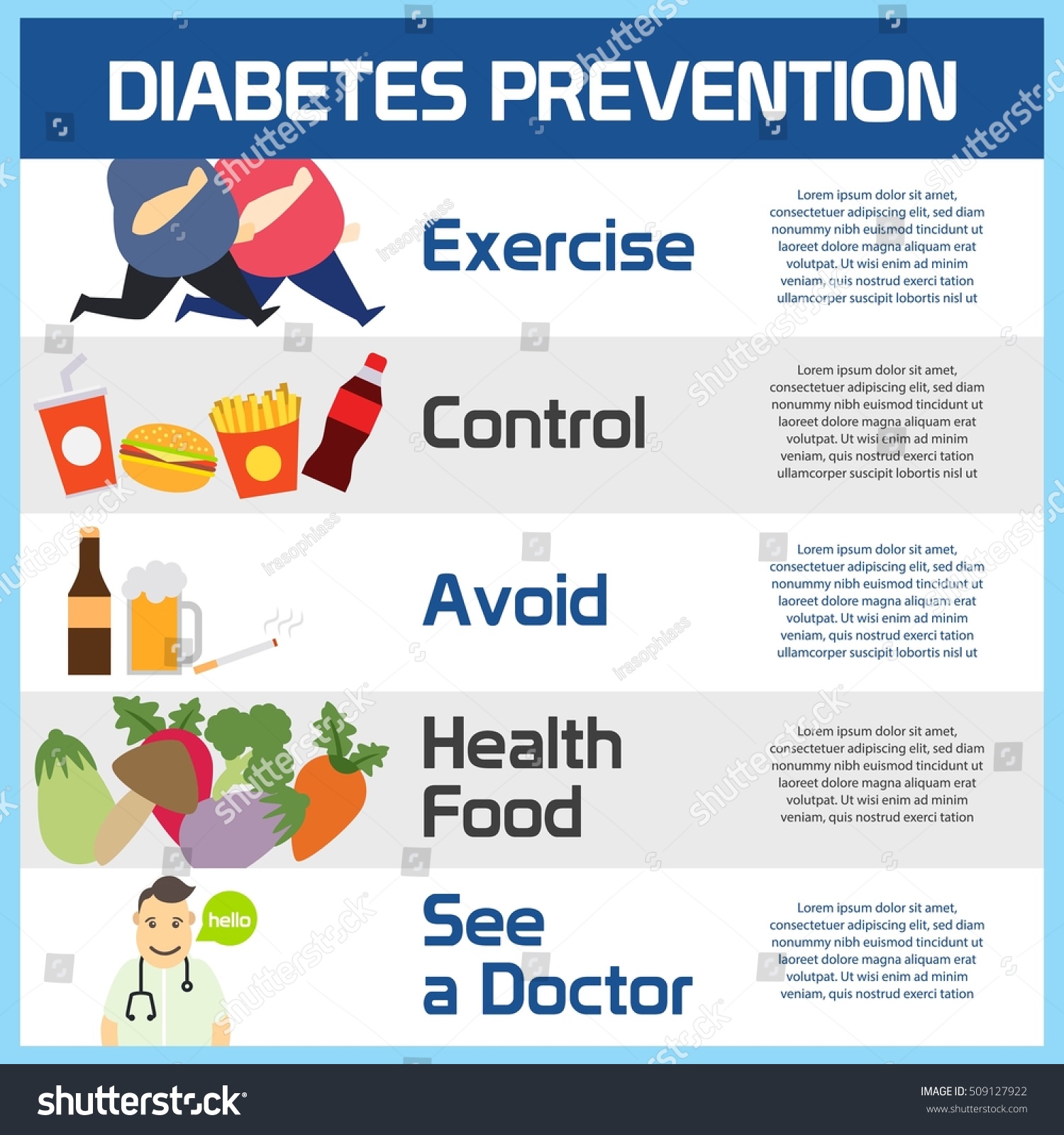
  • Healthy eating: Focus on a diet rich in whole grains, fruits, vegetables, and lean proteins. Avoid sugary beverages and limit the intake of refined carbohydrates.
  • Regular exercise: Aim for at least 30 minutes of moderate-intensity exercise, such as brisk walking, five days a week. Physical activity helps improve insulin sensitivity and manage weight.
  • Weight management: Maintaining a healthy weight is crucial in preventing type 2 diabetes. Even a modest weight loss of 5–7% can significantly reduce the risk.
  • Quit smoking: Smoking increases the risk of insulin resistance and type 2 diabetes. Quitting smoking can reduce this risk and improve overall health.
  • Monitor blood sugar levels: Regular monitoring of blood glucose levels can help identify prediabetes early, allowing for timely intervention.
Impact of Diabetes 

Diabetes has far-reaching consequences, affecting not only the individual but also their family and society as a whole.

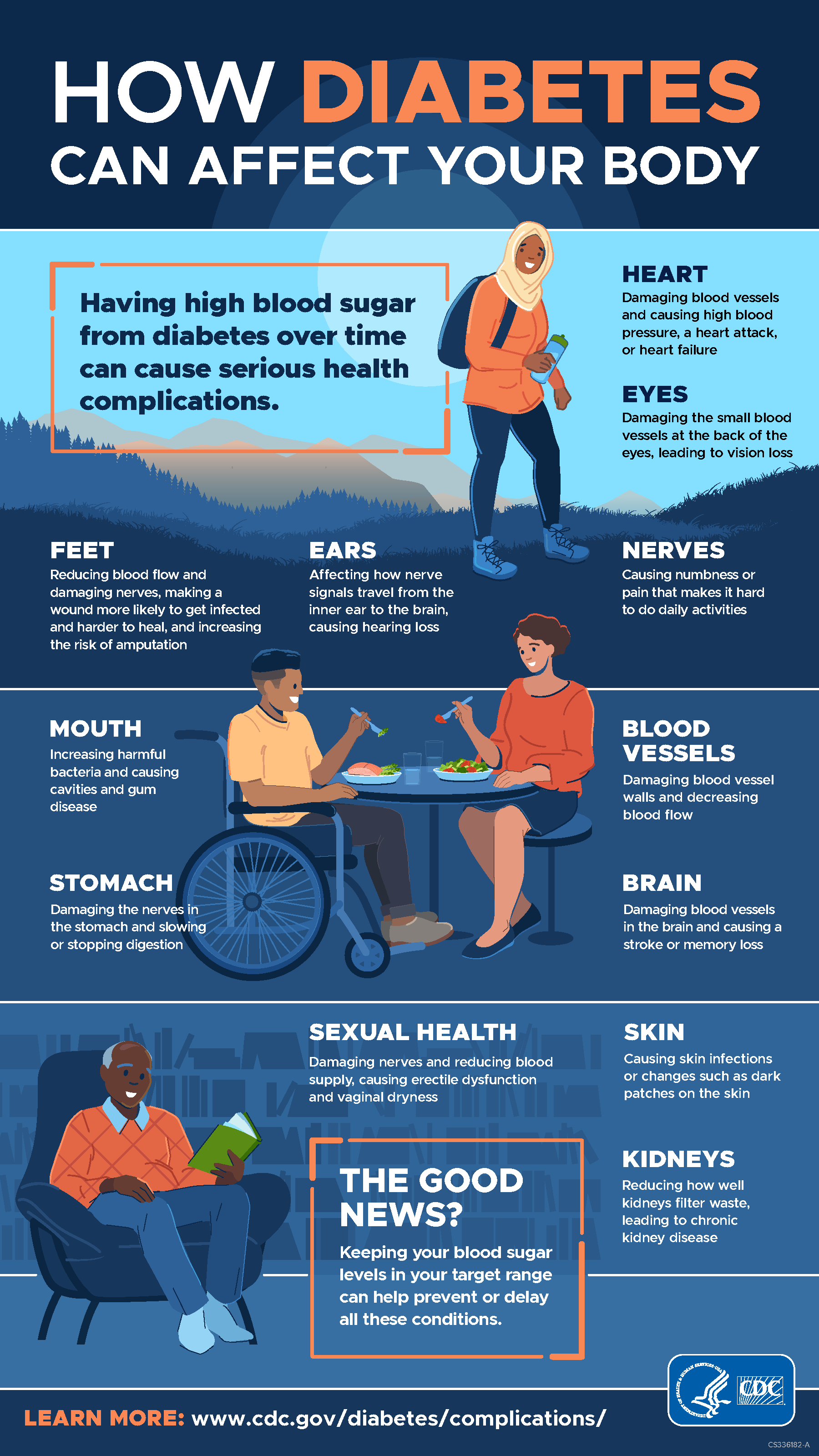
Physical and emotional toll: Living with diabetes requires constant management, including monitoring blood glucose levels, taking medications, and making lifestyle adjustments. Over time, high blood glucose levels can lead to serious complications such as heart disease, kidney failure, vision loss, and nerve damage[8]. The emotional burden of diabetes can also be significant, with many individuals experiencing stress, anxiety, and depression.

Economic impact: The economic impact of diabetes is substantial, both for individuals and healthcare systems. The cost of diabetes care, including medications, regular check-ups, and management of complications, can place a significant financial burden on families. In some low-income and middle-income countries, the cost of insulin and blood glucose monitoring alone can consume half of a family’s income. On a broader scale, diabetes-related healthcare expenditure places a heavy strain on national healthcare systems, diverting resources from other critical areas.

Family dynamics: Diabetes can also affect family dynamics, particularly when a family member is diagnosed with the disease. Family members often take on caregiving roles, which can lead to emotional stress and financial strain. In some cases, parents of children with type 1 diabetes may need to reduce their working hours or change their jobs to accommodate the demands of diabetes management.

World Diabetes Day serves as a reminder of the urgent need to address the global diabetes epidemic. By raising awareness, promoting education, and advocating for better access to care, we can work towards reducing the burden of diabetes on individuals, families, and society. The theme highlights the importance of a holistic approach to diabetes management, addressing not only physical health but also emotional and social well-being. Preventing diabetes requires a collective effort, involving individuals, families, healthcare providers, and policymakers. By adopting healthy lifestyles, supporting those living with diabetes, and investing in diabetes research and care, we can make significant strides in combating this global health challenge. As we observe World Diabetes Day, let us commit to taking action to improve the lives of those affected by diabetes and to prevent future generations from facing this debilitating disease.
World Diabetes Day

World Diabetes Day is an annual global health awareness campaign observed on November 14th. The day was established in 1991 by the International Diabetes Federation (IDF) and the World Health Organization (WHO) in response to the rapidly increasing prevalence of diabetes worldwide. The date, November 14th, was chosen to honour the birthday of Sir Frederick Banting, who, along with Charles Best, first conceived the idea that led to the discovery of insulin in 1922.

The day gained official recognition as a United Nations Day in 2006 with a resolution that acknowledged diabetes as a chronic, debilitating, and costly disease associated with severe complications that pose a significant threat to families, countries, and the entire world. Since its inception, World Diabetes Day has grown into a global campaign reaching millions of people in over 160 countries. It serves as a platform for diabetes awareness and advocacy, uniting the global diabetes community in a collective effort to address the growing diabetes epidemic.

World Diabetes Day plays a crucial role in raising awareness by helping educate the public about diabetes, its risk factors, symptoms, and complications; by encouraging people to get tested, it supports early detection and intervention; the day advocates for better care and pushes for improved access to quality diabetes care and treatment options; it highlights the importance of ongoing research in diabetes prevention and management; and fosters community support by bringing together individuals, healthcare professionals, and organisations to support those affected by diabetes.

The theme for World Diabetes Day from 2024 to 2026 will be ‘Diabetes and Well-being’. This theme will focus on three key aspects between 2024 and 2026 – physical well-being, societal well-being, and mental well-being. The choice of this theme reflects a holistic approach to diabetes management, recognising that diabetes affects not only physical health but also mental and social well-being. By addressing these interconnected aspects, the campaign aims to improve the overall quality of life for people living with diabetes.

To fully appreciate the importance of World Diabetes Day, it’s crucial to understand the nature of diabetes and its impact on global health. There are two main types of diabetes: Type 1 diabetes is an autoimmune condition where the body doesn’t produce insulin. It’s not preventable and requires daily insulin administration. Type 2 diabetes results from the body’s ineffective use of insulin. It’s often associated with physical inactivity and excess body weight, and in many cases, it’s preventable.

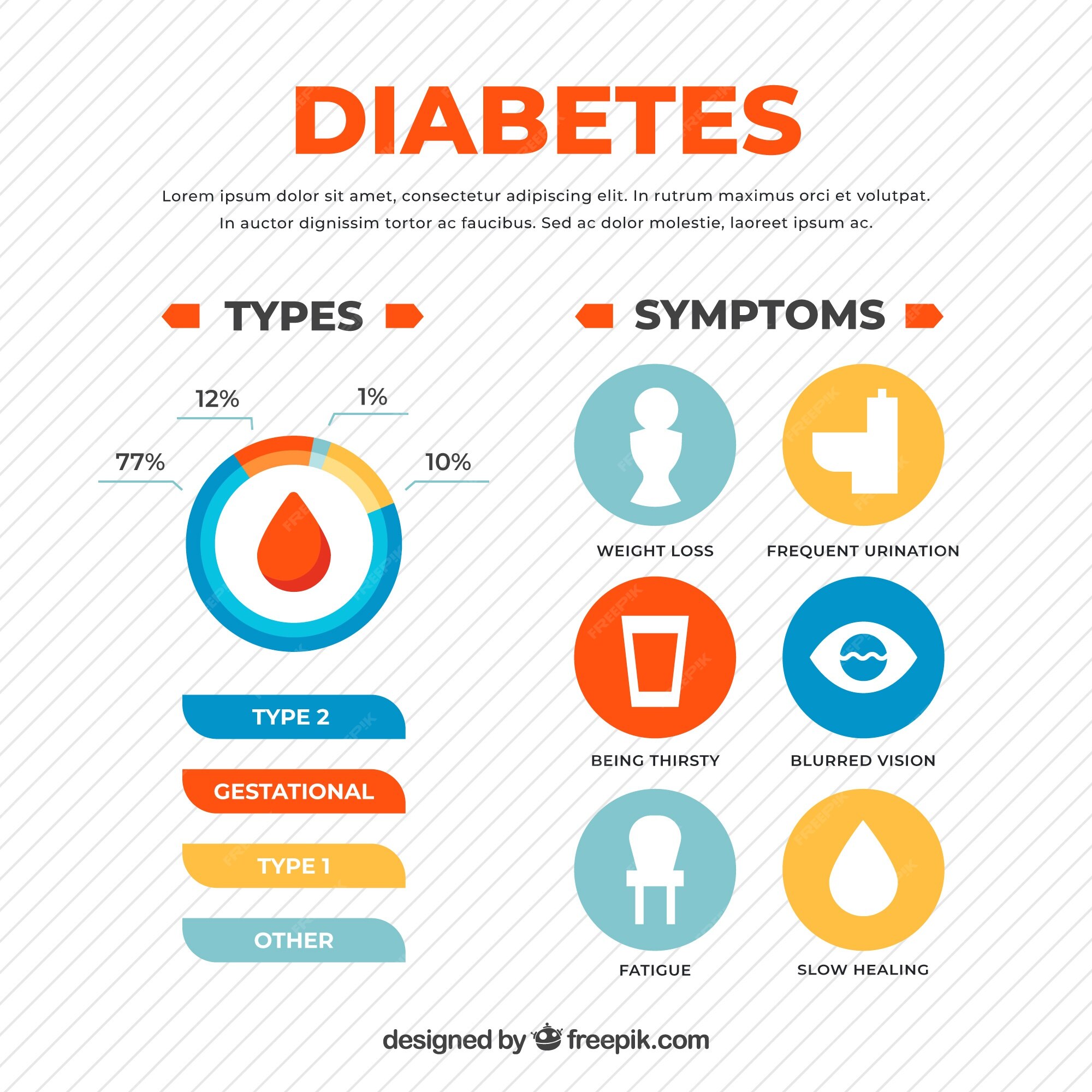
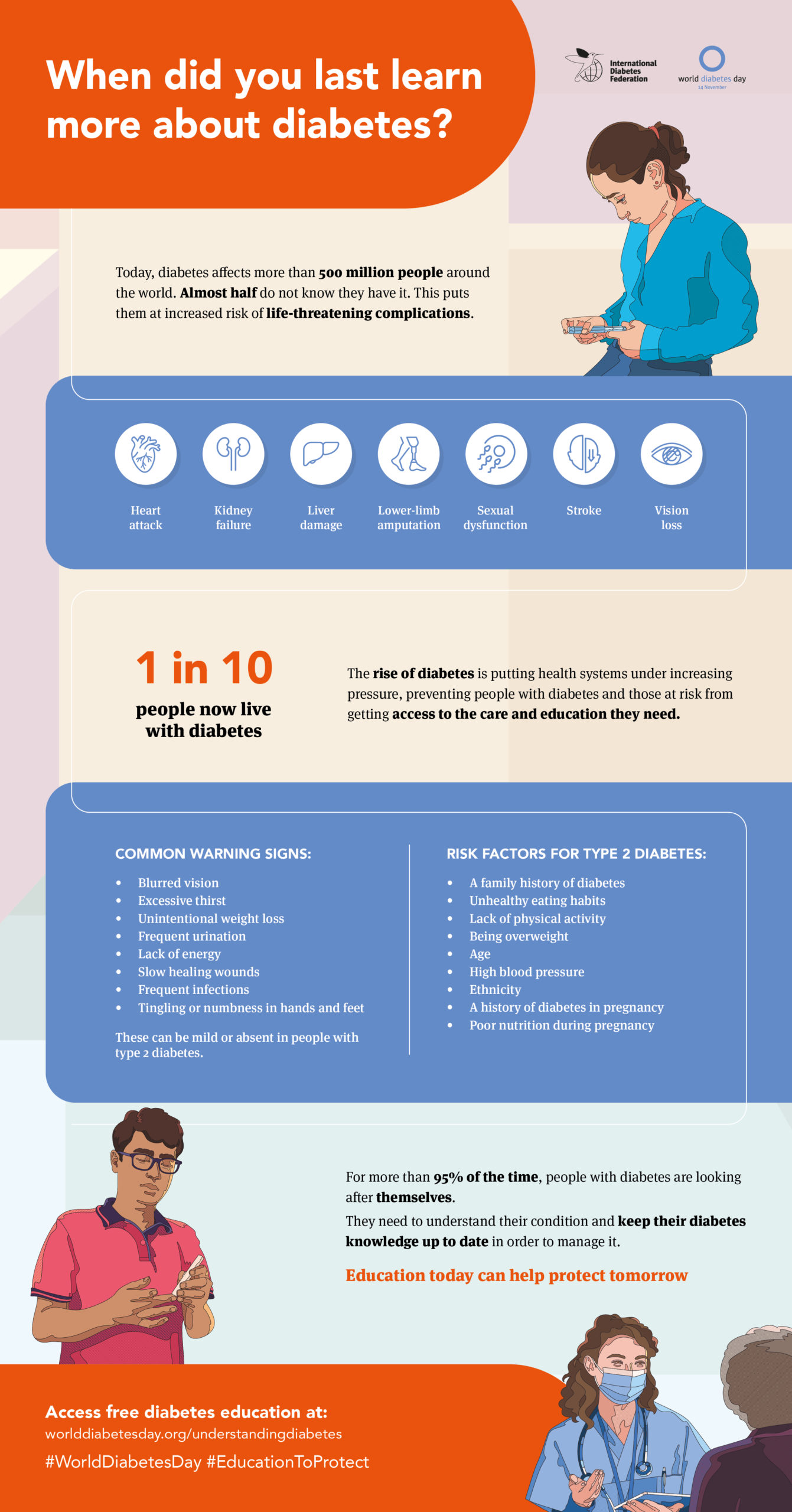
Common symptoms of diabetes include frequent urination, excessive thirst, unexplained weight loss, slow-healing wounds, recurring skin infections, and numbness or tingling in hands and feet. It’s important to note that symptoms can be less pronounced in Type 2 diabetes, and diagnosis may occur years after onset.

The IDF Diabetes Atlas provides alarming statistics on the global diabetes scenario. In 2021, 537 million adults or 1 in 10 were living with diabetes. This number is expected to rise to 643 million by 2030 and 783 million by 2045. Almost half of adults with diabetes or 44% remain undiagnosed, primarily with type 2 diabetes. Over three-quarters of people with diabetes live in low and middle-income countries. 541 million adults are at increased risk of developing type 2 diabetes. Over 1.2 million children and adolescents between the ages of 0 and 19 years live with type 1 diabetes.

Diabetes imposes a substantial economic burden globally. In 2021, diabetes accounted for at least $966 billion in health expenditure, constituting 9% of the global total spent on healthcare. High blood glucose or hyperglycemia during pregnancy affects one in six live births or about 21 million.

World Diabetes Day serves as a catalyst for various activities and initiatives aimed at raising awareness and promoting better diabetes care. The official colour of diabetes awareness is blue. Wearing blue clothing or accessories on November 14th shows support for the cause. One can use social media and other platforms to educate others about diabetes, its risk factors, and the importance of a healthy lifestyle. Another way is to encourage those at risk to get tested for diabetes, supporting early detection and intervention. One can host or participate in events, workshops, or seminars that raise awareness about diabetes in local communities. The IDF provides an interactive tool for individuals to assess their risk of developing type 2 diabetes.

Healthcare professionals play a crucial role in diabetes management and prevention. World Diabetes Day highlights their importance and provides resources to support their work. The day often features educational sessions for healthcare providers to stay updated on the latest diabetes care practices. It encourages healthcare professionals to engage more effectively with patients, promoting better diabetes management. Healthcare professionals are encouraged to advocate for better diabetes care policies and resources. The day highlights opportunities for healthcare professionals to participate in diabetes research.

World Diabetes Day emphasises the importance of diabetes prevention and effective management. Key strategies include promoting balanced diets, regular physical activity, and maintaining a healthy weight; encouraging regular check-ups and diabetes screenings, especially for those at higher risk; stressing the importance of following prescribed treatment plans for those diagnosed with diabetes; providing resources and support for people with diabetes to effectively manage their condition; and highlighting new technologies and treatments that can improve diabetes management.

World Diabetes Day fosters global collaboration in the fight against diabetes. This includes international partnerships which encourage cooperation between countries and organisations to address diabetes on a global scale; knowledge sharing and the facilitating the exchange of best practices and research findings across borders; advocating for equitable distribution of diabetes care resources, especially in low and middle-income countries; and promoting consistent policies and guidelines for diabetes prevention and management worldwide.

While World Diabetes Day has made significant strides in raising awareness and improving diabetes care, several challenges remain. These include ensuring equitable access to quality diabetes care, especially in resource-limited settings; combating social stigma associated with diabetes and promoting inclusivity; addressing the gap in access to diabetes management technologies between high and low-income countries; managing the increasing prevalence of diabetes alongside other chronic conditions; and developing strategies to engage younger generations in diabetes prevention and awareness.

World Diabetes Day stands as a beacon of hope and action in the global fight against diabetes. Today, the focus is shifting towards a more holistic approach to diabetes care, encompassing physical, societal, and mental well-being. The day serves not only as a reminder of the challenges posed by diabetes but also as a celebration of the progress made in diabetes care and management. It unites millions of people worldwide in a common cause, fostering a sense of community and shared purpose.

World Diabetes Day remains a crucial platform for raising awareness, promoting prevention, and advocating for better care. It reminds us that while diabetes is a serious condition, it is manageable with the right knowledge, support, and resources.

World Diabetes Day

Also known as Diabetes Mellitus, diabetes, as it is popularly known, is a group of metabolic disorders characterised by a high blood sugar level or hyperglycemia over a prolonged period. Symptoms often include frequent urination, increased thirst and increased appetite. If left untreated, diabetes can cause many health complications, including diabetic ketoacidosis, hyperosmolar hyperglycemic state, or death. Serious long-term complications include cardiovascular disease, stroke, chronic kidney disease, foot ulcers, damage to the nerves, damage to the eyes, and cognitive impairment. Diabetes occurs when either the pancreas is not producing enough insulin or the cells of the body are not responding properly to the insulin produced. There are three main types of diabetes mellitus. Type 1 diabetes results from the failure of the pancreas to produce enough insulin due to the loss of beta cells and was previously referred to as insulin-dependent diabetes mellitus or juvenile diabetes and usually appears during childhood or adolescence, but can also develop in adults. Type 2 diabetes begins with insulin resistance, a condition in which cells fail to respond to insulin properly. As the disease progresses, a lack of insulin may also develop which was previously referred to as non-insulin-dependent diabetes mellitus or adult-onset diabetes. Though more common in older adults, a significant increase in the prevalence of obesity among children has led to more cases of type 2 diabetes in younger people. Gestational diabetes is the third main form and occurs when pregnant women without a previous history of diabetes develop high blood sugar levels and blood sugar usually returns to normal soon after delivery. However, women who had gestational diabetes during pregnancy have a higher risk of developing type 2 diabetes later in life.

The seventh leading cause of death globally, in 2021, approximately 537 million adults between the ages of 20 and 79 are living with diabetes with the total number of people living with the disease projected to rise to 643 million by 2030 and 783 million by 2045. 3 in 4 adults with diabetes live in low-and middle-income countries and almost 1 in 2 or 240 million adults living with diabetes are undiagnosed. The disease has caused 6.7 million deaths and at least US 966 billion dollars in health expenditure which is 9% of total spending on adults. More than 1.2 million children and adolescents between the ages of 0 and 19 are living with type 1 diabetes with 1 in 6 live births or 21 million affected by diabetes during pregnancy. 541 million adults are at increased risk of developing type 2 diabetes.

I have been a diabetic for about eight years now and so like to use this day to highlight this silent disease. Held annually on 14 November, the birthday of Sir Frederick Banting, who co-discovered insulin along with Charles Best in 1922, World Diabetes Day’s main focus is the global awareness campaign focusing on diabetes mellitus. World Diabetes Day was launched in 1991 by the International Diabetes Federation, IDF and the World Health Organization, WHO in response to the rapid rise of diabetes around the world. By 2016, World Diabetes Day was being commemorated by over 230 IDF member associations in more than 160 countries and territories. It became an official United Nations Day in 2006. The campaign is represented by a blue circle logo that is the global symbol for diabetes awareness. It signifies the unity of the global diabetes community in response to the diabetes epidemic.

Every year, the World Diabetes Day campaign focuses on a dedicated theme that runs for one or more years. The theme for World Diabetes Day for the years 2021 to 2023 is Access to Diabetes Care. Millions of people with diabetes around the world do not have access to diabetes care. People with diabetes require ongoing care and support to manage their condition and avoid complications. Medicine, technologies, support and care have to be made available to every diabetic that requires them. Governments have to increase investments in diabetes care and prevention. The rising number of people affected by diabetes is putting added strain on healthcare systems because it is the healthcare professionals who must know how to detect and diagnose the condition early and provide the best possible care. And simultaneously, people living with diabetes need access to ongoing education to understand their condition and carry out the daily self-care essential to staying healthy and avoiding complications.

2022 is also the centenary of the discovery of insulin. In May 1921, the experiments that would culminate in the synthesis of commercially available insulin first began in Toronto, Canada. Frederick Banting and Charles Best experimented on several diabetes-induced dogs with limited success. A breakthrough came when one of the dogs, named Marjorie by the Toronto team, survived for 70 days with injections of the pancreatic extract, or Isletin as the team were calling it. On January 23, 1922, the first successful injection of insulin was administered to a person living with diabetes.

More people must know the importance of this condition and how they can recognise the signs and symptoms. This knowledge will allow individuals and entire families alike to support each other in their efforts to live healthier, diabetes-free lives. While some risk factors for developing diabetes cannot be changed, making healthy lifestyle choices can dramatically reduce a person’s chances of developing it. The key ways one can reduce the risk of developing diabetes include exercising 30 minutes or more, at least five days a week because exercise helps in losing weight, naturally lowers and maintains blood sugar levels, and boosts the body’s sensitivity to insulin, allowing the body to properly manage its blood sugar levels. It is also important to maintain a healthy weight because in many cases, being overweight or obese is the number one trigger that sets off the development of diabetes. One should also eat a healthy diet which includes plenty of fruits, vegetables, whole grains, nuts and seeds, as opposed to sugary drinks and snacks.

So get moving, eat healthily and stay healthy to beat diabetes, the silent killer.

World Diabetes Day 2020

Tomorrow is World Diabetes Day. As someone who is diabetic, this day is something that I like to write about each year so more people become aware of this silent killer. Created in 1991 by the International Diabetes Federation and the World Health Organisation in response to growing concerns about the escalating health threat posed by diabetes, the World Diabetes Day became an official United Nations Day in 2006. 14 November was chosen to commemorate the day as it is the birthday of Sir Frederick Banting, who co-discovered insulin along with Charles Best in 1922.

The world’s largest diabetes awareness campaign reaching a global audience of over 1 billion people in more than 160 countries, the World Diabetes Day draws attention to issues of paramount importance to the diabetes world and keeps diabetes firmly in the public and political spotlight.

The World Diabetes Day campaign aims to be the platform to promote IDF advocacy efforts throughout the year and be the global driver to promote the importance of taking coordinated and concerted actions to confront diabetes as a critical global health issue. The campaign is represented by a blue circle logo that was adopted in 2007 after the passage of the UN Resolution on diabetes. The blue circle is the global symbol for diabetes awareness. It signifies the unity of the global diabetes community in response to the diabetes epidemic.

Today, world-wide, 463 million adults, or an estimated one in eleven, were living with diabetes in 2019, with the number of people living with diabetes expected rise to 578 million by 2030. Many must live with the complications of diabetes and many still die young as a consequence of their condition. 1 in 2 adults with diabetes remain undiagnosed and the majority have type 2 diabetes. More than 3 in 4 people with diabetes live in low and middle-income countries and 1 in 6 live births or approximately 20 million are affected by high blood glucose or hyperglycaemia in pregnancy. Two-thirds of people with diabetes live in urban areas and three-quarters are of working age. 1 in 5 people with diabetes or about 136 million are above 65 years old. Diabetes caused 4.2 million deaths in 2019 and was responsible for at least $760 billion in health expenditure in 2019, accounting for about 10% of the global total spent on healthcare. The numbers continue to grow but the resources allocated to diabetes are often insufficient and are under increased pressure as a result of the COVID-19 pandemic. The WHO estimates that diabetes services have been disrupted in 50% of countries worldwide.

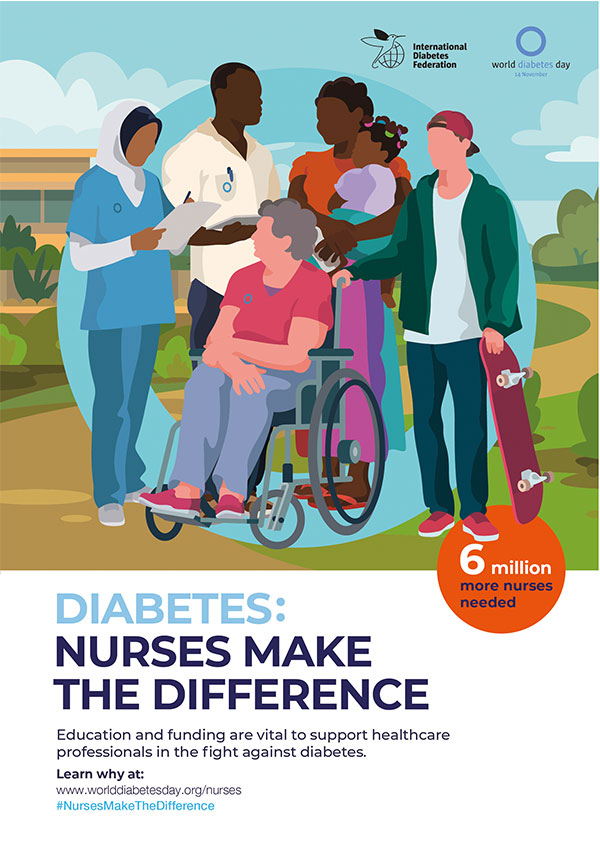
Every year, the World Diabetes Day campaign focuses on a dedicated theme that runs for one or more years. The theme for World Diabetes Day 2020 is The Nurse and Diabetes. This year’s campaign aims to raise awareness around the crucial role that nurses play in supporting people living with diabetes.

Nurses currently account for over half of the global health workforce. They do outstanding work to support people living with a wide range of health concerns. People who either live with diabetes or are at risk of developing the condition need their support too. People living with diabetes face a number of challenges, and education is vital to equip nurses with the skills to support them. As the number of people with diabetes continues to rise across the world, the role of nurses and other health professional support staff becomes increasingly important in managing the impact of the condition. Healthcare providers and governments must recognise the importance of investing in education and training. With the right expertise, nurses can make the difference for people affected by diabetes.

According to the World Health Organization, nurses account for 59% of health professionals and the global nursing workforce is 27.9 million, of which 19.3 million are professional nurses with a global shortage of nurses in 2018 being 5.9 million with 89% of that shortage concentrated in low and middle-income countries. The estimated number of nurses trained and employed needs to grow by 8% a year to overcome alarming shortfalls in the profession by 2030. WHO estimates that the total investment required to achieve the targets outlined in the Social Development Goals by 2030 stand at 3.9 trillion USD – 40% of which should be dedicated to remunerating the health workforce.

As highly valued members of the community, nurses do outstanding work to support people living with a wide range of health concerns. People who either live with diabetes or are at risk of developing the condition need their support too. People living with diabetes face a number of challenges, and education is vital to equip nurses with the skills to support them. The IDF wants to facilitate opportunities for nurses to learn more about the condition and receive training so that they can make a difference for people with diabetes. As the number of people with diabetes continues to rise across the world, the role of nurses and other health professional support staff is becoming increasingly important in managing the impact of the condition. Nurses are often the first and sometimes only health professional that a person interacts with and so the quality of their initial assessment, care and treatment is vital. Nurses play a key role in diagnosing diabetes early to ensure prompt treatment, providing self-management training and psychological support for people with diabetes to help prevent complications and tackling the risk factors for type 2 diabetes to help prevent the condition. Healthcare providers and governments must therefore recognise the importance of investing in education and training. With the right expertise, nurses can make the difference for people affected by diabetes.

In my last year’s post on this day, I have written extensively about the types of diabetes, so read more there.

World Diabetes Day 2019

Yesterday, 14 November was commemorated worldwide as World Diabetes Day. I didn’t know about this day until earlier this year and as someone who suffers from this condition, I think it’s a pity, but better late than never.

World Diabetes Day (WDD) was created in 1991 by the International Diabetes Federation (IDF) and the World Health Organization (WHO) in response to growing concerns about the escalating health threat posed by diabetes. World Diabetes Day became an official United Nations Day in 2006 with the passage of United Nation Resolution 61/225. It is marked every year on 14 November, the birthday of Sir Frederick Banting, who co-discovered insulin along with Charles Best in 1922.

The day is the world’s largest diabetes awareness campaign reaching a global audience of over 1 billion people in more than 160 countries. The campaign draws attention to issues of paramount importance to the diabetes world and keeps diabetes firmly in the public and political spotlight. The World Diabetes Day campaign aims to promote importance of taking coordinated and concerted actions to confront diabetes as a critical global health issue.

The theme for World Diabetes Day 2019 is Family and Diabetes. Family and the support network around you has a huge impact on diabetes management, care, prevention and education and that is exactly what this year’s theme wants to highlight. The WDD 2019 has three main focus areas: Discover diabetes; Prevent type 2 diabetes and Manage diabetes.

Families are urged to learn more about the warning signs of diabetes and find out their risk of type 2 diabetes. Research conducted by the Federation in 2018 discovered that parents would struggle to spot this serious life-long condition in their own children. Despite the majority of people surveyed having a family member with diabetes, an alarming four-in-five parents would have trouble recognising the warning signs. One-in-three wouldn’t spot them at all. The findings underline the need for education and awareness to help people spot the diabetes warning signs early.

A lack of knowledge about diabetes means that spotting the warning signs is not just a problem for parents, but is an issue impacting a cross-section of society. This is a major concern, due to the signs being milder in type 2 diabetes, the most prevalent form of the condition, responsible for around 90% of all diabetes. One in two people currently living with diabetes are undiagnosed. The vast majority of these have type 2 diabetes. Left untreated or unmanaged, diabetes can lead to life-changing complications. These include blindness, amputation, kidney failure, heart attack and stroke. Diabetes was responsible for four million deaths in 2017. It is no wonder that diabetes has been called a silent killer. Early diagnosis and treatment are key to helping prevent or delay life-threatening complications.

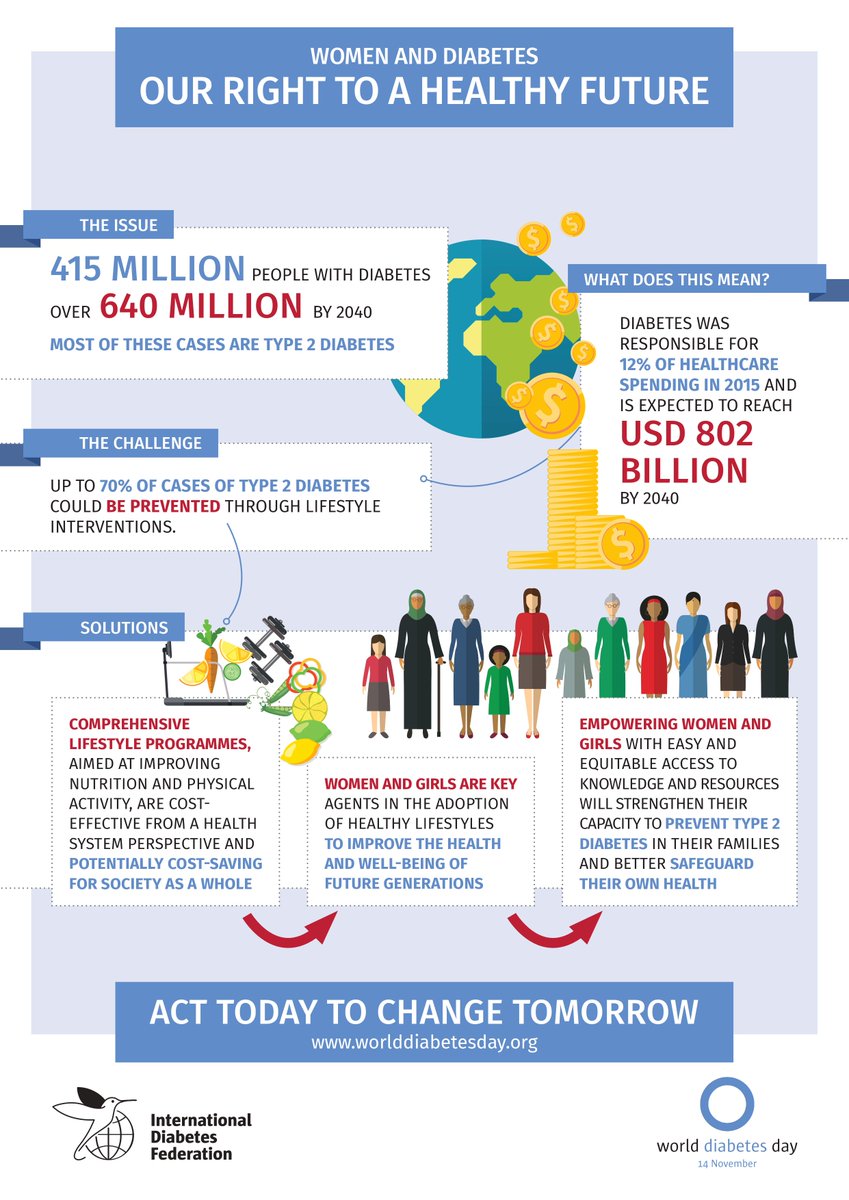
Many cases of type 2 diabetes can be prevented by adopting a healthy lifestyle. Reducing a family’s risk starts at home. When a family eats healthy meals and exercises together, all family members benefit and this in turn, encourages behaviours that could help prevent type 2 diabetes in the family.

Types of Diabetes
There are three main types of diabetes:

Type 1 diabetes used to be called juvenile-onset diabetes. It is usually caused by an auto-immune reaction where the body’s defence system attacks the cells that produce insulin. The reason this occurs is not fully understood. People with type 1 diabetes produce very little or no insulin. The disease may affect people of any age, but usually develops in children or young adults. People with this form of diabetes need injections of insulin every day in order to control the levels of glucose in their blood. If people with type 1 diabetes do not have access to insulin, they will die.

Type 2 diabetes used to be called non-insulin dependent diabetes or adult-onset diabetes, and accounts for at least 90% of all cases of diabetes. It is characterised by insulin resistance and relative insulin deficiency, either or both of which may be present at the time diabetes is diagnosed. The diagnosis of type 2 diabetes can occur at any age. Type 2 diabetes may remain undetected for many years and the diagnosis is often made when a complication appears or a routine blood or urine glucose test is done. It is often, but not always, associated with overweight or obesity, which itself can cause insulin resistance and lead to high blood glucose levels. People with type 2 diabetes can often initially manage their condition through exercise and diet. However, over time most people will require oral drugs and or insulin.

Both type 1 and type 2 diabetes are serious. There is no such thing as mild diabetes.

Gestational diabetes (GDM) is a form of diabetes consisting of high blood glucose levels during pregnancy. It develops in one in 25 pregnancies worldwide and is associated with complications to both mother and baby. GDM usually disappears after pregnancy but women with GDM and their children are at an increased risk of developing type 2 diabetes later in life. Approximately half of women with a history of GDM go on to develop type 2 diabetes within five to ten years after delivery.

Other specific types of diabetes also exist.

If you suspect you or a family member is diabetic, please reach out to a health professional immediately so that they can be tested and then given appropriate medication. A family physician is the first and best defence against this disease since they are able to see you at regular intervals and can change the medication or treatment as appropriate as well as test you at appropriate intervals.

For more details, please check out the International Diabetes Federation website.