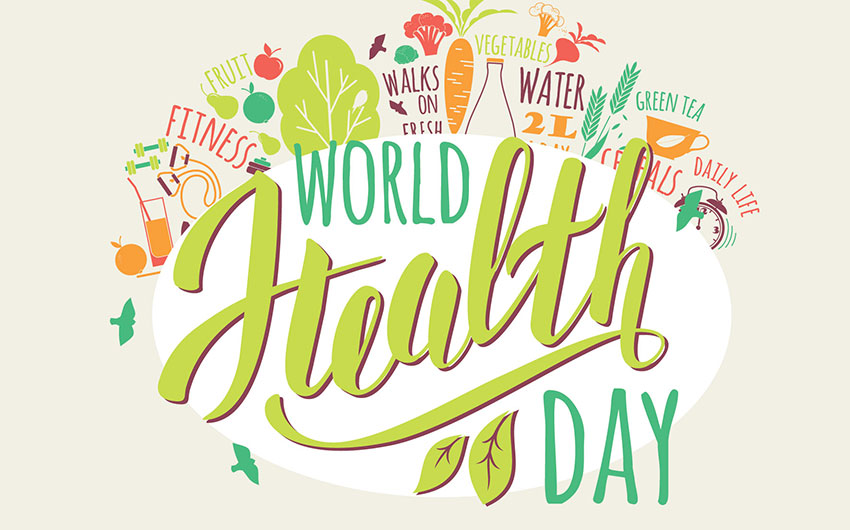
World Health Day

An annual event celebrated globally today or April 07, World Health Day was initiated by the World Health Organization or WHO in 1948 as a means to raise awareness about health issues and to promote better health practices around the world. Every year, a different theme is selected to highlight a specific health concern that needs to be addressed.

This year, the World Health Organisation will observe its 75th birthday. World Health Day is one of 11 official global health campaigns marked by the WHO, along with World Tuberculosis Day, World Immunization Week, World Malaria Day, World No Tobacco Day, World AIDS Day, World Blood Donor Day, World Chagas Disease Day, World Patient Safety Day, World Antimicrobial Awareness Week and World Hepatitis Day.

This year, World Health Day 2023 will be focusing on the theme of Health for All. This theme is an opportunity to look back at public health successes that have improved the quality of life during the last seven decades. It is also an opportunity to motivate action to tackle the health challenges of today and tomorrow and to emphasise the importance of health equity and how it can be achieved through a collective effort.
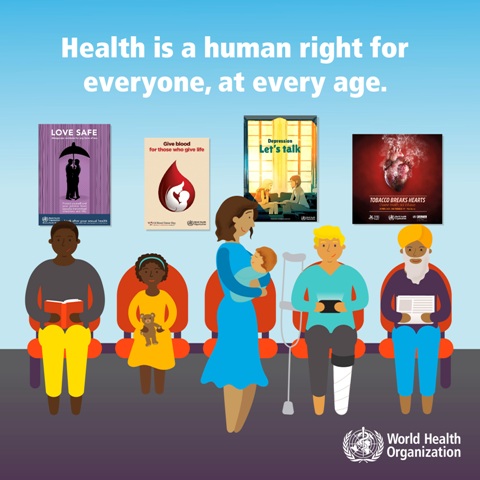
The right to health is a basic human right. Health equity refers to the idea that everyone should have equal access to quality health services regardless of race, ethnicity, gender, socioeconomic status, or location. However, in many countries, certain populations face disparities in health outcomes and access to health services, making it difficult for them to achieve optimal health. These disparities are often caused by systemic inequalities, such as poverty, lack of education, and inadequate access to healthcare. 30% of the global population is not able to access essential health services and almost two billion people face catastrophic or impoverishing health spending, with significant inequalities affecting those in the most vulnerable settings. Universal health coverage offers financial protection and access to quality essential services, lifts people out of poverty, promotes the well-being of families and communities, and protects against public health crises.

COVID-19 set back every country’s journey to universal health. Along with this and other health emergencies, overlapping humanitarian and climate crises, economic constraints, and war, the journey for every human being’s access to healthcare has become more urgent. The COVID-19 pandemic has further highlighted the stark differences in health outcomes between different populations. Research has shown that communities of colour, people living in poverty, and those in rural areas have been disproportionately affected by the virus. This disparity is due to a combination of factors, including a higher prevalence of underlying health conditions, inadequate access to healthcare, and limited resources to protect themselves from the virus.

To achieve health equity, we must address these underlying factors that contribute to health disparities. This can be done by implementing policies and programs that aim to reduce poverty, increase access to education and healthcare, and improve living conditions. It is also important to address systemic inequalities, such as racism and discrimination, which can have a significant impact on health outcomes.
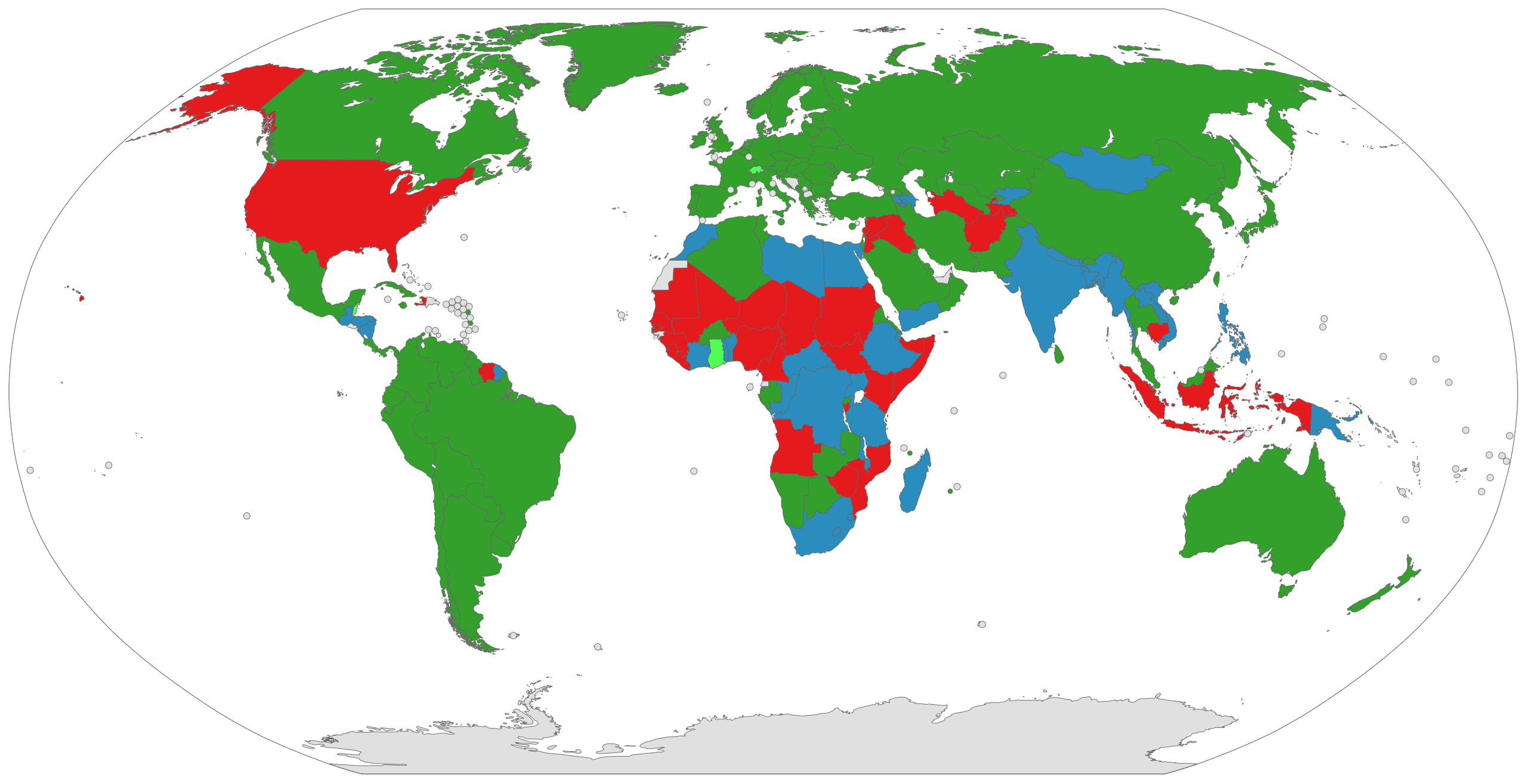
Universal Healthcare across the world Source

One of the key ways to build a fairer and healthier world is through universal health coverage or UHC. UHC means that everyone should have access to quality health services without facing financial hardship. This can be achieved by providing access to essential health services, such as preventive and curative care, and by ensuring that everyone has access to affordable medicines and vaccines. By implementing UHC, we can help reduce health disparities and improve health outcomes for all populations. It can also help to address the issue of “medical impoverishment,” where individuals and families face financial hardship due to high medical expenses. In addition, UHC can also help to improve overall health outcomes, reduce the burden of disease, and enhance economic growth and development.

Another important factor in building a fairer and healthier world is investing in research and development. This includes investing in the development of new and innovative treatments, as well as improving existing health technologies and medical practices. Research and development can also help to identify and address the root causes of health disparities, leading to more effective and equitable solutions. Additionally, strengthening health systems is also crucial in achieving health equity. This involves improving access to quality healthcare, increasing the availability of healthcare workers, and strengthening the management of health systems. By strengthening health systems, we can ensure that everyone has access to the care they need, regardless of where they live or their socioeconomic status.

Finally, it is important to prioritise the health of vulnerable populations, such as women, children, and the elderly. This involves addressing the specific health needs of these populations and ensuring that they have access to quality health services and adequate care. By prioritizing the health of vulnerable populations, we can help to reduce health disparities and improve health outcomes for all. Evidence shows that health systems powered by primary health care or the PHC approach are the most effective and cost-effective way to bring services for health and well-being closer to people.
World Health Day

Today is World Health Day, a day dedicated to creating awareness of a specific health theme to highlight a priority area of concern for the World Health Organisation or WHO. This day has, over the past 50 years, from its inception in 1948

April 7 of each year marks the celebration of World Health Day. From its inception at the First Health Assembly in 1948 and since taking effect in 1950, the celebration has aimed to create awareness of a specific health theme to highlight a priority area of concern for the World Health Organization.

The World Health Day has a large number of wide-reaching aims and priorities including to improve understanding of universal health coverage and the importance of primary health care as its foundation, to spur action from individuals, policy-makers and health-care workers to make universal health care a reality for everyone, everyone should have the information and services they need to take care of their own health and the health of their families and to have skilled health workers providing quality, people-centred care; and policy-makers committed to investing in primary health care.

The theme for the 2021 World Heath Day is to build a fairer, healthier world. Why is this so? Because this world is an unequal world. As COVID-19 has highlighted, some people are able to live healthier lives and have better access to health services than others and this is entirely due to the conditions in which they are born, grow, live, work and age. All over the world, some groups struggle to make ends meet with little daily income, have poorer housing conditions and education, fewer employment opportunities, experience greater gender inequality, and have little or no access to safe environments, clean water and air, food security and health services. This leads to unnecessary suffering, avoidable illness, and premature death. And it harms our societies and economies. Not only is this unfair, it is preventable. That’s why world leaders are being called upon to ensure that everyone has living and working conditions that are conducive to good health as well as to monitor health inequities, and to ensure that all people are able to access quality health services when and where they need them.

2021 has also been designated as the International Year of Health and Care Workers (YHCW) in appreciation and gratitude for their unwavering dedication in the fight against the COVID-19 pandemic. Under the theme of Protect, Invest and Together, a year-long campaign which highlights the urgent need to invest in health workers for shared dividends in health, jobs, economic opportunity and equity, has been launched by the WHO. The campaign’s objectives is to ensure the world’s health and care workers are prioritised for the COVID-19 vaccine in the first 100 days of 2021, recognise and commemorate all health and care workers who have lost their lives during the pandemic, mobilise commitments from countries, international financing Institutions and bilateral and philanthropic partners to protect and invest in health and care workers, engage countries and all relevant stakeholders in dialogue on a care compact to protect health and care workers’ rights, decent work and practice environments and bring together communities, influencers, political and social support in solidarity, advocacy and care for health and care workers.

This year, please support to ensure that our health and care workforces are supported, protected, motivated and equipped to deliver safe health care at all times, not only during COVID-19. The pandemic of COVID-19 has hit all countries hard, but its impact has been harshest on those communities which were already vulnerable, who are more exposed to the disease, less likely to have access to quality health care services and more likely to experience adverse consequences as a result of measures implemented to contain the pandemic.

Therefore it is more than important to have a healthier world, one where everyone has access to the healthcare they need.

World Health Day

The word ‘health’ comes from the old English ‘hale’ which means ‘whole’ or ‘complete’. The World Health Organisation or WHO has given an international definition of health: “Health is a state of complete physical, mental and social well-being and not merely the absence of disease or infirmity.”

Tomorrow, April 07 marks the celebration of World Health Day. A global health awareness day, this day, held to mark the founding of the World Health Organisation is celebrated every year and is aimed to create awareness of a specific health theme to highlight a priority area of concern for the WHO. On this day, the WHO organizes international, regional and local events on the Day related to a particular theme. World Health Day is acknowledged by various governments and non-governmental organizations with interests in public health issues, who also organize activities and highlight their support in media reports, such as the Global Health Council. The World Health Day is one of eight official global health campaigns marked by WHO, along with World Tuberculosis Day, World Immunization Week, World Malaria Day, World No Tobacco Day, World AIDS Day, World Blood Donor Day, and World Hepatitis Day. Over the past 50 years this has brought to light important health issues such as mental health, maternal and child care, and climate change. The celebration is marked by activities which extend beyond the day itself and serves as an opportunity to focus worldwide attention on these important aspects of global health.

Why is health important? The way the body works depends on a person’s health. The body is designed to deal with everyday obstacles in order to be able to live life to the full, but poor health makes these everyday obstacles become larger and more difficult to overcome. For some the odds of leading a healthy life are stacked against them from the start. Health is important to everything a person does. Poor health affects people differently.

Health is also often thought of in terms of illnesses which endanger it like AIDs, Malaria and Tuberculosis – three of the most devastating diseases and today we could probably include Covid-19 which is has been the deadliest disease our generation has seen which has now been called a pandemic as it has extended over pretty much all continents with the exception of Antartica. The world we live in is a world that is increasingly interconnected and though this brings many benefits it also brings responsibility. Health is a shared responsibility, which means ensuring equal access to essential healthcare and collective action to health threats in different countries to look after those that are sick and to stop deseases from spreading.

The theme for the 2020 edition is a focus on health support staff with the theme being “Support Nurses and Midwives”. World Health Day 2020 will shine a light on the vital role played by nurses and midwives in providing health care around the world, and call for a strengthening of the nursing and midwifery workforce. There was supposed to be “dawn to dusk” advocacy events held around the world to mark World Health Day, but given the conditions we now live in and with health workers globally being streteched thin, I doubt if this is possible. There was supposed to be the launch of the first ever State of the World’s Nursing Report 2020, a report which will provide a global picture of the nursing workforce and support evidence-based planning to optimise the contributions of this workforce to improve health and wellbeing for all. This report will provide a global picture of the nursing workforce and support evidence-based planning to optimize the contributions of this workforce to improve health and wellbeing for all and to make meaningful progress toward UHC and the SDGs. The report will set the agenda for data collection, policy dialogue, research and advocacy, and investment in the health workforce for generations to come. A similar report on the Midwifery workforce will be launched in 2021.

The WHO has also designated 2020 as the Year of the Nurse and the Midwife and the 2020 theme follows this. Nurses and midwives play a vital role in providing health services. These are the people who devote their lives to caring for mothers and children; giving lifesaving immunizations and health advice; looking after older people and generally meeting everyday essential health needs. They are often, the first and only point of care in their communities. The world needs 9 million more nurses and midwives if it is to achieve universal health coverage by 2030. This is why 2020 has been designated the year of the nurse and midwife.

Educating nurses and midwives to international standards makes economic sense. It saves resources by reducing the need for costly and unnecessary interventions and increases quality of care and health for all. Strengthening nursing and midwifery – and ensuring that nurses and midwives are enabled to work to their full potential – is one of the most important things countries can do to achieve universal health coverage and improve health globally. This is especially true in times of epidemics as we are in now. By developing nursing and midwifery, countries can achieve the triple impact of improving health, promoting gender equality and supporting economic growth. Strengthening nursing and midwifery will have the additional benefits of promoting gender equity (SDG5), contributing to economic development (SDG8) and supporting other Sustainable Development Goals.

The goals for World Health Day 2020 include triggering a wave of public appreciation for the work of nurses and midwives and the part they play in delivering health care; raise the profile of nurses and midwives within the health workforce and catalyse support and investment in nurses and midwives.

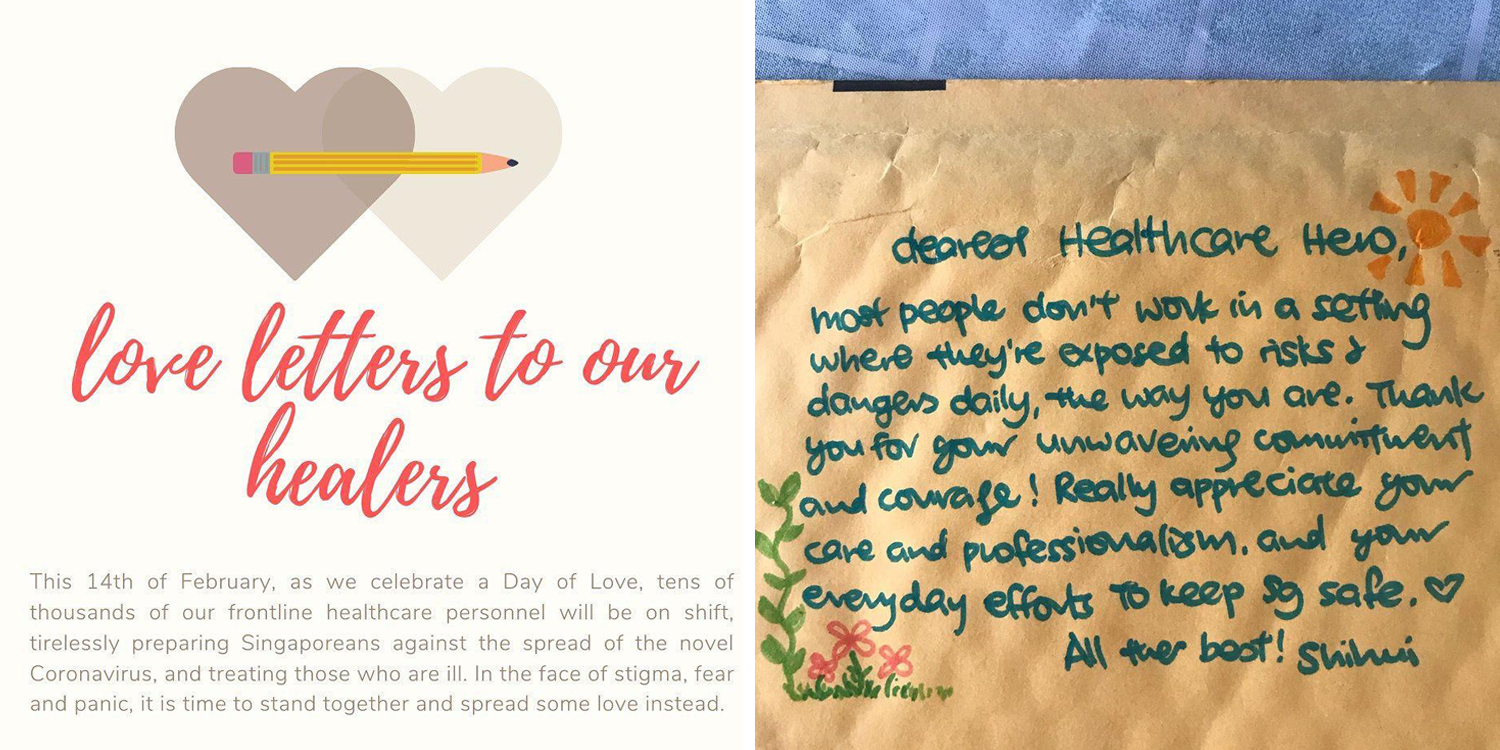
Tomorrow, please remember to thank all healthcare workers in your country. They are risking their lives on a daily basis and in many countries don’t have access to proper preventive personal equipment just so they can save our lives!

The healthcare workers are the superheros of our times!