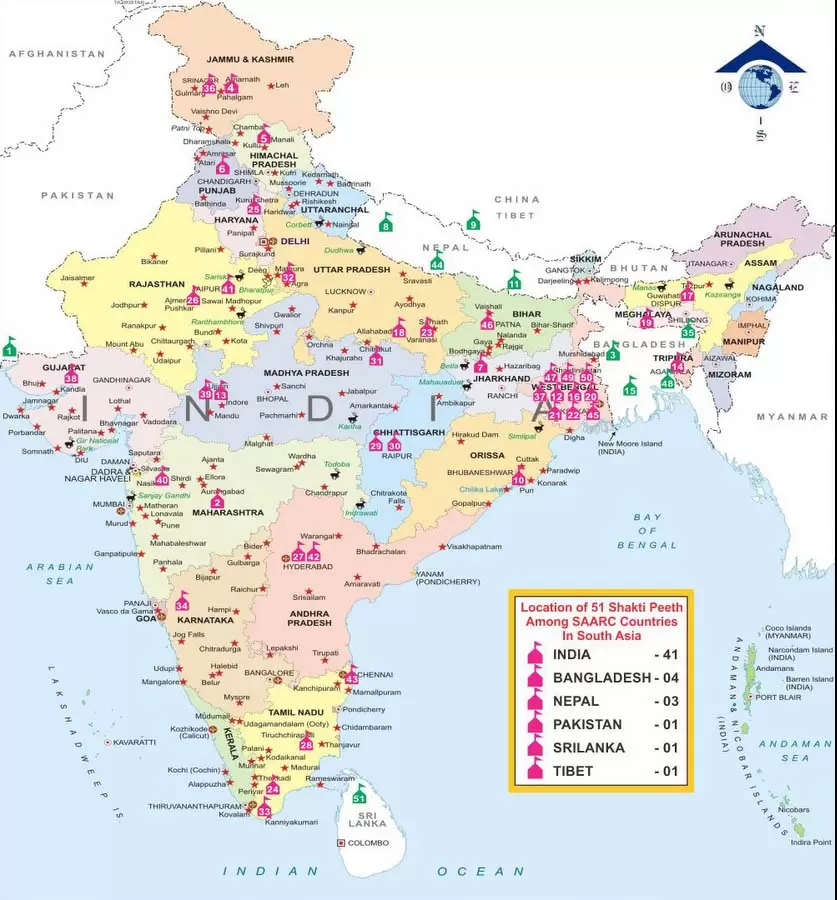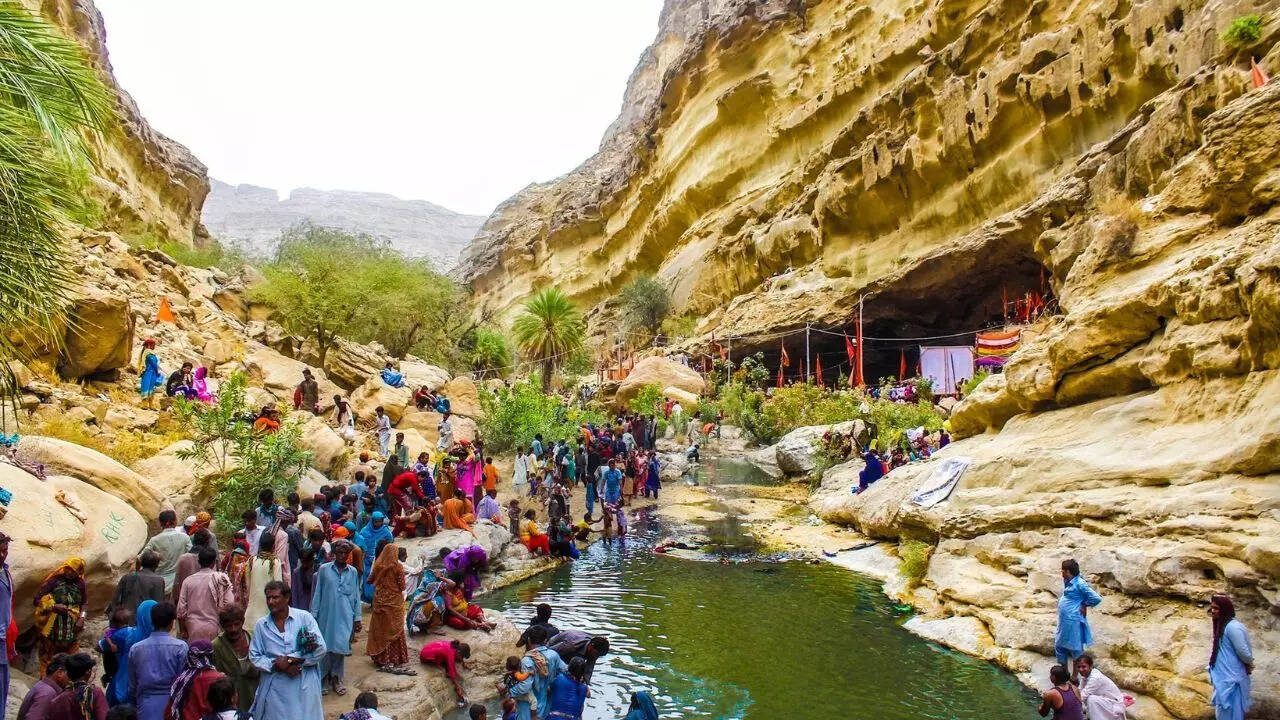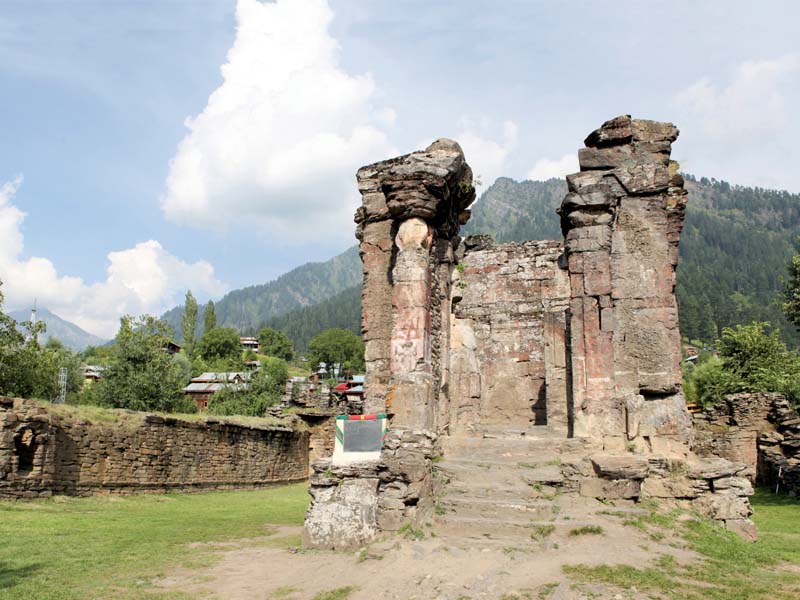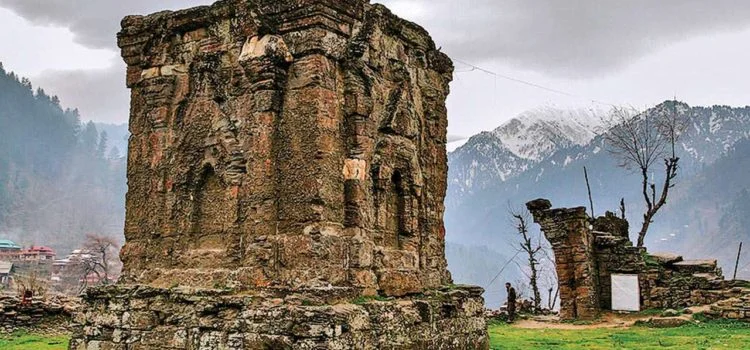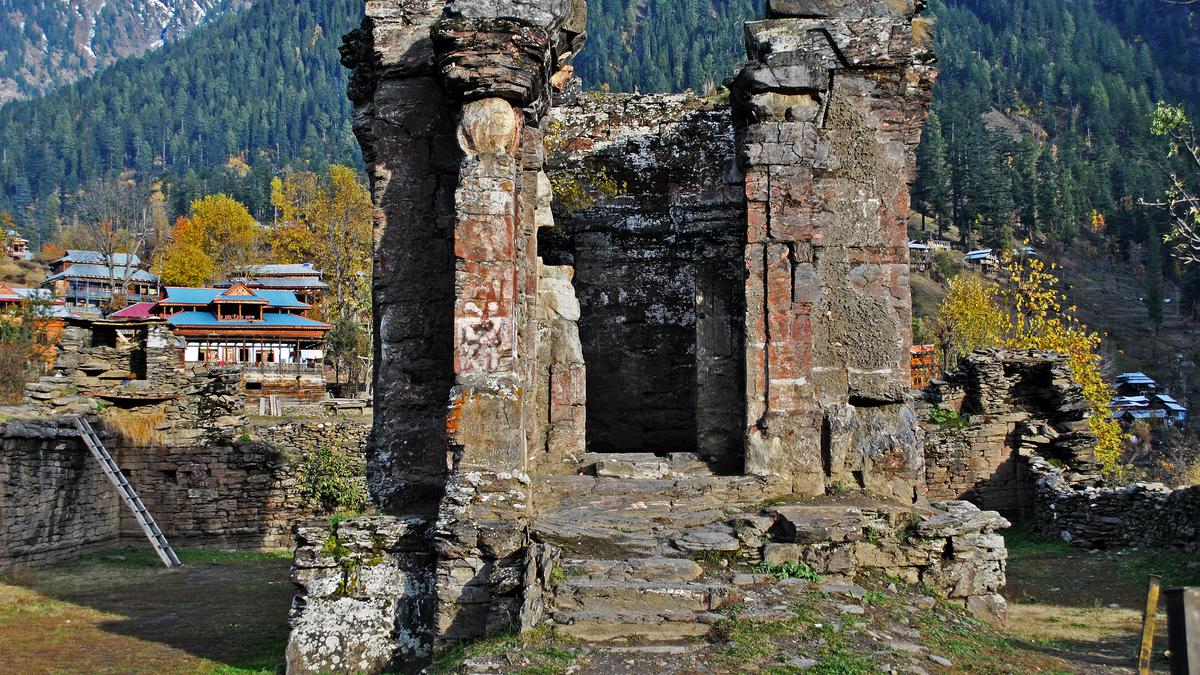
Sacred Stones, Spaces and Stories: Shakthipeeta Part 23

Muktinath Temple, Thorong La Pass, Nepal
The Muktinath Temple, located in the Mustang District near the base of the Thorong La Pass, is one of the most sacred pilgrimage sites for Hindus and Buddhists alike. Known as a Mukti Kshetra or a place of liberation, this temple is revered as one of the 51 Shakti Peethas, where parts of Goddess Sati’s body are believed to have fallen.

At Muktinath, it is said that the forehead or Mukha of Sati fell. The temple is dedicated to Maa Gandaki Chandi, a form of Goddess Shakti, and Chakrapani Bhairava, a manifestation of Lord Shiva. Nestled at an altitude of 3,710 metres or 12,172 feet in the Himalayas, this sacred site blends natural beauty with profound spiritual significance.

The origins of Muktinath Temple are steeped in Hindu and Buddhist traditions. While its exact history is uncertain, records trace its existence back to the 1st century AD, making it one of the oldest religious sites in Nepal. The temple has been mentioned in various ancient scriptures and epics, including the Devi Bhagavata Purana and Skanda Purana. The great Indian philosopher Adi Shankaracharya is believed to have visited Muktinath in the 8th century and established it as an important pilgrimage site for Hindus. Over centuries, local rulers and devotees contributed to its preservation and prominence.

For Hindus, Muktinath is one of the eight Svayam Vyakta Kshetras or self-manifested shrines dedicated to Lord Vishnu and one of the 108 Divya Desams revered by Vaishnavites. For Buddhists, it is known as Chumig Gyatsa or a Hundred Waters and is considered a tantric site associated with Avalokitesvara or the Buddha. This dual religious significance makes Muktinath a unique symbol of harmony between two major faiths.

The central shrine houses a golden idol of Lord Vishnu in his self-manifested form, Svayam Vyakta. The idol exudes an aura of serenity and divinity. A separate shrine within the complex is dedicated to Maa Gandaki Chandi. Her presence symbolises the feminine cosmic energy that sanctifies this Shakti Peetha. Surrounding the temple are 108 bull-faced water spouts known as Mukti Dhara. Pilgrims believe that bathing under these icy streams washes away sins and grants liberation or moksha. A natural flame burns continuously near the temple over a water spring. Known as Jwala Mai, this flame symbolises Brahma, the creator and represents the eternal nature of life.

For Hindus, Muktinath represents salvation through Vishnu’s grace. For Buddhists, it is associated with Avalokitesvara or the Buddha and revered as one of their 24 tantric sites. Tibetan Buddhists believe that Muktinath houses 21 Taras or female deities and Dakinis or sky dancers, making it a sacred tantric site. Located along the Annapurna Circuit trekking route, the temple offers breathtaking views of snow-capped peaks, lush valleys, and serene landscapes.

Pilgrims take a ritualistic bath under the 108 water spouts surrounding the temple. This act symbolises purification from sins and spiritual renewal. Despite freezing temperatures, devotees believe that enduring this hardship brings them closer to liberation. Pilgrims perform circumambulation or parikrama around both the temple complex and nearby Lake Gandaki as an act of devotion. Special fire rituals or hawan are conducted near Jwala Mai during auspicious occasions. Devotees offer ghee, rice, and herbs into the sacred fire while chanting Vedic mantras.

Daily pujas are performed by priests who offer flowers, especially lotus, fruits, incense sticks, and Tulsi leaves. Morning Aarti begins at sunrise with hymns like Vishnu Sahasranama, while evening Aarti concludes with lighting oil lamps around the shrine. Maha Shivratri is celebrated with devotees observing fasts and performing night-long prayers dedicated to Chakrapani Bhairava aka Lord Shiva.

According to legend, Lord Vishnu sought refuge at Muktinath after being cursed by Sage Vrinda for deceiving her husband Jalandhar during battle. To atone for his actions, Vishnu turned into a Shaligram stone at this site until he attained liberation or moksha. The black ammonite fossils found in the Kali Gandaki River are considered sacred manifestations of Vishnu. Another legend states that Tulasi Devi’s body transformed into the Gandaki River after she cursed Vishnu for his deception. Her divine presence sanctifies both the river and Muktinath Temple. Local lore suggests that Jwala Mai represents Brahma’s creative energy that sustains life on Earth. Pilgrims believe that meditating near this flame grants wisdom and enlightenment.

Muktinath Temple offers visitors a unique spiritual experience rooted in mythology and devotion. Whether one seeks salvation or wishes to explore Nepal’s rich cultural heritage intertwined with natural beauty, visiting this ancient shrine will leave one feeling connected to the divine.

Mithila Temple, Mithila, Nepal
Believed to be where Sati’s left shoulder is said to have fallen, the Mithila Shaktipeeth is located in Janakpur in Nepal’s Mithila region. The temple is dedicated to Uma Devi, a form of Goddess Durga, and Lord Shiva is worshipped here as Lord Mahodar Bhairava.

The temple is located in Janakpur, the ancient capital of Mithila and the birthplace of Goddess Sita, the consort of Lord Rama. This connection to the Ramayana adds another layer of sanctity to the site. The temple has existed for centuries and has been mentioned in various scriptures such as the Devi Bhagavata Purana and Skanda Purana. Over time, it became an important centre for Shaktism and a significant pilgrimage destination for devotees from India and Nepal. The name Mithila is derived from King Mithi, who established this region as a kingdom during ancient times.

The main sanctum houses an idol of Maa Uma Devi made from black stone. She is depicted standing gracefully with multiple arms holding weapons, symbolising her power to protect devotees. Mahodar Bhairava’s idol is also present within the complex, signifying his role as the guardian deity. The temple features traditional Indian architecture with intricate carvings depicting scenes from Hindu mythology. Its walls are adorned with vibrant frescoes showcasing various aspects of Goddess Durga and other deities. The temple structure resembles a fort with four minaret-like towers and a grand entrance gate. Within the temple complex lies an ancient shrine known as Sona Mai Mandir, dedicated to an older form of Devi worshipped in Mithilachal, the larger Mithila region.

A sacred pond near the temple is believed to have purifying powers. Devotees often take ritualistic baths here before entering the temple premises. Janakpur’s association with Sita Devi adds another dimension to its sanctity. Many pilgrims visit both Mithila Shaktipeeth and Janaki Mandir, dedicated to Goddess Sita during their pilgrimage.

Daily pujas are performed by priests. Morning Aarti begins at sunrise with chanting of hymns like Durga Saptashati, while evening Aarti concludes with lighting oil lamps around the shrine. Navratri is celebrated twice a year with grand rituals and devotees observe fasting during these nine days to seek blessings for prosperity and protection. Durga Puja is also celebrated at Mithila Shaktipeeth with elaborate rituals conducted over nine days. The temple is adorned with flowers and lights during this festival.

An elaborate Abhishekam ritual involves bathing the idol with milk, honey, ghee, curd, and holy water while chanting Vedic mantras. Janaki Navami, celebrated in May, marks Sita Devi’s birth anniversary and attracts thousands of devotees who visit both Mithila Shaktipeeth and Janaki Mandir.

According to legend, King Janaka discovered an idol of Maa Uma Devi while plowing a field as part of a yajna ritual. This discovery marked the beginning of Devi worship in Mithila and established it as a sacred region. It is believed that the great Sanskrit poet Kalidasa received divine blessings at Mithila Shaktipeeth before composing his masterpieces such as Meghadoota and Raghuvamsha. Devotees believe that praying at Mithila Shaktipeeth cures ailments and grants peace of mind. Many pilgrims visit specifically seeking Maa Uma Devi’s intervention in resolving personal or familial issues.

The location of Mithila Shaktipeeth at Janakpur, which is the birthplace of Goddess Sita is a starting point to explore Nepal’s rich cultural heritage intertwined with Hindu mythology.

Guhyeshwari Temple, Kathmandu, Nepal
The Guhyeshwari Temple is located on the southern bank of the Bagmati River in Kathmandu. It is believed that the knees of Goddess Sati fell at this site, sanctifying it as a Shakti Peetha. The temple is dedicated to Guhyekali, a form of Goddess Shakti, and Lord Kapali Bhairava, a manifestation of Lord Shiva. Nestled amidst the vibrant Kathmandu Valley and just a kilometre away from the famous Pashupatinath Temple, Guhyeshwari Temple is both a spiritual sanctuary and an architectural marvel.

The temple’s name is derived from two Sanskrit words: Guhya which means secret or hidden, and Ishwari which means a goddess, symbolising the goddess’s mystical and esoteric nature. The temple has been a centre for Tantric practices since ancient times and is mentioned in sacred texts like the Kali Tantra, Chandi Tantra, and Shiva Tantra Rahasya. These scriptures highlight its importance as a place for attaining spiritual enlightenment through Tantric rituals.

Historically, the temple was constructed during the rule of King Shanker Dev of the Lichhavi period with assistance from Narasingha Thakur, a noted Tantric practitioner. It was later renovated in 1654 by King Pratap Malla under the guidance of Lambakarna Bhatta, another renowned Tantric scholar. The temple has since been preserved as a vital site for Hindu worship.

The central sanctum houses a sacred water jar or kalasha that represents Maa Guhyekali instead of a traditional idol. The kalasha is adorned with silver and gold coatings and rests on a stone foundation that covers an underground natural water spring. Vapours emanating from the edges of this foundation are believed to symbolise divine energy. The temple features traditional Newari architecture with a four-tiered pagoda-style roof adorned with gilded nagas or serpents that protect the finial. Intricate wood carvings and metalwork embellish the structure, reflecting Nepalese craftsmanship.

The temple is considered one of the most powerful centres for Tantric practices. It is believed that practitioners can gain mastery over esoteric knowledge and spiritual powers by performing rituals here. Located just one kilometre from the Pashupatinath Temple, Guhyeshwari is often visited by pilgrims as part of their journey to honour both Lord Shiva and Goddess Shakti. Unlike other temples where deities are depicted in upright forms, Maa Guhyekali’s representation here is flat-headed and parallel to the ground, symbolising humility and hidden power.

Special Tantric rituals are conducted during auspicious nights like Amavasya to invoke Maa Guhyekali’s blessings for spiritual growth or supernatural powers. These rites involve offerings such as red cloth, vermilion, liquor, and meat—symbolic elements in Tantric worship. Navratri is celebrated with great fervour at Guhyeshwari Temple. Devotees observe fasting and participate in special prayers to honor Maa Guhyekali’s nurturing aspect. The temple becomes crowded during these nine days as pilgrims seek blessings for prosperity and protection. An annual fair, the Guhyeshwari Jatra held in November attracts thousands of devotees who gather for rituals, cultural performances, and community feasts. It is believed that couples who marry at Guhyeshwari Temple will remain soulmates for seven lifetimes. Special marriage ceremonies are conducted here upon request.

According to legend, Maa Guhyekali chose to manifest herself in a hidden form beneath the ground at this site to protect her devotees from negative forces. This explains why her representation here is flat-headed rather than upright. Ancient texts describe how sages like Narasingha Thakur attained mastery over Tantra by meditating at Guhyeshwari Temple. It is said that even today, practitioners experience heightened spiritual energy while performing rituals here. Devotees believe that praying at Guhyeshwari Temple cures ailments and grants peace of mind.

The Guhyeshwari Temple with its sacred kalash, tantric rituals and legends in the serene Kathmandu valley is a must-visit place for those who seek spiritual solace.

World Mental Health Day

World Mental Health Day, observed annually on October 10, serves as a global platform to raise awareness about mental health issues, reduce stigma, and advocate for better mental health care. Since its inception in 1992, the day has grown into a significant event, uniting individuals, organisations, and governments in a collective effort to prioritise mental well-being.

The concept of World Mental Health Day was introduced by the World Federation for Mental Health (WFMH) in 1992. Initially, the day lacked a specific theme, focusing broadly on promoting mental health awareness and education. However, in 1994, the WFMH introduced annual themes to address specific aspects of mental health. The day has since evolved into a global movement, supported by the World Health Organisation (WHO) and other international bodies. It now involves over 150 countries, with activities ranging from public awareness campaigns to policy advocacy. In some regions, the day is part of a broader Mental Health Week, further emphasising the importance of mental health in society. 

Mental health is a cornerstone of overall well-being, influencing every aspect of our lives, from how we think and feel to how we interact with others and navigate challenges. Prioritising mental health is not just about preventing illness; it’s about fostering resilience, enhancing quality of life, and enabling individuals to thrive. Good mental health enables individuals to cope with life’s challenges, build meaningful relationships, and contribute to their communities. Conversely, poor mental health can lead to a range of issues, including reduced productivity, strained relationships, and even physical health problems. Mental health conditions, such as anxiety and depression, are among the leading causes of disability worldwide. According to the WHO, one in four people will experience a mental health issue at some point in their lives, yet stigma and lack of resources often prevent individuals from seeking help.

Failing to address mental health needs can have severe consequences. Untreated mental health conditions can lead to chronic physical illnesses, such as heart disease and diabetes, which are often exacerbated by stress and poor coping mechanisms. Additionally, mental health issues can impact educational and professional achievements, leading to reduced productivity and economic instability.

Stigma surrounding mental health further compounds these challenges, discouraging individuals from seeking help and perpetuating a cycle of suffering. This is particularly concerning in low-resource settings, where mental health services are often inaccessible or of poor quality.

Mental health profoundly impacts our ability to function effectively in daily life. When mental health is prioritised, individuals can better manage stress, make informed decisions, and maintain healthy relationships. Conversely, neglecting mental health can lead to difficulties in coping with life’s challenges, reduced productivity, and strained personal connections.

Good mental health contributes to emotional stability and psychological resilience. It helps individuals maintain a positive outlook, manage anxiety, and cultivate a sense of inner peace. This emotional balance is essential for navigating life’s ups and downs, fostering self-esteem, and building meaningful relationships. Mental health also plays a critical role in how we perceive ourselves and our ability to achieve personal goals. A strong mental foundation enables individuals to stay motivated, pursue their passions, and realise their full potential.

The relationship between mental and physical health is bidirectional. Poor mental health can exacerbate physical conditions, while good mental health can enhance physical well-being. For instance, mental health conditions like depression and anxiety are associated with chronic illnesses such as diabetes and cardiovascular disease. Addressing mental health can, therefore, lead to better physical health outcomes.

Mental health significantly influences productivity and creativity, both in personal and professional settings. Individuals with good mental health are better equipped to focus, problem-solve, and innovate. In the workplace, prioritising mental health can lead to higher engagement, reduced absenteeism, and improved job performance.

Mental health also affects how we interact with others and contribute to our communities. Individuals who prioritise their mental health are more likely to build supportive relationships, engage in community activities, and foster a sense of belonging. This, in turn, strengthens social networks and promotes collective well-being.

One of the most significant benefits of good mental health is the ability to develop resilience and effective coping mechanisms. Resilience allows individuals to bounce back from adversity, adapt to change, and maintain a positive outlook even in challenging circumstances. This is particularly important in today’s fast-paced, often stressful world.

Investing in mental health yields long-term benefits, including improved quality of life, greater life satisfaction, and a reduced risk of mental health disorders. It also helps individuals build a strong foundation for handling future challenges, ensuring sustained well-being throughout their lives.

To reap these benefits, individuals can adopt various strategies to prioritize their mental health:

  • Set Goals: Identify specific mental health focus areas and set achievable goals to address them.
  • Seek Support: Don’t hesitate to reach out to mental health professionals for guidance and treatment.
  • Practice Self-Care: Engage in activities that promote relaxation, such as mindfulness, exercise, or hobbies.
  • Build Resilience: Develop healthy coping mechanisms to manage stress and adversity.
  • Advocate for Mental Health: Share experiences and resources to reduce stigma and encourage others to seek help.

Taking care of mental health is not a luxury—it’s a necessity. It impacts every facet of life, from emotional well-being and physical health to productivity and social connections. By prioritizing mental health, individuals can build resilience, enhance their quality of life, and contribute positively to their communities. In a world where mental health challenges are increasingly prevalent, recognizing its importance and taking proactive steps to care for it is more critical than ever.

World Mental Health Day serves as a call to action for individuals, organizations, and governments to prioritise mental health. Advocacy efforts include raising awareness, reducing stigma, and improving access to mental health services. Initiatives such as public education campaigns, community support programs, and policy reforms are essential in creating a society that values and supports mental well-being. 

World Mental Health Day is more than just a date on the calendar; it is a global movement that highlights the importance of mental health and the need for collective action. By understanding the origins of this day, recognising the significance of mental health, and addressing the consequences of neglecting it, we can work towards a future where mental well-being is a priority for all.

Poem: Dear Younger Me

Looking back, we often wish we could whisper words of wisdom to our younger selves: offering comfort in moments of doubt, reassurance during hardships, and encouragement to embrace life fearlessly. The struggles that once seemed insurmountable became lessons, and the dreams that felt distant slowly took shape. This poem is a heartfelt letter to the past, a reflection on growth, resilience, and the journey ahead.

Dear Younger Me

Oh, little dreamer, wide-eyed and free,
There’s so much that I wish you’d see.
The world is vast, both kind and wild,
And you will stumble, my sweet child.

You’ll chase the stars, but some will fade,
Not every plan you make is laid
In stone, but trust, don’t be afraid,
For detours shape the paths you pave.

Hearts will break, and tears will fall,
Not every friend will heed your call.
But those who stay, through thick and thin,
These are where your truest joys begin.

You’ll doubt yourself on weary days,
You’ll fear that you have lost your way.
But strength is built in trials deep,
And dreams are sown in loss we keep.

So laugh too loud, and love so wide,
Take up space—don’t run and hide.
Mistakes will come, but they will teach,
That every goal is within reach.

And when you stand where I am now,
You’ll smile and see you made it, somehow.
For every tear and battle scar,
Became the light that led you far.

Sacred Stones, Spaces and Stories: Shakthipeeta Part 22

Shri Mahalakshmi Griva Peeth, Dakshin Surma Upazila, Sylhet, Bangladesh
Also known as the Chandreshwar Bhairavi Griva Shakti Peetha, the Shri Mahalakshmi Griva Peeth is located in Gotatikar village, near Kalagul Tea Estate in Dakshin Surma Upazila, Sylhet. It is said that this is where the neck or griva of Goddess Sati is believed to have fallen. The temple is dedicated to Mahalakshmi, a form of Goddess Durga, and Lord Shiva, worshipped here as Sambaranand Bhairava. Nestled amidst lush tea gardens and serene landscapes, the Shri Mahalakshmi Griva Peeth is a sacred destination for devotees seeking divine blessings and spiritual solace.

The origins of the Shri Mahalakshmi Griva Peeth are deeply rooted in Hindu mythology. The temple has been a centre of devotion for centuries. According to local legends, the sacred neck of Goddess Sati fell on a black rock in this region, which remained hidden for many years. During the 12th or 13th century, while constructing a road in the area, labourers unearthed this rock but were unable to move it despite repeated attempts. It was then that a divine vision instructed the local zamindar, Deviprasad Das Munshi, to establish a shrine at this location. The temple was built without a roof as per Maa Mahalakshmi’s wish conveyed through dreams to Deviprasad. Even today, the temple remains open to the sky, symbolising the goddess’s desire to be worshipped under natural light.

The temple does not have a roof over its sanctum sanctorum. This unique feature reflects Maa Mahalakshmi’s wish to remain open to natural light and air. Devotees believe that this open-air design enhances their connection with the goddess and nature. The sanctum houses a large black rock believed to be imbued with divine energy from Sati’s neck. This rock is adorned with vermilion or sindoor, flowers, and other offerings made by devotees. The rock emits an aura of sanctity that draws pilgrims from far and wide. A separate shrine dedicated to Sambaranand Bhairava or Lord Shiva is located within the temple complex. His idol is depicted in meditative form, symbolising his role as protector of this sacred site.

The temple’s location amidst sprawling tea gardens adds to its tranquil ambiance. Pilgrims often describe their journey through these lush landscapes as spiritually uplifting. The temple was established by Deviprasad Das Munshi during British rule and has been maintained by his descendants over generations. Despite challenges like land encroachments and invasions, it remains a vital center for Shaktism.

Daily pujas are performed with the morning Aarti at sunrise which begins with the chanting of hymns like Lakshmi Ashtottara Shatanamavali, while evening Aarti concludes with lighting oil lamps around the temple premises. Navratri is celebrated twice a year when devotees observe fasting during these nine days to seek blessings for prosperity and protection. Lakshmi Puja is celebrated during Diwali. Special offerings like gold ornaments and silk sarees are presented to Maa Mahalakshmi during this festival. An annual fair is held within the temple grounds during Navratri or Lakshmi Puja celebrations. This event includes cultural performances, stalls selling religious items, and community feasts.

According to legend, Deviprasad Das Munshi had recurring dreams in which Maa Mahalakshmi appeared and instructed him to build an open-air shrine at Gotatikar where her neck had fallen. Despite initial resistance from locals who feared divine wrath if disturbed, Deviprasad followed her instructions and established the temple as it stands today. During road construction in the area centuries ago, labourers discovered a massive black rock but were unable to move it despite their best efforts. It was only after divine intervention through dreams that they realized its sacred significance as part of Sati’s body. Devotees believe that praying at Shri Mahalakshmi Griva Peeth cures ailments and grants peace of mind. Many pilgrims visit specifically seeking Maa Mahalakshmi’s intervention in resolving personal or familial issues.

The Shri Mahalakshmi Griva Peeth with its open-air sanctum and legends amidst the tea gardens provides an ideal setting for meditation and introspection.

Bhabanipur, Sherpur Upazila, Bogra, Bangladesh
The Bhabanipur Shaktipeeth, located in Sherpur Upazila, Bogra District is an ancient temple complex dedicated to Maa Aparna, a form of Goddess Sati. Lord Shiva is worshipped here as Baba Vaman Bhairava. According to legend, it is the site where the left anklet, an ornament of Goddess Sati fell.

The temple complex has existed for centuries, though its exact date of establishment remains unknown. Historical evidence suggests that it was an important centre of worship during the rule of local kings and zamindars who contributed to its development. The temple gained prominence under the patronage of Rani Bhabani, a devout queen from Natore who played a significant role in restoring and maintaining the temple. The name Bhabanipur derives from Bhabani, another name for Goddess Durga or Sati. The temple is located near the now-defunct Kartoa River, which was once considered a holy river by devotees.

The sanctum sanctorum houses an idol of Maa Aparna adorned with vermilion or sindoor, gold ornaments, and garlands. The idol exudes an aura of serenity and divine power. A symbolic stone representing Sati’s anklet is also worshipped within the temple premises. A sacred pond called Shakha Pukur lies within the temple complex. According to legend, Maa Aparna revealed herself here wearing conch bangles or shakha, making this pond highly revered by devotees. Pilgrims take ritual baths in this pond before entering the temple to purify themselves.

The sprawling complex covers an area of approximately four acres and includes several temples. The main shrine is dedicated to Maa Aparna. There are four Shiva temples with the Patal Bhairava Temple dedicated to Baba Vaman Bhairava. There are temples dedicated to Lord Gopal, another name for Lord Krishna and Vasudev. There is also a Nat Mandir for devotional performances. A rare Panchamunda Asana or an altar made from five skulls is located within the complex. It is used for Tantric rituals performed by priests on auspicious occasions. A sacred tree known as Belbaran Tala stands near the temple. Devotees tie red or yellow threads around its branches while making wishes.

The rituals at Bhabanipur Shaktipeeth reflect ancient traditions combined with local customs. Daily pujas are performed by priests who offer flowers , fruits, coconuts, rice, incense sticks, and sweets to the goddess. Morning Aarti begins at sunrise with chanting of hymns like Durga Saptashati, while evening Aarti concludes with lighting oil lamps around the temple premises. Maghi Purnima on the full moon in February, is one of the most important festivals celebrated at Bhabanipur Shaktipeeth. Thousands of devotees gather for special prayers and rituals during this time.

Ram Navami is another major festival celebrated here with devotees participating in processions, kirtans or devotional songs, and community feasts. Pilgrims take holy baths in Shakha Pukur before offering prayers at the temple. This ritual is believed to cleanse sins and bring prosperity. On new moon nights, special Tantric rituals are conducted by priests at the Panchamunda Asana to invoke Maa Aparna’s blessings for protection and spiritual growth.

According to legend, a conch-bangle dealer passing by Shakha Pukur encountered a little girl wearing vermilion on her forehead who claimed to be the daughter of Natore Palace. She purchased bangles from him and instructed him to collect payment from Rani Bhabani’s palace. When he relayed this story to Rani Bhabani, she rushed to Shakha Pukur, where Maa Aparna emerged from the water wearing bangles on her wrists. This miraculous event spread her divinity throughout the region.

Another legend tells of a black stone discovered during excavation near Shakha Pukur. Despite multiple attempts, workers were unable to move it until they realised it was imbued with divine energy from Maa Aparna’s anklet. Devotees believe that praying at Bhabanipur Shaktipeeth cures ailments and grants peace of mind. Many pilgrims visit specifically seeking Maa Aparna’s intervention in resolving personal or familial issues.

The Bhabanipur Shaktipeeth offers visitors a unique spiritual experience rooted in mythology and devotion. Whether one seeks spiritual solace or wishes to explore India’s rich cultural heritage, visiting this ancient shrine will leave one feeling connected to the divine feminine energy.

Manas Shakt Peetha, Lake Manasarovar, Mount Kailash, Tibet, China
Located near Lake Manasarovar, the Mansarovar Shakti Peeth at the base of Mount Kailash in Tibet is revered as one of the 51 Shakti Peethas. It is believed to be where the right hand of Goddess Sati fell. The temple is dedicated to Maa Dakshayani, a form of Goddess Sati, and Lord Shiva is worshipped here as Amar Bhairava. Nestled amidst the breathtaking landscapes of the Himalayas, this Shakti Peetha is not only a spiritual destination but also a symbol of divine connection and cosmic balance.

Lake Manasarovar itself holds immense spiritual significance and is often referred to as the Lake of Consciousness. According to Hindu belief, it was first formed in the mind of Lord Brahma before manifesting on Earth. The lake’s proximity to Mount Kailash—the celestial abode of Lord Shiva—further enhances its sanctity. The Mansarovar region has been a centre for pilgrimage for thousands of years. The temple dedicated to Maa Dakshayani is believed to have been established by sages who meditated in the region to seek divine blessings. Over time, it became an important destination for devotees undertaking the arduous Kailash Mansarovar Yatra.

The temple is located near Mount Kailash, which is considered the cosmic axis connecting heaven and Earth. This proximity enhances its spiritual importance as pilgrims believe that visiting both Mount Kailash and Lake Manasarovar completes their journey toward liberation or moksha. Known as one of the highest freshwater lakes in the world, Lake Manasarovar symbolises purity and enlightenment. Its emerald-blue waters are believed to cleanse sins and grant spiritual renewal. Pilgrims often perform circumambulation or a parikrama around the lake as part of their rituals.

Unlike traditional temples with elaborate structures, the Mansarovar Shakti Peeth features an open-air shrine where devotees worship a sacred stone believed to embody Maa Dakshayani’s energy. A small shrine dedicated to Amar Bhairava or Lord Shiva stands near the main temple. His idol depicts him in a meditative posture symbolising eternal peace and protection. Surrounded by snow-capped peaks, pristine waters, and serene landscapes, the temple offers a tranquil environment ideal for meditation and introspection.

Taking a dip in Lake Manasarovar is considered one of the most sacred acts for pilgrims. It symbolises washing away past sins and attaining spiritual purity. Although direct bathing in the lake is now restricted due to environmental concerns, pilgrims collect water in containers for rituals. Pilgrims perform circumambulation or parikramas around both Lake Manasarovar and Mount Kailash as an act of devotion. The lake’s parikrama spans approximately 105 kilometers and is often completed by bus or on foot. Special fire rituals or hawans are conducted on the banks of Lake Manasarovar during auspicious occasions. Devotees offer ghee, rice, and herbs into the sacred fire while chanting Vedic mantras. Maha Shivratri is celebrated with great fervour at Mansarovar Shakti Peeth. Devotees observe fasting and perform night-long prayers dedicated to Amar Bhairava or Lord Shiva.

According to legend, Lake Manasarovar was first formed in the mind or manas of Lord Brahma before manifesting on Earth. It was created as a celestial bathing place for his sons after their journey through creation. Another legend states that celestial swans or hamsas reside on Lake Manasarovar during summer months. These swans symbolise wisdom and enlightenment in Hinduism and are believed to be manifestations of divine energy. Local lore suggests that Amar Bhairava grants immortality or amaratva to those who pray earnestly at his shrine near Mansarovar Shakti Peeth. Many pilgrims visit specifically seeking his blessings for protection and longevity.

The Mansarovar Shakti Peeth, with its open-air shrine and rituals like the parikrama around Lake Manasarovar provide opportunities for deep introspection and renewal.

Festivals of India: Bastar Dusshera

Bastar Dussehra is not just a festival; it is a grand cultural phenomenon that transcends the conventional understanding of Dussehra. Celebrated in the tribal heartland of Chhattisgarh, this festival is a vibrant tapestry of ancient traditions, spiritual fervour, and community unity. Unlike the rest of India, where Dussehra marks the victory of Lord Rama over Ravana, Bastar Dussehra is a unique celebration dedicated to Goddess Danteshwari, the revered deity of the region. Spanning an astonishing 75 days, it is one of the longest festivals in the world, deeply rooted in the history and culture of the Bastar region.

The origins of Bastar Dussehra trace back to the 15th century, during the reign of Maharaja Purushaottam Deo of the Kakatiya dynasty. Legend has it that Maharaja Purushaottam Deo, a devout follower of Lord Jagannath of Puri, undertook a year-long pilgrimage to the Jagannath Temple. Pleased by his devotion, Lord Jagannath gifted him a massive wooden chariot with 16 wheels for his return journey. However, due to the chariot’s unwieldy size, it was divided into two parts: one with 12 wheels and the other with 4 wheels. These chariots became integral to the Dussehra celebrations in Bastar, symbolising the divine connection between the king and the deity.

Another narrative suggests that the festival was initiated to unite the diverse tribal communities of Bastar under a common cultural umbrella. The festival, which began in Bade Dongar, the capital of the Kakatiya rulers, was later shifted to Jagdalpur during the reign of Maharaja Dalpat Deo in the 17th century. This move was aimed at integrating the local tribes and preserving their unique traditions, which continue to thrive to this day.

Bastar Dussehra is a multi-faceted celebration that involves a series of rituals, ceremonies, and community events. The festival begins on the new moon day of the Hindu month of Shravan in July-August and culminates on the 13th day of Ashwin in September-October.

The festival commences with the Pat Jatra ritual, where the first log of wood is brought from the forest to construct the grand chariot for Goddess Danteshwari. This ritual is a symbolic act of worshiping the forest and its resources, reflecting the deep connection between the tribal communities and nature. The wood is meticulously selected and transported using traditional methods, with the participation of various tribal groups.

Following the Pat Jatra, the construction of the chariot begins in a ceremony known as Deri Gadhai. Carpenters from different villages come together to build a two-storied chariot, which will later carry the idol of Goddess Danteshwari during the Rath Yatra. This process is a testament to the collective effort and unity of the tribal communities, each contributing their skills to the grand endeavour.

The highlight of Bastar Dussehra is the Rath Yatra, where the idol of Goddess Danteshwari is placed on the chariot and paraded through the streets of Jagdalpur. This procession is accompanied by traditional music, dance, and the fervent participation of the local populace. The Rath Yatra symbolises the journey of the goddess from her temple to the city, blessing the people and the land.

The festival concludes with the Muria Darbar, a unique democratic assembly where the Maharaja of Bastar listens to the grievances and requests of the people. This ritual underscores the egalitarian ethos of the tribal communities, where every voice is heard and respected. The Muria Darbar is a fitting end to the festival, reinforcing the bonds of community and governance.

Bastar Dussehra is steeped in legends and stories that add to its mystique and cultural significance. One of the most prominent legends revolves around the spiritual powers of a young girl who plays a crucial role in the transfer of power during the festival. Before the Diwan or the chief minister assumes control of the state, a girl believed to be possessed by divine energy is consulted for her approval. She stands with a wooden sword in a warrior-like posture, symbolising the protective power of the goddess.

Another fascinating aspect of Bastar Dussehra is the absence of the burning of Ravana’s effigy, a common practice in other parts of India. Instead, the festival focuses on the worship of Goddess Danteshwari and the coming together of various tribal deities. This unique feature highlights the festival’s emphasis on spiritual harmony and preserving indigenous traditions.

Bastar Dussehra is more than just a religious festival; it celebrates the rich cultural heritage of the Bastar region. The festival brings together the diverse tribal communities of Bastar, each contributing their unique customs, music, and dance to the grand celebration. This cultural amalgamation reminds us of the region’s historical unity and the resilience of its traditions in the face of modernisation.

The festival also plays a crucial role in promoting tourism in Bastar, attracting visitors from across the country and the world. The vibrant rituals, traditional crafts, and tribal performances offer a glimpse into the region’s unique cultural landscape, making Bastar Dussehra a must-see event for cultural enthusiasts.

Bastar Dussehra is a testament to the enduring spirit of the tribal communities of Chhattisgarh. The festival transcends religious boundaries, celebrating the region’s unity, diversity, and cultural richness. With its ancient origins, unique rituals, and profound cultural significance, Bastar Dussehra stands as a beacon of tradition in an ever-changing world. As the festival continues to evolve, it remains a vibrant reminder of the power of faith, community, and cultural preservation.