Adulting 101: How to Develop a Growth Mindset and Embrace Challenges

Starting university or a new career is a tough phase. You face challenges, unexpected setbacks, and pressure to perform. The way you approach these moments shapes how well you handle adulting. One of the most powerful tools for managing this is developing a growth mindset, the belief that your skills and intelligence can improve with effort.

What is a growth mindset? A growth mindset, a term coined by psychologist Carol Dweck, means believing that you can grow smarter and better through effort and learning. It’s the opposite of a fixed mindset, where you believe your abilities are fixed traits. People with fixed mindsets tend to avoid effort, give up easily, and see failure as a permanent flaw. Growth mindset folks see effort as a path to mastery and failure as a learning step. But let’s not romanticise this too much. Just believing in growth isn’t enough. It requires conscious effort, daily practice, and a willingness to tolerate discomfort. Growth mindset is not a magic switch; it’s a muscle you have to work on.

Before you build a growth mindset, you have to catch yourself falling into fixed mindset thinking. That internal voice that says, “I’m just not good at this” or “I’m not that kind of person.” Notice when you avoid challenges or give up quickly. These thoughts limit your potential and trap you in a comfort zone. But here’s a catch: some fixed mindset thoughts can serve as protective signals. They tell you when something feels too risky or overwhelming. Instead of completely shutting these feelings down, challenge them. Ask yourself, “Is this really true, or am I just scared to try?”

Embrace challenges as opportunities. This is key. Seeing challenges as invitations to grow flips how you experience difficulties. Instead of shutting down or quitting, you use them to stretch your limits. “But I hate failing,” you might say. Everyone hates it. But failure is necessary if you want to improve. Think of it like exercise: your muscles get stronger when you push them, not when you avoid strain. Failure is the mental strain that builds resilience and skill. When you face obstacles, remind yourself, “I don’t know how to do this yet.” That single word, “yet,” is powerful. It opens space for learning.

A mistake many make is to focus on the outcome, whether they succeeded or failed, and base their self-worth on it. A growth mindset teaches you to praise your effort, strategies, and progress, not just natural talent or end results. You can’t control your starting point or natural gifts. You can control your actions. Recognise small wins along the way. Celebrate grinding through tough stuff, not just hitting the final goal.

Practice self-reflection and patience. Developing a growth mindset is a process. You will slip back into old thinking sometimes. That’s normal. Be patient with yourself. Reflect on your reactions to challenges and failure. Write down what you learn daily or weekly. Recognise what worked, what didn’t, and how you felt. This creates a feedback loop that helps your mindset grow.

Learn from others and seek feedback. One way to accelerate growth is by talking to people who embody a growth mindset. Ask them how they handle failure or tough times. Learn from their stories and advice. Also, get feedback from people you trust. View feedback not as criticism but as a tool to improve. It’s hard sometimes, but growth demands honesty.

Cultivate curiosity and keep learning. Curiosity breeds growth. Stay open to new experiences and knowledge. Whether it’s a new skill, hobby, or perspective, learning keeps your brain adaptable. If you see your intelligence or abilities as static, you’ll miss chances to expand. A curious mindset invites you to explore instead of shutting doors.

Build resilience and grit. Challenges aren’t just obstacles; they are tests of resilience. A growth mindset helps you develop grit; persistent effort despite setbacks. When you face a difficult project or life event, resilience is what keeps you pushing forward rather than giving up.

Embrace your mental health and well-being. Mindset affects your mental health. A growth mindset reduces fear of failure and shame. It fosters hope and motivation. When you believe you can grow, setbacks feel less like threats and more like temporary hurdles. But this doesn’t mean ignoring emotions or pretending everything is fine. Recognise your feelings about challenges and use them to fuel your motivation, not paralyse you.

Practical steps to start developing a growth mindset

  • Identify your mindset. Notice your self-talk when facing challenges.
  • Reframe “I can’t” as “I can’t yet.
  • Set small, realistic goals and celebrate effort and progress.
  • Write down learnings and reflections.
  • Seek feedback and learn from mentors or peers.
  • Surround yourself with people who encourage growth.
  • Take risks and get comfortable with discomfort.
  • Be patient; growth is a process, not instant.

Common misconceptions to challenge

  1. A growth mindset means you will always succeed. No. It means you will keep trying and learning despite failure.
  2. You’re either born with it or not. Wrong. The brain’s neuroplasticity proves you can develop your abilities.
  3. Praise talent only. This can promote a fixed mindset. Instead, praise effort and learning.
    Growth is easy if you want it. Growth often requires hard work and persistence.

Why does embracing challenges matter more than comfort? Comfort zones feel safe, but don’t foster growth. The biggest personal breakthroughs come from discomfort. In adulting, challenges prepare you for life’s unpredictability. Embracing challenges can help you build confidence, resilience, and adaptability. Avoiding challenges may feel easier, but it doesn’t prepare you for real-world problems.

Developing a growth mindset is essential for navigating the ups and downs of adulthood. It’s not a quick fix but a lifelong practice of viewing challenges as opportunities and failures as lessons. With patience, reflection, and effort, you can build resilience and thrive in your university years and early career. Remember: adulting is tough. A growth mindset is how you get tougher.

Sacred Stones, Spaces, and Stories: Divya Desams Part 10

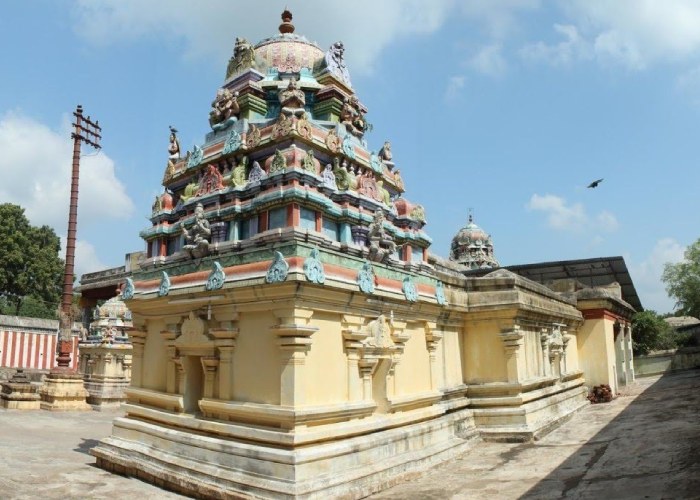
Thirunandhipura Vinnagaram, Nathan Kovil, Tamil Nadu
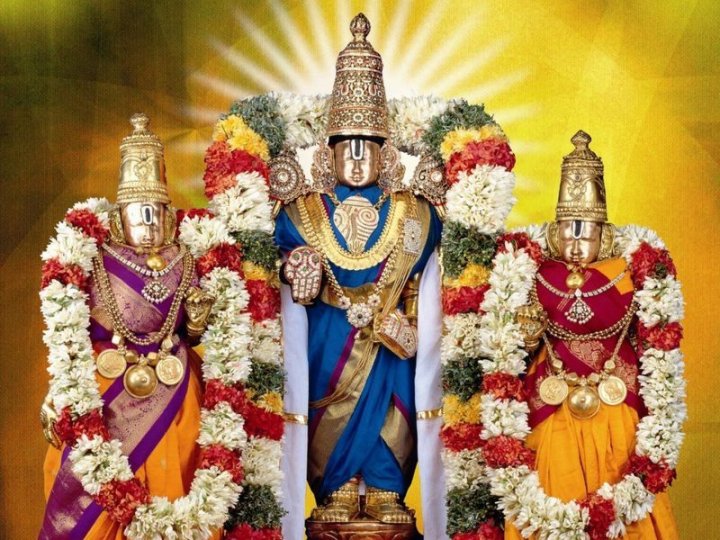
Thirunandhipura Vinnagaram, also known as Nathan Kovil, sits a short distance from Kumbakonam. It is one of the 108 Divya Desams praised by the Alvars, and it holds a quiet but deep place in Vaishnavite worship. The presiding deity is Jagannathan Perumal, and the goddess is Shenbagavalli Thayar. Shiva worship is woven into the story of the place, which is unusual for a Divya Desam.

Many Divya Desams have grand stories. Nathan Kovil’s legend is smaller in scale but has a steady emotional pull. The story circles around Nandi, the sacred bull and mount of Lord Shiva. The tale goes that Nandi once received a curse from Sage Shilada. To find relief, he prayed to Vishnu at this spot. Vishnu appeared and lifted the curse. From that moment, Nandi came to be associated with the temple, and the place took the name Thirunandhipura Vinnagaram. This link between Nandi and Vishnu is rare. Vaishnavite and Shaivite traditions often run parallel, but this temple shows a bridge between them. The message here is simple: devotion is devotion, whatever the form. The temple reminds visitors that divine grace reaches beyond boundaries and that no devotee is turned away. Another story says that Vishnu took the name Jagannathan, meaning Lord of the World, here. Locals believe that worshipping here helps remove obstacles caused by past mistakes or karma. The image of Vishnu protecting Nandi offers comfort and a quiet sense of hope.

The region around Kumbakonam has seen centuries of temple building, renovations, and royal support. Nathan Kovil fits right into that long line of sacred spaces shaped by time. Most historians link its early development to the Chola period, when temple architecture flourished, and many Divya Desams received patronage. Later records point to Nayak and Maratha rulers who continued upkeep and added smaller shrines and decorative work. The inscriptions here are fewer than in some larger temples, but they show gifts of land and offerings given for daily worship. These reveal a steady line of support through the centuries.

Saints like Thirumangai Alvar sang about this temple. His verses placed Nathan Kovil firmly within the spiritual map of Vaishnavism. Once a place is sung by an Alvar, it enters a living chain of devotion. Pilgrims follow, communities gather around it, and the temple gains a life beyond the stone walls. Nathan Kovil may not have the monumental scale of temples like Srirangam or Kanchipuram, but it has survived political changes, shifting kingdoms, and periods of slow decline. Its endurance is its history.

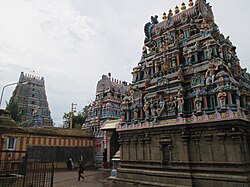
Nathan Kovil follows the classic layout of South Indian Vishnu temples. The entrance is simple, with a small gopuram. The temple feels grounded and human-scaled. The main shrine sits in the inner sanctum, where Jagannathan Perumal stands facing east. His form is calm and steady, with the kind of stillness that tells devotees they can take their time. The goddess, Shenbagavalli Thayar, has her own shrine. Her sanctum is quiet and bright. Many local women offer flowers here and pray for stability at home and peace in daily life.

The temple also houses a rare shrine for Nandi, placed not in a symbolic corner but with intention. This makes the temple unique in the Divya Desam circuit. Seeing Nandi in a Vaishnavite space, without any conflict or complication, brings the story to life visually. The pillars and mandapams show Chola and later influences. The carvings are not heavily ornamental. They carry simple floral and animal motifs typical of the region. A few lion-based yali figures appear in the mandapam, representing protection and power. The stone is cool to the touch, especially in the early morning when the sun has not yet warmed the walls. The temple tank sits close by, used mostly during festivals. Tanks often reflect the health of a temple, and here the water body plays a modest role. Its presence adds to the landscape without overpowering it.

The temple runs on a daily rhythm that has continued for generations. Morning puja starts early, followed by alankaram and the distribution of prasadam. The priests use simple ingredients: flowers, sandal paste, tulsi leaves, and clarified butter lamps. Worship here is not elaborate. It moves at a comfortable pace. Devotees often remark that they feel less rushed compared to larger temples. The main festivals include Vaikunta Ekadasi, when the temple receives its highest footfall, Panguni Brahmotsavam, a time of processions and community gatherings, and Purattasi Saturdays, when many Tamil Vaishnavas naturally visit temples. Nandi’s link brings a small but steady group of Shiva devotees as well. They walk in without hesitation and offer prayers. Local priests welcome everyone, and this openness gives the temple a lived sense of inclusivity. Another local practice is offering ghee lamps for obstacles to be removed. Parents often bring young children here for early blessings, believing that Jagannathan Perumal helps guide the mind and soften hardships.

Reaching Nathan Kovil is easy. Most pilgrims start from Kumbakonam or Thanjavur. The drive winds through quiet stretches, fields, and clusters of small houses. By the time you reach the temple, the world has slowed down enough for the mind to settle. The village around the temple keeps its own pace. Tea shops stand at crossroads, and locals point visitors toward the entrance without fuss. Pilgrims rarely get lost. You can visit the temple without worrying about long queues or heat-struck crowds. Inside, the silence feels like part of the architecture. Sandals click softly on the stone floor. A bell rings now and then, but mostly, visitors whisper or stay quiet. The temple priest may share small stories or answer questions if you ask. Children run around freely in the courtyard. Older devotees sit near the mandapam and talk about the Alvars or recall their past visits. These small moments add to the temple’s emotional landscape. Pilgrimages are as much about the place as the people, and Nathan Kovil offers a rare mix of simplicity and dignity. Food stalls or large dining halls are not common here, so people usually eat before coming or carry something light. Local homes sometimes give buttermilk to travellers on hot days. It feels like a village that still remembers how to host pilgrims.

Nathan Kovil may not dominate Tamil literature like some larger temples, but its presence is steady. Thirumangai Alvar’s verses keep it alive in Vaishnavite memory, and many scholars note the temple as a symbol of unity between the two main Hindu traditions. In local songs and temple lore, Nandi’s devotion is celebrated as a reminder that divine grace cuts across differences. These themes appear in community plays, temple speeches, and even stories parents tell their children. The simple act of placing Nandi in a Vishnu temple has influenced conversations about religious harmony in the region. Some families deliberately visit both Vishnu and Shiva temples on the same day, seeing Nathan Kovil as a link between the two paths. Artists who draw or paint temple scenes often include this temple because its story is visually striking. A bull bowing before Vishnu becomes an image that stays with you even after you leave.

Today, the temple is managed by authorities who oversee daily puja, festival arrangements, and maintenance. Volunteers from nearby villages support the temple during busy times and help with cleaning and crowd management. Tourism is growing, especially with more people following Divya Desam trails. Many visitors now come from outside Tamil Nadu, though the temple still feels calm and uncrowded. Restoration work is done slowly but steadily, often led by small community groups who want to preserve the temple’s identity. The presence of both Vishnu and Nandi continues to attract a wider range of devotees. Some come because of the Alvar connection. Some come because they heard the story of Nandi’s relief from a curse. Others visit as part of a larger pilgrimage through the Kaveri belt. The temple also has a digital footprint now, with travel bloggers and devotees sharing photos and directions. This has helped younger generations discover it, even if they have never heard of it before. Despite the new attention, the temple holds on to its simplicity. Practices have not become elaborate, and the pace of worship remains unhurried. That balance of old and new gives the temple a quiet relevance today.

Thirunandhipura Vinnagaram sits gently within the Divya Desam network. It may not attract huge crowds, but it offers something just as valuable: a space where devotion is steady, simple, and sincere. It shows how stories, history, and worship form a living thread from one generation to another. The temple reminds us that divinity is not divided by form. Nandi’s presence tells a story of humility and grace. Vishnu’s name here, Jagannathan, points to care that reaches everyone. When pilgrims walk through this temple, they carry these small but strong messages with them. In the vast tapestry of India’s sacred sites, Nathan Kovil stands as a quiet voice that still speaks clearly.

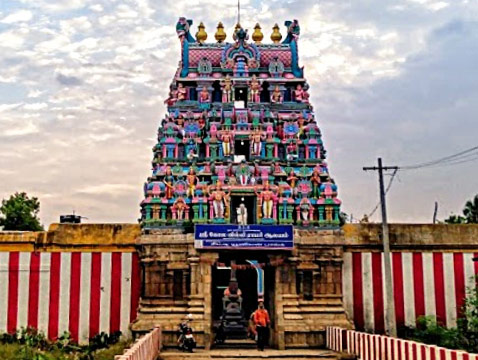
Thiruvelliyangudi Temple, Thiruvelliyangudi, Tamil Nadu
Thiruvelliyangudi is a small village near Kumbakonam, tucked among fields, clusters of old houses and quiet roads. At the heart of this village stands the Thiruvelliyangudi Temple. The main deity is Kolavilli Raman, and his consort is Maragatha Valli Thayar. The temple is known for its gentle atmosphere, its legends of forgiveness, and a story where Vishnu protects love in a direct and compassionate way. It is a place where people come for reassurance, seeking steady ground when life feels uncertain.

Most pilgrims remember Thiruvelliyangudi for its main legend about a Gandharva couple. The story begins with Suseela, a Gandharva woman, who was cursed by her husband, Devasharma, during a moment of misunderstanding. Unable to remove the curse, she suffered until she came to this place and prayed to Vishnu. Moved by her devotion and pain, Vishnu appeared before her as Kolavilli Raman. The deity’s name refers to one “whose bow is beautiful and curved,” a poetic way of describing divine protection. He lifted her curse and restored peace in her life. This is a simple story on the surface, but its emotional centre is strong. It speaks of second chances, compassion, and the idea that divine grace can mend things that seem broken. Many devotees relate to this. People come to this temple to seek healing from strained relationships, misunderstandings, or burdens that they feel unable to shake off.

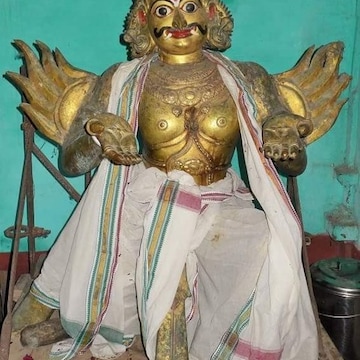
Another legend ties the temple to Garuda, the eagle mount of Vishnu. It is said that Garuda asked Vishnu to rest here after a long mission. Because of this, the temple became known as a place of rest and pause, both for the divine and for devotees. Some also say that this is where Vishnu gave a blessing to the Sun god, bringing a link between Vishnu and Surya worship in this region. The name Thiruvelliyangudi itself hints at brightness and radiance.

Thiruvelliyangudi’s history runs through the same broad lines as many temples in the Kumbakonam region. The Cholas played a strong role in building and supporting temples here, and this one carries their architectural signature. Stone inscriptions found in and around the temple show donations of land, rice, and oil for lamps. These small details show how closely tied the temple was to the life of the village. Families supported the temple not in grand gestures, but in small, steady contributions. Later, the Nayaks of Thanjavur added mandapams and polished the existing structure. Their style often brought in decorative pillars and practical spaces that could host gatherings. The temple survived the shifts between Chola, Nayak, and Maratha periods, helped by its location in a quiet part of the region and the strong devotion among villagers. Even during periods when larger temples saw major political attention, smaller shrines like this one remained steady centres of worship.

Thirumangai Alvar’s verse about this temple gave it a spiritual anchor. Once an Alvar sings about a place, it becomes part of a living chain that draws pilgrims for centuries. His poetry mentions the grace-filled nature of Vishnu here, highlighting the deity’s softness and readiness to forgive. Today, the temple is recognised as one of the 108 Divya Desams, part of a network that spreads across Tamil Nadu and beyond. Even though it is not as large as some others, it remains important for its message and for its role in local history.

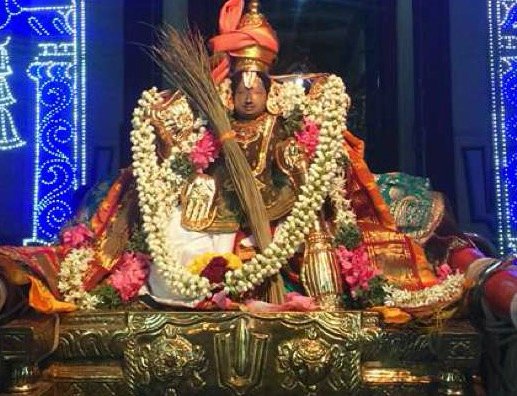
Thiruvelliyangudi Temple follows the traditional South Indian style with a compact layout. The entrance does not overwhelm the visitor. Instead, it invites you in quietly. The gopuram is modest, reflecting the temple’s size and the village’s scale. The sanctum houses Kolavilli Raman, seen in a reclining posture facing east. This form of Vishnu is one of peaceful rest, lying on the serpent Adisesha. It reinforces the temple’s identity as a place of pause and refreshment. His expression is gentle, not commanding, and many devotees say they feel at ease as soon as they see the deity. Maragatha Valli Thayar has her own shrine. Her name refers to the deep green of an emerald, and the idol reflects this cool, calm energy. The shrine often has long lines of women who come to pray for harmony at home and strength during difficult times.

The temple also includes smaller shrines for Garuda, the Alvars, and a few local deities tied to village traditions. The corridor around the sanctum is narrow but clean, and sculptures appear on pillars in the mandapam. These carvings focus more on simple motifs than grand narratives. Small floral patterns, yali figures, and geometric shapes appear here and there. The temple tank sits close by. During festivals, its waters become central to rituals. The tank reflects the surrounding trees and the gopuram, adding a quiet beauty during sunrise and sunset. The temple is built of granite, and newer stone patches have been added during repairs. The mix of old and new is visible, but it feels organic. Nothing seems out of place.

Worship at Thiruvelliyangudi moves at a light pace. There is no rush. The priests perform daily pujas, starting early in the morning and continuing through the day with alankaram, neivedyam, and evening lamps. The fragrance of tulsi, incense, and sandalwood paste lingers in the air. It’s a temple where you can actually hear yourself think. The major festivals include Vaikunta Ekadasi, which is the high point of the year, Panguni Brahmotsavam, which brings villagers together, Purattasi Saturdays, common across Tamil Vaishnavite temples, and Garuda Sevai, tied to the temple’s legend about Garuda’s rest.

A unique ritual here is related to relationship healing. Couples or families who have experienced conflict come here to offer prayers, hoping to clear misunderstandings. The priests share simple words of reassurance. There is no grand ritual for this, only intention and prayer. Women often visit the shrine of Thayar for blessings related to home, health, and clarity. It is common to see people sitting quietly in the mandapam for some time after worship, using the space to reset themselves. The temple’s festivals remain community-driven. Villagers take part in cleaning, decoration, and organising prasadam distribution. Children run around freely during festival days, and the atmosphere feels like a shared household rather than a formal institution.

Reaching Thiruvelliyangudi is simple. People usually come from Kumbakonam, which is the nearest major town. The roads pass through fields and clusters of rural life. As you get closer, the landscape feels familiar even if you have never been there before. South Indian villages have a rhythm that you can sense long before entering them. The temple stands in the middle of the village, reached through narrow lanes. It is a place where you can walk into the temple without any pressure. There are no long queues unless it’s a festival. Most days, you step in, ring the bell, and have space to be with your thoughts. Locals are friendly in a matter-of-fact way. If you ask for directions, they point and move on. There is no drama or ceremony around it. Tea shops nearby sell simple snacks. Some homes sell buttermilk, especially during the summer.

Inside the temple, the silence is part of the experience. You hear the rustle of sarees, the murmur of prayers, and the occasional sound of the priest offering instructions. The granite floor stays cool. The sanctum glows dimly with lamp light. Many devotees say that their visit here feels like a mental break. They come when they feel overwhelmed or uncertain. The temple does not demand anything from you. It gives space instead. Pilgrims often include this temple in the same circuit as nearby Divya Desams like Thirunaraiyur (Nachiyar Kovil), Thiruvellakkulam, and Thiru Indhalur. This part of Tamil Nadu is rich with temples, but each has its own mood. Thiruvelliyangudi is one of the calmest among them.

Though smaller in size, Thiruvelliyangudi has a memorable place in the cultural memory of Vaishnavite communities. Thirumangai Alvar’s verse gave it spiritual recognition. Stories told by village elders and temple priests keep the mythology alive. The theme of forgiveness and healing appears in local songs and folklore. Parents tell their children how Vishnu protected Suseela and how misunderstandings can be resolved with patience. These stories shape local values more than grand political narratives. Artists sometimes draw the reclining Vishnu here, showing him in a restful form. The village and temple landscape also appear in simple artworks, school projects, and local festival posters. Thiruvelliyangudi also plays a small role in the idea of Vishnu as a protector of marital harmony and emotional peace. Many families return here year after year during key moments: weddings, anniversaries, or crises. This repeated presence becomes a tradition, passing from one generation to the next. In the broader Divya Desam network, the temple represents a softer side of spirituality. It is less about grandeur and more about being held gently.

Today the temple is managed by local authorities with support from villagers. Daily pujas continue without interruption, and the temple remains active even on weekdays when larger shrines might see fewer visitors. Restoration work has been happening slowly. Structural repairs, gopuram repainting, and tank cleaning are ongoing. These efforts rely partly on official support and partly on community initiative. Tourists have begun to include this temple in their travel routes, especially those who want to cover all Divya Desams. However, even with growing attention, the temple has kept its pace. It does not feel commercial. Younger devotees are also rediscovering the temple through photographs shared online by travellers, heritage enthusiasts, and spiritual bloggers. This has brought new visitors who arrive out of curiosity and leave with a sense of calm. Despite the new visibility, the core of the temple remains unchanged. Worship practices stay simple. The temple continues to stand as a place where people seek rest from emotional heaviness and confusion.

Thiruvelliyangudi Temple sits quietly in the Divya Desam network, but its impact is steady. It speaks of mercy, rest, and the quiet power of healing. It reminds devotees that divine help is not loud or dramatic; it can come through gentle presence and a simple story. The reclining form of Kolavilli Raman reflects this. His posture shows rest, reassurance, and acceptance. The story of Suseela adds depth, reminding devotees that misunderstandings can be healed. In the long list of temples across Tamil Nadu, Thiruvelliyangudi stands as a soft place where people pause, take a breath, and walk away feeling lighter. Its strength is not in scale but in the quality of peace it offers. And that makes it an important stop in the Divya Desam journey.

The Domestic Divide and the Birth Rate Question

Every few years, the same anxiety resurfaces. Fertility rates are falling. People are marrying later. Women are having fewer children, or none at all. Governments commission reports. Economists debate incentives. Newspapers run op-eds heavy with concern and light on imagination. And then, almost as an aside, a finding appears that feels too small to carry such weight. When men do more unpaid work at home, fertility rates tend to rise. Not intentions. Not aspirations. Actual births.

This is often framed as an interesting correlation, a sociological curiosity. But it should unsettle us far more than it does. Because if this link holds, even partially, it suggests that declining fertility is not simply about money, housing, or childcare costs. It is about how life feels inside a home. Who is stretched thin. Who carries the invisible load? Who gets to remain a person once parenting enters the picture? And perhaps most confronting of all, it suggests that fertility is not falling because people dislike children, but because they dislike the conditions under which children are raised.

The quiet dishonesty of the word “help”
Language matters here because it exposes the problem before the data ever does. We often say men “help” around the house. They help with the cooking. Help with the kids. Help when asked. Help when reminded. Help when it fits around their real responsibilities. But help implies that the work belongs to someone else. You help a neighbour move house. You help a friend during a rough patch. You help with something that is not fundamentally yours.

A home, however, is not a favour. It is a shared responsibility. Or at least, it should be. In many patriarchal societies, including the ones I grew up observing closely in India, the contradiction is sharper still. The house is culturally and often legally the man’s. His name is on the deed. His family name defines the household. And yet the labour of maintaining that house, physically and emotionally, is treated as women’s work. Expected. Endless. Largely unacknowledged. So when a man washes dishes or manages bedtime, it is applauded as a sign of progress. When a woman does the same, it disappears into the background noise of daily life.

This imbalance persists even with education or professional success. I have seen highly qualified women, including doctors, come home from demanding jobs and immediately step into a second shift that includes cooking, caregiving, emotional management, and the care of ageing in-laws. Their husbands, meanwhile, move through domestic life with remarkable lightness, as if the household runs on autopilot. The assumption that education alone dismantles patriarchy collapses very quickly at the kitchen sink.

Why does housework have anything to do with fertility
At first glance, the link between housework and fertility sounds almost absurd. Surely people do not decide to have children based on who loads the washing machine. But that is not the decision being made. The real question couples are asking, often without articulating it, is this: What will my life look like if we have another child?

Not the milestone photos. Not the well-meaning congratulations. The daily reality. Who will wake up at night? Who will remember school forms and vaccination schedules? Who will coordinate childcare? Who will absorb the stress when work deadlines collide with sick days and family obligations?

In households where domestic and caregiving labour is shared more equally, the answer to that question looks difficult but manageable. In households where one partner, usually the woman, is already operating at capacity, another child feels less like joy and more like self-erasure.

This is where the uncomfortable truth needs to be stated plainly. Women will not have more children if having children means losing themselves. Loss of self is not always dramatic. It is cumulative. The steady disappearance of rest. The constant mental scanning of needs. The knowledge that someone else’s comfort depends on your vigilance. If men’s fuller participation at home changes fertility outcomes, it is not because housework is romantic. It is because shared responsibility makes life feel survivable.

The invisible work that shapes everything
One of the most misleading moves in conversations about domestic labour is focusing only on visible chores. Who cooks. Who cleans. Who does school drop-offs. These matter, but they are only the surface.

The heavier burden is cognitive. Knowing what needs to be done before it becomes urgent. Remembering preferences, schedules, social obligations, and emotional fault lines. Anticipating problems before they become crises. Holding the household together not through action, but through attention. Many men participate in chores and still leave this mental load untouched. They wait to be told. They complete tasks without owning outcomes. They perform competence without carrying responsibility.

From the outside, the household looks balanced. From the inside, one person is still running the system. This distinction matters deeply for fertility. Because you can outsource cleaning. You can hire help. You cannot outsource the constant low-level vigilance that drains people over time. When that vigilance rests primarily on women, the prospect of another child feels less like expansion and more like collapse.

Desire, resentment, and the parts we rarely say out loud
There is another layer people are often reluctant to acknowledge. Unequal domestic labour reshapes attraction. Resentment does not create intimacy. Exhaustion does not invite closeness. Feeling like someone’s caretaker does not nourish desire.

When men step fully into domestic responsibility, not as a performance but as ownership, it shifts how women experience the relationship. Not as a manager supervising tasks, but as a partner sharing the weight. This is not about rewarding men with affection for doing basic adult work. That framing trivialises the issue and misses the point. The shift is psychological. It is about no longer being alone inside a shared life. Fertility does not increase because chores are seductive. It increases because equality stabilises relationships.

Where the argument needs discipline
It is important not to overclaim. Some of the most gender-equal societies in the world still have low fertility rates. This tells us immediately that domestic equality alone does not raise fertility. It is one part of a larger system. Time matters. Money matters. Housing matters. Work culture matters.

In Singapore, long working hours collide brutally with family life. The expectation of constant availability leaves little room for caregiving, especially for men. In India, childcare is often informal and heavily reliant on women’s unpaid labour, reinforced by extended family structures that frequently increase, rather than reduce, women’s responsibilities. In both contexts, involved fatherhood is praised in theory and penalised in practice.

If your workplace quietly punishes men for leaving early to care for children, do not act surprised when women decide not to have more children. If your culture celebrates fatherhood rhetorically but undermines it structurally, fertility statistics will reflect that contradiction.

Policy, performance, and what societies actually reward
Governments tend to favour solutions that do not require cultural change. Financial incentives. Tax benefits. One-off bonuses. These help at the margins, but they do not alter the daily texture of life. They do not redistribute time, energy, or responsibility.

Parental leave for fathers is a good example. On paper, it signals progress. In reality, many men take little or none of it, not because they do not care, but because workplaces subtly discourage it. Until caregiving is normalised for men, rather than treated as exceptional or optional, policy will remain performative. Fertility is shaped by what societies reward in practice, not by what they claim to value in speeches.

The harder truths we should not avoid
Any honest conversation about fertility must make space for complexity. Not everyone who wants children can have them. Fertility discussions can be painful. They can reopen grief. This reality should not be used to silence discussion, but it should temper it with care.

It is also true that some women continue to have children in deeply unequal setups. Their choices are shaped by love, hope, culture, and constraint. Acknowledging this does not undermine the argument. It reminds us that people adapt to systems even when those systems are unfair.

And yes, there are men who genuinely want to do more and feel trapped by work expectations or cultural norms. Structural change matters precisely because individual goodwill is not enough.

Responsibility, plainly stated
If declining fertility is treated as a public problem, then domestic labour is a public issue. Not a private quirk of individual marriages. Not a lifestyle choice to be negotiated quietly behind closed doors. Men need to do more unpaid work at home because they are adults who live there. Not because it boosts birth rates. Not because it earns praise. Because fairness is the baseline, not the reward. Housework should not be gendered. Caregiving should not be exceptional. Mental load should not default to one person simply because she has always carried it. And societies that refuse to redistribute care should stop demanding growth from the very people they exhaust.

For couples navigating this in real time
For those living this tension personally, the work does not begin with perfection. It begins with ownership. Who notices when things fall apart. Who plans ahead. Who absorbs anxiety. Who carries responsibility even when no one is watching.

Rebalancing is not about doing more tasks. It is about holding responsibility differently. About moving from “tell me what to do” to “this is mine to manage”. These conversations are rarely comfortable. But neither is burnout. And pretending otherwise only postpones the reckoning.

A mirror, not a crisis
Fertility decline is often framed as a crisis to be solved. It may be more honest to see it as a mirror. A reflection of how societies organise work, care, and value. A signal of what people are willing, and unwilling, to give up. When men step fully into domestic life, fertility sometimes rises not because babies are the goal, but because life feels possible again. And if that possibility depends on equality, then the question is not why fertility is falling.

The question is why we are still surprised.

Sacred Stones, Spaces, and Stories: Divya Desams Part 9

Thirukannangudi Temple, Tirukannangudi, Tamil Nadu
Thirukannangudi Temple stands in the village of Tirukannangudi near Sikkal in the Nagapattinam district. Lord Vishnu appears here as Loganatha Perumal, also called Damodara Narayana, with Loganayaki as his consort. This site is one of the 108 Divya Desams, praised by Thirumangai Alvar in ten paasurams from the Nalayira Divya Prabandham. The temple belongs to the Pancha Krishna Kshetrams, a group that highlights Krishna’s role. Devotees visit for protection, family harmony, and relief from curses.

Sage Vashishta crafted a Krishna idol from butter through deep devotion. The butter stayed solid. Krishna appeared as a child stealing it to test the sage. Vashishta chased him. The child ran to the rishis under a Magizha tree. The rishis, upset, tied Krishna with ropes made from their penance. Krishna then showed his divine form. Vashishta and the rishis bowed in awe. They asked for his standing presence here forever. The name Kannangudi comes from Kannan, the Tamil name for Krishna.

Thirumangai Alvar stole a golden Buddha statue from Nagapattinam for Srirangam. Tired on the way, he rested under a tamarind tree. He buried the gold and commanded the tree to guard it. Leaves rustled the next morning to wake him. That tree, Uranga Puli, never sleeps. Later, Vishnu gave him a brief vision with the conch and discus, then vanished. Thirumangai called himself a thief; the god mirrored that fleeting nature.

Rishis like Brahma, Brighu, and Gowthama prayed here. Gajendra’s moksha ties in too; the elephant, cursed by Durvasa, crocodile by Agastya, both were freed when Krishna arrived. Vibhishana saw Vishnu’s walking grace after Ranganatha’s sleep. Details vary. Butter idol or stealing a child? Tied Krishna or eternal stand? The stories flip roles. Guru chases disciple. Tree guards are thieves. Child bound by sages. Devotion reverses power. God acts weak to pull you near. But question it. Does binding god show faith, or a need to control?

Chola kings built the core in the late 8th century. Vijayanagara rulers and Madurai Nayaks added expansions. A granite wall protects the site. Inscriptions record land grants and donations. Thirumangai Alvar’s hymns secured their Divya Desam place. Floods damaged it over time. Locals rebuilt. The Pancha Krishna link sets Krishna apart from other Vishnu forms. The Magizha tree serves as Sthala Vriksham. The tamarind, Uranga Puli, marks the Alvar’s rest.

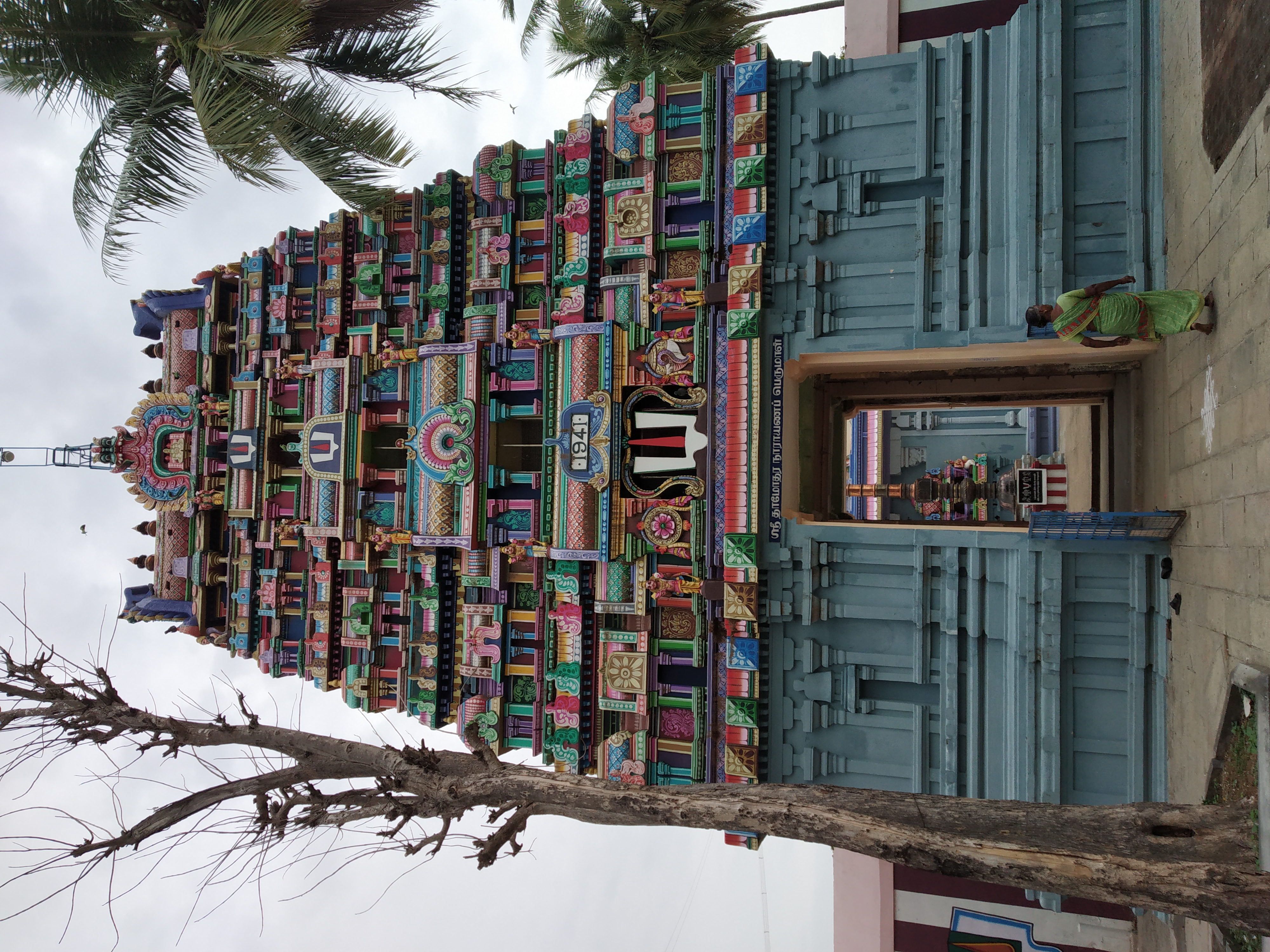
A five-tier rajagopuram faces east at the entrance. Granite forms the base, brick the superstructure. Loganatha stands in the sanctum with Abhaya mudra. Loganayaki has her own shrine. Gajendra Pushkarani tank lies to the east. Kadhanakkruthi Vimana tops the sanctum. Pillars show Krishna stories and Vishnu avatars. The design sticks to Dravidian standards. It stays compact and flood-resistant. Tree shrines link myth to structure.

Priests conduct six pujas each day. They dress the deities, offer food, and wave lamps. Nagaswaram and tavil provide music. Chants from the Divya Prabandham fill the space. Brahmotsavam features chariot processions. Vaikunta Ekadasi opens special gates. Krishna Jayanti brings extra focus. Locals sponsor meals, pull chariot ropes, and light lamps. These acts tie the village to the temple.

Take the Tiruvarur-Nagapattinam highway, then turn 2 km into the village. Paddy fields surround it. Shops near the gate sell flowers and coconuts. Bathe in the tank first. Darshan flows smoothly on weekdays. The Magizha tree offers shade. Locals say, “Alvar slept safe; the tree woke him.” The tied Krishna spot draws families. A breeze carries calm.

Thirumangai Alvar’s paasurams sound in every puja. They inspire bhajans and dances. Tied Krishna appears in plays and art. The village sees itself as Krishna’s playground. The Pancha Krishna group shares stories across sites. Fame stays local, but roots run deep. The reversal theme shapes talks about power shifts.

The HR&CE department manages it. Restorations repair flood damage. Festivals draw locals, with tours adding a few. Devotees seek dosha relief and children. Online services expand reach. The trees get protection.

Thirukannangudi fits the Divya Desams as a site of role reversal. Myths bind god with ropes, wake trees with leaves. Chola walls resist floods. Krishna’s weakness draws devotion. The binding story jars. Faith or force? Pancha Krishna ties sites together. In the circuit, it echoes childlike play. For heritage, reversal teaches humility. Visit the tree. Ask if you chase god or hold him back.

Thirunagai Temple, Nagapattinam, Tamil Nadu
Thirunagai Temple, formally known as Soundararaja Perumal Temple, stands in the coastal town of Nagapattinam, Tamil Nadu. Lord Vishnu reclines here as Soundararaja Perumal, the handsome king, with Soundaravalli Thayar as his consort. This is one of the 108 Divya Desams, sacred sites praised by the Alvars in their Nalayira Divya Prabandham. The temple claims a presence across all four yugas, from Kritha to Kali. Its seven-tier gopuram once served as a lighthouse for Dutch ships. Devotees visit for moksha, curse relief, marriage blessings, and darshan of divine beauty. The site’s legends emphasise form over force, drawing worshippers to its timeless appeal.

Legends root the temple in every yuga. In the Kritha Yuga, Adisesha performed penance. Vishnu made him his bed as a reward. Bhoodevi followed in the Treta Yuga with her own austerities. Sage Markandeya did the same in the Dwapara Yuga. Chola king Salisugan worshipped in the Kali Yuga and married a cursed princess here. Dhruva, the boy prince, sought world dominion. Vishnu appeared on the Garuda vahana. Dhruva saw the lord’s beauty and chose eternal vision over power. He attained moksha on the spot. Nagapattinam’s name comes from Naga Pattinam, marking Adisesha’s serpent worship.

Two eunuchs, Kandan and Sukandan, bathed in the Sara Pushkarani tank. They transformed into full men. The dwarapalakas Sumba and Nigumba may be them in divine form. The princess with three breasts met Salisugan. Her curse vanished at the sight of her future husband. Vishnu blessed their wedding with darshan in standing, sitting, and reclining poses. Thirumangai Alvar beheld the lord’s beauty as if seeing a woman. He burst into song: “Achcho Oruvar Azhagiya Vaa.” Ashtabuja Narasimha, with eight arms, blesses Prahlada while slaying Hiranyakashipu.

These tales span cosmic time at one site. Four yugas in one place test logic. Why not a single origin story? Dhruva trades empire for a glance? They prioritise allure over conquest. God wins hearts through sight, not strength. But push back. Does visual splendour solve hunger or loss? Or merely distract? The core insight endures: true beauty reorients desire from control to surrender. Form becomes the path to presence. Question the geography. If yugas overlap here, does it make the spot eternal, or just a convenient anchor for scattered myths?

Chola architects built the core in the late 8th century. Two inscriptions record their land grants and donations. Pallavas contributed earlier. The Thanjavur Nayaks expanded in the 17th century. Marathas followed. Dutch traders requested the gopuram as a lighthouse. Nayak ruler Jagul Nayakar obliged, building the tower, halls, and compound wall. His image with wife Lakshmi Ammal stands in a mandapam. Kundo Pandithar added shrines in 1737. Early 20th-century donors like Dratcha Balagurumuthi Chettiyar built halls. The 2004 tsunami devastated Nagapattinam but spared the temple. Thirumangai Alvar’s hymns secured Divya Desam status. Salisugan’s wedding ties it to Chola lore. The lighthouse role links to sea trade. Coastal floods prompted raised platforms and walls. No single upheaval destroyed it. Steady patronage kept it alive.

A seven-tier Rajagopuram dominates the east entrance. Granite base supports brick vimana. Soundararaja reclines on Adisesha in the sanctum, facing east. Sara Pushkarani tank anchors rituals. Narasimha’s eight-armed form kills the demon while blessing Prahlada. Vishnu appears in three poses: standing as Varadaraja, sitting as Govinda Raja, and reclining as Ranganatha. Pillars depict yuga scenes, Garuda, and Alvar figures. A four-pillared hall before Soundaravalli’s shrine shows the architects’ carvings. Nayaka mandapams mimic chariots with wheels. Dravidian style prevails. The gopuram’s dual lighthouse function innovates. Layout suits port life: elevated against tides, compact for crowds. No radical breaks, but scale matches trade hub past.

Six pujas structure the day. Priests adorn deities, offer neivedyam, and perform deepa aradanai. Nagaswaram and tavil accompany Prabandham chants. Brahmotsavam in Chittirai features chariots. Vaikunta Ekadasi opens the paramapada vasal. Navarathri, Panguni Utsavam, and Masi Magham draw crowds. Locals sponsor annadanam, pull chariots, and light lamps. Community roles sustain rites.

Nagapattinam blends fields and the Bay of Bengal coast. Buses from Tiruvarur or Kumbakonam reach it easily. Shops near the gate sell flowers, coconuts. Bathe in Sara Pushkarani for purity. Gopuram looms over residential lanes. Waves crash close. Darshan moves on weekdays. Locals share tsunami tales: “Waters stopped at the gate.” Sea air mixes with incense. Quiet corners suit reflection on yuga beauty.

Alvar Paasurams echo daily. Thirumangai’s beauty verses inspire bhajans, dance. Art shows golden Vishnu, eight-armed Narasimha. Town identity ties to the handsome lord. Lighthouse history fuels stories. Plays reenact yugas, the princess curse. Brahmanda Purana mentions it. Local lore blends trade, tides, and timeless sight. The Tamil Nadu HR&CE administers it. Post-tsunami walls protect, and the gopuram is repainted. Festivals mix locals and port tourists. Devotees seek doshas and marriages.

The Thirunagai temple claims the Divya Desam spot as an eternal beauty site. Myths bridge yugas while the Chola base weathers seas. The lighthouse tower is unique to the temple. Yuga claims to strain space logic. In circuit, it chains coastal shrines. The heritage sight reorients the soul. Visit Sara Pushkarani and test if beauty shifts your chase.

Thiruthanjai Temple, Mamanikoil, Thanjavur, Tamil Nadu
Thiruthanjai Temple, or Thanjai Mamani Koil, sits in Thanjavur, Tamil Nadu. It’s a group of three Vishnu shrines treated as one Divya Desam out of the 108 holy sites praised by the Alvars. This setup stands out because all Alvar hymns mention the three together.

A story from the Brahmanda Purana explains the temple’s start. In the Treta Yuga, three demons: Tanchakan, Tantakan, and Kacamukan, got boons from Shiva. They turned powerful and arrogant. They disturbed sage Parashara during his penance here. Vishnu acted first. He used his Sudarshana Chakra to kill Tanchakan. The demon begged for mercy. Vishnu spared him but named the place Thanjavur after him. Kacamukan faced Vishnu as a yali, a mythical beast. Vishnu slew him that way. Tantakan fled to Srimushnam. Vishnu took the Varaha boar form there to end him. Each shrine marks one victory: Manikundra Perumal for Tanchakan, Veera Narasimha for Kacamukan, and Neelamegha for the overall tale. The core message? Divine power curbs evil when it harms the good.

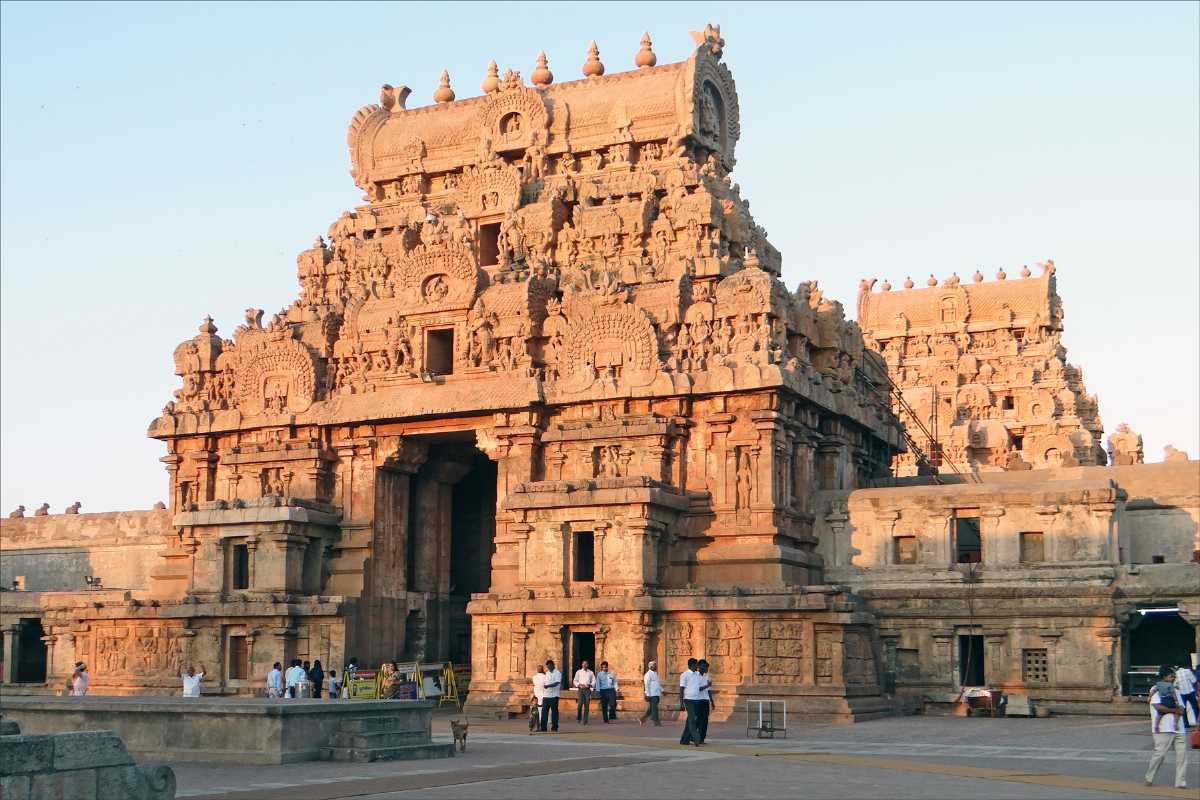
The temples date back far. Medieval Cholas donated land and built parts. Vijayanagara kings and Madurai Nayaks added more later. Granite walls enclose all three shrines now. Thanjavur’s Chola history ties in. Raja Raja Chola I built the nearby Brihadeeswarar Temple in the 11th century. This area saw the Chola rise under Vijayalaya in 850 CE. Marathas took over in 1674 under Ekoji I. No big upheavals hit these shrines directly. But Thanjavur’s royal patrons kept them alive. Alvars like Nammalvar, Thirumangai Alvar, and Bhoothathalvar sang of them in the 7th-9th centuries. That sealed their Divya Desam status.

The three temples hug the Vennaaru River banks. Each faces east with simple designs. No tall gopurams dominate like in bigger Chola spots. The Manikundra Perumal shrine is small. Lord and consort sit together inside. It’s elevated. Nammalvar’s poems point to this one. Ambujavalli Thayar has her own spot nearby. Rama Theertham serves as the tank. Neelamegha Perumal has a three-tiered Rajagopuram. The deity stands in veetrirunda pose. Sengamalli Thayar gets a separate shrine. Images of Hayagreeva, Alvars, Garuda, and Vedanta Desikar line the walls. Amrutha Theertham is the tank. Veera Narasimha Perumal, or Thanjiyali Nagar, shows the lord seated, giving darshan to sage Markandeya. A flat entrance tower leads in. Vedasundara Vimana crowns the sanctum. Surya Pushkarani is the water body. All follow Dravidian style but stay modest.

Priests follow Vadakalai Srivaishnava ways. Three daily pujas run from 7:30 a.m. to 8 p.m. Each has alangaram, food offerings, and lamp waving for Perumal and Thayar. Nagaswaram pipes and tavil drums play. Vedas get chanted. Weekly, monthly, and fortnightly rites add on. Brahmotsavam spans Panguni, Chittirai, and Vaikasi months. Vaikasi’s Garuda Sevai brings 18 Garuda idols from other temples. Diwali, Chitra Purnima, and Vaikuntha Ekadashi draw crowds. Locals join processions. Community cooks prasadam. Iyengar priests handle it all. No special quirks stand out, but the three-in-one worship feels unique.

Reach Thanjavur by train, its station is key. Trichy Airport is 70 km away. Buses and roads link easily from Chennai or elsewhere. The temples sit close to town, near the Big Temple. Walk from Thanjavur bus stand in minutes. Vennaaru River adds calm. Locals offer simple stays or eateries. Devotees share tales of peace here, away from tourist rush. One story lingers: a pilgrim felt three energies merge during sunset darshan. Surroundings mix farms and history. Ride past paddy fields. Thanjavur’s heat demands early visits. Hospitality runs warm, tea stalls chat about Alvar songs.

Alvars shaped its fame. Nammalvar praised Manikundra in pasurams. Thirumangai Alvar hit Mamanikoil. Bhoothathalvar sang of Narasimha. Naalayira Divya Prabandham keeps them alive in recitals. Thanjavur paintings might echo Vishnu forms, though not directly. Local identity ties to Chola glory. Festivals blend with city events. No big music or art tales specific, but it feeds Vaishnava bhakti across Tamil Nadu. Society sees it as a protective spot. Narasimha’s fury with Lakshmi’s calm teaches balance. Legends spread in stories, not epics.

The Hindu Religious and Charitable Endowments Department runs it with Thanjavur Palace Devasthanam. Daily crowds stay steady, mostly locals. Tourism grows with Big Temple visitors, and no major restorations have been noted lately. Festivals pull families. Young folks join Garuda Sevai. Online darshan options popped up post-pandemic. Demographics skew Tamil families, some from cities. Management keeps it clean, but crowds test during peaks. It draws steady pilgrims, no big tourist boom, but the focus stays on worship.

Thiruthanjai fits the Divya Desam circuit as a quiet triple gem. It shows Vishnu’s forms beating demons, linking to 84 Tamil Nadu sites. In India’s spiritual map, it holds Vaishnava roots from the Alvar times. The site reminds one of simple power over evil, and the Chola lands keep it breathing.

Walking as a Way of Thinking: On Plans, Pavements, and the Gap Between the Two

I walk a lot. Especially in places that are not mine yet. New cities, unfamiliar neighbourhoods, streets where my body does not know what comes next. I walk because I want to see things, yes, but also because walking has become the way my thinking loosens its collar. It is not mystical. It is not romantic. It is practical. Walking gives my mind enough structure to stay upright and enough freedom to wander without tipping over.

When I walk in a new place, my route is usually planned. That surprises people who expect wandering to be the more thoughtful option. But planning is how I buy myself freedom. I tend to have a list of places I want to see, and mapping them gives the walk a spine. Once that spine exists, my mind can stop worrying about logistics and start doing other things. I know roughly where I am going. That knowledge frees up attention.

This matters because attention is finite. If I am constantly asking myself where I am and whether I am lost, my thinking stays shallow. A planned route reduces that noise. It creates a container. Inside it, thoughts show up in their own messy order. I used to think this meant I was missing out on serendipity. Now I am less convinced. Serendipity does not require chaos. It requires presence. And presence is easier when you are not negotiating every decision from scratch.

Walking in a new place does something subtle to the mind. It removes autopilot. Even with a planned route, unfamiliar streets ask small questions of you constantly. Which side of the pavement do I walk on? How fast do people cross here? Does this street feel safe, rushed, sleepy? Your body is answering before your mind finishes the sentence. That constant, low-level engagement pulls you out of abstraction and into the moment. Thinking changes when it is anchored to the present.

Most of my walks start with intention, but not with control. I may begin with a problem I want to think through, or a sense of unease I want to understand. Often it is both. I lean more towards problem-solving when I walk. The rhythm of steps seems to suit planning, sequencing, and decision-making. But introspection sneaks in anyway. It always does. The mind does not respect neat categories. It brings what is loudest.

The first thoughts that show up on a walk are rarely polite. They are not orderly. They arrive in no particular sequence. Practical plans crash into memories. Worries elbow their way past creative ideas. I might be thinking about what to do next in the day and suddenly remember a conversation from years ago, then switch to a new idea for a piece of writing, then circle back to the thing I was anxious about in the first place. This randomness used to bother me. Now I see it as diagnostic. It tells me what is actually occupying my mind, not what I wish were occupying it.

Walking does not clear the mind. That phrase is too clean. Walking rearranges it. It changes the queue. Thoughts that were shouting sometimes quieten down. Thoughts that were waiting patiently step forward. The body, moving steadily through space, gives the mind permission to move too.

I usually walk with sound. Music, meditation tracks, sometimes a podcast. Sound sets the emotional temperature. Music can soften the edges of a hard day. Podcasts can keep me company when my own thoughts feel repetitive. But I also know when sound becomes a shield. When I am trying to untangle something knotted, I walk in silence. Silence removes the buffer. It is harder. It is also more honest.

There is a particular discomfort that shows up in silent walks. You notice how quickly the mind tries to fill space. How it reaches for plans, lists, and imaginary conversations. You also notice how much of that is rehearsing rather than resolving. Walking in silence exposes that habit. It shows you the difference between thinking and circling.

One uncomfortable truth I have reached while walking is this: I plan far better than I execute. Walking is where I come up with grand plans for the day, for projects, for life. They feel sensible while my legs are moving. They feel doable. And then the day ends and the list is still half-finished. The walk gave me clarity, but clarity did not automatically turn into action.

This is where walking as a way of thinking reveals its limits. Walking is excellent for ideation, reflection, and decision-making. It is less good at follow-through. The danger is mistaking the feeling of momentum for momentum itself. A long walk can feel productive. It can even be productive, mentally. But it can also become a substitute for doing the work. I have had to be honest with myself about this. If walking is where I think best, then something else has to be where I execute best. Expecting one activity to do everything is unfair to both the activity and to me.

There is another assumption worth challenging. We often talk about thinking as something that happens in the head alone. The body is treated as transport.s. This is nonsense. The body is part of the thinking system. Pace, breath, posture, tension, hunger, and fatigue all shape what the mind can access. Walking changes these variables. Breathing deepens. Shoulders drop. Eyes move across distance instead of locking onto a screen. That physical shift alters cognitive tone. Thinking becomes less brittle.

In a new place, this effect intensifies. The body is alert but not threatened. It is curious. That state is gold for thinking. Curiosity loosens defensiveness. You are less invested in proving yourself right. You are more open to noticing what is there.

But novelty cuts both ways. Too much stimulation and thinking fragments. A crowded street pulls attention outward relentlessly. There is no room for sustained thought. This kind of walk is useful when you need to interrupt rumination. It is less useful when you need to reason carefully. Not all walks are equal. The setting matters.

So does pace. A slow walk invites observation. A brisk walk supports planning and problem-solving. Very fast walking can turn into a way of burning off anxiety without actually engaging with it. None of these are wrong. But they are different tools. Using the wrong one can leave you confused about why the walk did not “work.”

Walking also amplifies existing thinking patterns. If you tend to ruminate, walking gives rumination more airtime. If you tend to rehearse conversations, you will leave with a flawless speech that may never be delivered. Walking does not correct these habits. It gives them space. That can be helpful or harmful depending on awareness.

This is why I think of walking as a setting, not a solution. In the right setting, thinking improves. In the wrong one, it simply gets louder.

What makes a walk a good thinking setting? For me, it starts with a single question. Not an agenda. Not a list. One question I can carry lightly. Something open-ended. What am I avoiding? What would change if I trusted myself a little more? What is actually within my control here? The question acts as a thread. I do not force answers. I just notice when my mind returns to it.

But questions can also be used to steer away from discomfort. If you always ask questions that keep you comfortable, your answers will be comforting and unhelpful. I have learned to pay attention to the questions I resist. The ones that tighten the chest slightly. Those are usually the ones that matter.

There are also walks where I make no attempt to think at all. This is not a contradiction. The mind has a background mode that works quietly when you stop interfering. Some insights arrive only when you stop demanding them. Walking supports that background processing, especially when you are not filling every moment with input.

This is where the relationship with sound becomes important. Music can regulate mood. Podcasts can inform and distract. Silence invites contact. None of these are superior. The question is what you need. Are you supporting your thinking, or avoiding it?

Walking with other people adds another layer. Side-by-side conversation is different from sitting across a table. It is less intense. Silences are easier. Hard topics surface more naturally. Walking together can make honesty feel safer. But it also shapes what you think. You adjust to another pace, another energy. You edit yourself. Solo walking gives access to unfiltered thought. Social walking offers perspective. Both are necessary. Neither is complete.

If walking is a way of thinking, it is worth naming what it is not good at. It does not replace stillness. Some thoughts require sitting. They require staying put when the urge is to move. Walking can become a way of avoiding that confrontation. Healthier than many avoidance strategies, yes. Still avoidance.

It also does not replace discipline. You can walk your way to insight and still fail to act on it. This is where my own discomfort sits. Walking shows me what matters. It does not make me do it. Execution requires different muscles. Planning a walk feels good. Execution often feels tedious. Confusing the two is how days slip away.

So I have started adding a small rule for myself. When a walk produces a plan, I write down the next action when I get home. Just one. And I do it the same day if possible. Not because productivity is virtuous, but because thinking that never meets action becomes self-indulgent.

Thinking well, for me, is not about brilliance. It is about kindness and accuracy. Kinder self-talk. Better decisions. Less time spent in self-flagellation disguised as analysis. More execution, even if imperfect. Walking helps with the first part. It softens the inner voice. It puts problems in proportion. It reminds me that I am a body moving through the world, not just a mind stuck inside itself. But the work continues after the walk ends. That is where thinking has to earn its keep.

Walking as a way of thinking works because it brings thought back into contact with reality. Streets do not care about your theories. Pavements do not validate your excuses. You have to keep moving. You have to watch where you are going. That quiet insistence on forward motion changes something in the mind. I do not trust walking because it feels poetic. I trust it because I can test it. I can feel the shift when I walk. My thinking becomes less sharp-edged. My stories loosen. I am not magically wiser. I am more honest.

The real question is what happens next. Do I carry that honesty into the rest of the day? Do I close the gap between the plans I make while walking and the actions I avoid when I stop? Do I allow thinking to lead somewhere concrete, even if it is uncomfortable?

And on the days when I cannot walk, because bodies have limits and life intervenes, can I recreate that rhythm in another way? A slower breath. A longer look out of a window. A deliberate pause before reacting. Walking helps me think. It does not think for me. The responsibility still sits where it always has.

With me.