International Women’s Day 2024

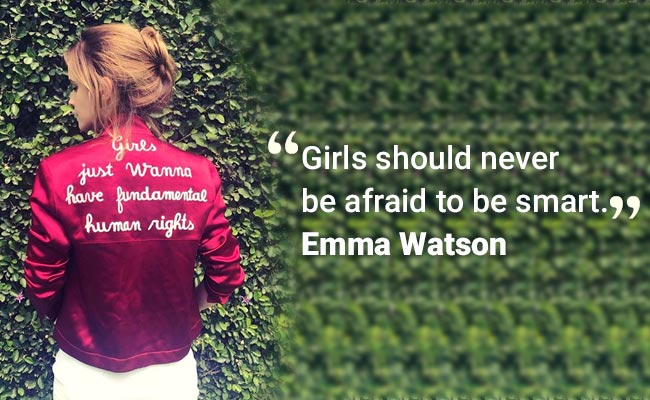
Celebrated annually on March 8, International Women’s Day, or IWD, recognises the social, economic, cultural, and political achievements of women. It also serves as a powerful reminder of the ongoing fight for gender equality.

The roots of International Women’s Day can be traced back to the early 20th century. In 1908, 15,000 women marched through the streets of New York City, demanding shorter hours, better pay, and voting rights — a testament to the growing momentum of the women’s suffrage movement in the United States. The idea of an international day to honour women’s achievements gained traction at the second International Conference of Working Women in Copenhagen in 1910. Inspired by the courage and resolve of their American counterparts, delegates from across the globe unanimously agreed to establish a day dedicated to advancing women’s rights and promoting gender equality. In 1911, International Women’s Day was officially celebrated for the first time in Austria, Denmark, Germany, and Switzerland, with rallies, marches, and public gatherings calling for women’s suffrage, improved working conditions, and an end to discrimination and inequality. Over the years, International Women’s Day has evolved into a global phenomenon, celebrated in countries and communities around the world. From grassroots initiatives to high-profile events, the day serves as a platform to recognize and celebrate the achievements, contributions, and resilience of women from all walks of life.

At its core, International Women’s Day is a rallying cry for gender equality and women’s empowerment. It serves as a reminder of the progress made in advancing women’s rights, while also shining a spotlight on the persistent barriers and challenges that women continue to face in achieving full equality and justice. International Women’s Day is a catalyst for change—a call to action for individuals, communities, and governments to redouble their efforts in promoting gender equality and women’s rights. It sparks conversations, ignites movements, and fosters solidarity among women and allies worldwide.

The theme for IWD 2024 is Inspire Inclusion. But what does it truly entail? When we inspire others to understand and value women’s inclusion, we forge a better world. When women themselves are inspired to be included, there’s a sense of belonging, relevance, and empowerment. As world-renowned feminist, journalist, and activist Gloria Steinem once said, “The story of women’s struggle for equality belongs to no single feminist nor to any one organization but to the collective efforts of all who care about human rights.” IWD transcends borders, organisations, and groups—it’s a day of collective global activism and celebration. To inspire inclusion, we must act consistently. When women aren’t present, we must question why. When discrimination occurs, we must call it out. When treatment isn’t equitable, we must act. This commitment applies each and every time.

So how can we inspire inclusion? On an individual basis, we should understand, value, and seek out the inclusion of women and girls; share knowledge, support, and encouragement with others; and embrace diversity, be it race, age, ability, faith, body image, and identity. As a group or on an organisational level, we must forge women’s economic empowerment; recruit, retain, and develop female talent; support women and girls in leadership, decision-making, business, and STEM; design and build infrastructure that meets women’s needs; help women and girls make informed decisions about their health; provide access to quality education and training; elevate women and girls’ participation and achievement in sports; and promote the creative and artistic talents of women and girls.

Over at the United Nations, the theme for IWD 2024 is Invest in Women: Accelerate Progress. In a world grappling with geopolitical conflicts, poverty, and climate change, empowering women becomes paramount. We can invest in women through:

  • Economic Empowerment: By economically empowering women, we advance women’s rights and gender equality globally. Financial independence opens doors to education, healthcare, and self-determination.
  • Technology and Education: Leverage technology and education in the digital age to empower women and girls. Bridging the digital divide ensures equal access to opportunities.
  • Collective Solutions: These crises demand collective solutions. When we invest in women, we invest in progress for all.

As we celebrate International Women’s Day, let us commit to inspiring inclusion, championing economic empowerment, and investing in women. Together, we can create a world where every woman’s voice is heard, every dream is achievable, and every barrier is dismantled.

Festivals of India: Chapchar Kut Festival

Deeply rooted in Mizo culture, the Chapchar Kut Festival has an origin story dating back centuries. Rooted in centuries-old customs and folklore, this annual extravaganza captivates the senses with its colourful pageantry, lively performances, and spirit of camaraderie.

The festival traces its origins to ancient times when the Mizo tribespeople celebrated the arrival of spring and the onset of the agricultural season. As the winter frost receded and the land bloomed with new life, communities gathered to give thanks for the bountiful harvest and seek blessings for the year ahead.

The festival began around 1450–1700 in the village of Suaipui. The festival apparently originated when the hunters came back to the village empty-handed. To make up for the disappointment, the village chief proposed an impromptu feast with rice, beer and meat. Since then, every year, the festival has been repeated in the village of Suaipui and gradually spread to other villages. Thus, the Chapchar Kut was born—a celebration of resilience and community spirit. The festival originally served as a thanksgiving to the gods because during the clearing of forests on hill slopes for jhum cultivation or the shifting of agriculture, the people needed divine protection. Chapchar Kut marked the end of this arduous process, and the Mizo community expressed gratitude for their safety.

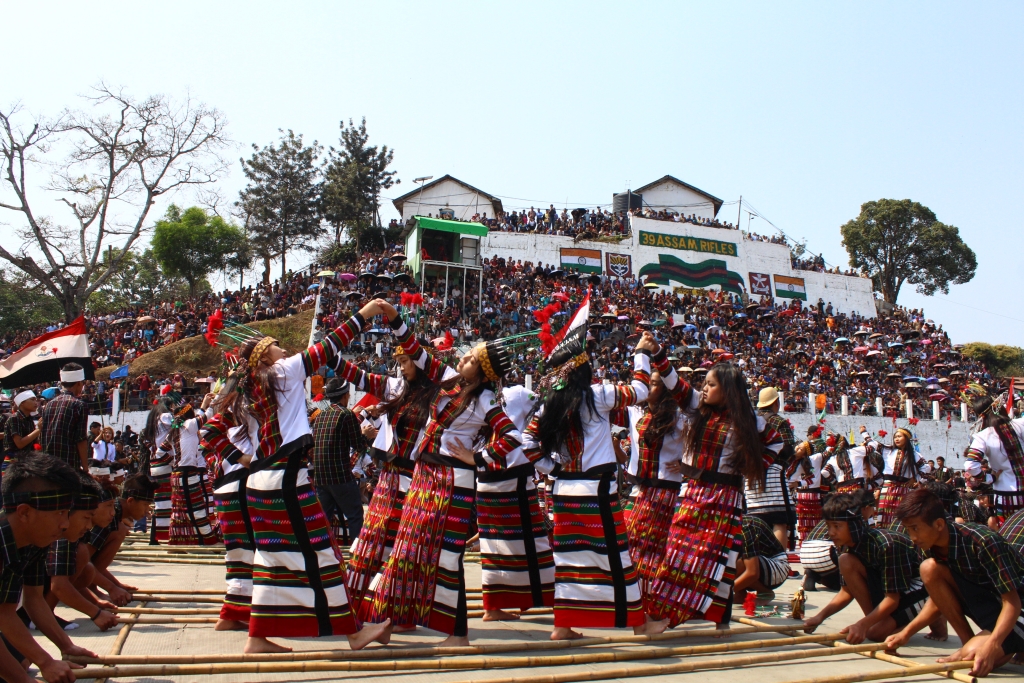
Chapchar Kut was first revived in 1962 on a grand scale in Aizawl; however, it was discouraged when it was felt that it did not adhere to Christian values and rekindled pre-Christian cultural practices like the drinking of rice beer. However, it was revived once again in 1973 on a mass scale, sans animistic practice and the Cheraw dance. Even the church, which had been critical of the festival, no longer objected to the festival as it felt that traditional culture was disappearing. Chapchar Kut is now held annually in the month of March. People dance, perform skits, and play musical instruments to celebrate their beloved festival, with the aim of fostering camaraderie among the people.

In the early days, Chapchar Kut was a lively affair with plenty of drinking and eating. Young men and women danced through the night, celebrating life and unity, with women adorning themselves in traditional attire, including the Vakiria, a traditional Mizo shawl. The Chai dance traces its origins to this festival. Today, Chapchar Kut aligns with the drying period for trees and bamboo felled during jhum cultivation. The festival provides a well-deserved break for shifting cultivators.

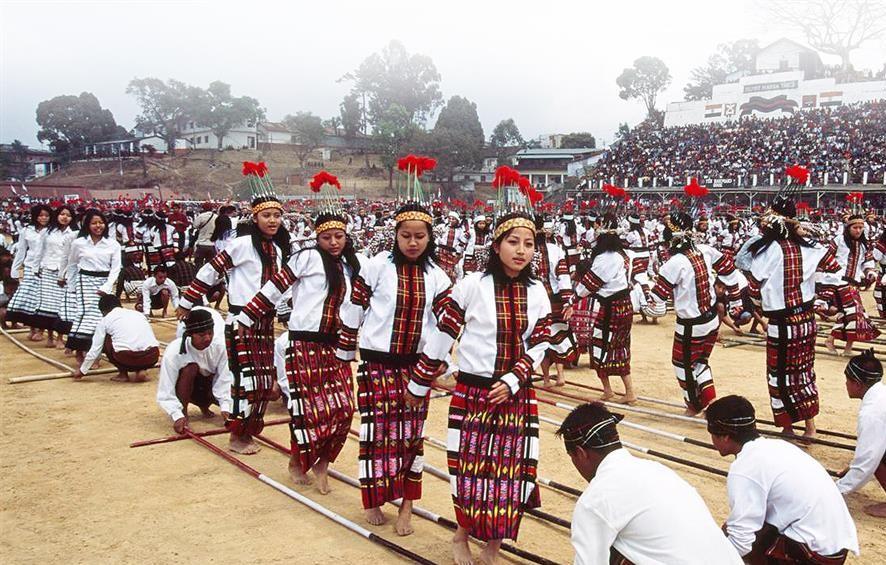
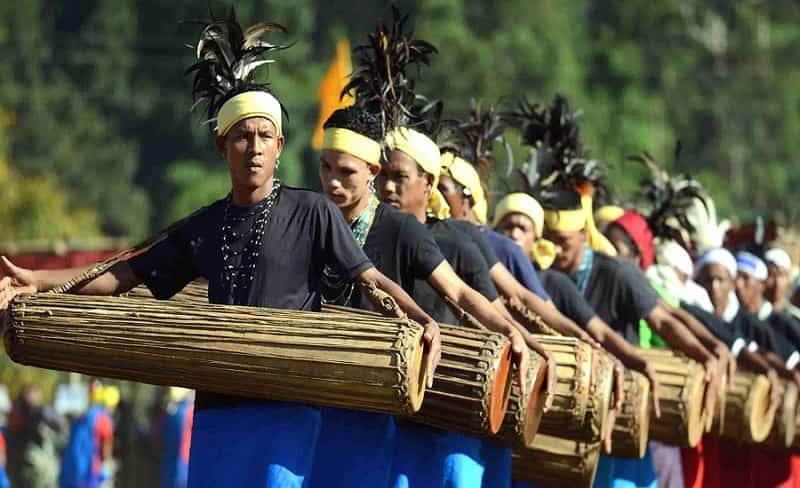
The Chapchar Kut Festival is marked by meticulous preparations and elaborate rituals that reflect the rich cultural tapestry of Mizoram. Weeks in advance, communities come together to clean and decorate their villages, weaving intricate patterns of bamboo and banana leaves to adorn their homes and public spaces. The festival provides an opportunity for Mizo men and women to showcase their traditional attire and finery, with vibrant costumes and elaborate headdresses adding to the spectacle of the occasion. From intricately woven shawls to ornate jewellery adorned with semi-precious stones, every garment tells a story of craftsmanship and cultural pride. Central to the Chapchar Kut Festival is the pulsating rhythm of music and dance, as performers take to the stage to showcase their talent and skill. Traditional instruments such as the khuang or the drum, the tuium or the flute, and the dawte or the gong set the beat for energetic performances that captivate audiences and evoke the spirit of celebration and joy.

Key activities of the festival include the Chhawnghnawh, a pre-Christian custom where boiled eggs are playfully stuffed into each other’s mouths. The Cheraw dance takes centre stage, accompanied by other traditional dances like the Khuallam, the Chheihlam, and the Chai. The Chapchar Kut Run, a spirited race celebrating physical fitness, is also held during the festival. As a nod to the Mizo heritage, traditional games and a costume parade is the highlights of the festival.

A highlight of the Chapchar Kut Festival is the Thangchhuah or traditional bamboo dance, where men and women form intricate patterns and formations as they dance to the rhythmic beat of drums and gongs. The dance symbolizes unity, harmony, and collective endeavour—a reflection of the communal spirit that defines Mizo culture. Food plays a central role in Chapchar Kut celebrations, with elaborate feasts and communal meals bringing families and communities together in a spirit of camaraderie and conviviality. Traditional delicacies such as bai, a rice-based dish, vawksa rep, smoked meat, and sa-um, fermented bamboo shoot, are prepared with love and shared with neighbours and guests.

As part of the festival festivities, cultural exhibitions, and competitions are organized to showcase the diverse traditions and talents of the Mizo people. From traditional crafts and artwork to indigenous games and sports, these events provide a platform for artisans, performers, and athletes to showcase their skills and creativity.

While the Chapchar Kut Festival remains deeply rooted in tradition, it also reflects the evolving dynamics of contemporary Mizoram. Today, the festival serves as a catalyst for community engagement, social cohesion, and intergenerational dialogue, fostering a sense of belonging and pride among Mizo youth and elders alike.

In recent years, the Chapchar Kut Festival has emerged as a major tourist attraction, drawing visitors from across India and around the world to experience the vibrant colours, sights, and sounds of Mizoram’s cultural extravaganza. The festival offers a unique opportunity for cultural exchange and mutual understanding, as visitors immerse themselves in the customs and traditions of the Mizo people.

As Mizoram grapples with environmental challenges such as deforestation and climate change, efforts are underway to integrate principles of sustainability and conservation into the Chapchar Kut Festival. Initiatives such as tree planting drives, waste management programs, and eco-friendly practices aim to minimize the festival’s ecological footprint while preserving the natural beauty and biodiversity of the region.

World NGO Day

Non-governmental organisations or NGOs, typically work toward public or social welfare goals. From grassroots initiatives to international advocacy campaigns, NGOs embody the spirit of resilience, compassion, and solidarity that transcends borders and empowers communities. They are critical change agents in promoting economic growth, human rights and social progress, operating outside of governmental influences. To commemorate the pivotal role that NGOs play in shaping our world and driving positive transformations, every year, February 27 is designated as World NGO Day

NGOs fill crucial gaps in societal structures by addressing issues that may be overlooked or neglected by governments and other institutions. From providing humanitarian aid in times of crisis to advocating for human rights and environmental protection, NGOs serve as vital lifelines for marginalized communities around the world. At the heart of NGO work lies a commitment to empowering communities to take charge of their destinies. Through capacity-building initiatives, educational programs, and grassroots organising, NGOs enable individuals and groups to amplify their voices, assert their rights, and drive sustainable change from within.

NGOs are often at the forefront of innovation, pioneering new approaches and solutions to complex social, economic, and environmental challenges. Whether through technology-driven interventions, social entrepreneurship, or cross-sectoral partnerships, NGOs harness the power of innovation to create lasting impact and drive systemic change. Advocacy lies at the core of NGO activism, as organisations work tirelessly to raise awareness, mobilise public support, and influence policy decisions at local, national, and international levels. By amplifying the voices of the marginalised and holding decision-makers accountable, NGOs play a pivotal role in shaping policies and advancing social justice agendas.

World NGO Day, observed annually on February 27, serves as a global platform to celebrate the achievements, contributions, and resilience of NGOs worldwide. It is a day to honour the dedication and passion of individuals and organisations who work tirelessly to create a more just, equitable, and sustainable world for all.

The theme of World NGO Day 2024 is Building a Sustainable Future: The Role of NGOs in Achieving the Sustainable Development Goals (SDGs). This theme emphasises the critical role that NGOs play in addressing global challenges and working towards a more sustainable future. It also highlights how NGOs are contributing to the achievement of the Sustainable Development Goals (SDGs) set by the United Nations.

Embracing change entails embracing innovation, creativity, and agility in the pursuit of social impact. NGOs are encouraged to explore new approaches, technologies, and partnerships that enable them to respond effectively to emerging needs and dynamics while staying true to their core values and missions. Building resilience also requires building bridges of solidarity and collaboration across sectors, disciplines, and borders. NGOs are called upon to forge strategic alliances, share best practices, and mobilise resources in pursuit of common goals and shared aspirations. In a world marked by interconnectedness and interdependence, solidarity emerges as a powerful force for positive change.

As we commemorate World NGO Day, let us reaffirm our commitment to the principles of social justice, equity, and solidarity. Let us celebrate the resilience and courage of NGOs and their tireless efforts to build a better world for present and future generations. As individuals, communities, and institutions, let us pledge to support and empower NGOs in their mission to create a more just, equitable, and sustainable world. Together, we can harness the power of collective action, innovation, and compassion to overcome adversity, foster resilience, and realize our shared vision of a brighter tomorrow. Not just on February 27, but throughout the year, let us stand in solidarity with NGOs worldwide, honouring their invaluable contributions and unwavering commitment to humanity’s collective journey towards dignity, equality, and justice for all.

Lantern Festival: The Fifteenth Day of the Lunar New Year Festivities

The Lunar New Year is the most important festival in the Chinese calendar. Also known as the Chinese New Year, this festival celebrates the beginning of a new year on the traditional lunisolar Chinese calendar. In Chinese, the festival is commonly referred to as the Spring Festival as the spring season in the lunisolar calendar traditionally starts with lichun, the first of the twenty-four solar terms which the festival celebrates around this time. of the Chinese New Year. Marking the end of winter and the beginning of the spring season, observances traditionally take place from Chinese New Year’s Eve, the evening preceding the first day of the year, to the Lantern Festival, held on the 15th day of the year. The first day of the Lunar New Year begins on the new moon that appears between 21 January and 20 February.

The Lunar New Year is one of the most important holidays in Chinese culture and has influenced similar celebrations in other cultures, such as the Losar of Tibet, the Tết of Vietnam, the Korean New Year, and the Ryukyu New Year.

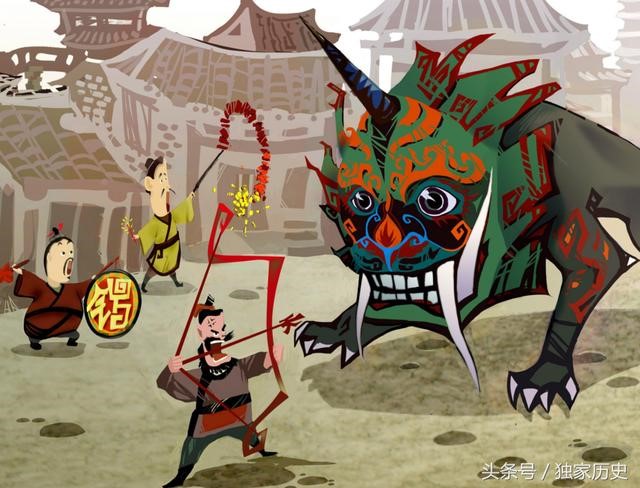
According to legend, the Chinese New Year started with a mythical beast called the Nian, a beast that lives under the sea or in the mountains during the annual Spring Festival. The Nian would eat villagers, especially children, in the middle of the night. One year, all the villagers decided to hide from the beast. An older man appeared before the villagers went into hiding and said that he would stay the night and would get revenge on the Nian. The old man put red papers up and set off firecrackers. The day after, the villagers came back to their town and saw that nothing had been destroyed. They assumed that the old man was a deity who came to save them. The villagers then understood that Yanhuang had discovered that the Nian was afraid of the colour red and loud noises. Then the tradition grew when New Year was approaching, and the villagers would wear red clothes, hang red lanterns, and red spring scrolls on windows and doors and use firecrackers and drums to frighten away the Nian. From then on, Nian never came to the village again. The Nian was eventually captured by Hongjun Laozu, an ancient Taoist monk.

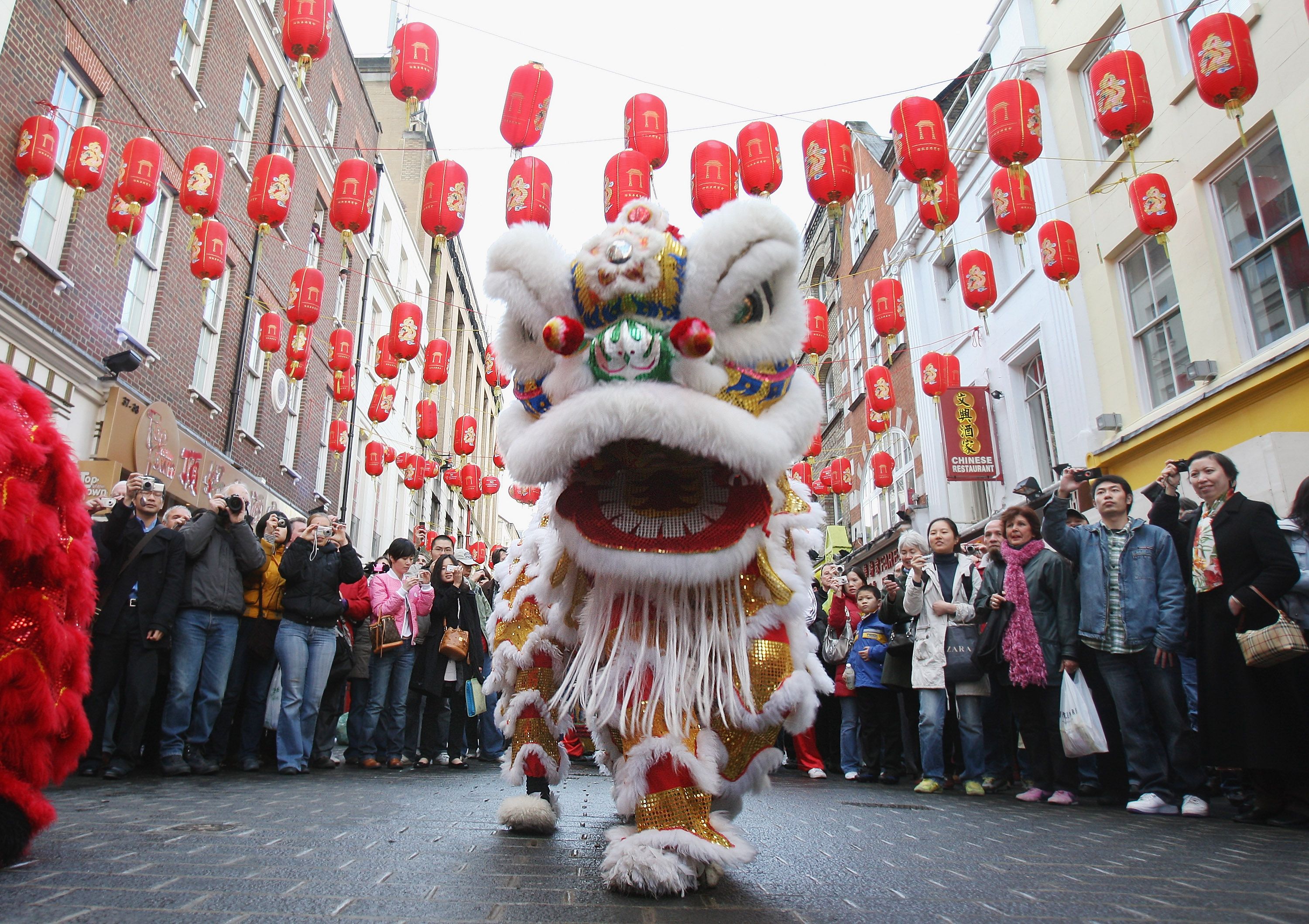
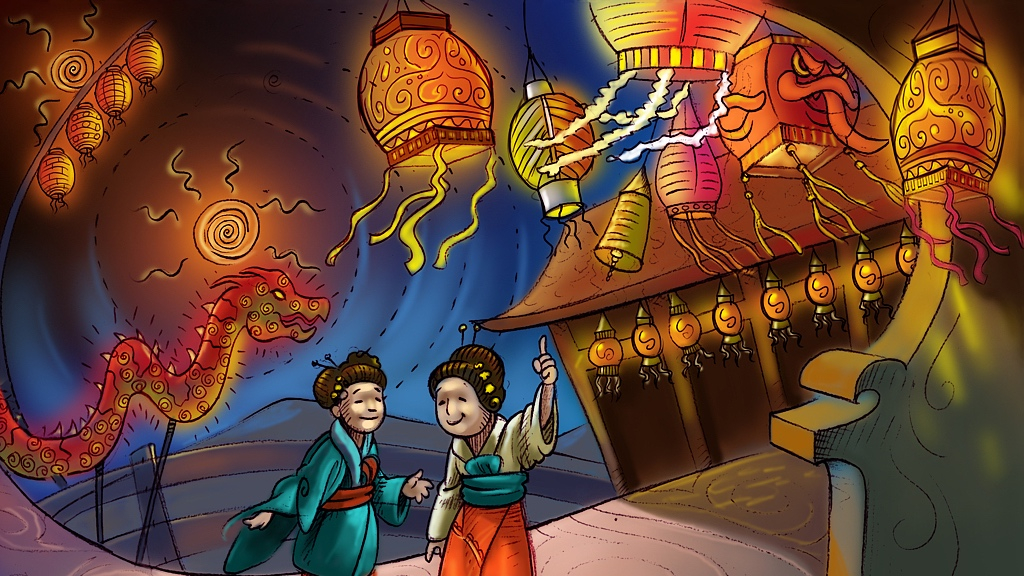
The fifteenth day of the new year is celebrated as the Lantern Festival, also known as the Yuanxiao Festival, the Shangyuan Festival, and Chap Goh Meh. Rice dumplings, or tangyuan, a sweet glutinous rice ball brewed in a soup, are eaten this day. Candles are lit outside houses as a way to guide wayward spirits home. Families may walk the streets carrying lanterns, which sometimes have riddles attached to or written on them as a tradition. This day often marks the end of the Chinese New Year festivities.

In China and Malaysia, this day is celebrated by individuals seeking a romantic partner, akin to Valentine’s Day. Nowadays, single women write their contact numbers on mandarin oranges and throw them in a river or a lake after which single men collect the oranges and eat them. The taste is an indication of their possible love: sweet represents a good fate while sour represents a bad fate. In Singapore, chap goh mei is also a day where single ladies wishing for husbands throw oranges, red dates and longans into the Singapore River.

Another reunion dinner is held with lanterns and oranges being a large part of the celebrations. It is also referred to as dengjie or lantern festival due to a tradition that originated during the Tang Dynasty involving the lighting of lanterns on this day. The Lantern Festival marks the final day of the traditional Chinese New Year celebrations. As early as the Western Han dynasty, between 206 BC and 25 AD, it had become a festival with great significance.

During the Lantern Festival, children go out at night carrying paper lanterns and solve riddles on the lanterns. In ancient times, the lanterns were fairly simple, and only the emperor and noblemen had large ornate ones. In modern times, lanterns have been embellished with many complex designs. The lanterns are almost always red to symbolise good fortune.

There are several beliefs about the origin of the Lantern Festival. However, its roots trace back more than 2,000 years and are popularly linked to the reign of Emperor Wen of the Han dynasty. Emperor Ming, an advocate of Buddhism, noticed that Buddhist monks would light lanterns in temples on the fifteenth day of the first lunar month. As a result, he ordered all households, temples and the imperial palace to light lanterns on that evening. From there it developed into a folk custom. Another likely origin is the celebration of the declining darkness of winter and the community’s ability to move about at night with human-made light, namely, lanterns. During the Han dynasty, the festival was connected to Ti Yin, the deity of the North Star.

There is one legend that states that it was a time to worship Taiyi, the God of Heaven in ancient times. The belief was that Taiyi controlled the destiny of the human world. He had sixteen dragons at his beck and call and he decided when to inflict drought, storms, famine or pestilence upon human beings. Beginning with Qin Shi Huang, the first emperor of China, all the emperors ordered splendid ceremonies each year. The emperor would ask Taiyi to bring favourable weather and good health to him and his people. Another legend associates the Lantern Festival with Taoism. Tianguan is the Taoist deity responsible for good fortune. His birthday falls on the fifteenth day of the first lunar month. It is said that Tianguan likes all types of entertainment, so followers prepare various kinds of activities during which they pray for good fortune. Yet another legend associates the Lantern Festival with the worship of the lunar goddess Chang’e, who is said to reside on the moon with her companion, the jade rabbit. According to folklore, on the 15th day of the first lunar month, Chang’e descends to Earth to bestow blessings upon those who honour her with offerings of lanterns, fruits, and sweet treats.

Another legend associates the Lantern Festival with an ancient warrior named Lan Moon, who led a rebellion against the tyrannical king in ancient China. He was killed in the storming of the city and the successful rebels commemorated the festival in his name. Yet another common legend dealing with the origins of the Lantern Festival speaks of a beautiful crane that flew down to earth from heaven. After it landed on earth it was hunted and killed by some villagers. This angered the Jade Emperor in heaven because the crane was his favourite. So, he planned a storm of fire to destroy the village on the fifteenth lunar day. The Jade Emperor’s daughter warned the inhabitants of her father’s plan to destroy their village. The village was in turmoil because nobody knew how they could escape their imminent destruction. However, a wise man from another village suggested that every family should hang red lanterns around their houses, set up bonfires on the streets, and explode firecrackers on the fourteenth, fifteenth, and sixteenth lunar days. This would give the village the appearance of being on fire to the Jade Emperor. On the fifteenth lunar day, troops sent down from heaven whose mission was to destroy the village saw that the village was already ablaze, and returned to heaven to report to the Jade Emperor. Satisfied, the Jade Emperor decided not to burn down the village. From that day on, people celebrate the anniversary on the fifteenth lunar day every year by carrying lanterns on the streets and exploding firecrackers and fireworks.

Another legend about the origins of the Lantern Festival involves a maid named Yuan-Xiao. In the Han dynasty, Dongfang Shuo was a favourite adviser of the emperor. One winter day, he went to the garden and heard a little girl crying and getting ready to jump into a well to commit suicide. Shuo stopped her and asked why. She said she was Yuan-Xiao, a maid in the emperor’s palace and that she never had a chance to see her family since she started working there. If she could not have the chance to show her filial piety in this life, she would rather die. Shuo promised to find a way to reunite her with her family. Shuo left the palace and set up a fortune-telling stall on the street. Due to his reputation, many people asked for their fortunes to be told but everyone got the same prediction – a calamitous fire on the fifteenth lunar day. The rumour spread quickly. Everyone was worried about the future so they asked Dongfang Shuo for help.

Dongfang Shuo said that on the thirteenth lunar day, the God of Fire would send a fairy in red riding a black horse to burn down the city. When people saw the fairy they should ask for her mercy. On that day, Yuan-Xiao pretended to be the red fairy. When people asked for her help, she said that she had a copy of a decree from the God of Fire that should be taken to the emperor. After she left, people went to the palace to show the emperor the decree which stated that the capital city would burn down on the fifteenth. When the emperor asked Dongfang Shuo for advice, the latter said that the God of Fire liked to eat tangyuan which are sweet dumplings. Yuan-Xiao should cook tangyuan on the fifteenth lunar day and the emperor should order every house to prepare tangyuan to worship the God of Fire at the same time. Also, every house in the city should hang a red lantern and explode firecrackers. Lastly, everyone in the palace and people outside the city should carry their lanterns on the street to watch the lantern decorations and fireworks. The Jade Emperor would be deceived and everyone would avoid the disastrous fire.

The emperor happily followed the plan. Lanterns were everywhere in the capital city on the night of the fifteenth lunar day and people were walking on the street and there were noisy firecrackers. It looked as if the entire city was on fire. Yuan-Xiao’s parents went into the palace to watch the lantern decorations and were reunited with their daughter. The emperor decreed that people should do the same thing every year. Since Yuan-Xiao cooked the best tangyuan, people called the day the Yuan-Xiao Festival.

As the lanterns cast their radiant glow upon the world, the Lantern Festival serves as a beacon of hope, renewal, and cultural pride. Across continents and generations, people come together to celebrate the triumph of light over darkness, unity over division, and joy over adversity.


Festivals of India: Jaisalmer Desert Festival

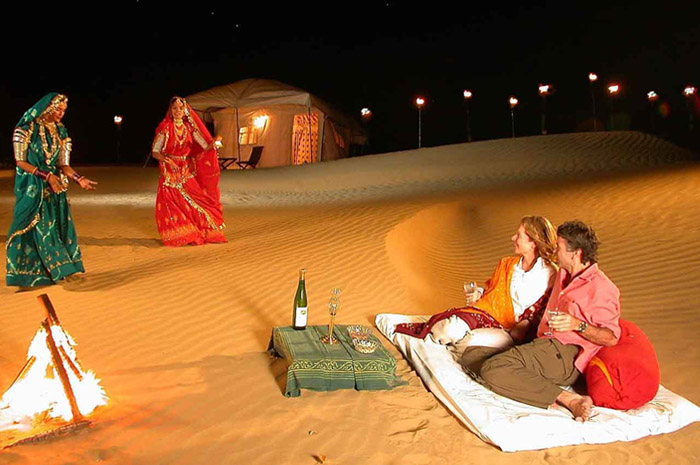
An annual festival that takes place in the heart of the Thar Desert, the Jaisalmer Desert Festival is a mesmerising celebration that transports one to a world where time stands still and the desert comes alive with the vibrant spirit of Rajasthan.

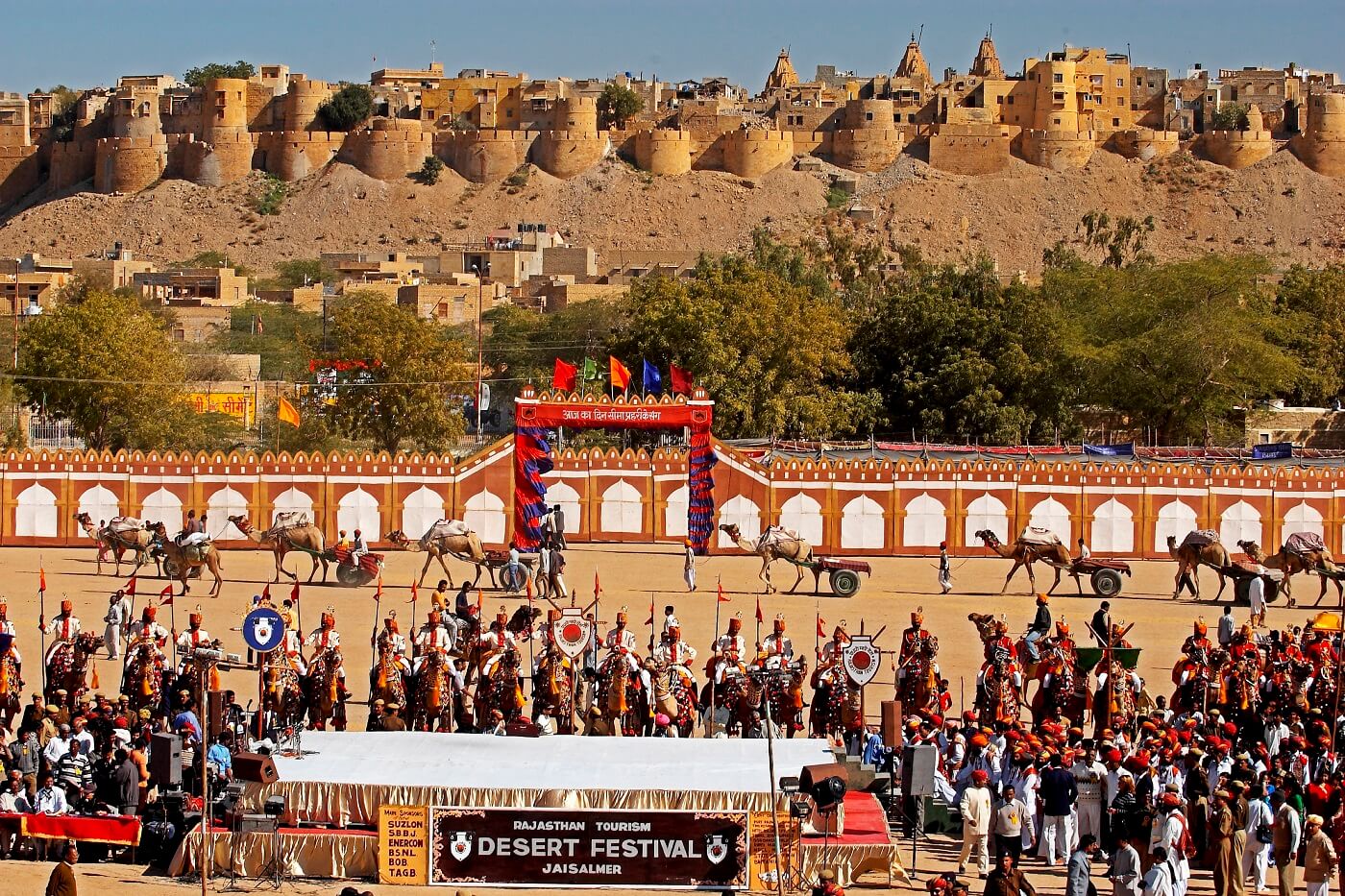
Nestled on the westernmost frontier of India, Jaisalmer is a city like no other. Its honey-coloured fort, rising majestically from the desert floor, earns it the moniker Golden City. As the gateway to the Thar Desert, Jaisalmer has a rich history steeped in tales of valour, trade, and the sands. The Desert Festival is held every year during the Hindu month of Magh, three days before the full moon. The festival is celebrated in the dunes of Sam, about 42 km from the city.

The Desert Festival kicks off with a regal procession through the narrow lanes of Jaisalmer. Bedecked camels, adorned with traditional finery, lead the way, followed by local musicians, dancers, and colourfully dressed locals. The rhythmic beats of folk music and the twirl of traditional dancers create an enchanting symphony that resonates across the dunes. From the energetic Kalbeliya dance to the soulful tunes of Manganiyar musicians, every performance reflects the vibrancy and diversity of Rajasthan’s artistic legacy.

The undulating dunes surrounding Jaisalmer set the stage for one of the festival’s highlights—the Camel Safari. Visitors can embark on a journey into the heart of the Thar Desert, accompanied by skilled guides who regale them with tales of desert life. The surreal landscape, shifting hues with the changing light, creates a canvas of unparalleled beauty.

One of the most anticipated events is the Battle of the Bands—a showcase of traditional Rajasthani music. Local musicians engage in friendly competition, captivating audiences with their skilful performances on instruments like the dholak, sarangi, and khartaal.

In a nod to the region’s proud heritage, the festival hosts a lively moustache competition. Men from far and wide showcase their elaborate facial hair in categories that celebrate the artistry and individuality of Rajasthani moustaches. It’s a spirited contest that adds a touch of whimsy to the cultural festivities.

Turbans, or pagris, are an integral part of Rajasthani attire, symbolising honour and pride. The turban-tying competition invites participants to showcase their skill in creating elaborate headgear. Each turban tells a story, with colours and styles representing a wearer’s community, occupation, or personal history.

The narrow lanes of Jaisalmer come alive with street performances, puppet shows, and magic acts. The vibrant bazaars, adorned with traditional crafts and textiles, become a playground for artists, capturing the imaginations of locals and visitors alike.

No festival is complete without a culinary journey, and the Desert Festival is no exception. Visitors are treated to a feast of Rajasthani delicacies, each dish a testament to the region’s rich culinary heritage. From the aromatic Dal Baati Churma to the indulgent Ghevar, the festival is a gastronomic adventure that tantalises the taste buds.

Beyond the festivities, the Desert Festival offers a unique opportunity to experience the desert lifestyle. Traditional desert camps, known as ‘khudde,’ provide a glimpse into the daily lives of desert dwellers. Visitors can participate in workshops on traditional crafts, learn the art of tie-dyeing, and engage with local artisans, creating memories that extend beyond the festival’s vibrant days.

For photography enthusiasts, the Jaisalmer Desert Festival is a visual feast. The stark beauty of the desert, juxtaposed with the riot of colours from traditional attire and festivities, creates a surreal panorama. Sunrise and sunset over the dunes offer photographers a canvas to capture the changing hues of the landscape.

The Desert Festival attracts a significant influx of visitors. Planning accommodations and travel well in advance ensures a seamless experience amid the festivities. The desert sun can be intense. Sunscreen, hats, and sunglasses are essential to staying protected while exploring the dunes and attending outdoor events. Jaisalmer’s cobbled streets and the sandy dunes require comfortable footwear. Whether exploring the city or venturing into the desert, sturdy shoes are a must. Respect local customs and traditions. Seek permission before photographing people, especially during religious ceremonies or private moments. The desert climate can be dehydrating. Carry a reusable water bottle to stay hydrated, especially during camel safaris and outdoor events.

After being at the Desert Festival in Jaisalmer, visitors take back with them memories etched in the sands of time. The vibrant tapestry of culture, music, and camaraderie experienced amid the Thar Desert is not merely a festival; it is an experience of a lifetime. A journey that transcends time echoes the folk music, the vibrant hues of turbans, and the enchanting dance of the desert winds that linger long after the festival tents come down and visitors have gone back to their humdrum lives.