Festivals of India: Chemrey Wangchok Festival

Over the weekend, enchanting Ladakh celebrated the festival of Chemrey Wangchok. Often referred to as “Little Tibet”, Ladakh is renowned for its stark yet mesmerizing landscapes, monasteries perched atop rugged mountains, and a culture that seamlessly blends Tibetan Buddhism with the natural beauty of the region.

Also known as the Chemrey Angchok Festival, the Chemrey Wangchok Festival is one of Ladakh’s most cherished cultural events. Held at the Chemrey Monastery, which is perched dramatically on a hilltop overlooking the Indus Valley, this festival offers a window into the spiritual and cultural heart of Ladakh.

The Chemrey Wangchok Festival is celebrated on the 28th and 29th day of the ninth month of the Tibetan lunar calendar, which this year was this weekend, 11 and 12 November. Typically falling in November or December in the Gregorian calendar, the festival marks the victory of good over evil and the ultimate triumph of the Buddhist teachings. Chemrey Monastery’s white-washed walls glisten brilliantly against the clear blue Ladakhi skies, and the aura of serenity envelops this sacred site. It’s a place where time seems to stand still, and every stone whispers stories of devotion.
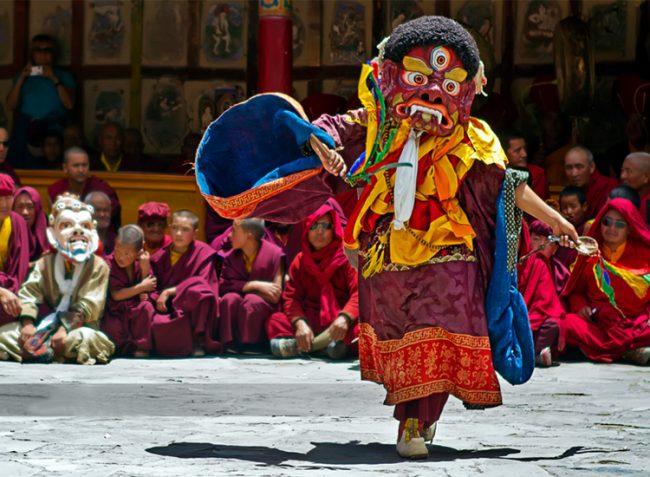
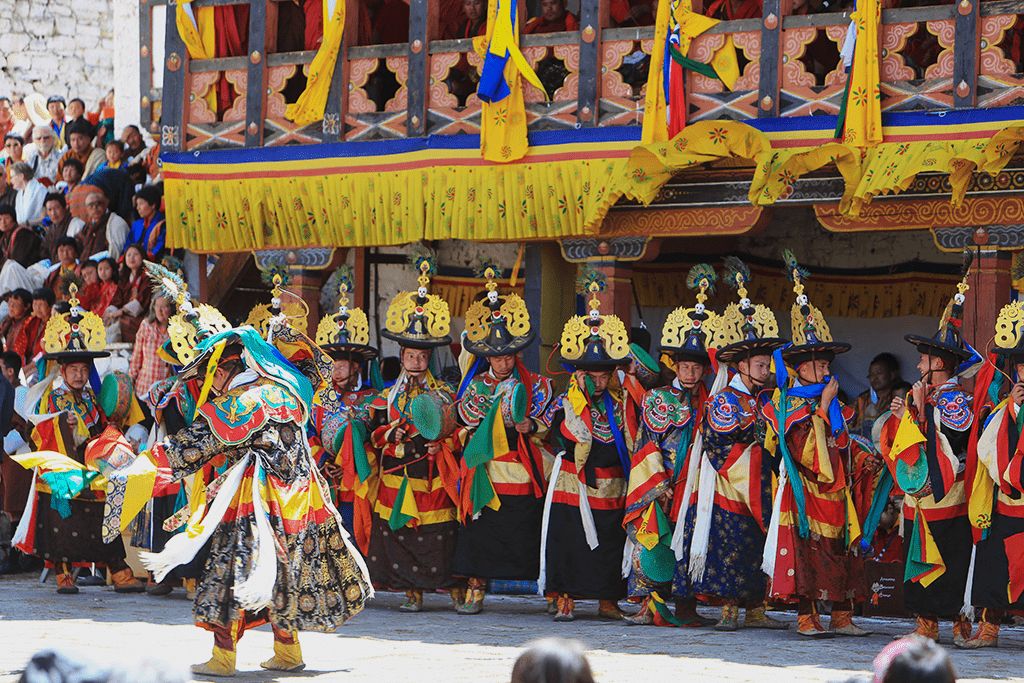
The festival kicks off with the Cham dance, a traditional masked dance performed by the resident monks. This intricate and colourful performance reenacts ancient Buddhist stories and teachings, inviting the audience to contemplate their deep meanings. Beyond the visual spectacle of the Cham dance, the Chemrey Wangchok Festival provides an opportunity for spiritual teachings and reflections. Monks share wisdom and insights, guiding attendees on a journey of self-discovery and enlightenment.

The air reverberates with the soothing sounds of traditional Ladakhi music and chants. The melodies played on traditional instruments like Tibetan horns and cymbals, add a mystical and enchanting ambience to the festival. The masked performers, adorned in elaborate costumes representing various deities and supernatural beings, are a sight to behold. Each mask tells a story and adds depth to the festival’s spiritual narratives.

Throughout the Chemrey Wangchok Festival, offerings are made to deities, symbolising the reverence and gratitude of the people of Ladakh. These rituals serve as a reminder of the deep connection between the spiritual and everyday lives of the locals.
Chemrey Wangchok is a testament to Ladakh’s commitment to preserving its rich cultural heritage. It serves as a reminder of the importance of passing down traditions and rituals from one generation to the next. The festival offers a moment of pause in our busy lives, inviting us to reflect on the deeper aspects of existence. It encourages introspection, mindfulness, and a connection with the spiritual dimensions of life. For visitors to Ladakh, the Chemrey Wangchok Festival provides a unique opportunity to engage with the local culture and forge meaningful connections with the Ladakhi people. In a world often divided by differences, this festival reminds us of the power of unity and shared values. It transcends barriers of nationality, language, and background, fostering a sense of oneness among those who attend. The colourful Cham dance and the profound spiritual teachings inspire attendees to seek inner peace, wisdom, and enlightenment in their own lives. It serves as a source of motivation and a reminder of life’s deeper purpose.

In a rapidly changing world, festivals like Chemrey Wangchok play an essential role in preserving cultural heritage, fostering spirituality, and celebrating unity. They remind us of the beauty that lies in tradition and the profound wisdom contained within ancient rituals. Festivals like these offer a respite from our often-hectic lives, inviting us to slow down and reflect on the deeper aspects of our existence. In an era of constant distractions, they serve as a sanctuary for inner peace and self-discovery.
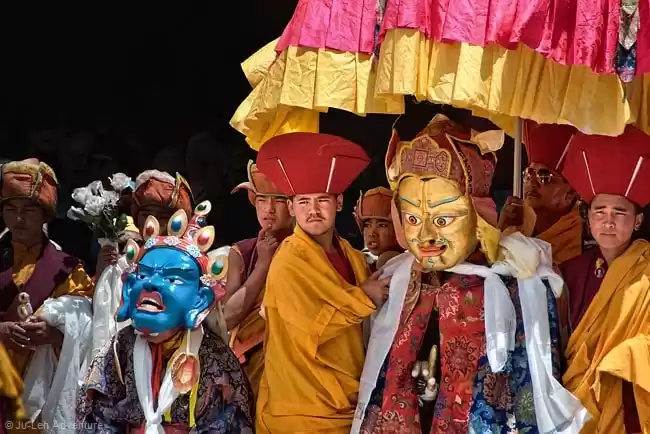
This festival, with its Cham dance, spiritual teachings, and cultural richness, is a radiant celebration of Ladakh’s soul. It reminds us that amid the hustle and bustle of modern life, there are places where tradition thrives, where spirituality is woven into the fabric of daily existence, and where unity is celebrated. The Chemrey Wangchok Festival is a testament to the enduring beauty of Ladakh and the timeless wisdom of its people—a legacy that continues to shine brightly against the backdrop of the Himalayas.

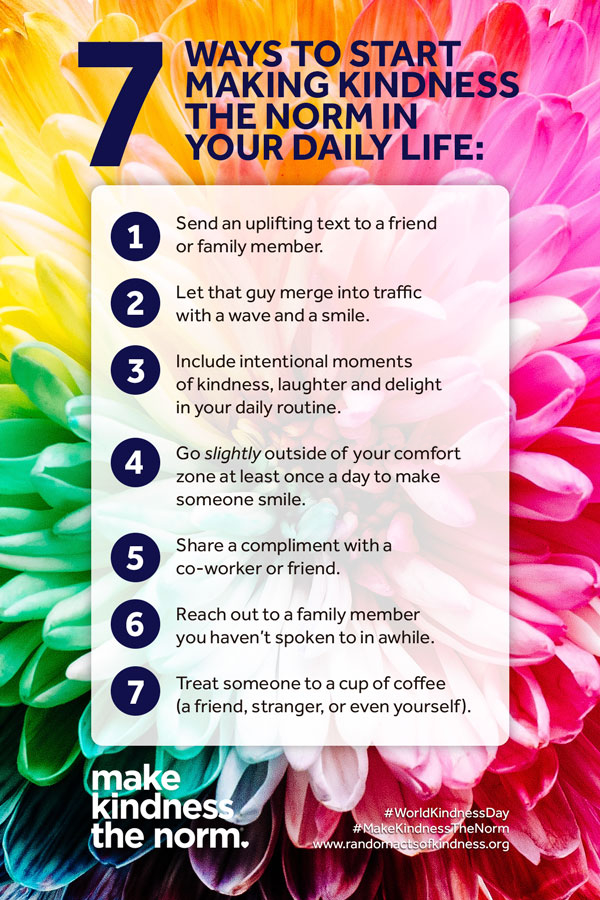
World Kindness Day: Why Kindness Matters in Today’s World

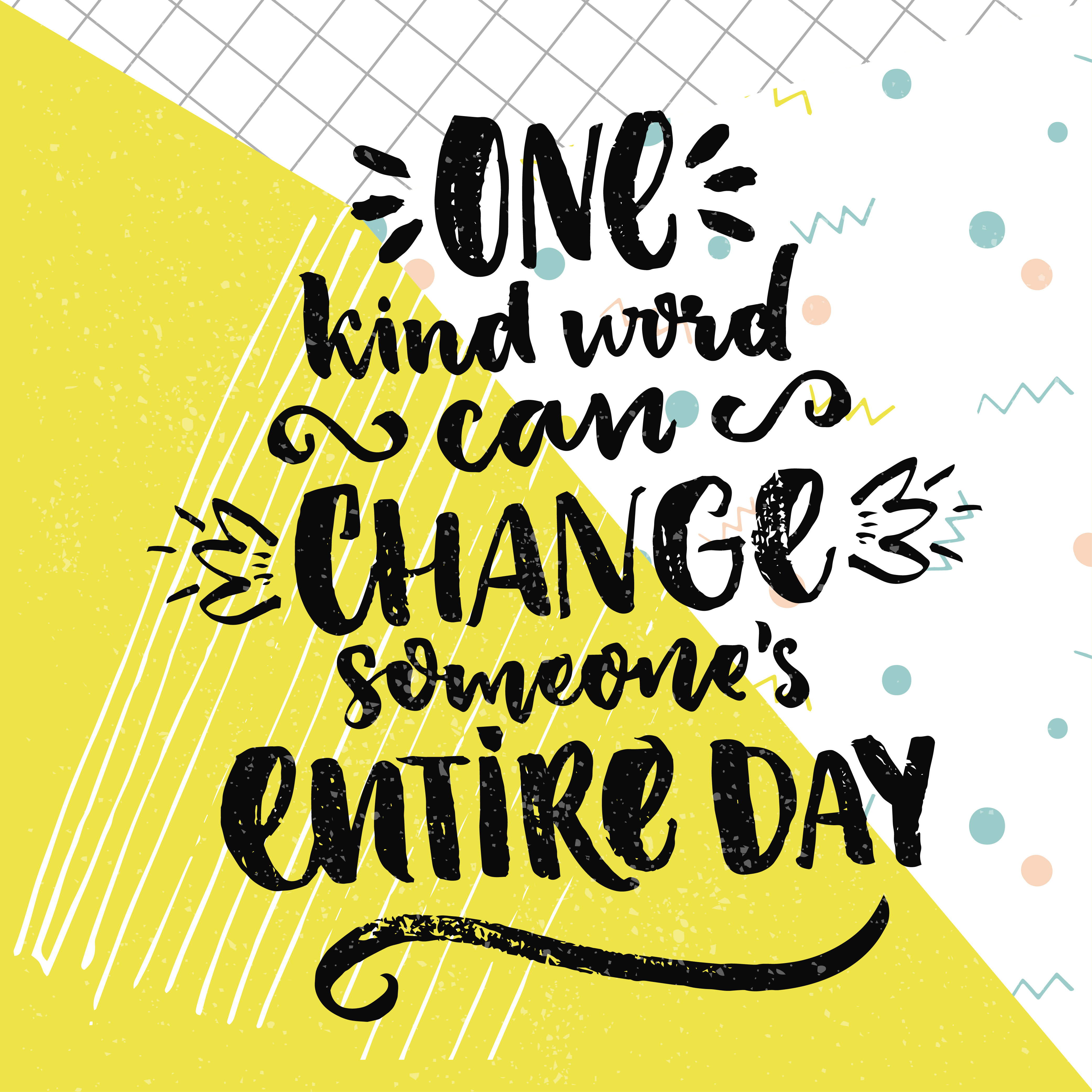
Today is World Kindness Day. In a world often filled with stress, conflict, and uncertainty, this day serves as a gentle reminder of the power of kindness, its significance in our lives, and why we need a dedicated day for it.

What is Kindness?
At its core, kindness is the act of showing compassion, consideration, and empathy towards others. It encompasses a wide range of behaviours, from small gestures like smiling at a stranger to larger acts of generosity and support. Kindness isn’t just about being nice; it’s about fostering a sense of connection and goodwill among individuals and communities.

In today’s fast-paced and interconnected world, the significance of kindness cannot be overstated. Kindness is the glue that binds us together as a society. When we show kindness to others, we create a sense of belonging and community, which is essential for our mental and emotional well-being. Acts of kindness, whether giving or receiving, release oxytocin, a hormone that promotes feelings of love and reduces stress. In a world where stress is rampant, these moments of kindness are like emotional lifelines. Kindness nurtures empathy—the ability to understand and share the feelings of others. In a world with increasing polarization, empathy is a powerful tool for bridging divides and finding common ground. Small acts of kindness can have a ripple effect, inspiring others to pay it forward. By leading with kindness, we can collectively create positive change in our communities and beyond.

Why do we need World Kindness Day?
So why does one need a designated day for kindness? Why can’t we be kind every day? While ideally, kindness should be a daily practice, the reality is that our lives often become chaotic and demanding. World Kindness Day serves as an annual reminder to pause, reflect, and recommit to acts of kindness. Having a specific day dedicated to kindness allows us to shine a spotlight on the importance of this virtue. It encourages individuals and organisations to come together in a concerted effort to spread kindness on a global scale.

World Kindness Day catalyses inspiring kindness initiatives. It’s a day when people are more likely to engage in acts of goodwill and to support charitable causes, creating a surge of positive momentum. Schools, communities, and workplaces can use World Kindness Day as an opportunity to educate individuals about the benefits of kindness and how to incorporate it into their daily lives. In a world that often feels divided, World Kindness Day unites people from different backgrounds, cultures, and beliefs under a common goal: to make the world a kinder place.

The question remains, why can’t we make kindness a daily practice instead of confining it to one day a year? The truth is, we absolutely can, and many individuals do. However, designating a specific day for kindness amplifies its impact for several reasons:

Collective Effort: When people worldwide come together on World Kindness Day, the cumulative effect of their kind acts is immense. It creates a sense of unity and shared purpose that can be challenging to replicate every single day.

Heightened Awareness: Having a designated day increases awareness about kindness and encourages individuals who may not have prioritized it before to participate.

Global Impact: World Kindness Day provides an opportunity to focus on global issues and challenges that require collective kindness, such as addressing poverty, inequality, and environmental concerns.

Inspiration and Inspiration: People often need a reminder or inspiration to practice kindness consistently. World Kindness Day can serve as that spark, prompting individuals to make kindness a regular part of their lives.

In a world that can sometimes feel divisive and harsh, World Kindness Day stands as a beacon of hope and unity. It reminds us of the incredible power of small acts of kindness and the transformative impact they can have on individuals and societies alike. While we should strive to make kindness a daily practice, having a dedicated day for it amplifies its significance and encourages us to be more mindful of our actions.

So, let’s embrace World Kindness Day as an opportunity to spread goodwill, foster empathy, and create positive change. Let’s carry the spirit of kindness with us not just on this day, but every day, as we work together to make the world a kinder and more compassionate place for all.

The Busy Illusion: Appearances vs. Productivity

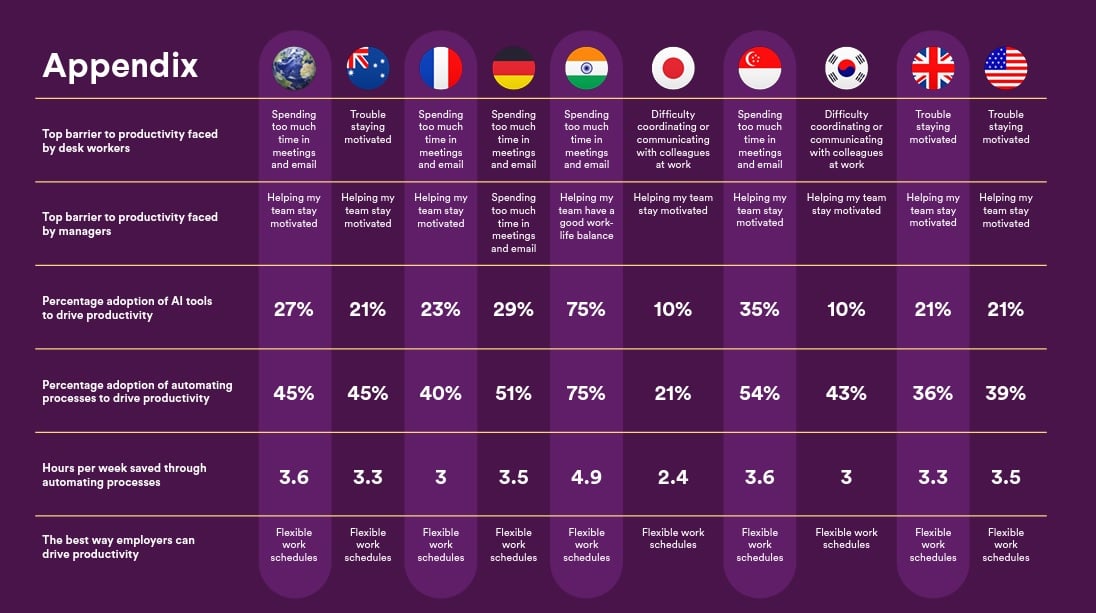
A few months ago, I chanced upon an article about a survey that mentioned that Singaporeans were ranked third globally for appearing busy but not necessarily productive. Now, what does this ranking mean, and how should we interpret it?

In a world that glorifies busyness, it’s no surprise that we Singaporeans find ourselves near the top of the list when it comes to appearing busy. Our lives are filled with work commitments, family responsibilities, social engagements, and more. It’s not uncommon for conversations to revolve around how busy we are, almost like a badge of honour.

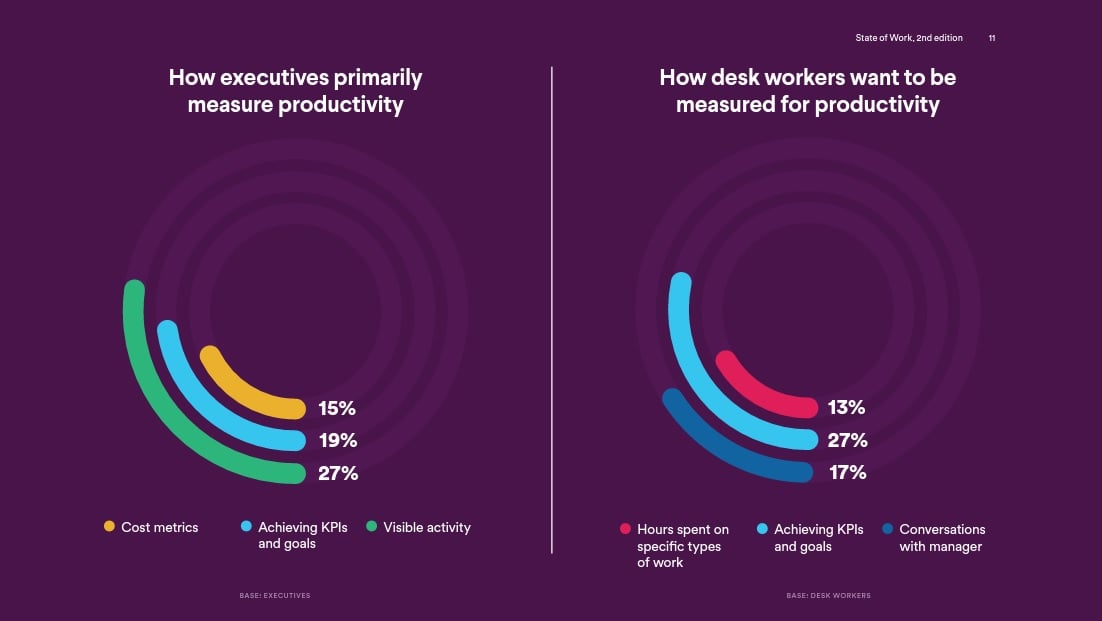
But here’s the catch: appearing busy doesn’t always translate into being productive. The survey highlighted that while Singaporeans might look swamped with tasks, the actual output may not match their perception. This raises an essential question: Are we optimising our time and efforts effectively?

Singapore’s culture of busyness can be traced back to several factors. Our fast-paced lifestyle, coupled with high expectations at work and in our personal lives, often leads to a constant need to appear busy. The fear of falling behind or not measuring up to societal standards can push us to overcommit, making us look busy without necessarily achieving more.

We are known for our work ethic and commitment to excellence. However, this drive can sometimes result in individuals juggling too many tasks simultaneously. The pressure to perform at our best can inadvertently lead to a frantic appearance of busyness, but not necessarily an increase in productivity.

So, how can we strike a balance between appearing busy and being productive? It’s essential to recognise that looking busy doesn’t equate to success or fulfilment. Instead, let’s focus on achieving a healthy work-life balance, setting realistic goals, and using our time efficiently.

Here are a few practical tips to help us shift our focus from appearances to productivity:

  • Prioritise tasks: Identify your most important tasks and focus on completing them first.
  • Time management: Use techniques like the Pomodoro method to work in focused bursts, followed by short breaks.
  • Delegate when possible: Don’t be afraid to delegate tasks to others to free up your time for more important responsibilities.
  • Learn to say no: Politely decline additional commitments when your plate is already full.
  • Self-care: Make time for self-care to recharge and maintain your physical and mental well-being.

While it’s interesting to see Singaporeans ranked third globally for appearing busy, this survey should serve as a wake-up call. Let’s not be content with the illusion of busyness; instead, let’s strive for genuine productivity and a balanced, fulfilling life. By prioritising our tasks, managing our time wisely, and practising self-care, we can redefine success on our terms.

Remember, it’s not about how busy we appear to be; it’s about the impact we create with our actions and the quality of life we lead. So, let’s break free from the busy illusion and embrace a more meaningful and productive journey ahead.

Short Story: The Yellow Umbrella

The sun had just begun its ascent, painting the sky in hues of orange and pink. Baga Beach in North Goa came alive with the arrival of tourists eager to soak in its beauty. Amongst the bustling crowd was Ramesh, a cheerful middle-aged man with a ready smile, running a small seafood stall near the shoreline. Besides selling mouth-watering delicacies, he had another source of income – renting out his prized possession, the vibrant yellow umbrella adorned with intricate embroidery and playful tassels.

“Welcome, welcome! Come try the best seafood on the beach,” Ramesh called out, his voice filled with warmth. “And for those looking to sunbathe, I have the most beautiful umbrellas to keep you shaded.”

Ramesh had many beautiful umbrellas from which tourists could choose, but the yellow umbrella stood out amongst the regular ones. It had become a symbol of delight and an Instagram-worthy prop for tourists. Its bright and cheerful appearance brought joy to anyone sitting underneath it.

Aria and Marco were a young couple, in Goa for their honeymoon. As they approached Ramesh’s stall, Aria’s eyes sparkled at the sight of the yellow umbrella. “Marco, look at that beautiful umbrella! Let’s rent it for the day,” she suggested, excitement lacing her voice. Marco couldn’t resist his wife’s enthusiasm and agreed. They settled under the yellow umbrella, sipping coconut water and holding hands as they watched the waves playfully dance along the shore. They shared their dreams, and fears, and promised to love each other through thick and thin.

Later that day, a group of college friends from different cities decided to spend their summer break in Goa. Among them was Kabir, a reserved but charming young man. As they explored the beach, they stumbled upon Ramesh’s stall and the magnificent yellow umbrella. “Hey, guys! Let’s get this umbrella. It’s so cool!” Kabir suggested, hoping it might help break the ice among the friends. They agreed, and soon laughter filled the air as they played games, sang songs, and created unforgettable memories under the yellow umbrella. As the sun dipped below the horizon, they knew that this trip would strengthen their bond, and the yellow umbrella would forever hold a special place in their hearts.

The next morning, a solo traveller named Emily, an artist from a far-off country, arrived at Baga Beach with her sketchbook and paints. The yellow umbrella caught her eye like a beacon of inspiration. “Could I possibly rent that marvellous umbrella?” she asked Ramesh, her eyes wide with excitement. “Of course, my dear! It’s yours for the day,” Ramesh replied with a smile. Emily spent the day capturing the essence of Goa in her artwork. The rhythmic sound of the waves and the laughter of children playing in the sand infused life into her creations. The yellow umbrella became the focal point of her painting, representing the joy and vibrancy she had experienced that day.

The next day brought a sudden change in the weather. Dark clouds loomed over the horizon, threatening to rain on everyone’s parade. However, it was also the day that Ramesh received a call from his son, who was studying in a different state. “Baba, I’ll be coming home soon. I can’t wait to see you and Aai,” his son said, his voice filled with affection.

Ramesh’s heart leapt with joy upon hearing this news. He decided to celebrate by offering a free rental of the yellow umbrella for the rest of the day. Tourists and locals alike huddled under the umbrella as the rain poured down, creating an impromptu community of strangers brought together by their shared desire to stay dry.

Among them was Sofia, an elderly woman with a gentle smile, who had been visiting Goa for years. She had seen the yellow umbrella before and felt its magic drawing her towards it. “May I sit here, young man?” she asked Ramesh, her eyes gleaming with gratitude. “Of course, Aunty! It’s all yours,” Ramesh replied, touched by her sweetness.

As they sat together, Sofia shared stories of her adventures and the beautiful memories she had made on this very beach. Her tales spanned decades and touched the hearts of everyone sitting under the yellow umbrella that day. They listened, captivated by her words, and realized that life was about embracing every moment, just like Sofia had done throughout her life.

As the sun dipped below the horizon, the rain ceased, leaving behind a sense of tranquillity. Sofia bid farewell to the yellow umbrella, and Ramesh knew that this day had been a gift not just for him but for everyone present.

The tourist season continued, and more stories unfolded under the yellow umbrella. Each person who rented it left a piece of their heart behind, and Ramesh cherished every interaction. From newfound friendships to profound realizations and rekindled love, the yellow umbrella was a witness to it all.

As the season drew to a close, Ramesh felt a sense of bittersweet happiness. The yellow umbrella had brought him joy, new friends, and a deeper appreciation for the beauty of life. It had become more than just a means of income; it was now a symbol of hope, love, and human connection.

With a grateful heart, Ramesh carefully folded the yellow umbrella, ready to store it away until the next tourist season. As he looked out at the sea, he knew that its magic would live on forever, etched in the hearts of those who had shared their stories under its bright and colourful canopy.

World Menopause Day

Held annually on 18 October, World Menopause Day aims to raise awareness about menopause and its impact on women’s health and well-being.

Menopause is a natural biological process that marks the end of a woman’s reproductive years. It is defined as the cessation of menstruation for a consecutive 12 months, usually occurring between the ages of 45 and 55, though it can occur earlier or later. Menopause is a part of the aging process and signifies a decrease in the production of reproductive hormones like estrogen and progesterone.

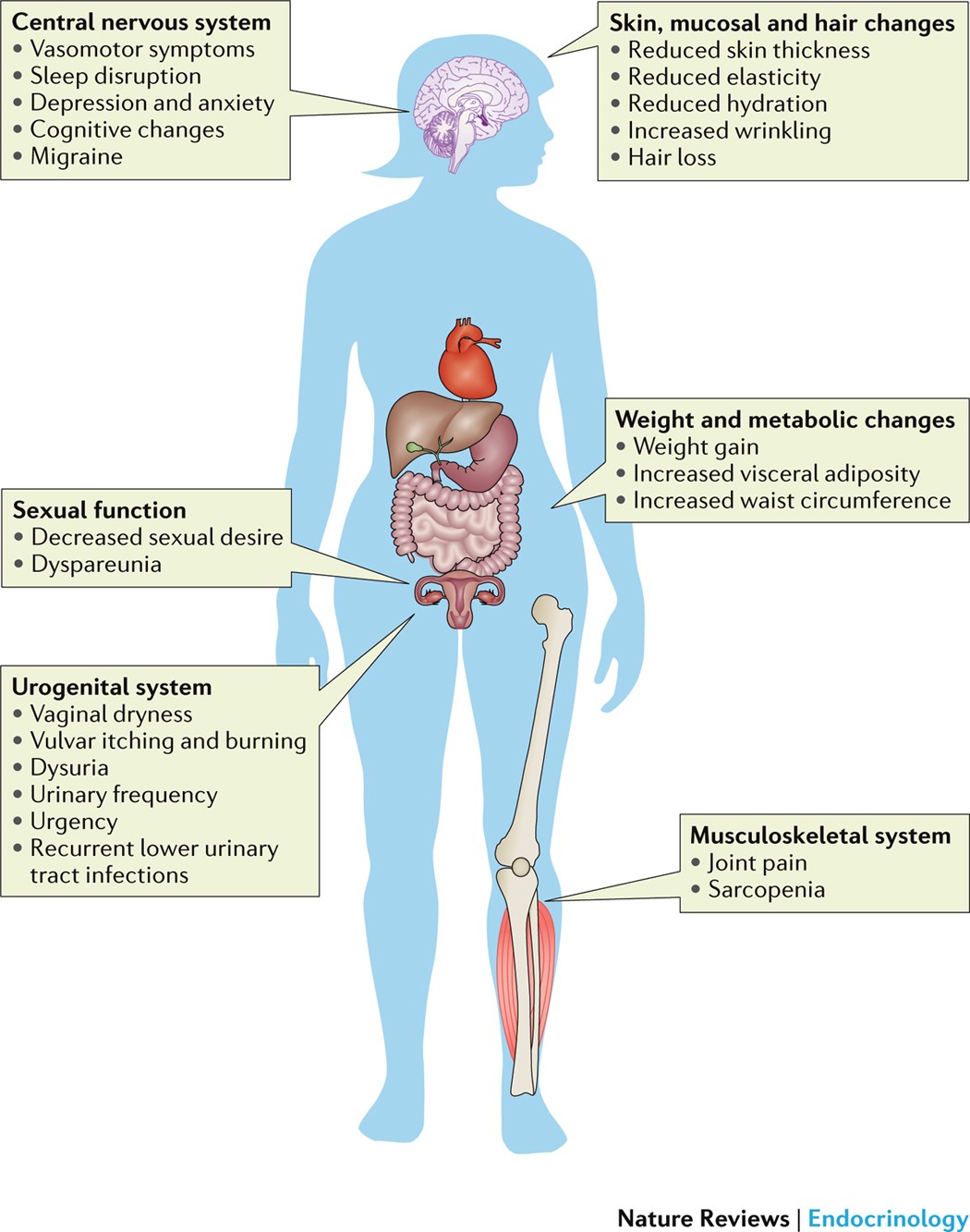
Perimenopause, the transitional phase leading up to menopause, often starts several years before the final menstrual period. During this time, women may experience irregular periods, hot flashes, night sweats, mood swings, and other symptoms as their hormone levels fluctuate. Menopause itself is not a medical condition but rather a natural phase of life, and it is essential to understand and normalize this process to support women adequately.

World Menopause Day holds immense significance as it brings attention to the physical, emotional, and psychological changes women undergo during this critical life stage. Menopause affects women globally, and by promoting awareness and understanding, we can create a more supportive and compassionate society for women transitioning through this phase.

Menopause is a time of change—a shift from the reproductive phase of life to a new chapter that holds infinite possibilities. Women must embrace this transformation positively. Society can play a vital role in reshaping the narrative surrounding menopause, dispelling myths, and celebrating this natural process as a beautiful and empowering journey. By encouraging open conversations about menopause, we can foster a supportive environment where women feel understood and accepted. For many years, menopause has been surrounded by silence and stigma. Women often felt uncomfortable discussing their experiences, and this lack of open dialogue hindered the spread of awareness and access to accurate information. Women should be encouraged to break this silence and share their menopause stories without fear or shame. When women speak up and share their experiences, it helps others understand that they are not alone and that menopause is a shared experience, that transcends cultural and geographical boundaries.

Knowledge is power, and empowering women with accurate information about menopause is vital for their physical and mental well-being. Understanding the physiological changes, symptoms, and potential treatments available can make a significant difference in how women navigate through menopause. Menopause affects women in diverse ways, and its impact goes beyond physical symptoms. It can have emotional and psychological repercussions as well. Support from family, friends, employers, and healthcare providers plays a crucial role in women’s menopause journey.

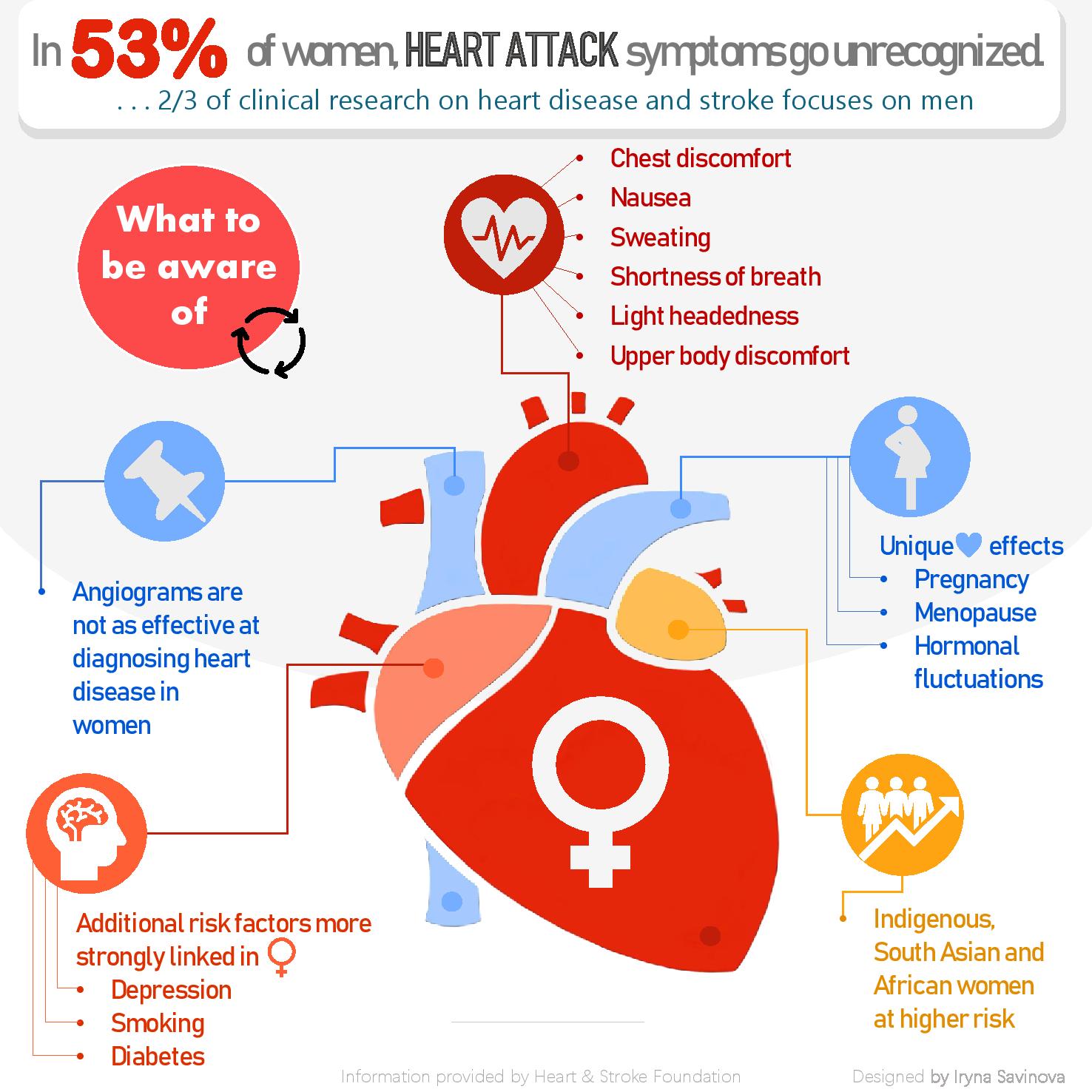
The theme for World Menopause Day 2023 is Cardiovascular Disease. According to the World Health Organisation, cardiovascular disease or CVD, also called heart and circulatory disease, is an umbrella name for conditions that affect the heart or circulation. Depending on the Source or DotS this umbrella may include Cardiovascular Conditions; Cardiovascular Diseases or CVD/CVDs; Cardiovascular Disorders; Diseases or Disorders of the Heart and Blood Vessels, Diseases or Disorders of the Heart and Circulatory System, Heart Diseases, Heart and Circulatory Diseases, and Stroke. These also include coronary heart disease which is a disease of the blood vessels supplying the heart muscle; cerebrovascular disease, a disease of the blood vessels supplying the brain; peripheral arterial disease which is a disease of blood vessels supplying the arms and legs; rheumatic heart disease which is damages to the heart muscle and heart valves from rheumatic fever, caused by streptococcal bacteria; congenital heart diseases that are birth defects that affect the normal development and functioning of the heart caused by malformations of the heart structure from birth; and deep vein thrombosis and pulmonary embolism which are blood clots in the leg veins, which can dislodge and move to the heart and lungs.

Before menopause, women have a lower risk of heart disease than men. However, as women age and their oestrogen levels fall, their risk of cardiovascular disease increases. Though heart disease is often thought of as a man’s disease, cardiovascular diseases often account for more than half of the deaths of women over 55 years old. There are several risk factors for CVD, including smoking, stress, alcohol, high blood pressure, high blood cholesterol, being physically inactive, being overweight or obese, diabetes, a family history of heart disease, the ethnic background, gender, age, and prevention.

To Prevent heart disease and stroke, one should know their risk, eat a healthy diet, be physically active, watch their weight, live tobacco-free, manage conditions, take necessary medicines, and be a team player. The cardiovascular risk factors that every woman should know about include age at the time of menopause, the cause and timing of menopause, estrogen levels, hot flashes and night sweats, depression and sleep problems, increased visceral fat, and cholesterol levels and metabolic syndrome risk.

World Menopause Day 2023 encourages the creation of supportive environments where women feel comfortable discussing their concerns and seeking help. Employers should consider providing flexible work arrangements to accommodate menopause-related challenges, and healthcare providers should offer personalised care and treatment options tailored to each woman’s needs. By breaking the silence, promoting knowledge, and fostering supportive environments, we can ensure that women navigate menopause with dignity and grace, embracing the change it brings and empowering themselves to lead healthy and fulfilling lives. Let us stand together on this day and beyond, championing the cause of women’s health and celebrating the beauty of menopause.