Recipes: Kali Mirch Vegetables

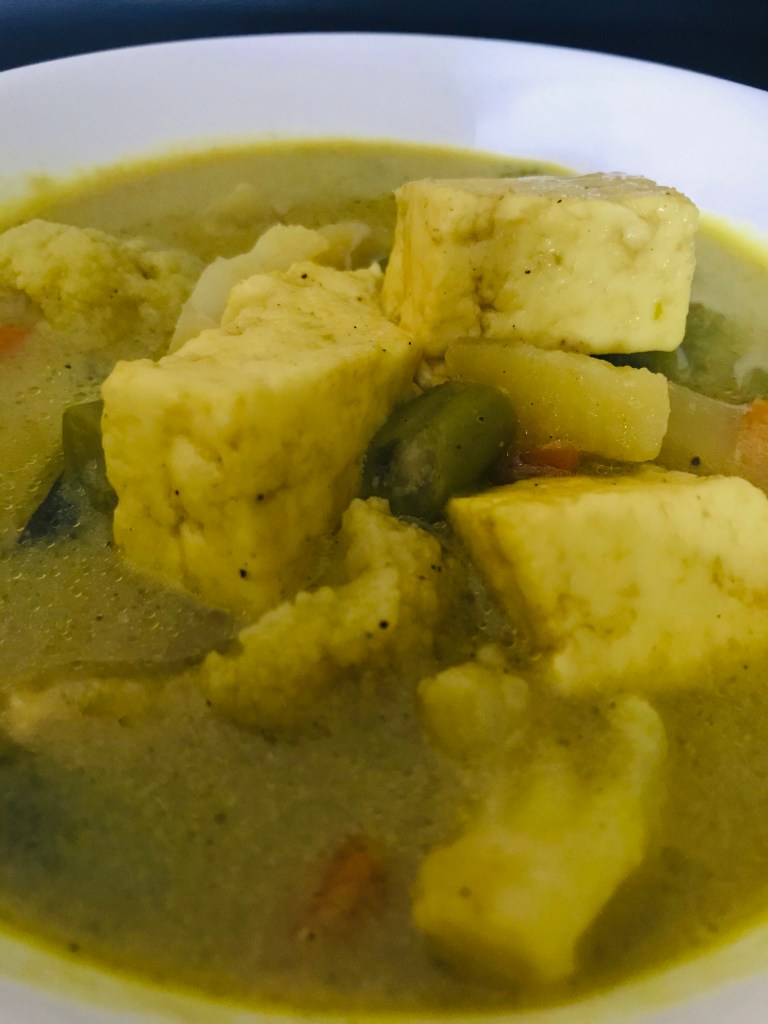
On 1st Jan, having just come back from my India holiday, I wanted to make something different for lunch. After browsing the internet, I came across a paneer kali mirch recipe which I decided to modify. Since S is not too fond of Paneer, I decided not to make it the star of the recipe, instead relegating it to a supporting role.

The kick that kali mirch or black pepper gave, added a nice punch to this recipe and the pot was wiped clean at lunch itself!
Kali Mirch Vegetables

Ingredients:

  • 1 cup mixed vegetables (I used potatoes, beans, carrots and cauliflower) chopped into large bite-sized pieces
  • 1 cup frozen paneer, soaked in hot water for 30 minutes and then drained
  • 2 onions, sliced
  • 1 bulb garlic
  • 1 inch piece ginger
  • 5-6 green chillies
  • 4 cloves
  • 4 cardamom pods
  • 1 inch piece cinammon
  • 1/2 cup whisked yoghurt
  • 1 tsp coriander powder
  • 1 tsp cumin powder
  • 1 tbsp pepper powder
  • 1/4 tsp turmeric powder
  • 1 tsp garam masala powder
  • 2 tbsp oil or ghee
  • Salt to taste
  • Coriander leaves to garnish

Method:

  • Heat 1 tbsp ghee or oil and fry the onion pieces until they turn brown, but do not let them burn. Remove from the pan using a slotted spoon and blend with a little water into a smooth paste and keep aside.
  • Make a paste of the garlic, ginger and green chillies and keep aside.
  • In the same pan, add the chopped vegetables and cook until they are around 80% cooked. Remove and keep aside.
  • Heat the balance oil or ghee and add the cloves, cardamoms and cinnamon one by one, stirring for a couple of seconds before adding the next ingredient. Stir till it’s nice and fragrant.
  • Then add onion paste and cook well. Once the onion paste starts to bubble, add the ginger-garlic-chilli paste and saute well.
  • Add the whisked yoghurt and keep stirring to ensure the yoghurt does not curdle.
  • Now add the powdered spices – coriander powder, cumin powder, turmeric powder and pepper powder. At this point, you can also add some red chilli powder if you like it spicier, but I didn’t add it to this recipe.
  • Add the cooked vegetables and salt and let the semi cooked vegetables absorb the sauce. You may also add some water or more yoghurt if the gravy seems dry at this point.
  • When the vegetables are cooked, add the paneer pieces and stir well to coat the paneer. If you are making this dish for a party, you can also add cooking cream at this point.
  • Cover and it it simmer for around 10 minutes. Add some water if the gravy starts to dry.
  • Check the seasoning and garnish with finely chopped coriander leaves.
  • Serve hot with rice or any Indian bread.
Recipes: Cauliflower and Broccoli Kadhi

Since we could not use onions and garlic in our cooking post Navratri, I had to come up with new recipes so that we eat a variety of foods and at the same time, eat a Jain diet.

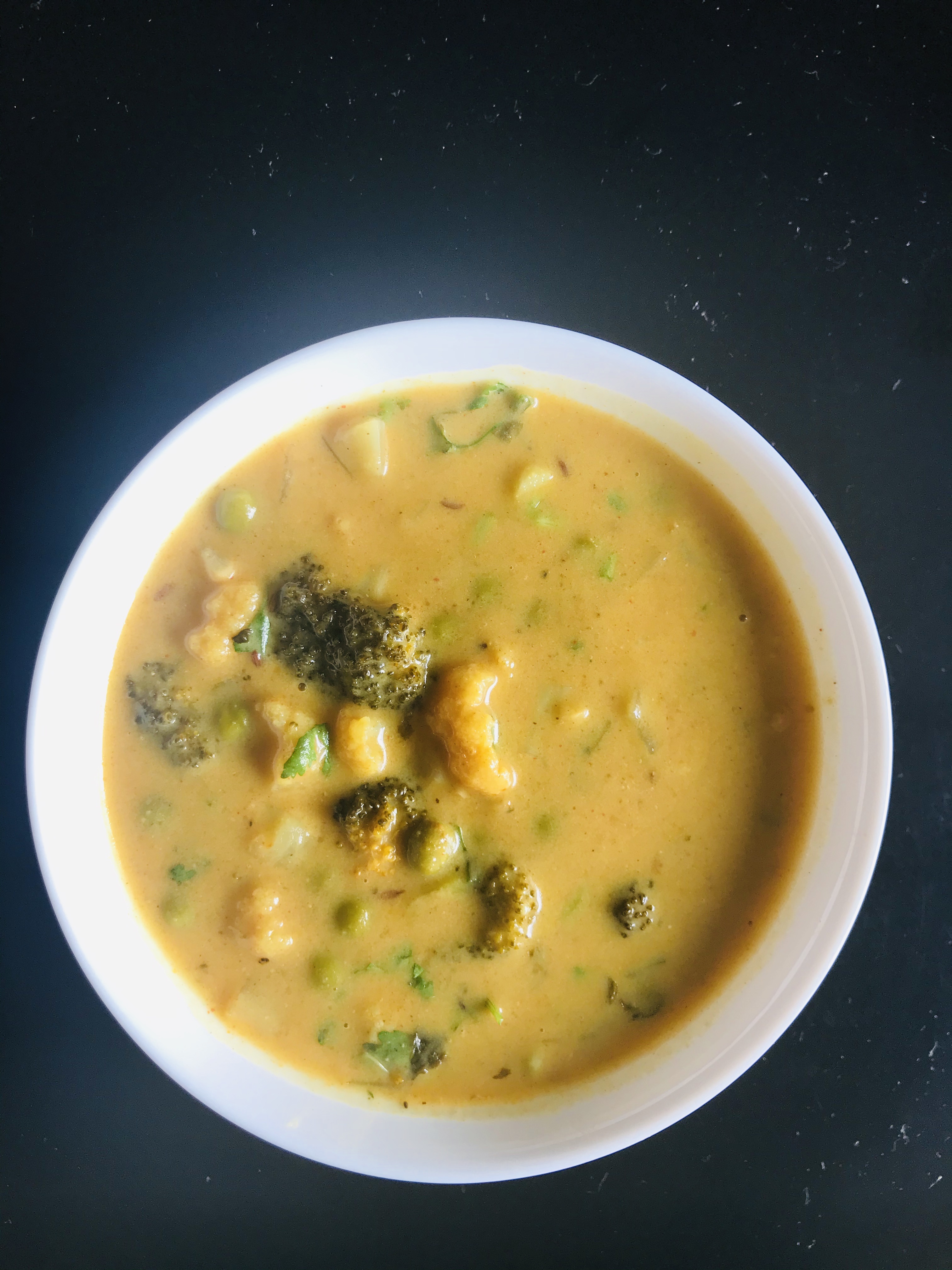
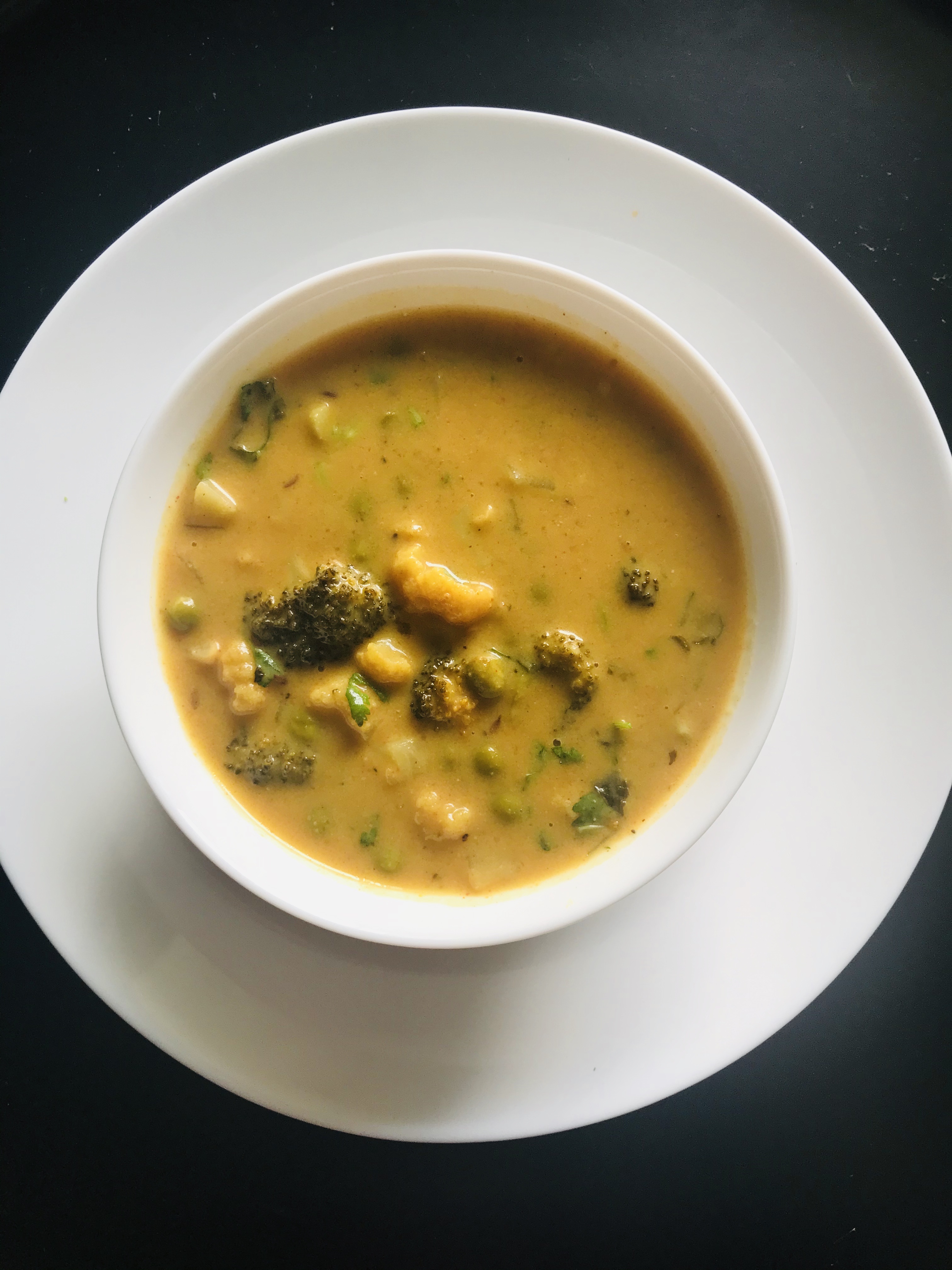
While browsing for new recipes, I came across the Jaisalmeri Chana Kadhi recipe which intrigued me. Instead of using black Chana or Chole, I used a combination of Cauliflower, Broccoli and Frozen Green Peas. BB & GG love this combination as a stir fry and this recipe in a chickpea flour and yoghurt gravy was a hit at home and we finished the whole pan that day!

Cauliflower and Broccoli Kadhi

Ingredients:

  • 1 head cauliflower, chopped into bite-sized pieces
  • 1 head broccoli, chopped into bite-sized pieces
  • 1 cup frozen green peas
  • 1.5 cups plain yoghurt, beaten well
  • 3 tbsp besan or chickpea flour
  • 2 tsp ginger and green chilli paste
  • 2 tsp red chilli powder
  • 1/2 tsp turmeric powder
  • 1 tsp coriander powder
  • 1 tsp cumin powder
  • 1/4 tsp asafoetida powder
  • 1 tsp cumin seeds
  • 1/2 tsp garam masala powder
  • 1 tbsp oil
  • 1 tbsp ghee
  • 1 tbsp kasuri methi
  • Salt to taste
  • Coriander leaves to garnish

Method:

  • Wash the vegetables and keep aside.
  • Heat the oil in a pan and when the oil warms up, add half the cumin seeds and let them splutter.
  • Next add 1/8 tsp asafoetida and 1/4 tsp turmeric powder and stir for a couple of seconds.
  • Add the vegetables and stir well. Add 1 tsp each red chilli powder, cumin powder and coriander powder and stir well.
  • Cover and cook till the vegetables are about 75% cooked. Season with salt and remove from the fire.
  • Whisk together the chickpea flour or besan and yoghurt to get a smooth paste. Add the chilli-ginger paste, 1/4 tsp turmeric powder, 1 tsp chilli powder and some salt and whisk together. Make sure there are no lumps from the besan and it is completely smooth. You can also add water as needed to get a pouring consistency batter.
  • In another pan, heat the ghee and add the balance cumin seeds when the ghee warms up. When the cumin seeds crackle, add the balance asafoetida powder and stir.
  • Pour in the chickpea flour yoghurt batter and let it come to a nice rolling boil. Keep stirring and Ensure that the yoghurt does not curdle.
  • Add the cooked vegetables and continue boiling. Check for seasoning add if something does not seem right. Add the garam masala and crush the kasuri methi in your palms and add it to the gravy. Let the gravy thicken slightly and then switch off the flame. Garnish with coriander leaves and serve with rice or any Indian flatbread.

Notes:

  • If you don’t have the chilli ginger paste, you can also use finely chopped ginger and chillies instead
  • You can also use onions in this recipe. Just add it when you heat the ghee and add the cumin seeds and asafoetida and before adding the chickpea yoghurt paste.
  • Instead of these vegetables, you can substitute it with other vegetables or even use black Chana or Kabuli chana.

Recipes: Traditional Summer Coolers – Neer Mor aka Spiced Buttermilk

Thinned and whisked yoghurt or buttermilk is a staple across India and is known by different names across the sub continent. Chaas or chaach across the northern parts of India, ghol in Bengal, Mor in Tamil Nadu, majjige in Karnataka, and taak in Maharashtra, this spiced drink is a much loved drink in India, especially during the summer months.

Buttermilk is made by churning yogurt and water, preferably cold, together in a pot, using a hand-held whisk. This can be consumed plain or seasoned with a variety of spices. Unlike lassi, buttermilk is never sweet and more diluted.

The best buttermilk is made from homemade yoghurt that is a few days old which becomes slightly sour. This sourness imparts the tartness to the buttermilk. Salt and spices are added to enhance the taste.

Neer Mor aka Spiced Buttermilk

Ingredients:

  • 1 cup yoghurt
  • 4 cups cold water
  • 2-3 green chillies
  • 5-6 curry leaves
  • 2 sprigs coriander leaves
  • 1 tsp cumin seeds
  • 1 inch piece ginger
  • 1/8 tsp asafoetida
  • 1 tsp oil
  • 1 tsp mustard seeds
  • Salt to taste

Method:

  • In a blender, blend together the the yoghurt with the green chillies, 3-4 curry leaves, 1 sprig of coriander leaves, ginger, asafoetida and cumin seeds into a smooth paste.
  • Pour into a large jug and add the remaining cold water to thin it to the desired consistency. Add salt to taste. Chop the remaining sprig of coriander and garnish.
  • In a smaller skillet, heat the oil and when warm, add the mustard seeds and balance curry leaves. When the curry leaves becomes crisp, temper the buttermilk with this.
  • Serve cold as a refreshing summer drink.

Note: I didn’t temper the buttermilk this time, but this is the traditional method to make Neer Mor.

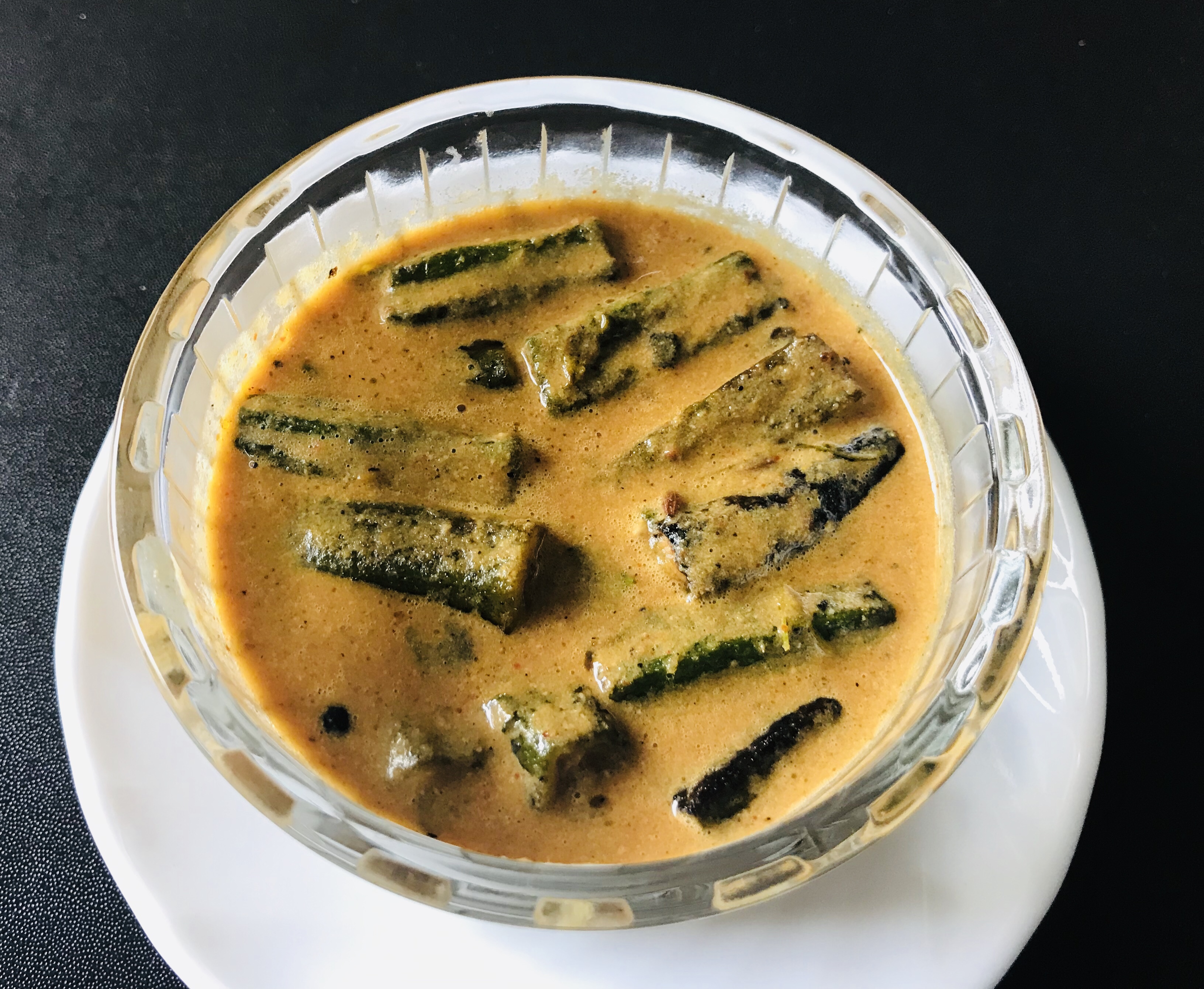
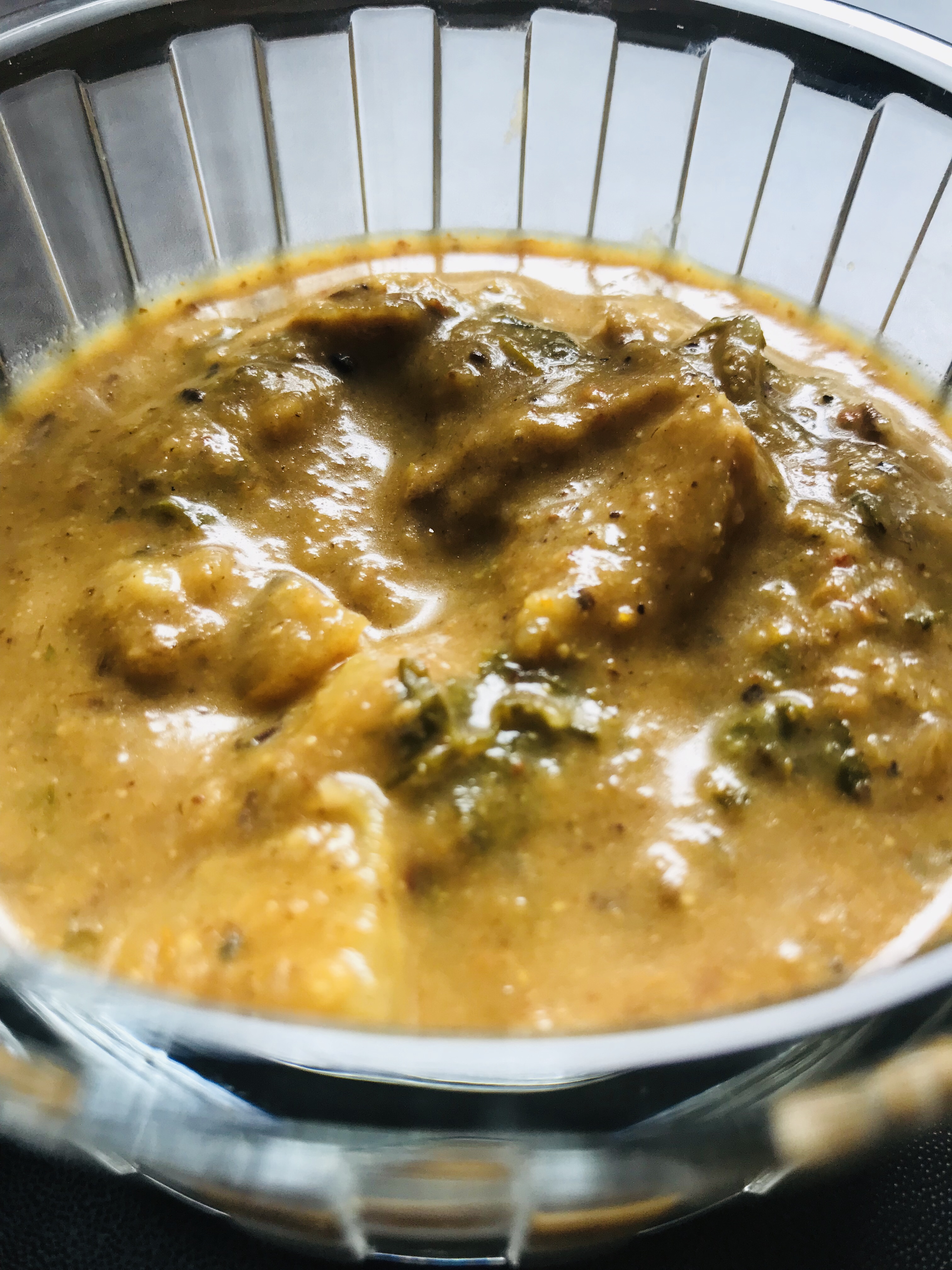
Recipe: Tamatar Dahi wale Bhindi or Okra in a Tomato Yoghurt Sauce

I had some Ladies Fingers or Okra going bad and so wanted to make something with them. I wanted to make a gravy dish, but was bored of making a tomato gravy, so tried something different this time. The dish was super yummy and is a definite keeper for sure! I made this for lunch with Sweet Corn and Peas Pulao yesterday.
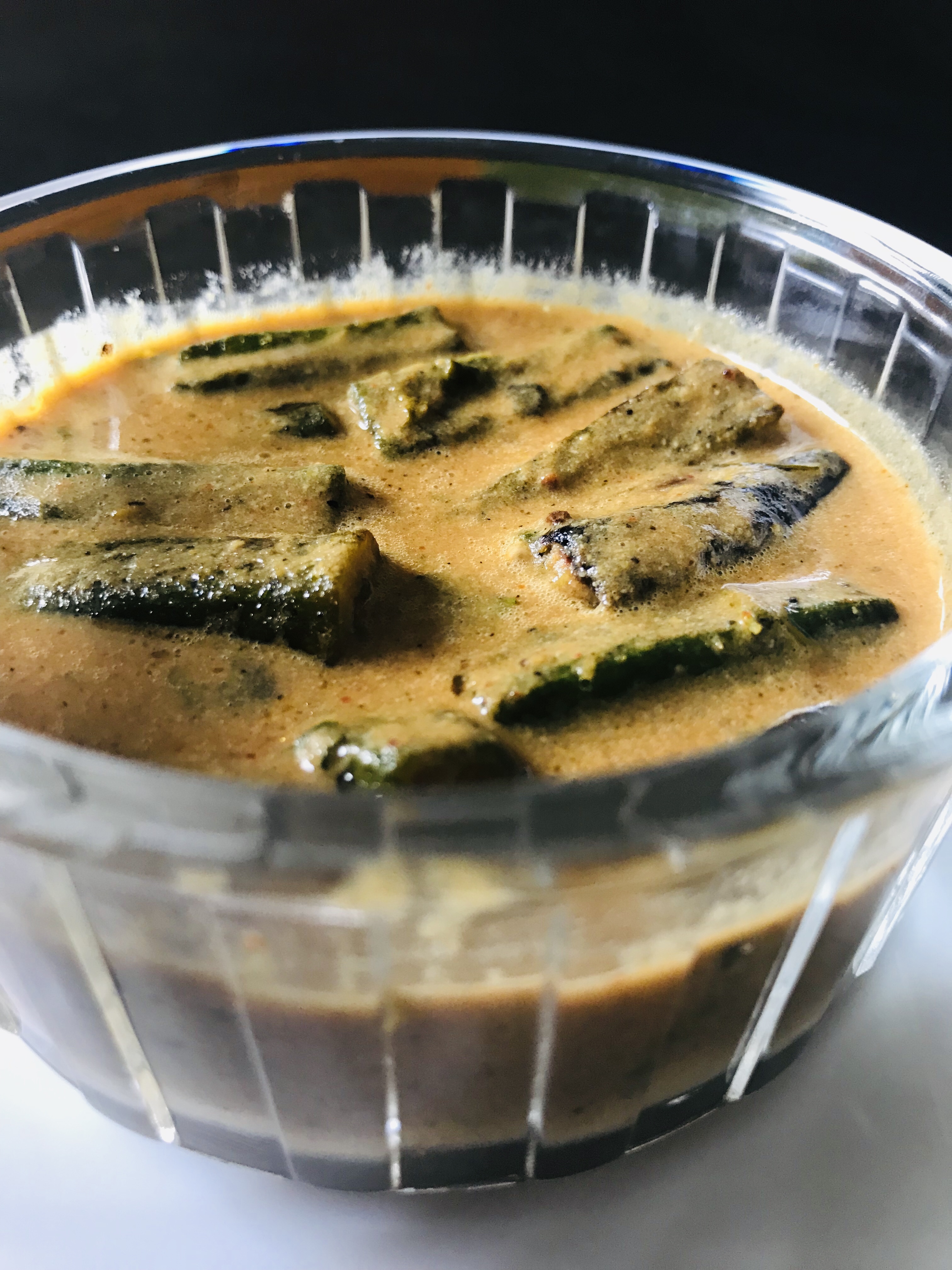
The recipe is slightly labour intensive, but very tasty and will be a keeper in your repertoire. It also uses more oil than I am wholly comfortable with, but is still ok as an occasional treat.

Tamatar Dahi wale Bhindi or Okra in a Tomato Yoghurt Sauce
Ingredients:

  • 1/2 kg ladies fingers or okra
  • 1 pod garlic
  • 1.5 inch piece of ginger
  • 4 medium sized onions
  • 4 medium sized tomatoes
  • 1 cup plain yoghurt
  • 4-5 tbsp oil
  • 1 tbsp ghee
  • 10 pieces of cashew nuts
  • 1 tsp cumin seeds
  • 1 tsp fennel seeds
  • 1 tsp red chilli powder
  • 1 tsp cumin powder
  • 1 tsp coriander powder
  • 1-2 tsp garam masala
  • 1 tbsp kasuri methi
  • Salt to taste
  • Coriander leaves to garnish

Method:

  • Wash and dry the ladies fingers throughly. Top and tail them and cut into 1-1.5 inch pieces. Keep aside.
  • Peel the garlic, peel and chop the ginger, slice the onions and tomatoes separately and keep everything aside.
  • Heat about 2 tsp of oil and when the oil heats up, put in the garlic and ginger in it and let it stir for a few minutes.
  • Then add the cashew nuts and stir for a couple of minutes.
  • When the cashews start to brown add in the sliced onions and sauté till it starts to brown. Then add the tomatoes plus about a teaspoon of salt and cook till the tomatoes are cooked, soft and mushy.
  • Let it cool completely and then blend into a smooth paste, using as much water as needed.
  • In the same pan, heat around 2-3 tbsp of oil and in batches cook the chopped okra. Sprinkle a pinch of salt each time. The okra should be shiny and dark green with a slight crispy taste to it. Remove the okra and keep aside.
  • In the same pan, heat the balance oil and fry the cumin and fennel seeds. When they pop, add the blended paste and cook it till the water evaporates.
  • In the meantime, beat the yoghurt well and when the paste becomes thick and oil starts to float in the edges, pour this yoghurt over the paste and stir well.
  • Now add the fried okra and stir well. Add water if needed to thin the gravy out.
  • Add in the spices now – red chilli powder, cumin powder and coriander powder along with garam masala. You should also check salt and seasoning at this point and add if anything seems less.
  • Let it boil on a low to medium flame till it comes to a rolling boil. Crush the kasuri methi in your palms and sprinkle it over the gravy. Let it cook for around five minutes and then switch off the gas.
  • Garnish with coriander leaves and serve hot with rice or an Indian flatbread.

Note: If you make this in advance and are heating it up before serving, you may notice that the gravy has thickened because of the cashew nuts. In that case, thin it with some thinned yoghurt or milk.

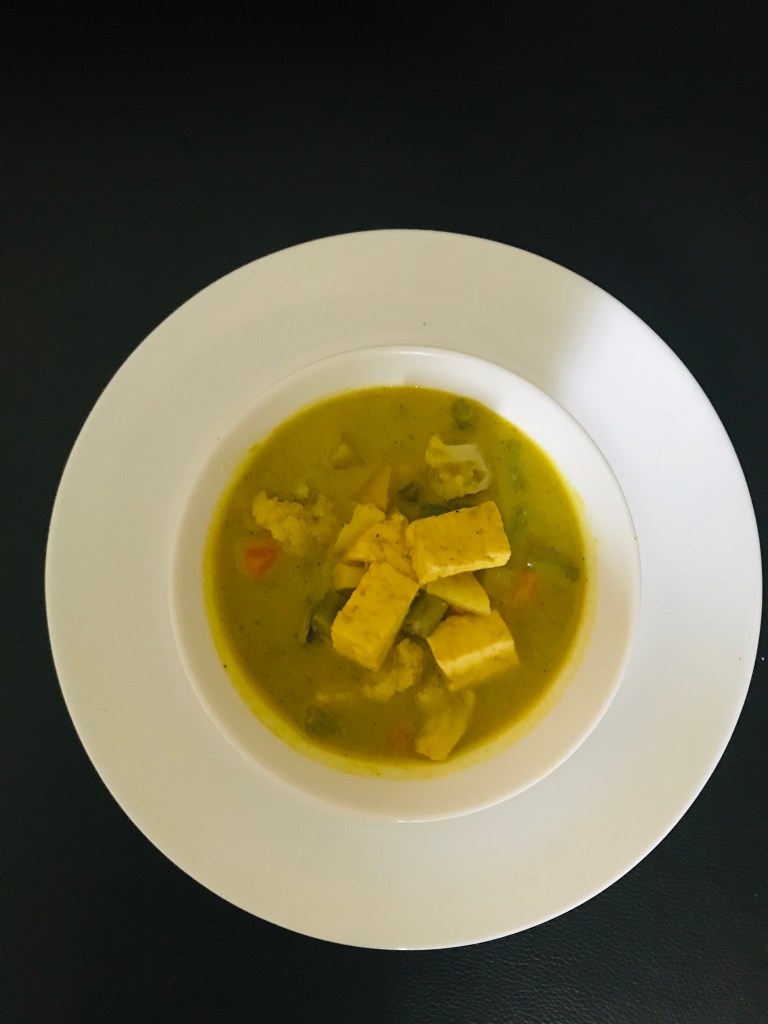
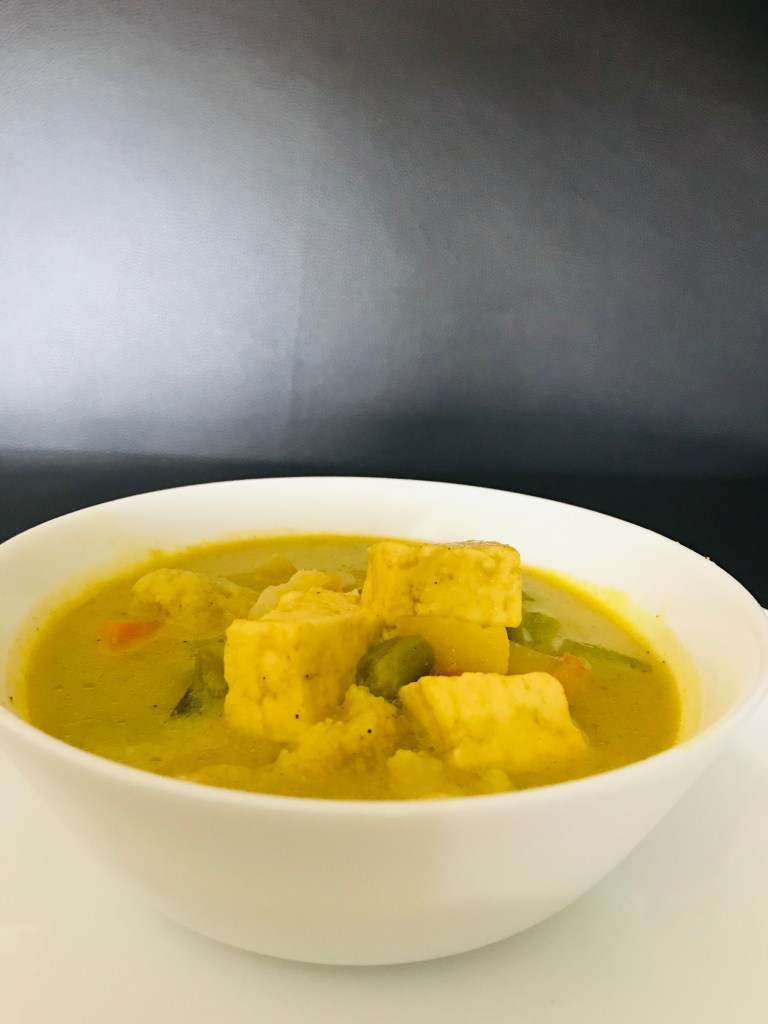
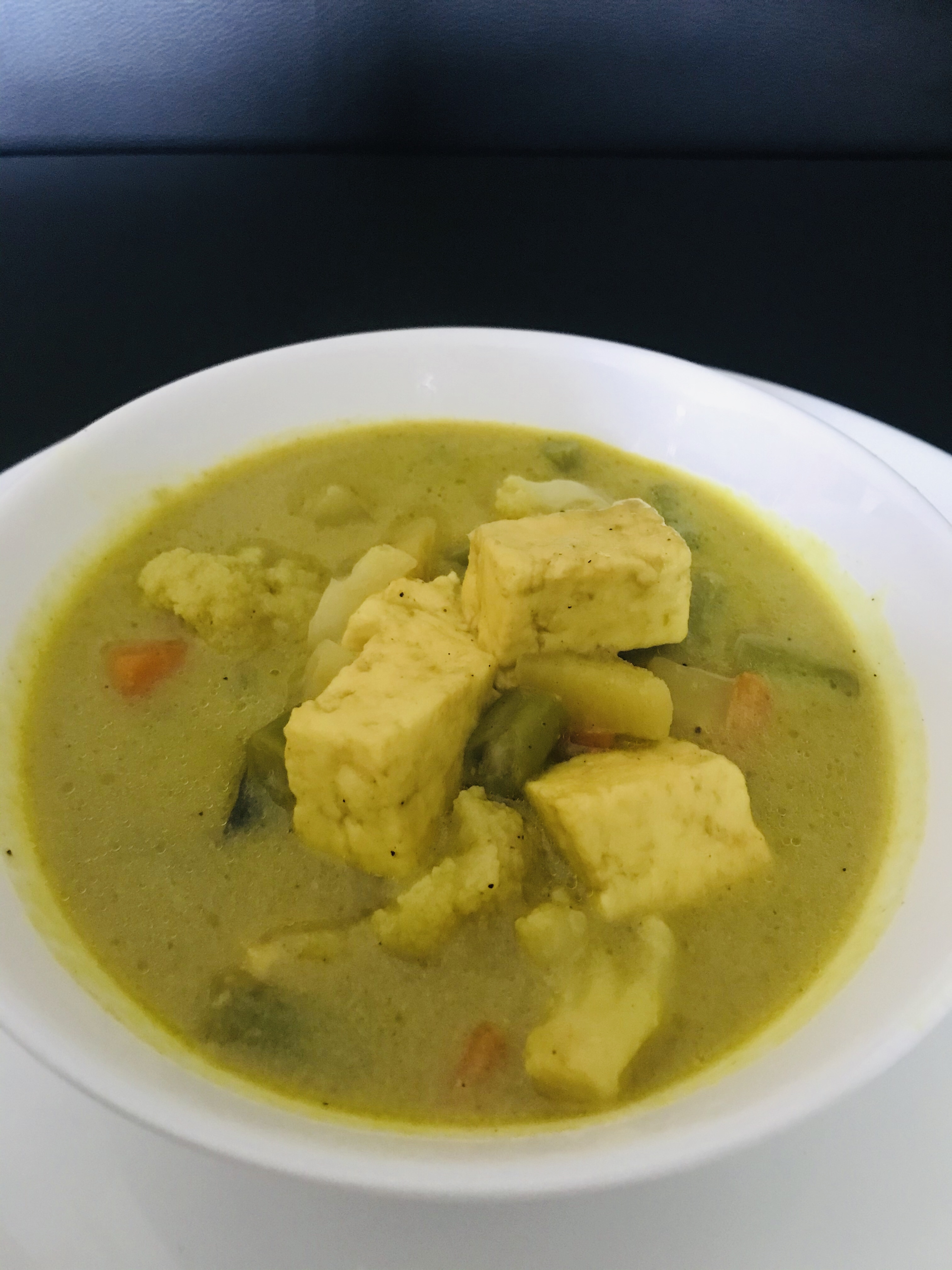
Vegetable Korma without Coconut

S has been asking me to make the south Indian version of Vegetable Korma for a few months now. But because of the loads of coconut which the recipe traditionally requires, I was very hesitant. I made this over the weekend with a slightly modified recipe which does not use coconut but instead relies on nuts to give it the creaminess and nuttiness which this recipe is known for.

img_2113.jpg

Vegetable Korma

Ingredients:

  • 2 cups chopped mixed vegetables (I used cauliflower, carrots, potatoes and peas)
  • 1/2 cup frozen paneer, refreshed in hot water for 20-30 minutes to soften it
  • 2 tbsp ghee or oil
  • 2 large onions, chopped
  • 2 medium-sized tomatoes, chopped
  • 1 tsp cumin seeds
  • 1 tsp fennel seeds
  • 1/2 cup cashew nuts
  • 2 tbsp white sesame seeds
  • 1 bulb garlic, chopped
  • 1.5 inches ginger, chopped
  • 5-6 green chillies, chopped
  • 1 cup yoghurt
  • Salt to taste
  • 1 tsp garam masala powder
  • 1/4 tsp turmeric powder

Method:

  • Take 2 tsp of ghee in a large bottomed pan and when it warms, add the cumin seeds and then the fennel seeds, stirring for a couple of seconds before adding the other spice.
  • Then add the garlic, ginger and stir for a few seconds each before adding in the cashew nuts and sesame seeds. Saute them for a while and then add the green chillies and let the chillies slightly char.
  • Now add the onions and let the onions become translucent. Then add the tomatoes and a tsp of salt and let the tomatoes cook and then become mushy.
  • Switch off the gas and let it cool.
  •  When cool, blend to a smooth and creamy paste using a combination of water and yoghurt. You can also use the water in which the paneer had been soaked to add to the taste.
  • In the same pan, add the remaining ghee and fry the chopped vegetables and let them cook for a while. Add a bit of salt and some turmeric powder and cover and cook on a low to medium heat until it’s about three quarters cooked.
  • When the vegetables are done (they should be cooked, but still have a bite), add the blended paste and thin it if it’s too thick with some water, yoghurt or a combination of both until it comes to the consistency you need. Check for seasoning at this point and add more salt if needed.
  • Now add the garam masala and let it simmer for a while before garnishing with coriander leaves and serve hot with any Indian flatbread or rice.

Note: This dish is very rich and creamy, so do make it when you want to impress someone special. It also thickens up when cool, so if you plan to make it in advance, thin it when you heat it up before serving.