Instagram Interludes

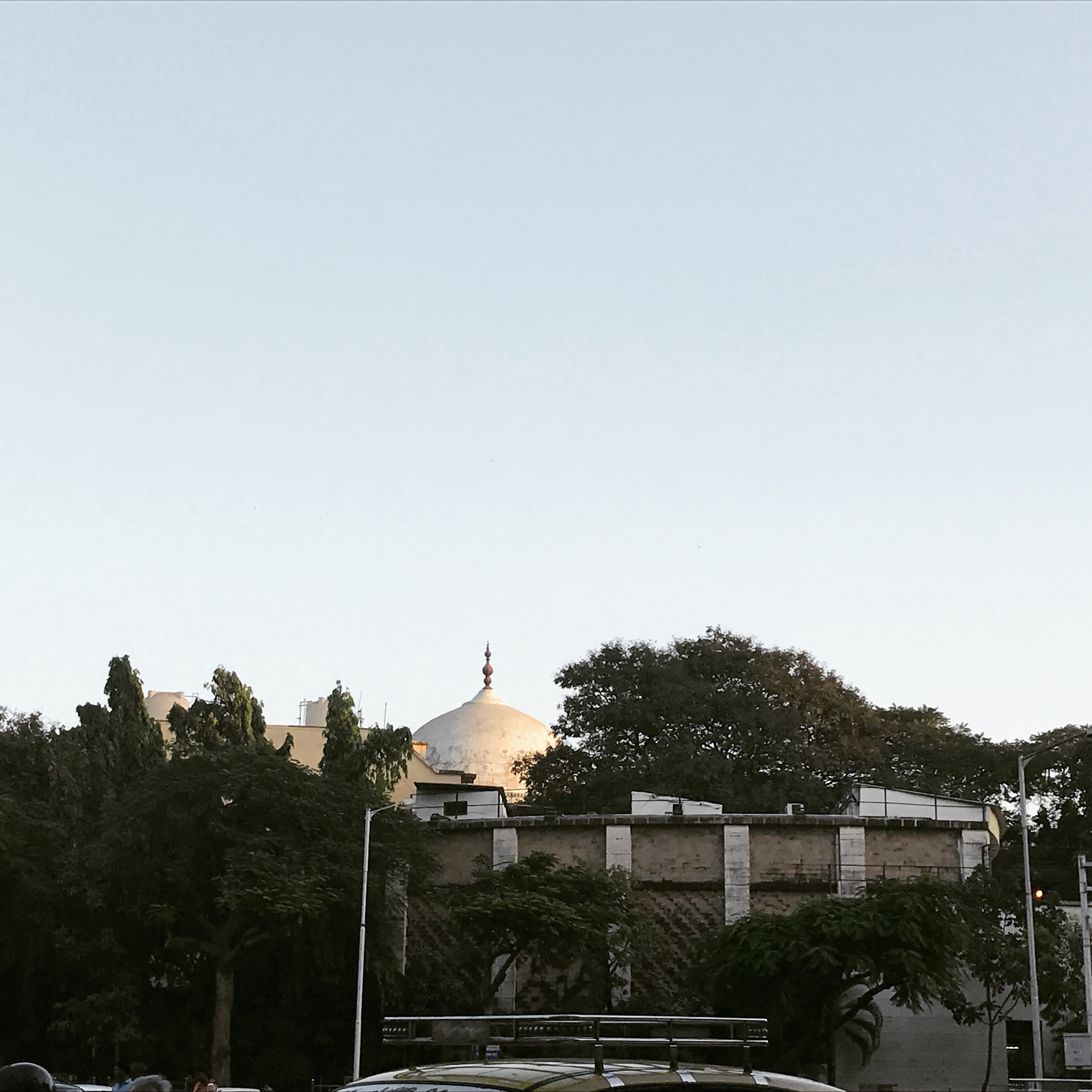
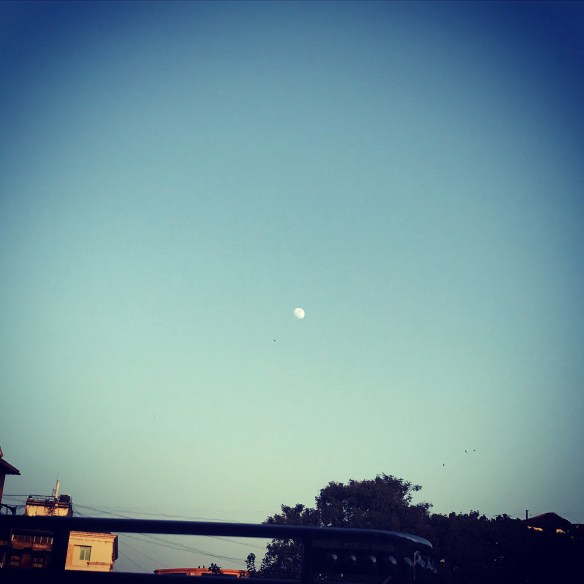
One Sunday while in Mumbai, I went out with a very old friend downtown. We ate, shopped and most importantly chatted the afternoon away. It was evening when we decided to call it a day and while waiting for our Uber driver to pick us up, I took these photos…

Trees framing sunset in downtown Mumbai

The facade of the Army Navy Building

Jahangir Art Gallery – an icon in this area


A beautiful moonrise captured just above Kala Ghoda


2.jpg

Beautiful colonial buildings of the commercial district


In My Hands Today…

The Way Things Were – Aatish Taseer

23075717The Way Things Were opens with the death of Toby, the Maharaja of Kalasuryaketu, a Sanskritist who has not set foot in India for two decades. It falls to his son, Skanda, to return Toby’s body to his birthplace, “a tin-pot kingdom” not worth “one air-gun salute”, fulfilling Toby’s final wish in returning his ashes to his birthplace.

This journey takes him halfway around the world, from Manhattan to Delhi, and returns him to his family, the drawing-room elite of Delhi, whose narcissism and infighting he has worked hard to escape. It also forces him to reckon with his parents’ marriage, a turbulent love affair that began in passion but ended in pain and futility.

Set at flashpoints in 1975, 1984, 1992 and the present day, The Way Things Were shows how our most deeply personal stories are shaped by ancient history and volatile politics; how the life of a country and the life of an individual are irrevocably entwined.

Aatish Taseer’s The Way Things Were takes its title from the Sanskrit word for history, itihasa, whose literal translation is “the way things indeed were.” It is both an intimate portrait of a family and a panoramic vision of the last half century of life in Delhi, with Sanskrit woven in as central metaphor and chorus. Through one man’s struggle with his inheritance, it explores the cultural schizophrenia of modern India and the difficulty of building honestly on the past.


Instagram Interludes

Some pictures from the air when we flew in from Singapore to Mumbai


Mumbai as we land….

The first glimpse of the overcast Mumbai skyline

I could not resist this blue sky….somewhere above the Bay of Bengal

Boats dotting the coast off Singapore

A gorgeous morning as we took off from Singapore…


In My Hands Today…

Tsunami Kids: Our Journey from Survival to Success – Paul Forkan, Rob Forkan

23281201On December 26, 2004, Rob, Paul, Matty, and Rosie Forkan, ages 8-17, lost their parents in the tsunami that devastated Sri Lanka. They faced a 124 mile trek to get home to safety. The ingenuity, and resilience they displayed was the result of their unusual upbringing.
Taken out of school, they received an unconventional education, carrying out voluntary work for charities in India alongside their parents. Since the tsunami, Rob and Paul have created a multinational brand, Gandy’s Flip Flops, based in the front room of their rented home, and set up Orphans for Orphans, a charitable organization that uses 10% of the profits to support children deprived of education, nutrition, and medication. This is a heartbreaking yet uplifting journey, told by two inspirational survivors.

Recipe: Pooshnikai Kootu aka Ash Gourd Stew

img_6193

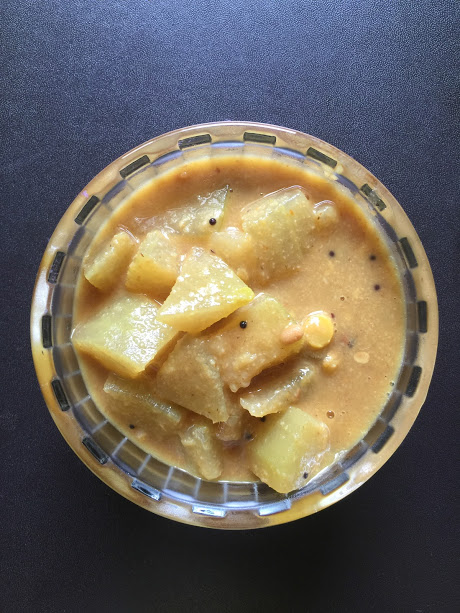
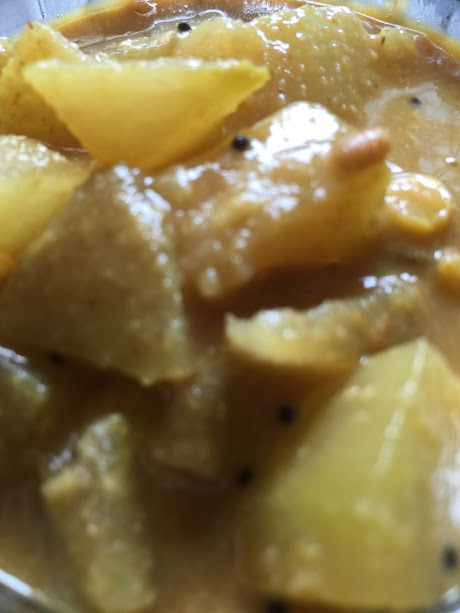
Another typical tambram food, which I made for the first time for the sumangali pooja. This was really good with a medley of tastes. A keeper which I plan to make often.

Pooshnikai Kootu aka Ash Gourd Stew

img_6195

Ingredients:

  • 1 medium sized pooshnikai or as gourd, chopped into small pieces with the seeds and fibres removed
  • 3/4 cup toor dal or red gram dal, cooked with a pinch of turmeric till mushy
  • 1/3 cup chana dal or bengal gram dal, cooked with a pinch of turmeric
  • 2 tsps coriander seeds
  • 1.5 tsps bengal gram dal
  • 6-8 dried red chillies
  • 4-5 tbsps grated coconut
  • a lime sized ball of tamarind, soaked in hot water for 30 minutes and the pulp squeezed and the juice removed and kept aside. Alternatively use 2-3 tsps of tamarind paste
  • 2 tsps oil
  • 1 tsp mustard seeds
  • 1 tsp urad dal or black gram dal
  • 4-5 curry leaves
  • 1/4 tsp asafoetida
  • 1/4 tsp turmeric powder
  • Salt to taste

Method:

  • In a large pan, take the chopped ash gourd and cook it with just enough water to cover the vegetable. Add some salt and turmeric powder.
  • When the ash gourd is half cooked, add the juice of the tamarind and let it cook till the raw smell of the tamarind goes away.
  • In the meantime, in another pan, with 1 tsp oil, fry the bengal gram dal,  coriander seeds, dried red chillies and the coconut until the coconut looses all it’s moisture and becomes dry. Blend this coconut mixture into a smooth paste. Add a bit of water if needed to do this.
  • When the ash gourd is cooked, add the cooked toor dal to the ash gourd and let it mix well. Bring it to a boil and then add the blended coconut paste and let it boil for around 5 minutes
  • In a seperate pan, heat the balance oil and when warm, add the mustard seeds, urad dal, asafoetida, curry leaves and red chillies and stir for a few seconds till the urad dal is brown the curry leaves are crisp.
  • Season the kootu with this and remove from the gas. Serve hot with a rice of your choice or any flatbread.

img_6194