In My Hands Today…

Doughnut Economics: Seven Ways to Think Like a 21st-Century Economist – Kate Raworth

Economics is broken. It has failed to predict, let alone prevent, financial crises that have shaken the foundations of our societies. Its outdated theories have permitted a world in which extreme poverty persists while the wealth of the super-rich grows year on year. And its blind spots have led to policies that are degrading the living world on a scale that threatens all of our futures.

Can it be fixed? In Doughnut Economics, Oxford academic Kate Raworth identifies seven critical ways in which mainstream economics has led us astray, and sets out a roadmap for bringing humanity into a sweet spot that meets the needs of all within the means of the planet. En route, she deconstructs the character of ‘rational economic man’ and explains what really makes us tick. She reveals how an obsession with equilibrium has left economists helpless when facing the boom and bust of the real-world economy. She highlights the dangers of ignoring the role of energy and nature’s resources – and the far-reaching implications for economic growth when we take them into account. And in the process, she creates a new, cutting-edge economic model that is fit for the 21st century – one in which a doughnut-shaped compass points the way to human progress.

Ambitious, radical and rigorously argued, Doughnut Economics promises to reframe and redraw the future of economics for a new generation.

2023 International Year of Millets

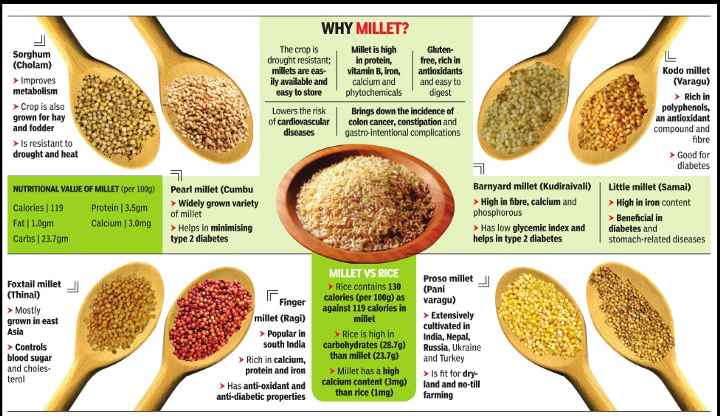
Millets have been an integral part of our diet for centuries. In addition to a plethora of health benefits, millets are also good for the environment with low water & input requirement. Millets are a group of small-seeded grasses that have been cultivated for thousands of years in many parts of the world, including Africa, Asia, and Europe. They are known for their tolerance to harsh growing conditions, such as drought and high temperatures, and are often grown in areas where other crops are not able to survive. Because their surface is rough, millets are known as coarse grains and include sorghum, pearl millet, finger millet, little millet, foxtail millet, proso millet, barnyard millet, and kodo millet.

Millets contain higher amounts of protein than other cereals and are even considered nutritionally superior to wheat and rice. Millets are also known to have a more balanced amino acid profile and are a good source of phytochemicals, which possess anti-inflammatory and anti-oxidative properties. These coarse grains are abundant with nutrients like carbohydrates, protein, dietary fibre, good-quality fat, and minerals like calcium, potassium, magnesium, iron, manganese, zinc and B complex vitamins. The health benefits of eating millet include improving immunity and preventing infections, helping in detoxifying the body, reducing the risk of developing cardiovascular diseases by lowering bad cholesterol levels, supporting metabolism and helping in managing diabetes and obesity because they are low in glycemic index and high in fibre, aid in the regulation of blood glucose levels. Millets contain both fibres and phytonutrients, which may help reduce the risk of developing colorectal cancer. Millets, especially finger millet, contain a high amount of potassium that is essential for the proper functioning of the kidneys, brain and muscles. They are also gluten-free, making them a suitable option for people with celiac disease or gluten intolerance.

In addition to their nutritional benefits, millets also have the potential to improve food security in many regions. They have a short growing season and can be planted and harvested quickly, making them a reliable source of food even in times of drought or other natural disasters. Furthermore, they can be grown on marginal lands, which are often not suitable for other crops, and are able to fix atmospheric nitrogen, which allows them to be grown in low-fertility soils, and also helps to reduce the need for chemical fertilizers.

Another important aspect of millets is their role in sustainable agriculture. These grains require less water and fewer inputs compared to other crops, making them more environmentally friendly. They also have a low carbon footprint and are able to sequester more carbon in the soil than other crops, which helps to combat climate change.

To create awareness and increase the production & consumption of millets, the United Nations, at the behest of the Government of India, declared 2023 the International Year Millets so that these ancient grains can become more mainstream.

Millets are incredible ancestral crops with high nutritional value and can play an important role and contribute to the collective efforts to empower smallholder farmers, achieve sustainable development, eliminate hunger, adapt to climate change, promote biodiversity, and transform agrifood systems. Greater millet production can support the livelihoods of smallholder farmers and can provide decent jobs for women and youth and the revenue created can boost economic growth. The possibility of a health cereal alternative with millets, the risks associated with production shocks can be mitigated. The International Year of Millets 2023 and the push towards increasing millet production will contribute to the 2030 Agenda for Sustainable Development. IYM 2023 hopes to galvanise interest in millets among various stakeholders like farmers, the youth and civil society and push governments and policymakers to prioritise the production and trade in these cereals.

Despite their many benefits, millets are often overlooked in favour of other crops, such as wheat and rice. The international year of millets will be an opportunity to raise awareness of the potential of these grains to improve food security and nutrition, support sustainable agriculture, and combat climate change. The UN is encouraging governments, civil society organizations, and the private sector to take action to promote the use of millet in food and agriculture. This includes increasing research and development on millet cultivation and processing, as well as promoting their consumption through education and marketing campaigns.

In My Hands Today…

Geisha, a Life – Mineko Iwasaki, translated and contributed by Rande Brown

“No woman in the three-hundred-year history of the karyukai has ever come forward in public to tell her story. We have been constrained by unwritten rules not to do so, by the robes of tradition and by the sanctity of our exclusive calling…But I feel it is time to speak out.””

Celebrated as the most successful geisha of her generation, Mineko Iwasaki was only five years old when she left her parents’ home for the world of the geisha. For the next twenty-five years, she would live a life filled with extraordinary professional demands and rich rewards. She would learn the formal customs and language of the geisha, and study the ancient arts of Japanese dance and music. She would enchant kings and princes, captains of industry, and titans of the entertainment world, some of whom would become her dearest friends. Through great pride and determination, she would be hailed as one of the most prized geishas in Japan’s history, and one of the last great practitioners of this now fading art form.

In “Geisha, a Life,” Mineko Iwasaki tells her story, from her warm early childhood, to her intense yet privileged upbringing in the Iwasaki okiya (household), to her years as a renowned geisha, and finally, to her decision at the age of twenty-nine to retire and marry, a move that would mirror the demise of geisha culture. Mineko brings to life the beauty and wonder of Gion Kobu, a place that “existed in a world apart, a special realm whose mission and identity depended on preserving the time-honored traditions of the past.” She illustrates how it coexisted within post-World War II Japan at a time when the country was undergoing its radical transformation from apost-feudal society to a modern one.

“There is much mystery and misunderstanding about what it means to be a geisha. I hope this story will help explain what it is really like and also serve as a record of this unique component of Japan’s cultural history,” writes Mineko Iwasaki. “Geisha, a Life” is the first of its kind, as it delicately unfolds the fabric of a geisha’s development. Told with great wisdom and sensitivity, it is a true story of beauty and heroism, and of a time and culture rarely revealed to the Western world.

India overtakes China as the most Populous country of the world

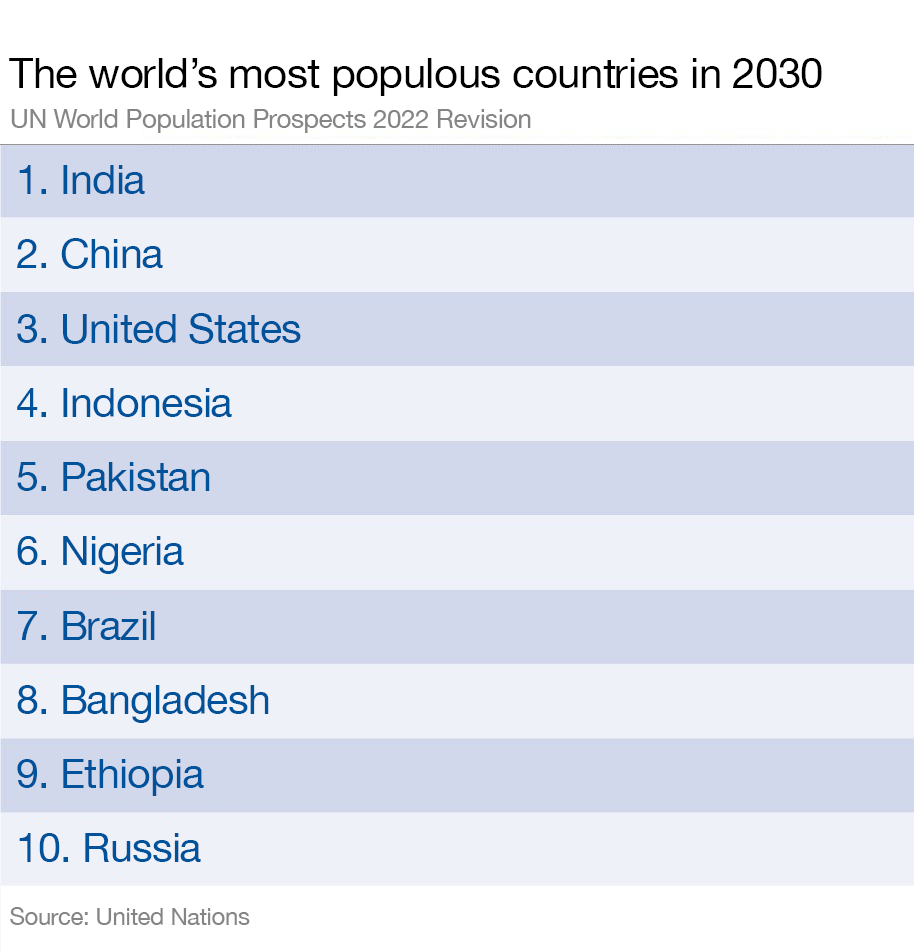
Sometime in 2023, according to the United Nations, India will officially overtake China as the world’s most populous country, a dubious honour I feel should have not happened in the first place. India probably already has overtaken China, but because the next census has not happened (the last was in 2011), it will only be confirmed sometime later this year.

India is fast becoming the world’s most populous country, surpassing China. According to United Nations projections, India’s population is expected to reach 1.7 billion by 2050, compared to China’s 1.4 billion. This shift in demographic dominance has significant implications for both countries and the world at large.

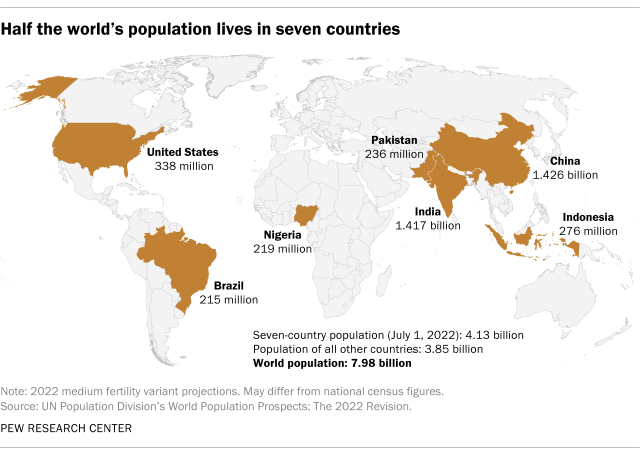
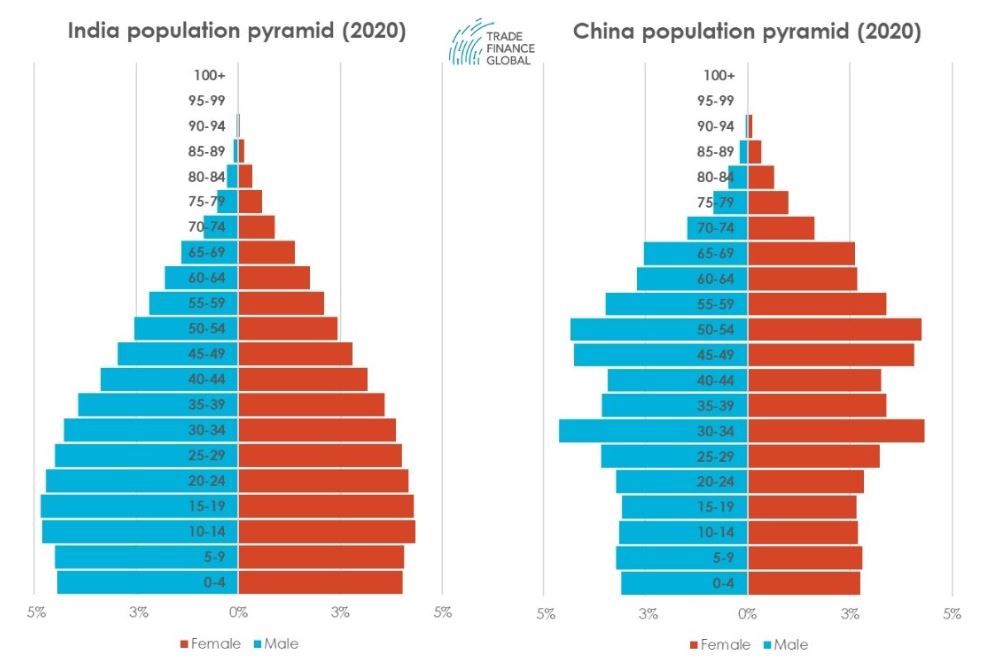
According to the U.N.’s World Population Dashboard, China still had slightly more people than India at the end of 2022: 1.4485 billion, compared to India’s 1.4066 billion. But China’s population has stabilized and is set to shrink, while India’s is still growing pretty fast.

More babies are born each year in India than in any other country in the world. The U.N. estimates more than 24 million annually, but the true number is likely higher because many births never get registered. Compared to previous generations, these newborn Indians are more likely to be born in a hospital than at home; more likely to survive to adulthood; more likely to become literate, educated and multilingual; and more likely to migrate within their lifetime, to different parts of their own country or the rest of the world. And if efforts to eradicate female feticide are successful, the next generation of Indians will have more females than in recent decades.

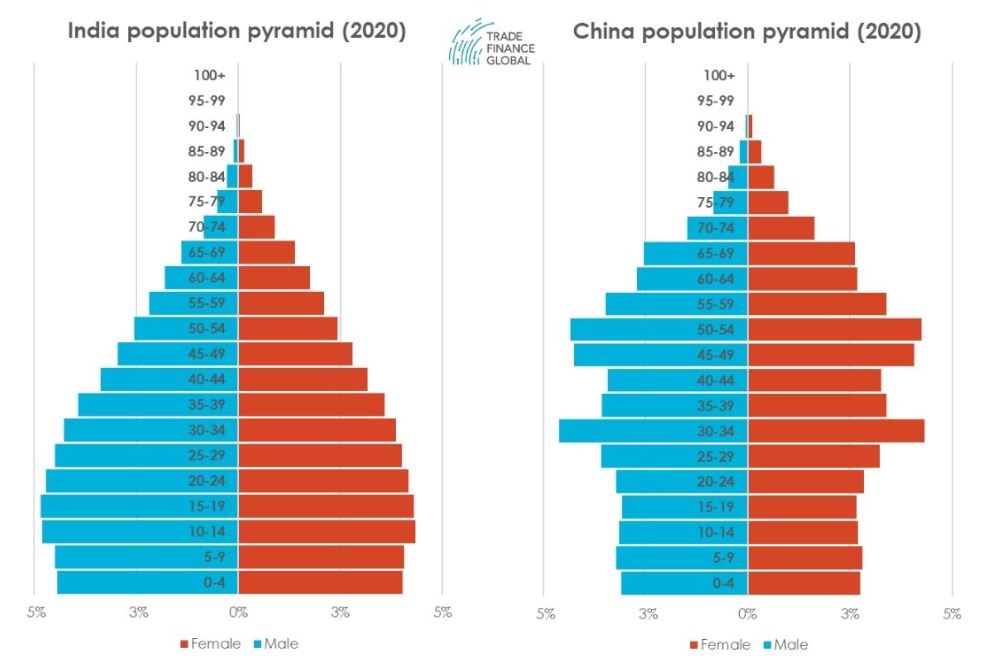
One factor driving India’s population growth is its young and rapidly growing working-age population. While China’s population is ageing, with a rapidly growing elderly population, India’s population is relatively youthful, with a large number of people in their prime working years. This demographic advantage is likely to fuel India’s economic growth in the coming years and support its rise as a major player in the global economy. Another factor contributing to India’s population growth is its high birth rate. Despite a decline in recent years, India still has one of the highest birth rates in the world, with an average of 2.5 children per woman. This high birth rate, combined with increased access to healthcare and improved living standards, has led to a rapid increase in life expectancy, further fueling population growth. However, India’s population growth also poses major challenges, including pressure on resources, infrastructure, and social services. The country is already facing major challenges in providing adequate housing, healthcare, and education to its rapidly growing population, and the government will need to address these issues to ensure sustainable economic growth.

The impact of India overtaking China as the most populous country in 2023 is likely to have several implications. As the world’s most populous country, India is likely to gain increased political and economic influence on the global stage, but with a rapidly growing population, India may face challenges such as providing adequate employment opportunities, housing, healthcare, and education to its citizens. The growing population is likely to put pressure on the country’s natural resources, such as water, land, and food, leading to potential resource scarcity and environmental degradation and there may be a population shift as a result of migration from rural to urban areas, leading to increased urbanisation and the need for infrastructure development in cities. Changes to the labour market, potentially affecting industries such as agriculture, manufacturing, and the service sector are also very likely.

From an economic perspective, the impact of India becoming the world’s most populous country will most likely be mixed. India’s large population could provide a significant labour force that could be an advantage for the economy in terms of increased productivity and economic growth. With a large and growing population, the country has the potential to become a major consumer market, attracting investment and driving economic growth. But the rapid population growth may put pressure on resources and infrastructure such as water, food, and energy, potentially leading to resource scarcity and inflation. Providing adequate infrastructure and services to a rapidly growing population, such as housing, healthcare, and education, can be a challenge and may require significant investments. If the population growth is accompanied by a favourable age structure, with a large proportion of working-age people, it could lead to a demographic dividend, driving economic growth. As the world’s most populous country, India may face increased competition with China for global economic influence and market share in various industries.

Having a large demographic of young people gives India an edge over many other economies, which are facing an ageing population. With more than half of the country under the age of 25, India has a massive potential workforce to propel economic growth. While India does not face an ageing workforce, the challenge is ensuring there are enough jobs, and that its people have the right education and skills for those jobs, according to experts.

Since 1947, India has transformed from a subcontinent impoverished by British colonial rule to an Asian regional power with big urban centres of technology, innovation, constant construction and growth. There are projections that India will overtake Germany and Japan to become the world’s third-largest economy, possibly by 2030. China will achieve its peak population size in 2022 whereas India will continue to experience momentum for several decades to come, before the population stabilizes and this represents a great opportunity for the country. But the challenge is for India to create enough opportunities in education and employment for all of these young people streaming into India’s big cities or being born in them. The country needs to keep pace with the growth of the population by providing health care, education, and the conditions for jobs. In a country where women and girls don’t have decision-making power, especially in rural and semi-urban areas where they have lower levels of literacy and where they’re not able to exercise their reproductive rights and choices, it is important to give them the voice the need and deserve.

India’s rise as the world’s most populous country has significant implications for both the country and the world. While its youthful population and high birth rate hold the potential for economic growth, the government must address the challenges posed by rapid population growth to ensure a sustainable future for its citizens.

In My Hands Today…

Big Magic: Creative Living Beyond Fear – Elizabeth Gilbert

Readers of all ages and walks of life have drawn inspiration and empowerment from Elizabeth Gilbert’s books for years.

Gilbert offers insights into the mysterious nature of inspiration. She asks us to embrace our curiosity and let go of needless suffering. She shows us how to tackle what we most love, and how to face down what we most fear. She discusses the attitudes, approaches, and habits we need in order to live our most creative lives.

Balancing between soulful spirituality and cheerful pragmatism, Gilbert encourages us to uncover the “strange jewels” that are hidden within each of us. Whether we are looking to write a book, make art, find new ways to address challenges in our work, embark on a dream long deferred, or simply infuse our everyday lives with more mindfulness and passion, Big Magic cracks open a world of wonder and joy.