
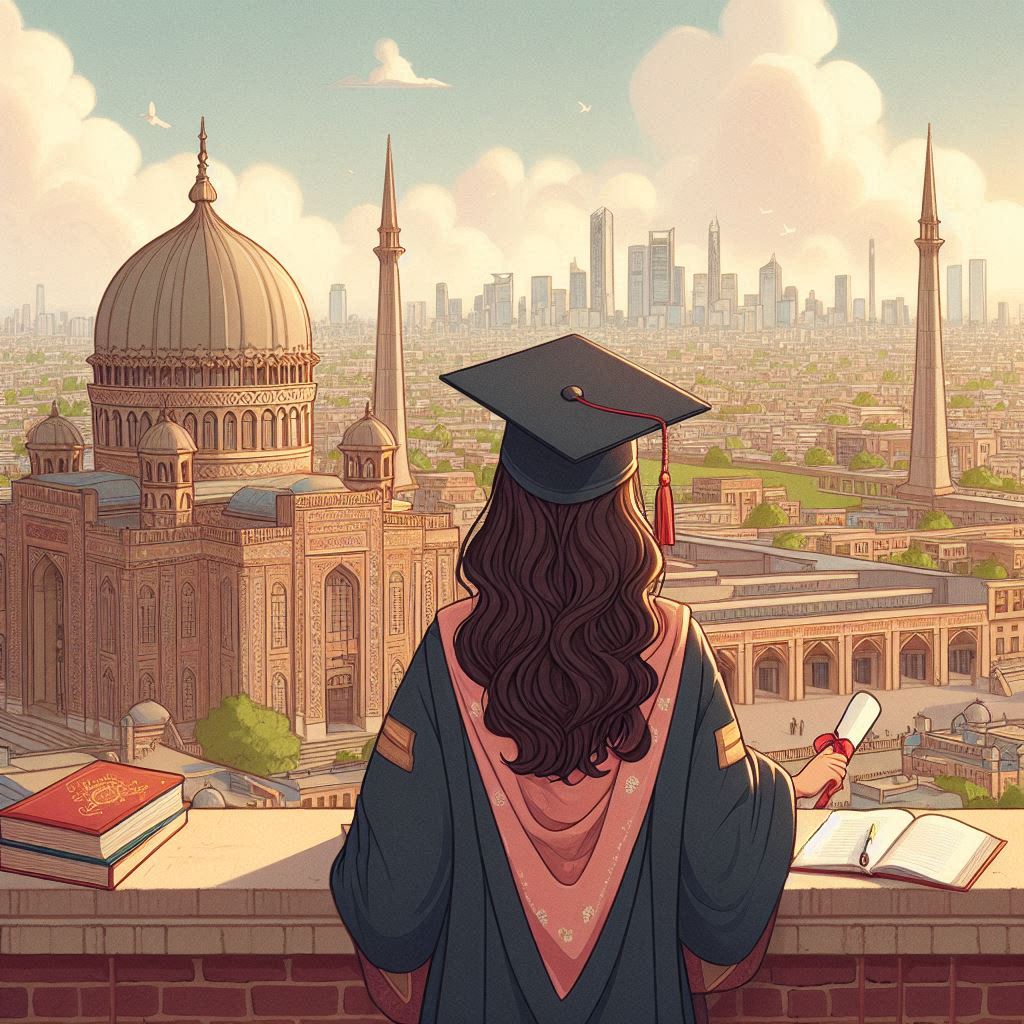
In the bustling city of Lahore, Pakistan, Amina Khan grew up in a modest household, deeply influenced by her mother, a dedicated schoolteacher. From an early age, Amina learned the value of education and the importance of fighting for one’s rights. Her mother’s stories of struggle and perseverance instilled in her a desire to make a difference.
Despite societal pressures to conform to traditional roles, Amina pursued her studies with determination. She earned a degree in sociology from the University of Punjab, where her passion for women’s rights blossomed. It was during her university years that she first participated in the Aurat March, an annual event advocating for gender equality. This experience opened her eyes to the systemic issues faced by women across Pakistan; issues that were often silenced or ignored.
One fateful day, while volunteering at a local women’s shelter, Amina met Fatima, a victim of domestic violence. Fatima’s harrowing story of abuse and resilience struck a chord with Amina. Inspired by Fatima’s bravery in seeking help, Amina decided to take action. She organised workshops at the shelter focusing on legal rights, self-defence, and mental health support for women like Fatima. As word spread about these workshops, more women began to attend—not just to learn but also to share their stories. The shelter transformed into a safe haven where women could reclaim their narratives and find strength in the community.
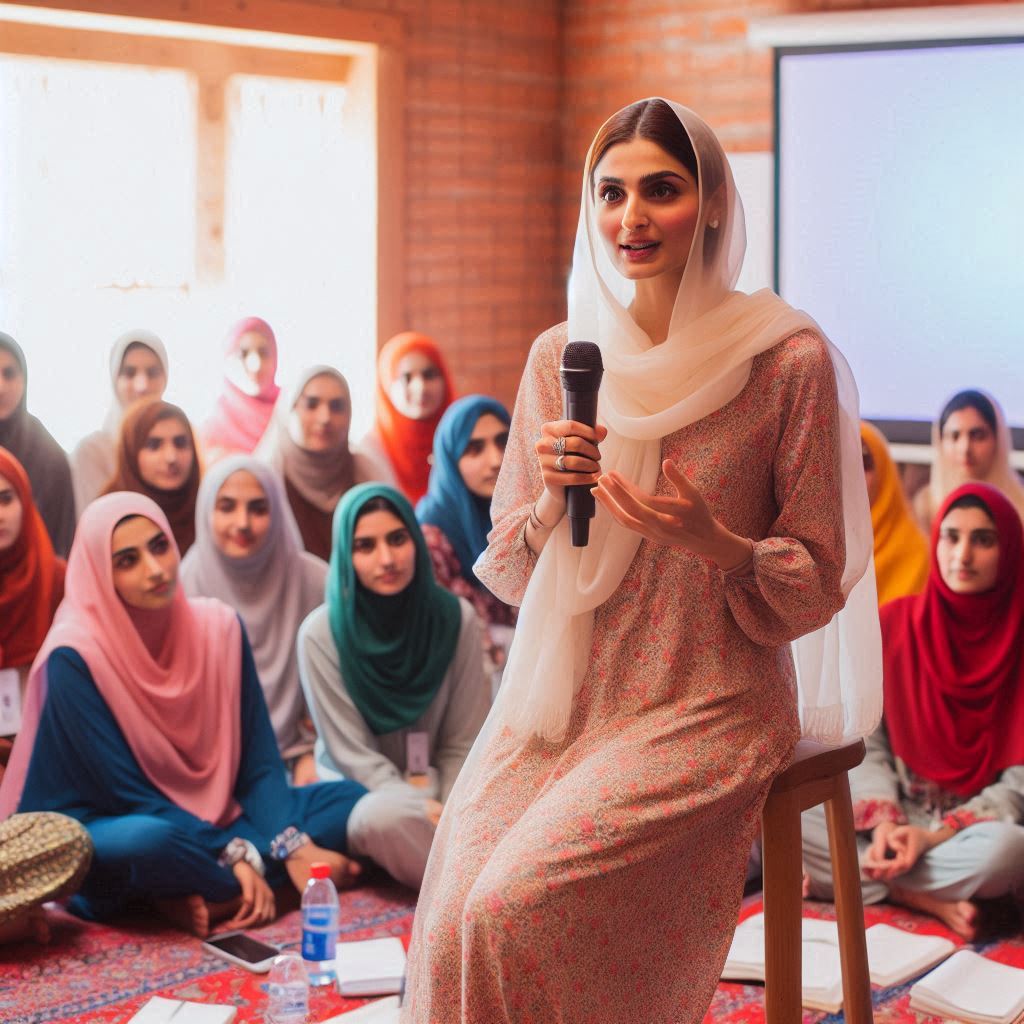
Amina’s initiative quickly gained traction. She began speaking at community events, sharing her vision for women’s empowerment. Her passion resonated with many, and soon she found herself leading a grassroots movement in Lahore. However, not everyone welcomed her efforts. Traditionalists viewed her activism as a threat to societal norms.
During a heated community meeting, an elder accused her of “spreading Western values.” Undeterred, Amina responded with grace: “Empowerment does not mean abandoning our culture; it means enriching it by ensuring every woman has the right to choose her path.” This moment marked a turning point for Amina. Her words sparked discussions among community members about adapting cultural practices to promote equality rather than suppress it.
Despite her growing influence, Amina faced significant personal challenges. Balancing activism with familial expectations weighed heavily on her shoulders. Her father often questioned her choices, fearing that her public persona would bring shame to their family.
In one poignant conversation, he expressed his concerns: “Amina, this path is fraught with danger. You risk everything for these women, who may never appreciate your efforts.” Amina listened but remained resolute. She understood that change required sacrifice and that true empowerment often came at a personal cost.
Recognising the need for broader support networks, Amina initiated partnerships with universities and businesses to create mentorship programs for young women entering the workforce. She believed that economic independence was crucial for women’s empowerment.
Through these programs, young women learned essential skills such as coding, entrepreneurship, and financial literacy. The initiative attracted attention from local media, further amplifying Amina’s message. During one mentorship session at a local tech hub, Amina met Sara, a talented coder who had faced discrimination in her job search due to her gender. Inspired by Sara’s resilience and talent, Amina encouraged her to apply for tech competitions aimed at women.
Sara’s success in securing a scholarship for an international coding boot camp became a symbol of hope within their community—a testament that with support and guidance, women could excel in fields traditionally dominated by men.
As Amina’s movement gained momentum, backlash intensified. Threatening messages began appearing on social media aimed at silencing her voice. During one particularly tense week leading up to International Women’s Day, she received anonymous threats warning her to stop her activism or face dire consequences.
Instead of retreating in fear, Amina organised a rally to coincide with International Women’s Day—a celebration of achievements and a call to action against ongoing struggles faced by women in Pakistan. On the day of the rally, thousands gathered despite threats from extremist groups attempting to intimidate participants. The atmosphere was electric as speakers shared their stories of resilience and hope.
“We will not be silenced,” Amina declared from the stage. “Our voices are our strength!”
The rally garnered national attention and sparked discussions about women’s rights across various platforms.
In recognition of her work, Amina received an award from an international human rights organisation for her contributions to women’s empowerment in Pakistan. This acknowledgement brought new opportunities; she was invited to speak at conferences around the world about grassroots movements and the importance of local solutions in addressing global issues. However, she remained grounded in her mission: empowering women within her community first and foremost.
Years later, as Amina looked back on her journey during an anniversary celebration of the Aurat March in Lahore, she reflected on how far they had come together as a community. More people were discussing women’s rights openly and local governments began implementing policies aimed at protecting women’s rights. Many women who attended her workshops started their initiatives or entered leadership roles within their communities. Amina recognised that while challenges such as systemic misogyny and economic disparities remained, her work had planted seeds of change that would continue to grow long after she was gone.
Amina Khan’s story is one of resilience against adversity, a testament to what can be achieved when individuals dare to challenge societal norms in pursuit of justice and equality. In Pakistan today, as more women like Amina rise up against oppression and advocate for their rights, they embody the spirit of empowerment that is crucial for building a more equitable society. Through education, advocacy, and unwavering determination, these women are reshaping their destinies and inspiring future generations to continue the fight for gender equality in a fight that transcends borders and resonates globally on International Women’s Day and beyond.
 Memories and Such