Pekan
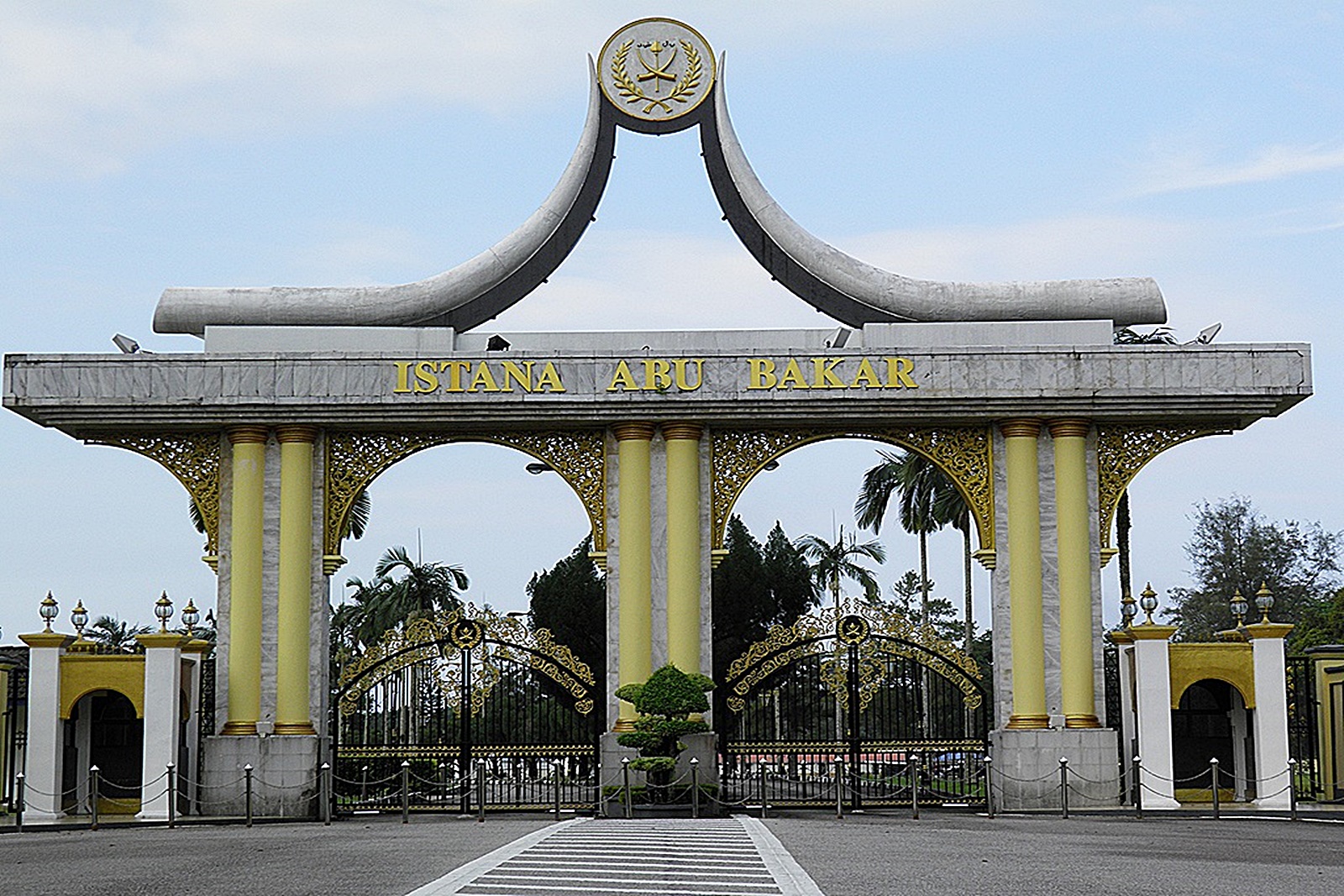
Pahang’s royal capital, Pekan’s name comes from a flower, the Bunga Pekan. It is the home of the state’s royal family headed by Sultan Abdullah of Pahang and also the hometown of Malaysia’s second Prime Minister of Malaysia, Tun Abdul Razak Hussein, and his son, the sixth Prime Minister, Datuk Seri Najib Razak, both of whom were Members of Parliament from Pekan.
According to local lore, a flowering plant named Bunga Pekan used to grow wild along the banks of the Pahang River, and the town was named after it. The flower is said to be white like jasmine, though this particular plant species is also said to have become extinct. The river at Pekan town is also called Pekan River, however, there is no evidence that Pekan derived its name from this river. Other sources say the name Pekan came from Pekan Sehari or Sunday Market which still exists today, and the word Sehari was eventually omitted and the locals simply called it Pekan.
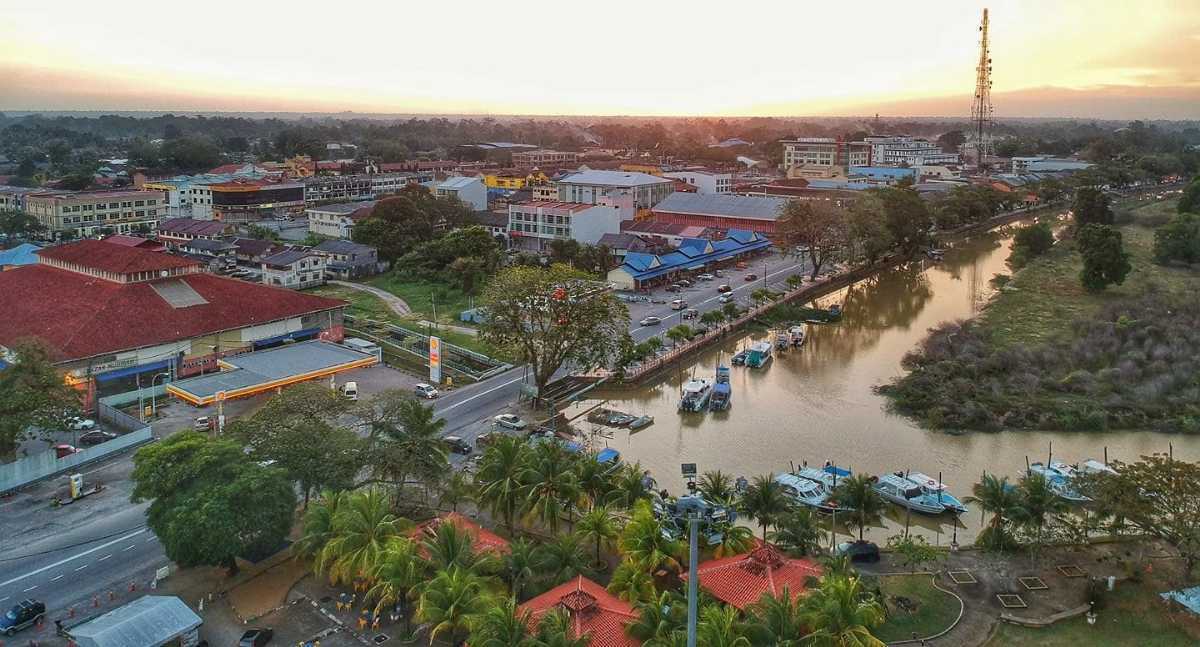
Pekan is thought to have been in existence since the time of the old Pahang Kingdom. The old name was Inderapura, although it was also commonly known by the short form Pura, which some Malays called Pekan. The old capital was located on both the left and right banks of the Sungai Pahang and the Sungai Pahang Tua up to Tanjung Langgar. The town was divided into Pekan Baharu and Pekan Lama, New and Old Pekan respectively, and the old name for Pekan Baharu used to be Kampung Cina. During the late 19th century, relations between the sultan and local villagers were close. The villagers at Kampong Mengkasar, about one km from Pekan in the direction of Kuantan, are said to be direct descendants of Tok Tuan from Makassar in Sulawesi, Indonesia.
Pekan Lama which means Old Pekan is situated on the banks of Sungai Parit which flows to Sungai Pekan. Early settlement of shops first started here and the original wooden structure of these shops can still be seen today around Pekan Lama. Istana Pantai was once located here, but it is no longer around and the site is now occupied by the Majlis Agama Islam Daerah Pekan building. Bangunan UMNO Pekan Lama is situated nearby and had been on that site since the 1960s.

The Sultan Abu Bakar Museum displays many artefacts which are important in the state’s history and the local Malay culture. The museum was officially opened by Sultan Ahmad Shah in October 1976 and is located in the former residence of the British Resident, built in 1929. It was acquired by the Sultan of Pahang in 1948 and renamed Kota Beram Palace. In 1965, the Sultan moved his residence to a new palace, the Abu Bakar Palace, where the current Royal Palace is situated.
The museum was officially opened to the public in October 1976, in conjunction with the birthday celebrations of the Sultan of Pahang. The museum expanded its collections of artefacts very actively up to 1997 and the locals surrendered and provided as gifts certain unique artefacts to the museum. One example is a keris, a type of Malay dagger, which was found by a young man in a river about 20 km from Pekan. This particular keris drew a lot of attention, coupled with strange stories of its mystical prowess and is still on display at the museum. The museum has dedicated galleries focusing on water transportation, and the personal belongings of the late Sultan Abu Bakar and the late Tengku Ampuan Pahang Tengku Afzan. The museum is open from Tuesday to Sunday between 9 am and 5 pm.

An old mosque from the 1930s, now renovated into a museum, the Muzium Masjid Sultan Abdullah is located by the Pahang River and is the country’s first mosque turned museum. The museum is divided into three thematic zones and is popular for its stunning Moorish architecture. The museum showcases symmetry and repetition in architecture with a long rectangular pool in the museum at the front making the ambience even more serene. Visitors can experience Malaysian heritage through the displayed artefacts, graphics and illustrations, calligraphy, and floor tiles pattern. The museum is open from 9:30 am to 5 pm.
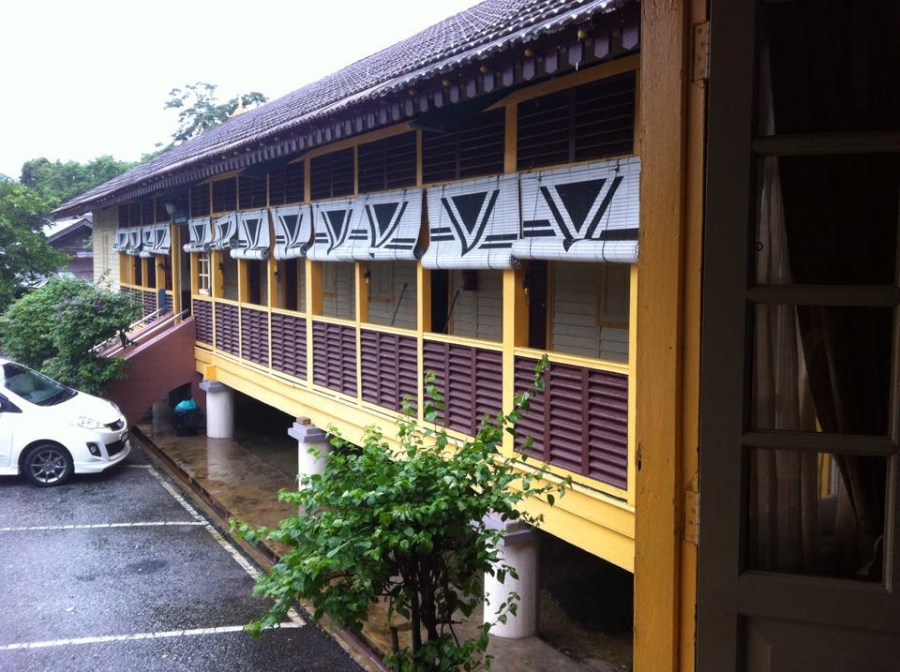
Pekan is home to the Chiefs’ Rest House. This wooden structure was completed in 1926 and is a must-visit site in Pekan. It was originally built by the British as a guest house for the Chieftains in Pahang who visited Pekan to attend meetings and events at the Istana. Today, the Chiefs’ Rest House offers good, clean and reasonable accommodations to travellers. Most of the furniture in this building was brought over from the Istana. It is advisable to reserve the room in advance, as it can be packed during school holidays, weekends and whenever there are functions in the Istana. The Chiefs’ Rest House is located along Jalan Istana Abu Bakar in Pekan along the road approaching the Istana area.

The Royal Pahang Silk Weaving Centre is located in Palau Keladi village and visitors can witness the process of weaving silk and understand the art of weaving silk here. A perfect destination to understand Malaysian fabric, the Royal Pahang Silk Weaving Centre has a large collection of fabrics suitable for both formal and informal events. Existing for more than two centuries, only the cultural village of Palu Keladi practices the traditional weaving methods of silk, passed from one generation to the other.

The Pekan Riverfront is a beautiful public park that faces the Pekan River. Situated close to Jalan Sultan Ahmad, the public park also houses food stalls and gazebos and is dotted with rows of coconut trees. While the park surroundings and the blissful Pekan River are a true treat to the eye, the beautiful arch-shaped structure that is constructed at the entrance further accentuates its beauty. Short cruises also occasionally operate here. One can also indulge in fishing at the Pekan Riverfront. The stretch by the river bank from the Abu Bakar Royal Mosque heading towards the Sultan Abu Bakar Museum is Pekan’s Heritage Route.

Lake Chini, better known locally as Tasik Chini is a series of 12 freshwater lakes and is Malaysia’s second-biggest natural freshwater lake. Home to hundreds of species of flora and fauna, Lake Chini sprawls over an area of 12,565 acres and is inhabited by the Jakun branch of the Orang Asli tribe of Malaysia. It is also one of the UNESCO Biosphere Reserve sites in Peninsular Malaysia. The lake is about 70 km from Pekan. Chini River, which drains from the lake, flows into the Pahang River. The river is dammed to maintain the lake’s depth during the dry season. However, this has disrupted the natural ecology of the lake and caused the death of trees on its shores due to elevated water levels.
The lake is endowed with a rich bio-diversified lush tropical wilderness that is home to 138 species of flora, 300 species of non-aquatic life and 144 species of freshwater fish. Between August and September, the lake is transformed into a floating garden with thousands of white and pink lotus flowers covering the surface. The lake is steeped in myths and legends that have remained unexplained to this day. According to an Orang Asli legend, the lake is inhabited by a dragon called the Naga Seri Gumum, sometimes referred to as Malaysia’s Loch Ness Monster. It is believed that there is an ancient sunken Khmer city at the bottom of the lake.
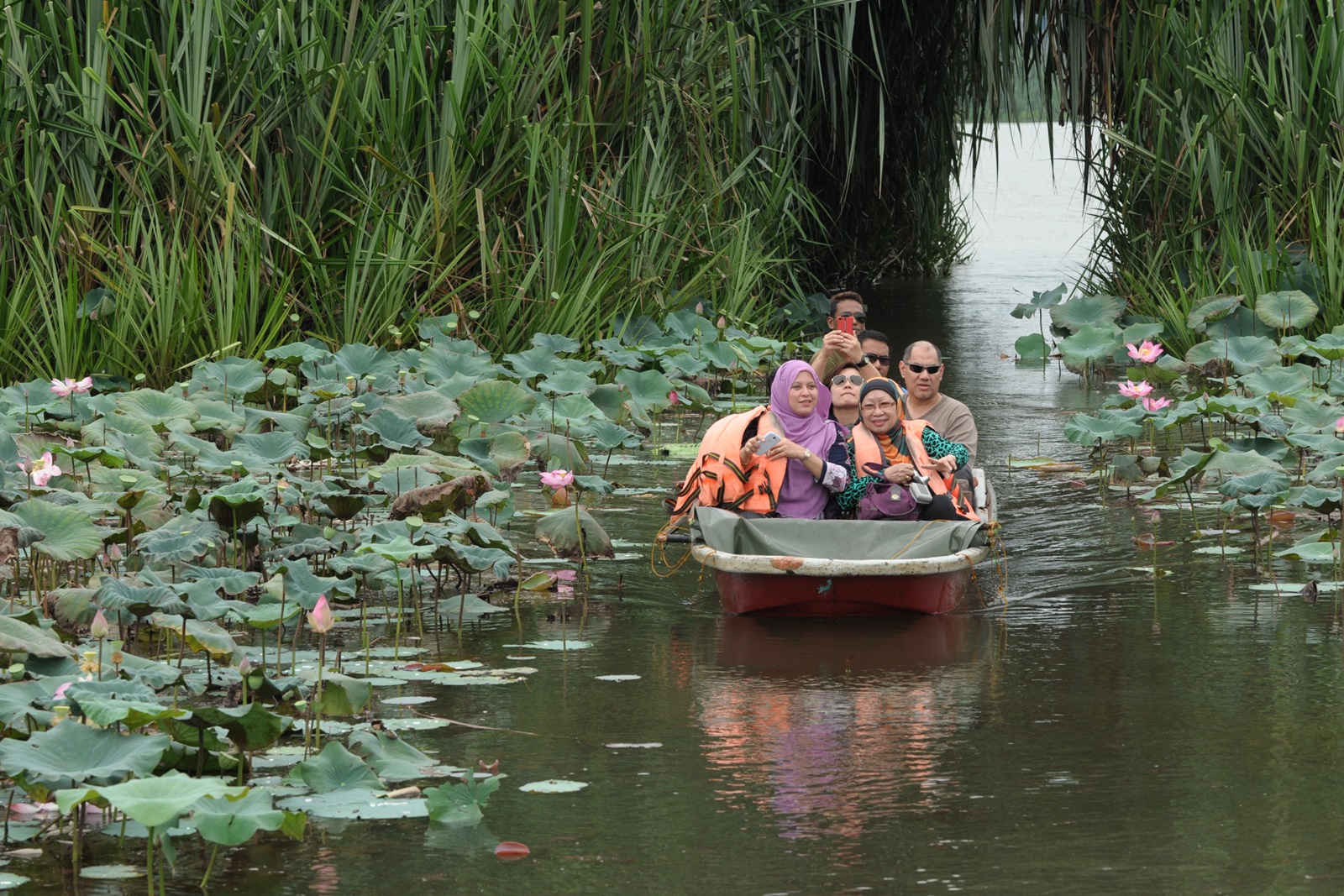
Bukit Ketaya, a hill next to the lake is the site of iron ore mining. The Orang Asli who live on the banks of Tasik Chini complain that the lake has become polluted. Fish caught in the lake have become unfit to eat and the Orang Asli people cannot go to areas to collect roots used in traditional medicine because the areas have been closed for mining. In 2021, the government announced an end to mining around the lake. Lake Chini also features a resort with a restaurant, jungle trekking paths and a boat station. Boat trips are available by various routes around the lake. Prices differ according to the chosen routes which are between 45 minutes to 3 hours.
Nearby the Royal Pahang Polo Field is a long-established Islamic college, known as Kuliah Sultan Abu Bakar or the Sultan Abu Bakar Kulliyyah. It has produced eminent scholars all over the state and Malaysia. Its students consistently further their studies at the Al-Azhar University in Cairo, Egypt. Other places of interest include the Royal Palace or the Sultan Abu Bakar Palace, the Sultan Haji Ahmad Shah Mosque, the Royal Mausoleum, the Royal Pahang Polo Field close to the Palace, the Royal Pekan Golf Club, the birthplace of late Tun Abdul Razak at Kampung Pulau Keladi and the Pahang Royal Silk Weaving Centre.
Sungai Lembing
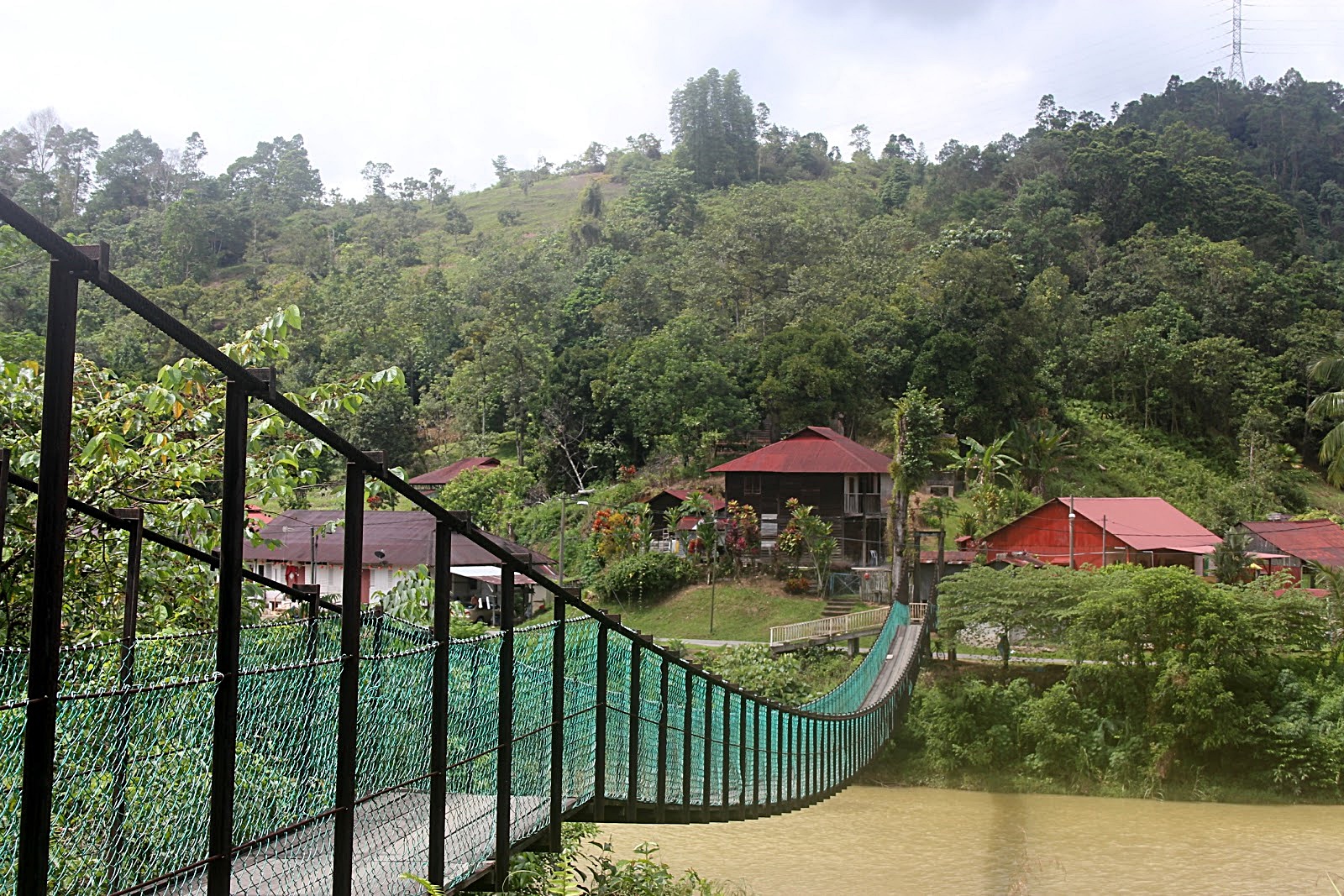
Located about 26 km northwest of Kuantan, Sungai Lembing used to contain the world’s deepest underground tin mines. There is an interesting Tin Museum in the former mining town and just north of the Tin Museum is a hanging bridge, known as Jambatan Bergantung. Access to the bridge is via a narrow, winding road at the base of the entrance to the Tin Museum. There is another hanging bridge on the outskirts of the town that is visible from the main road. Panorama Hill which provides an impressive pre-dawn view is also close-by. On the Kuantan-Sungai Lembing road at the hamlet of Pancing, there is a limestone mountain which houses a large reclining Buddha in one of its caves, known as Charah Cave. The highest peak, Gunung Tapis, also can be accessed from here. In Malay, Sungai means river and Lembing means spear.

Rainbow Waterfall is a dreamy spray-like 30-meter fall offering a lovely view of a rainbow in the morning hours. Accessible via an easy 45-minute hike, at the fall, the water flows at a very low speed and the sunlight hitting the waterfall leads to the formation of the rainbow. It is visible usually between 9 and 11 am. Known as the largest multi-tiered waterfall in Peninsular Malaysia, the Sungai Pandan Waterfall is located in Hutan Lipur Sungai Pandan, a forest reservation area. It is considered the most beautiful fall in Malaysia with a suspension bridge over the natural pool offering amazing views of the falls cascading down the rocks. The Berkelah Falls is a magnificent 7-tiered waterfall. While it’s advised to be extra careful on the hike to the upper falls, those wishing for adventure can always try and get to all the tiers, swim at all the base pools and conquer the falls with a picture at each tier. The water is quite cold and the current can get strong.
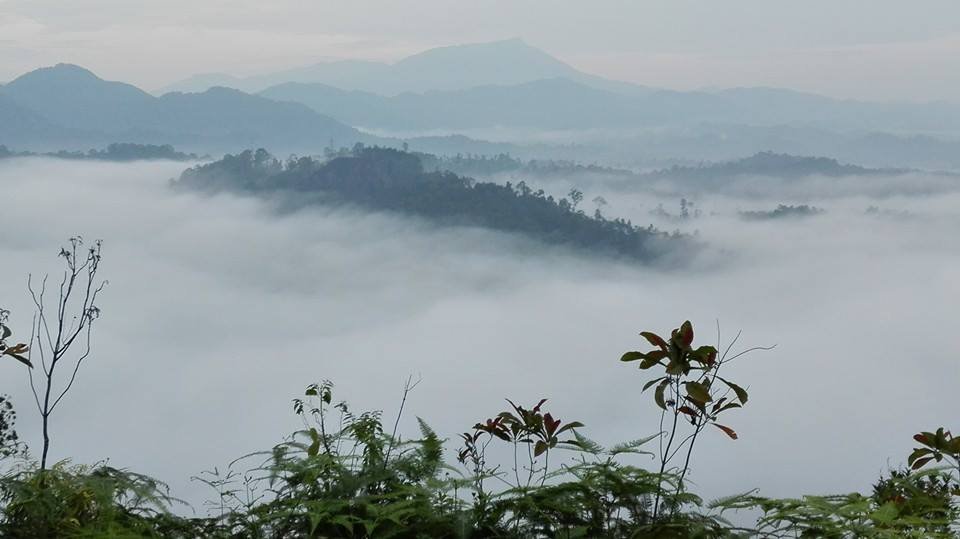
Offering spectacular views of Sungai Lembing and the distant hills, Bukit Panorama makes for a hill worth climbing. Around 1100 steps on cemented staircases and hand railings in between and one is on top of the 271 meters high hill with a gorgeous view of a blanket of clouds shielding the town. It will take around 15-60 minutes depending on the stamina to climb the hill. The Mount Tapis Nature Park promises an adventurous visit here with its jungle treks, camping sites and hot springs with the rivers perfect for fishing.

Deerland Park is a privately owned deer park housing over 30 Indonesian deer, rabbits, peacocks, ostriches, Bengal cats and a Burmese python. The park is a good place to visit with kids. Open between 10:30 am and 5:30 pm, entry fees to the park is RM 5 for adults and RM 3 for children under 12 years.

The Sungai Lembing Tin Mine is the biggest underground tin mine in the world measuring as long as 322 km. The tour through the mines will give visitors a chance to experience a time when tin mining was in full swing. Starting with a ride on a tram, similar to the ones used by miners, the tour involves exploring the mines on foot after the ride.
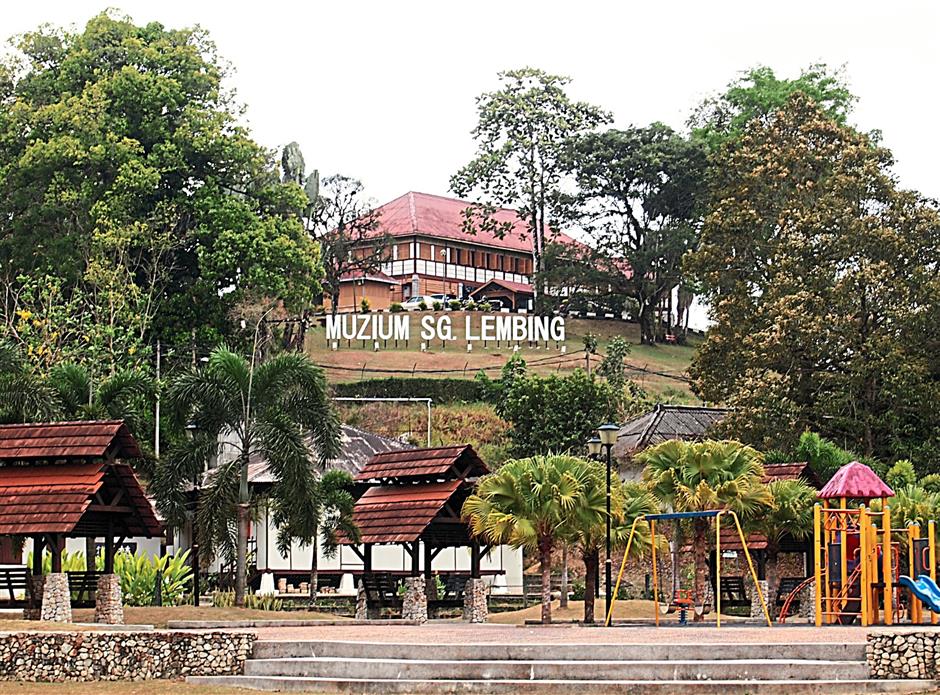
Muzium Sungai Lembing is a museum that throws light on the illustrious tin mining era of Sungai Lembing. Overlooking the Kenai River, the colonial architectural building houses more than 100 tin-related mining equipment. The museum is open daily from 9 am to 5 pm and the ticket is RM 5 and RM 2 for Non-Malaysian adults and children respectively. Crystal House displays a collection of over 3000 crystalline stone pieces. These pieces have been collected by an ex-tin miner, Mr Lee Yon, from the Sungai Lembing Tin Mine and Panching over 19 years. It is open daily between 11 am and 6 pm and tickets are priced at RM 2 for adults and RM 1 for children.

Raub
One of Pahang’s oldest towns, Raub is historically a gold mining settlement and was founded in the 18th century. The mining town was named Raub after a group of miners found a handful of gold in every tray of sand they dug. According to one account, for every dulang of sand, there was a handful or raub of gold. Thus, the town and the district derived their name from the Malay word raub which means a scoop.
Raub became famous in the early 20th century for its gold. At that time, gold mining in Raub was operated by the Raub Australian Gold Mine, a company registered in 1889 in Queensland, Australia. The company was initially known as Australian Syndicate Ltd and later as Australian Gold Mining Co. Ltd in 1892 and operated until 1961.
The mining method used in Raub is shaft mining which started at the Raub Hole and the area is now known as Bukit Koman. A new company, Peninsular Gold, has restarted gold mining at the Raub mine. Initially, the company recovered gold from the tailings dumps from the old mine, but started mining fresh ore again in 2011. A major drilling campaign is in progress, exploring additional resources adjacent to and below the old mine.

There are a lot of British-style buildings in Raub, especially along Mason Road, now known as Jalan Tengku Abdullah. Most of the buildings in Raub were built during the pre-World War II era. Some examples of the pre-war buildings in Raub are the old Police Station of Raub built in 1906 and the Raub District Council Building.
After the gold mines were depleted, the main economic activity of Raub is agriculture. The durians grown in Raub are probably the best in Malaysia and the town is styled as the durian capital of Malaysia attracting a steady stream of visitors, especially tourists from Singapore and China.

The Lata Jarum Waterfalls is a perfect spot for family outings offering a small trek in the forest reaching the cascading waterfalls while one can hear the forest creatures. Pulau Chekas is an ideal place for a recreational weekend and stands as an island when the river gets divided into two loaded with slides for kids and relaxing activities for adults. It is also a home to Fraser’s Hill which is well-known for its extensive birdlife and deserves a visit.

One can also plan a visit to Lata Lembik Recreational Park for adventurous and exciting activities. The stunning recreational park is home to the popular magnificent waterfalls of the same name that have pristine blue waters. It offers several adventure and water sports like white water rafting, jungle trekking, etc and one can relax and take a swim in the pool that forms at the base of the waterfall.
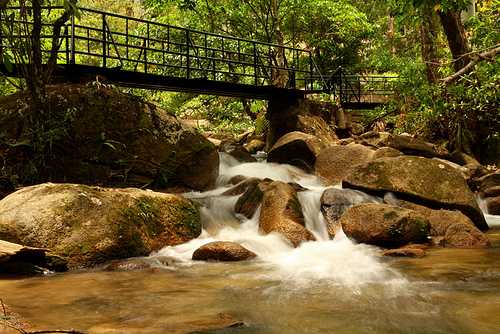
The Lata Jarum Forest Eco Park is a traveller-friendly forest located close to the village of Dong. It is a spectacular waterfall that avalanches the rocks and forms an unstained pool in a pristine river and is a popular attraction among tourists. One can find bridges to get across small water streams and chalets inside this forest park. The toilets are close to the ranger’s office.
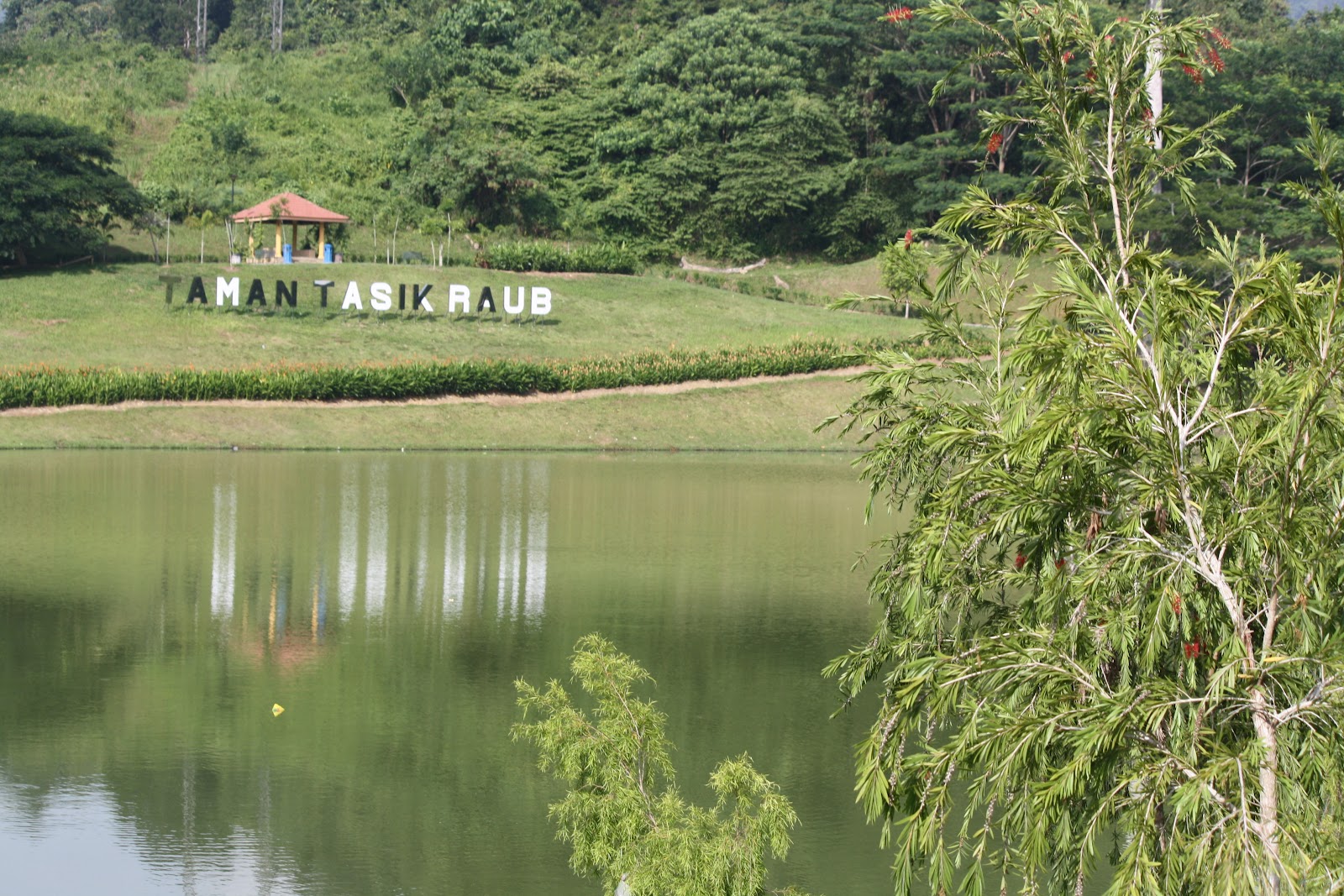
Taman Tasik Raub, also known as Raub Lake Park, is a gorgeous lake park located on the outskirts of Raub. The lake is surrounded by lush green landscapes and open spaces to relax, enjoy a day picnic or go fishing. Rental boats are available on site to go around the lake sightseeing and soaking in the glorious nature and calm waters.
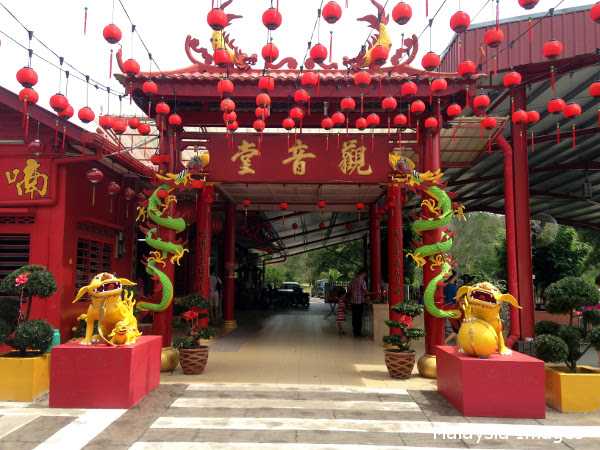
The Tras Road Chinese Temple lies on the Raub-Bentong Road and is dedicated to Guan Yin Tang. The temple is often visited by tourists driving by Tras Road. The large red structure of this temple has 12 Chinese zodiacs, a beautiful play area for children, and a fish pond with some statues and figures. The garden area is very windy and well-designed to blend in with the temple building. It frequently hosts community events and is therefore often visited by locals. One can find souvenirs, shops and some food stalls nearby.