Varahi Devi Temple, Panchsagar, Uttarakhand
The Varahi Devi Temple, located in the sacred land of Uttarakhand, in the town of Panchsagar is dedicated to Goddess Varahi. According to historical records, the temple’s present structure dates back to the 14th century, though much of its early history remains shrouded in mystery. According to tradition, it is believed that the lower teeth of Goddess Sati fell here. Interestingly, there is some debate about the exact location of this Shakti Peetha. While some sources place it in Varanasi, Uttar Pradesh, others identify it in Panchsagar, Uttarakhand.
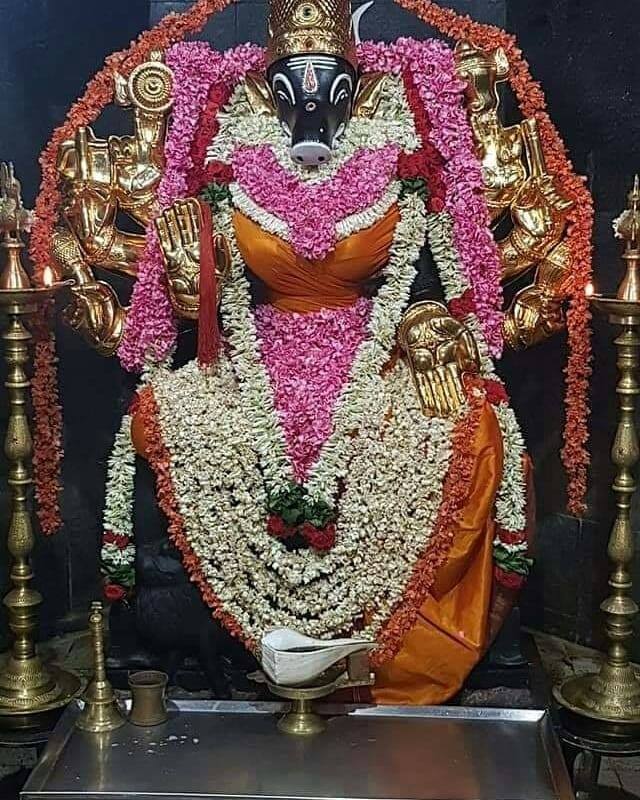
At the Varahi Devi Temple, the goddess is worshipped as Varahi, a fierce form of Shakti. The name Varahi itself is significant, meaning with the face of a boar in Sanskrit. This unique representation of the goddess is closely associated with Lord Vishnu’s Varaha avatar. The Bhairava, the fierce manifestation of Lord Shiva who accompanies the goddess at each Shakti Peetha, is known here as Maharudra.
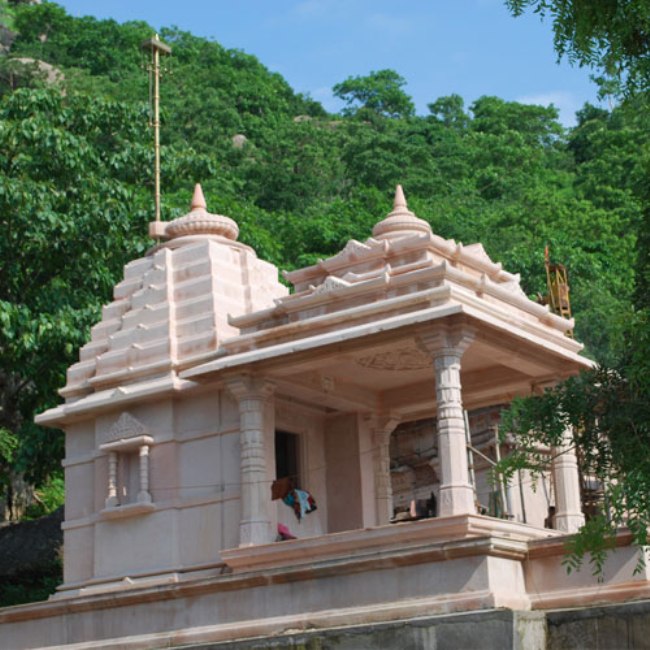
Goddess Varahi is depicted with the head of a female boar, wearing a red sari and adorned with jewels. The temple is revered by all three branches of Sanatana Dharma – Vaishnavism, Shaivism, and Shaktism. Unlike most temples, this shrine is open for only two hours daily, typically between 5:30 and 7:30 am. The temple is believed to be located near a sacred water body while the temple’s structure is said to glow uniquely when sunlight falls upon it, creating mesmerising views.
Despite its limited opening hours, the temple sees a constant flow of devotees offering prayers and seeking blessings. Navratri is celebrated with great gaiety at the temple, with Varahi Navaratri celebrated around June and July each year. Daily rituals include Kshirabhishekam or a milk bath and Kumkumarchana or a vermilion offering to the goddess. Sahasranamam and Ashtottara Shata Namavali are powerful chants that are recited during the daily pujas. The Rath Yatra is a major event celebrated with great devotion and festivals like Durga Puja, Vijaya Dashami, and Kalabham Festival are also celebrated with enthusiasm.
According to the Matsya Purana, Maa Varahi was created by Lord Shiva from the incarnation of Lord Vishnu’s Varaha avatar to slay a demon. She is primarily worshipped at night. It is said that there are two holes at the temple site, believed to be where Sati’s teeth fell. Legend has it that when someone tried to measure their depth years ago, he lost his power of sight. It is believed that Maa Varahi protects the holy city of Varanasi during the night, which is why the temple remains closed during the day. Some devotees believe that worshipping at this temple can help improve eyesight, likely connected to the legend of the unmeasured depth.
The Varahi Devi Temple, with its blend of myth, history, and living faith serves as a cultural centre, preserving ancient traditions and fostering community bonds. Its unique blend of Vaishnava, Shaiva, and Shakta traditions, coupled with its mysterious origins and limited accessibility, makes it a fascinating destination for both devotees and those interested in India’s spiritual heritage.
Attahas Temple, Attahas, West Bengal
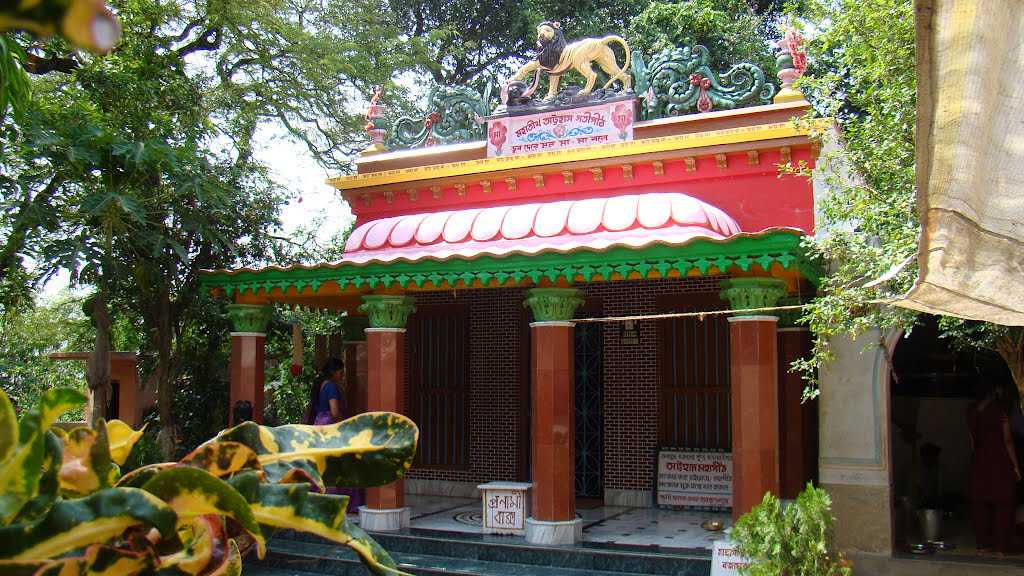
The Attahas Temple, also known as the Phullara Shakti Peetha, is located in the village of Dakshindihi, near Katwa in Birbhum district. As one of the 51 Shakti Peethas, it is believed that this is where her lower lip is believed to have fallen. Here, the goddess is worshipped as Maa Phullora, symbolising blooming energy, and Lord Shiva is revered as Vishwesh Bhairava, her eternal consort and protector.
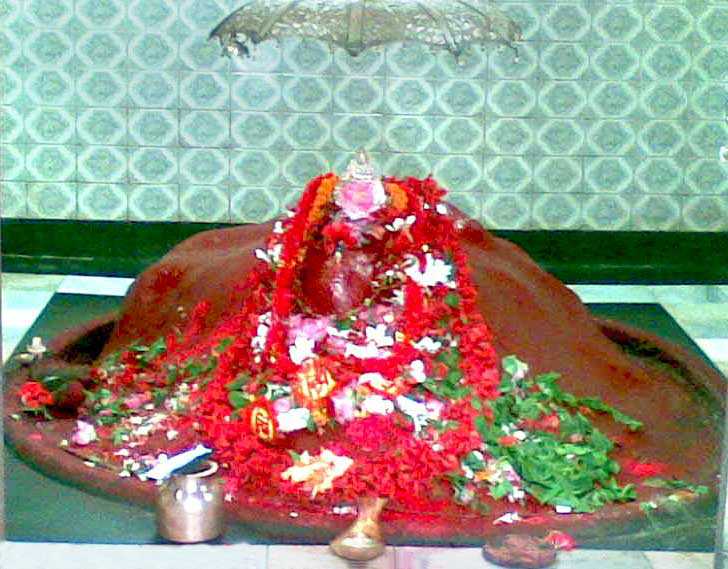
The origins of the Attahas Temple are deeply rooted in Hindu mythology and history. The name Attahas is derived from two Sanskrit words: Atta or excessive and Hasa or laughter, translating to loud laughter. This name is linked to the belief that Goddess Sati’s divine laughter resonates at this sacred site. The exact date of the temple’s establishment remains unknown, but archaeological evidence suggests that an ancient temple existed here centuries ago. The current structure was renovated and re-enshrined in 1915, after the original idol was moved to a museum for preservation. The temple houses a massive 15-foot-long stone that symbolises Sati’s lower lip, making it a unique representation among Shakti Peethas.
The temple’s location on the banks of the Ishani River, locally known as Kandor River, adds to its serene and spiritual ambience. Surrounded by natural beauty and dense forests, it is not only a place of worship but also a haven for environmentalists and birdwatchers who visit during December-January to observe migratory birds like Asian openbill storks and fruit bats.
As Goddess Sati is worshipped as Maa Phullora here, the name reflects her nurturing aspect that promotes growth and prosperity. Devotees offer items grown from the soil—such as grains, fruits, and flowers—as a symbol of gratitude for her blessings. Lord Shiva, in his fierce form as Bhairava, is worshipped here as Vishwesh, meaning Lord of the Universe. His presence ensures protection and balance at this powerful site of divine feminine energy.
Unlike conventional idols or murtis, the main deity at Attahas is represented by a massive stone measuring approximately 15 feet in length. This stone symbolises Sati’s lower lip and serves as a focal point for worship. The stone emanates an aura of divinity and uniqueness, making it one of the most distinctive representations among all Shakti Peethas. Though not grand in scale or opulence, the temple’s marble structure exudes elegance and serenity. Its understated design allows devotees to focus on spiritual connection rather than material grandeur. Adjacent to the main shrine is a smaller shrine dedicated to Lord Shiva as Vishwesh Bhairava, and Kal Bhairava.
A large pond near the temple holds immense religious significance. According to legend, Lord Hanuman collected 108 blue lotuses from this pond when Lord Rama required them for Durga Puja during his battle against Ravana. Devotees believe that bathing in this pond purifies sins and brings prosperity. The temple is surrounded by lush greenery and wildlife. Migratory birds like storks and butterflies add to its tranquil environment, attracting not just devotees but also nature enthusiasts.
The Attahas Temple follows traditional rituals steeped in Tantric practices and Shakta traditions. The day begins with Mangala Aarti or the early morning prayers, followed by offerings of flowers, especially hibiscus, coconuts, fruits, and grains. Devotees chant mantras dedicated to Maa Phullora while circumambulating the sanctum sanctorum. Navratri is celebrated with great fervour at Attahas. Special Tantric rituals are performed during these nine nights to invoke Maa Phullora’s blessings. Devotees offer anna bhoga or cooked rice offerings during these days as part of their prayers for prosperity.
A grand 10-day fair is held annually during Magh Purnima in January-February. Thousands of devotees gather at this time to offer prayers and participate in cultural programmes. The fair includes traditional music performances, stalls selling religious items, and community feasts. The temple is an important centre for Tantrik Shaktism. Many Tantriks perform rituals here seeking spiritual enlightenment or mastery over esoteric powers. These rituals often involve chanting mantras over specific yantras that are sacred geometric diagrams placed near Maa Phullora’s stone representation.
One legend explains how the name Attahas came into being. At Attahas, where her lower lip fell, it is believed that Shiva momentarily experienced divine laughter amidst his sorrow upon realising Sati’s eternal presence through these sacred sites. This laughter resonated across the cosmos and gave this place its name—Attahas or Loud Laughter. Another story links Lord Hanuman to this sacred site. During Lord Rama’s preparation for battle against Ravana in Lanka, he sought Maa Durga’s blessings through Durga Puja. As part of the ritual, he needed 108 blue lotuses. Hanuman searched far and wide until he discovered a pond near Attahas filled with these rare flowers. He collected them with devotion and presented them to Rama for his worship of Maa Durga. This act sanctified not only the pond but also reinforced Attahas as a site blessed by divine intervention.
An ancient terracotta inscription was discovered near the temple complex during archaeological excavations. While researchers are still deciphering its script, it is believed to contain information about early worship practices at Attahas or possibly references to Tantric rituals performed here centuries ago. This inscription adds an air of mystery to the temple’s history and underscores its significance as an ancient center of spirituality.
The Attahas Temple offers devotees a unique spiritual experience rooted in mythology, history, and natural beauty. Its distinct representation of Maa Phullora through a massive stone symbolising Sati’s lower lip sets it apart from other temples dedicated to Shakti. Whether you seek blessings for prosperity or wish to immerse yourself in serene surroundings steeped in divine energy, visiting this sacred site provides solace for both mind and soul.
Bahula Temple, Ketugram, West Bengal
Located in Ketugram village near Katwa in the Bardhaman district, the Bahula Temple is dedicated to Goddess Bahula, a manifestation of Shakti. The temple holds immense significance for devotees who come seeking blessings from the goddess, known for her nurturing and lavish nature. Here, Lord Shiva is worshipped as Bhiruk Bhairava, the divine protector of the Shakti Peetha.
The Bahula Temple is believed to date back to ancient times and is associated with the legend of Goddess Sati’s self-immolation during Daksha Yajna. It is said that Goddess Shakti’s left arm fell at this site in Ketugram and sanctified the location as a Shakti Peetha. The name Bahula has dual meanings: Bahu in Sanskrit means arm, signifying the part of Sati’s body that fell here, while Bahula translates to lavish or abundant, symbolising the prosperity and blessings bestowed by Goddess Bahula.
Historical records suggest that the temple was established by Raja Chandraketu, a local ruler who installed the stone idol of Goddess Bahula along with those of her sons, Lord Kartikeya and Lord Ganesha. Over time, the temple has undergone renovations but retains its ancient charm.
Goddess Sati is worshipped as Bahula, representing abundance and prosperity. Lord Shiva is revered as Bhiruk Bhairava, meaning one who has attained the highest levels of meditation or Sarvasiddhidayak or the grantor of all attainments.
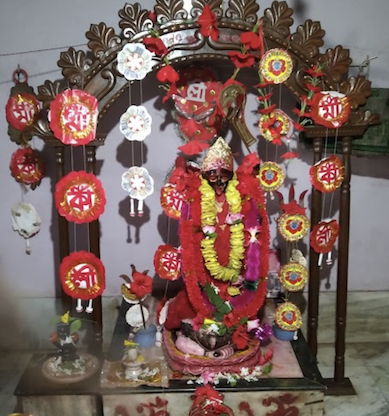
The sanctum sanctorum houses a stone idol of Goddess Bahula in a serene form. She is depicted alongside her sons, Lord Kartikeya, symbolising war and fertility, and Lord Ganesha, representing auspicious beginnings and wisdom. The idol exudes simplicity yet radiates divine energy, drawing devotees into deep devotion. A separate shrine within the temple complex is dedicated to Bhiruk Bhairava, who protects this sacred site. His presence ensures balance and harmony at this powerful Shakti Peetha.
The temple features a spacious courtyard paved with red stone. This open space provides an area for meditation and spiritual reflection amidst the chiming of bells and chanting of mantras. The temple is located near the banks of the Ajay River, adding to its serene ambiance. The river is considered sacred by devotees who often take ritual baths before entering the temple. Unlike grand temples with elaborate carvings, the Bahula Temple boasts a simple yet elegant structure that emphasises spiritual connection over material grandeur.
The daily rituals and special ceremonies at Bahula Temple reflect deep-rooted traditions. The day begins with Mangala Aarti or early morning prayers at dawn. Devotees offer flowers, especially hibiscus, coconuts, fruits, sweets, and incense sticks as part of their prayers. Evening prayers include Sandhya Aarti followed by lighting lamps around the temple premises.
Navratri is celebrated with great grandeur at this Shakti Peetha. Special pujas are performed over nine days to honour Goddess Bahula’s nurturing aspect. Devotees offer bhog or sanctified food made from rice, fruits, and sweets during these celebrations. Durga Puja and Kali Puja are marked by elaborate rituals conducted by priests using tantric practices. Devotees participate in community feasts organised within the temple premises. Maha Shivratri is dedicated to Bhiruk Bhairava, where devotees perform night-long prayers seeking his blessings for spiritual growth and protection. Chhoti Navratri, a lesser version of Navratri celebrated in April includes yajnas or fire sacrifices performed to invoke divine blessings.
According to local lore, Raja Chandraketu was a devout follower of Goddess Shakti who had a vision instructing him to establish a temple at Ketugram where Sati’s left arm had fallen. Following this divine command, he installed stone idols of Goddess Bahula along with those of Kartikeya and Ganesha. It is said that Raja Chandraketu’s devotion was so intense that he never left empty-handed after praying at this temple—a belief that continues among devotees today. Another popular legend highlights how Maa Bahula blesses her devotees with prosperity and abundance. Farmers in Ketugram believe that offering prayers at this temple ensures bountiful harvests and protection from natural calamities.
The name Bahula, meaning lavish or abundant, reflects her role as a giver of wealth and well-being. Bhiruk Bhairava’s association with meditation as Sarvasiddhidayak has inspired many sages and ascetics to practice intense penance near this temple. It is believed that meditating here under Bhiruk Bhairava’s guidance leads to spiritual enlightenment and liberation from worldly attachments.
The Bahula Temple offers a unique spiritual experience rooted in mythology, history, and devotion. Its status as one of the 51 Shakti Peethas makes it a must-visit for devotees seeking divine blessings. The serene environment near Ajay River provides an ideal setting for meditation and introspection while the simple yet powerful representation of Maa Bahula through her stone idol emphasises humility in worship. Whether you seek prosperity or spiritual growth, visiting this ancient shrine will leave you feeling connected to divine feminine energy embodied by Maa Bahula!







 Memories and Such