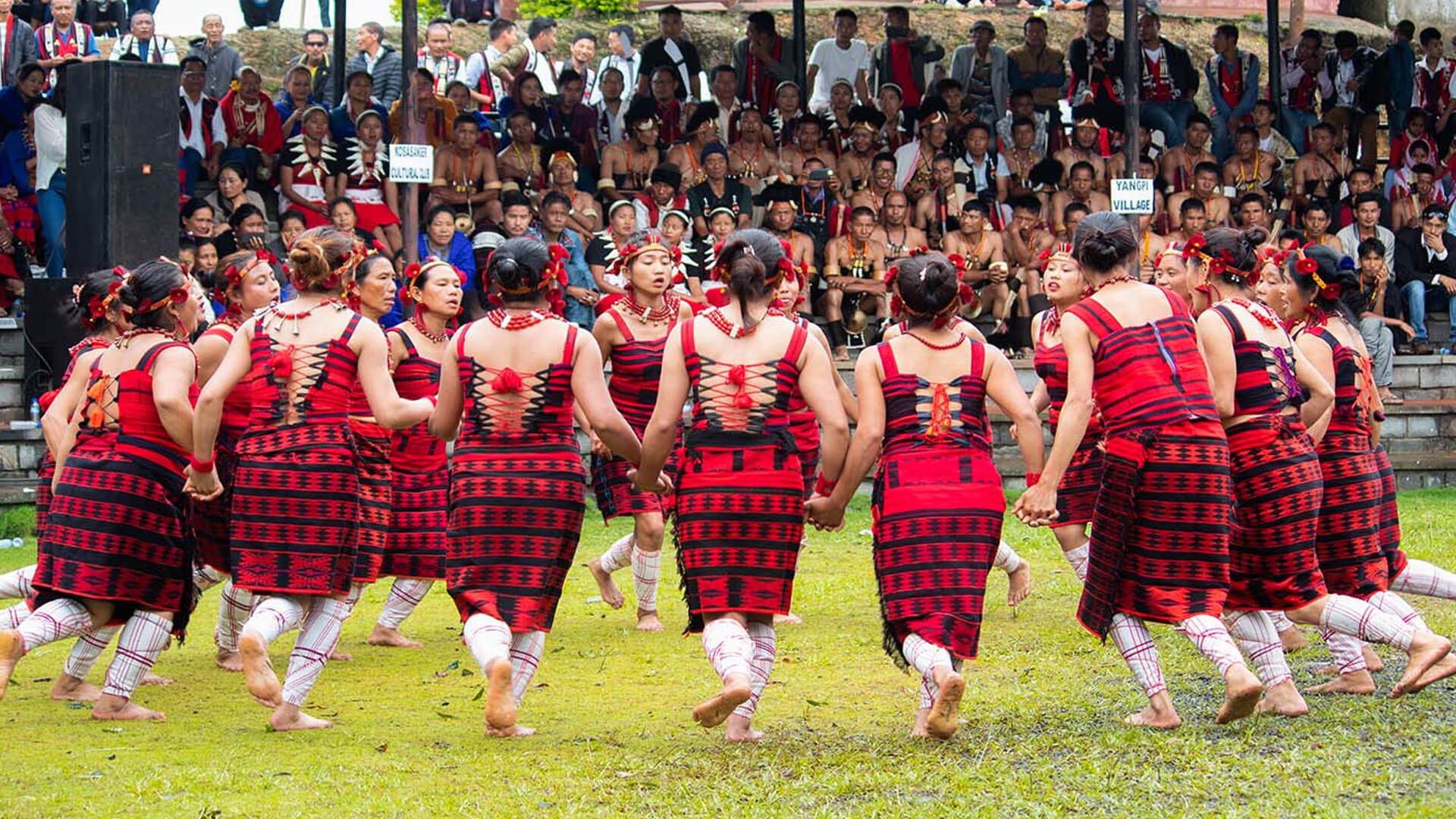
Festivals of India – Shirui Lily Festival

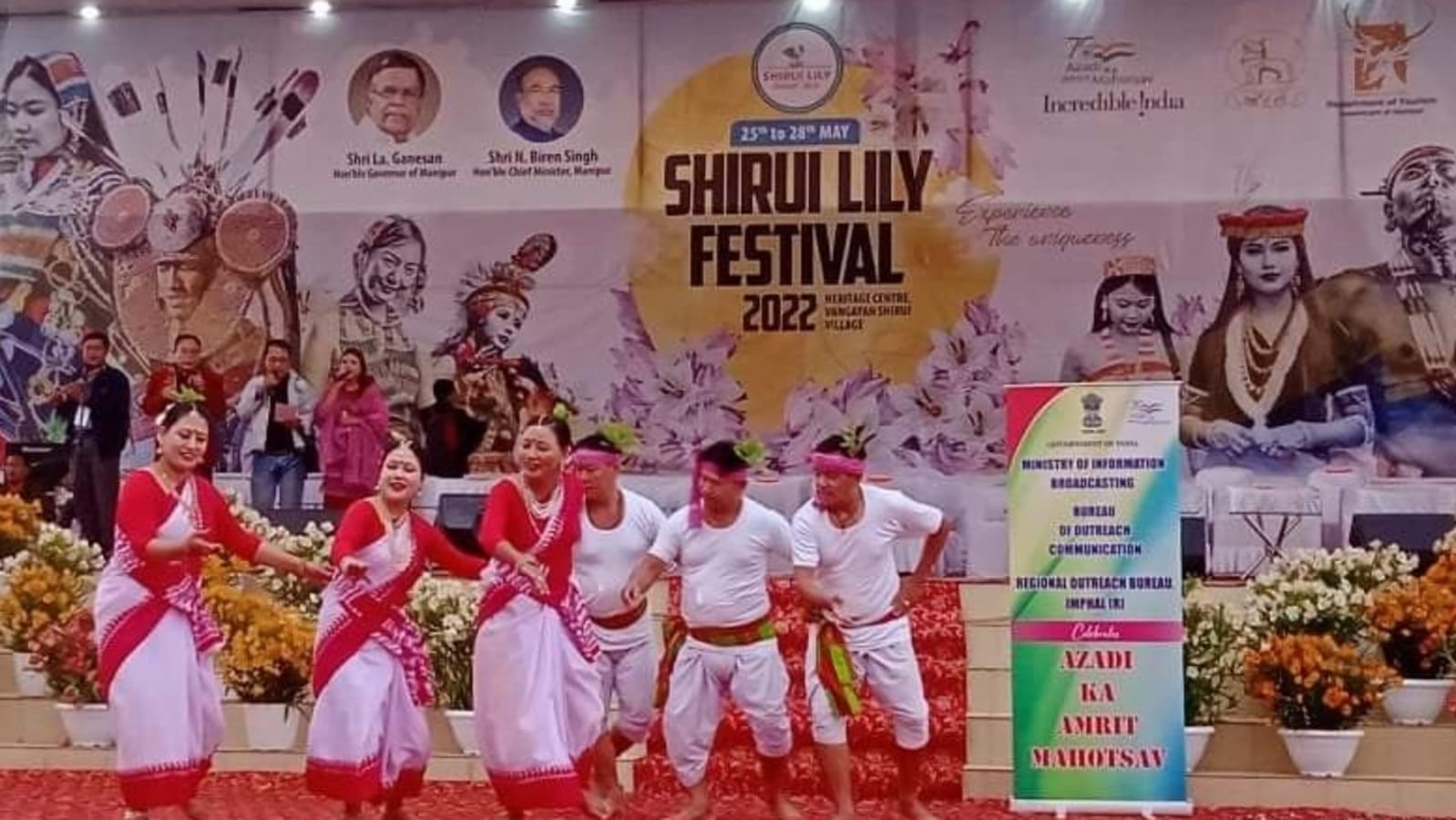
The Shirui Lily Festival celebrates the state flower of Manipur and is part of the state’s efforts to develop and implement sustainable and responsible tourism in the state and also to save and increase awareness about the endangered species of Manipur’s Shirui Lily found only in the Shirui Hills. The festival is organized every year around April-May. The 5th edition of the festival will take place between 17 to 20 May at Ukhrul.

In celebration of the stunning and rare Shirui Lily, a beautiful flower that grows only in the region of Shirui Hill in Manipur, the festival is a celebration of the beauty and richness of the local culture and attracts tourists from all over the world to this region.

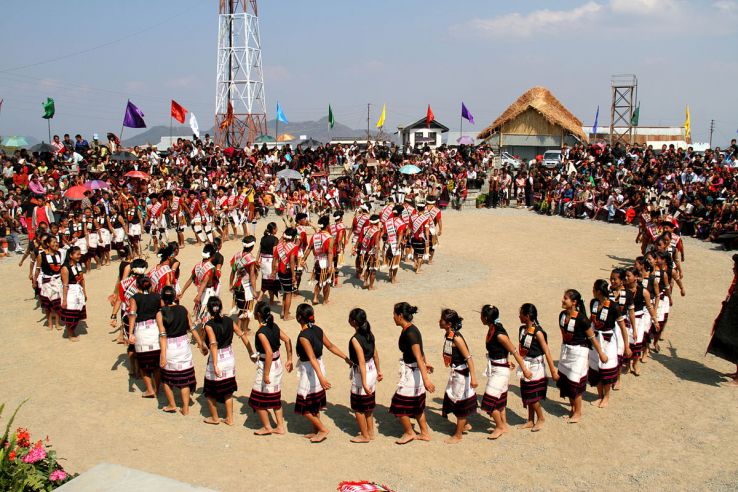
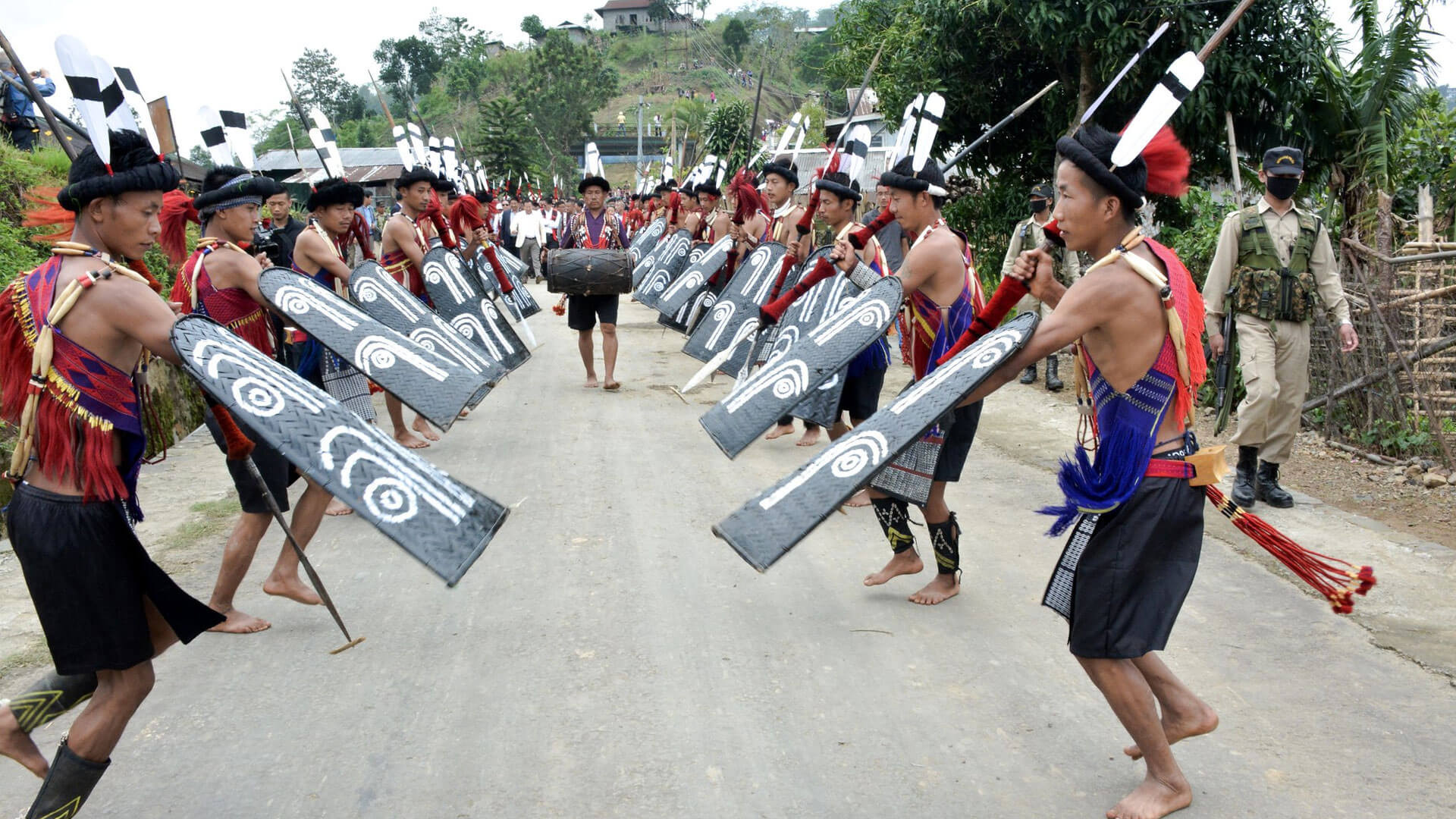
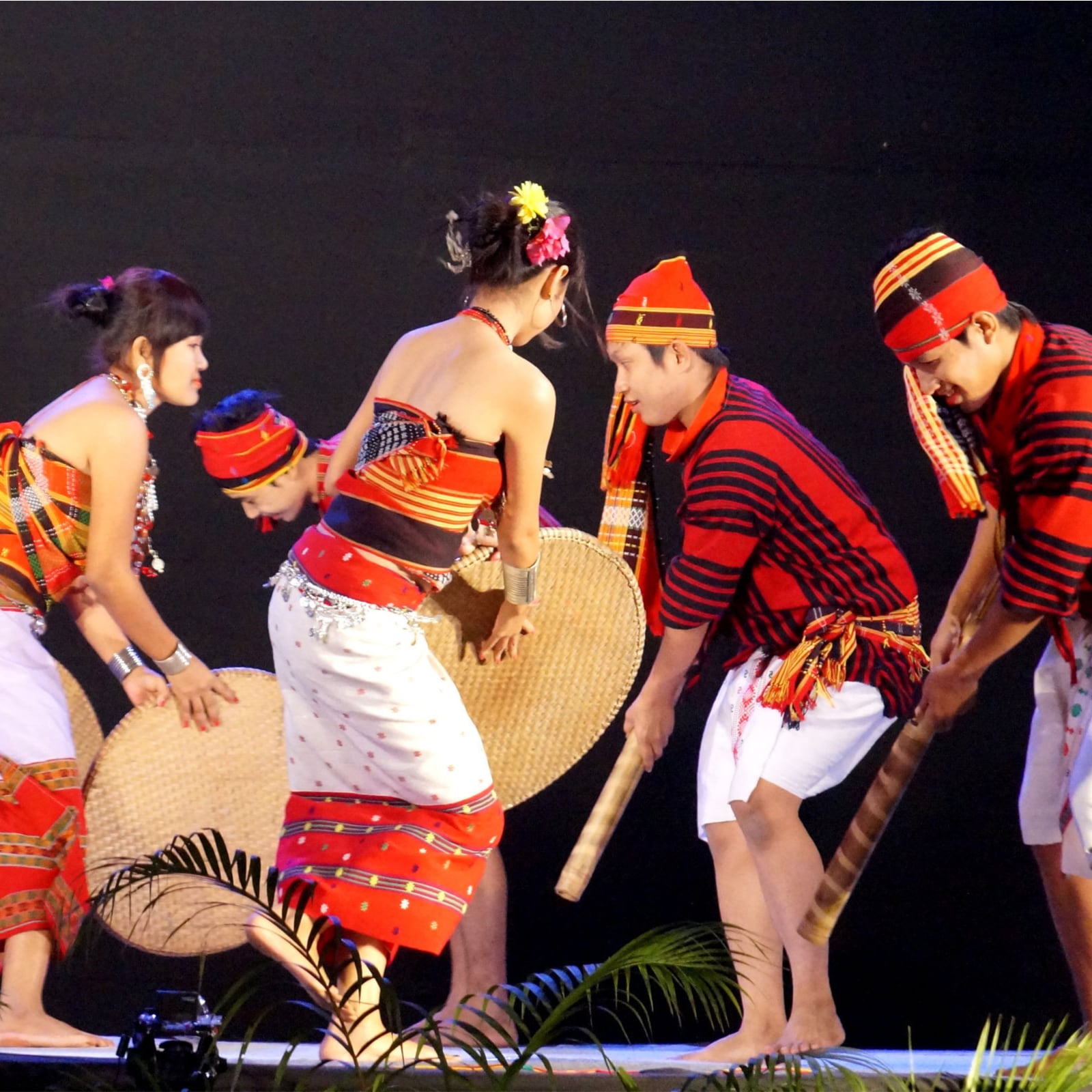
The festival starts with a parade through the streets of the city, with participants dressed in traditional attire, dancing and singing to the beat of the drum. The parade is led by the Queen of the festival, who is usually a local girl selected for her beauty and grace. The Queen is adorned with a crown made of Shirui Lily, which is a symbol of her royalty and is considered a great honour.

The Shirui Lily grows on top of the Shirui hills in Manipur and cannot be replanted anywhere else in the world. It fills the air with its pleasant fragrance during the blooming season. The festival is observed to spread awareness and conserve the endangered state flower.

Climbing the Shirui hills is one of the most interesting treks in Manipur and a chance to see the rare flower. It is the ultimate treat for nature and adventure lovers.

One of the most fascinating aspects of the Shirui Lily Festival is the display of the Shirui Lily. The flower is considered a symbol of purity and beauty and is used extensively in various rituals and ceremonies. During the festival, the flower is displayed in various forms, such as garlands, bouquets, and arrangements, and is admired by tourists and locals alike. Another highlight of the Shirui Lily Festival is the traditional music and dance performances. The local folk dances, such as the Rasa Dance and the Khamba-Thoibi Dance, are performed with great passion and enthusiasm. The music, which is accompanied by instruments such as the pena and the drum, is a fusion of traditional and contemporary styles and creates a unique and mesmerizing sound.

In addition to the cultural events, the Shirui Lily Festival is also a time for people to come together and enjoy the delicious local cuisine. Events during the festival include live music concerts, folk performances, traditional dances, indigenous games and competitions, art and handicraft exhibitions, ethnic food eateries and various adventure activities like camping, biking and a lot more. Shirock, the musical extravaganza of live music concerts and competitions is one of the major highlights of the festival that attracts a large number of crowds not only from different corners of the state, and even from neighbouring states.

The Shirui Lily Festival is not just a celebration of the beauty of the Shirui Lily, but it is also a celebration of the local culture and heritage. Visitors to the festival can experience the traditional way of life of the people of Manipur, and learn about their customs, traditions, and beliefs. The festival is a time for people to come together and celebrate the richness of their culture and to share it with others.

One of the most unique and exciting aspects of the Shirui Lily Festival is the opportunity to trek to Shirui Hill, where the Shirui Lily grows in abundance. This trek is a challenging but rewarding experience, as visitors can admire the breathtaking beauty of the region and see the Shirui Lily in its natural habitat. The trek is also a great opportunity for adventure enthusiasts, as the route is surrounded by stunning natural scenery and offers a glimpse into the rich and diverse flora and fauna of the region.

Festivals of India: Biju Festival

India is a land of festivals and the more colourful, the better.  One such colourful festival is Biju, celebrated by the Chakma community in Tripura, marking the dawn of a New Year for the community. The festival is also celebrated by seven other ethnic groups in Tripura: Marma, Tangchangya, Tripuris, Mro, Khumi, Khiyang and Chak. The Marmas call the festival Sangraig, Tangchangya refers to it as Bishu, Truipis call it Baisuk and Ahmia name it Bihu.

Celebrated over three days, Biju falls on the last day of the Bengali calendar. The festival is a celebration of the arrival of spring and is one of the most important cultural events in the region.  The festival has been celebrated in the region for thousands of years and is deeply rooted in the cultural heritage of the northeastern part of India and Bangladesh. The festival is a celebration of the end of the harvest season and the beginning of a new agricultural cycle.

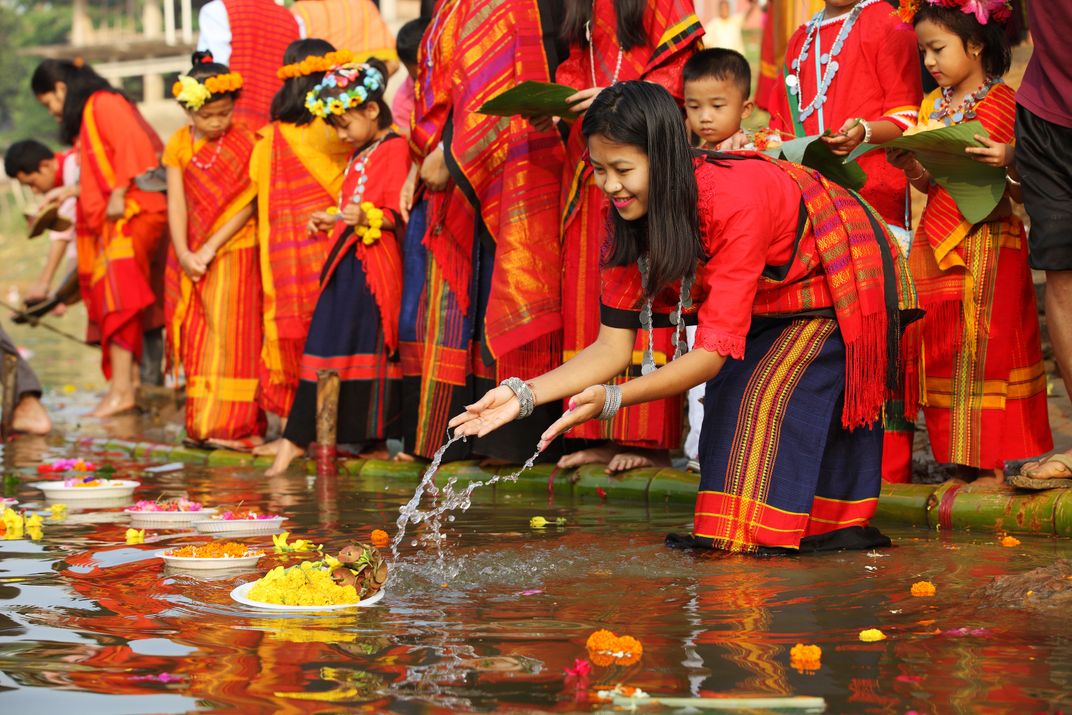
Each day of the festival has its own distinct traditions and customs. On the first day of Biju, called Phool Biju, people clean their houses and decorate them with flowers. They also pay floral tributes to the nearby rivers. The second day, called Mul Biju, is celebrated with the performance of traditional songs and dances, culminating with the famous Biju dance. On the third and final day, known as Gotche Potche Biju, elders of the community are honoured with an elaborate feast and renew their marriage vows with their spouses. One of the main attractions of the festival is the special Biju dance, accompanied by the rhythms of traditional musical instruments that constitute percussion and flute.

Earlier the festival used to be celebrated for over a fortnight. However, in changing times, it is celebrated over three days. The Biju festival is not just limited to cultural events and traditions. It is also a time for family and friends to come together and exchange greetings and gifts. On this day, people visit each other’s homes, exchange sweets and fruits, and offer well wishes for the coming year. The festival is a time for the community to come together and celebrate the end of the harvest season and the beginning of a new agricultural cycle.

Festivals of India: Lathmar Holi

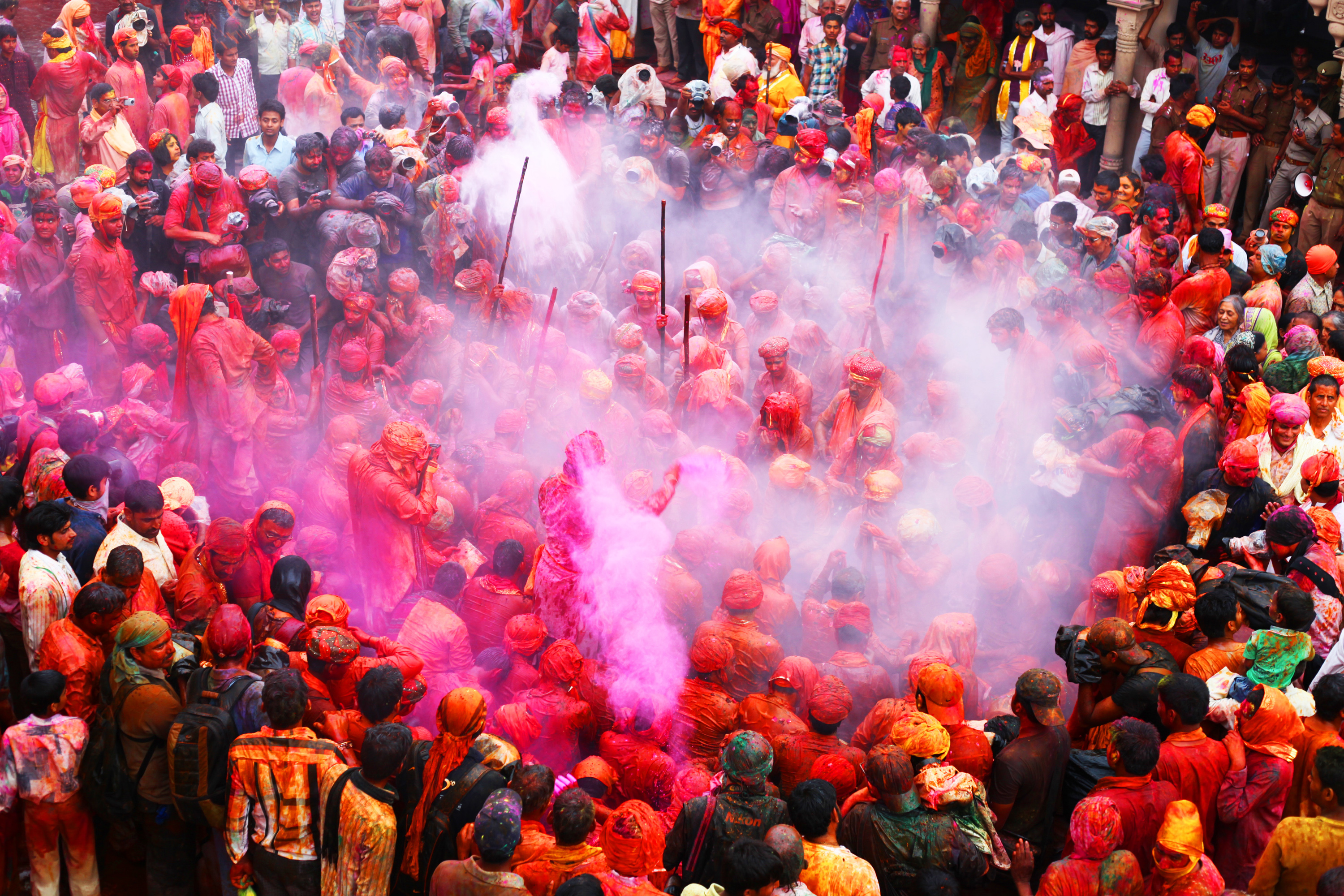
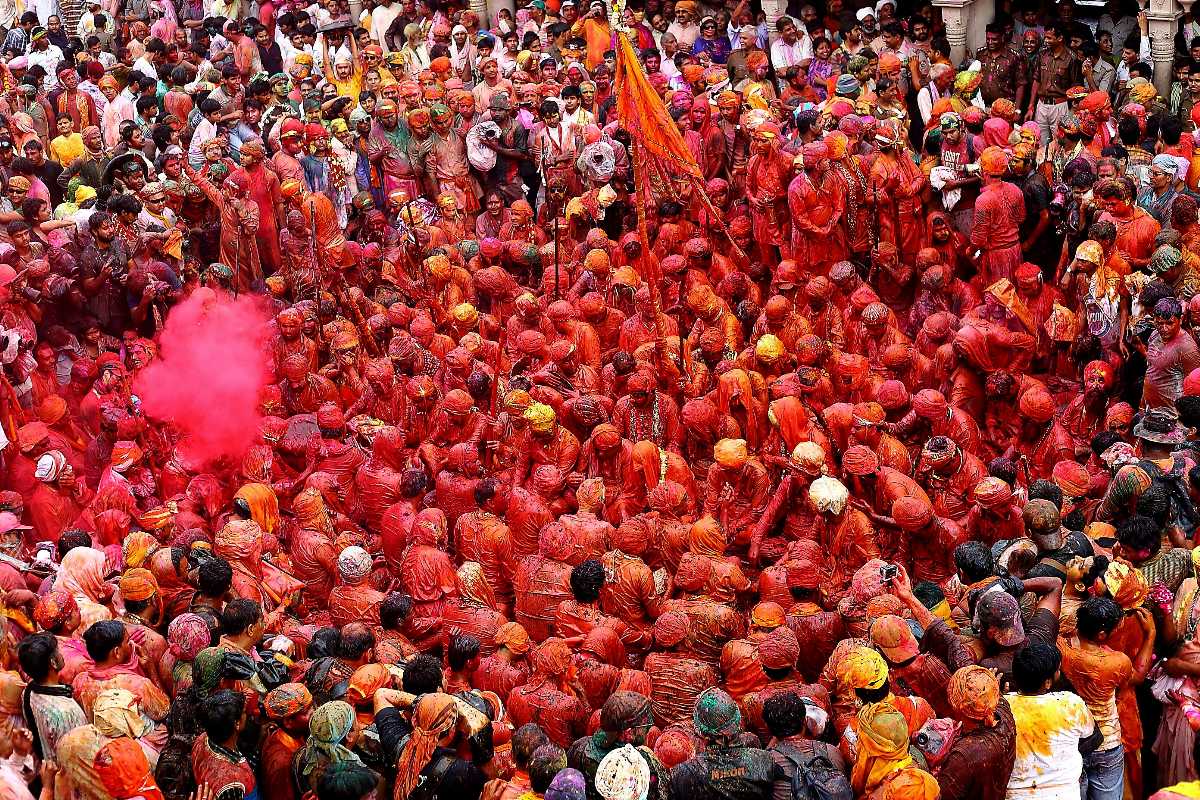
Lathmar Holi or the Holi with sticks is a festival celebrated in the Baj regions of Uttar Pradesh in the twin towns of Barsana and Nandgaon, also known as the towns of Radha and Krishna respectively. Every year, during Holi, thousands of devotees and tourists visit these towns to celebrate the festival. The festivities usually last for more than a week and end on Rang Panchami or Holi. The festival is a celebration of the arrival of spring and the triumph of good over evil and is a time for people to come together, dance, sing, and throw coloured powders at each other, creating a vibrant and joyful atmosphere.

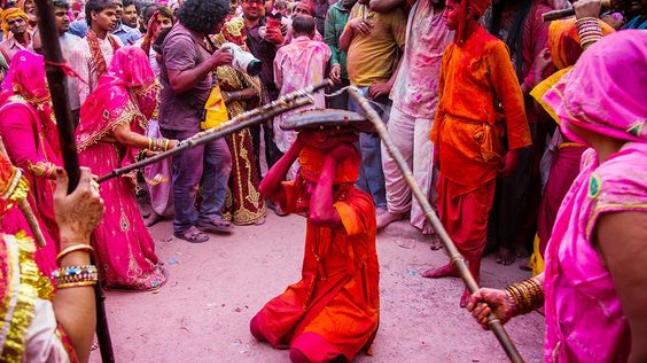
Associated with the legend that is linked to the divine couple Radha Krishna, the festival seeks to recreate it. According to the legend, Lord Krishna who was a resident of Nandgaon and is considered the son-in-law of Vrishabhanu wanted to spray the colours on his beloved Radha and her friends. But, as Krishna and his friends entered Barsana, they were playfully greeted with the sticks by Radha and her friends who drove them out of Barsana. Following the same trend, every year on the occasion of Holi, the men of Nandagaon who are treated as sons-in-law of Barsana visit Barsana and are greeted by women with colours and sticks or lathis. The celebration is enacted in perfect good humour by both sides, the men of Nandgaon and the women of Barsana.

The Lathmar Holi festival is a celebration of the power of women and is a unique expression of the region’s rich cultural heritage. During the festival, named after the lath, a wooden stick that is used by women to chase men. The festival is celebrated on the day before the Hindu festival of Holi and is an expression of the love between Radha and Krishna. The women from the town of Barsana chase men from the neighbouring town of Nandgaon with sticks as a symbolic representation of Radha’s playfulness and power. The men, in turn, sing and dance in a show of reverence to Radha.

One of the highlights of the Lathmar Holi festival is the Lathmar Holi Mela, which is a gathering of people from the surrounding towns and villages. The mela is a lively and colourful affair, with stalls selling food, drinks, and handmade goods. There is also a wide range of entertainment available, including music, dance, and theatre performances.

Another important aspect of the Lathmar Holi festival is the traditional dance and music. The Braj region has a rich tradition of music and dance, and the Lathmar Holi festival provides a platform for these traditions to be showcased. The dances performed during the festival are an expression of joy and happiness and are performed by both men and women. The music played during the festival is characterised by its use of traditional instruments such as the dhol, nagara, and manjira.

One of the most unique parts of the Lathmar Holi festival is the ‘Rang Panchami’ ritual. During this ritual, people come together to throw coloured powders at each other, creating a vibrant and joyful atmosphere. The ‘Rang Panchami’ ritual is an important part of the Lathmar Holi festival and is a time for people to come together and celebrate the arrival of spring.

The Lathmar Holi festival is also a time for love and courtship. During the festival, young men and women come together to meet and get to know each other. If two people are interested in each other, they can exchange gifts and formalise their relationship. This exchange of gifts is known as ‘Rasm-e-Holi’ and is an important part of the Lathmar Holi festival.

The Lathmar Holi festival is a celebration of life, love, and joy and a celebration of the rich and diverse culture of the Braj region. It celebrates the arrival of spring and the triumph of good over evil and is an important part of the cultural heritage of the region.

Festivals of India: Bhagoria

The Bhagoria festival is a vibrant and colourful festival celebrated by the tribal communities of Madhya Pradesh and Maharashtra, which was originally the Malwa region. The festival is held annually in the Hindu month of Phalguna, which corresponds to February or March in the Gregorian calendar. The Bhagoria festival is a celebration of the arrival of spring and marks the beginning of the harvest season. It is a time for the tribal communities to come together, dance, sing, and exchange gifts. The tribes who participate include the Bhil, Bhilala, and Pateliya.

The festival takes place in the Badwani, Dhar, Alirajpur, Khargone and Jhabua districts of Madhya Pradesh and Maharashtra. It has agricultural significance and coincides with the end of harvesting crops. It is celebrated for seven days in March before the Holi Festival. Traditionally, celebrants travel to the festival grounds with their families on decorated bullock carts. There they purchase the things required to celebrate Holi, dance to traditional musical instruments, sing songs called Lokgeet, and enjoy meeting family and friends.

The Bhagoria festival is unique to the tribal communities of Madhya Pradesh and northeastern Maharashtra and is one of the largest tribal festivals in India. It is a celebration of the vibrant and diverse culture of these communities and attracts visitors from all over the world. The festival is celebrated in different parts of Madhya Pradesh, with the largest celebrations taking place in Jhabua, Alirajpur, and Dhar districts.

One of the highlights of the Bhagoria festival is the ‘Bhagoriya Mela’ or fair. This fair is a gathering of tribal communities from all over the region and is a place for people to come together, socialise, and participate in various activities. The Bhagoriya Mela is a lively and colourful affair, with stalls selling food, drinks, and handmade goods. There is also a wide range of entertainment available, including music, dance, and theatre performances.

The Bhagoria festival is famous for its traditional dance and music. The tribal communities of Madhya Pradesh have a rich tradition of music and dance, and the Bhagoria festival provides a platform for these traditions to be showcased. The dances performed during the festival are an expression of joy and happiness and are performed by both men and women. The music played during the festival is characterized by its use of traditional instruments such as the dhol, nagara, and manjira.

One of the most unique and interesting aspects of the Bhagoria festival is the ‘Haldi-Kumkum’ ritual. During this ritual, married women apply turmeric paste and vermilion powder to each other’s foreheads. The ritual symbolizes the bond between the women and is believed to bring good luck and prosperity. The ‘Haldi-Kumkum’ ritual is an important part of the Bhagoria festival and is performed by women from all the tribal communities that participate in the festival.

The Bhagoria festival is also a time for love and courtship. During the festival, young men and women come together to meet and get to know each other. If two people are interested in each other, they can exchange gifts and formalize their relationship. This exchange of gifts is known as ‘Bhagoria Haat’. The Bhagoria Haat is an important part of the Bhagoria festival and is a time for the young people of the tribal communities to come together and celebrate their relationships.

The Bhagoria festival is a celebration of the rich and diverse culture of the tribal communities of Madhya Pradesh. It is a time for people to come together, socialize, and celebrate the arrival of spring and the beginning of the harvest season. The Bhagoria festival is an important part of the cultural heritage of India and is a unique and vibrant celebration that attracts visitors from all over the world.

The Bhagoria festival is a celebration of life, love, and joy and a time for the tribal communities of Malwa to come together and celebrate their culture and traditions. The Bhagoria festival is a true expression of the rich and diverse culture of India and is a celebration that should not be missed.

Festivals of India – Jallikattu

Jallikattu, also known as Eru Thazhuvuthal and Mañcuvirattu, is a traditional event during the Pongal festival in which a bull, of the Pulikulam or Kangayam breeds, is released into a crowd of people, and multiple human participants attempt to grab the large hump on the bull’s back with both arms and hang on to it while the bull attempts to escape. Participants hold the hump for as long as possible, attempting to bring the bull to a stop. In some cases, participants must ride long enough to remove flags on the bull’s horns. Jallikattu is typically practised in the Indian state of Tamil Nadu as a part of Pongal celebrations on Mattu Pongal day, which occurs annually in January. The most popular Jallikattu is the one celebrated at Alanganallur near Madurai.

Ancient Tamil Sangams described the practice as yeru thazhuvuthal or bull embracing. The modern term jallikattu or sallikattu is derived from salli or coins and kattu or package, which refers to a prize of coins that are tied to the bull’s horns and that participants attempt to retrieve. Mancu virattu means bull chasing.

Jallikattu has been known to be practised during the Tamil classical period between 400 and 100 BC. It was common among the Ayar people who lived in the Mullai geographical division of the ancient Tamizh Nadu. Later, it became a platform for the display of bravery, and the prize money was introduced for participation encouragement. A seal from the Indus Valley civilization depicting the practice is preserved in the National Museum in New Delhi. A cave painting in white kaolin discovered near Madurai depicting a lone man trying to control a bull is estimated to be about 1,500 years old.

The popular myth revolving around this festival is about how Lord Shiva asked Basava, his bull, to convey two messages. This bull twisted the words of the messages and expressed them in another way. It is said that the bull was asked to tell the human beings on earth to take an oil bath every day and that food must be consumed only once a month for six months. Instead of this message, the bull conveyed that food must be consumed daily and oil baths must be taken only once a month. This debacle made Lord Shiva angry and he cursed the bull to aid humans in cultivating their land for all eternity.

Some variants of Jallikattu include the Vadi Manjuviratttu, the most common category of Jallikattu. Here, the bull is released from a closed space or Vadi vasal and the contestants attempt to wrap their arms or hands around the hump of the bull and hold on to it to win the award. Only one person is allowed to attempt at a time. This variant is most common in the districts of Madurai, Theni, Thanjavur, and Salem. In Veli Virattu, the approach is slightly different as the bull is directly released into open ground. The rules are the same as that of Vadi Majuvirattu and this is a popular variant in the districts of Sivagangai and Madurai. In the Vatam Manjuvirattu, the bull is tied with a 15 m rope where a vatam means a circle in Tamil. There are no other physical restrictions for the bull and hence it can move freely anywhere. The maximum time given is 30 minutes and a team of seven to nine members can attempt to untie the gift token that is tied to the bull’s horn.

Bulls enter the competition area through a gate called the vadi vasal. Typically, participants must only hold onto the bull’s hump. In some variations, they are disqualified if they hold onto the bull’s neck, horns or tail. There may be several goals to the game depending on the region. In some versions, contestants must either hold the bull’s hump for 30 seconds or 15 m. If the contestant is thrown by the bull or falls, they lose. Some variations only allow for one contestant. If two people grab the hump, then neither person wins. Bulls for Jallikatu are bred specifically and bulls that participate successfully in jallikattu are used as studs for breeding and also fetch higher prices in the markets.

With the introduction of the Regulation of Jallikattu Act, 2009, by the Tamil Nadu legislature, before the event, a written permission is obtained from the respective collectors, thirty days before the event along with the notification of the event location. The arena and the way through which the bulls pass are double-barricaded, to avoid injuries to spectators and bystanders who may be permitted to remain within the barricades. The gallery areas are built up along the double barricades and necessary permissions are obtained from the collector for the participants and the bulls fifteen days prior. Final preparations before the event includes complete testing by the authorities of the Animal Husbandry Department, to ensure that performance-enhancement drugs, liquor or other irritants are not used on the bulls.

Incidents of injury and death associated with the sport, both to participants and animals forced into it, animal rights organisations have called for a ban on the sport, resulting in the court banning it several times over the past years. However, with protests from the people against the ban, a new ordinance was made in 2017 to continue the sport.

Between 2008 and 2020, more than 70 people died and about 10 4 bulls were killed in Jallikattu events. Animal welfare concerns are related to the handling of the bulls before they are released and also during competitors’ attempts to subdue the bull. Practices, before the bull is released, include prodding the bull with sharp sticks or scythes, extreme bending of the tail which can fracture the vertebrae, and biting the bull’s tail. There are also reports of the bulls being forced to drink alcohol to disorient them, or chilli peppers being rubbed in their eyes to aggravate the bull. During attempts to subdue the bull, they are stabbed by various implements such as knives or sticks, punched, jumped on and dragged to the ground. In variants in which the bull is not enclosed, they may run into traffic or other dangerous places, sometimes resulting in broken bones or death. Protestors claim that Jallikattu is promoted as bull taming, however, others suggest it exploits the bull’s natural nervousness by deliberately placing them in a terrifying situation in which they are forced to run away from the competitors which they perceive as predators and the practice effectively involves catching a terrified animal. Along with human injuries and fatalities, bulls themselves sometimes sustain injuries or die, which people may interpret as a bad omen for the village.

Animal welfare organisations such as the Federation of Indian Animal Protection Organisations or FIAPO and PETA India have protested against the practice. The former Indian Minister of Women and Child Development, Maneka Gandhi denied the claim by Jallikattu aficionados that the sport is only to demonstrate the Tamil love for the bull, citing that the Tirukkural does not sanction cruelty to animals.

The Jallikattu Premier League is a professional league in Tamil Nadu for Jallikattu. The league was announced on 24 February 2018, to be organised in Chennai by the Tamil Nadu Jallikattu Peravai and the Chennai Jallikattu Amaippu. Kabaddi is usually played as a warm-up sport before the players enter the arena for Jallikattu.