Sacred Stones, Spaces, and Stories: Shakthipeeta Part 7

Chandrabhaga Temple, Somnath, Gujarat
Located within the sacred complex of the Somnath Temple, the Chandrabhaga Temple stands as a unique and enigmatic Shakti Peetha. Unlike many other elaborate temples, this sacred site presents itself in a surprisingly modest form, challenging our conventional notions of what constitutes a temple.

The origins of the Chandrabhaga Temple are shrouded in antiquity, intertwined with the rich tapestry of myths and legends that surround the Somnath complex. While the exact date of its establishment remains elusive, its spiritual significance stretches back millennia, predating many of the structures in the area.
The temple’s name, Chandrabhaga, carries deep meaning. Chandra refers to the moon, while bhaga can be interpreted as a part or portion. This name is intimately connected to the legend of Chandra Dev, the Moon God and his interactions with Lord Shiva at Somnath.

According to tradition, the temple marks the spot where Sati’s Udara or stomach fell. What sets this Shakti Peetha apart is its unique form. Unlike most temples that house elaborate structures and idols, the Chandrabhaga Shakti Peetha is essentially the confluence of three rivers – Hiran, Kapila, and Saraswati. This Triveni Sangam or meeting point of three rivers, is considered the actual Shakti Peetha. At Chandrabhaga, the Bhairava is known as Vakratunda. The name Vakratunda, meaning one with a curved trunk, is intriguing, as it’s more commonly associated with Lord Ganesha. The goddess here is worshipped as Chandrabhaga, embodying the divine feminine energy in its cosmic form. However, it’s important to note that there is no specific idol or structure dedicated to the goddess at this site.
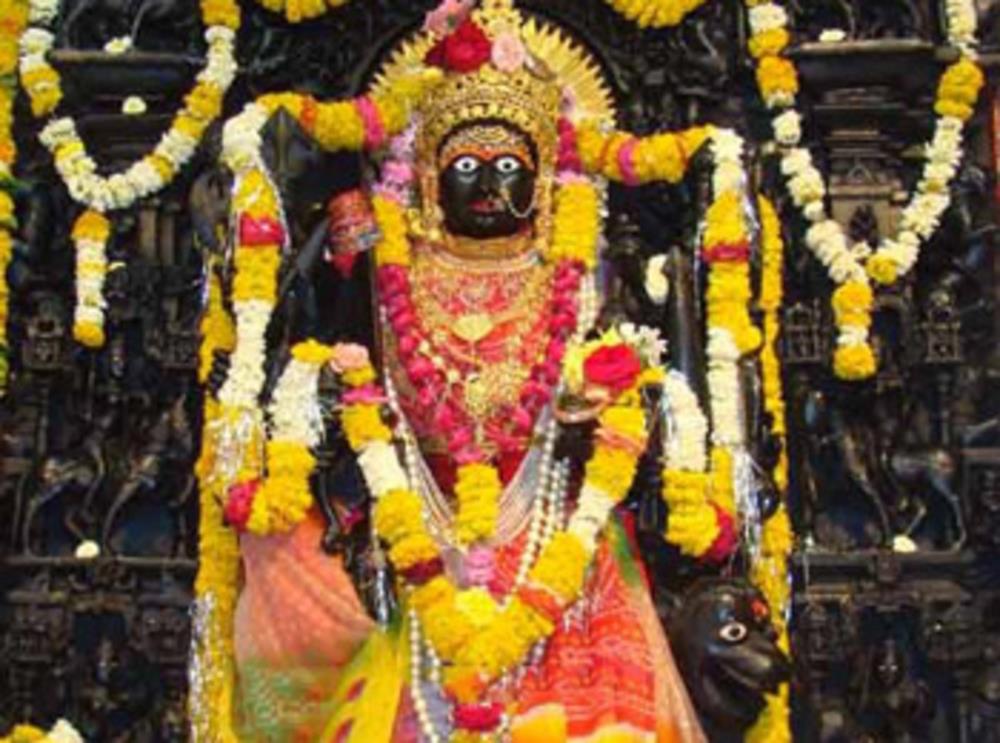
Unlike most Shakti Peethas, there is no dedicated temple structure for Goddess Chandrabhaga. The confluence of rivers itself is considered the sacred site. While the main shrine is absent, there are remnants of old temples in the vicinity. These include the Sitaleshwar Temple, Shiva Temple, Vishnu Temple, Kalika Devi Temple, also known as Navadurga Temple, and a Ganesha Mandapa. A banyan tree at the site is considered highly auspicious. It’s believed to symbolise the Trimurti of Lord Vishnu, Lord Shiva, and Lord Brahma, and is associated with life, fertility, and wish-fulfillment. The focus of devotion here is the river itself, with devotees considering the act of bathing in the Chandrabhaga as a sacred ritual. During the reconstruction of the Somnath Jyotirlinga, the trustees reportedly overlooked or chose not to rebuild the Devi shrine, leaving it in its current state. The month of Kartik sees a surge in devotees who come to bathe in the river and light lamps, following an ancient tradition.

The most prominent legend associated with this site is that of Chandra Dev or the Moon God. Cursed by his father-in-law Daksha Prajapati to lose his luster, Chandra came to Somnath and prayed to Lord Shiva. Pleased with his devotion, Shiva partially lifted the curse, allowing Chandra to wax and wane rather than remain permanently dimmed. In gratitude, Chandra built the first temple to Shiva at Somnath. The name Chandrabhaga is believed to have originated from this legend, representing the portion or bhaga of the moon or Chandra that was saved by Lord Shiva’s grace. One intriguing tale speaks of a Nataraja idol in the temple complex that supposedly floated in a hall with the help of magnetic walls. This was said to be part of the temple’s reconstruction in 1169 by King Kumarapala. The confluence of the three rivers – Hiran, Kapila, and Saraswati – at this spot is considered highly sacred. Each river is associated with different aspects of spirituality and purification.

The absence of a grand temple at the Chandrabhaga Shakti Peetha might initially seem perplexing, but it is this very absence that invites a deeper contemplation of the nature of divinity and worship. The sacred rivers flowing into each other, the ancient banyan tree standing sentinel, and the echoes of centuries of devotion create an atmosphere that transcends the need for man-made structures.

Bhadrakali Temple, Kurukshetra, Haryana
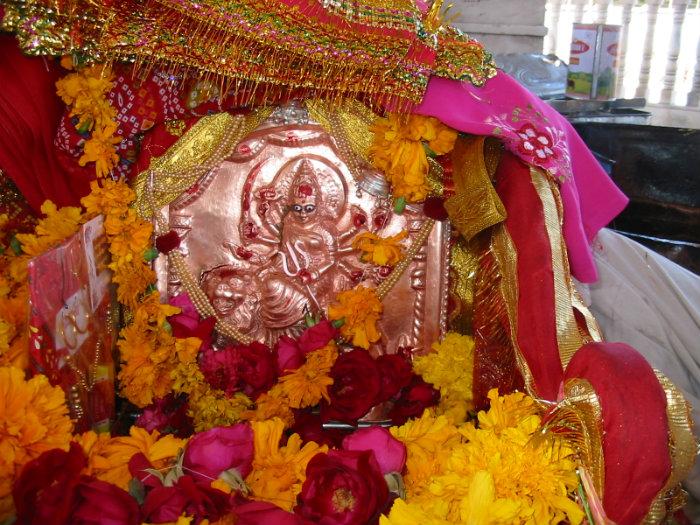
Located in the historic city of Kurukshetra, the Bhadrakali Temple, also known as Shri Devi Koop Temple, is dedicated to Goddess Bhadrakali, one of the eight forms of the Goddess Kali. The origins of the temple and its spiritual significance stretch back into unrecorded times. Archaeological evidence and ancient texts suggest that this location has been a place of worship since the times of the Mahabharata, making it one of India’s ancient temples.

The temple’s history is deeply intertwined with the epic Mahabharata. It is said that the Pandavas, the heroes of the epic, sought the blessings of Goddess Bhadrakali here before the great battle of Kurukshetra. According to tradition, it is believed that the right heel or ankle of Goddess Sati fell here.

The temple is also known by several other names, each highlighting its significance in the pantheon of Shakti worship. It is referred to as Savitri Peeth, Devi Peeth, Kalika Peeth, or Aadi Peeth. These various appellations underscore the temple’s importance in different traditions of goddess worship.

The temple is built around a well, known as Devi Koop, which is believed to be the exact spot where Sati’s ankle fell. A marble representation of the goddess’s ankle is installed in the temple, serving as a tangible reminder of the site’s Shakti Peetha status. One of the most unique aspects of this temple is the tradition of offering miniature horses. Devotees who have their wishes fulfilled offer terracotta or metal horses to the deity. The temple houses terracotta and metal horses offered by the Pandavas after their victory in the Mahabharata battle, adding to its historical significance.

The temple is open daily from 5 am to 1 pm and then again between 4 and 9 pm. One of the most significant daily rituals is the aarti, which is performed twice a day, the morning aarti between 6 and 6:40 am and the evening aarti between 7 and 7:40 pm.

The temple comes alive during its numerous festivals and special occasions. The Navratri festival sees a surge in devotees, and special pujas are performed, especially on the day of Durga Puja. The temple hosts special celebrations during Raksha Bandhan and it is believed that visiting the temple on Saturdays and worshipping the Goddess is particularly auspicious and fulfils the wishes of devotees. The temple is popular for the hair-removing ceremony of young children, believed to be connected to a similar ceremony performed for Lord Krishna and Balram at this site.
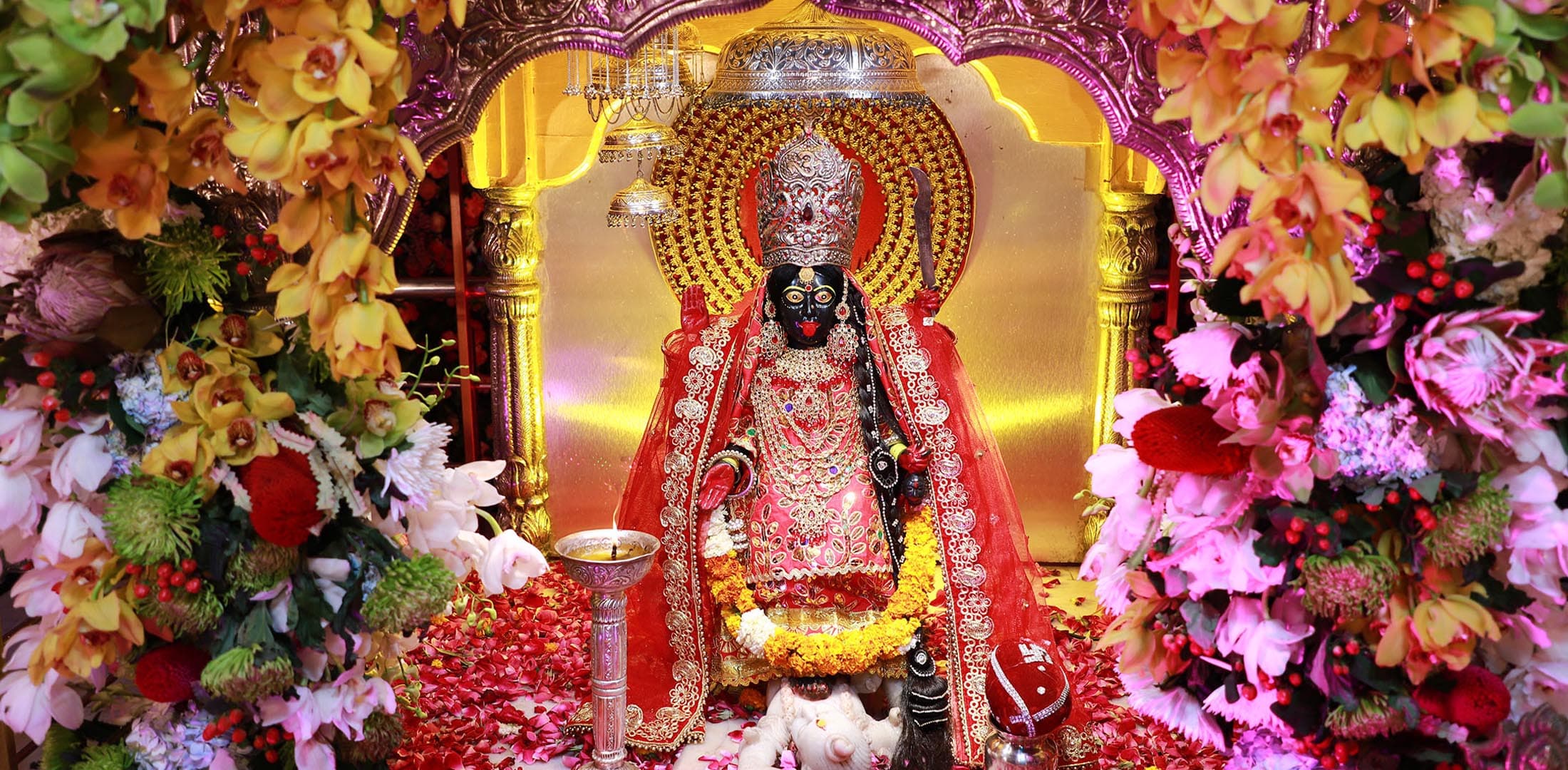
According to local lore, the Pandavas sought the blessings of Goddess Bhadrakali before the Kurukshetra War. After their victory, they returned to offer thanks and presented terracotta and metal horses to the deity. This story is the origin of the unique tradition of offering miniature horses at the temple. It is believed that the mundan or hair removal ceremony of Lord Krishna and his brother Balram was performed at this temple. This legend has made the temple a popular site for similar ceremonies for young children. A tale from the Dvapara Yuga speaks of King Mayurdhwaj, who ruled this area. Lord Krishna and Arjuna visited the king to test his charity. Krishna asked for the meat from the right side of the king’s son to feed his lion. As the king and queen prepared to fulfil this request, the Goddess appeared, blessing them with their devotion.

The temple’s significance extends beyond its religious importance. It serves as a cultural centre, preserving ancient traditions and fostering community bonds. The Bhadrakali Temple of Kurukshetra stands not just as a place of worship, but as a living link to India’s rich mythological past and a vibrant centre of contemporary devotion.

Jwaliji Temple, Kangra, Himachal Pradesh
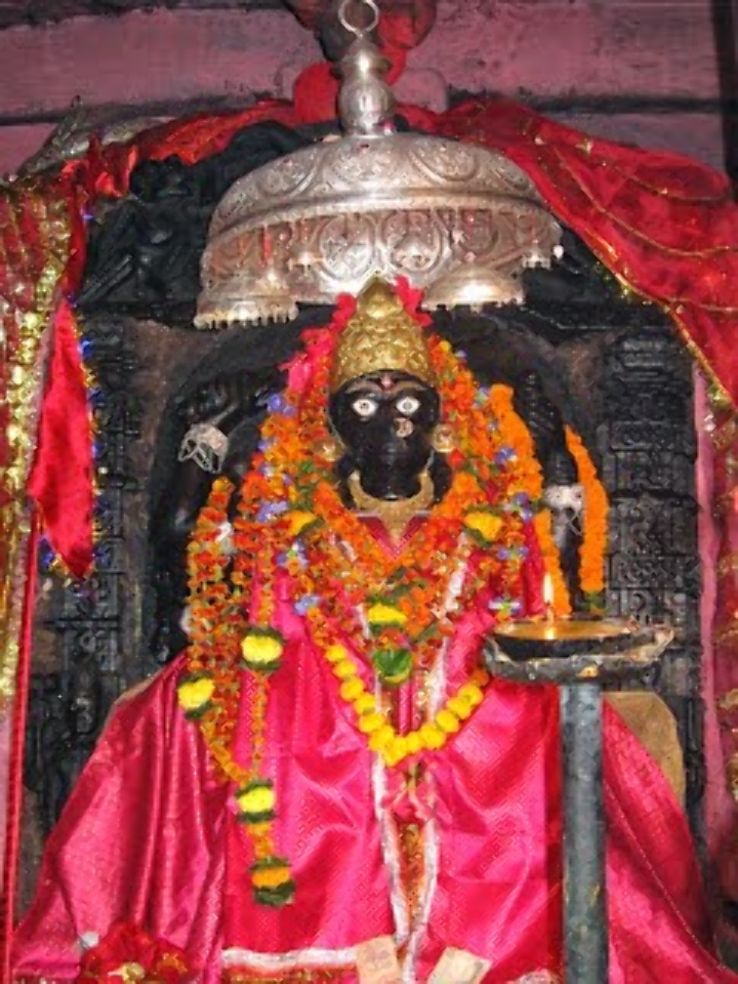
Nestled in the picturesque Kangra valley of Himachal Pradesh, the Jwalaji Temple, dedicated to the Goddess of Light, is not just a place of worship but a powerful symbol of divine feminine energy.

Also known as the Jwala Devi Temple or Jwalamukhi Temple, the Jwalaji Temple is located on Kalidhar hill in the Kangra district. The temple’s exact date of establishment remains unknown, with legends tracing its origins to various eras of Hindu mythology. The temple’s construction is attributed to Raja Bhumi Chand, the Katoch ruler of Kangra, who was a great devotee of Goddess Durga. However, the present structure of the temple was completed in 1835 by Maharaja Ranjit Singh and Raja Sansar Chand. According to tradition, it is believed that the tongue of Goddess Sati fell here, making it a powerful centre of Shakti worship.

The most unique aspect of this temple is the presence of nine natural flames that have been burning continuously for centuries. These flames emerge from the earth through fissures in the rock and are considered manifestations of the goddess. Unlike most Hindu temples, no deity or idol is worshipped here. The eternal flames themselves are considered the embodiment of the goddess. The nine flames are known by different names: Annapurna, Chandi, Hinglaj, Vindhyavasani, Mahalakshmi, Saraswati, Ambika, Anjidevi, and Mahakali. The temple features a series of domes covered with gold, creating a striking visual against the backdrop of green hills.

Navaratri is celebrated with great fervour at the temple. It attracts thousands of devotees from across India. During Navaratri, Ashtami and Navami are considered particularly auspicious for worship at the temple. Ceremonial fire sacrifices known as havans are performed in the Chachar Chowk, an open square surrounding the temple.

According to local lore, a cowherd noticed that one of his cows always returned without milk. Upon following the cow, he saw a girl emerging from the forest to drink its milk before disappearing in a flash of light. This led to the discovery of the sacred site. The Mughal Emperor Akbar, skeptical of the temple’s miraculous flames, attempted to extinguish them. He tried covering them with an iron disk and even channeling water towards them, but all attempts failed. Impressed by this divine display, Akbar presented a golden parasol or chattar to the shrine, which is said to have transformed into an unknown metal due to his initial skepticism. The mystery of the eternal flames has attracted scientific attention. Despite digging nine kilometers deep, researchers have been unable to locate the source of the natural gas fueling these flames.

Some legends associate the temple with the Pandavas, heroes of the Mahabharata epic. It is said that they renovated the temple, as evidenced by the folk song Panjan Panjan Pandavan Tera Bhawan Banaya. The temple has been mentioned in various historical accounts. Firoz Shah Tughlaq is said to have translated a book from the temple’s library of 1300 volumes. Emperor Jahangir, after capturing Kangra fort in 1620 AD, also visited and mentioned this temple.

As one stands in the temple courtyard, surrounded by centuries of devotion and the mesmerising sight of the eternal flames, one can’t help but feel a connection to the spiritual heritage.
Vajreshwari Temple, Nagarkot, Himachal Pradesh
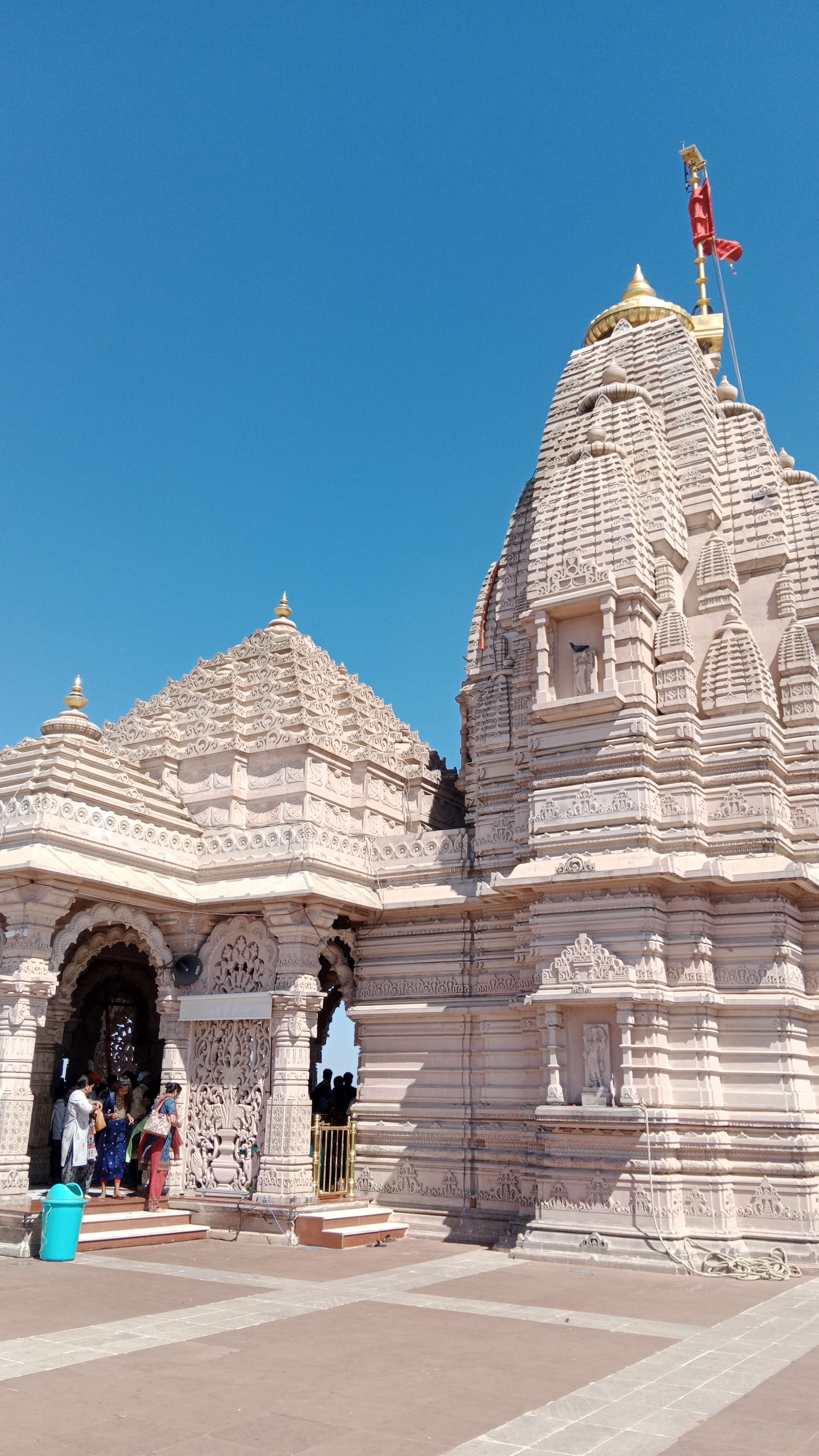
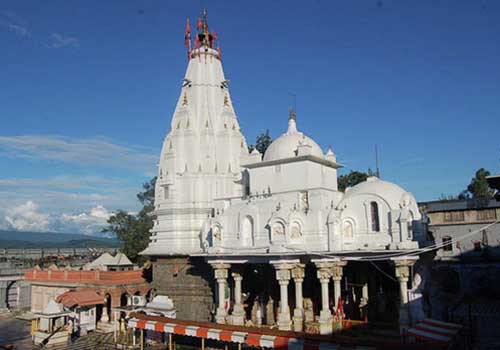
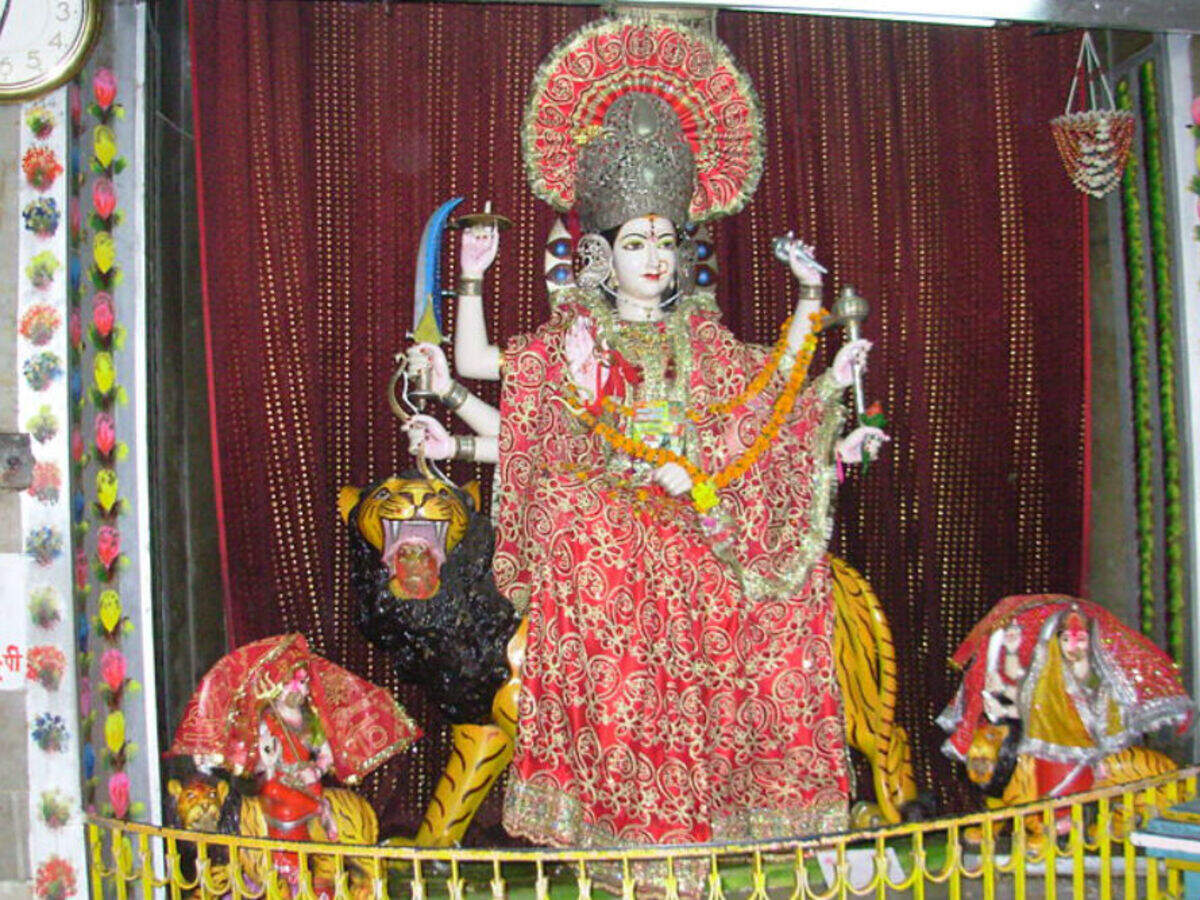
Located in the picturesque town of Nagarkot in Kangra district, the Vajreshwari Temple, dedicated to Goddess Vajreshwari is also known as Kangra Devi Mandir or Nagarkot Devi Temple. While the exact date of the temple’s establishment remains unknown, legends trace its roots to the epic era of the Mahabharata.

According to tradition, the original temple was built by the Pandavas. As the legend goes, the Goddess appeared to the Pandavas in a dream, revealing her presence in Nagarkot and instructing them to construct a temple for her protection. The Pandavas promptly built a magnificent shrine on the site, establishing what would become one of the most revered temples in the region.

However, the temple’s history is not one of uninterrupted peace. Over the centuries, it faced numerous challenges and destructions. Most notably, the infamous ruler Mohammed Ghazni is said to have looted the temple at least five times, drawn by its immense wealth of gold and silver. Despite these setbacks, the temple’s spiritual significance never waned, and it was always rebuilt and restored.
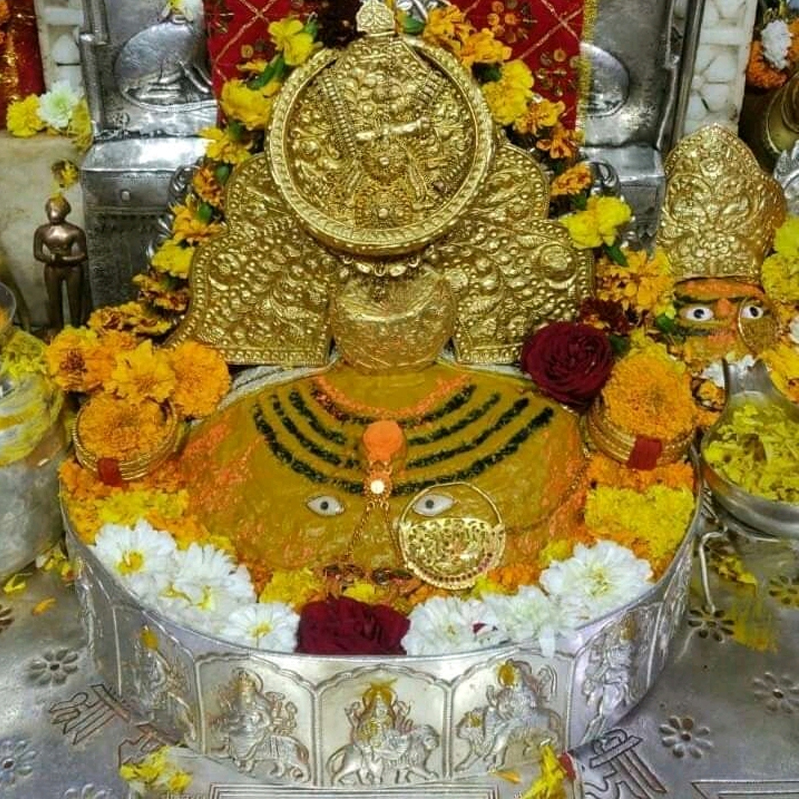
The present structure of the temple dates back to 1920. In 1905, a powerful earthquake had reduced the previous temple to ruins. However, it was reconstructed and restored to its former glory. According to tradition, this site marks the spot where the right breast of Goddess Sati fell. The name Vajreshwari is significant, literally meaning the lady of the thunderbolt, hinting at the goddess’s fierce and protective nature. The bhairava associated with the temple is Abhirunatheshwar, while the Shakti is Jayadurga Devi.

The temple is surrounded by a stone wall, reminiscent of a fort. This unique architectural feature not only adds to the temple’s grandeur but also speaks to its historical importance and the need for protection in turbulent times. Unlike many Hindu temples with elaborate idols, the main deity in the Vajreshwari Temple is present in the form of a Pindi. This abstract representation of the goddess adds to the mystical atmosphere of the shrine. Within the temple complex, there is a small shrine dedicated to Bhairav. This presence of Bhairav, a fierce manifestation of Lord Shiva, is typical of Shakti Peethas and symbolises the union of Shiva and Shakti energies.

In front of the main temple, an idol of Dhayanu Bhagat stands. According to local lore, Dhayanu Bhagat offered his head to the Goddess during the time of Akbar. Uniquely, the temple compound houses three tombs. While the significance of these tombs is not explicitly mentioned in the available sources, their presence adds an intriguing historical element to the temple complex.

One unique ritual associated with this temple occurs during Makar Sankranti, which falls in the second week of January. According to legend, after slaying the demon Mahishasura in battle, the Goddess sustained some injuries. To heal these wounds, she applied butter to her body in Nagarkot. To commemorate this event, the Pindi of the Goddess is covered with butter during Makar Sankranti, and the festival is celebrated for a week in the temple.

As mentioned earlier, the temple’s origin is linked to a divine dream of the Pandavas. This connection to the heroes of the Mahabharata adds a layer of epic significance to the shrine. Another legend speaks of a demon named Kalikala or Kalikut who terrorised humans, saints, and even gods in the region. The gods and sages, led by sage Vashista, performed a Chandi yajna to please Goddess Parvati. During this yajna, an offering was not given to Indra, enraging him. Indra hurled his Vajra or thunderbolt at the yajna, terrifying everyone. The Goddess then appeared, swallowed Indra’s weapon, and killed the demon. From this event, she came to be known as Vajreshwari Devi.

In a variation of the above legend, it’s said that when Indra hurled his Vajra at the demon Kalikala, the demon broke it into pieces. From these pieces, Vajra Devi appeared and slew the demon, hence earning the name Vajreshwari. The temple’s history of being looted multiple times by Mohammed Ghazni speaks to its immense wealth and importance. Despite these setbacks, the temple’s spiritual significance never diminished, and it was always restored. The presence of Dhayanu Bhagat’s idol in the temple complex hints at another intriguing story. It’s said that Dhayanu Bhagat offered his head to the Goddess during the time of Mughal Emperor Akbar.
As one stands in the temple courtyard, surrounded by centuries of devotion and the echoes of ancient rituals, one can’t help but feel a connection to the spiritual heritage that has shaped this land for millennia. The temple’s resilience in the face of natural disasters and human invasions is a testament to the enduring power of faith.

Sustainable Gastronomy Day

Sustainable Gastronomy Day, celebrated annually on June 18, is an initiative established by the United Nations to raise awareness about the importance of sustainable food practices. This day emphasises the role of gastronomy in promoting food security, preserving biodiversity, and fostering agricultural development. It serves as a platform to highlight how sustainable gastronomy can contribute to achieving sustainable development goals (SDGs) globally.

Sustainable gastronomy is a concept that intertwines culinary practices with environmental consciousness. It refers to food systems that prioritise local sourcing, seasonal ingredients, and traditional cooking methods. This approach not only minimises waste but also supports local economies and preserves cultural heritage.

Key elements of sustainable gastronomy include local sourcing and emphasising the use of ingredients that are grown or produced in the local area; seasonal eating by the encouragement of the consumption of foods that are in season, which reduces the carbon footprint associated with transportation, waste reduction by implementing practices that minimise food waste throughout the supply chain, and conserving biodiversity by supporting agricultural practices that protect diverse ecosystems and promote the conservation of local species.

The significance of sustainable gastronomy has become increasingly apparent in light of global challenges such as climate change, food insecurity, and biodiversity loss. By adopting sustainable culinary practices, individuals and communities can contribute to a healthier planet and a more equitable food system.

The relevance of sustainable gastronomy is underscored by several pressing global issues:

  • Food Security: An estimated one-third of all food produced globally is wasted, so sustainable gastronomy plays a vital role in addressing food security challenges. Reducing waste can help ensure that more food reaches those in need, thereby alleviating hunger.
  • Environmental Impact: The food production system is a significant contributor to greenhouse gas emissions, deforestation, and water pollution. Sustainable gastronomy encourages practices that mitigate these impacts, such as organic farming and responsible sourcing.
  • Cultural Heritage: Gastronomy is not just about food; it is a reflection of cultural identity and heritage. Sustainable gastronomy promotes the preservation of traditional cooking methods and local cuisines, fostering cultural diversity.
  • Health Benefits: Eating locally sourced and seasonal foods often leads to healthier diets rich in nutrients while reducing reliance on processed foods laden with preservatives.

Sustainable Gastronomy Day was officially established by the United Nations General Assembly on December 21, 2016. The first observance took place on June 18, 2017. This initiative was launched to recognise gastronomy as a form of cultural expression linked to the natural and cultural diversity of the planet. The day aims to promote awareness about how sustainable gastronomy can contribute to achieving various SDGs, including poverty reduction, health and well-being, responsible consumption, and climate action. The collaboration between organizations such as UNESCO and the Food and Agriculture Organization (FAO) ensures that Sustainable Gastronomy Day is observed globally with educational initiatives and events.

Looking ahead to 2025, the theme for Sustainable Gastronomy Day is “More Taste, Less Waste.” This theme emphasises the importance of flavour while promoting innovative approaches to reduce food waste within culinary practices. The initiative will encourage chefs, restaurants, and consumers to explore creative ways to utilise all parts of ingredients and minimise waste through thoughtful meal planning and preparation techniques. The theme aligns with ongoing efforts to highlight the economic and environmental benefits of reducing food waste while celebrating culinary creativity. Events such as Sustainable Gastronomy Restaurant Week will be part of this initiative, showcasing how chefs can offer delicious meals without compromising sustainability principles.

Sustainable Gastronomy Day reminds us of the interconnectedness between our food systems, cultural heritage, and environmental sustainability. By embracing sustainable gastronomic practices, we can contribute to a healthier planet while enjoying diverse culinary experiences.

Short Story: The Forbidden Forest Adventure

Benji, Salman, Atharva, and Thomas sat on the steps of their primary school, sweat beading on their foreheads in the sweltering June heat. The school grounds were eerily quiet, a stark contrast to the usual cacophony of children’s laughter and shouts. It was the middle of the school holidays, and most of their classmates were at home, enjoying a well-deserved break from the rigorous PSLE preparation that had consumed their lives for months.

“I can’t believe we’re spending our holiday studying,” Benji groaned, closing his math textbook with a thud. “My brain feels like it’s going to explode.” Salman nodded in agreement, absentmindedly doodling in the margins of his science notes. “Yeah, but we can’t slack off now. The PSLE is just a few months away.”

Atharva stretched his arms above his head, his eyes wandering to the dense forest that bordered their school. “You know what we need? An adventure. Something to take our minds off all this studying.” Thomas followed Atharva’s gaze, a mischievous glint in his eye. “Are you thinking what I’m thinking?”

The four boys exchanged knowing looks, a mix of excitement and apprehension coursing through their veins. They all knew what Thomas was suggesting – the forbidden forest. “But we’re not allowed in there,” Salman protested weakly, even as he began packing up his books. “Come on, Salman,” Benji urged, already on his feet. “We’ve been cooped up studying for weeks. What’s the harm in a little exploration?” With a collective nod, the boys made their decision. They quickly gathered their belongings and headed towards the forest’s edge, glancing over their shoulders to ensure no teachers were around to catch them.

As they stepped into the cool shade of the trees, a sense of exhilaration washed over them. The forest was a world apart from their orderly school life – wild, mysterious, and full of possibilities. “This is so cool,” Thomas whispered, his eyes wide as he took in the lush greenery surrounding them. They walked deeper into the forest, the sounds of civilisation fading behind them. The air grew thick with humidity, and the chirping of birds and rustling of leaves created a natural symphony.

After about twenty minutes of walking, Atharva suddenly stopped in his tracks. “Guys, look at that!” he exclaimed, pointing to something partially hidden beneath a tangle of vines. The boys crowded around, their curiosity piqued. As they brushed away the foliage, they gasped in unison. There, half-buried in the earth, was what appeared to be an old metal container.

“What is it?” Salman asked, his voice hushed with awe. Benji knelt down examining the object closely. “It looks like… a World War II relic,” he said, his voice filled with excitement. “Remember those pictures we saw in our history textbook?” Thomas nodded eagerly. “Yeah, from the Japanese occupation! This must be from that time.”

With renewed energy, the boys began to clear away more of the surrounding vegetation. As they worked, the full extent of their discovery became clear. It wasn’t just a single container – they had stumbled upon what appeared to be a small cache of World War II artefacts.

“Look, there’s some kind of insignia on this one,” Atharva pointed out, brushing dirt off a rusty metal box. Salman peered at it, his brow furrowed in concentration. “It looks like the Imperial Japanese Navy symbol. We learned about that in class, remember?” As the boys continued to unearth more items, their excitement grew. They found old canteens, a tarnished compass, and even what looked like parts of an old radio.

“This is incredible,” Benji breathed, carefully turning over a weathered leather pouch in his hands. “It’s like we’ve discovered a piece of history.” But as they delved deeper into their find, Thomas suddenly let out a yelp of pain. “Ouch!” he cried, jerking his hand back from one of the containers. “What happened?” Salman asked concern etched on his face.

Thomas held up his hand, revealing a small cut on his palm. “I think I cut myself on something sharp inside that box,” he explained, wincing. The mood suddenly shifted as the reality of their situation sank in. They were in a forbidden area, handling potentially dangerous artefacts from a war that had ended decades before they were born.

“Maybe we should go back,” Salman suggested, his earlier reservations returning. “We don’t know if these things are safe to touch.” Atharva nodded in agreement. “Yeah, and what if there’s unexploded ordnance or something? We learned about that in history class too.” The boys looked at each other, their earlier excitement now tempered with fear. They had been so caught up in their discovery that they hadn’t stopped to consider the potential dangers. “But we can’t just leave it here,” Benji argued. “This could be important. What if it gets destroyed or someone else finds it and doesn’t report it?”

As they debated what to do, they heard a sound that made their blood run cold – voices coming from the direction of the school. “Oh no,” Thomas whispered, his eyes wide with panic. “Someone’s coming!” The boys scrambled to gather their belongings, their hearts pounding in their chests. But as they prepared to flee, Benji made a split-second decision.

“We have to tell someone about this,” he said firmly. “It’s the right thing to do.” Despite their fear of punishment, the others nodded in agreement. They couldn’t just pretend they hadn’t made this significant discovery. With trepidation, they made their way towards the approaching voices. As they emerged from the treeline, they came face to face with Mr. Tan, their history teacher, and Mr. Lee, the school’s discipline master.

“Boys!” Mr. Lee exclaimed, his face a mixture of relief and anger. “What on earth are you doing in there? You know the forest is off-limits!” Before any of them could respond, Benji stepped forward. “Sir, we’re sorry for breaking the rules, but we found something important in the forest. We think it’s from World War II.”

Mr. Tan’s eyebrows shot up in surprise. “World War II relics? Are you sure?” The boys nodded vigorously, and Atharva added, “There are containers with the Imperial Japanese Navy symbol and lots of old equipment.” Mr. Tan and Mr. Lee exchanged glances, their anger giving way to curiosity and concern.

“Show us,” Mr. Tan said firmly. The boys led the teachers back to their discovery site. As Mr Tan examined the artefacts, his expression grew increasingly serious. “This is indeed a significant find,” he said, carefully inspecting one of the containers. “These appear to be genuine World War II relics, possibly from a Japanese naval outpost or supply cache.”

Mr. Lee, who had been silent until now, spoke up. “Boys, while I’m impressed by your discovery, I hope you understand the gravity of your actions. Entering the forest was not only against school rules but potentially very dangerous.” The four friends hung their heads, the weight of their transgression settling on their shoulders.

“However,” Mr. Lee continued, his tone softening slightly, “your decision to come forward and report your find was the right one. It shows responsibility and maturity.” Mr. Tan nodded in agreement. “Indeed. This discovery could be of historical importance. We’ll need to contact the proper authorities to handle these artefacts safely.”

Over the next few hours, the quiet school became a hive of activity. Police were called, and soon after, a team from the National Heritage Board arrived to assess the discovery. The boys watched in awe as professionals carefully excavated and documented each item they had stumbled upon.

As the day wore on, the full significance of their find became clear. The cache contained not only military equipment but also personal effects and documents that offered new insights into the Japanese occupation of Singapore during World War II.

Dr Lim, the lead archaeologist from the National Heritage Board, approached the boys with a smile. “You’ve made an incredibly important discovery,” she told them. “These artefacts will help us better understand a crucial period in our nation’s history.” Despite their initial fear of punishment, the boys found themselves at the centre of attention, recounting their adventure to officials and even a few reporters who had gotten wind of the story.

As the sun began to set, Mr. Lee gathered the boys for a final word. “While I can’t condone your breaking of school rules,” he began, his tone stern but not unkind, “I am proud of how you handled the situation once you realised the importance of your discovery.”

He paused, looking each boy in the eye. “There will be consequences for entering the forbidden area – you’ll each write an essay on the importance of following rules and the potential dangers of unexplored areas.” The boys nodded, accepting their punishment without complaint.

“However,” Mr. Lee continued, a small smile playing at the corners of his mouth, “in light of the significance of your find, I think we can arrange for you to be involved in the research process if you’re interested. It would be an excellent learning opportunity.” The boys’ faces lit up at this unexpected turn of events. What had started as a reckless adventure had turned into something far more meaningful.

In the weeks that followed, Benji, Salman, Atharva, and Thomas found themselves balancing their PSLE preparations with visits to the Heritage Board, where they learned more about the artefacts they had discovered and the historical context surrounding them. Their find made headlines in local newspapers, and they even featured in a short segment on the evening news. At school, they went from being known as troublemakers to local heroes, with younger students looking up to them in awe.

As the new school term began and the PSLE loomed closer, the boys found themselves changed by their summer adventure. They approached their studies with renewed vigour, understanding now more than ever the importance of knowledge and the excitement of discovery.

On the eve of their PSLE, as they gathered for one last study session, Benji looked around at his friends with a grin. “You know,” he said, “I never thought I’d say this, but I’m kind of glad we broke the rules that day.” The others laughed, nodding in agreement. “Just don’t make a habit of it,” Salman quipped, earning more chuckles from the group.

As they turned back to their books, each boy silently reflected on their extraordinary adventure. They had learned valuable lessons about responsibility, the importance of history, and the unexpected places where knowledge can be found. And as they faced the challenge of the PSLE, they did so not just as students, but as young explorers who had already made their mark on the world.

Sacred Stones, Spaces, and Stories: Shakthipeeta Part 6

Danteshwari Temple, Dantewada, Chhattisgarh
Dedicated to Goddess Danteshwari, the Danteshwari Temple located in the heart of Dantewada in Chhattisgarh is not just a place of worship but a powerful symbol of divine feminine energy and a crucial component of the spiritual landscape of the region.

The Danteshwari Temple was established in the 14th century, though this location has been a place for millennia according to archaeological evidence and ancient texts. The temple’s construction is attributed to the lords of Chindak Nagvanshi of Bastar. An inscription discovered in an archaeological site called Jatanpal reveals that in 1224 Devi Manikeswari was the tutelary deity of King Narsingh Jagdek Bhushan of the Chindak Nagvanshi dynasty. The Bhairamgarh inscription further indicates that the Goddess Danteswari was known as Manikeswari Devi at that time. The temple underwent significant repairs and renovations in the 14th century by Annamdev, the brother of Prataprudra of Warangal.

According to tradition, the temple marks the spot where the tooth or Daanth of Goddess Sati fell after her body was dismembered. At the Danteshwari Temple, the Bhairava presence is unique and intriguing. There is a Bhairav Temple located within the larger Danteshwari Temple complex. Initially, this Bhairav Temple was separate from the main shrine. However, with the construction of the Natamandap, the Bhairav Temple was incorporated into the main structure and still stands today.

Interestingly, two large idols of Bhairo Baba are installed on both sides outside the sanctum. These four-armed idols represent Bhairav Baba, who is considered the bodyguard of Maa Danteshwari. According to Vijendra Jiya, the nephew of the head priest, it is customary for devotees to visit Bhairav Baba after having the darshan of the goddess. It is believed that if devotees please Bhairav Baba, he conveys their wishes to the mother, leading to the swift fulfilment of their desires.

The temple is divided into four parts: the Garbh Griha or the sanctum sanctorum, the Maha Mandap, the Mukhya Mandap, and the Sabha Mandap. The Garbha Griha and Maha Mandap were constructed with stone pieces. The main idol of Goddess Danteshwari is chiselled out of black stone, and a Garuda Pillar stands prominently in front of the temple entrance, serving as a distinctive architectural element. The temple is located in a spacious courtyard surrounded by massive walls with the temple spire or shikhara adorned with intricate sculptural work. There are two Danteshwari temples – one in Dantewada and another in Jagdalpur. While the idol in Dantewada is black, the one in Jagdalpur is white, offering a unique duality in the goddess’s representation.

Throughout the day, multiple pujas are offered to the deity at specific times, accompanied by the chanting of hymns and recitation of sacred texts. These rituals are conducted with precision and adherence to traditional practices. The nine-night Navratri festival is celebrated with great fervour. Devotees participate in elaborate rituals, and the temple sees a surge in visitors seeking the goddess’s blessings.

The Danteshwari Temple is at the heart of the famous Bastar Dussehra celebrations. Unlike the traditional 10-day festival, Bastar Dussehra is a unique 75-day celebration. During this time, the idol of Goddess Danteshwari is taken out of the ancient temple and carried around the city in an elaborate procession, attracting thousands of devotees and tourists. During Navaratri, devotees participate in the Jyoti Kalash Sthapana ritual. This paid process involves lighting lamps in the name of family members and loved ones. In recent years, the temple has hosted over 5,500 Kalash Sthapanas.

Jogi Baithai is a unique ritual involving members of the Halda caste from specific villages becoming jogis or ascetics. The Maharaja himself initiates this ritual, which includes the sacrifice of seven Mangur fish. The jogi observes a strict fast for nine days, neither eating, drinking, nor attending to bodily functions. The temple conducts special worship three times a year – during Shardiya Navratri, Chaitra Navratri, and Phagun Madai, also known as the third Navratri. Every year, more than 7,000 ghee and oil lamps are lit in the temple. Devotees from abroad also participate in this ritual, lighting lamps for nine days.

According to legend, this temple marks the spot where the tooth of Goddess Sati fell during Lord Shiva’s cosmic dance of destruction. This event is said to have occurred in the Satya Yuga, the first of the four yugas in Hindu cosmology. Goddess Danteshwari is traditionally revered as the Kuldevi or family goddess of the Bastar state. The town of Dantewada itself is named after Goddess Danteshwari. Ancient inscriptions suggest that the goddess was initially known as Manikeswari Devi before being recognised as Danteshwari.

Another fascinating story ties the temple to King Annamdev, a 14th-century ruler who is credited with establishing the Bastar kingdom. According to legend, Annamdev was blessed by Goddess Danteshwari with a boon that allowed him to define his kingdom’s boundaries. The goddess instructed him that the territory he could cover while walking with his head held high would become his domain. During his journey, Goddess Danteshwari followed him to protect him, and he could hear her anklets as she walked behind him. However, when he reached a riverbed filled with sand, he could no longer hear her anklets and doubted whether she was still accompanying him. Overcome by curiosity, he turned around—breaking the condition set by the goddess. At that moment, Danteshwari stopped following him but blessed him and vowed to protect his descendants for 22 generations. She also gifted him a piece of fine cloth and declared that the area covered by it would mark his kingdom’s borders.

The Danteshwari Temple is uniquely situated at the confluence of two rivers: Shankini and Dhankini, which are considered sacred by devotees. According to local lore, these rivers were created from two streams of divine energy emanating from Goddess Danteshwari herself. They represent her nurturing and protective aspects. A lesser-known legend states that during ancient times, these rivers were believed to have healing properties due to their divine origin. Devotees who bathed in their waters or drank from them were said to be cured of ailments and cleansed of sins. Even today, pilgrims consider this confluence a sacred spot for purification rituals before entering the temple.

As one stands in the temple courtyard, surrounded by centuries of devotion and the echoes of ancient rituals, one can’t help but feel a connection to the spiritual heritage that has shaped this land for millennia.

Arasuri Ambaji Temple, Ambaji, Gujarat
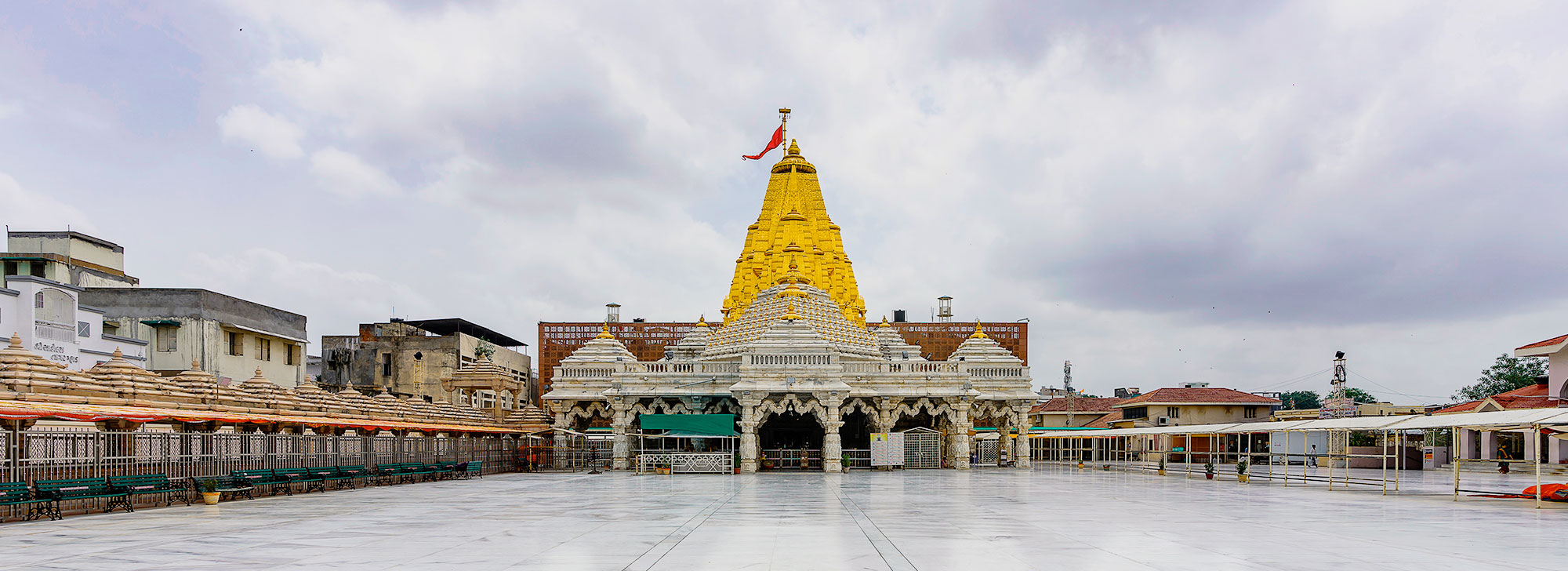
Nestled in the Arasur hills of Gujarat’s Banaskantha district, the Arasuri Ambaji Temple is dedicated to Goddess Ambaji. Archaeological evidence and ancient texts suggest that this location has been a place of worship since the pre-Vedic period. The temple’s antiquity is so profound that its exact date of establishment remains unknown. The original temple is believed to have been built atop the Gabbar Hillock, which is considered the true seat of the goddess. This hilltop shrine continues to be maintained, with a lamp burning continuously, day and night. According to tradition, this site marks the spot where the heart of Goddess Sati fell.

Unlike most Hindu temples, the Arasuri Ambaji Temple does not house an idol of the goddess in its sanctum sanctorum. Instead, a sacred geometric diagram known as the Shree Visa Yantra is the main object of worship. This Vedic text on sacred geometry is fixed on a gold-plated marble inscription in a niche or gokh within the inner sanctum. It is believed to be so powerful that it cannot be photographed and is only worshipped after bandaging the eyes.

The temple, made of white marble with gold cones, was originally built by Nagar Brahmins. It features a main entrance in the front and only a small side door, as it is believed that the goddess has forbidden the addition of any other door. The temple is surrounded by an open square called Chachar Chowk, where ceremonial sacrifices known as havans are performed. The temple complex includes two shrines – the main temple in Ambaji town and the original hilltop shrine on Gabbar Hill.

The temple follows a strict schedule, opening its doors to devotees from 7 to 11:30 am, then from 12:30 to 4:30 pm, and again between 6:30 to 9 pm every day of the week. A grand fair, Bhadarvi Purnima Mela, is held on the full moon day of Bhadrapada month, attracting devotees from all over the country. The nine-night festival of Navratri is celebrated with great fervour, featuring garba dances and bhavai theatre performances by the Nayak and Bhojok communities. Every full moon day, a large number of devotees throng the temple to offer worship and attend the fair held outside. During Navaratri, devotees participate in the Jyoti Kalash Sthapana, a ritual where they light lamps in the name of family members and loved ones.

A fascinating local legend tells of a king from Danta who fervently prayed to Goddess Ambaji, requesting her to move from her original abode on Gabbar Hill to his town. The goddess agreed to his request on one condition: he must lead her down the hill without looking back even once. As he descended the hill, he could hear the sound of her anklets following him, reassuring him of her presence. Unable to resist his curiosity, the king peeped back, causing the goddess to stop at the current temple site. To this day, devotees consider their pilgrimage incomplete without visiting both the temple in Ambaji town and Gabbar Hill, where a sacred lamp burns perpetually.

It is said that Lord Rama and Lakshmana visited the ashram of Shrungi Rishi during their search for Sita. They were advised to worship Devi Ambaji at Gabbar, where the goddess bestowed upon Rama a miraculous arrow named Ajay, which helped him defeat Ravana. Legend also has it that the hair-removal ceremony or mundan of the infant Krishna was performed on Gabbar Hill in the presence of his foster parents, Nand and Yashoda.

The renowned Rajput king Maharana Pratap was a devoted follower of Arasuri Amba Bhawani. Once saved by the goddess, he gifted his famous sword to her holy feet. According to the Mahabharata, Princess Rukmini worshipped Mata Ambica on Gabbar Hill to invite Lord Krishna to abduct her from her swayamvar. The goddess granted her wish, allowing her to marry Krishna against her family’s wishes.

The Arasuri Ambaji Temple, with its blend of myth, history, and living faith, continues to be a powerful force in Gujarat’s religious landscape, inviting all who visit to partake in its timeless spiritual journey.

Kaali Mandir, Champaner Pavagadh Archaeological Park, Gujarat
Located in the Champaner-Pavagadh Archaeological Park, the Kalika Mata Temple is dedicated to Goddess Kali. Archaeological evidence and ancient texts suggest that this location has been a place of worship since the 10th or 11th centuries. The temple’s antiquity is so profound that it is considered the oldest in the area, predating many of the other structures in the Champaner-Pavagadh complex.

Initially, the Goddess Kalika Mata was worshipped by the local Bhil and Koli people, indigenous tribes of the region. The temple’s significance grew over time, and it was mentioned in the Gangadas Pratap Vilasa Natakam, a 15th-century drama. According to tradition, this site marks the spot where the right toe of Goddess Sati fell.

The temple houses a Kali yantra, a sacred geometric diagram used for worship. This yantra is considered a powerful representation of the goddess. The temple showcases a blend of architectural styles, reflecting its long history and the various influences it has absorbed over time. Situated at the summit of Pavagadh Hill, the temple offers breathtaking views of the surrounding landscape. The temple contains three goddess images: Mahakali Mata in the centre, Kali on the right, and another form on the left. The path to the temple, known as the Patha, is considered the soul of Champaner. It consists of thousands of steps and various decorative and functional structures along the way. One unique aspect of worship here is the tradition of devotees worshipping by beating bell-metal symbols. This practice adds a distinctive auditory element to the devotional atmosphere of the temple.

The temple comes alive during its numerous festivals and special occasions. Navaratri, the nine-night festival is celebrated with great fervour at the temple. It attracts lakhs of devotees from across Gujarat. The temple becomes a hub of activity, with special pujas performed each day to honor the nine forms of the goddess. The Chaitra Purnima Fair is held each year on the full moon of Chaitra, usually in April. Durga Puja which is celebrated in the month of Ashwin or September-October, during the Navaratri festivities, commemorates the triumph of Goddess Durga over the buffalo demon Mahishasura. Mahashivaratri is celebrated in the last week of February, is reminiscent of Lord Shiva bringing Goddess Parvati with him. A grand celebration is arranged by priests and the temple committee.

According to local legend, Sage Vishwamitra constructed an idol of Maa Kalika at the Pavagadh Temple. Locals believe that Vishwamitra’s power brought abundant blessings to the region. Faith-based legend suggests that Pavagadh Hill was formed when God sent a large hill to fill a deep valley created by the falling of Sati’s foot. This was done at the request of Rishi Vishwamitra to prevent his sacred cows from falling into the valley.

The temple has faced its share of historical challenges. In the 15th century, Mahmood Begda captured Pavagadh and damaged the temple, destroying its shikhara or temple spire. As an act of further insult, a Dargah was built directly next to the shikhara in the garbhagrih, the sanctum sanctorum. In recent times, the dargah was peacefully relocated nearby and in 2022, the temple underwent renovations, including the construction of a new shikhara.

The Kalika Mata Temple, with its blend of myth, history, and living faith, continues to be a powerful force, inviting all who visit to partake in its timeless spiritual journey.

International Albinism Awareness Day

Albinism is a genetic condition characterised by the absence or reduction of melanin, the pigment responsible for colouring skin, hair, and eyes. Individuals with albinism typically exhibit very light skin, hair, and eye colours that are significantly lighter than those of their peers. The condition can also lead to various vision problems due to the lack of pigmentation in the eyes.

There are several types of albinism, but the most common form is Oculocutaneous Albinism (OCA), which affects both skin and eyes. Individuals with OCA are at a higher risk for skin cancer due to their lack of melanin protection against ultraviolet (UV) rays. This makes sun protection essential for their health. Common signs of albinism include pale skin and hair, light-coloured eyes that may appear pink or light blue, and vision problems such as sensitivity to light (photophobia), nystagmus (involuntary eye movement), and strabismus (crossed eyes).

International Albinism Awareness Day (IAAD) is observed annually on June 13, a date that holds significant historical importance as it marks the adoption of the first United Nations resolution addressing the rights of individuals with albinism. The journey toward establishing IAAD began in 2013 when the United Nations Human Rights Council adopted a resolution focusing on the human rights of people with albinism. This resolution was a response to alarming reports of violence and discrimination against individuals with albinism, particularly in parts of Africa where misconceptions about their condition led to horrific acts, including murder and mutilation for superstitious beliefs.

On December 18, 2014, the UN General Assembly officially proclaimed June 13 as International Albinism Awareness Day, with the first celebration taking place in 2015. The day serves as a platform to raise awareness about the challenges faced by people with albinism and to promote their rights globally.

IAAD plays a crucial role in advocating for the rights and dignity of individuals with albinism. It aims to combat stigma and discrimination while promoting understanding and acceptance within society. The observance encourages dialogue about the challenges faced by people with albinism. Individuals with albinism have an increased risk of skin cancer due to UV exposure. Access to healthcare resources like sunscreen and regular check-ups is often limited in many regions. Misunderstandings about albinism can lead to social exclusion and discrimination. Many individuals face bullying or ostracization due to their appearance. In some countries, particularly in Africa, people with albinism are targeted for violent acts based on superstitions regarding their bodies. By raising awareness on this day, advocates aim to foster a more inclusive society that recognises and respects the rights of all individuals, regardless of their physical differences.

The theme for International Albinism Awareness Day in 2025 is “Still Standing Strong.” This theme emphasises resilience among individuals with albinism and calls for continued advocacy against discrimination and violence. It reminds us that despite facing numerous challenges, people with albinism continue to stand strong in their fight for equality and recognition.

The International Albinism Awareness Day serves as an essential reminder of the ongoing struggles faced by individuals with albinism worldwide. By understanding the origins of this observance, recognising what albinism entails, and acknowledging its significance in promoting human rights, we can contribute to creating a more inclusive world where diversity is celebrated rather than marginalised. Through continued education, advocacy, and solidarity on this important day, we can help ensure that individuals with albinism are treated with dignity and respect, paving the way for a brighter future free from discrimination.