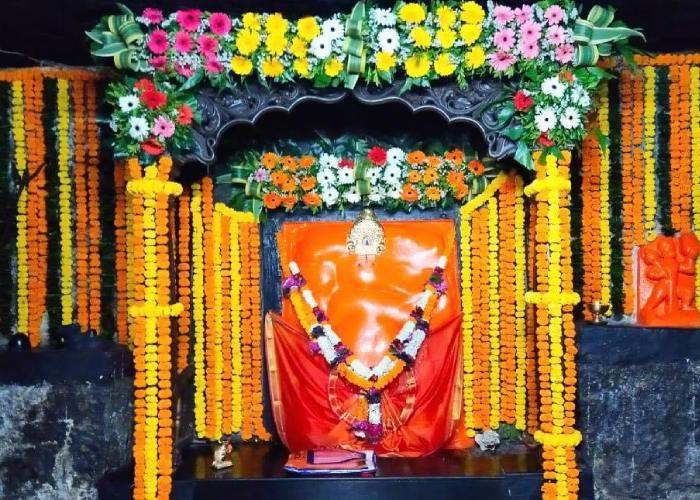
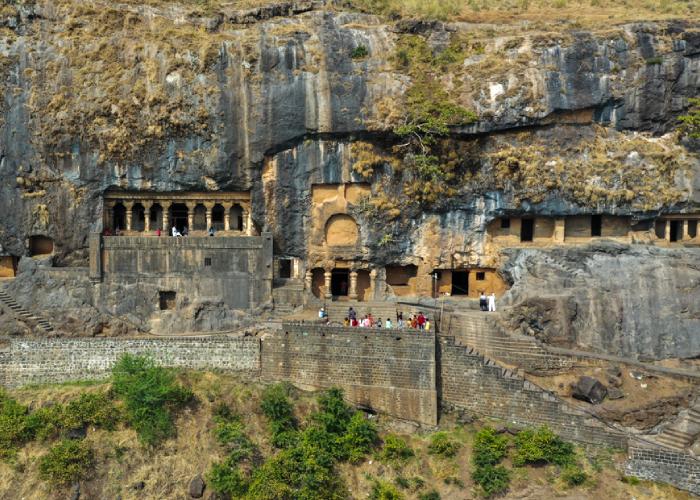
Sacred Stones, Spaces and Stories: Shakthipeeta Part 12

Biraja Temple, Jajpur, Odisha
Located about 125 km north of Odisha’s capital, Bhubaneshwar, in the town of Jajpur, the Biraja Temple is dedicated to Goddess Biraja. While the exact date of the temple’s establishment remains uncertain, the present temple structure was built during the 13th century. However, the site’s sanctity and importance long predate this construction.

The temple’s history is deeply intertwined with the rich tapestry of Odisha’s past with its mention in various Puranas and other ancient Hindu texts. The Skanda Purana, in particular, describes the site as having the power to cleanse pilgrims of their sins. During the 10th century, under the rule of the Somvanshi dynasty, the temple saw a significant transformation. As Vaishnavism flourished in the region, the Biraja temple was incorporated into the Vaishnavite tradition. This led to the popularisation of Jajpur as Nabhigaya, believed to be the place where the navel of the demon Gayasura fell.

The temple faced a dark period in 1568 when it was ravaged by General Kalapahad and his Bengal Sultanate army. The sacred Biraja idol was shattered and discarded into a nearby well. For centuries, the temple lay in ruins. However, around 1750-51, with the end of Mughal reign in Odisha, a Vedic pandit named Tryamvaka Agnihotri retrieved the damaged idol, restored it, and reinstated it within the temple. The remaining structure was further restored during the Maratha era between 1751 and 1803.

According to tradition, it is believed that the navel of Goddess Sati fell here. At the Biraja Temple, the goddess is worshipped as Viraja or Girija, a form of Devi Durga. The principal idol is a striking representation of the goddess. She is depicted with two hands or dwibhuja, spearing the chest of Mahishasura with one hand and pulling his tail with the other. One of her feet rests on a lion, while the other is placed on Mahishasura’s chest. Interestingly, Mahishasura is depicted as a water buffalo, rather than in human form. The idol’s crown features intricate details, including representations of Ganesha, a crescent moon, and a lingam. The corresponding bairava is known as Varaheshwar or Baraha.

The temple covers a large area and houses several shrines dedicated to Shiva and other deities. The temple is also known as Nabhi Gaya, one of the Tri Gaya Kshetras, along with Gaya in Bihar and Pithapuram in Andhra Pradesh. The temple is located near the banks of the holy Vaitarani river, which finds mention in various Puranas. The Biraja Temple hosts the only Rath Yatra or chariot festival for a Devi in Odisha. The temple complex includes a separate shrine for Sree Bagalamukhi Devi, a rare feature as temples dedicated to this form of the Dasamahavidya are uncommon. The temple premises include an ancient well believed to be connected to its Shakti Peetha status.

The primary ritual in the temple is the Sharadiya Durga Puja, which begins on the night of Krishna Paksha Ashtami and ends on Ashwin Shukla Paksha Navami. This puja, known as Shodasha Dinatatmika Puja, lasts for 16 days. Known as Simhadhwaja, the ratha yatra or chariot festival is a unique feature of the Biraja Temple. The chariot’s flag bears a lion, symbolising the goddess’s power. During the lunar transition from Shukla Ashtami to Shukla Navami, an animal sacrifice ritual is performed. Celebrated as Aparajita Puja, Navratri is observed with a lot of gaiety and enthusiasm. Triveni Amavasya is celebrated in the month of Magha, in January-February, and marks the birthday of Goddess Biraja. On this day, she is decorated as Goddess Savitri, the consort of Brahma, adorned with golden ornaments and attired exclusively in yellow. Dola Purnima is another significant festival celebrated at the temple. The temple also celebrates Nakshatra, Shravana, Prathamastami, Pana Sankranti, Raja Parva, and Navanna.

According to local lore, the demon Gayasura was a devout follower of Lord Vishnu. After years of penance, Lord Vishnu granted him a boon that anyone who saw him would achieve Moksha. Gayasura used his spiritual powers to enlarge his body so that everyone on Earth could be saved. This concerned the gods, who approached Lord Vishnu, Brahma, and Shiva for help. The three deities, disguised as Brahmins, approached Gayasura in search of space for a Yajna. This legend is closely tied to the Nabhi Gaya status of the temple. The Brahmayamala Tantra contains a hymn called Aadya Stotra dedicated to Shakti. In this hymn, Viraja or Girija is mentioned as the goddess worshipped in the Utkala Kingdom, which later became Odisha. In Tantric literature, the Oddiyana Peetha is described as being located in eastern India near the Vaitarani River. The term Oddiyana refers to an ornament worn by a woman around her navel, further connecting the site to its Shakti Peetha status.

The Biraja Temple, with its echoes of ancient rituals and its unique blend of Shakta and Vaishnava traditions, coupled with its rich historical background, makes it a fascinating destination for both devotees and those interested in India’s spiritual heritage.

Devi Talab Mandir, Punjab
Nestled in the heart of Jalandhar, the Devi Talab Mandir dedicated to Goddess Durga, is not just a place of worship but a powerful symbol of divine feminine energy that has drawn pilgrims for over two centuries. The origins of the Devi Talab Mandir stretch back approximately 200 years, with the exact date of its establishment uncertain. The present structure of the temple has undergone several renovations and changes over the years. In place of the old Devi Talab, a new temple has been built in the centre, preserving the sanctity of the original site while accommodating the growing number of devotees.

According to tradition, it is believed that the right breast of Goddess Sati fell at this sacred spot. At the temple, the goddess is worshipped as Tripurmalini, a form of Goddess Kali. This name, meaning the one who destroys the three cities, alludes to her power and fierce aspect. The Bhairava, the fierce manifestation of Lord Shiva who accompanies the goddess at each Shakti Peetha, is known here as Bhishan Bhairav.

The temple complex houses a 200-year-old large masonry tank, considered sacred by Hindus. This ancient water body is a central feature of the temple, giving it its name Talab or pond and adding to its spiritual significance. Besides the main goddess, the temple complex houses shrines dedicated to various deities. Notably, there is an old temple of Goddess Kali near the Devi Talab. Recently, a model of the Amarnath Yatra has been built within the premises. The temple showcases intricate gold work both inside and on its top and the complex includes a hall dedicated to Lord Ram.

The temple is open from 7 am to 8 pm. Daily rituals dedicated to Goddess Durga are performed, maintaining a constant flow of spiritual energy. Navratri is celebrated twice a year, during which devotees participate in the Kanya Puja or the worship of young girls representing the goddess and large fairs are held. The Harivallabh Sangeet Sammelan, an annual classical music festival, held in December, is a unique feature of the temple. It attracts music enthusiasts from across the globe, blending spiritual devotion with artistic expression. Dussehra and Diwali are celebrated with special prayers and rituals, drawing large crowds of devotees. The deity is bathed with water, milk, honey, or other liquids as a form of purification and devotion daily.

The sacred tank within the temple complex is believed to possess healing properties. Devotees often take a dip in its waters, considering it an act of purification and a means to seek the goddess’s blessings for physical and spiritual well-being. During times of invasion by foreign rulers, it is said that the goddess protected her devotees and the sanctity of the temple. This belief in divine protection has strengthened the faith of devotees over centuries. The association of the temple with the Harivallabh Sangeet Sammelan is believed to be a divine blessing. Legend has it that the goddess, pleased with the devotion expressed through music, bestowed her grace on the festival, making it an integral part of the temple’s tradition.

Devi Talab Mandir, with its blend of myth, history, and living faith invites all who visit to partake in its timeless spiritual journey. The presence of a charitable hospital within the temple complex reflects the ethos of service associated with the goddess.

Ambika Shaktipeeth, Viratpur, Rajasthan
The Ambika Shaktipeeth in Viratpur is dedicated to Goddess Ambika with the temple’s history intertwined with Hindu mythology. According to legend, the temple was founded by the sage Markandeya, a devoted follower of Goddess Durga. Over the centuries, the temple has undergone various reconstructions and restorations, yet its inherent charm and spiritual essence have persisted. The present structure, located in Virat village about 90 km from Jaipur, continues to be a major pilgrimage destination for Hindus.

According to tradition, it is believed that the fingers of the left foot of Goddess Sati fell here, making it a powerful centre of Shakti worship. At the Ambika Shaktipeeth, the goddess is worshipped as Ambika, a manifestation of Goddess Durga. The name Ambika signifies the motherly aspect of the divine feminine. Lord Shiva, in his complementary role, is worshipped here as Amriteshwar, meaning the lord of nectar or the nectar of immortality.

The temple is situated in Virat village, which is considered to be of great spiritual significance. The temple showcases the rich architectural traditions of Rajasthan. According to legend, the demon wreaked havoc on Earth, and the gods begged Goddess Durga to defend them. She then emerged as Maa Ambika and slew the monster, bringing peace back to the planet. It is believed that worshipping at this temple can help devotees attain peace, prosperity, and spiritual enlightenment.

The temple remains open from 5:30 am to 8 pm daily. The festival of Navratri is celebrated twice a year. The first occurs in the month of Chaitra in March-April, while the second takes place in Ashwin in September-October. During these nine days, devotees worship Navadurga, the nine forms of Durga. Celebrated during the winter Navratri, Durga Puja sees elaborate rituals and large gatherings of devotees. The festival of lights, Diwali, is one of the most admired and auspicious occasions celebrated at the temple while during Mahashivratri, a grand fair is organised, honouring Lord Shiva in his form as Amriteshwar. Other festivals celebrated include Makara Sankranti, Ram Navami, Sharad Poornima, Teej in July-August, and Gangaur in March-April.

According to local lore, when the demon was wreaking havoc on Earth, the gods sought the help of Goddess Durga. She manifested as Maa Ambika and vanquished the demon, restoring peace to the world. This legend emphasises the protective and nurturing aspects of the goddess. It is believed that the goddess has the divine power to grant the boon of offspring to those who passionately seek her favour. This has made the temple particularly popular among women seeking blessings for their families and well-being. The temple is known as where devotees can seek help in overcoming obstacles in their lives. This belief has drawn many pilgrims facing various challenges, hoping for the goddess’s intervention.

The Ambika Shaktipeeth, with its blend of myth, history, and living faith, showcase the rich cultural tapestry of Rajasthan. The temple stands not just as a place of worship, but as a living link to India’s rich spiritual traditions, inviting all who visit to experience the divine presence of the Mother Goddess in her manifestation as Ambika.

Manibandh Temple, Pushkar, Rajasthan
Located in the sacred land of Pushkar, the Manibandh Shaktipeeth, dedicated to Goddess Gayatri, is also known as the Chamunda Mata Temple or Shri Raj Rajeshwari Puruhuta Manivedic Shaktipeeth. The temple is believed to be around 6000 years old and is located in the Gayatri hills near Pushkar, approximately 11 km northwest of Ajmer. The temple’s present structure, while ancient, has likely undergone renovations and expansions over the centuries.

According to Hindu mythology, it is believed that the wrists or manibandh of Goddess Sati fell here. The name Manibandh is significant, meaning wrist in Sanskrit. At the Manibandh Shaktipeeth, the goddess is worshipped as Gayatri, a manifestation of Goddess Sati. The temple houses two idols – one of Devi Sati, known as Gayatri, and another of Lord Shiva, known as Sarvananda, meaning the one who makes everyone happy who is the Bhairava at the temple.

The temple uniquely houses idols of both Goddess Gayatri and Lord Shiva, representing the divine couple. The temple is constructed on a hill and made of stones with etched figurines of various deities, showcasing the grandeur of ancient Indian architecture. The statue of the goddess is believed to be extremely old, dating back to the Treta Yug, and is said to possess special energy. This temple is considered the ideal place for Gayatri Mantra sadhana, connecting it deeply with the practice of this powerful Sanskrit verse. The temple complex includes idols of Kali on the extreme left and Gauri Ganesh on the extreme right, adding to its spiritual diversity.

The Annakoot festival is arranged approximately once a year on the foundation day of the temple. The world-famous Pushkar Fair is celebrated with great pomp and pageant. The festival of Navratri dedicated to the goddess is observed with special rituals and devotion. Shivaratri also holds special significance in the temple. Gayatri Jayanti is another festival that is observed with great devotion and splendour, honouring the presiding deity of the temple.

According to local lore, this is the place where the wrists of Goddess Sati fell. The wrists hold significance as they represent the source of all actions performed by hand. The temple is deeply associated with the Gayatri Mantra, one of the most sacred verses in Hinduism. It is believed that practising this mantra at this location can bring profound spiritual benefits. Despite being near the major pilgrimage centre of Pushkar, this Shaktipeeth remains relatively unknown, hidden among the Pushkar hills. This seclusion is said to add to its spiritual potency. The statue of the goddess is believed to possess special energy dating back to the Treta Yug, one of the four yugas or ages in Hindu cosmology. This ancient energy is said to permeate the entire temple complex.

The Manibandh Shaktipeeth, with its blend of myth, history, and living faith, continues to be a powerful force in the religious landscape. The combination of its Shakti Peetha status, its connection to the Gayatri Mantra, and its unique representation of both Goddess Gayatri and Lord Shiva makes it a fascinating destination for both devotees and those interested in India’s spiritual heritage.

Earth Overshoot Day

Earth Overshoot Day, an annual marker calculated by the Global Footprint Network (GFN), represents the date when humanity’s demand for Earth’s ecological resources exceeds what the planet can regenerate in that year. First observed in 2006, this day underscores the accelerating imbalance between human consumption and planetary boundaries.

Earth Overshoot Day emerged from the collaborative efforts of Andrew Simms, a researcher at the UK-based New Economics Foundation, and Mathis Wackernagel, co-founder of the Global Footprint Network. Their goal was to translate complex ecological data into a tangible metric to raise public awareness. Using the Ecological Footprint framework, which compares humanity’s resource demand like carbon emissions, and food production, against Earth’s biocapacity (e.g., forest regeneration, fisheries renewal), the GFN identifies the point each year when human activities outpace nature’s ability to recover. By framing ecological overshoot as a “budget deficit,” the initiative urges governments, businesses, and individuals to adopt sustainable practices.

The calculation of Earth Overshoot Day hinges on a simple ratio: dividing Earth’s annual biocapacity by humanity’s ecological footprint and multiplying the result by 365 days. Biocapacity measures the regenerative capacity of ecosystems, such as forests absorbing CO₂ or fisheries replenishing stocks, while the ecological footprint quantifies human demand for resources like cropland, timber, and fossil fuels. Disparities between nations are stark: high-consumption countries like the U.S. exhaust their share of resources within months, whereas others, such as Indonesia, operate within their biocapacity limits. This imbalance highlights the role of overconsumption in wealthy nations as a primary driver of global overshoot.

In the early 1970s, humanity’s resource use aligned with Earth’s regenerative capacity, with Overshoot Day falling in late December. However, rapid industrialization, population growth, and rising per capita consumption accelerated the date. By 2000, it had shifted to October 1, and by 2023, to August 2. Temporary delays, such as the 2020 date (August 22), resulted from reduced economic activity during COVID-19 lockdowns, illustrating how systemic changes in energy use and transportation can impact the timeline. Yet, such short-term shifts are unsustainable, emphasising the need for deliberate, long-term solutions.

The primary driver of overshoot is humanity’s carbon footprint, accounting for 60% of the global ecological deficit. Fossil fuel emissions far exceed the planet’s capacity to absorb CO₂, exacerbating climate change. Population growth, tripling since 1950, intensifies demand for food, energy, and goods, while overconsumption in affluent nations widens the gap. For instance, the average American consumes resources at a rate 30 times higher than a citizen of a low-income country. Additional factors include deforestation (10 million hectares lost annually), industrial agriculture (responsible for 70% of freshwater use), and overfishing (34% of fish stocks depleted). Together, these practices degrade ecosystems and undermine Earth’s ability to sustain life.

Ecological overshoot has cascading effects. Biodiversity loss is accelerating, with wildlife populations declining by 69% since 1970, according to the World Wildlife Fund. Climate change fuels extreme weather events, displacing communities and destabilizing economies. Resource depletion, such as collapsing fisheries or degraded soils, threatens food security, while competition for scarce resources exacerbates social inequality. Vulnerable populations, particularly in the Global South, bear the brunt of these impacts, despite contributing minimally to the crisis.

The Global Footprint Network’s #MoveTheDate campaign promotes solutions to push Overshoot Day backward. Transitioning to renewable energy could delay the date by 21 days, while adopting plant-based diets and reducing food waste could add 13 days. Circular economy models, which prioritise recycling and reusing materials, minimise waste and extraction. Urban planning innovations, such as green infrastructure and public transit, reduce cities’ ecological footprints. Policy interventions like carbon pricing, conservation incentives, and international agreements like the Paris Accord, are equally critical. Costa Rica exemplifies progress, generating 98% of its electricity from renewables and doubling forest cover since 1980.

Country Overshoot Day, a national counterpart to Earth Overshoot Day, reveals the disparities in resource consumption between countries by calculating the date each would exhaust Earth’s annual ecological budget if global populations mirrored their residents’ lifestyles. Using the Global Footprint Network’s formula, comparing a nation’s per capita ecological footprint to global biocapacity, these dates range starkly: affluent nations like Qatar and the U.S. overshoot by February and March, respectively, while lower-income countries such as Indonesia and Jamaica often stay within planetary limits until December. High-income nations’ early dates stem from fossil fuel dependence, resource-intensive diets, and consumerism, with the U.S. footprint alone demanding five Earths if universalised. Such overconsumption drives climate change, resource depletion, and land degradation, disproportionately harming vulnerable regions least responsible for the crisis. Solutions include transitioning to renewables like Denmark’s 50% wind-powered grid, adopting circular economies, and enacting policies like carbon taxes. However, equity remains central: wealthy nations must reduce their footprints to leave ecological space for developing countries to meet basic needs. Country Overshoot Days underscore the urgency of aligning national policies with planetary boundaries to ensure a just, sustainable future.

Earth Overshoot Day serves as both a warning and a call to action. While the advancing date reflects humanity’s unsustainable trajectory, it also underscores the potential for change. By prioritizing renewable energy, sustainable consumption, and equitable policies, societies can realign with planetary boundaries. The challenge is monumental, but as initiatives like Costa Rica’s reforestation demonstrate, progress is achievable. Collective action, from grassroots advocacy to global policy, holds the key to moving the date and securing a livable future.

International Moon Day

International Moon Day, observed annually on July 20, commemorates humanity’s first crewed lunar landing, the Apollo 11 mission in 1969, while promoting peaceful international cooperation in space exploration. Established by the United Nations in 2021, this day underscores the Moon’s role as a cornerstone of scientific discovery, cultural inspiration, and a stepping stone for future deep-space endeavors.

The Moon has captivated humanity for millennia, inspiring myths, art, and scientific inquiry. Ancient civilisations tracked its phases for agriculture and timekeeping, while Galileo’s telescopic observations in 1609 unveiled its cratered surface. The 20th-century space race transformed lunar exploration from fantasy to reality.

The Cold War rivalry between the U.S. and USSR catalysed early space achievements. The USSR’s Luna 2 (1959) became the first human-made object to reach the Moon, while NASA’s Apollo program, launched in 1961, aimed to land humans on the lunar surface. On July 20, 1969, astronauts Neil Armstrong and Buzz Aldrin made history, symbolising technological prowess and human ingenuity.

Following Apollo, lunar exploration shifted toward robotic missions and international partnerships. The 1994 Clementine mission and 2009 Lunar Reconnaissance Orbiter mapped the Moon’s terrain, while China’s Chang’e program (2013–present) and India’s Chandrayaan missions (2008–2023) reignited global interest. These efforts laid the groundwork for the UN’s designation of International Moon Day in 2021, which was proposed by over 20 nations to celebrate multilateralism in space.

International Moon Day addresses three core objectives. The day honours the Apollo programme’s technological milestones and its message of unity during a divided era. Armstrong’s “giant leap” remains a touchstone for global ambition. The 1967 Outer Space Treaty established space as a shared domain, free from militarisation. International Moon Day reinforces these principles amid modern initiatives like NASA’s Artemis Accords, emphasising transparency and sustainability. With plans for lunar bases and resource utilisation (e.g., water ice extraction), the day advocates for ethical frameworks to prevent environmental harm and ensure equitable benefits.

2025’s theme for International Moon Day is “One Moon, One Vision, One Future”. This theme encapsulates the spirit of unity, collaboration, and sustainability that underpins modern lunar exploration. As nations and organisations worldwide accelerate efforts to return to the Moon, this theme emphasises the Moon’s role as a shared resource, a unifying goal for humanity, and a foundation for intergenerational progress.

The Moon is humanity’s only natural satellite, a singular, unclaimed celestial body that has inspired wonder across cultures for millennia. One Moon underscores two critical principles: a common heritage of humankind and cultural and scientific universality. The theme calls for the preservation of lunar sites like the Apollo landing zones and geological wonders from damage by future missions and ensuring all nations, including emerging spacefaring states, can participate in lunar research and benefit from its resources. One Vision reflects the shift from Cold War-era competition to 21st-century cooperation. Today’s lunar efforts rely on multinational partnerships, blending public and private expertise. The theme urges harmonising standards by aligning safety, communication, and data-sharing protocols across programmes and expanding participation to nations with nascent space programmes, such as African and Latin American countries. One Future highlights the need to balance exploration with responsibility, ensuring the moon remains a viable platform for future generations.

International Moon Day engages diverse stakeholders through educational programmes, public events, digital campaigns, and policy dialogues. The day’s impact extends beyond celebration. It encourages youth to pursue careers in science, particularly in underrepresented regions. Space collaborations, such as the ISS, demonstrate how shared goals can transcend terrestrial disputes while public engagement democratises space discourse, ensuring citizens understand lunar exploration’s societal benefits like medical tech spin-offs.

Obstacles that need to be overcome include geopolitical tensions with competing national agendas that risk fragmenting exploration efforts, technical hurdles, including radiation exposure and life support systems that remain unsolved. Among the varied ethical dilemmas, balancing commercial interests like mining with lunar preservation.

The Artemis program aims to return humans to the Moon by 2026, including the first woman and person of color. Concurrently, the China-Russia International Lunar Research Station (ILRS) project targets a 2035 completion. Such initiatives, coupled with advances in AI and robotics, could establish a sustained human presence by the 2040s.

International Moon Day is both a tribute to past achievements and a call to action. As humanity stands on the brink of a new lunar era, collaboration and sustainability must guide our path. By uniting nations under shared goals, we ensure the Moon remains a beacon of hope, not just for exploration, but for global unity.

Sacred Stones, Spaces and Stories: Shakthipeeta Part 11

Bhadrakali Devi Mandir, Nashik, Maharashtra
Dedicated to Goddess Bhadrakali, the temple in the ancient city of Nashik has its history intertwined with the city. According to historical records, the present structure of the temple was completed in 1790. The construction was undertaken by Mr. Patvardhan and Mr. Dixit, who built the temple in response to a request from local villagers. This request came during the Islamic regime when many deity statues were being desecrated. The villagers sought a place to worship the remnants of these statues, leading to the establishment of the current temple. The city of Nashik used to be also known as Nasikha or Chibak in ancient times is believed to have been a city spread across nine hills, with a history dating back to the 11th century.

According to tradition, it is believed that the chin or chibak of Goddess Sati fell at this sacred spot. The name Bhadrakali is significant, meaning the one who does good or the auspicious one. In Sanskrit, Bhadra means welfare or auspiciousness, and Kali refers to the goddess who is the embodiment of time and change. The bhairava associated with the temple isVikritaksheshwar.

The temple is a spacious two-story building, reflecting the architectural styles of the late 18th century. The temple houses remnants of ancient deity statues that were rescued during times of religious persecution. Despite its location in the bustling old part of Nashik, the temple maintains a captivating blend of spirituality and ancient architecture.

Sacred texts are read daily from 8 to 9:30 am, organised by the temple trust, Nyasa. Women gather daily in the afternoon to sing devotional songs. Every evening, there is a recitation of the Devi Purana, followed by storytelling and kirtana. Puja is performed in the morning, with aarti conducted both in the morning and evening. The nine-day festival of Navratri is celebrated with great fervour. Daily mantras are recited by learned Brahmins, and women perform havan on Ashtami. the eighth day. The temple celebrates the Ganesh festival and organises a yagna or fire ritual. A seven-day Guru Charitra Parayana is conducted on Datta Jayanti.

The name Nashik is believed to be derived from the Sanskrit word Nasikha, which later evolved into Nasik. The city’s history is closely tied to the legend of Lord Rama’s exile, as mentioned in the epic Ramayana. The goddess Bhadrakali is revered for her protective and nurturing qualities. She is often depicted as a fierce form of the goddess Kali, known for her strength and ability to vanquish evil. During times of religious persecution, when many deity statues were being desecrated, the local villagers managed to rescue some of these sacred images. These rescued statues became the focal point of worship in the new temple, symbolizing the resilience of faith in the face of adversity.

The Bhadrakali Devi Mandir’s significance extends beyond its religious importance. The trust managing the temple, Nyasa, organises various educational and cultural activities, including felicitating high-achieving students of Sanskrit and providing scholarships.

Tuljabhavani Temple, Tuljapur, Maharashtra
Constructed probably sometime in the 12th century, the Tulja Bhavani Temple in the town Tuljapur in Maharastra’s Osmanabad district is dedicated to Goddess Tulja Bhavani. The temple’s history is closely intertwined with the legends of the Maratha Empire. One well-known tale states that Goddess Bhavani presented Shivaji Maharaj with a sword, which he used as a protective talisman for his kingdom and subjects. The Bhonsle dynasty, including Chhatrapati Shivaji Maharaj, were frequent visitors to this temple.

The Shakti worshipped in the temple is Tuljabhavani Devi while the bhairava is Bhairava. Bhavani is a form of the goddess Durga who is worshipped in Maharashtra, Gujarat, Rajasthan, Telangana, Northern Karnataka, and Nepal, Andhra Pradesh. Bhavani translates to giver of life, meaning the power of nature or the source of creative energy. She is considered to be a mother who provides to her devotees and also plays the role of dispensing justice by killing Asuras. The Goddess is said to be swayambhu or self emanated and is the kuldevi or clan goddess for many Maratha clans of Maharashtra.

The deity is worshipped in the form of a three-foot-tall granite statue. She has eight arms, each holding a weapon, and the head of the demon Mahishasura. The temple has two main entrances, Raje Shahaji Mahadwar and Rajamata Jijau Mahadwar. The temple’s architecture reflects a blend of various styles, including Hemadpanti from the Yadava dynasty, Maratha, and Deccan influences. Unlike most temples, the installation of the goddess idol is dynamic. The idol is taken out from the Sriyantra thrice a year for Pradakshina. The goddess idol is believed to be a Swayambhu murti or a self-manifested idol made of Shaligram, a non-perishable stone.

Priests offer a daily ritual bath, change of clothes, and food to the deity four times a day. The day begins with the loud playing of a large drum at 5 am to call devotees for prayers. At 5:30 am, the Mahant performs the morning prayer. The current Mahant is Tukoji Bua. The Charantirtha Puja is performed in the presence of the Karvir Princely state. In the evening, the deity is ceremoniously put to rest.

During Navaratri, the entire temple premise is washed, cleaned, and decorated with a special Toran made of mango leaves and coconut puddles. Strict rituals are performed, including the worshipping of Kumarikas or virgins and younger girls, Saptashadi Path, Bhavani Shankar Abhishek, and Navagruha Japa. Celebrated twice a year, the Tulja Bhavani festival is a four-day festival that includes rituals like Sasthi and Bhavani Ashtami. On Bhavani Ashtami, devotees fast until they offer flowers to the deity. Gudi Padwa, which falls in the month of Chaitra, or in April, is of special significance at the temple. Other festivals celebrated in the temple include Shriral Sashti, Lalita Panchami, Makar Sankranti, Ratha Saptami, and Dussehra. The image of Shri Tulja Bhawani Mata is taken every Tuesday with Shukla Paksha Chaturdashi, Shukla Paksha Poornima, and Krishna Paksha Pratipada.

According to Sri Skanda Purana, there was a sage named Kardam and his consort Anubhuti. After Kardam’s death, Anubhuti performed penance for Goddess Bhavani on the banks of the Mandakini River to care for her infant. A demon named Kukur tortured her, but Goddess Bhavani killed the demon and rescued Anubhuti. At Anubhuti’s request, the goddess settled on the hill of Bala Ghat, becoming known as Bhavani of Tuljapur or Tulja Bhavani. Tulja Bhavani Goddess is believed to appear in the Trigunatmak position, embodying the three gunas: Tamo, represented by Maha Kali in Kolkata, Rajo, represented by Maha Lakshmi in Kolhapur, and Sattva, represented by Maha Saraswati in Mahur.

In Treta Yuga, it is said that Shri Bhagwati appeared to Lord Rama during his exile period, blessing him that his wife Sita would be found soon after his penance. Another legend says that Goddess Durga came to Yamunachala Hills to rest after killing the demon Mahishasur in Chamundi Hills.

With its blend of myth, history, and living faith, the Tuljapur Bhavani Temple occupies a special place in the hearts of the people of Maharashtra, especially those for whom she is the kuldevi.

Mahalakshmi Temple, Kolhapur, Maharashtra
Also known as the Ambabai Temple, the Mahalakshmi Temple in Kolhapur is dedicated to Goddess Mahalakshmi, the consort of Lord Vishnu. It is a unique confluence of Shaivite and Vaishnavite traditions and is also recognised as one of the 51 Shakti Peethas.

The Mahalakshmi Temple dates back to the 7th century, during the reign of the Chalukya dynasty. It was constructed by King Karnadeva of the Chalukyan Empire around 634. The temple’s architectural style reflects the grandeur of Chalukyan craftsmanship, with intricate carvings and black stone construction. The temple gained prominence during the rule of the Shilahara dynasty who ruled between the 10th and 12th centuries, who made Kolhapur their capital and adopted Goddess Mahalakshmi as their patron deity. King Gandaraditya of this dynasty expanded and embellished the temple in the 11th century. Over time, rulers from other dynasties like the Yadavas of Devagiri and Marathas contributed to its development.

During Muslim invasions in medieval India, the idol of Mahalakshmi was hidden to protect it from destruction. It was reinstalled in 1715 by Chhatrapati Sambhaji Maharaj, who also donated a large bell captured during his Goa campaign. The bell still bears a Portuguese inscription: Ave Maria Gratia Dominus Tecum IHS or Hail Mary full of grace! The Lord is with thee. The temple underwent further renovations under Queen Tarabai and later rulers of Kolhapur, making it a vibrant centre for worship and cultural activities.

According to tradition, it is believed that Sati’s left eye fell at this location. At this Shakti Peetha, Goddess Mahalakshmi is worshipped as Karveer Nivasini Ambabai, meaning the goddess who resides in Karveer, the ancient name for Kolhapur. The temple is unique because it represents both Shakti, the feminine energy, and Vishnu’s consort Lakshmi, associated with wealth and prosperity, blending Shaivite and Vaishnavite traditions seamlessly. At the Mahalakshmi Temple, Lord Shiva is worshipped as Kshetrapal Bhairava, meaning the guardian deity of this sacred land. His shrine is located within the temple complex and is an integral part of rituals performed here. Interestingly, there is also a hidden shrine dedicated to Lord Shiva within the dome of the temple. This shrine was believed to have been installed to balance the immense energy emitted by Goddess Mahalakshmi’s sanctum. However, it is no longer accessible to devotees.

The temple follows Chalukyan architectural principles with intricate carvings on its walls and pillars. The main sanctum houses a two-foot-tall black stone idol of Goddess Mahalakshmi adorned with gold jewellery. The goddess holds a mace, shield, panapatra or drinking bowl, and Matulinga fruit in her four hands. Behind her idol stands a lion, her mount, symbolising strength. A sacred geometric diagram called the Shri Yantra is carved on one wall inside the temple. This yantra represents cosmic energy and is considered highly auspicious.

Twice a year—on January 31st and November 9th—the first rays of the sun fall directly on the feet of Goddess Mahalakshmi’s idol at sunrise. Over subsequent days, they move upward toward her face. This astronomical alignment showcases ancient Indian expertise in architecture and astronomy and is celebrated as Kirnotsav or the festival of the sun’s rays. A large stone pillar called Garuda Sthambha stands outside the temple. It is believed that anyone who prays here with devotion will have their wishes fulfilled.

The temple complex includes shrines dedicated to Goddess Saraswati, Goddess Mahakali, Lord Vishnu as Sheshashayi Vishnu, Siddhivinayak Ganapati, Kalbhairav, Tulja Bhavani, Annapurna Devi, Radhakrishna, and others. The five domes atop the temple represent different deities: one for Goddess Mahalakshmi at the centre and others for Goddesses Saraswati, Mahakali, Lord Ganapati, and Lord Vishnu at cardinal directions. A large bell captured by Chhatrapati Sambhaji from Goa bears inscriptions in Portuguese and serves as a historical artifact within the temple complex.

The daily worship begins with Mangala Aarti at dawn. Multiple pujas are performed throughout the day using flowers, lamps, incense sticks, and offerings like coconuts and sweets.The evening aarti marks the conclusion of daily rituals. During the festival of Kirnotsav, in January and November each year, thousands gather to witness sunlight illuminating the goddess’s idol—a divine spectacle symbolising cosmic harmony. Navratri is celebrated with grandeur at this temple. Special decorations adorn the sanctum sanctorum while devotees perform Garba dances outside. On Dussehra or Vijayadashami day, special rituals are conducted to mark victory over evil forces. During Diwali festivities, devotees flock to seek blessings for wealth and prosperity from Goddess Mahalakshmi. Ritual bathing ceremonies are performed for both Goddess Mahalakshmi and Kshetrapal Bhairava using milk, honey, curd, ghee, sugarcane juice, and holy water.

One popular legend explains why Goddess Lakshmi resides in Kolhapur instead of Vaikuntha with Lord Vishnu. According to this tale, Sage Bhrigu once visited Vaikuntha but felt insulted by Vishnu’s indifference toward him. In anger, he kicked Vishnu on his chest—the place where Lakshmi resides. To appease Bhrigu’s anger, Vishnu apologized humbly by massaging his feet instead of retaliating against him. This act enraged Lakshmi as she felt disrespected by Vishnu’s subservience to Bhrigu. In anger, she left Vaikuntha and settled in Kolhapur as Karveer Nivasini Ambabai.

Another story recounts how Adi Shankaracharya visited Kolhapur during his travels across India to revive Sanatana Dharma or Hinduism. He installed a Shri Yantra inside the temple to channel divine energy effectively toward devotees seeking blessings from Mahalakshmi. Chhatrapati Sambhaji Maharaj brought back a giant bell from Goa after defeating Portuguese forces in 1683 CE during his military campaign there. This bell was offered to Goddess Mahalakshmi as a token of gratitude for her blessings during his victory.

The Mahalakshmi Temple in Kolhapur stands as an eternal symbol of devotion and architectural brilliance while embodying centuries-old traditions that continue to inspire millions worldwide who seek blessings from Karveer Nivasini Ambabai!

Nartiang Durga Temple, Nartiang, Meghalaya
Dedicated to Goddess Durga, the Nartiang Durga Temple is located in the West Jaintia Hills district. This ancient shrine has drawn pilgrims for over 600 years with its origins going back to the 15th century and closely tied to the Jaintia Kingdom. Historical records indicate that King Dhan Manik, who ruled around 600 years ago, made Nartiang the summer capital of the Jaintia Kingdom. The temple’s founding is steeped in legend, with stories telling of the goddess appearing to the king in a dream, revealing the significance of the location and instructing him to build a temple in her honour.

The temple’s construction marks a significant point in the region’s religious history. It is believed that the introduction of Hinduism to the Jaintia royalty came through the marriage of King Jaso Manik (1606–1641) to Lakshmi Narayana, daughter of the Hindu Koch king Nara Narayana. This union led to the embrace of Hindu practices alongside the existing tribal traditions, creating a unique blend of cultural and religious practices that continue to this day.

According to tradition, it is believed that the left thigh of Goddess Sati fell at this sacred spot. The Shakti Peetha here is known as Jayanti, and the temple is often referred to as the Jayanti Shaktipeeth or Jainteshwari Mandir. The name Jainteshwari itself is derived from the belief that the goddess’s left thigh fell in the Jaintia Hills. At the Nartiang Durga Temple, the Bhairava is known as Kamadishwar.

The temple’s structure reflects a fascinating blend of Hindu and Khasi architectural styles, symbolising the cultural fusion that characterises the region. The temple’s position and the presence of cannons nearby suggest that it was once part of a fort of the Jaintia Kings. Inside the temple, a single platform houses three idols: an old stone idol of the Devi, a metal idol of Durga with eight arms crushing Mahishasur, and another deity. The temple complex includes a nearby Shiva temple where one can see the remains of ancient cannons. Unlike many Hindu temples that use traditional idols, during Durga Puja, a banana plant is dressed up and worshipped as the Goddess, reflecting a unique local tradition. The local chieftain, known as the Syiem, is considered the chief patron of the temple.

Durga Puja is the most significant festival celebrated at the temple. The four-day festivities include unique rituals such as dressing up a banana plant as the Goddess and worshipping i, sacrificing goats, ducks, and hens in honour of the goddess, immersing the dressed banana plant in the Myntdu River at the end of the festival, and offering a gun salute to the Goddess, a practice that reflects the temple’s historical connection to the Jaintia royalty.

It is said that the goddess appeared to King Dhan Manik in a dream, revealing the significance of the Nartiang location and instructing him to build a temple in her honour. When King Jaso Manik needed a priest for the new Durga temple, no Brahmin was willing to take the job due to the practice of human sacrifice. As a result, the king brought a Maratha Kshatriya to serve as the priest, as Kshatriyas were allowed to perform both priestly duties and sacrificial rites. The introduction of Hinduism to the Jaintia Kingdom is attributed to Lakshmi Narayana, the Hindu wife of King Jaso Manik. Her devotion to Shakti is said to have influenced the royal family to embrace Hindu practices. In recent times, the temple has gained attention for contributing soil and water for the Bhoomi Puja at Ayodhya, highlighting its significance in the broader context of Hindu spirituality.

The Nartiang Durga Temple, with its blend of Hindu and Khasi traditions, with its unique practices sets it apart from other Shakti Peethas. These rituals reflect the seamless integration of local tribal customs with Hindu traditions, creating a distinctive form of worship that is both ancient and ever-evolving.

Adulting 101: How to Become More Visible at Work

In the modern workplace, visibility is key to career advancement. Being noticed for your contributions, ideas, and efforts can open doors to new opportunities, promotions, and recognition. However, many young adults entering the workforce struggle with making themselves visible, especially in environments where competition is high or where they feel overshadowed by more experienced colleagues.

Why is workplace visibility important? Visibility ensures that your efforts are acknowledged. When you’re visible at work, managers and colleagues recognise your value to the team. This recognition can lead to rewards such as promotions, bonuses, or leadership opportunities. Being visible can fast-track your career growth. Employers are more likely to consider individuals who consistently demonstrate their skills and make an impact when assigning high-profile projects or leadership roles. Visibility fosters stronger relationships with colleagues and supervisors. When people know who you are and what you contribute, they’re more likely to collaborate with you and advocate for your success. Visibility helps establish your credibility and expertise in your field. By showcasing your knowledge and skills, you position yourself as a reliable and valuable team member. Lastly, when you’re visible at work, opportunities often come your way organically, whether it’s being invited to join important projects, representing the company at events, or taking on new responsibilities.

What challenges do young adults face on the way to becoming visible?

  • Lack of confidence: Entering the workforce can be intimidating, especially when surrounded by more experienced colleagues. Young professionals may doubt their abilities or hesitate to speak up.
  • Fear of rejection: The fear of being judged or rejected can prevent young adults from sharing ideas or seeking recognition.
  • Workplace hierarchies: In hierarchical workplaces, junior employees may feel overshadowed by senior staff or believe their contributions are less valued.
  • Introversion: Introverted individuals may find it challenging to assert themselves in group settings or actively seek visibility.
  • Unclear goals: Without clear career goals, young adults may struggle to identify how they want to be seen or recognised at work.

So how can you become more visible at work? Becoming visible at work doesn’t mean being loud or attention-seeking; it’s about demonstrating value and building meaningful connections within your organisation. Here are strategies young professionals can use:

Excel in your role: The foundation of workplace visibility is performing well in your job. Consistently delivering high-quality work ensures that people notice your contributions. Meet deadlines and always complete tasks on time, and exceed expectations when possible. Take the initiative and volunteer for projects or responsibilities that align with your skills and interests. Pay attention to detail and ensure accuracy and thoroughness in everything you do, whether it’s crafting a report or organising a presentation.

Communicate effectively: Effective communication is crucial for making yourself known at work. Speak up in meetings and share ideas confidently during discussions or brainstorming sessions. Ask questions, show curiosity, and be engaged by asking thoughtful questions about projects or company goals. Provide updates and keep supervisors informed about your progress on tasks or projects without waiting for them to ask.

Build relationships: Networking within your organisation is essential for visibility. Connect with colleagues by building rapport with coworkers across departments. Engage with supervisors and schedule one-on-one meetings with your manager to discuss goals, feedback, and career development. Participate in social events by attending company gatherings or team-building activities to strengthen relationships outside work tasks.

Showcase your expertise: Demonstrating your knowledge and skills helps establish credibility. Share knowledge and offer insights during meetings or discussions based on your expertise. Volunteer for training sessions by leading workshops or training sessions on topics you’re skilled in. Contribute ideas by suggesting innovative solutions or improvements that add value to the organisation.

Take ownership: Taking ownership of tasks shows initiative and accountability. Lead projects and volunteer to take charge of small projects or assignments. Solve problems by identifying challenges within the workplace and propose actionable solutions. Follow through and ensure that any task you take is completed successfully and professionally.

Develop a personal brand: Creating a personal brand helps distinguish yourself from others in the workplace. Identify your strengths and reflect on what makes you unique, whether it’s creativity, technical skills, or problem-solving abilities. Be consistent and ensure that your actions align with the values and strengths you want to be known for. Leverage social media by using professional platforms like LinkedIn to share achievements, articles, or insights related to your field.

Seek feedback: Feedback provides valuable insights into how others perceive you and where you can improve. Ask for constructive criticism by regularly seeking feedback from supervisors about your performance. Implement suggestions and show that you value feedback by acting on recommendations for improvement. Request recognition and if appropriate, ask managers for public acknowledgment of successful projects or contributions.

Network beyond your team: Visibility isn’t limited to your immediate team; building connections across the organisation broadens your reach. Collaborate across departments and volunteer for cross-departmental projects that expose you to new teams. Attend company-wide meetings and participate actively in meetings involving multiple teams or divisions. Introduce yourself, and don’t hesitate to introduce yourself to senior leaders during events or casual interactions.

Stay positive: A positive attitude contributes significantly to workplace visibility. Be approachable and maintain an optimistic demeanor that encourages colleagues to engage with you. Support others and celebrate coworkers’ successes, and offer help when needed. Handle criticism gracefully and accept constructive criticism with humility, using it as an opportunity for growth.

Document your achievements: Keeping track of accomplishments ensures that they don’t go unnoticed during performance reviews or promotions discussions. Maintain a portfolio by creating a portfolio showcasing successful projects, reports, presentations, or other contributions. Highlight results and quantify achievements where possible (e.g., “Increased sales by 20%”). Share success stories so you can discuss accomplishments during one-on-one meetings with supervisors.

Introverted individuals often face unique challenges in becoming visible at work but can leverage their strengths effectively. Focus on one-on-one interactions and build relationships through individual conversations rather than large group settings. Prepare ahead of time and plan talking points before meetings so you feel confident sharing ideas when opportunities arise. Leverage written communication by using emails or reports as tools for showcasing ideas clearly without needing verbal presentations. Play to your strengths and highlight qualities like active listening, thoughtfulness, and analytical thinking during discussions or problem-solving sessions. Choose strategic opportunities and participate selectively in activities where visibility aligns with comfort levels such as leading small projects rather than public speaking engagements.

While striving for visibility is important, certain behaviours can undermine efforts. Don’t overpromise with delivering, and avoid taking on too many tasks if it compromises quality; focus on delivering consistent results instead of spreading yourself thin. Don’t seek attention excessively because visibility should stem from genuine contributions rather than attention-seeking behavior that detracts from professionalism. Don’t ignore feedback by dismissing constructive criticism, as your growth can be hindered; embrace feedback as an opportunity for improvement instead. Don’t neglect relationships by focusing solely on tasks while ignoring interpersonal connections limits long-term visibility potential within organisations.

Becoming more visible at work is not about shouting louder than everyone else: it’s about consistently demonstrating value while building meaningful relationships! By excelling in their roles, communicating effectively, showcasing their expertise, and developing personal brands, young adults will position themselves favorably within competitive workplaces. Remember, it’s not merely about being seen; it’s about ensuring that what others see reflects authenticity and professionalism. Embrace these strategies today and watch as new opportunities unfold tomorrow!