The Power of Music: Transforming Lives Through Sound

Music is an integral part of human culture, transcending boundaries and connecting people across different backgrounds and experiences. Its influence is profound, shaping our emotions, enhancing our cognitive abilities, and even promoting healing. 

Music uniquely evokes emotions and memories, often transporting us back to specific moments in our lives. This emotional connection is one of the most powerful aspects of music, allowing us to experience joy, sadness, nostalgia, and even catharsis.

Research has shown that music can significantly influence our mood. Listening to uplifting songs can trigger the release of dopamine, a neurotransmitter associated with pleasure and reward. This biochemical response can help alleviate feelings of sadness or anxiety, making music an effective tool for mood regulation. Creating playlists of favourite songs or upbeat tracks can serve as a quick remedy for low spirits.

Music has been found to enhance memory recall, particularly in individuals with cognitive impairments such as dementia and Alzheimer’s disease. Familiar songs can evoke vivid memories and emotions, allowing individuals to reconnect with their past. Programs like “Music & Memory” utilise personalised playlists to stimulate memories and promote engagement among those with cognitive challenges, demonstrating the profound impact of music on memory and identity.

For many, music serves as a means of emotional expression. Composing, performing, or even listening to music can provide an outlet for feelings that may be difficult to articulate. This form of self-expression can be particularly beneficial for adolescents and young adults navigating the complexities of identity and emotional development. Music allows individuals to explore their emotions and communicate their experiences in a way that words alone may not capture.

Beyond its emotional impact, music also offers numerous cognitive benefits that can enhance learning, creativity, and productivity. Listening to music while working or studying can improve focus and concentration. Studies have shown that certain types of music, particularly classical or instrumental genres, can create an optimal environment for cognitive tasks. The “Mozart Effect,” a term coined from research suggesting that listening to Mozart can enhance spatial-temporal reasoning, highlights the potential of music to boost cognitive performance.

Music can stimulate creativity by encouraging divergent thinking and inspiring new ideas. Many artists, writers, and innovators use music as a backdrop while working, finding that it helps them tap into their creative flow. Creating a personalised playlist that resonates with your creative process can enhance inspiration and facilitate the generation of new ideas.

Music has been shown to support language development in children. Songs and rhymes can enhance vocabulary, phonemic awareness, and overall language skills. Educational programs often incorporate music to engage young learners, making the acquisition of language more enjoyable and effective. 

Music therapy has emerged as a recognised therapeutic approach, harnessing the power of music to promote healing and well-being. This field utilises music interventions to address physical, emotional, cognitive, and social needs. Listening to calming music can significantly reduce stress levels. Research indicates that music can lower cortisol levels, the hormone associated with stress, leading to a more relaxed state. Incorporating soothing music into daily routines, such as during meditation or yoga, can enhance relaxation and promote a sense of calm.

Music has been found to be effective in pain management, particularly in clinical settings. Studies suggest that listening to music can reduce the perception of pain and discomfort, making it a valuable adjunct to traditional pain relief methods. Hospitals often use music therapy to help patients cope with pain during recovery.

Music therapy provides a safe space for individuals to explore and process their emotions. It can be particularly beneficial for those dealing with trauma, grief, or mental health challenges. Through songwriting, improvisation, and active listening, individuals can express their feelings and work towards emotional healing.

Music serves as a powerful tool for social connection and cultural expression. It brings people together, fosters community, and provides a sense of belonging. Music unites individuals from diverse backgrounds. Concerts, festivals, and communal music-making events create opportunities for social interaction and connection. Shared musical experiences can foster a sense of belonging and community, bridging gaps between people and cultures. Music plays a vital role in cultural identity and expression. Different genres and styles reflect the values, traditions, and histories of various communities. Whether through folk songs, hip-hop, or classical compositions, music serves as a medium for cultural storytelling and preservation. Throughout history, music has been a catalyst for social change. Protest songs and anthems have inspired movements, giving voice to marginalized communities and advocating for justice. Music has the power to raise awareness, mobilise action, and create solidarity among individuals fighting for a common cause.

To harness the power of music in your daily life, consider the following practical tips:

  1. Create Playlists for Different Moods: Curate playlists that align with your emotional states. Have uplifting playlists for when you need motivation, calming playlists for relaxation, and nostalgic playlists for moments of reflection.
  2. Engage in Music-Making: Whether through singing, playing an instrument, or composing, engaging in music-making can enhance your emotional well-being and foster creativity. Consider joining a local choir, taking music lessons, or simply jamming with friends.
  3. Attend Live Music Events: Experiencing live music can be incredibly uplifting. Attend concerts, festivals, or local performances to immerse yourself in the communal energy of music.
  4. Use Music for Relaxation: Incorporate calming music into your daily routine, especially during moments of stress. Create a relaxing environment by playing soothing music while meditating, practising yoga, or unwinding after a long day.
  5. Explore New Genres: Broaden your musical horizons by exploring different genres and cultures. Discovering new music can introduce you to fresh perspectives and inspire creativity.
  6. Incorporate Music into Family Activities: Make music a part of family bonding time. Sing together, play instruments, or have dance parties to create joyful memories and strengthen connections.
  7. Utilise Music for Focus: Experiment with background music while working or studying. Find instrumental tracks that enhance your concentration and productivity.

The power of music is undeniable, influencing our emotions, enhancing cognitive abilities, and fostering connections with others. As we navigate the complexities of life, music serves as a source of comfort, inspiration, and healing. By incorporating music into our daily routines, we can harness its transformative potential to enrich our lives and promote well-being. Whether through listening, creating, or sharing music, we can cultivate a deeper appreciation for this universal language that unites us all. Embrace the power of music and let it be a guiding force in your journey toward a more fulfilling and connected life.

Decluttering and Minimising for a Fresh Start: A Guide to Beginning the New Year Right

As the new year approaches, many of us feel the urge to start fresh, set new goals, and make positive changes in our lives. One of the most effective ways to begin the year on the right foot is by decluttering and minimising. This process not only helps us create a more organised and visually appealing living space but also has profound psychological and emotional benefits. 

Decluttering and minimising go beyond just tidying up your physical space. These practices have a ripple effect on various aspects of your life, from mental well-being to productivity and even relationships. Living in a cluttered environment can contribute to feelings of stress, anxiety, and overwhelm. By decluttering, you create a calmer, more peaceful atmosphere that promotes relaxation and clarity of mind. A cluttered space can be distracting and make it difficult to focus on tasks at hand. Decluttering and minimising your surroundings can boost productivity by eliminating visual distractions and creating a more organized work environment. Clutter can be mentally draining, occupying valuable mental space and making it harder to think clearly. By removing excess items, you free up mental bandwidth, allowing you to focus on what truly matters.

The process of decluttering and minimising encourages mindfulness and presence. As you sort through your possessions, you become more aware of what you own, why you own it, and whether it aligns with your current values and needs. Decluttering often leads to the realisation that you own more than you need. By selling or donating unwanted items, you can declutter your space and your wallet, freeing up funds for more meaningful purchases or experiences. When you surround yourself with only the essentials, you tend to appreciate and value what you have more. This sense of gratitude can extend to other areas of your life, fostering a more positive outlook.

Embarking on a decluttering journey can be daunting, but with a well-thought-out plan and a positive mindset, it can be an empowering experience. Here are some points to ponder.

  1. Set Clear Goals: Before you begin, take some time to reflect on your reasons for decluttering and minimising. What do you hope to achieve? How do you want your space to feel? Setting clear goals will provide direction and motivation throughout the process.
  2. Start Small: Attempting to declutter your entire home at once can be overwhelming. Instead, break down the task into manageable chunks, focusing on one room, category, or even a specific drawer at a time. This gradual approach helps build momentum and prevents burnout.
  3. Use the Four-Box Method: As you tackle each area, sort your belongings into four categories: keep, donate, sell, and trash. This method helps you make decisions quickly and ensures that every item you keep serves a purpose or brings you joy.
  4. Consider the KonMari Method: The KonMari method, popularised by Marie Kondo, emphasises decluttering by category rather than by location. This approach encourages you to gather all items of a particular type (e.g., clothes, books, or papers) in one place, making it easier to assess what you truly need and what sparks joy.
  5. Ask Yourself Questions: As you sort through your belongings, ask yourself questions like: “When was the last time I used this?” “Does this item align with my current lifestyle and values?” “Does it bring me joy or serve a purpose?” Answering these questions honestly will help you make more informed decisions about what to keep and what to let go.
  6. Involve Your Family: If you live with others, make decluttering a family affair. Encourage everyone to participate in the process, setting an example of minimalism and promoting a shared understanding of the benefits of a clutter-free home.
  7. Tackle Sentimental Items Last: Sentimental items can be the most challenging to part with, so it’s best to leave them for last. When you reach this stage, carefully consider which items truly hold meaning and which ones you can let go of without guilt or regret.

Decluttering is only the first step; maintaining a clutter-free lifestyle requires ongoing effort and mindfulness. Here are some tips to help you stay on track:

  1. Adopt a “One In, One Out” Policy: Whenever you bring a new item into your home, make a conscious effort to remove an existing item. This policy helps prevent the accumulation of clutter and encourages you to be more intentional about your purchases.
  2. Practice Mindful Shopping: Before making a purchase, ask yourself if it’s a necessity or if it aligns with your values and goals. Consider the item’s long-term usefulness and whether it will enhance your life in a meaningful way.
  3. Regularly Review and Refine: Set aside time each month or season to review your belongings and refine your minimalist lifestyle. This practice helps you stay on top of any new clutter that may have accumulated and ensures that your space continues to serve your needs.
  4. Develop Routines and Systems: Establish routines and systems that support a clutter-free environment. For example, create a designated space for incoming mail and paperwork, or implement a habit of putting away items immediately after use.
  5. Embrace Digital Minimalism: In today’s digital age, it’s essential to consider the impact of digital clutter on your well-being. Declutter your digital devices by organising files, deleting unused apps, and limiting time spent on social media.
  6. Surround Yourself with Supportive People: Surround yourself with people who share your values and support your minimalist lifestyle. Join online communities or attend local meetups to connect with like-minded individuals and stay motivated on your decluttering journey.

Decluttering and minimising are powerful tools for starting the new year right. By creating a more organized and intentional living space, you open the door to a more fulfilling and purposeful life. Remember, the process is not about perfection but about progress. Embrace the journey, celebrate your successes, and don’t be too hard on yourself when setbacks occur. With dedication and a positive mindset, you can create a clutter-free environment that nurtures your well-being and empowers you to thrive in the new year and beyond.

Poem:Ode to the Moon

Oh, Luna, my celestial muse,
Your ethereal beauty, I cannot refuse.
You grace the night sky with your gentle light,
A beacon of hope in the darkest of night.

Your silvery glow, a mesmerising sight,
Casts a spell upon the world, a magical rite.
The stars twinkle, a chorus divine,
But you, my dear moon, your radiance is mine.

I stand in awe, my heart filled with wonder,
As I gaze upon your face, a world to ponder.
The craters and shadows, a map of your past,
A story untold, a mystery to last.

You pull at the tides, a celestial dance,
Commanding the oceans with a mere glance.
Your power is mighty, your influence grand,
A guardian of dreams, a keeper of plans.

When clouds obscure your face, I feel a pang of loss,
Longing for your light, to guide me across.
But you always return, a faithful friend,
Reminding me that darkness never will mend.

Oh, Luna, my muse, my celestial queen,
Your beauty unmatched, your grace ever seen.
I’ll bask in your glow, my heart filled with awe,
For you are the moon, the one I adore.

Festivals of India: Guru Nanak Jayanti

Also known as Gurpurab, Guru Nanak Jayanti is one of the most significant festivals in Sikhism, celebrating the birth anniversary of Guru Nanak Dev Ji, the first Sikh Guru and the founder of Sikhism. This auspicious occasion is observed with great reverence and enthusiasm by Sikhs around the world, as it marks the beginning of a spiritual journey that emphasises equality, compassion, and devotion to God. 

Guru Nanak Dev Ji was born on April 15, 1469, in the village of Talwandi, now known as Nankana Sahib, located in present-day Pakistan. He was born into a Hindu family to Mehta Kalu and Mata Tripta. From a young age, Nanak exhibited a deep spiritual inclination and a questioning mind. He often engaged in discussions about spirituality and the nature of God, which set him apart from his peers.

As a child, Nanak was known for his wisdom and compassion. He displayed a keen interest in religious matters and often questioned the rituals and practices of the time. His early experiences and observations of the social injustices around him laid the foundation for his later teachings.

At the age of 30, Guru Nanak experienced a profound spiritual awakening during a deep meditation by the river. It is said that he had a divine encounter with God, which transformed his life and led him to embrace a mission of spreading the message of oneness, love, and equality. After this experience, he began to travel extensively, sharing his teachings and engaging in dialogues with people of various faiths.

Guru Nanak’s travels took him to many regions, including India, Tibet, Sri Lanka, and the Middle East. He engaged with people from different backgrounds, promoting the idea of universal brotherhood and understanding. His teachings emphasised that there is only one God, and he rejected the rigid caste system and religious discrimination prevalent in society.

Guru Nanak’s teachings are encapsulated in the Guru Granth Sahib, the holy scripture of Sikhism, which contains hymns and verses that convey his spiritual insights. Some of the core principles of his teachings include the concept of “Ik Onkar,” meaning “There is one God.” He emphasised that God is formless and omnipresent, transcending all religions and beliefs. Guru Nanak Ji advocated for the equality of all individuals, regardless of caste, creed, or gender, and condemned social injustices and promoted the idea of treating everyone with respect and dignity. He also emphasised the importance of selfless service to humanity and believed that serving others is a way to serve God. Gur Nanak encouraged individuals to earn their livelihood through honest means and to share their wealth with those in need. He taught the significance of remembering God through prayer and meditation, which helps individuals connect with the divine and criticised blind rituals and superstitions, advocating for a direct and personal relationship with God.

Guru Nanak Ji spent the latter part of his life in Kartarpur, where he established a community that practiced his teachings. He appointed his disciple, Guru Angad Dev Ji, as his successor before passing away in 1539. His legacy continued through the subsequent Gurus, who further developed and spread the teachings of Sikhism. Guru Nanak’s teachings have left an indelible mark on the world, inspiring millions to embrace the values of love, compassion, and equality. His philosophy transcends religious boundaries and continues to resonate with people of all faiths.

Guru Nanak Jayanti is celebrated on the full moon day, Purnima, of the month of Kartik in the Hindu calendar, which typically falls in October or November in the Gregorian calendar. The festival commemorates the birth of Guru Nanak Dev Ji and serves as a reminder of his teachings and contributions to humanity. The celebration of Guru Nanak Jayanti has its roots in the Sikh tradition, where it is known as Gurpurab, meaning “the day of the Guru.” The festival is not only a religious observance but also a cultural celebration that brings together communities to honour the teachings of Guru Nanak.

The first recorded celebration of Guru Nanak Jayanti took place in the early 19th century when the Sikh community began to formalise the observance of Gurpurab. Over the years, the celebrations have evolved, incorporating various customs and traditions that reflect the rich cultural heritage of Sikhism. The significance of Guru Nanak Jayanti extends beyond the Sikh community; it serves as a reminder of the universal values of love, tolerance, and equality that Guru Nanak championed. The day is marked by prayers, hymns, community service, and festive gatherings, creating a sense of unity and belonging among people.

Several myths and stories are associated with Guru Nanak Dev Ji, illustrating his wisdom, compassion, and spiritual insights. One of the most famous stories recounts Guru Nanak’s miraculous experience at the river. During his early years, he often meditated by the river. One day, he disappeared for three days, leading his family and friends to believe he had drowned. When he finally returned, he explained that he had been in the presence of God. This event marked the beginning of his spiritual journey and his commitment to spreading the message of oneness. During his travels, Guru Nanak encountered a group of Hindu and Muslim pilgrims arguing over their respective religions. To resolve their dispute, he invited them to a meal, emphasising that the divine is present in all people, regardless of their faith. This story highlights Guru Nanak’s commitment to promoting interfaith dialogue and understanding. 

Guru Nanak’s concept of Langar or the community kitchen is rooted in his belief in equality and selfless service. One day, he was invited to a feast by a wealthy man who insisted on serving him lavishly. Instead of accepting the invitation, Guru Nanak chose to feed a group of hungry people instead. This act demonstrated his commitment to serving those in need and reinforced the idea that true wealth lies in sharing with others. Guru Nanak’s teachings often brought him into conflict with the ruling authorities. One notable incident involved his encounter with the Mughal Emperor, Babur. When Babur invaded India, he sought to intimidate Guru Nanak. However, Guru Nanak’s calm demeanor and profound insights left a lasting impression on the emperor, leading to a respectful dialogue. This story illustrates Guru Nanak’s ability to engage with those in power while remaining steadfast in his beliefs.

Guru Nanak’s final journey is marked by his visit to various places, spreading his teachings until his last breath. It is believed that he passed away in Kartarpur, where he had established a community. The story of his passing emphasises the continuity of his teachings and the importance of community in Sikhism.

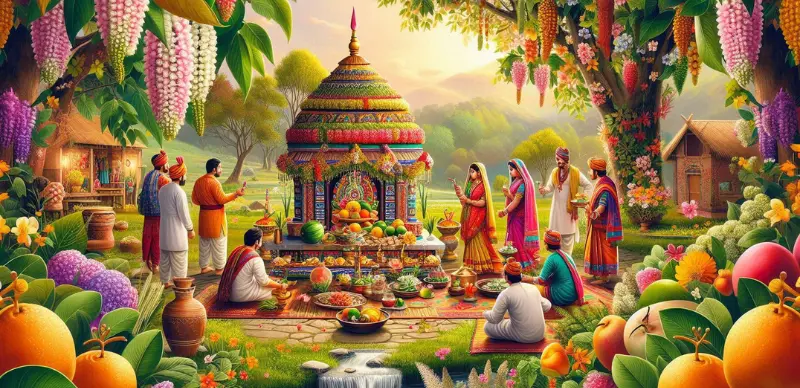
Guru Nanak Jayanti is celebrated with great fervor and devotion across the globe, particularly in India and among the Sikh diaspora. The celebrations typically span several days, culminating in a grand observance on the day of Gurpurab. In the days leading up to Guru Nanak Jayanti, many Gurudwaras, as Sikh temples are called, organise an Akhand Path, a continuous recitation of the Guru Granth Sahib, which lasts for 48 hours. This practice helps devotees immerse themselves in the teachings of Guru Nanak. Gurudwaras are adorned with flowers, lights, and colourful decorations in preparation for the celebrations. The atmosphere is filled with devotion and excitement as the community comes together to honour the Guru. Volunteers play a crucial role in organising events, preparing food for Langar, and ensuring that the celebrations run smoothly. The spirit of selfless service is at the heart of the preparations.

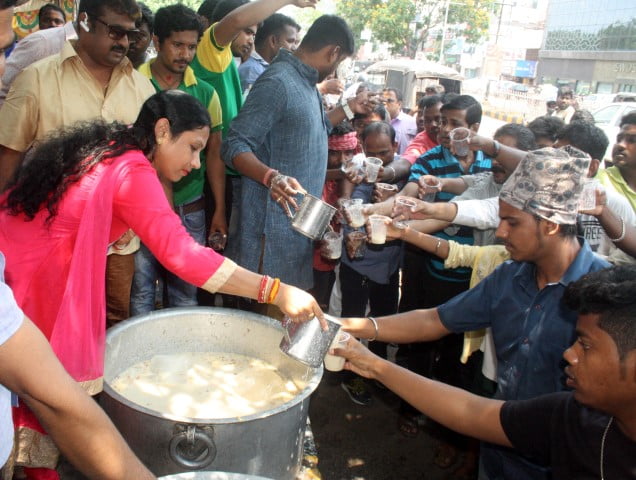
On Guru Nanak Jayanti, the day begins with early morning prayers and hymns or Asa-di-Var sung in Gurudwaras. Devotees gather to participate in the morning prayers, creating a sense of community and devotion. A day before Guru Nanak Jayanti, a Nagar Kirtan procession is held, led by the Panj Pyare or the Five Beloved Ones. The procession features the singing of hymns, the carrying of the Guru Granth Sahib in a palanquin, and the display of traditional martial arts. Participants often dress in traditional attire and carry the Nishan Sahib, the Sikh flag. One of the most significant aspects of the celebrations is the Langar, a community meal served to all attendees, regardless of caste, creed, or background. This practice embodies the principles of equality and selfless service promoted by Guru Nanak. 

Throughout the day, devotees participate in Kirtan or devotional singing and recitation of Gurbani which are hymns from the Guru Granth Sahib. These spiritual practices create an atmosphere of devotion and reflection. Many Sikhs engage in community service on Guru Nanak Jayanti, helping those in need and contributing to charitable initiatives. This aligns with Guru Nanak’s teachings of selfless service and compassion. In addition to religious observances, cultural programs and performances may be organised to celebrate Sikh heritage. These may include traditional music, dance, and storytelling that highlight the teachings of Guru Nanak.

Guru Nanak Jayanti is celebrated not only in India but also by Sikh communities around the world. Major cities with significant Sikh populations host grand celebrations that attract thousands of participants. These events often include processions, community meals, and cultural performances that showcase the rich traditions of Sikhism.

Guru Nanak Jayanti is a profound celebration of the life and teachings of Guru Nanak Dev Ji, the founder of Sikhism. This festival serves as a reminder of the values of equality, compassion, and selfless service that Guru Nanak championed throughout his life. As communities come together to honour his legacy, they reinforce the importance of unity and understanding in a diverse world. As one reflects on his wisdom and principles, we are inspired to embody the spirit of service, love, and respect for all humanity.

World Children’s Day

Celebrated annually on November 20, World Children’s Day is dedicated to promoting children’s rights and welfare worldwide. Established as Universal Children’s Day in 1954 by the United Nations General Assembly, the day was created to promote international togetherness, and awareness among children worldwide, and improve children’s welfare. November 20th was chosen to commemorate two important milestones in advancing children’s rights.

On November 20, 1959, the UN General Assembly adopted the Declaration of the Rights of the Child. This landmark document outlined the fundamental rights of children, emphasising their need for special protection and care. Exactly 30 years later, on November 20, 1989, the UN General Assembly adopted the Convention on the Rights of the Child (CRC). This set out children’s civil, political, economic, social, and cultural rights and has been ratified by 196 countries, making it the most widely ratified human rights treaty in history.

Over the years, World Children’s Day has evolved to become a platform for advocating children’s rights and addressing the challenges they face. It serves as a reminder of the commitments made by countries to uphold the rights of children and ensure their well-being. The day helps raise awareness about the rights of children and the importance of ensuring their well-being. It highlights issues such as child labour, child abuse, and lack of access to education and healthcare. World Children’s Day emphasises the importance of protecting and promoting children’s rights as outlined in the CRC. It encourages governments, organisations, and individuals to take action to uphold these rights. The day encourages children to participate in discussions and decision-making processes that affect their lives. It empowers them to voice their opinions and be active agents of change. World Children’s Day fosters a sense of global solidarity and cooperation in addressing the challenges faced by children. It brings together various stakeholders, including governments, NGOs, and communities, to work towards a common goal.

The theme for World Children’s Day 2024 is “A Better Future for Every Child.” This theme underscores the importance of creating a world where every child can thrive, regardless of background or circumstances. It focuses on several key areas, including ensuring access to quality education for all children, including marginalised and vulnerable groups; promoting access to healthcare services, proper nutrition, and a healthy environment for children; safeguarding children from violence, exploitation, and abuse; encouraging children’s participation in decision-making processes that affect their lives; and addressing inequalities and ensuring that every child, regardless of their socio-economic status, gender, or ethnicity, has equal opportunities to succeed.

To fully appreciate the importance of World Children’s Day, it’s crucial to understand the rights of children as outlined in the CRC. The Convention on the Rights of the Child includes 54 articles that cover various aspects of children’s rights.

Some of the key rights include the Right to Life, Survival, and Development where every child has the inherent right to life, and governments must ensure their survival and development. The Right to Education is one where every child has the right to free primary education, and access to secondary and higher education should be available to all while under the Right to Health, children must have the right to the highest attainable standard of health and access to healthcare services. Under the Right to Protection from Abuse and Exploitation, children must be protected from all forms of physical or mental violence, injury, abuse, neglect, and exploitation and children have the right to express their views freely in all matters affecting them and to have their opinions taken into account under the Right to Participation.

Despite significant progress in promoting children’s rights, many challenges remain. Some of the key issues affecting children worldwide include:

  • Child Labour: Millions of children are engaged in child labour, often in hazardous conditions, depriving them of their right to education and a safe childhood.
  • Child Marriage: Child marriage remains prevalent in many parts of the world, leading to negative health, education, and economic outcomes for girls.
  • Lack of Access to Education: Many children, particularly in low-income countries, lack access to quality education due to factors such as poverty, conflict, and discrimination.
  • Malnutrition: Malnutrition remains a significant issue, affecting children’s physical and cognitive development and increasing their vulnerability to diseases.
  • Violence and Exploitation: Children continue to face various forms of violence, including physical, sexual, and emotional abuse, as well as exploitation in the form of trafficking and forced labor.

Governments and organisations play a crucial role in promoting and protecting children’s rights. World Children’s Day highlights their responsibilities and encourages them to take action. Governments must develop and implement policies that uphold children’s rights and address the challenges they face. Adequate resources must be allocated to programs and services that support children’s health, education, and protection. Governments and organisations should collaborate with various stakeholders, including NGOs, communities, and the private sector, to create a supportive environment for children. Effective monitoring and accountability mechanisms should be in place to ensure that children’s rights are upheld and that progress is made towards achieving the goals set out in the CRC.

Children and youth are not just passive recipients of rights; they are active agents of change. World Children’s Day encourages their participation and empowers them to take action. Children and youth must be encouraged to advocate for their rights and the rights of their peers. Organisations and governments must provide platforms for them to voice their opinions and participate in decision-making processes. Peer education programmes must be supported where children and youth can educate each other about their rights and how to protect them. Youth-led initiatives that address issues affecting children and contribute to their well-being must be promoted and supported. Mentorship programmes that connect children and youth with positive role models who can guide and support themmust be developed.

World Children’s Day has had a significant impact on promoting children’s rights and improving their well-being. The day has successfully raised awareness about children’s rights and the challenges they face, leading to greater public support and action. Advocacy efforts on World Children’s Day have contributed to policy changes and the implementation of laws that protect children’s rights. Initiatives launched on World Children’s Day have helped improve access to education for marginalised and vulnerable children. Programmes and campaigns have strengthened child protection systems, reducing the incidence of violence, exploitation, and abuse. The day has empowered children and youth to take an active role in advocating for their rights and contributing to positive change in their communities.

While significant progress has been made, there is still much work to be done to ensure that every child can enjoy their rights and reach their full potential. World Children’s Day highlights the importance of promoting and protecting children’s rights. The day serves as a reminder of the commitments made by countries to uphold the rights of children and the importance of collective action in achieving this goal. By raising awareness, advocating for change, and supporting initiatives that benefit children, we can create a world where every child can thrive and reach their full potential.