Total Defence Day

The date was February 15, 1942. After a week of intense fighting, the British colonial administration finally gave in and surrendered to the Japanese invaders. At the Ford Motor Factory, Lieutenant-General Arthur Percival formally surrendered to Japanese General Tomoyoki Yamashita shortly after 6:15 p.m. That day has been commemorated annually since 1984 to remind Singaporeans that every aspect of society contributes to the collective defence of the state.

The strategy behind Total Defence was adopted from the national defence strategies of Sweden and Switzerland. It initially consisted of five key tenets: military, civil, economic, social, and psychological, with the sixth, digital, being introduced in 2019.

The Singapore Government has justified Total Defence on several factors: the island city-state’s small size and marginal population; lack of natural resources; and a racial and religiously diverse population. It states that these factors make Singapore vulnerable to threats such as international terrorism, natural disasters, pandemics and disinformation campaigns that could result in an economic slowdown.

Military Defence: At the heart of Total Defence lies Singapore’s robust military capability—a deterrent against external aggression and a guarantor of national sovereignty. The Singapore defence budget is ranked among the highest in the ASEAN region. Through a policy of deterrence and diplomacy, Singapore maintains a formidable defence force capable of safeguarding its territorial integrity and protecting its people. A capable armed force is seen as a necessity to deter potential aggressors. In addition to two years of national service, the onus is placed on reservist troops to maintain their physical fitness through annual individual physical proficiency tests (IPPT) and in-camp training (ICT). Corporate companies are encouraged to create “pro-NS” policies for reservists, such as training spaces, monetary incentives and flexible working hours, and are recognised at an annual awards ceremony.

Civil Defence: Civil Defence encompasses a range of measures aimed at enhancing preparedness and response capabilities in the face of natural disasters, pandemics, and other emergencies and broadly refers to the activities of the Singapore Police Force and Singapore Civil Defence Force to restore a sense of normalcy during a national crisis with the aid of active civilian participation. Civilians are trained in first aid, urban survival, and the management of blood, water and food resources. Donating blood to national blood banks, volunteering, and being a medical frontline worker are also activities seen as contributing to civil defence.

Economic Defence: Economic resilience forms the bedrock of Singapore’s prosperity and stability and relates to governmental efforts to sustain and develop Singapore’s economy with a policy undertaken by the government for workers to upgrade their skill sets. The Singaporean government also stockpiles essential supplies of food, medication and personal protective equipment, in addition to pursuing secondary supply chains, to offset potential disruptions. The conservation of essential resources, including water, is placed under economic defence. Total Defence underscores the importance of diversification, innovation, and adaptability in navigating the complexities of the global economy. Through prudent fiscal policies, strategic investments, and a skilled workforce, Singapore fortifies its economic defenses against external shocks and disruptions.

Social Defence: A cohesive and resilient society is the linchpin of Singapore’s national identity. Social defence stems from official policies to maintain social cohesion among Singapore’s diverse population through multiculturalism. It emphasises the importance of unity, inclusivity, and social cohesion in fostering a resilient community. From grassroots initiatives to national campaigns promoting racial harmony and social cohesion, Singaporeans stand united in the face of adversity. Improving relations between neighbours is also listed as part of social defence.
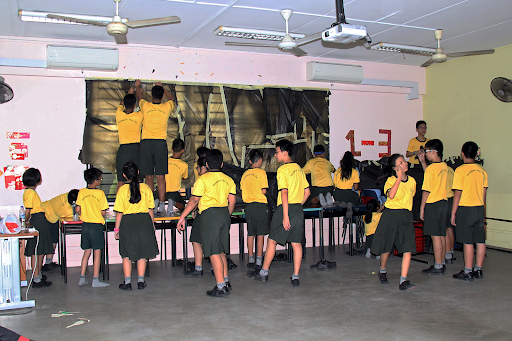
Psychological Defence: Psychological defence refers to the Singapore Government’s programme to strengthen “resolve and resilience” amongst its citizens to face unexpected crises; it is also cited as necessary to combat fake news. Psychological Defence instils in Singaporeans a sense of national pride, identity, and purpose—a steadfast commitment to upholding Singapore’s core values and principles. Through education, awareness, and civic engagement, Singapore nurtures a resilient mindset capable of withstanding the psychological challenges of an uncertain world. The government views psychological resilience as the bedrock of a “social compact” and seeks to emulate Finland’s example. Efforts to improve mental health in Singapore are also placed under psychological defence.

Digital Defence: Digital defence refers to efforts to increase awareness of online security threats, including misinformation, cyberattacks and phishing scams. The threat is seen as particularly acute due to the country’s “open and connected” nature and governmental plans to orient the country around a digital economy and the Smart Nation concept. All civil servants are mandated to undergo cybersecurity training, with the government also increasing audits of state infrastructure.

Total Defence Day is a national observance, a time for reflection, remembrance, and reaffirmation of Singapore’s commitment to resilience. Total Defence Day was added to the list of dates for schools to commemorate in 1997 and was commemorated in schools in 1998. On this day, the Singapore Civil Defence Force sounds the Important Message Signal through the island-wide Public Warning System sirens and local radio stations for a minute. At its inception, the siren was sounded at 12:05 pm Singapore Standard Time; this was changed to 6:20 pm in 2015 to mark the actual time of the surrender in 1942. Schools conduct emergency preparedness drills, food and electricity rationing, and may organise tours to government exhibitions. A memorial service has been held annually at the War Memorial Park since 1967 to recognise civilians who lost their lives during the Japanese occupation. 2024 will mark 40 years of commemorating Total Defence Day.

Today, the principles of Total Defence remain as relevant as ever. In an era defined by rapid technological advancement, geopolitical shifts, and global pandemics, the need for resilience, unity, and preparedness has never been greater. Total Defence calls for agility and adaptability in the face of evolving threats and challenges. In an interconnected world, partnerships and alliances are essential in safeguarding the country’s interests and promoting regional stability. Total Defence encourages a culture of innovation, entrepreneurship, and creativity to address emerging threats and opportunities.

Total Defence is more than a strategy; it is a mindset, a way of life, and a testament to the indomitable spirit of a nation united in purpose and resolve. As Singapore navigates the complexities of the 21st century, the principles of Total Defence will continue to guide its journey—a steadfast commitment to safeguarding its sovereignty, prosperity, and future generations.

Safer Internet Day

Today, it is impossible to think of a life without the internet. Tomorrow is Safer Internet Day and this day is more than important in fostering a secure online environment. This day, observed annually on the second Tuesday of February, serves as a global call to action, urging individuals, organisations, and governments to reflect on the evolving challenges of digital safety and work collaboratively towards a safer cyberspace.

Since its inception in 2004, Safer Internet Day has evolved into a cornerstone event, transcending geographical boundaries to address the multifaceted aspects of online safety. Facilitated by the joint efforts of governments, NGOs, industry leaders, and individuals, the day seeks to raise awareness, promote responsible digital behaviour, and ignite conversations around the ever-expanding frontier of the internet.

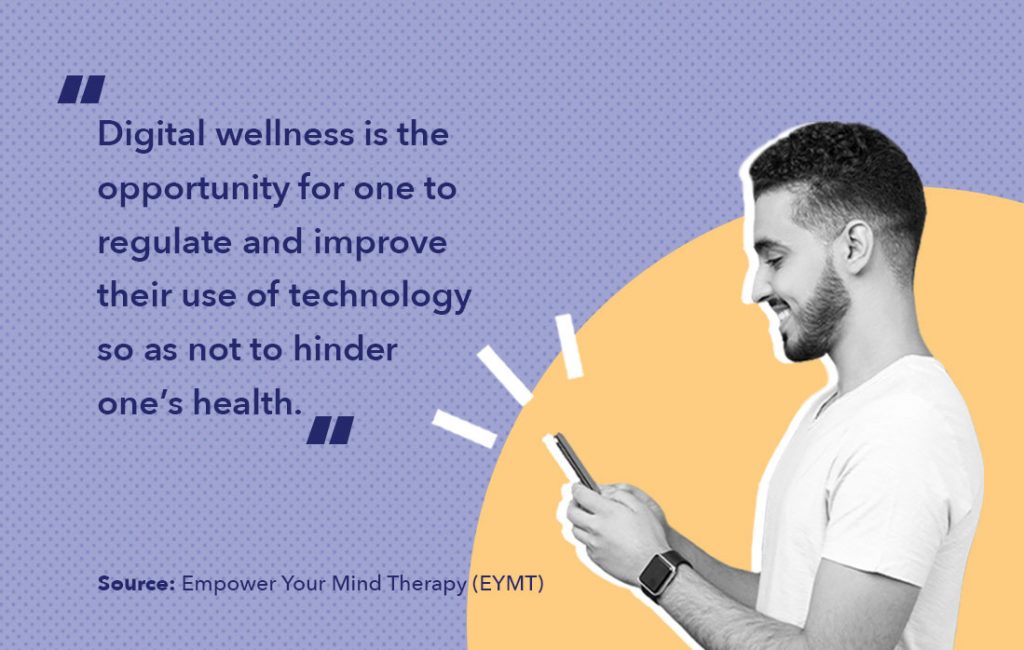
The theme for Safer Internet Day 2024, Empowering Digital Wellness, reflects a nuanced understanding of the Internet’s role in our lives. It goes beyond traditional notions of safety, encompassing a holistic approach that considers not only the avoidance of harm but also the cultivation of positive, healthy online experiences.

Cyber threats today are becoming more of a norm than they were previously. From sophisticated phishing attacks to ransomware campaigns targeting critical infrastructure, the arsenal of cyber threats continues to expand. Safer Internet Day serves as a rallying point to fortify our virtual defences and elevate cybersecurity awareness. The accumulation of personal data by tech giants and the subsequent concerns over data privacy have become central issues in the digital discourse. As individuals navigate the online landscape, safeguarding privacy is paramount, and Safer Internet Day prompts us to scrutinize the implications of our digital footprints.

The propagation of misinformation and the manipulation of online narratives pose significant threats to the integrity of digital spaces. Safer Internet Day underscores the importance of media literacy and critical thinking as bulwarks against the tide of disinformation. The younger generation, digital natives in their own right, face unique challenges in the online sphere. Safer Internet Day directs attention towards fostering a digital environment where young minds can explore, learn, and socialize without succumbing to the perils of cyberbullying, predatory behaviour, or exposure to inappropriate content.

So what is digital wellness?

Digital wellness transcends the binary perspective of safety versus danger. It delves into the qualitative aspects of our online experiences, urging us to strike a balance between connectivity and mental well-being. On Safer Internet Day, we are prompted to reflect on the impact of our digital habits on overall health. A key tenet of digital wellness is the cultivation of positive interactions. This day encourages individuals to contribute to a culture of respect, empathy, and constructive dialogue online. From social media etiquette to responsible commenting, the goal is to create a virtual space that mirrors the values of the physical world. An empowered user is a resilient user. Safer Internet Day emphasises the need for robust digital literacy initiatives that equip individuals with the skills to navigate the internet safely, discern reliable information from misinformation, and fortify themselves against cyber threats. Beyond individual efforts, the responsibility also lies with the tech industry to design platforms and services that prioritise user safety and well-being. Safer Internet Day calls for ethical considerations in the development and deployment of digital technologies.

Governments around the world use Safer Internet Day as an opportunity to announce new policies, launch initiatives, and engage in collaborative efforts to enhance online safety. The day acts as a catalyst for cross-border cooperation in addressing global digital challenges. Tech giants and corporations leverage Safer Internet Day to showcase their commitment to user safety. From releasing transparency reports to implementing enhanced security features, these initiatives contribute to a safer online ecosystem. You can also find non-governmental agencies that advocate for digital rights and online safety, amplifying their voices on this day. Safer Internet Day provides a platform for awareness campaigns, educational programs, and policy advocacy.

Educational institutions worldwide leverage Safer Internet Day to integrate digital safety into their curricula. From primary schools to universities, students are educated on topics such as online ethics, privacy protection, and cybersecurity. Workshops, seminars, and awareness programs are conducted to engage students, parents, and educators in discussions about responsible digital behaviour. The goal is to create a shared understanding of the challenges and opportunities presented by the digital landscape.

As we navigate the complex and ever-evolving digital terrain, Safer Internet Day serves as a call to action—a collective summons to become guardians of the virtual realm. It prompts us to scrutinise our digital habits, advocate for digital wellness, and actively contribute to the creation of a safer, more resilient internet. As individuals, we are also encouraged to reflect on our digital behaviours, assess our online footprint, and consider the impact of our actions on the broader online community. A conscious and informed user is the first line of defence in the digital realm.

Safer Internet Day is not merely a commemoration but a call to arms—an acknowledgement of the collective responsibility we bear in safeguarding the virtual commons. It challenges us to transcend the dichotomy of utopia and dystopia, recognizing that the internet, like any realm of human interaction, reflects our collective values, aspirations, and shortcomings.

In the quest for a safer internet, the journey begins with individual choices, extends through community engagement, and converges in the halls of policy and technology design. As we traverse the intricate web of the digital realm, let us be the architects of a virtual space that mirrors the principles of justice, equity, and shared humanity. In the hands of the global community, the internet can become a beacon of enlightenment, collaboration, and progress—a testament to the triumph of the human spirit in the face of the unprecedented challenges of our digital age.

Singapore: The World’s most Expensive City in 2023

For the ninth time in eleven years, Singapore has made its way to the top of the global cost-of-living charts, sharing the crown with Zurich in Switzerland in 2023 and overtaking New York in the US, which fell to third place this year. This was reported based on the Economist Intelligence Unity’s (EIU’s) twice-yearly Worldwide Cost of Living survey. The survey was conducted from August 14 to September 11, 2023, comparing over 400 individual prices across more than 200 products and services in 173 cities.

Zurich moved up from sixth place to join Singapore at the top, bumping New York, which tied with Singapore for first place last year, down to third place. Zurich, which is back at the top after three years, moved up due to the strength of the Swiss franc as well as high prices for groceries, household goods and recreation. Overall, the top ten this year consist of two Asian cities—Singapore and Hong Kong; four European cities—Zurich, Geneva, Paris and Copenhagen; three US cities—New York, Los Angeles and San Francisco; and Tel Aviv in Israel. This survey was conducted before the start of the Israel-Hamas war, which has affected the exchange rates in Israel and may have made it harder to procure some goods in Tel Aviv, thereby affecting prices.

At the heart of this unwanted fame lies the global inflationary wave. The pandemic and subsequent supply chain disruptions have wreaked havoc on economies worldwide, and Singapore, despite its robust financial system, couldn’t escape the ripple effects. Grocery prices, a crucial indicator of everyday affordability, have seen a 7.4% increase for over 200 commonly used goods and services, with everyday essentials like cooking oil and meat bearing the brunt of the impact. Transportation, another significant contributor to the high cost of living, saw even steeper increases, particularly in car ownership due to strict government control on car numbers. This marks a decline from the record 8.1% increase reported last year, but price growth remains significantly higher than the trend in 2017–21. Although this year’s survey covers 173 of the world’s major cities, the global average has been calculated by excluding Kyiv (which was not surveyed in 2022) and Caracas (which continues to face hyperinflation), as was the case last year.

But inflation isn’t the sole culprit. The strength of the Singapore Dollar further inflates the cost of living for foreigners and tourists. This currency appreciation, driven by positive economic growth and foreign investment, makes imports pricier, impacting everything from consumer goods to restaurant bills. Singapore has the world’s highest transport prices, owing to strict government controls on car numbers. It is also amongst the most expensive for clothing, groceries and alcohol.

Globally, utility prices that included household energy and water bills, witnessed the slowest inflation of the ten categories covered in the survey. This was the fastest-rising category in 2022 and the moderation suggests an easing of the energy price shocks caused by Russia’s invasion of Ukraine. Grocery, on the other hand, saw the fastest pace of price growth. Food inflation has been sticky across the world as many manufacturers and retailers have passed on higher costs to consumers and the increasing frequency of extreme weather events continues to keep supply-side risks elevated.

Among the biggest decliners in the EIU list were Chinese and Japanese cities that were dragged down by the weakening Chinese yuan and Japanese yen. Chinese cities Nanjing, Wuxi, Dalian and Beijing all dropped more than 25 spots, while Tokyo and Osaka in Japan plummeted 23 and 27 spots, respectively.

However, it’s crucial to recognise that while Singapore’s price tag might induce sticker shock, it comes with a flip side: a high standard of living. The city-state boasts world-class infrastructure, a top-notch public healthcare system, and a safe and secure environment. Educational institutions consistently rank among the best, and career opportunities abound, particularly in finance, technology, and logistics. For high-income earners and global corporations, Singapore’s exorbitant costs are offset by its efficiency, security, and unparalleled quality of life.

So, what do you think? Is Singapore’s tag of being the most expensive city to live in correct? Let me know in the comments below.

International Day of Education

Education is every human being’s fundamental right. And today, as we celebrate the International Day of Education, this couldn’t be more true.

The International Day of Education was proclaimed by the United Nations General Assembly in December 2018 to recognize the role of education in promoting peace, sustainable development, and global citizenship. The choice of January 24th commemorates the adoption of the Sustainable Development Goals or SDGs, in 2015, with Goal 4 specifically focusing on ensuring inclusive and equitable quality education for all.

Despite its undeniable importance, access to quality education remains a pressing global challenge. According to UNESCO, 258 million children and youth are still out of school, and 763 million adults are illiterate. These disparities disproportionately affect girls, minorities, and individuals living in conflict-affected areas. These statistics represent not just numbers, but human lives robbed of the opportunities that education affords. Imagine a world where every child, regardless of their background, has the chance to learn, to dream, and to contribute to the betterment of society. This is the world we must strive for, and education is the bridge that will lead us there.

Education is not merely the transfer of knowledge; it is a catalyst for societal transformation. It is the key that unlocks doors to opportunities, empowers individuals to realise their full potential, and propels communities towards progress.

Education has the power to break the intergenerational cycle of poverty. It equips individuals with the skills and knowledge needed to secure better economic opportunities, creating a ripple effect that uplifts families and communities. Education is a potent tool in dismantling gender disparities. It empowers girls and women, providing them with the tools to challenge societal norms, pursue careers, and contribute meaningfully to their communities. It nurtures a sense of global citizenship, and instills values of empathy, tolerance, and understanding, fostering a generation that is aware of and engaged with the interconnected world in which we live. In the face of challenges, be they economic downturns or global health crises, educated societies are more resilient. Education equips individuals and communities with problem-solving skills, adaptability, and the ability to navigate uncertainties.

While the International Day of Education is a celebration of progress, it is also an opportunity to acknowledge the challenges that persist in the realm of global education. Despite concerted efforts, millions around the world still face barriers to accessing quality education. These challenges include disparities in access to quality education, both within and between countries. Marginalised communities, rural areas, and conflict zones often face limited educational resources, perpetuating cycles of poverty. While progress has been made in advancing gender equality in education, disparities persist. Girls, particularly in certain regions, may still face barriers to access, including cultural norms, early marriage, and lack of resources. Access alone is not enough; the quality of education is equally crucial. In some regions, even when children have access to schools, the quality of teaching, infrastructure, and learning materials may fall below acceptable standards. The digital revolution has opened new frontiers in education, but a digital divide persists. Not all students have equal access to technology and online learning resources, exacerbating existing inequalities. Global crises, such as the COVID-19 pandemic, have underscored the vulnerability of education systems. Disruptions, whether due to pandemics, conflicts, or natural disasters, can have lasting consequences on the education of millions of children and youth.

In 2024, children should not have to fight for their right to educate themselves. The power of knowledge should be used to address the challenges of our time. Let us use education to build a world where everyone has the opportunity to reach their full potential and contribute to a more just, peaceful, and sustainable future. Every action, however small, can make a difference. Together, we can make education a reality for every child and young person, paving the way for a brighter future for all.

Remember, education is not a luxury; it is a fundamental human right. It is the foundation for a just and equitable society, and it is the key to a sustainable future. Without inclusive and equitable quality education and lifelong opportunities for all, countries will not succeed in achieving gender equality and breaking the cycle of poverty that is leaving millions of children, youth and adults behind.

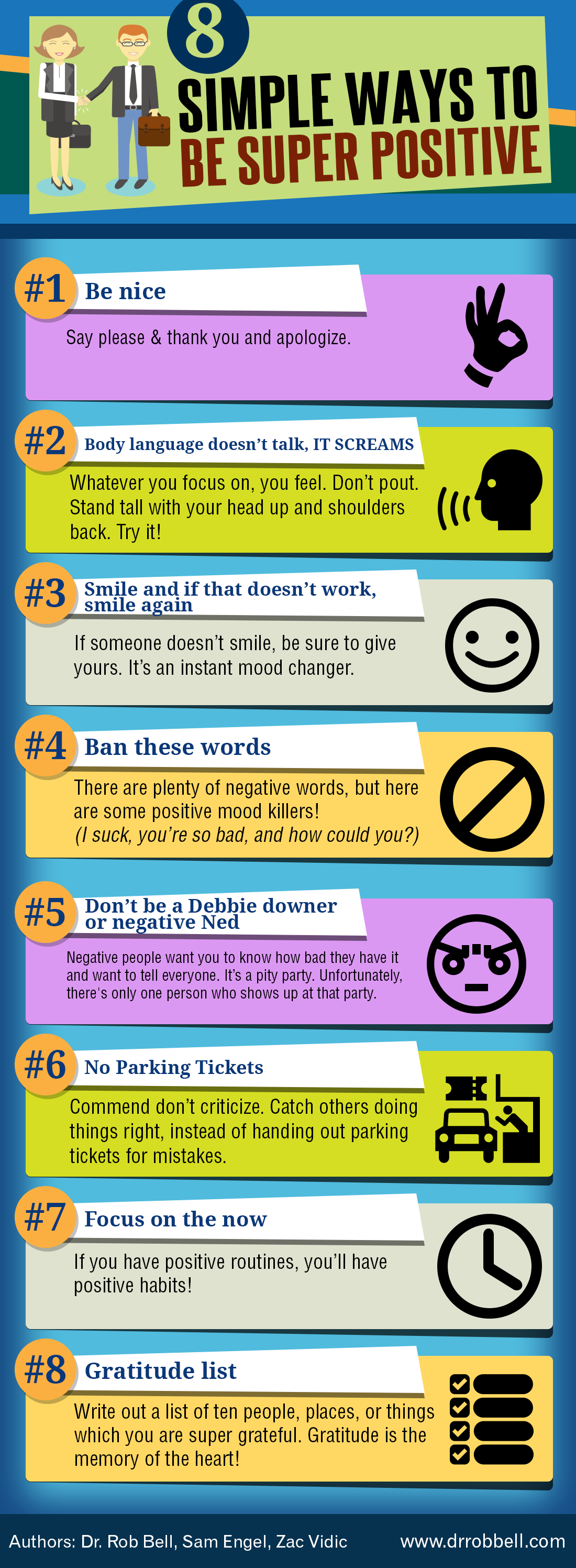
Positive Attitude: The Transformative Power of Having One

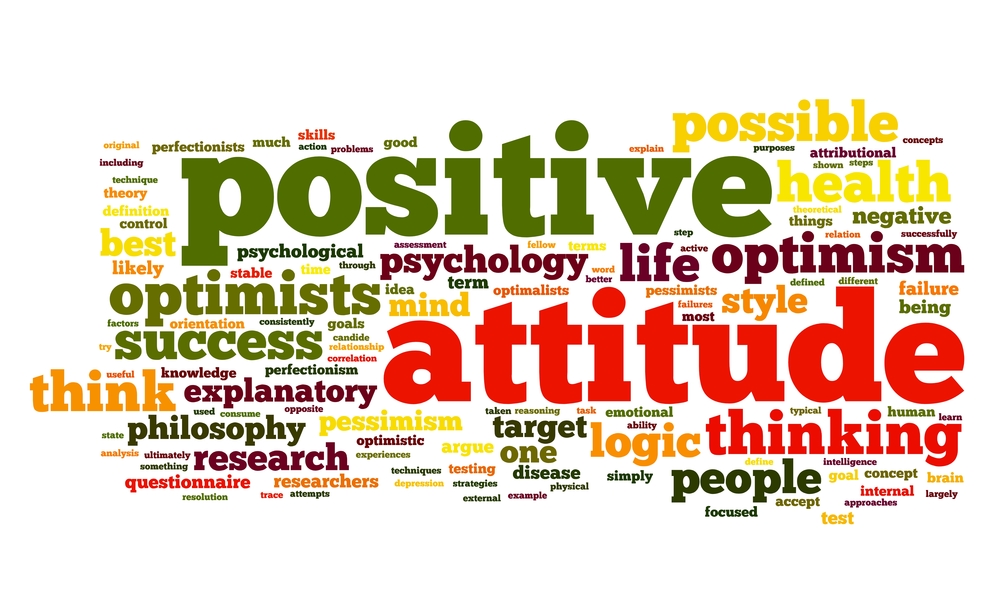
As we go on in life, our attitudes colour every experience, shape our perceptions and influence our decisions and responses to challenges and triumphs. A positive attitude, one that is characterised by optimism, resilience, and a proactive mindset, is the lens through which we interpret the world, shaping our interactions and influencing the trajectory of our lives. Our attitude is a compass, guiding us through the storm and calm with grace and resilience.

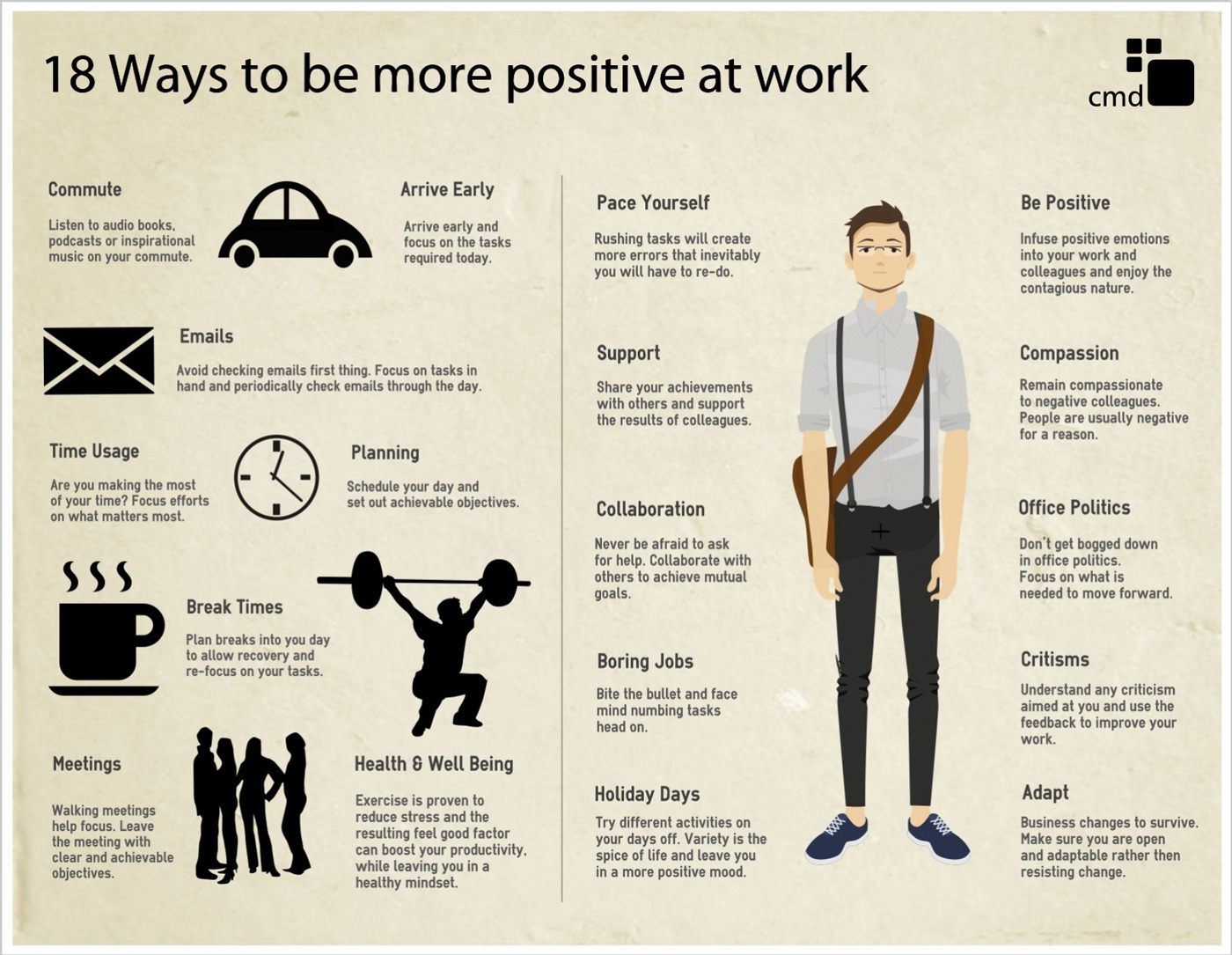
The benefits of a positive attitude extend far beyond simply feeling good. They ripple outward, enriching every corner of our existence. Positivity acts as a potent elixir, promoting well-being on a holistic level. Studies reveal its power to reduce stress, bolster the immune system, and even influence longevity. Positive emotions trigger physiological changes that directly impact our health, turning optimism into a tangible investment in our well-being. In the workplace, a positive attitude becomes a secret weapon. It enhances problem-solving skills, fosters collaboration, and inspires those around us. Individuals with a sunny outlook are perceived as more competent, trustworthy, and resilient, drawing opportunities like bees to pollen. Research shows that employees with a positive attitude are more likely to receive promotions and achieve career success.

Positive emotions are contagious, weaving stronger, more resilient connections into the fabric of our lives. Those who radiate optimism draw others in, building supportive and encouraging relationships. This extends beyond personal ties, influencing interactions with colleagues, clients, and even strangers. In the symphony of interpersonal connections, a positive attitude harmonizes the notes, creating a melody of trust and warmth. A positive attitude acts as psychological armour, helping us navigate these detours with grace and resilience. It allows us to reframe setbacks as opportunities for growth, fostering a belief in our ability to overcome obstacles and emerge stronger. When faced with adversity, the thread of positivity ensures we’re not merely weathering the storm but actively learning from and evolving from its winds.

In the workplace, a positive attitude can be a catalyst for increased productivity. When individuals approach tasks with enthusiasm and optimism, they are more likely to overcome obstacles, find creative solutions, and contribute to a thriving work environment. Positive individuals tend to be effective team players. Their upbeat outlook and willingness to support colleagues create a harmonious work atmosphere, fostering collaboration and teamwork. This, in turn, contributes to the overall success of projects and the organisation. Leaders with a positive attitude inspire and motivate their teams. The ability to maintain optimism during challenges instills confidence in others, making positive leaders influential and capable of steering their teams through adversity.

A positive attitude forms the bedrock of healthy relationships. Individuals who approach interactions with optimism and kindness build stronger connections, fostering trust, understanding, and a sense of mutual support. In the face of personal challenges, a positive attitude acts as a shield. It doesn’t negate difficulties but equips individuals with the resilience to navigate them constructively, maintaining emotional well-being and preventing adversities from straining relationships. Within families, a positive attitude contributes to a nurturing environment. Parents who model positivity teach valuable life skills to their children, fostering a resilient and optimistic mindset that extends into the next generation.

Positive thinkers are better equipped to manage stress. By adopting a solutions-oriented mindset, they focus on what can be controlled, reducing feelings of overwhelm and promoting mental well-being. A positive attitude is linked to increased mental resilience. Individuals who maintain an optimistic outlook are better able to bounce back from setbacks, viewing challenges as opportunities for growth rather than insurmountable obstacles. Positivity contributes to emotional health, fostering a sense of joy, gratitude, and contentment. Cultivating a positive attitude can be a proactive measure in preventing or managing conditions such as anxiety and depression.

Research suggests a correlation between a positive attitude and improved immune function. The body’s ability to resist illness may be enhanced by the psychological benefits of maintaining an optimistic outlook. Studies indicate that individuals with a positive attitude may experience increased longevity and a higher quality of life. The physiological impact of positivity contributes to overall health and well-being.

Rather than viewing setbacks as failures, individuals with a positive attitude see them as opportunities to learn and grow. This perspective transforms challenges into stepping stones for future success. Building a positive attitude isn’t a one-time task; it’s a deliberate practice, requiring nurturing and reinforcement. Negative thoughts are inevitable weeds in the garden of the mind. Recognize their presence, but don’t let them take root. Actively challenge their validity, replacing them with seeds of positive affirmations and realistic perspectives. It’s essential to recognize and address negative thoughts when they arise. This might involve reframing negative self-talk or seeking support through counselling or coaching.

A positive attitude involves embracing difficulties as chances for personal and professional growth rather than insurmountable obstacles. When faced with challenges, resist the urge to wallow in negativity. Shift your focus to finding solutions, like a gardener weeding out unwanted growth. This proactive approach empowers you and fosters a sense of control over your circumstances. Don’t wait for monumental achievements to be celebrated. Acknowledge and appreciate your daily accomplishments, however small they may seem. This builds confidence and reinforces a positive self-image, nurturing the delicate blooms of self-worth. Treat yourself with the same compassion and understanding you extend to others. Forgive yourself for mistakes, focus on progress over perfection, and celebrate your unique strengths. Remember, a positive attitude isn’t about being flawless; it’s about embracing your humanness and appreciating the beauty of your growth.

Developing mindfulness and self-awareness is foundational to cultivating a positive attitude. Understanding one’s thoughts and reactions allows for intentional shifts towards optimism. Regularly expressing gratitude has a transformative effect on attitude. Keeping a gratitude journal or taking moments each day to reflect on positive aspects cultivates an appreciation for life’s blessings. Incorporating positive affirmations into daily routines can rewire thought patterns. Affirmations reinforce optimistic beliefs, gradually shaping a positive mindset. Consciously choosing positive influences, whether in personal relationships, media consumption, or social circles, contributes to maintaining a positive attitude. Surrounding oneself with optimism reinforces this mindset. Viewing challenges through the lens of opportunity reframes adversity.

A positive attitude doesn’t mean ignoring the realities of life. Realistic optimism involves acknowledging challenges while maintaining confidence in one’s ability to overcome them. This balanced perspective forms the core of a resilient mindset. Ultimately, the power of a positive attitude lies in its ability to empower us to create a life that aligns with our values and aspirations. It’s a conscious choice to invest in ourselves, to nurture a sense of optimism and resilience that serves as a foundation for well-being, success, and a life truly lived to the fullest.

So, step into the sunshine, cultivate your inner garden of positivity, and watch your life blossom with newfound purpose and joy. As we navigate the complexities of our lives, the cultivation of a positive attitude stands as a transformative practice—one that not only shapes our present experiences but lays the foundation for a future defined by resilience, joy, and an unwavering belief in the inherent goodness of life.