Sacred Stones, Spaces and Stories: Shakthipeeta Part 25

Nainativu Temple, Manipallavam, Northern Province, Sri Lanka
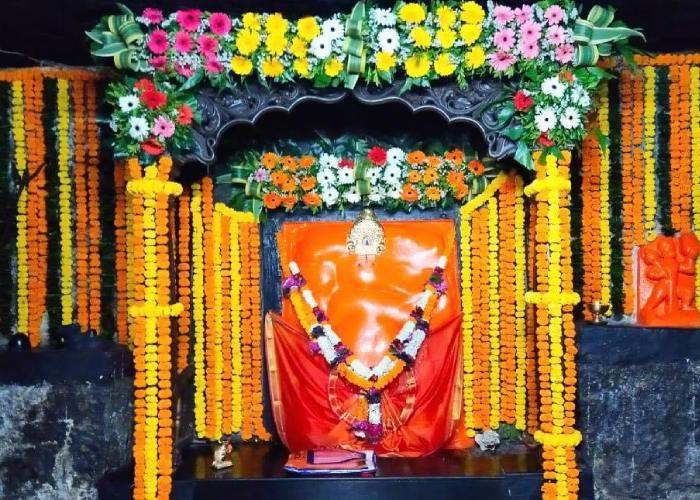
The Nainativu Nagapooshani Amman Temple, located on Nainativu Island, also known as Manipallavam in the Northern Province of Sri Lanka, is one of the most sacred Hindu shrines in the region. Revered as one of the 51 Shakti Peethas, this ancient temple is believed to be the site where the silambu or anklet of Goddess Sati fell. The temple is dedicated to Goddess Nagapooshani Amman, a form of Goddess Parvati, and Lord Nayinaar Swami, a manifestation of Lord Shiva. Nestled amidst the serene waters of the Palk Strait, this temple holds immense historical, mythological, and spiritual significance.

The temple has been mentioned in several ancient texts, including the Tamil epic Manimekalai and the Sri Lankan chronicle Mahavamsa. These texts describe Nainativu as Manipallavam or Nagadeepa, an island inhabited by the Naga people who were serpent worshippers. The temple is believed to have been originally established by Lord Indra to atone for his sins after being cursed by Sage Gautama for seducing his wife Ahalya. Indra consecrated and worshipped an idol of Goddess Bhuvaneswari or Nagapooshani Amman at this site to seek forgiveness. Over time, Nainativu became a prominent centre for serpent worship and Shaktism. The temple flourished under Tamil rulers but faced destruction during Portuguese colonial invasions in 1620. The present structure was rebuilt in 1788 and later renovated after sustaining damage during periods of political unrest in Sri Lanka.

The temple features traditional Dravidian architecture with intricately carved gopurams or towering gateways adorned with vibrant sculptures depicting Hindu deities and mythological scenes. The four-tiered South Gopuram stands out as a masterpiece of craftsmanship. The temple honours its historical connection to serpent worship with shrines dedicated to serpent deities like Sri Nayinaar Swami and idols of five-headed cobras within the sanctum sanctorum. Devotees offer milk and flowers to these serpent idols as part of their prayers.

Two rocks near the island — Paambu Sutriya Kal or the rock around which the snake wound itself and Garudan Kal or the rock of the eagle — are linked to a legend involving a cobra carrying a lotus flower for Goddess Bhuvaneswari’s worship while being pursued by Garuda. A Tamil inscription from the 12th century issued by King Parakramabahu I mentions trade regulations for merchants visiting Nainativu and highlights its significance as a port city. Located nearby is the Nagadeepa Buddhist Vihara, emphasising Nainativu’s historical role as a shared sacred space for Hindus and Buddhists.

The temple hosts an annual festival known as Thiruvizha during June-July that lasts for 16 days. It includes processions featuring decorated chariots carrying idols of Maa Nagapooshani Amman and Nayinaar Swami. Devotees participate in cultural performances, music recitals, and community feasts during this grand celebration. Special offerings are made to serpent deities within the temple complex on auspicious days like Naga Panchami. Devotees believe that these rituals bring protection from snake bites and other dangers. Couples seeking marital harmony or fertility visit the temple to seek Nagapooshani Amman’s blessings through special pujas conducted by priests.

According to legend, Lord Indra created this temple to atone for his sins after being cursed by Sage Gautama for seducing his wife Ahalya. Pleased with Indra’s devotion, Maa Bhuvaneswari transformed his curse marks into eyes, earning her the name Indrakshi or Indra-eyed. Another legend tells of a cobra swimming across the sea toward Nainativu with a lotus flower for Maa Bhuvaneswari’s worship while being pursued by Garuda, the eagle mount of Lord Vishnu. A merchant named Maanikan intervened to save the cobra by promising Garuda that he would build a beautiful temple for Bhuvaneswari on Nainativu Island.

The Nainativu Nagapooshani Amman Temple with unique rituals like serpent worship emphasises ancient traditions while preserving spiritual heritage. One can explore Sri Lanka’s rich cultural heritage intertwined with Hindu mythology while visiting this ancient shrine.

Shankari Maha Shaktipeeth, Tricomalee, Sri Lanka
The Shankari Maha Shaktipeeth, located in Trincomalee or Thirukkonamalai on the eastern coast of Sri Lanka is believed to be where the groin or yoni of Goddess Sati fell. The temple is dedicated to Goddess Shankari Devi, a form of Goddess Parvati, and Lord Trikoneshwara Bhairava, a manifestation of Lord Shiva. Perched on a hill overlooking the Indian Ocean, the Shankari Maha Shaktipeeth is not only a spiritual haven but also a site of immense historical and mythological significance.

The temple has been mentioned in several ancient texts, including Adi Shankaracharya’s Ashta Dasha Shakti Peetha Stotram, which lists it as one of the 18 Maha Shakti Peethas. The name Shankari derives from Shankar, another name for Lord Shiva, symbolising the inseparable bond between Shiva and Shakti. Historically, the temple was established over 2,500 years ago and was one of the wealthiest temples in South Asia during its peak.

The temple flourished under Tamil rulers and received patronage from various dynasties, including the Cholas and Pandyas. However, it faced destruction during Portuguese invasions in the 17th century. Despite being rebuilt multiple times, much of its original grandeur has been lost. Today, the temple remains an important spiritual centre for Hindus in Sri Lanka.

The temple is situated on Thirukkonamalai Hill meaning the three-cornered hill, offering panoramic views of the Indian Ocean. This unique location enhances its spiritual ambience. Adjacent to the Shankari shrine is the Trikoneshwara Temple dedicated to Lord Shiva. It is one of four major Shiva temples in Sri Lanka, the others being the Ketheeswaram Temple, the Munneswaram Temple, and the Galle Temple. The temple features traditional Dravidian architecture with intricately carved gopurams or towering gateways adorned with vibrant sculptures depicting Hindu deities and mythological scenes.

According to legend, the Asura King, Ravana, a huge devotee of Lord Shiva, installed three lingas on Thirukkonamalai Hill to honour Lord Shiva after receiving blessings from him. These lingas are believed to protect the island from calamities. The temple has strong ties to Ravana, who was a devout worshipper of Lord Shiva. It is said that Ravana performed penance here to gain boons from Shiva.

Navratri is celebrated with great festivities and the temple becomes crowded during these nine days as pilgrims seek blessings for prosperity and protection. Maha Shivratri is another major festival celebrated here with night-long prayers dedicated to Lord Shiva as Trikoneshwara Bhairava. Devotees offer milk and honey during abhishekam rituals. Couples seeking marital harmony or fertility visit the temple to seek Goddess Shankari Devi’s blessings through special pujas conducted by priests.

According to legend, Ravana performed rigorous penance at Thirukkonamalai Hill to gain boons from Lord Shiva. Impressed by his devotion, Shiva granted him several boons but warned him against arrogance. Ravana later installed three lingas on this hill as a mark of gratitude. Another legend states that Lord Shiva built a magnificent palace for Parvati on this hill after she requested a home away from Mount Kailash. However, Parvati left Lanka after Ravana refused her advice to return Sita to Lord Rama. A mythological tale recounts how Adisesha, the serpent king wrapped himself around Mount Kailash during a battle with Vayu, the wind god. When Vayu broke off three peaks from Kailash, one landed at Thirukkonamalai Hill—making it a sacred ground for both Shiva and Parvati worshippers.

The Shankari Maha Shaktipeeth offers visitors a unique spiritual experience rooted in mythology and devotion.

And this brings us to the end of this series on Shakti Peethas. I hope you enjoyed reading about it as much as I enjoyed reading, researching, and writing about the different temples. The journey through the Shakti Peethas has unveiled a tapestry of divine energy, mythology, and devotion that stretches across the Indian subcontinent and beyond. Each site, from the snow-capped heights of Lake Manasarovar and Muktinath in Nepal to the coastal serenity of Nainativu in Sri Lanka, embodies the eternal bond between Shakti and Shiva — a union that transcends geography, culture, and time. These temples are not merely places of worship but living testaments to the enduring power of the Divine Feminine, where the physical remnants of Goddess Sati’s form sanctify the earth and invite devotees to connect with the cosmic force of creation, preservation, and transformation.

The diversity of rituals, legends, and architectural marvels across these shrines reflects the adaptability of spiritual traditions while preserving their core essence. Whether through the Tantric practices of Tarapith, the serpent worship of Nainativu, or the open-air sanctity of Mansarovar, each Shakti Peetha offers a unique pathway to the divine. Yet, they all share a common thread: the belief that these sites are portals to liberation or moksha and spiritual awakening. The Shakti Peethas remind us that divinity is both immanent and transcendent, woven into the fabric of mountains, rivers, and ancient stones, yet alive within the hearts of those who seek it. May this journey inspire reverence for the sacred, curiosity for the mystical, and a deeper connection to the universal energy that binds all beings.

United Nations Day

United Nations Day is celebrated annually on October 24th, marking the anniversary of the official creation of the United Nations in 1945. The day commemorates the ratification of the UN Charter by the majority of its signatories, including the five permanent members of the Security Council. The origins of the UN can be traced back to the aftermath of World War II, when world leaders sought to establish an international organisation that would prevent future conflicts and promote global cooperation.

The term United Nations was first coined by former US President Franklin D. Roosevelt in the Declaration by United Nations on January 1, 1942, during World War II. This declaration was signed by 26 Allied nations, setting forth their war aims and laying the groundwork for a post-war international organisation. The UN Charter was drafted during the United Nations Conference on International Organisation, held in San Francisco in 1945, where representatives from 50 countries came together to create a framework for international peace and security.

The UN officially began operations on October 24, 1945, when the Charter was ratified by a majority of its signatories. In 1947, the UN General Assembly declared October 24th as United Nations Day, dedicating it to raising awareness of the organization’s goals and achievements. In 1971, the Assembly further recommended that the day be observed as a public holiday by all member states.

The United Nations was established with the primary goal of maintaining international peace and security, but its mission has since expanded to include promoting economic and social development, protecting human rights, and upholding international law. Over the past seven decades, the UN has played a crucial role in addressing global challenges that transcend national boundaries, from conflict resolution and disaster relief to climate change and public health.

The UN’s peacekeeping missions are among its most visible efforts. Since its inception, the organisation has deployed troops to conflict zones around the world, helping to stabilise regions and protect civilians. Studies have shown that UN-led peacekeeping operations are generally effective in reducing civilian casualties and fostering long-term peace. For example, Virginia Page Fortna of Columbia University found that UN peace operations often result in sustained peace, while researchers from Uppsala University concluded that these missions are more effective at reducing civilian harm than counterterrorism operations by individual nations.

The UN is also a leading advocate for human rights, working to protect the rights of vulnerable populations and hold violators accountable. Through its various agencies, such as the Office of the High Commissioner for Human Rights (OHCHR) and the United Nations High Commissioner for Refugees (UNHCR), the organisation provides humanitarian aid to millions of people affected by conflict, natural disasters, and displacement. For instance, the UN has been instrumental in responding to crises such as the Syrian civil war, the Rohingya refugee crisis, and the COVID-19 pandemic, providing lifesaving assistance to those in need.

In recent years, the UN has taken a leading role in addressing global challenges such as climate change, poverty, and inequality. The 2030 Agenda for Sustainable Development, adopted in 2015, outlines 17 Sustainable Development Goals (SDGs) aimed at ending poverty, protecting the planet, and ensuring prosperity for all. While progress toward these goals has been uneven, the UN continues to advocate for international cooperation and accountability in achieving them. For example, the UN has been at the forefront of global efforts to combat climate change, convening annual climate conferences and urging nations to reduce greenhouse gas emissions.

The UN serves as a forum for multilateral diplomacy, bringing together leaders from around the world to address shared challenges. It provides a platform for dialogue and negotiation, helping to resolve disputes and foster cooperation among nations. Despite its limitations, the UN remains the only truly universal global organisation, with 193 member states representing nearly every country in the world. Its legitimacy and convening power make it an essential actor in global governance, particularly in an era of increasing geopolitical tensions and complex transnational issues.

In the 21st century, the UN faces a range of new and evolving challenges, from the rise of authoritarianism and the erosion of democratic norms to the growing threat of climate change and the impact of technological advancements. The organization’s ability to adapt and respond to these challenges will determine its relevance and effectiveness in the years to come.

One of the key challenges facing the UN is the need for reform. Critics argue that the organization’s structure, particularly the veto power wielded by the five permanent members of the Security Council, undermines its ability to act decisively in times of crisis. Calls for reform have grown louder in recent years, with many nations advocating for a more inclusive and representative Security Council that reflects the realities of the modern world. The 2024 Summit of the Future, proposed by Secretary-General António Guterres, is expected to be a critical moment for addressing these issues and charting a path forward for the UN.

Another pressing issue is the growing gap between developed and developing nations. The UN has long been a voice for the Global South, advocating for fairer trade policies, debt relief, and increased development assistance. However, progress on these issues has been slow, and many developing countries continue to face significant economic and social challenges. The UN’s role in promoting sustainable development and reducing inequalities will be crucial in the coming years, particularly as the world grapples with the long-term impacts of the COVID-19 pandemic and the climate crisis.

In an era of rising nationalism and geopolitical competition, the UN’s commitment to multilateralism is more important than ever. The organisation provides a platform for dialogue and cooperation, helping to bridge divides and foster a sense of shared responsibility for global challenges. As Secretary-General Guterres has noted, the UN must be a place that “saves us from future threats and existential polycrisis,” and this will require greater trust and solidarity among its members.

Finally, the UN must continue to engage with youth and civil society, who play a vital role in shaping the future of global governance. The organization has increasingly given a voice to non-state actors, recognizing their importance in addressing issues such as climate change, human rights, and social justice. Initiatives like the UN Youth Strategy and the Sustainable Development Goals Action Campaign are helping to empower young people and civil society organizations to take an active role in achieving the UN’s mission.

United Nations Day is a time to celebrate the values of peace, cooperation, and diplomacy that the UN upholds. It reminds us that, in a world facing complex challenges, international collaboration remains crucial. As we mark this day, let’s reaffirm our commitment to a more peaceful, just, and sustainable world, guided by the principles of the United Nations. The UN’s role in maintaining international peace and security, promoting human rights, and addressing global challenges like poverty, climate change, and inequality cannot be overstated. Its efforts in disaster relief, humanitarian aid, and sustainable development have significantly impacted millions of lives worldwide. United Nations Day serves as a reminder of the importance of multilateral diplomacy and the need for nations to work together to solve shared problems. It highlights the power of unity in diversity, celebrating the myriad cultures, religions, and languages that make up our global community.

The Bite-Sized Brain: How Short-Form Content Shapes Attention and Reading Habits

In the past few months, I have seen my reading reduce, sometimes drastically. There have been times I have not read in days, so when the realisation hits, I make a conscious effort to carve time in my day to sit and read. This post is the result of the realisation of why I was not reading!

The rise of short-form content has revolutionised how we consume information and entertainment. Defined as brief, easily digestible pieces of content, whether text, video, or images, short-form content is designed for quick consumption, often lasting under a few minutes or containing fewer than 1,000 words. Examples include TikToks, Instagram Reels, Twitter posts, and short blog articles. While this format aligns with modern lifestyles and shorter attention spans, its growing influence raises questions about its impact on cognitive functions and reading abilities.

Short-form content thrives in an era where attention spans are shrinking. According to psychologist Dr. Gloria Mark, the average time spent focusing on a single task has dropped from 2.5 minutes in 2004 to just 75 seconds today. This decline is attributed to the constant barrage of digital stimuli that encourage multitasking and rapid information consumption.

Key psychological factors driving the popularity of short-form content include:

  • Instant Gratification: Short-form videos or posts provide immediate rewards through entertainment or information, triggering dopamine release in the brain.
  • Ease of Consumption: The brevity of short-form content makes it accessible during brief moments of downtime, such as waiting in line or commuting.
  • Engagement Through Novelty: Platforms like TikTok use algorithms to deliver personalised content that keeps users engaged by constantly offering fresh and relevant material.
  • Visual Appeal: The combination of dynamic visuals and sound enhances engagement and retention compared to text-heavy formats.

These factors make short-form content highly addictive but also raise concerns about its long-term effects on cognitive abilities.

Impact on Cognitive Abilities

Attention Span: Numerous studies indicate that excessive consumption of short-form content negatively affects attention span. For example, a study by Asif and Kazi (2024) found weak negative correlations between time spent watching short videos and performance on tasks measuring selective attention. Another study using EEG data revealed diminished executive control in individuals prone to mobile phone short video addiction. This suggests that frequent exposure to short-form videos may impair the prefrontal cortex functions responsible for sustained attention. The rapid shifts in focus required to consume fragmented content train the brain to prioritise novelty over depth, making it harder to concentrate on longer tasks.

Memory: Short-form content’s fast-paced nature can also impact memory. Research by Chiossi et al. (2023) showed that the overconsumption of digital media reduces prospective memory (the ability to remember future tasks) due to frequent context-switching. While short videos can encapsulate complex concepts effectively, their fleeting nature often leads to shallow processing, which hinders long-term retention. These findings suggest that while short-form content is engaging, it may come at the cost of deeper cognitive processing.

Effects on Reading Ability

  • Decline in Deep Reading Skills: The shift from traditional long-form reading to consuming bite-sized information has altered how we process written material.
  • Surface-Level Reading: Short-form texts encourage skimming rather than deep reading. Readers often focus on keywords or headlines without engaging with the full context.
  • Reduced Patience for Complexity: Exposure to concise formats may diminish readers’ ability to tackle lengthy or complex texts, as they become accustomed to instant answers.

Despite these concerns, short-form content can enhance certain aspects of reading ability:

  • Improved Accessibility: Short blog posts or infographics make information more accessible to readers with limited time or lower literacy levels.
  • Enhanced Engagement: Dynamic formats like animated videos can boost interest in reading by appealingly presenting material. For instance, studies have shown that using short videos in educational settings improves students’ comprehension of narrative texts.

Thus, while short-form content poses challenges for deep reading skills, it also offers opportunities for creative learning approaches.

The Role of Dopamine in Short-Form Content Consumption
The addictive nature of short-form content can be explained by its impact on the brain’s reward system. Each new piece of content delivers a burst of dopamine, a neurotransmitter associated with pleasure and motivation. Over time, this creates a feedback loop where users crave more frequent rewards.

However, this constant stimulation comes at a cost:
Desensitisation: Prolonged exposure reduces sensitivity to dopamine, requiring increasingly novel stimuli to achieve the same level of satisfaction.
Impaired Self-Control: Studies have linked the excessive use of platforms like TikTok with diminished self-regulation abilities.

These neurological changes underscore the need for mindful consumption practices.

Educational Implications
Short-form content has both positive and negative implications for education. Benefits include encouraging independent learning by presenting material in an engaging format and offering diverse resources that cater to different learning styles. Challenges include requiring careful curation to ensure quality and relevance and the possibility of a hindrance in students’ ability to focus on extended readings or complex problem-solving tasks. Educators must strike a balance between leveraging short-form media’s potential and mitigating its drawbacks.

Strategies for Balanced Consumption
To harness the benefits of short-form content while minimising its negative effects:
Set Time Limits: Allocate specific periods for consuming digital media to avoid overexposure.
Diversify Media Diets: Combine short-form content with long-form articles or books to maintain deep reading skills.
Practice Mindful Engagement: Reflect on the purpose behind consuming each piece of content rather than mindlessly scrolling.
Encourage Critical Thinking: Analyse the quality and credibility of information presented in concise formats.

By adopting these strategies, individuals can enjoy the advantages of short-form content without compromising cognitive health or reading abilities.

Short-form content is a double-edged sword: its brevity and accessibility make it ideal for modern lifestyles but also pose risks to attention span, memory, and deep reading skills. As this format continues to dominate digital media landscapes, it is crucial to understand its impact on the brain and develop strategies for balanced consumption. While further research is needed to explore long-term effects fully, fostering awareness among users can help mitigate potential downsides. By blending short-form media with traditional forms of learning and communication, we can create a more balanced approach that leverages the strengths of both formats.

Sacred Stones, Spaces and Stories: Shakthipeeta Part 24

Hinglaj Mata Temple, Balochistan, Pakistan
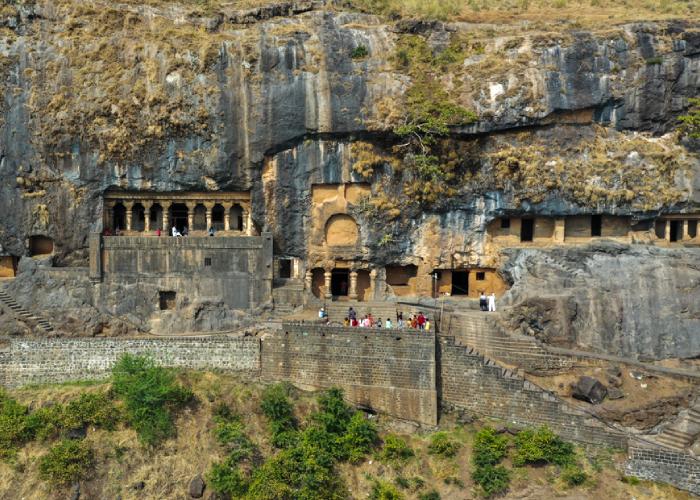
The ancient shrine of the Hinglaj Mata Temple is located in the remote Makran coast of Pakistan’s Balochistan province and is dedicated to Goddess Hinglaj, also known as Hingula Devi or Nani Mandir.

Located inside the Hingol National Park, the cave temple is in a narrow gorge in the remote, hilly area, at the end of a range of Kirthar Mountains, in the Makran desert stretch, on the west bank of the Hingol River. The origins of the Hinglaj Mata Temple stretch back into antiquity, with its spiritual significance predating its current structure. Archaeological evidence and ancient texts suggest that this location has been a place of worship for over two millennia. The temple’s importance is mentioned in several ancient Hindu texts, including the Kularnava Tantra and the Kubjika Tantra, which list Hingula among the most significant Shakti Peethas. The natural cave that houses the shrine is believed to be millions of years old, with some sources claiming it to be 3.2 million years old.

The Hinglaj Mata Temple holds a unique position among the 51 Shakti Peethas scattered across the Indian subcontinent. It is considered one of the most important, if not the most important, of all Shakti Peethas. This elevated status stems from the belief that it is the site where the head of Goddess Sati fell. In some traditions, it is associated with the goddess’s brain or Brahmadreya, her vital essence. It is one of the two Shaktipeeths located in Pakistan, the other being the Sharada Peeth.

Several features distinguish the Hinglaj Mata Temple from other shrines. Unlike many elaborate Hindu temples, the Hinglaj shrine is housed in a simple natural cave. This simplicity is its defining feature, with the sacred stone inside the cave being worshipped as the manifestation of the goddess. There is no man-made image of the goddess in the temple. Instead, devotees worship the divine form of Hinglaj Mata in its natural state. The temple’s remote location in the mountainous terrain of Balochistan makes the journey to it an integral part of the pilgrimage experience. Despite being in a predominantly Muslim country, the temple has been protected and maintained by the local Baloch Muslim community for centuries, making it a symbol of interfaith harmony. Hinglaj Mata is worshipped as the Kuldevi or the family deity by many Hindu communities, including certain Kshatriya, Bhavsar, Barot, and Rao families in India.

The annual Hinglaj Yatra, also known as Theerth Yatra, is the largest Hindu pilgrimage in Pakistan. This four-day festival typically takes place in April, coinciding with the Chaitra Navaratri festival. Devotees undertake an arduous journey through the desert to reach the temple, symbolising their devotion and commitment. They climb the Chandragup and Khandewari mud volcanoes as part of their spiritual journey and throw coconuts into the craters to make wishes and thank the gods. Before approaching the shrine, pilgrims take a ritual bath in the sacred Hingol River. The primary offering to the deity consists of three coconuts, though other items like rose petals are also used. On the third day of the festival, priests recite mantras to invoke the gods and bless the pilgrims.

The temple follows a schedule of daily worship rituals performed by dedicated priests. Given its historical association with Tantric traditions, the temple continues to be an important centre for certain Tantric rituals. Disciples use broken pieces of earth and stones to build small symbolic houses as part of their devotional practices. Traditionally, devotees are expected to complete the pilgrimage barefoot as a form of penance, though many now use vehicles for the journey.

Over the last three decades, the temple has become a unifying point of reference for Pakistan’s diverse Hindu communities with the temple and its associated pilgrimage playing a crucial role in preserving Hindu cultural practices in Pakistan. The protection and maintenance of the temple by local Muslims serve as a powerful symbol of religious tolerance and coexistence.

The remote location and difficult terrain pose challenges for pilgrims, especially the elderly or differently-abled. The temple’s location within a national park necessitates careful management to balance religious practices with environmental conservation.

In recent years, there have been positive developments regarding the temple’s accessibility and recognition. The construction of the Makran Coastal Highway has made the temple more accessible to pilgrims.

Sharada Peetha, Neelum Valley, Pakistan
Located in Neelum Valley in Pakistan-administered Azad Kashmir, the Sharada Peeth is one of the most sacred and historically significant Hindu shrines in the Indian subcontinent. This ancient temple is believed to be the site where the right hand of Goddess Sati fell. The temple is dedicated to Goddess Sharada, a form of Goddess Saraswati, and Lord Kapali Bhairava, a manifestation of Lord Shiva. Nestled at an altitude of 6,499 feet above sea level along the Neelum River, Sharada Peeth was not only a place of worship but also a renowned centre of learning that attracted scholars from across the world.

The temple’s name derives from Goddess Sharada, who is regarded as an incarnation of Goddess Saraswati — the goddess of wisdom, learning, and knowledge. The term Sharada also means stream or flow, symbolising the confluence of rivers near the temple. Historically, Sharada Peeth served as a prestigious university and library between the 6th and 12th centuries. It was renowned for its contributions to philosophy, theology, mathematics, linguistics, and Kashmir Shaivism. Scholars from regions as far as Greece, Mesopotamia, Tibet, and China travelled here to study its vast collection of manuscripts.

The temple’s history is intertwined with various rulers. It flourished under the Hindu Shahi dynasty and later received patronage during Dogra rule when Maharaja Gulab Singh repaired it in the 19th century. However, following political turmoil during Partition in 1947–48 and subsequent wars between India and Pakistan, the temple fell into disuse.

During its peak between the 6th and 12th centuries, Sharada Peeth was one of the most prominent centres for education in South Asia. It housed thousands of manuscripts on diverse subjects like theology, mathematics, linguistics, and philosophy. The Sharada script used extensively in Kashmir derived its name from this institution. The temple is situated near the confluence of three streams: Madhumati, now Neelum River, Kishenganga River, and the mythical Saraswati River. Bathing at this confluence was considered purifying for pilgrims.

The temple complex includes a roofless structure surrounded by stone walls. While much of it lies in ruins today due to natural disasters and neglect over centuries, remnants indicate its once-majestic design. Stone slabs lead to a vast courtyard that once hosted scholars who meditated or studied under open skies. For Kashmiri Pandits, Sharada Peeth is one of their holiest sites alongside the Amarnath Temple and Martand Sun Temple. Many Kashmiri Pandit theologians would place their manuscripts before Maa Sharada’s idol to seek her blessings. Mount Harmukh nearby is considered an abode of Lord Shiva by Kashmiri Pandits.

While active worship ceased after Partition in 1947–48 due to migration and political tensions, historical accounts provide insights into rituals once conducted at Sharada Peeth. Kashmiri Pandit theologians would place their manuscripts on covered platters before Maa Sharada’s idol to seek her approval. If pages remained undisturbed overnight, it was seen as divine acceptance; if ruffled or displaced, it indicated disapproval. An annual fair was held at Shardi village near the temple during springtime when pilgrims traveled from across Kashmir to worship Maa Sharada. Devotees bathed at the confluence of rivers before offering prayers.

As part of Kashmir Shaivism traditions, Tantric rituals were performed at Sharada Peeth to invoke Goddess Sharada’s blessings for wisdom and spiritual enlightenment. Devotees offered flowers, especially lotus, fruits, incense sticks, rice, and ghee during pujas dedicated to the goddess.

According to legend, Goddess Saraswati or Sharada chose this site as her earthly abode because it offered serenity conducive to learning. She blessed scholars who traveled here with wisdom and insight. Kashmiri Pandits believe that their pilgrimage to Sharada parallels Sage Shandilya’s journey to attain divine knowledge from Maa Saraswati herself. Local lore suggests that attempts by invaders or rulers to move Maa Sharada’s idol failed due to divine intervention. It is believed that any disturbance caused natural calamities like earthquakes or floods in the region.

An alternative account holds that Shandilya prayed to the goddess Sharada with great devotion, and was rewarded when she appeared to him and promised to show him her real, divine form. She advised him to look for the Sharada forest, and his journey was filled with miraculous experiences. On his way, he had a vision of the god Ganesha on the eastern side of a hill. When he reached the Neelum river, he bathed in it and saw half his body turn golden. Eventually, the goddess revealed herself to him in her triple form of Sharada, Saraswati and Vagdevi, and invited him to her abode. As he was preparing for a ritual, he drew water from the Mahāsindhu. Half of this water transformed into honey, and became a stream, now known as the Madhumati stream.

Today, Sharada Peeth continues to figure in South Indian Brahmin traditions. At the beginning of formal education, some sects of Brahmins ritually prostrate in the direction of Sharada Peeth. Saraswat Brahmin communities in Karnataka are also said to perform a ritual of moving seven steps towards Kashmir before retracing their steps during the Yagnopavit ceremony and include the Sharada stotram in their morning prayers.

Short Story: Echoes of Memory

Source

The first drops of monsoon rain struck the weathered stone steps of the Rajabai Clock Tower, and Meera Sharma felt her world tilt sideways.

She pressed her palm against the Gothic archway, the same way she had done… when? The memory flickered at the edge of her consciousness like candlelight in the wind. Her assignment from the Heritage Preservation Society had been simple: photograph the colonial-era buildings in the Fort district before the rains made the work impossible. But standing here, watching the storm clouds gather over Mumbai’s skyline, she felt an inexplicable dread settling in her chest.

Run, Kamala. Run before they find you.

The whisper came from nowhere and everywhere at once. Meera spun around, but the courtyard was empty except for a security guard dozing under a canvas awning. She’d never been called Kamala in her life.

Her phone buzzed. A text from Arjun, her research partner: Meeting cancelled. Strange dreams again. We need to talk.

Arjun Malhotra had joined the heritage project six months ago, bringing with him an encyclopedic knowledge of Mumbai’s independence-era history that often startled their supervisors. He was brilliant, dedicated, and lately, deeply troubled by nightmares he wouldn’t discuss. Meera had found herself drawn to his quiet intensity, the way he seemed to carry some invisible weight.

Thunder cracked overhead, and suddenly she wasn’t standing in 2024 anymore.

The year was 1924, and Kamala Devi’s sari clung to her legs as she ran through the narrow lanes of Girgaon. The monsoon had started early that year, turning the unpaved roads into rivers of mud. In her hand, she clutched a leather portfolio containing documents that could change everything, proof that someone within their freedom-fighting group was feeding information to the British authorities.

Someone she trusted. Someone she loved.

Behind her, footsteps splashed through the puddles. Getting closer.

“Kamala!” Vikram’s voice echoed off the tenement walls. “Please, let me explain!”

But there was nothing to explain. She had seen the money changing hands in the shadows of Crawford Market, watched him pass along the names of their comrades who had subsequently disappeared into the British prisons. How many freedom fighters had died because of his betrayal?

She turned into a dead-end alley, her heart hammering against her ribs. The old warehouse loomed before her, its broken windows like dead eyes. Nowhere left to run.

“Kamala.” Vikram appeared at the mouth of the alley, his white kurta soaked with rain and mud. In the lightning’s flash, she saw tears streaming down his face. “They threatened my mother. My sisters. I had no choice.”

“There’s always a choice,” she whispered, backing against the warehouse wall. “You chose their lives over our cause. Over our people’s freedom.”

“I choose you,” he said, stepping closer. Something metallic glinted in his hand. “Come with me. We can leave Mumbai tonight. Start over somewhere else.”

“With blood on our hands? With the screams of tortured patriots in our ears?” Kamala pressed the portfolio against her chest. “Never.”

The knife entered her stomach like a cold whisper. She looked down in shock at the spreading crimson stain on her cream-colored sari, then up into Vikram’s anguished eyes.

“I’m sorry,” he sobbed as she slid down the wall. “I’m so, so sorry, my love.”

Kamala’s last coherent thought was not of pain or fear, but of a fierce, burning determination: somehow, someday, there would be justice.

Meera gasped, finding herself on her knees in the courtyard, rain soaking through her jeans and cotton shirt. The security guard was shaking her shoulder, speaking rapidly in Hindi.

“I’m fine,” she managed, struggling to her feet. But she wasn’t fine. The memories, Kamala’s memories, felt more real than her own childhood. She could still taste the copper of blood in her mouth, still feel the betrayal cutting deeper than any blade.

Her phone rang. Arjun.

“Meera?” His voice was shaky. “Something’s happening to me. I keep remembering things that never happened. A woman named Kamala. I think… I think I killed her.”

The phone slipped from her numb fingers, clattering on the wet stones.

Three hours later, they sat across from each other in a small café in Colaba, two cups of chai growing cold between them. Arjun looked like he hadn’t slept in weeks, his usually immaculate appearance dishevelled. Dark circles shadowed his eyes.

“It started three months ago,” he said, staring at his hands. “Dreams at first. Then waking visions. I thought I was having a breakdown until…” He looked up at her. “Until I saw you at the heritage site and recognised your face. Not Meera’s face. Kamala’s.”

“You killed me,” Meera said simply. The words should have filled her with rage, but instead she felt only a deep, bone-weary sadness. “In 1924. In an alley behind a warehouse in Girgaon.”

Arjun flinched as if she’d slapped him. “The British were going to kill my family. My mother, my two younger sisters. The officer, Captain Morrison, showed me photographs of their bodies, other informants’ families who had refused to cooperate. He said it would look like a robbery gone wrong.”

“So you gave them our people instead.”

“Yes.” The word came out as a whisper. “And when you found out…”

“I tried to expose you. To save others from the same fate.”

They sat in silence as the rain hammered against the café’s windows. Around them, Mumbai’s life continued its relentless pace: street vendors calling their wares, traffic honking, people rushing through the downpour with newspapers held over their heads.

“Why now?” Meera asked finally. “Why are we remembering now?”

Arjun reached into his laptop bag and pulled out a manila folder. “I’ve been researching it. Cross-referencing historical records with our… experiences. I think it’s because of the construction project.”

He spread photocopied documents across the table. Municipal records, architectural surveys, and newspaper clippings from the 1920s. Meera’s breath caught as she recognised a grainy photograph of the warehouse where Kamala had died.

“They’re tearing it down next month,” Arjun continued. Building a shopping complex. But first, they had to do a structural survey of the foundation. They found something.”

He handed her a recent newspaper clipping. The headline read: “MYSTERIOUS REMAINS DISCOVERED IN GIRGAON CONSTRUCTION SITE.”

“The construction crew found bones,” Arjun said. Wrapped in fabric. The forensics team is calling it a cold case from the independence era.”

Meera’s hands trembled as she held the article. “They found her. They found me.”

“The remains are in the police evidence locker. They’re trying to identify them, but the records from that period…” He shrugged helplessly. “Most were destroyed or lost.”

“But we know,” Meera said. “We know who she was. Who killed her? Where it happened.”

“What are you suggesting?”

She looked directly into his eyes, the same dark eyes that had filled with tears as Kamala died. “I’m suggesting we give her the justice she never got. We solve her murder.”

“Meera, I can’t…”

“Vikram’s name isn’t on any of the historical records as a freedom fighter. In this life, you’re a historian with an impeccable reputation. The police would listen to you.”

Arjun was quiet for a long moment, processing. “You want me to confess to a murder I committed in a previous life.”

“I want you to help me prove what happened to Kamala Devi. The British records still exist. Captain Morrison’s files were transferred to the national archives after independence. If we can prove she was murdered for her political activities, she could finally be recognised as a martyr.”

“And what about… this life? Us?”

The question hung in the air between them. In her recovered memories, Meera could feel the love Kamala had felt for Vikram before the betrayal, a love so deep it made the betrayal cut even deeper. Looking at him now, she could sense the echo of that connection, complicated by knowledge and pain.

“I don’t know,” she said honestly. “I know that Kamala loved Vikram until the very end, even as he killed her. I know that you’ve spent ninety years carrying guilt that followed you into this lifetime. Maybe that’s punishment enough.”

Over the next week, they worked together like the scholars they were, piecing together the historical puzzle of Kamala’s death. Arjun used his connections to access the British colonial archives, while Meera interviewed elderly residents of Girgaon whose grandparents might have remembered the freedom fighting activities in their neighbourhood.

The picture that emerged was exactly as their memories suggested. Kamala Devi had been a courier for the independence movement, carrying messages between different revolutionary cells. Several freedom fighters had been arrested in July 1924, all betrayed by someone with inside knowledge. Kamala had disappeared shortly after, presumed to have fled the city.

Captain Morrison’s files, when they finally gained access to them, contained payment records to an informant identified only as “Subject V.” The amounts and dates matched perfectly with Arjun’s memories.

But it was Meera who found the most crucial piece of evidence.

“Look at this,” she said, spreading a hand-drawn map across Arjun’s kitchen table. She’d found it tucked into a notebook that had belonged to her grandmother, a notebook she’d never bothered to read carefully until now. “My grandmother was Kamala’s cousin. She kept some of Kamala’s belongings after she disappeared.”

The map showed the streets of Girgaon, with several locations marked in Kamala’s careful handwriting. Safe houses, meeting points, dead drops for messages. And in the corner, written in a different ink, was a note: “A betrayed me. Evidence hidden in Warehouse 7. Tell no one until the British are gone.”

“She documented everything,” Arjun breathed. “Even after she discovered my betrayal, she was still trying to protect the cause.”

They took their evidence to Inspector Rashid Khan, a senior officer known for his interest in historical cold cases. Khan listened with growing fascination as they laid out their research, carefully omitting any mention of recovered memories or reincarnation.

“Remarkable work,” Khan said, examining the documents. “If even half of this is accurate, Kamala Devi deserves recognition as a freedom fighter. But you understand, solving a hundred-year-old murder case…”

“The remains,” Meera said. “If we could search the area where they were found, there might be more evidence. Kamala’s note mentions hiding something in the warehouse.”

Khan was sceptical, but their research was thorough enough to warrant a controlled excavation of the site. Three days later, they stood in the rubble of the old warehouse as forensic archaeologists carefully sifted through a century of accumulated debris.

“Here,” called Dr. Priya Nair, the lead archaeologist. “Metal box, wrapped in oilcloth.”

Inside the box was a collection of documents that made Meera’s heart race. Letters in Kamala’s handwriting, describing the informant’s activities. Photographs of money changing hands. And most damning of all, a partial confession in Vikram’s handwriting from 1924, apparently started but never completed.

“My name is Vikram Malhotra,” the confession began, “and I have betrayed everything I believed in…”

Standing in the ruins where Kamala had died, Arjun read his own words from a century ago with tears streaming down his face.

“It was never supposed to happen,” he said. “I kept trying to find another way, to protect both my family and the movement. But Morrison kept pushing, demanding more names, more information. When Kamala found out…”

“You panicked,” Meera finished.

“I couldn’t let her expose me. My sisters were so young, my mother had already lost my father to British bullets. But afterwards…” He gestured to the incomplete confession. “I couldn’t live with what I’d done. I tried to write it all down, to turn myself in, but I was too much of a coward.”

“What happened to your family?”

“Morrison killed them anyway, three months later. Said I’d outlived my usefulness. I fled Bombay that night and spent the rest of that lifetime running from what I’d done.”

The confession, combined with the other evidence, was enough to officially classify Kamala Devi as a martyred freedom fighter. Her name would be added to the memorial wall at the Gateway of India, alongside other recognised patriots. The story made national news: “Lost Freedom Fighter Finally Gets Recognition After Century-Long Mystery Solved.”

But for Meera and Arjun, the real resolution came later, in the quiet of his apartment as they sat looking through Kamala’s recovered letters.

“She wrote about you, you know,” Meera said, holding up a letter dated just weeks before the betrayal. “About how much she loved you, how proud she was to fight alongside you for India’s freedom.”

“Don’t,” Arjun whispered.

“Vikram has such a pure heart,” Meera read aloud. “Sometimes I think he cares too much, loves too deeply. But that’s what will make us strong when independence comes. Love for our families, our land, our future.”

“She was wrong about me.”

“Was she?” Meera set down the letter and looked at him. “You made a terrible choice out of love for your family. It was wrong, but it wasn’t evil. And you’ve spent two lifetimes trying to atone for it.”

“How can you forgive me? How can you even look at me?”

Meera was quiet for a long moment, feeling the weight of Kamala’s memories alongside her own feelings. “Because,” she said finally, “I think that’s why we both came back. Not for revenge, but for understanding. For the chance to heal something that was broken.”

“And us? In this lifetime?”

She reached across the space between them and took his hand. “I don’t know what we are to each other now. We’re not Kamala and Vikram from 1924, we’re Meera and Arjun from 2025. We have different choices to make.”

“I want to try,” he said. “If you’ll let me. I want to see who we can become when we’re not carrying the weight of old wounds.”

Six months later, Meera stood once again in the Fort district, but this time in front of the newly unveiled memorial plaque for Kamala Devi. Arjun stood beside her, and she could feel the peace that had settled over both of them like a blessing.

“Do you still dream about her?” she asked.

“Sometimes. But they’re not nightmares anymore. She’s at peace.”

“Good.” Meera squeezed his hand. “She deserves that.”

As they walked away from the memorial, leaving flowers and a quiet prayer behind, neither of them looked back. The past had been honoured, justice had been served, and the future, their future, stretched ahead like an unwritten page.

Sometimes, Meera thought, the greatest stories weren’t about the wounds we carry, but about our courage to heal them. And sometimes, love was patient enough to wait not just years, but lifetimes, for the chance to begin again.

Behind them, rain began to fall on the memorial plaque, washing the stone clean and carrying their whispered prayers out into the vast, forgiving sea.