In My Hands Today…

The Golden Road: How Ancient India Transformed the World – William Dalrymple

For most of its modern history, India was fated to be on the receiving end of cultural influence from other civilisations. But this isn’t the complete story.

A full millennium earlier, India’s major cultural exports – religion, art, technology, astronomy, mathematics, medicine, language and literature – were shaping civilisations, travelling as far as Afghanistan in the West and Japan in the east. Out of India came pioneering merchants, astronomers and astrologers, scientists and mathematicians, surgeons and sculptors, as well as holy men, monks and missionaries.

In The Golden Road, legendary historian William Dalrymple highlights India’s oft-forgotten position as a crucial economic and civilisational hub at the heart of the ancient and early medieval history of Eurasia. From Angkor to Ayutthaya, The Golden Road traces the cultural flow of Indian religions, languages, artistic and architectural forms and mathematics throughout the world. In this groundbreaking tome, Dalrymple draws from a lifetime of scholarship to reinstate India as the great intellectual and philosophical superpower of ancient Asia.

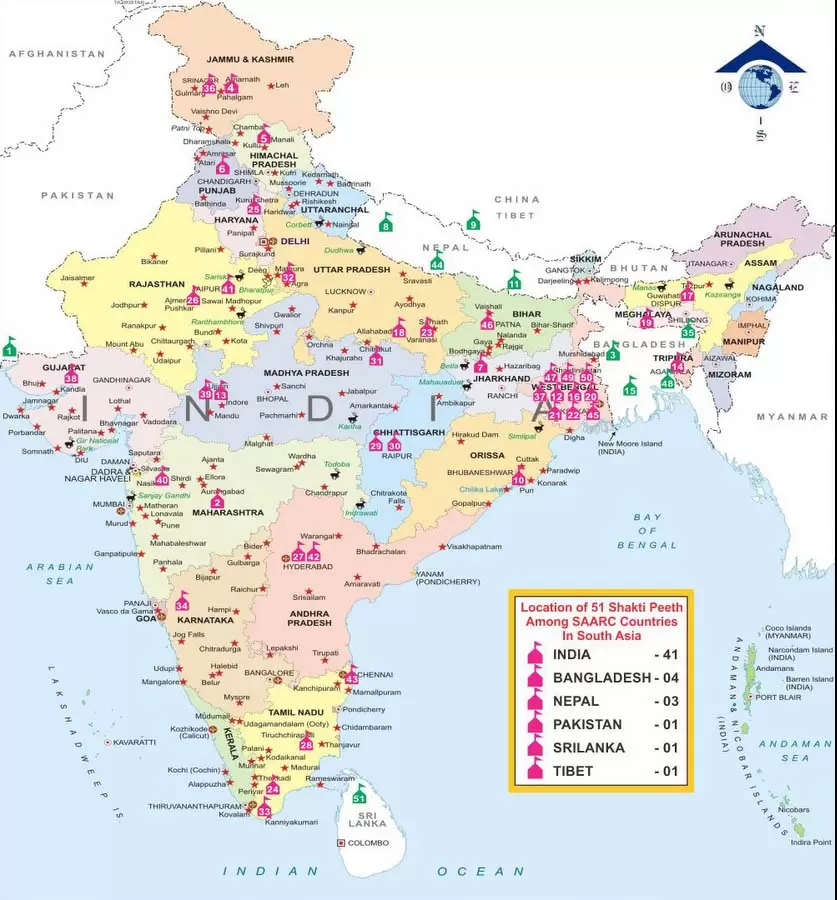
Sacred Stones, Spaces and Stories: Shakthipeeta Part 25

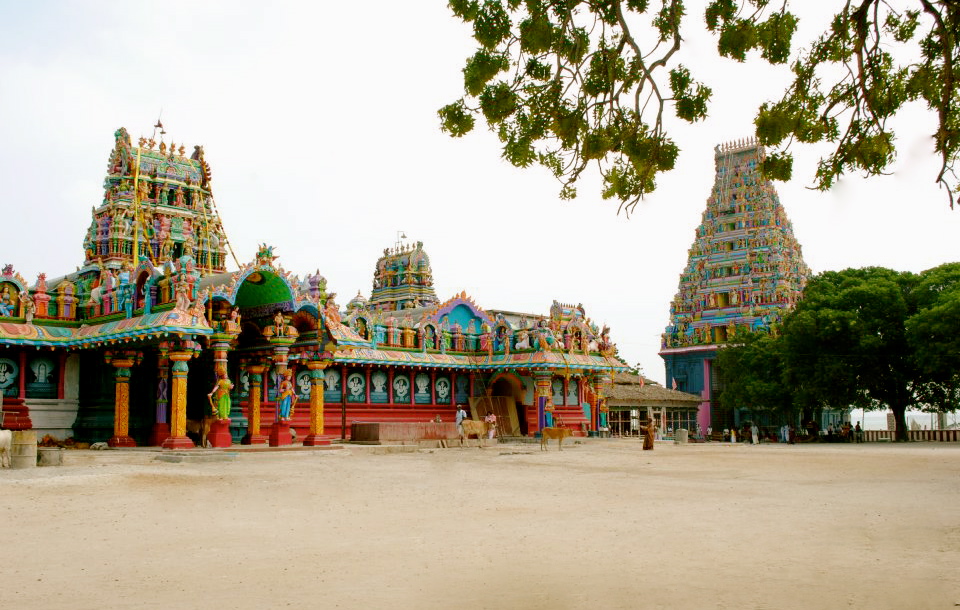
Nainativu Temple, Manipallavam, Northern Province, Sri Lanka
The Nainativu Nagapooshani Amman Temple, located on Nainativu Island, also known as Manipallavam in the Northern Province of Sri Lanka, is one of the most sacred Hindu shrines in the region. Revered as one of the 51 Shakti Peethas, this ancient temple is believed to be the site where the silambu or anklet of Goddess Sati fell. The temple is dedicated to Goddess Nagapooshani Amman, a form of Goddess Parvati, and Lord Nayinaar Swami, a manifestation of Lord Shiva. Nestled amidst the serene waters of the Palk Strait, this temple holds immense historical, mythological, and spiritual significance.

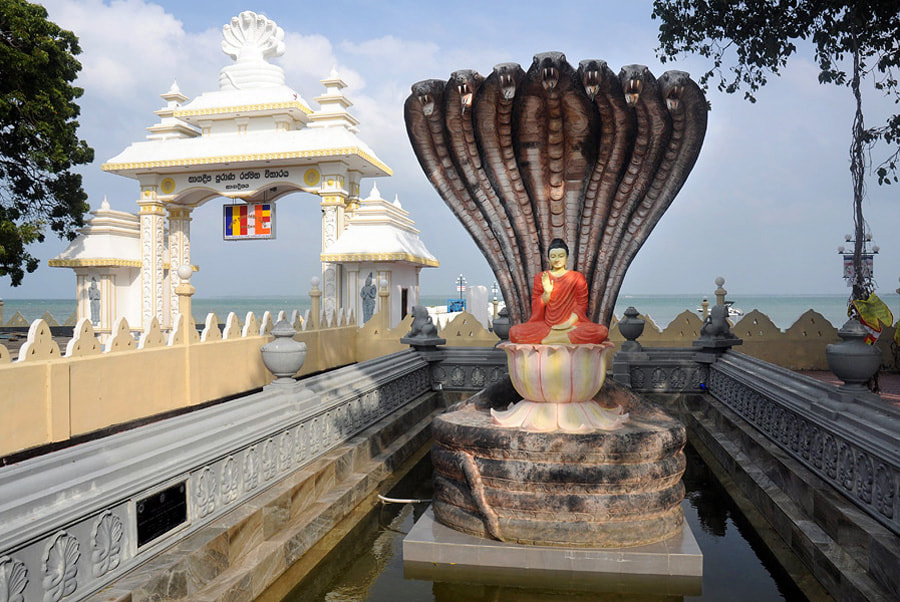
The temple has been mentioned in several ancient texts, including the Tamil epic Manimekalai and the Sri Lankan chronicle Mahavamsa. These texts describe Nainativu as Manipallavam or Nagadeepa, an island inhabited by the Naga people who were serpent worshippers. The temple is believed to have been originally established by Lord Indra to atone for his sins after being cursed by Sage Gautama for seducing his wife Ahalya. Indra consecrated and worshipped an idol of Goddess Bhuvaneswari or Nagapooshani Amman at this site to seek forgiveness. Over time, Nainativu became a prominent centre for serpent worship and Shaktism. The temple flourished under Tamil rulers but faced destruction during Portuguese colonial invasions in 1620. The present structure was rebuilt in 1788 and later renovated after sustaining damage during periods of political unrest in Sri Lanka.

The temple features traditional Dravidian architecture with intricately carved gopurams or towering gateways adorned with vibrant sculptures depicting Hindu deities and mythological scenes. The four-tiered South Gopuram stands out as a masterpiece of craftsmanship. The temple honours its historical connection to serpent worship with shrines dedicated to serpent deities like Sri Nayinaar Swami and idols of five-headed cobras within the sanctum sanctorum. Devotees offer milk and flowers to these serpent idols as part of their prayers.

Two rocks near the island — Paambu Sutriya Kal or the rock around which the snake wound itself and Garudan Kal or the rock of the eagle — are linked to a legend involving a cobra carrying a lotus flower for Goddess Bhuvaneswari’s worship while being pursued by Garuda. A Tamil inscription from the 12th century issued by King Parakramabahu I mentions trade regulations for merchants visiting Nainativu and highlights its significance as a port city. Located nearby is the Nagadeepa Buddhist Vihara, emphasising Nainativu’s historical role as a shared sacred space for Hindus and Buddhists.

The temple hosts an annual festival known as Thiruvizha during June-July that lasts for 16 days. It includes processions featuring decorated chariots carrying idols of Maa Nagapooshani Amman and Nayinaar Swami. Devotees participate in cultural performances, music recitals, and community feasts during this grand celebration. Special offerings are made to serpent deities within the temple complex on auspicious days like Naga Panchami. Devotees believe that these rituals bring protection from snake bites and other dangers. Couples seeking marital harmony or fertility visit the temple to seek Nagapooshani Amman’s blessings through special pujas conducted by priests.

According to legend, Lord Indra created this temple to atone for his sins after being cursed by Sage Gautama for seducing his wife Ahalya. Pleased with Indra’s devotion, Maa Bhuvaneswari transformed his curse marks into eyes, earning her the name Indrakshi or Indra-eyed. Another legend tells of a cobra swimming across the sea toward Nainativu with a lotus flower for Maa Bhuvaneswari’s worship while being pursued by Garuda, the eagle mount of Lord Vishnu. A merchant named Maanikan intervened to save the cobra by promising Garuda that he would build a beautiful temple for Bhuvaneswari on Nainativu Island.

The Nainativu Nagapooshani Amman Temple with unique rituals like serpent worship emphasises ancient traditions while preserving spiritual heritage. One can explore Sri Lanka’s rich cultural heritage intertwined with Hindu mythology while visiting this ancient shrine.

Shankari Maha Shaktipeeth, Tricomalee, Sri Lanka
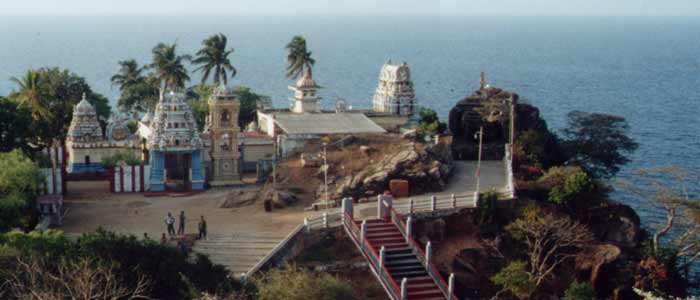
The Shankari Maha Shaktipeeth, located in Trincomalee or Thirukkonamalai on the eastern coast of Sri Lanka is believed to be where the groin or yoni of Goddess Sati fell. The temple is dedicated to Goddess Shankari Devi, a form of Goddess Parvati, and Lord Trikoneshwara Bhairava, a manifestation of Lord Shiva. Perched on a hill overlooking the Indian Ocean, the Shankari Maha Shaktipeeth is not only a spiritual haven but also a site of immense historical and mythological significance.

The temple has been mentioned in several ancient texts, including Adi Shankaracharya’s Ashta Dasha Shakti Peetha Stotram, which lists it as one of the 18 Maha Shakti Peethas. The name Shankari derives from Shankar, another name for Lord Shiva, symbolising the inseparable bond between Shiva and Shakti. Historically, the temple was established over 2,500 years ago and was one of the wealthiest temples in South Asia during its peak.

The temple flourished under Tamil rulers and received patronage from various dynasties, including the Cholas and Pandyas. However, it faced destruction during Portuguese invasions in the 17th century. Despite being rebuilt multiple times, much of its original grandeur has been lost. Today, the temple remains an important spiritual centre for Hindus in Sri Lanka.

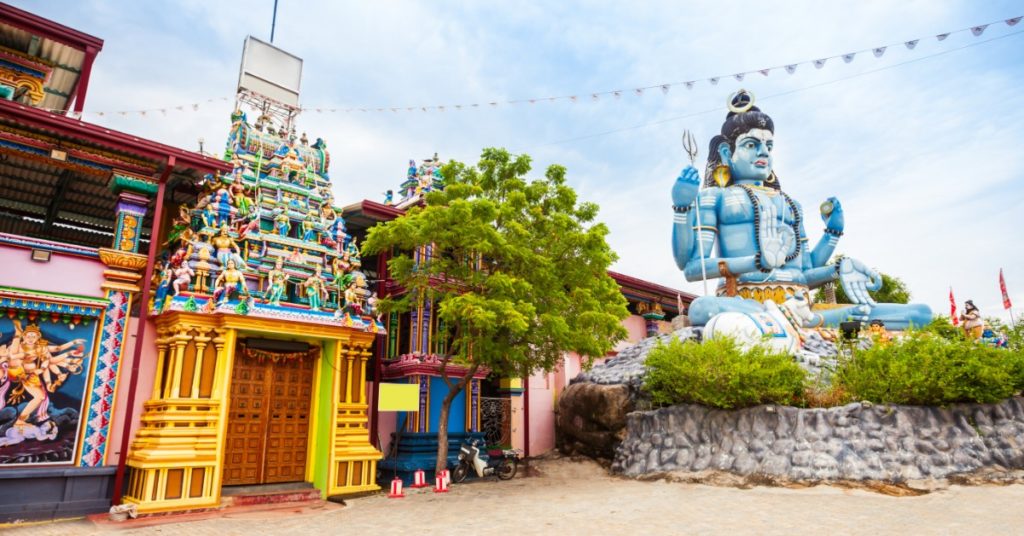
The temple is situated on Thirukkonamalai Hill meaning the three-cornered hill, offering panoramic views of the Indian Ocean. This unique location enhances its spiritual ambience. Adjacent to the Shankari shrine is the Trikoneshwara Temple dedicated to Lord Shiva. It is one of four major Shiva temples in Sri Lanka, the others being the Ketheeswaram Temple, the Munneswaram Temple, and the Galle Temple. The temple features traditional Dravidian architecture with intricately carved gopurams or towering gateways adorned with vibrant sculptures depicting Hindu deities and mythological scenes.

According to legend, the Asura King, Ravana, a huge devotee of Lord Shiva, installed three lingas on Thirukkonamalai Hill to honour Lord Shiva after receiving blessings from him. These lingas are believed to protect the island from calamities. The temple has strong ties to Ravana, who was a devout worshipper of Lord Shiva. It is said that Ravana performed penance here to gain boons from Shiva.

Navratri is celebrated with great festivities and the temple becomes crowded during these nine days as pilgrims seek blessings for prosperity and protection. Maha Shivratri is another major festival celebrated here with night-long prayers dedicated to Lord Shiva as Trikoneshwara Bhairava. Devotees offer milk and honey during abhishekam rituals. Couples seeking marital harmony or fertility visit the temple to seek Goddess Shankari Devi’s blessings through special pujas conducted by priests.

According to legend, Ravana performed rigorous penance at Thirukkonamalai Hill to gain boons from Lord Shiva. Impressed by his devotion, Shiva granted him several boons but warned him against arrogance. Ravana later installed three lingas on this hill as a mark of gratitude. Another legend states that Lord Shiva built a magnificent palace for Parvati on this hill after she requested a home away from Mount Kailash. However, Parvati left Lanka after Ravana refused her advice to return Sita to Lord Rama. A mythological tale recounts how Adisesha, the serpent king wrapped himself around Mount Kailash during a battle with Vayu, the wind god. When Vayu broke off three peaks from Kailash, one landed at Thirukkonamalai Hill—making it a sacred ground for both Shiva and Parvati worshippers.

The Shankari Maha Shaktipeeth offers visitors a unique spiritual experience rooted in mythology and devotion.

And this brings us to the end of this series on Shakti Peethas. I hope you enjoyed reading about it as much as I enjoyed reading, researching, and writing about the different temples. The journey through the Shakti Peethas has unveiled a tapestry of divine energy, mythology, and devotion that stretches across the Indian subcontinent and beyond. Each site, from the snow-capped heights of Lake Manasarovar and Muktinath in Nepal to the coastal serenity of Nainativu in Sri Lanka, embodies the eternal bond between Shakti and Shiva — a union that transcends geography, culture, and time. These temples are not merely places of worship but living testaments to the enduring power of the Divine Feminine, where the physical remnants of Goddess Sati’s form sanctify the earth and invite devotees to connect with the cosmic force of creation, preservation, and transformation.

The diversity of rituals, legends, and architectural marvels across these shrines reflects the adaptability of spiritual traditions while preserving their core essence. Whether through the Tantric practices of Tarapith, the serpent worship of Nainativu, or the open-air sanctity of Mansarovar, each Shakti Peetha offers a unique pathway to the divine. Yet, they all share a common thread: the belief that these sites are portals to liberation or moksha and spiritual awakening. The Shakti Peethas remind us that divinity is both immanent and transcendent, woven into the fabric of mountains, rivers, and ancient stones, yet alive within the hearts of those who seek it. May this journey inspire reverence for the sacred, curiosity for the mystical, and a deeper connection to the universal energy that binds all beings.

In My Hands Today…

To Dye For: How Toxic Fashion Is Making Us Sick–and How We Can Fight Back – Alden Wicker

Many of us are aware of the ethical minefield that is fast the dodgy labor practices, the lax environmental standards, and the mountains of waste piling up on the shores of developing countries. But have you stopped to consider the dangerous effects your clothes are having on your own health? Award-winning journalist Alden Wicker breaks open a story hiding in plain the unregulated toxic chemicals that are likely in your wardrobe right now, how they’re harming you, and what you can do about it.

In To Dye For, Wicker reveals how clothing manufacturers have successfully swept consumers’ concerns under the rug for more than 150 years, and why synthetic fashion and dyes made from fossil fuels are so deeply intertwined with the rise of autoimmune disease, infertility, asthma, eczema, and more. In fact, there’s little to no regulation of the clothes and textiles we wear each day—from uniforms to fast fashion, outdoor gear, and even the face masks that have become ubiquitous in recent years. Wicker explains how we got here, what the stakes are, and what all of us can do in the fight for a safe and healthy wardrobe for all.

United Nations Day

United Nations Day is celebrated annually on October 24th, marking the anniversary of the official creation of the United Nations in 1945. The day commemorates the ratification of the UN Charter by the majority of its signatories, including the five permanent members of the Security Council. The origins of the UN can be traced back to the aftermath of World War II, when world leaders sought to establish an international organisation that would prevent future conflicts and promote global cooperation.

The term United Nations was first coined by former US President Franklin D. Roosevelt in the Declaration by United Nations on January 1, 1942, during World War II. This declaration was signed by 26 Allied nations, setting forth their war aims and laying the groundwork for a post-war international organisation. The UN Charter was drafted during the United Nations Conference on International Organisation, held in San Francisco in 1945, where representatives from 50 countries came together to create a framework for international peace and security.

The UN officially began operations on October 24, 1945, when the Charter was ratified by a majority of its signatories. In 1947, the UN General Assembly declared October 24th as United Nations Day, dedicating it to raising awareness of the organization’s goals and achievements. In 1971, the Assembly further recommended that the day be observed as a public holiday by all member states.

The United Nations was established with the primary goal of maintaining international peace and security, but its mission has since expanded to include promoting economic and social development, protecting human rights, and upholding international law. Over the past seven decades, the UN has played a crucial role in addressing global challenges that transcend national boundaries, from conflict resolution and disaster relief to climate change and public health.

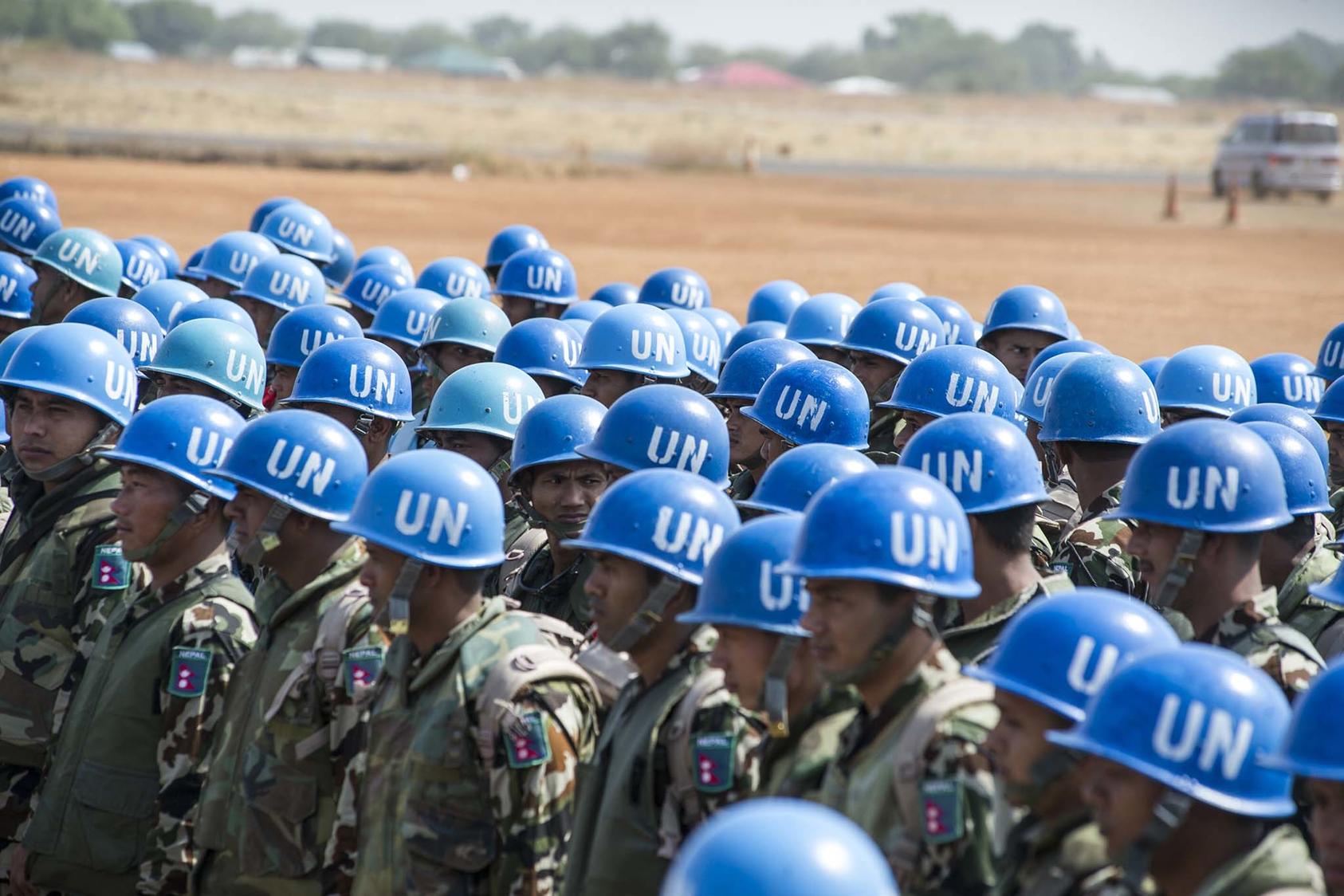
The UN’s peacekeeping missions are among its most visible efforts. Since its inception, the organisation has deployed troops to conflict zones around the world, helping to stabilise regions and protect civilians. Studies have shown that UN-led peacekeeping operations are generally effective in reducing civilian casualties and fostering long-term peace. For example, Virginia Page Fortna of Columbia University found that UN peace operations often result in sustained peace, while researchers from Uppsala University concluded that these missions are more effective at reducing civilian harm than counterterrorism operations by individual nations.

The UN is also a leading advocate for human rights, working to protect the rights of vulnerable populations and hold violators accountable. Through its various agencies, such as the Office of the High Commissioner for Human Rights (OHCHR) and the United Nations High Commissioner for Refugees (UNHCR), the organisation provides humanitarian aid to millions of people affected by conflict, natural disasters, and displacement. For instance, the UN has been instrumental in responding to crises such as the Syrian civil war, the Rohingya refugee crisis, and the COVID-19 pandemic, providing lifesaving assistance to those in need.

In recent years, the UN has taken a leading role in addressing global challenges such as climate change, poverty, and inequality. The 2030 Agenda for Sustainable Development, adopted in 2015, outlines 17 Sustainable Development Goals (SDGs) aimed at ending poverty, protecting the planet, and ensuring prosperity for all. While progress toward these goals has been uneven, the UN continues to advocate for international cooperation and accountability in achieving them. For example, the UN has been at the forefront of global efforts to combat climate change, convening annual climate conferences and urging nations to reduce greenhouse gas emissions.

The UN serves as a forum for multilateral diplomacy, bringing together leaders from around the world to address shared challenges. It provides a platform for dialogue and negotiation, helping to resolve disputes and foster cooperation among nations. Despite its limitations, the UN remains the only truly universal global organisation, with 193 member states representing nearly every country in the world. Its legitimacy and convening power make it an essential actor in global governance, particularly in an era of increasing geopolitical tensions and complex transnational issues.

In the 21st century, the UN faces a range of new and evolving challenges, from the rise of authoritarianism and the erosion of democratic norms to the growing threat of climate change and the impact of technological advancements. The organization’s ability to adapt and respond to these challenges will determine its relevance and effectiveness in the years to come.

One of the key challenges facing the UN is the need for reform. Critics argue that the organization’s structure, particularly the veto power wielded by the five permanent members of the Security Council, undermines its ability to act decisively in times of crisis. Calls for reform have grown louder in recent years, with many nations advocating for a more inclusive and representative Security Council that reflects the realities of the modern world. The 2024 Summit of the Future, proposed by Secretary-General António Guterres, is expected to be a critical moment for addressing these issues and charting a path forward for the UN.

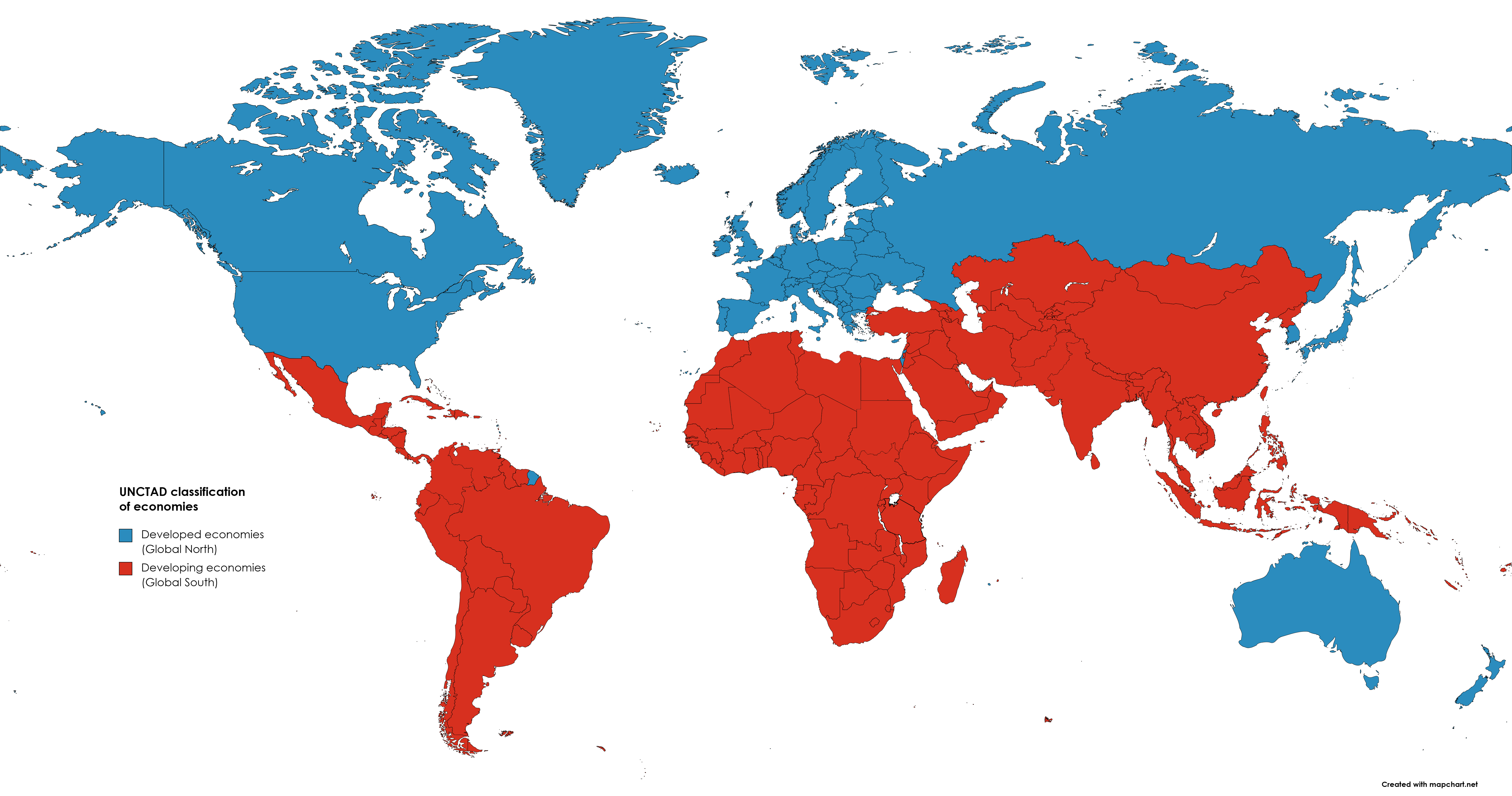
Another pressing issue is the growing gap between developed and developing nations. The UN has long been a voice for the Global South, advocating for fairer trade policies, debt relief, and increased development assistance. However, progress on these issues has been slow, and many developing countries continue to face significant economic and social challenges. The UN’s role in promoting sustainable development and reducing inequalities will be crucial in the coming years, particularly as the world grapples with the long-term impacts of the COVID-19 pandemic and the climate crisis.

In an era of rising nationalism and geopolitical competition, the UN’s commitment to multilateralism is more important than ever. The organisation provides a platform for dialogue and cooperation, helping to bridge divides and foster a sense of shared responsibility for global challenges. As Secretary-General Guterres has noted, the UN must be a place that “saves us from future threats and existential polycrisis,” and this will require greater trust and solidarity among its members.

Finally, the UN must continue to engage with youth and civil society, who play a vital role in shaping the future of global governance. The organization has increasingly given a voice to non-state actors, recognizing their importance in addressing issues such as climate change, human rights, and social justice. Initiatives like the UN Youth Strategy and the Sustainable Development Goals Action Campaign are helping to empower young people and civil society organizations to take an active role in achieving the UN’s mission.

United Nations Day is a time to celebrate the values of peace, cooperation, and diplomacy that the UN upholds. It reminds us that, in a world facing complex challenges, international collaboration remains crucial. As we mark this day, let’s reaffirm our commitment to a more peaceful, just, and sustainable world, guided by the principles of the United Nations. The UN’s role in maintaining international peace and security, promoting human rights, and addressing global challenges like poverty, climate change, and inequality cannot be overstated. Its efforts in disaster relief, humanitarian aid, and sustainable development have significantly impacted millions of lives worldwide. United Nations Day serves as a reminder of the importance of multilateral diplomacy and the need for nations to work together to solve shared problems. It highlights the power of unity in diversity, celebrating the myriad cultures, religions, and languages that make up our global community.

In My Hands Today…

Unruly: The Ridiculous History of England’s Kings and Queens – David Mitchell

Think you know the kings and queens of England? Think again.

In Unruly , David Mitchell explores how early England’s monarchs, while acting as feared rulers firmly guiding their subjects’ destinies, were in reality a bunch of lucky bastards who were mostly as silly and weird in real life as they appear to us today in their portraits.

Taking us right back to King Arthur (he didn’t exist), Mitchell tells the founding story of post-Roman England right up to the reign of Elizabeth I (she dies), as the monarchy began to lose its power. It’s a tale of bizarre and curious ascensions, inadequate self-control, and at least one total Cnut, as the English evolved from having their crops stolen by the thug with the largest armed gang to bowing and paying taxes to a divinely anointed King.

How this happened, who it happened to, and why the hell it matters are all questions Mitchell answers with brilliance, wit, and the full erudition of a man who once studied history—and is damned if he’ll let it off the hook for the mess it’s made of everything.

Unruly is a funny book that takes history seriously. It is for anyone who has ever wondered how the monarchy came to be and who is to blame.