In My Hands Today…

Unreliable Narrator: Me, Myself, and Impostor Syndrome – Aparna Nancherla

Aparna Nancherla is a superstar comedian on the rise—a darling of Netflix and Comedy Central’s comedy special lineups, a headliner at comedy shows and music festivals, a frequenter of late-night television and the subject of numerous profiles. She’s also a successful actor who has written a barrage of thoughtful essays published by the likes of the New York Times. If you ask her, though, she’s a total fraud. She’d hate to admit it, but no one does impostor syndrome quite like Aparna Nancherla.

Unreliable Narrator is a collection of essays that uses Aparna’s signature humor to illuminate an interior life—one constantly bossed around by her depression (whom she calls Brenda), laced with anxiety like a horror movie full of jump scares, and plagued by an unrepenting love-hate relationship with her career as a painfully shy standup comedian. But luckily, crippling self-doubt comes with the gift of keen self-examination. These essays deliver hilarious and incredibly insightful meditations on body image, productivity culture, the ultra-meme-ability of mental health language, and who, exactly, gets to make art “about nothing.” Despite her own arguments to the contrary, Unreliable Narrator is undeniable proof that Aparna is a force—as a comedian and author alike—to be reckoned with.
In My Hands Today…

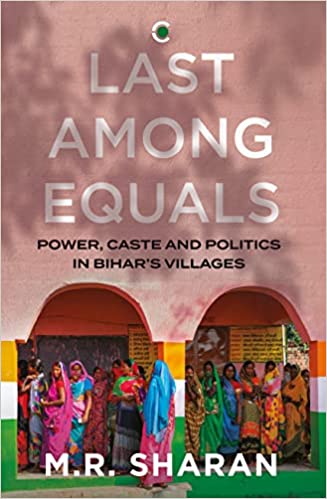
Last Among Equals: Power, Caste & Politics in Bihar’s Villages – M.R. Sharan

Sanjay Sahni was living an ‘araam zindagi’ in Delhi, working as an electrician, until a chance encounter with a computer sent him hurtling into the labyrinth that is the NREGA—one of the world’s largest rural poverty alleviation programmes—and the corruption within. It led him back to his village, where eventually, he and his comrades (primarily women from the Dalit and most backward castes) formed the anti-corruption group Manrega Watch. Their tale is one strand of village politics, a story of resilience among citizens, those outside the system.

But what of the ‘insiders’? The complex local-state unit of the village has at the top a mukhiya, who, like the one in Sanjay’s village, wields great power, even to do harm. Ward members—closest to their constituents and the most socially representative group in the panchayati raj system—are at the bottom of this structure.

Development economist M.R. Sharan brings these two interweaving strands of insiders and outsiders together to tell a tale of hope: that those on the margins can challenge entrenched hierarchies. Through government action—reservation, decentralisation, transparency measures—and through citizen engagement, social movements and elections, change is possible, if not necessarily easy. Take the resourceful ward member, Kamal Manjhi, who repurposed the grievance redressal system to complain against the state: this was essentially a member of the local state, using a state mechanism to arm-twist another part of the state to do its job.

Last Among Equals eschews the usual sweeping narratives of national and state politics, reaching instead for the ‘swirling, vivid sub-narratives that escape easy categorisations’, the darkness of the material leavened with deep empathy. The result is a captivating, often searing narrative of how lives are lived in the villages of Bihar—and indeed in much of India.

In My Hands Today…

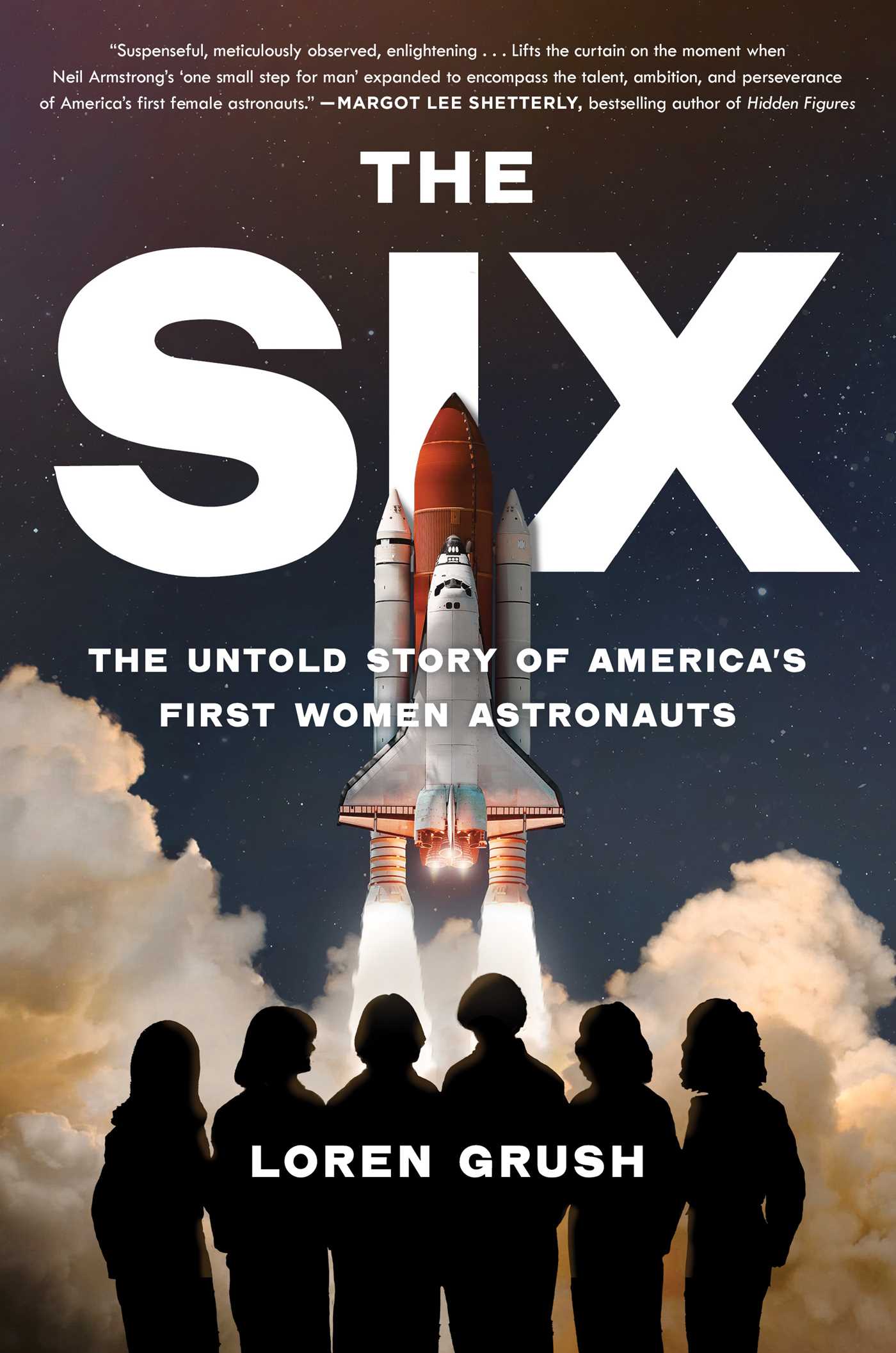
The Six: The Untold Story of America’s First Women Astronauts – Loren Grush

When NASA sent astronauts to the moon in the 1960s and 1970s, the agency excluded women from the corps, arguing that only military test pilots—a group then made up exclusively of men—had the right stuff. It was an era in which women were steered away from jobs in science and deemed unqualified for space flight. Eventually, though, NASA recognized its blunder and opened the application process to a wider array of hopefuls, regardless of race or gender. From a candidate pool of 8,000, six elite women were selected in 1978: Sally Ride, Judy Resnik, Anna Fisher, Kathy Sullivan, Shannon Lucid, and Rhea Seddon.

In The Six , acclaimed journalist Loren Grush shows these brilliant and courageous women enduring claustrophobic—and sometimes deeply sexist—media attention, undergoing rigorous survival training, and preparing for years to take multi-million-dollar payloads into orbit. Together, the Six helped build the tools that made the space program run. One of the group, Judy Resnik, sacrificed her life when the Space Shuttle Challenger exploded at 46,000 feet. Everyone knows of Sally Ride’s history-making first space ride, but each of the Six would make their mark.

In My Hands Today…

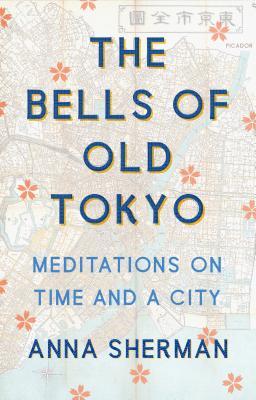
The Bells of Old Tokyo: Meditations on Time and a City – Anna Sherman

From 1632 until 1854, Japan’s rulers restricted contact with foreign countries, a near isolation that fostered a remarkable and unique culture that endures to this day. In hypnotic prose and sensual detail, Anna Sherman describes searching for the great bells by which the inhabitants of Edo, later called Tokyo, kept the hours in the shoguns’ city.

An exploration of Tokyo becomes a meditation not just on time but also on history, memory, and impermanence. Through Sherman’s journeys around the city and her friendship with the owner of a small, exquisite cafe, who elevates the making and drinking of coffee to an art form, The Bells of Old Tokyo follows haunting voices through the labyrinth that is the Japanese an old woman remembers escaping from the American firebombs of World War II. A scientist builds the most accurate clock in the world—a clock that will not lose a second in five billion years. The head of the Tokugawa shogunal house reflects on the destruction of his grandfathers’ “A lost thing is lost. To chase it leads to darkness.”

In My Hands Today…

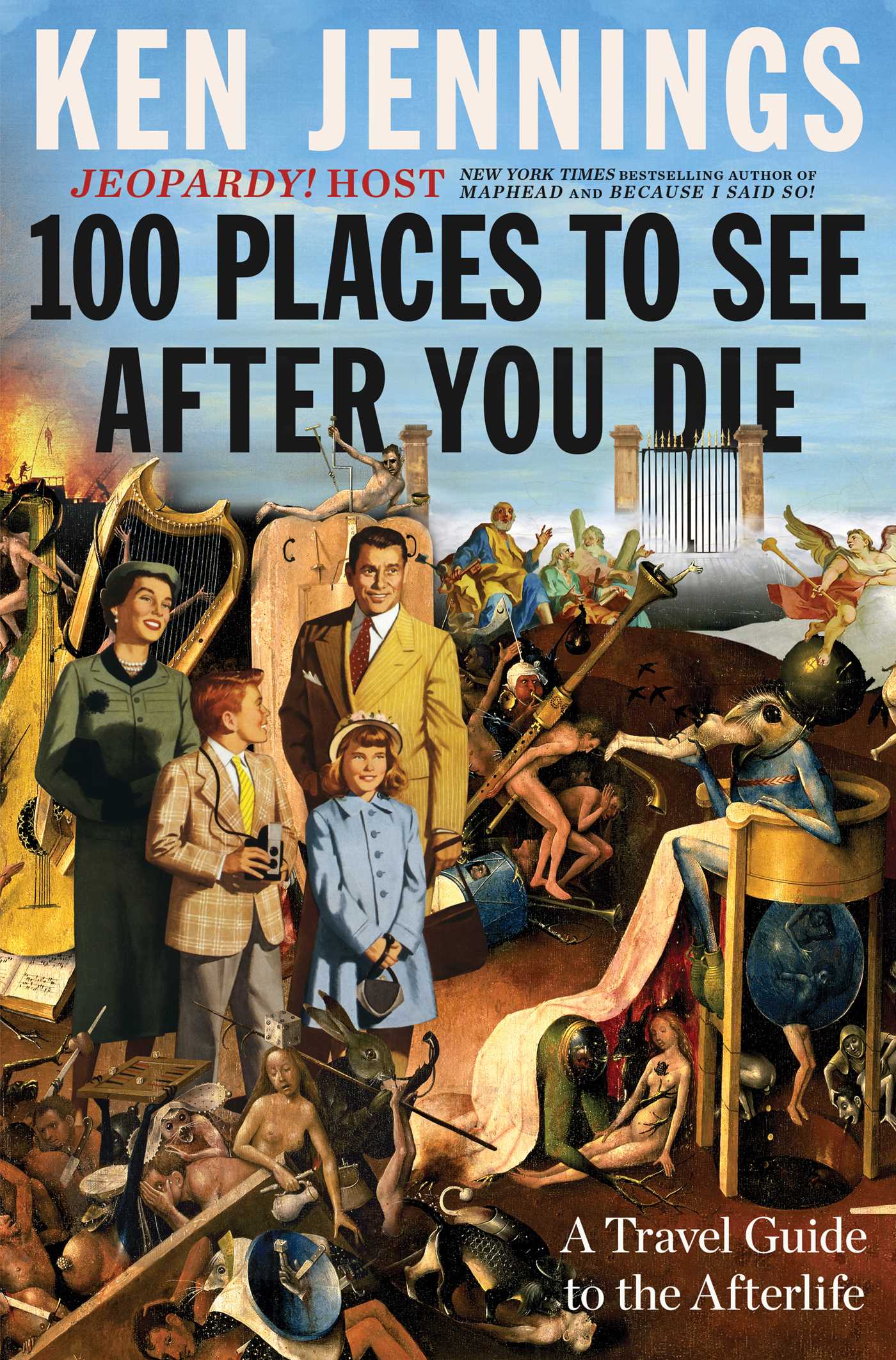
100 Places to See After You Die: A Travel Guide to the Afterlife – Ken Jennings

Ever wonder which circles of Dante’s Inferno have the nicest accommodations?

Where’s the best place to grab a bite to eat in the ancient Egyptian underworld?

How does one dress like a local in the heavenly palace of Hinduism’s Lord Vishnu, or avoid the flesh-eating river serpents in the Klingon afterlife?

What hidden treasures can be found off the beaten path in Hades, Valhalla, or TV’s The Good Place?

Jennings wryly outlines journeys through the afterlife, as dreamed up over 5,000 years of human history by our greatest prophets, poets, mystics, artists, and TV showrunners.

This comprehensive index of 100 different afterlife destinations was meticulously researched from sources ranging from the Epic of Gilgamesh to modern-day pop songs, video games, and Simpsons episodes. Get ready for whatever post-mortal destiny awaits you, whether it’s an astral plane, a Hieronymus Bosch hellscape, or the baseball diamond from Field of Dreams.