

In Tamil Brahmin families, it is almost a rite of passage for children to begin learning music, dance, or both from a very young age. This practice, deeply woven into the cultural fabric, is not merely a hobby or extracurricular activity but a tradition that carries historical, spiritual, and social significance.
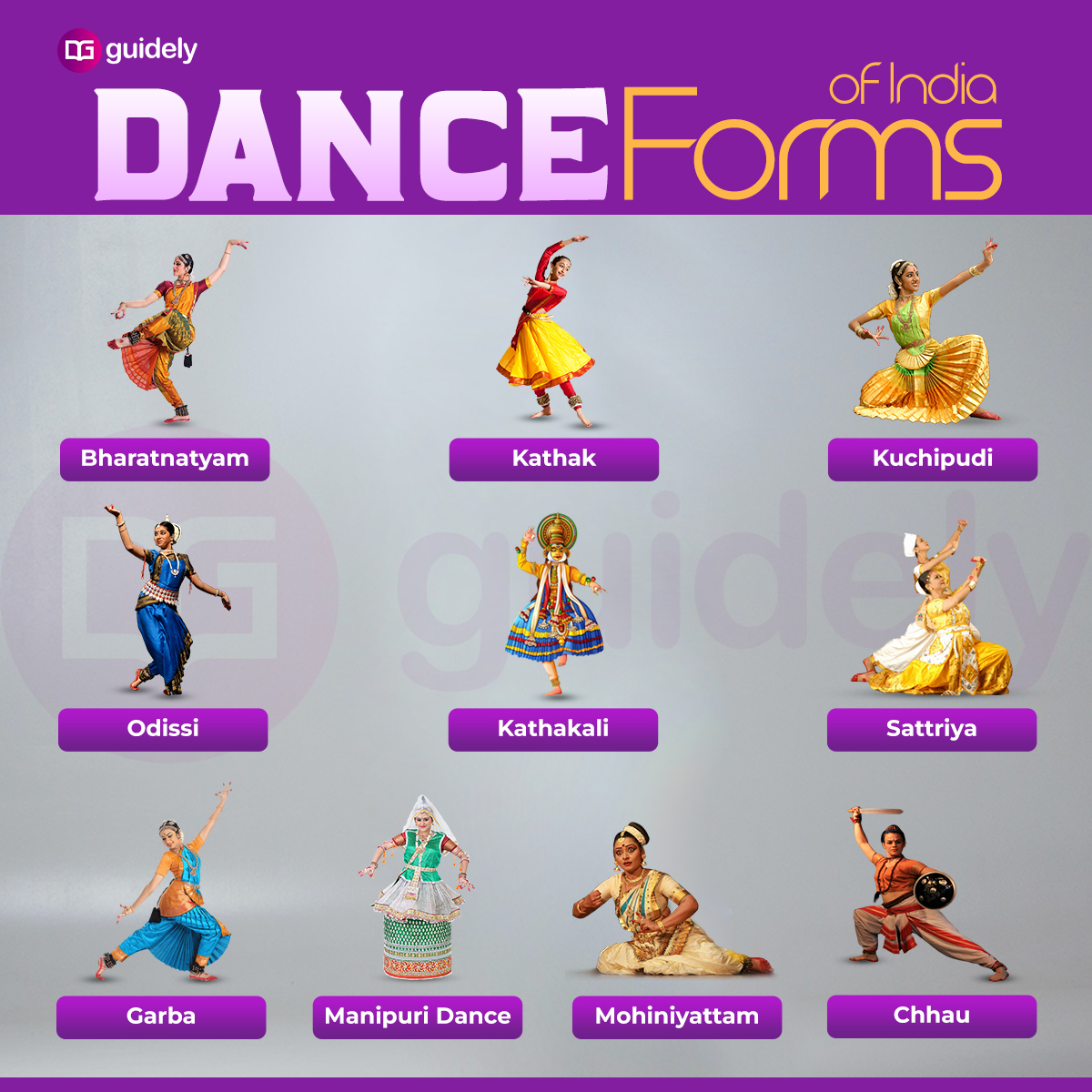
Carnatic music and Bharatanatyam are two of the most celebrated classical art forms in South India. Both have ancient origins and have been closely associated with temple rituals, devotional practices, and the cultural identity of the Tamil Brahmin community. Historically, Brahmin families became custodians and prominent patrons of these arts, especially as royal patronage declined and the arts transitioned from temples and courts to urban centres.
The Bhakti movement, which swept South India from the 7th century onwards, emphasised personal devotion to deities through poetry, music, and dance. Brahmins, with their access to education and Sanskritic traditions, played a leading role in this movement, using music and dance as vehicles for spiritual expression and community identity.
As Carnatic music and Bharatanatyam gained prestige, mastery of these arts became a symbol of social status among Tamil Brahmins. The ability to sing or play an instrument or to perform classical dance was seen as a marker of refinement, education, and cultural capital. Families took pride in their children’s artistic accomplishments, which were showcased during family gatherings, religious festivals, and community events.

The rise of music “sabhas” (cultural organisations) in urban centres provided platforms for performances and further cemented the association of these arts with Tamil Brahmin identity. Participation in these sabhas, both as performers and as audience members, became a way for families to assert their place in the social hierarchy and maintain connections within the community.
For many Tamil Brahmin families, enrolling children in music or dance classes is a way to honour their heritage and ensure the continuity of tradition. Parents, often themselves trained in these arts, see it as their responsibility to pass on this legacy to the next generation. In Tamil Brahmin culture, music and dance are not just artistic pursuits but acts of devotion. Many compositions in Carnatic music are devotional hymns, and Bharatanatyam originated as a form of temple worship. Learning these arts is seen as a way to connect with the divine, cultivate discipline, and develop a sense of humility and reverence.
Research and anecdotal evidence suggest that children who begin learning music or dance at a young age develop better memory, concentration, and coordination. The structured practice of swaras (notes), talas (rhythms), and choreography enhances cognitive abilities and fosters discipline. Stage performances, which are an integral part of music and dance training, help children overcome stage fright, build confidence, and learn to express themselves creatively. These skills are valued not just in the arts but in academic and professional spheres as well.
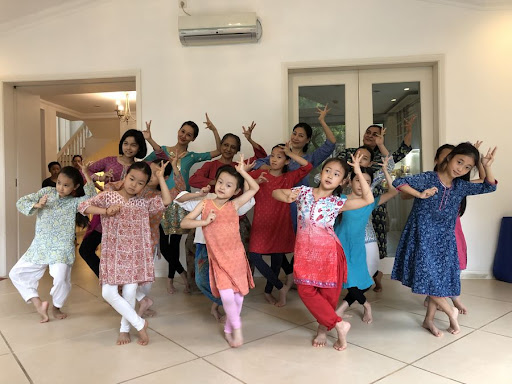
Growing up in the Bombay of the seventies and eighties, it was very common for most young girls and boys in our area to learn music or dance, or sometimes, even both. In my family, I leaned toward music while my sister chose to learn dance. I learned music in two stages. The first time I was probably 5-6 years old, and as all young girls were wont to do, my mother put me in a music class next to my home. This was a centre of Carnatic music, but after about 1.5 years, I wanted out. So I quit. But the seeds were sown, and slowly over the years, I started getting interested in music, and at about the age of 12-13, I restarted my music journey. This time, I learned from an independent teacher close to home. This time, I lasted about three years, and when I reached class 10, I dropped out again because of the demands of school.
My sister was interested in dance, and so she was enrolled on a Bharatanatyam class conducted by an independent teacher who taught many girls in our area. She learned this art for about 4-5 years, from the age of about 6-7 until she too dropped out because of the demands of school, extracurricular activities, and tuition.
I have always loved music, and I am someone who is constantly singing, irrespective of the genre. So when GG and BB were young, I also enrolled them in a local Carnatic music class. GG also chose to learn dance, but in her case, she learned classical ballet. GG has been consistent with going to music class since she started around the age of 7. Even during her PSLE and O-level years, she didn’t stop, as, according to her, this was her stress relief. BB, on the other hand, stopped learning music when he hit puberty and his voice broke. But he has a very good voice and is a great singer. In secondary school, when he was about 13-14, they had a music show in school, and he was the lead singer for the band that he and his friends came up with. He was so good that the day after, his school principal stopped him in the corridor to compliment him on his singing.
So that’s our music journey! It was nice walking down memory lane, remembering all the memories.
 The Joffrey Ballet is a comprehensive history of the quintessential American dance troupe and a textured portrait of Robert Joffrey, the creative maverick who led and inspired it.
 Memories and Such