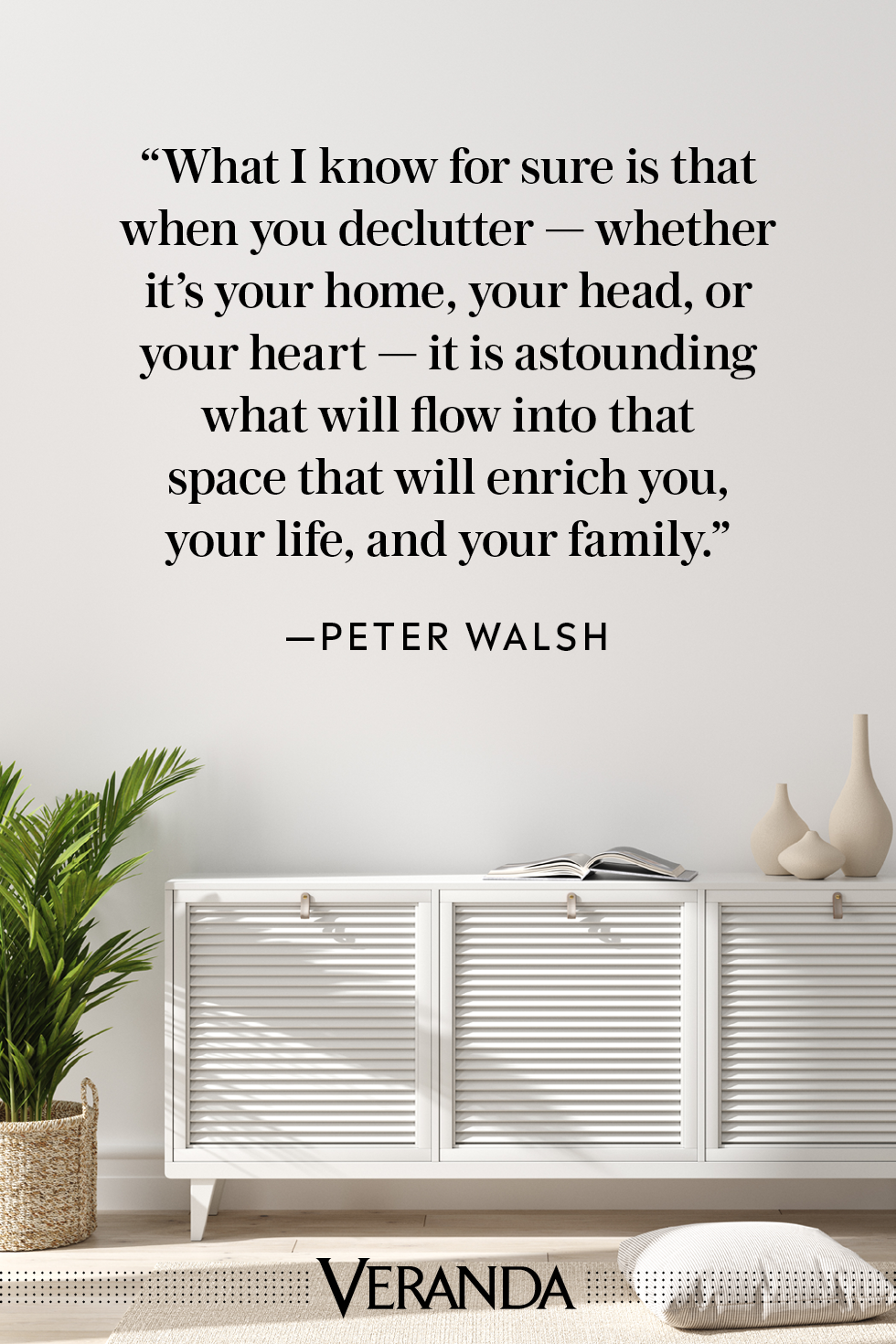
“If you love your family, clean before you go.”

That’s the simple, yet profound, philosophy behind döstädning, a Swedish term that translates to “death cleaning.”
Don’t be alarmed by the word death; this isn’t a morbid exercise. Rather, Swedish Death Cleaning is a life-affirming, deeply mindful way of decluttering. It’s about easing the future burden on loved ones by taking responsibility for your belongings now, while you are still able, aware, and intentional.
It’s about asking yourself: What do I truly want to leave behind? And what no longer serves me or anyone else?

What Is Swedish Death Cleaning?
The term döstädning comes from two Swedish words: dö, meaning “death,” and städning, meaning “cleaning.” The concept was popularised by Swedish artist and author Margareta Magnusson, who wrote the international bestseller The Gentle Art of Swedish Death Cleaning: How to Free Yourself and Your Family from a Lifetime of Clutter. Magnusson describes herself as being “between 80 and 100 years old” and writes with the kind of humour and grace that only comes from lived experience. Her idea isn’t about getting rid of everything you own, but about making peace with your possessions and curating what remains with love and intention. At its heart, Swedish Death Cleaning is a conversation with yourself, and by extension, with those you’ll eventually leave behind.

Why “Death” Cleaning?
The word might sound morbid, but the Swedes view it differently. To them, death cleaning is a kind, compassionate act. It acknowledges life’s impermanence, while celebrating what truly matters. It’s not about obsessing over death; it’s about living with awareness. When we declutter through this lens, it’s not just about minimalism; it’s about emotional clarity. We release the excess, the forgotten, the broken, and the unnecessary, so that our lives (and our spaces) are lighter, calmer, and more meaningful.
Minimalism with a Heart
While minimalism often focuses on aesthetics: clean lines, neutral palettes, fewer possessions, Swedish Death Cleaning adds a layer of emotional intelligence. It’s not about having less for the sake of less. It’s about keeping what means something. Magnusson writes, “One’s own pleasure and the chance to find meaning in everyday life are very important.” So, instead of asking “Does this spark joy?” (à la Marie Kondo), the Swedish Death Cleaning question is more pragmatic: Will anyone want or need this after I’m gone? If the answer is no, perhaps it’s time to let it go.
When Should You Start Death Cleaning?
Ideally, anytime after your midlife years. Magnusson suggests that one should start “sooner rather than later.” But truthfully, it’s never too early, or too late, to begin. Think of it not as a single weekend project, but as an ongoing mindset. Even in your 30s, 40s, or 50s, it can be incredibly freeing to assess your belongings through this compassionate lens. Why wait for a “right time” when you can start reaping the peace and clarity it brings right now?

The Philosophy Behind It
The Swedes have a word for everything practical and poetic: lagom, for instance, means “just the right amount.” Swedish Death Cleaning aligns perfectly with that sensibility. It’s about finding balance between holding on and letting go. At its core, this practice isn’t about death; it’s about dignity. It’s about living a life that’s intentional, uncluttered, and kind to those who will remember you.
How to Begin: A Gentle Guide
Let’s take a step-by-step approach, not the ruthless “throw everything out” kind, but a mindful, thoughtful one.
Start with the Easy Stuff: Begin with items that hold little emotional value, extra kitchen utensils, old files, unused gadgets, worn-out linens. This helps you ease into the process without emotional overwhelm.
Be Realistic About What You Need: Ask yourself: Do I still use this? Would I buy this today? Does this still fit the life I’m living now, or the one I want to live? Let go of the “someday” items: the clothes that don’t fit, the craft supplies for a hobby you abandoned, the books you’ll “eventually” read.
Tackle Sentimental Items Slowly: This is the hardest part. Letters, photos, heirlooms, these carry memories. Magnusson suggests keeping only what makes your heart warm, not heavy. You don’t have to throw away everything. You can digitise old photographs, or write notes to accompany cherished items explaining why they mattered to you. This adds meaning for the next generation.
Sort Things into Categories: Magnusson recommends three simple piles: The Keep pile for items you still love or use, the Give Away pile to friends, family, or charities, and the Throw Away pile for things no one needs anymore. Keep a donation box handy at all times. Over time, it becomes second nature.
Have Conversations with Loved Ones: Swedish Death Cleaning is also a social act. Talk to your family. Ask them what they’d like to have someday. You might be surprised. What you think is priceless may not be important to them, and something you considered trivial may hold great meaning.
Create a “Death Cleaning Box”: This is a personal project. In it, you place items of deep personal significance: letters, photos, small treasures, things you want to be discovered after you’re gone. Magnusson calls it a “memory box”; a way to share your story even when you’re no longer around.
Keep a Record of Important Documents: Store wills, insurance papers, passwords, and key information in one accessible, clearly labelled place. It’s a simple act of love, one that spares your loved ones unnecessary confusion later.

The Emotional Side of Death Cleaning
Decluttering can be surprisingly emotional; it’s not just about space; it’s about identity. Every item tells a story: a past version of you, a dream once cherished, a memory half-faded. When you let go, it’s not a loss. It’s a quiet acknowledgement that you’ve lived, and that you are still evolving. As Magnusson gently says, “Life will become more pleasant and comfortable if we get rid of some of the abundance.” You might even discover forgotten parts of yourself in the process, the things you truly value, the simplicity you crave, and the joy that hides beneath the clutter.
The Difference Between Decluttering and Death Cleaning
While decluttering is often driven by the desire for aesthetic minimalism, cleaner shelves, and tidier wardrobes, death cleaning is rooted in legacy. It’s not about a minimalist lifestyle; it’s about a meaningful one. Decluttering clears your home. Death Cleaning clears your life; of emotional baggage, guilt, and attachments that no longer serve you. It’s practical, yes, but also philosophical, a merging of minimalism, mindfulness, and mortality.
Why It Resonates Today
In a world obsessed with accumulation, more gadgets, more clothes, more experiences, Swedish Death Cleaning offers a refreshing counterpoint. It reminds us that ownership comes with emotional weight. And that freedom often lies in less, not more. The popularity of Magnusson’s book reflects a global yearning for simplicity and purpose. After years of consumer-driven culture, people are rediscovering the comfort of enough. In that sense, Swedish Death Cleaning isn’t just about preparing for death; it’s about reclaiming life.

Lessons from Swedish Death Cleaning
Here are a few beautiful takeaways from this quiet Swedish tradition:
- Clutter Is Deferred Decision-Making: Every item you keep is a decision you postpone; to use it, fix it, or discard it. Death Cleaning invites you to face those decisions now, so your loved ones won’t have to.
- We Own Too Much: We all do. But ownership isn’t always empowerment; sometimes, it’s entrapment. Learning to live with less can be a profound act of self-liberation.
- Memories Don’t Live in Objects: Objects can trigger memories, but the memories themselves live within us. Letting go of the item doesn’t erase the story; it frees it.
- Clarity is a Form of Kindness: To clean your space and your life is to show care for those who will remain after you. It’s an act of love disguised as a household chore.
- It’s About Living Fully, Not Dying Early: Ironically, death cleaning brings you closer to life. It encourages you to prioritise joy, relationships, and experiences over possessions.
Bringing Swedish Death Cleaning into Everyday Life
You don’t have to wait for a major life change to start. Here are small, sustainable ways to incorporate its wisdom into daily routines:
- Practice the “One In, One Out” Rule: Each time you buy something new, let go of one old item. It keeps accumulation in check.
- Curate Your Digital Life: Delete old files, emails, and photos you no longer need. A clean digital space mirrors a clear mind.
- Simplify Gifting: Instead of material gifts, consider giving experiences, donations, or consumables. They bring joy without adding clutter.
- Create Legacy Folders: Keep a folder (physical or digital) with notes, memories, or reflections you’d want your loved ones to have. You’re writing your own story, intentionally.
- Review Annually: Once a year, pick one area: your wardrobe, pantry, or bookshelf, and review it. Small steps create lasting change.

A Practice in Acceptance
To death-clean is to accept impermanence, not with fear, but with grace. It’s a reminder that everything: our belongings, our time, even our stories, is transient. But there’s beauty in that, too. Because what remains: love, memories, the impact we leave behind, is timeless. Magnusson says it best:
“Death cleaning is not sad. It’s about the story of your life, the good and the bad.”
And perhaps that’s the quiet gift of this practice. It teaches us to live with gentleness, to love without attachment, and to leave behind something far more meaningful than things: peace.
In the end, Swedish Death Cleaning isn’t just a cleaning method; it’s a philosophy of living lightly, loving deeply, and leaving gracefully. It’s about curating your life so that what remains in your home, heart, and legacy truly reflects who you are. So maybe the question isn’t “What will I leave behind?” but rather: “What do I want to carry with me now?” Because the art of letting go, in the end, is also the art of living well.