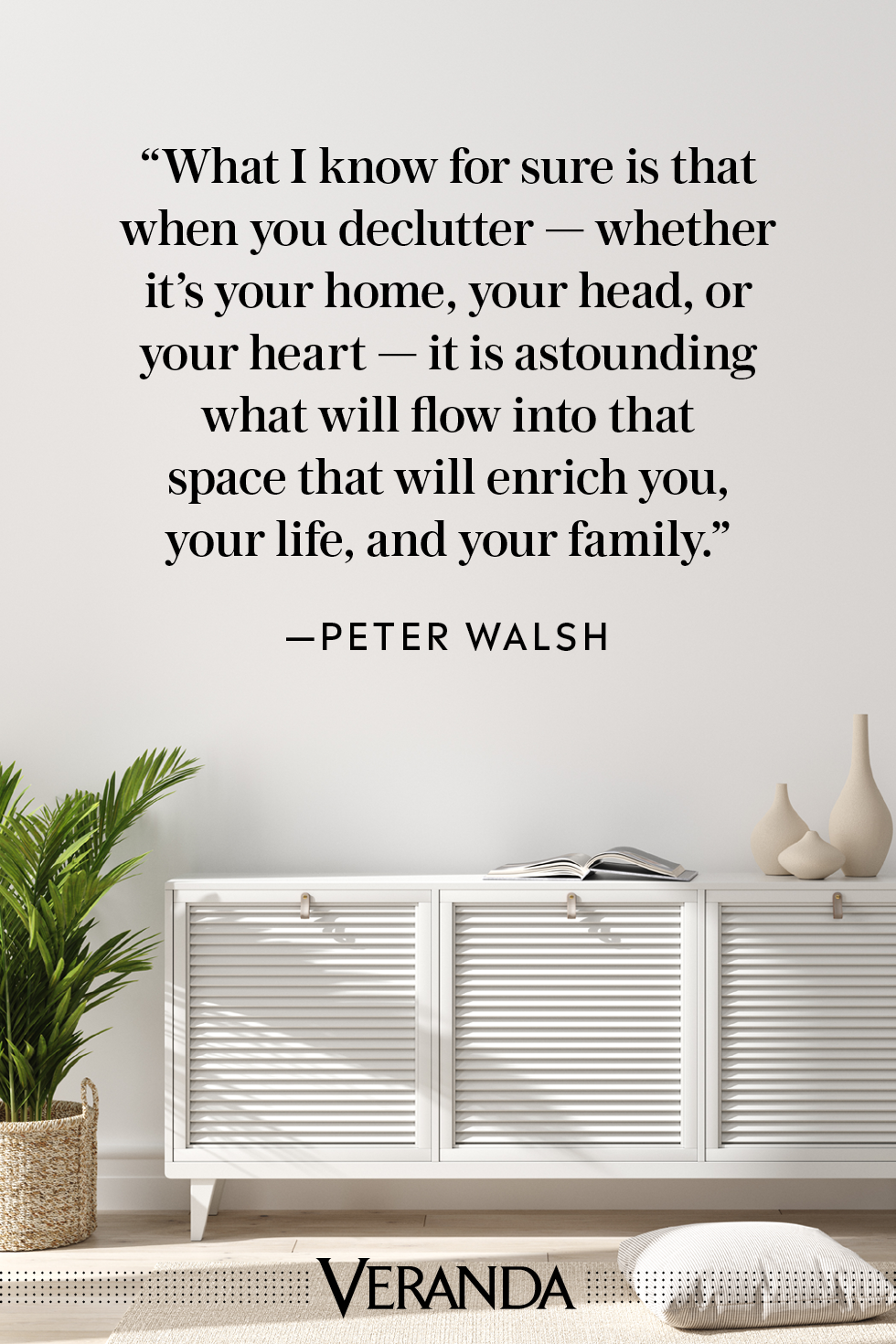
The Gentle Art of Letting Go: What We Can Learn from Swedish Death Cleaning

“If you love your family, clean before you go.”

That’s the simple, yet profound, philosophy behind döstädning, a Swedish term that translates to “death cleaning.”

Don’t be alarmed by the word death; this isn’t a morbid exercise. Rather, Swedish Death Cleaning is a life-affirming, deeply mindful way of decluttering. It’s about easing the future burden on loved ones by taking responsibility for your belongings now, while you are still able, aware, and intentional.

It’s about asking yourself: What do I truly want to leave behind? And what no longer serves me or anyone else?

What Is Swedish Death Cleaning?

The term döstädning comes from two Swedish words: dö, meaning “death,” and städning, meaning “cleaning.” The concept was popularised by Swedish artist and author Margareta Magnusson, who wrote the international bestseller The Gentle Art of Swedish Death Cleaning: How to Free Yourself and Your Family from a Lifetime of Clutter. Magnusson describes herself as being “between 80 and 100 years old” and writes with the kind of humour and grace that only comes from lived experience. Her idea isn’t about getting rid of everything you own, but about making peace with your possessions and curating what remains with love and intention. At its heart, Swedish Death Cleaning is a conversation with yourself, and by extension, with those you’ll eventually leave behind.

Why “Death” Cleaning?

The word might sound morbid, but the Swedes view it differently. To them, death cleaning is a kind, compassionate act. It acknowledges life’s impermanence, while celebrating what truly matters. It’s not about obsessing over death; it’s about living with awareness. When we declutter through this lens, it’s not just about minimalism; it’s about emotional clarity. We release the excess, the forgotten, the broken, and the unnecessary, so that our lives (and our spaces) are lighter, calmer, and more meaningful.

Minimalism with a Heart

While minimalism often focuses on aesthetics: clean lines, neutral palettes, fewer possessions, Swedish Death Cleaning adds a layer of emotional intelligence. It’s not about having less for the sake of less. It’s about keeping what means something. Magnusson writes, “One’s own pleasure and the chance to find meaning in everyday life are very important.” So, instead of asking “Does this spark joy?” (à la Marie Kondo), the Swedish Death Cleaning question is more pragmatic: Will anyone want or need this after I’m gone? If the answer is no, perhaps it’s time to let it go.

When Should You Start Death Cleaning?

Ideally, anytime after your midlife years. Magnusson suggests that one should start “sooner rather than later.” But truthfully, it’s never too early, or too late, to begin. Think of it not as a single weekend project, but as an ongoing mindset. Even in your 30s, 40s, or 50s, it can be incredibly freeing to assess your belongings through this compassionate lens. Why wait for a “right time” when you can start reaping the peace and clarity it brings right now?

The Philosophy Behind It

The Swedes have a word for everything practical and poetic: lagom, for instance, means “just the right amount.” Swedish Death Cleaning aligns perfectly with that sensibility. It’s about finding balance between holding on and letting go. At its core, this practice isn’t about death; it’s about dignity. It’s about living a life that’s intentional, uncluttered, and kind to those who will remember you.

How to Begin: A Gentle Guide

Let’s take a step-by-step approach, not the ruthless “throw everything out” kind, but a mindful, thoughtful one.

Start with the Easy Stuff: Begin with items that hold little emotional value, extra kitchen utensils, old files, unused gadgets, worn-out linens. This helps you ease into the process without emotional overwhelm.

Be Realistic About What You Need: Ask yourself: Do I still use this? Would I buy this today? Does this still fit the life I’m living now, or the one I want to live? Let go of the “someday” items: the clothes that don’t fit, the craft supplies for a hobby you abandoned, the books you’ll “eventually” read.

Tackle Sentimental Items Slowly: This is the hardest part. Letters, photos, heirlooms, these carry memories. Magnusson suggests keeping only what makes your heart warm, not heavy. You don’t have to throw away everything. You can digitise old photographs, or write notes to accompany cherished items explaining why they mattered to you. This adds meaning for the next generation.

Sort Things into Categories: Magnusson recommends three simple piles: The Keep pile for items you still love or use, the Give Away pile to friends, family, or charities, and the Throw Away pile for things no one needs anymore. Keep a donation box handy at all times. Over time, it becomes second nature.

Have Conversations with Loved Ones: Swedish Death Cleaning is also a social act. Talk to your family. Ask them what they’d like to have someday.  You might be surprised. What you think is priceless may not be important to them, and something you considered trivial may hold great meaning.

Create a “Death Cleaning Box”: This is a personal project. In it, you place items of deep personal significance: letters, photos, small treasures, things you want to be discovered after you’re gone. Magnusson calls it a “memory box”; a way to share your story even when you’re no longer around.

Keep a Record of Important Documents: Store wills, insurance papers, passwords, and key information in one accessible, clearly labelled place. It’s a simple act of love, one that spares your loved ones unnecessary confusion later.

The Emotional Side of Death Cleaning

Decluttering can be surprisingly emotional; it’s not just about space; it’s about identity. Every item tells a story: a past version of you, a dream once cherished, a memory half-faded. When you let go, it’s not a loss. It’s a quiet acknowledgement that you’ve lived, and that you are still evolving. As Magnusson gently says, “Life will become more pleasant and comfortable if we get rid of some of the abundance.” You might even discover forgotten parts of yourself in the process, the things you truly value, the simplicity you crave, and the joy that hides beneath the clutter. 

The Difference Between Decluttering and Death Cleaning

While decluttering is often driven by the desire for aesthetic minimalism, cleaner shelves, and tidier wardrobes, death cleaning is rooted in legacy. It’s not about a minimalist lifestyle; it’s about a meaningful one. Decluttering clears your home. Death Cleaning clears your life; of emotional baggage, guilt, and attachments that no longer serve you. It’s practical, yes, but also philosophical, a merging of minimalism, mindfulness, and mortality.

Why It Resonates Today

In a world obsessed with accumulation, more gadgets, more clothes, more experiences, Swedish Death Cleaning offers a refreshing counterpoint. It reminds us that ownership comes with emotional weight. And that freedom often lies in less, not more. The popularity of Magnusson’s book reflects a global yearning for simplicity and purpose. After years of consumer-driven culture, people are rediscovering the comfort of enough. In that sense, Swedish Death Cleaning isn’t just about preparing for death; it’s about reclaiming life.

Lessons from Swedish Death Cleaning

Here are a few beautiful takeaways from this quiet Swedish tradition:

  • Clutter Is Deferred Decision-Making: Every item you keep is a decision you postpone; to use it, fix it, or discard it. Death Cleaning invites you to face those decisions now, so your loved ones won’t have to.
  • We Own Too Much: We all do. But ownership isn’t always empowerment; sometimes, it’s entrapment. Learning to live with less can be a profound act of self-liberation. 
  • Memories Don’t Live in Objects: Objects can trigger memories, but the memories themselves live within us.  Letting go of the item doesn’t erase the story; it frees it.
  • Clarity is a Form of Kindness: To clean your space and your life is to show care for those who will remain after you. It’s an act of love disguised as a household chore.
  • It’s About Living Fully, Not Dying Early: Ironically, death cleaning brings you closer to life. It encourages you to prioritise joy, relationships, and experiences over possessions.

Bringing Swedish Death Cleaning into Everyday Life

You don’t have to wait for a major life change to start. Here are small, sustainable ways to incorporate its wisdom into daily routines:

  • Practice the “One In, One Out” Rule: Each time you buy something new, let go of one old item. It keeps accumulation in check.
  • Curate Your Digital Life: Delete old files, emails, and photos you no longer need. A clean digital space mirrors a clear mind.
  • Simplify Gifting: Instead of material gifts, consider giving experiences, donations, or consumables. They bring joy without adding clutter.
  • Create Legacy Folders: Keep a folder (physical or digital) with notes, memories, or reflections you’d want your loved ones to have. You’re writing your own story, intentionally.
  • Review Annually: Once a year, pick one area: your wardrobe, pantry, or bookshelf, and review it. Small steps create lasting change.

A Practice in Acceptance

To death-clean is to accept impermanence, not with fear, but with grace. It’s a reminder that everything: our belongings, our time, even our stories, is transient. But there’s beauty in that, too. Because what remains: love, memories, the impact we leave behind, is timeless. Magnusson says it best:

“Death cleaning is not sad. It’s about the story of your life, the good and the bad.”

And perhaps that’s the quiet gift of this practice. It teaches us to live with gentleness, to love without attachment, and to leave behind something far more meaningful than things: peace.

In the end, Swedish Death Cleaning isn’t just a cleaning method; it’s a philosophy of living lightly, loving deeply, and leaving gracefully. It’s about curating your life so that what remains in your home, heart, and legacy truly reflects who you are. So maybe the question isn’t “What will I leave behind?” but rather: “What do I want to carry with me now?” Because the art of letting go, in the end, is also the art of living well.
Minimalism, Maximalism, or Something In Between?

The debate between minimalism and maximalism continues to shape our lifestyle choices today, influencing everything from interior design to personal habits. Both philosophies offer unique perspectives on how to live, each with its own set of principles and aesthetic values.

Understanding Minimalism
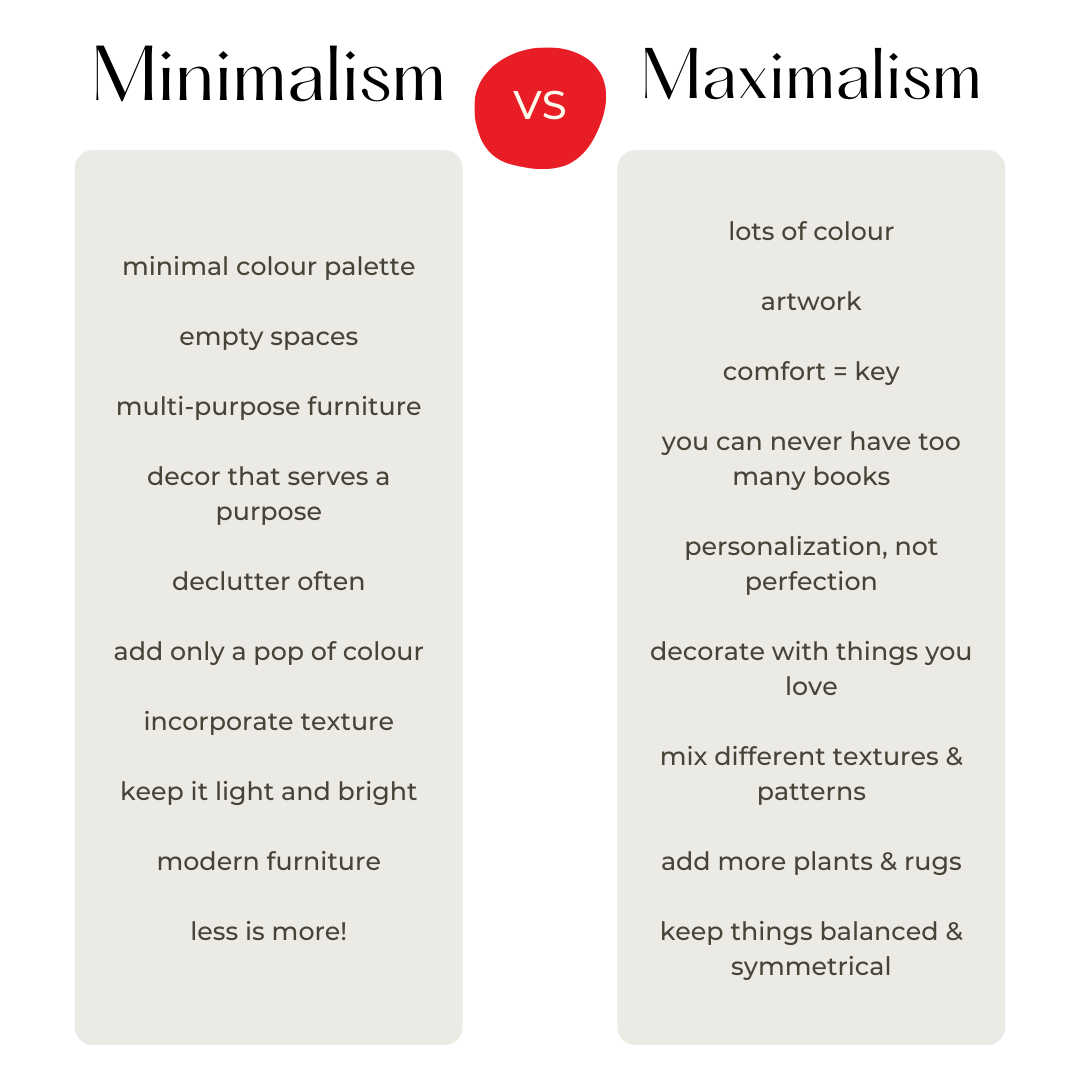
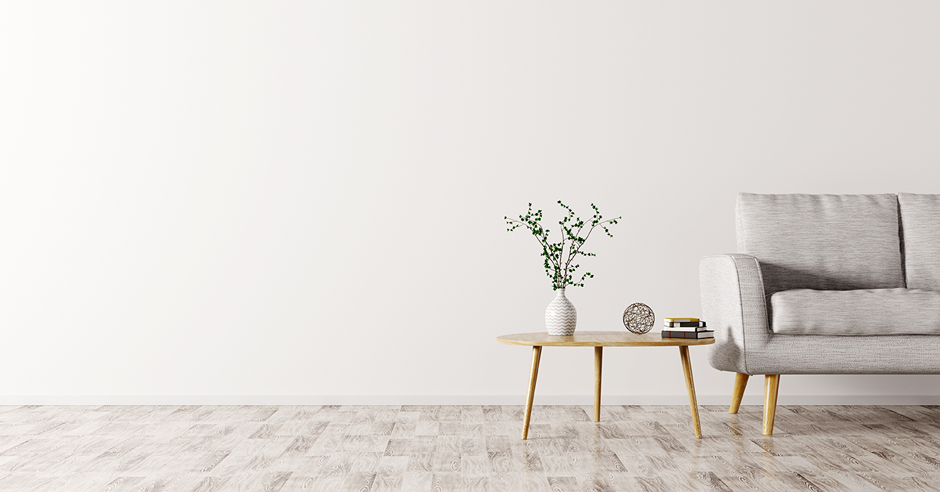
Minimalism is a lifestyle and design philosophy that emphasises simplicity, functionality, and intentionality. It’s about stripping away the excess and focusing on what truly matters. In the context of interior design, minimalism is characterised by clean lines and uncluttered spaces, neutral colour palettes, an emphasis on functionality, and limited decorative elements. The minimalist approach extends beyond aesthetics, encouraging a lifestyle of reduced consumption and increased mindfulness. Minimalists often report feeling a sense of calm and clarity in their simplified environments. The key principles of minimalism include quality over quantity, intentional living, decluttering and organisation, a focus on essentials, and sustainable consumption.

Understanding Maximalism
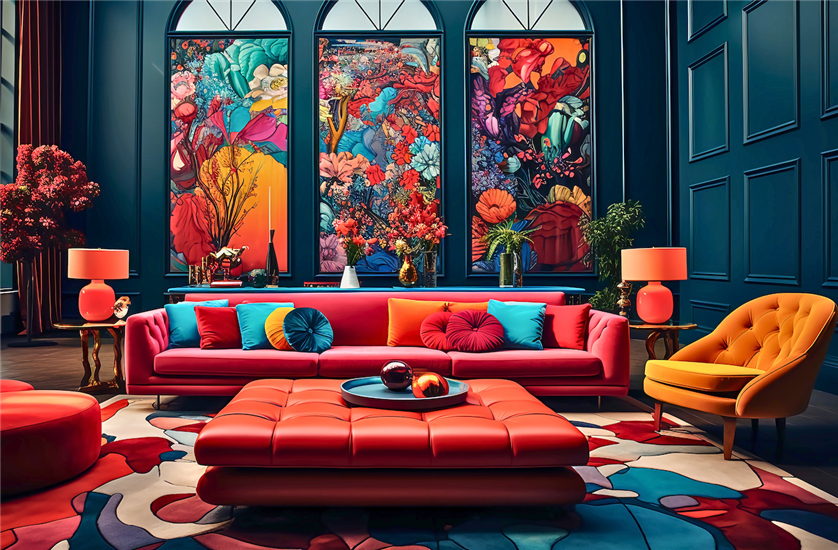
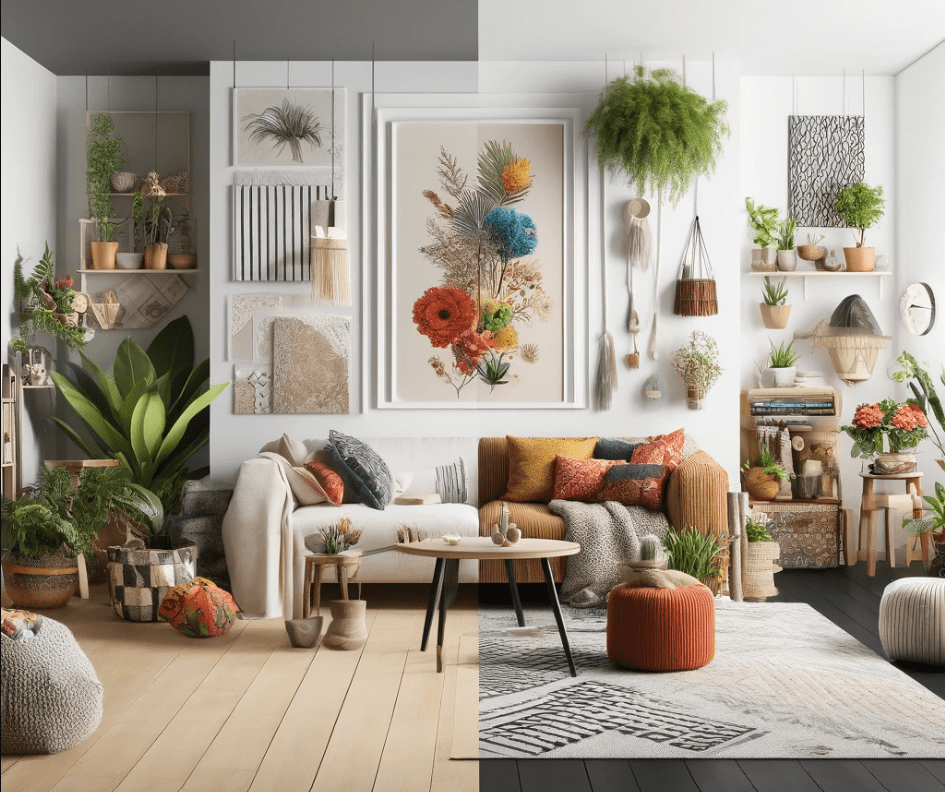
In contrast to minimalism, maximalism embraces abundance, complexity, and rich visual experiences. This design philosophy is characterised by bold colours and patterns, an eclectic mix of furniture and decor, layered textures and materials, and personal collections and statement pieces. Maximalism is not just about accumulating things; it’s about creating spaces that reflect personality, inspire curiosity, and encourage conversation. Maximalist environments often evoke feelings of energy and excitement. The key principles of maximalism are self-expression through design, embracing variety and contrast, storytelling through objects, celebration of personal interests, and creating immersive environments.

The pendulum of design trends has swung between minimalism and maximalism over the years, reflecting broader societal shifts. In the 1980s and 1990s, maximalism thrived, mirroring the optimism and prosperity of the era. The late 1990s and early 2000s saw a shift towards minimalism, influenced by modernist principles and growing awareness of sustainability. Recently, there has been a resurgence of maximalism, particularly in the wake of the COVID-19 pandemic. This revival is driven by a desire for joy, self-expression, and escapism after periods of isolation. Social media platforms have also played a role in showcasing and popularising bold, maximalist aesthetics.

As we look forward, both minimalism and maximalism continue to evolve and coexist. Here’s how these philosophies are expected to manifest.

Minimalism is expected to have a renewed focus on reducing physical and digital clutter, as well as an emphasis on investing in high-quality, durable items rather than disposable goods. Minimalists also pay attention to sustainable choices with increased attention to eco-friendly and sustainable products and practices and live in multifunctional spaces in designs that prioritise versatility and efficiency in living areas. Minimalists also extend their minimalist principles to digital minimalism, which includes the use of minimalist principles in the use of technology and online presence.

Maximalism is expected to continue to be bold in its expressions with the continued use of vibrant colours, patterns, and eclectic combinations. They live in personalised spaces in interiors that reflect an individual’s personality and interests more strongly. They have curated collections with thoughtful displays of personal collections and meaningful objects and layered textures that incorporate various materials and textures to create rich, sensory experiences. Maximalists tell stories through design, using decor and arrangements to convey personal narratives and cultural influences.

Is one better than the other?
The question of whether minimalism or maximalism is better is subjective and depends on individual preferences, lifestyles, and goals. Both approaches have their strengths and can contribute positively to one’s life when applied thoughtfully.

Benefits of minimalism include reduced stress from clutter, increased focus and productivity, financial benefits from reduced consumption, environmental sustainability, and easier maintenance of living spaces. The benefits of maximalism are enhanced creativity and self-expression, rich, stimulating environments, celebrations of personal history and interests, the potential for unique, characterful spaces, and the opportunity for constant evolution and change. Ultimately, the choice between minimalism and maximalism should be guided by what brings one joy and aligns with one’s values. Some individuals may find a balance by incorporating elements of both philosophies, creating a personalised approach that suits their needs.

Strategies for becoming a minimalist
If one is drawn to the minimalist lifestyle, here are some strategies to help one embrace this philosophy:

  • Start with a decluttering challenge: Begin by systematically going through one’s belongings and removing items that don’t serve a purpose or bring one joy.
  • Adopt the one-in-one-out rule: For every new item one brings into one’s home, remove one existing item.
  • Focus on quality: When making purchases, prioritise well-made, durable items that will last longer and serve multiple purposes.
  • Simplify one’s wardrobe: Create a capsule wardrobe with versatile pieces that can be mixed and matched.
  • Embrace digital minimalism: Declutter one’s digital life by organising files, unsubscribing from unnecessary emails, and limiting social media use.
  • Practice mindful consumption: Before making a purchase, one should ask oneself if the item is truly necessary and aligns with one’s values.
  • Create breathing space: In one’s living areas, leave some empty spaces to promote a sense of calm and openness.
  • Develop a minimalist mindset: Focus on experiences rather than material possessions, and practice gratitude for what one has.
  • Streamline one’s schedule: Eliminate unnecessary commitments and focus on activities that truly matter.
  • Regular maintenance: Schedule periodic decluttering sessions to prevent the accumulation of unnecessary items.

Strategies for becoming a maximalist
If the maximalist approach resonates, one can consider these strategies to embrace this vibrant lifestyle:

  • Start with colour: Introduce bold colours into one’s space through paint, textiles, or artwork.
  • Mix patterns and textures: Experiment with combining different patterns and textures in one’s decor and clothing.
  • Curate personal collections: Display collections of items that reflect one’s interests and experiences.
  • Layer one’s decor: Add depth to one’s spaces by layering rugs, textiles, and decorative objects.
  • Embrace eclectic furniture: Mix different styles and periods of furniture to create a unique, personalised look.
  • Create gallery walls: Use walls as a canvas to display a variety of artwork, photographs, and meaningful objects.
  • Incorporate plants: Add life and texture to the space with a variety of indoor plants.
  • Use statement pieces: Invest in bold, eye-catching furniture or decor items that serve as conversation starters.
  • Play with lighting: Use various light sources, including statement fixtures, to create ambience and visual interest.
  • Tell a story: Use the space to showcase items that represent one’s personal history, travels, and experiences.

Finding balance
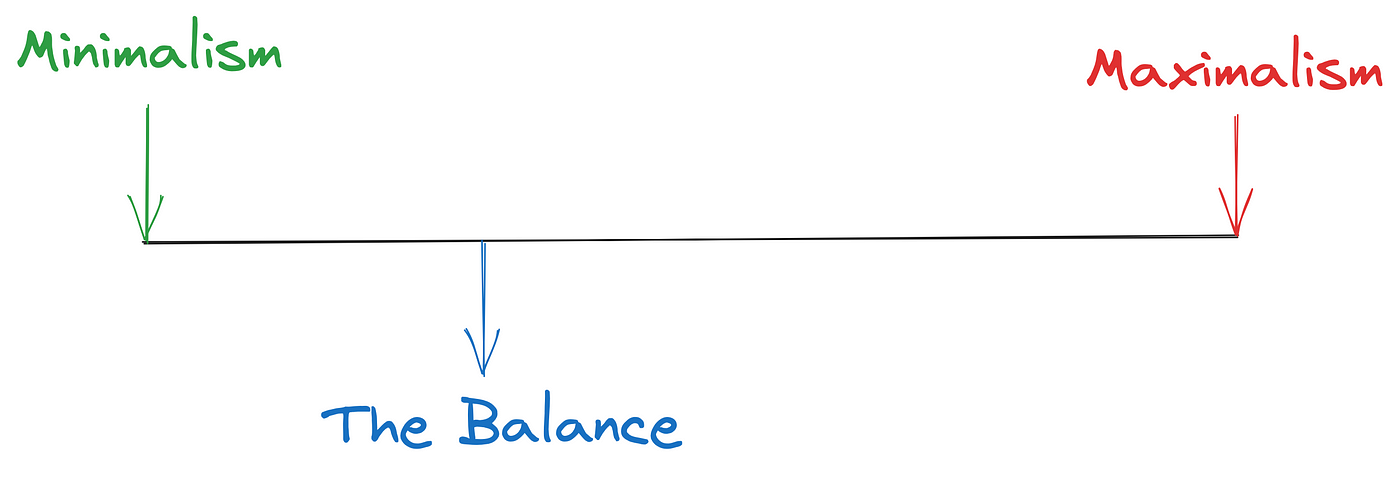
While minimalism and maximalism represent two ends of the spectrum, many people find that a balanced approach works best for them. Here are some ways to incorporate elements of both philosophies:

  • Selective maximalism: Apply maximalist principles to specific areas or rooms while keeping others more minimalist.
  • Rotating displays: Use a minimalist base but rotate collections or artwork to keep spaces fresh and interesting.
  • Functional maximalism: Embrace bold design choices while ensuring that each item serves a purpose.
  • Minimalist colour palette with maximalist textures: Use a limited colour scheme but incorporate various textures for depth.
  • Curated maximalism: Apply maximalist principles thoughtfully, ensuring that each element contributes to a cohesive whole.

The choice between minimalism and maximalism remains a personal one, reflecting individual values, lifestyles, and aesthetic preferences. Both philosophies offer unique benefits and can contribute to a fulfilling life when applied thoughtfully. Minimalism provides a framework for simplicity, intentionality, and reduced consumption, which can lead to decreased stress and increased focus. On the other hand, maximalism offers opportunities for self-expression, creativity, and the creation of rich, personalised environments. Ultimately, the right choice depends on what resonates with the individual and supports their well-being. Some may find that a hybrid approach, incorporating elements of both minimalism and maximalism, provides the best of both worlds. Whether one chooses to embrace minimalism, maximalism, or a balance of both, the key is to create an environment and lifestyle that brings one joy, supports their goals, and reflects their authentic self.

Decluttering and Minimising for a Fresh Start: A Guide to Beginning the New Year Right

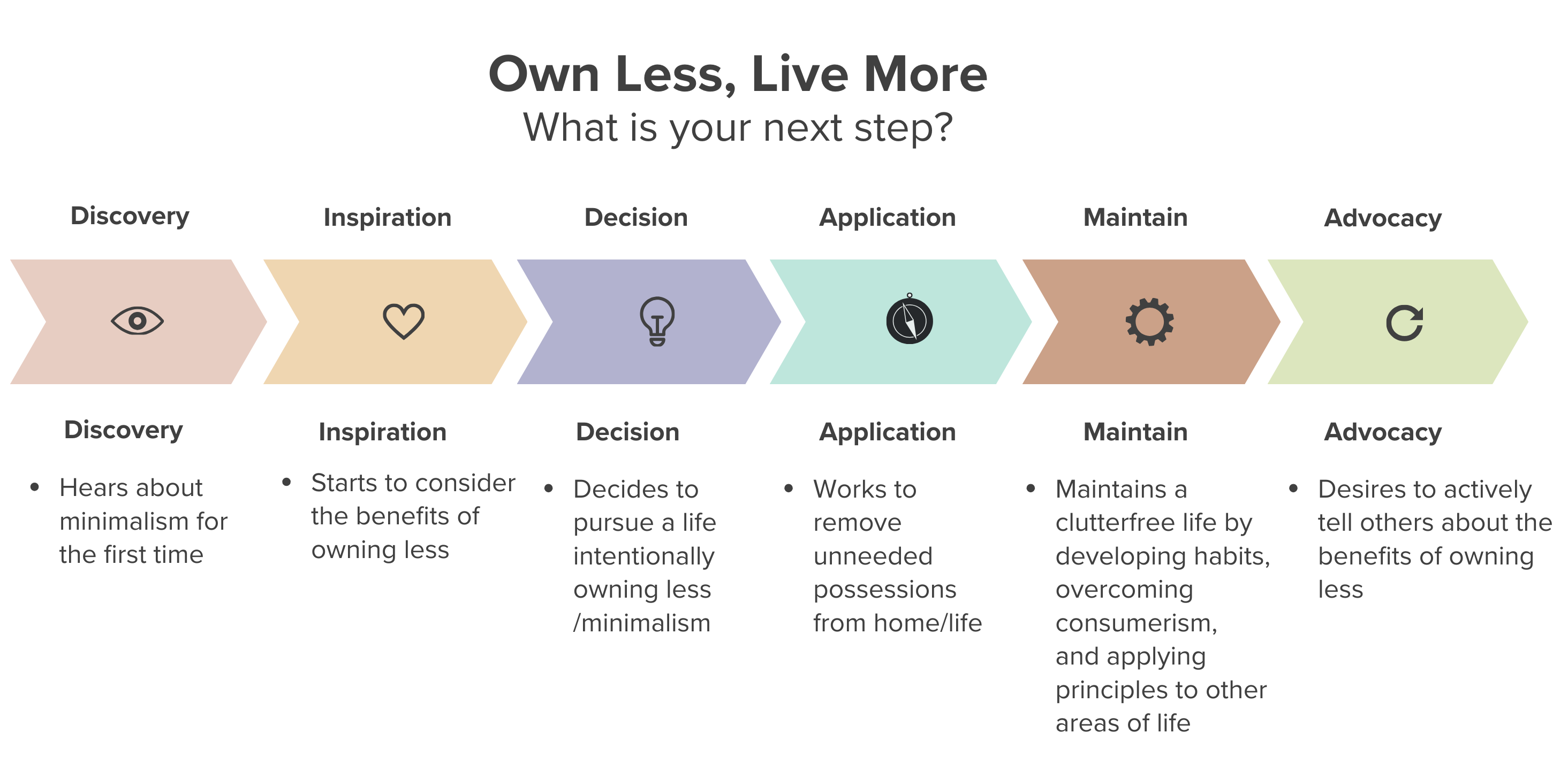
As the new year approaches, many of us feel the urge to start fresh, set new goals, and make positive changes in our lives. One of the most effective ways to begin the year on the right foot is by decluttering and minimising. This process not only helps us create a more organised and visually appealing living space but also has profound psychological and emotional benefits. 

Decluttering and minimising go beyond just tidying up your physical space. These practices have a ripple effect on various aspects of your life, from mental well-being to productivity and even relationships. Living in a cluttered environment can contribute to feelings of stress, anxiety, and overwhelm. By decluttering, you create a calmer, more peaceful atmosphere that promotes relaxation and clarity of mind. A cluttered space can be distracting and make it difficult to focus on tasks at hand. Decluttering and minimising your surroundings can boost productivity by eliminating visual distractions and creating a more organized work environment. Clutter can be mentally draining, occupying valuable mental space and making it harder to think clearly. By removing excess items, you free up mental bandwidth, allowing you to focus on what truly matters.

The process of decluttering and minimising encourages mindfulness and presence. As you sort through your possessions, you become more aware of what you own, why you own it, and whether it aligns with your current values and needs. Decluttering often leads to the realisation that you own more than you need. By selling or donating unwanted items, you can declutter your space and your wallet, freeing up funds for more meaningful purchases or experiences. When you surround yourself with only the essentials, you tend to appreciate and value what you have more. This sense of gratitude can extend to other areas of your life, fostering a more positive outlook.

Embarking on a decluttering journey can be daunting, but with a well-thought-out plan and a positive mindset, it can be an empowering experience. Here are some points to ponder.

  1. Set Clear Goals: Before you begin, take some time to reflect on your reasons for decluttering and minimising. What do you hope to achieve? How do you want your space to feel? Setting clear goals will provide direction and motivation throughout the process.
  2. Start Small: Attempting to declutter your entire home at once can be overwhelming. Instead, break down the task into manageable chunks, focusing on one room, category, or even a specific drawer at a time. This gradual approach helps build momentum and prevents burnout.
  3. Use the Four-Box Method: As you tackle each area, sort your belongings into four categories: keep, donate, sell, and trash. This method helps you make decisions quickly and ensures that every item you keep serves a purpose or brings you joy.
  4. Consider the KonMari Method: The KonMari method, popularised by Marie Kondo, emphasises decluttering by category rather than by location. This approach encourages you to gather all items of a particular type (e.g., clothes, books, or papers) in one place, making it easier to assess what you truly need and what sparks joy.
  5. Ask Yourself Questions: As you sort through your belongings, ask yourself questions like: “When was the last time I used this?” “Does this item align with my current lifestyle and values?” “Does it bring me joy or serve a purpose?” Answering these questions honestly will help you make more informed decisions about what to keep and what to let go.
  6. Involve Your Family: If you live with others, make decluttering a family affair. Encourage everyone to participate in the process, setting an example of minimalism and promoting a shared understanding of the benefits of a clutter-free home.
  7. Tackle Sentimental Items Last: Sentimental items can be the most challenging to part with, so it’s best to leave them for last. When you reach this stage, carefully consider which items truly hold meaning and which ones you can let go of without guilt or regret.

Decluttering is only the first step; maintaining a clutter-free lifestyle requires ongoing effort and mindfulness. Here are some tips to help you stay on track:

  1. Adopt a “One In, One Out” Policy: Whenever you bring a new item into your home, make a conscious effort to remove an existing item. This policy helps prevent the accumulation of clutter and encourages you to be more intentional about your purchases.
  2. Practice Mindful Shopping: Before making a purchase, ask yourself if it’s a necessity or if it aligns with your values and goals. Consider the item’s long-term usefulness and whether it will enhance your life in a meaningful way.
  3. Regularly Review and Refine: Set aside time each month or season to review your belongings and refine your minimalist lifestyle. This practice helps you stay on top of any new clutter that may have accumulated and ensures that your space continues to serve your needs.
  4. Develop Routines and Systems: Establish routines and systems that support a clutter-free environment. For example, create a designated space for incoming mail and paperwork, or implement a habit of putting away items immediately after use.
  5. Embrace Digital Minimalism: In today’s digital age, it’s essential to consider the impact of digital clutter on your well-being. Declutter your digital devices by organising files, deleting unused apps, and limiting time spent on social media.
  6. Surround Yourself with Supportive People: Surround yourself with people who share your values and support your minimalist lifestyle. Join online communities or attend local meetups to connect with like-minded individuals and stay motivated on your decluttering journey.

Decluttering and minimising are powerful tools for starting the new year right. By creating a more organized and intentional living space, you open the door to a more fulfilling and purposeful life. Remember, the process is not about perfection but about progress. Embrace the journey, celebrate your successes, and don’t be too hard on yourself when setbacks occur. With dedication and a positive mindset, you can create a clutter-free environment that nurtures your well-being and empowers you to thrive in the new year and beyond.