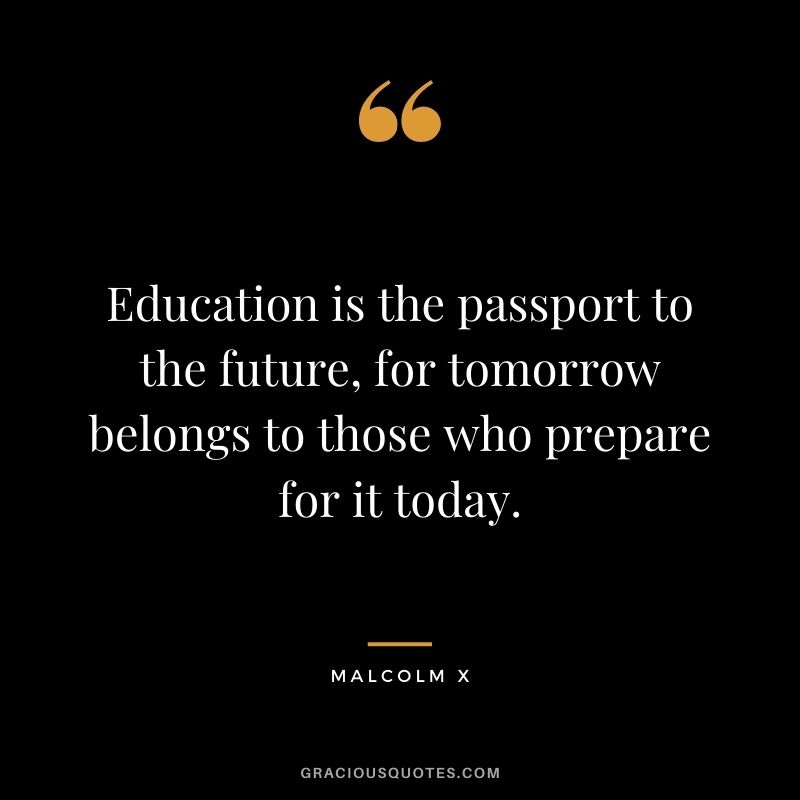
Education is the most powerful weapon which you can use to change the world — Nelson Mandela
Education is not just a privilege; it’s a fundamental human right and a foundation for peace and development. Every year, the world comes together on January 24 to celebrate the International Day of Education. This day is a reminder of the power of education to transform lives, strengthen communities, and promote equity across generations. In 2025, the focus of the International Day of Education is set on a critical issue of our time: “Fostering Digital Literacy for All.” As digital technology increasingly shapes every facet of our lives, the emphasis on digital literacy reflects the need to equip individuals worldwide with the skills they need to thrive in a connected world.
The International Day of Education was established in 2018 by the United Nations General Assembly in recognition of education’s role in promoting global peace and sustainable development. Education is enshrined in Article 26 of the Universal Declaration of Human Rights, which calls for free and compulsory elementary education for all. The UN’s Sustainable Development Goal 4 (SDG 4) specifically seeks to “ensure inclusive and equitable quality education and promote lifelong learning opportunities for all” by 2030.
The UN dedicated January 24 as a day to emphasise education’s impact on economic growth, poverty alleviation, gender equality, and social mobility. It calls on governments, civil society, educators, and citizens worldwide to recognize and act on the critical role of education in solving some of the world’s greatest challenges. By shining a spotlight on education, the UN aims to drive attention and resources toward ensuring that everyone has access to quality education, regardless of where they live or their socioeconomic status.
Each year, the International Day of Education adopts a new theme that highlights a pressing global education issue. These themes reflect emerging challenges and underscore education’s vital role in addressing them. For instance, in 2021, amid the COVID-19 pandemic, the theme was Recover and Revitalize Education for the COVID-19 Generation, which focused on restoring learning opportunities disrupted by the pandemic. In 2022, the theme Changing Course, Transforming Education highlighted the need for innovation in education to keep pace with a rapidly changing world. These themes provide a framework for international organisations, policymakers, educators, and advocates to focus their efforts, raise awareness, and implement changes in educational policies and practices that align with global needs. The day serves as a global rallying call to prioritise education at all levels, address inequalities, and close the gaps in access, quality, and inclusivity in education systems worldwide. By raising awareness, the day encourages nations to make policy commitments, increase funding for education, and work towards equitable, high-quality education for all.
Education is central to the achievement of many of the UN’s Sustainable Development Goals (SDGs). In particular, SDG 4 aims to ensure inclusive and equitable quality education, which supports several other goals such as reducing poverty, achieving gender equality, and promoting decent work. Through initiatives linked to the International Day of Education, communities worldwide are empowered to take concrete steps toward these objectives. The celebration has inspired countries and organisations worldwide to take action. For instance, in some regions, governments have used the day to announce new educational initiatives, while NGOs have leveraged the platform to secure funding for education projects. These examples demonstrate the day’s potential as a catalyst for real change, mobilizing support for increased educational access and improvements across the globe.
In today’s digital era, literacy is no longer limited to reading, writing, and arithmetic. Digital literacy has become essential for participating fully in society, accessing economic opportunities, and engaging in lifelong learning. In 2025, the theme “Fostering Digital Literacy for All” addresses the pressing need to bridge the digital divide and equip people worldwide with the digital skills necessary to thrive in an increasingly digital world.
Digital literacy includes skills that allow individuals to use digital devices, communicate online, and critically evaluate digital content. It’s essential for success in the modern workforce, where most jobs require some level of digital proficiency. Moreover, digital literacy empowers individuals to access valuable information, navigate online services, and engage with society safely and responsibly. This is especially important in a post-pandemic world where education, work, and social interactions increasingly rely on digital platforms. The focus on digital literacy aligns with SDG 4’s goal of promoting equitable education, as it seeks to ensure that everyone, regardless of location or economic status, can gain the skills they need to engage in and benefit from the digital economy.
UNESCO, along with organizations such as UNICEF and the International Telecommunication Union (ITU), has been at the forefront of promoting digital literacy. Through initiatives like the Global Education Coalition, UNESCO partners with governments, private sector companies, and non-profits to provide digital learning resources, improve connectivity, and ensure that students and teachers in underserved regions have access to the tools they need for digital learning.
Some innovative initiatives have made significant strides in advancing digital literacy. For instance, in certain rural areas, mobile tech schools provide digital devices and internet access to students who lack these resources at home. In parts of Africa, mobile learning platforms bring educational content to students via cell phones, allowing for flexible learning in areas with limited internet connectivity. Government programs in countries like India have launched digital literacy campaigns that train adults and young people alike in essential digital skills. These programs highlight the transformative potential of digital literacy and serve as models that can be adapted and implemented worldwide.
While the benefits of digital literacy are clear, achieving universal digital literacy remains challenging due to barriers related to infrastructure, teacher training, and economic disparities. In many developing countries, access to digital devices and reliable internet remains limited. For digital literacy to become a reality, infrastructure investments are crucial. Expanding internet access to remote areas, providing affordable devices, and creating digital hubs in underserved communities are essential steps toward bridging the digital divide. Teachers play a vital role in imparting digital skills. However, many educators lack the necessary training to incorporate digital literacy into their lessons effectively. Ensuring that teachers are equipped with both digital skills and teaching strategies for digital literacy is essential for preparing students for a digital future.
Socioeconomic factors also play a major role in access to digital resources. Families with limited financial means may struggle to afford internet access or digital devices for their children. Addressing these disparities requires policy interventions and funding that prioritize affordable access to technology for all. Digital literacy cannot be achieved by governments alone. Collaboration with the private sector, community organizations, and local governments is essential. Many tech companies, for example, partner with schools to donate devices, offer training programs, and fund digital literacy initiatives. Community organizations also play a significant role by providing free or low-cost digital training programs, creating community tech hubs, and offering mentorship to individuals in need. For instance, in countries with limited educational resources, corporations like Google and Microsoft have partnered with local schools to provide teacher training in digital tools. Community-based initiatives, such as public internet hubs and volunteer-led tech literacy workshops, further contribute to building digital skills in underserved areas. Such collaborations demonstrate how partnerships can help make digital literacy accessible to all.
Anyone can support the cause of digital literacy. Individuals can volunteer with local literacy programs, mentor students in digital skills, or donate digital devices to schools and community centers. Raising awareness through social media or community outreach can also help amplify the need for digital literacy. Schools, non-profits, and companies can contribute by launching digital literacy programs, donating resources, or partnering with government agencies to expand access to digital education. Advocacy for policies that support digital literacy as a core educational component can also create lasting change.
The 2025 International Day of Education theme emphasises that digital skills are not a luxury but a necessity. For individuals to thrive in today’s world, they need to understand and utilise digital tools responsibly and effectively. Ensuring that everyone has access to digital literacy is essential for promoting equality, economic opportunity, and social inclusion. By supporting initiatives that promote digital literacy, each of us can contribute to a future where everyone has the skills they need to succeed in a digital world.








 Memories and Such