Over the past few months, the heat in Singapore has been crazy. And it’s not just Singapore, I have been hearing about weird climatic conditions from many parts of the world and the newspapers were full of unprecedented weather conditions and climate change and its effects on mankind. So I decided to read up more about what this is all about so I am better prepared to deal with it.
The United Nations defines climate change as the long-term shifts in temperatures and weather patterns. These shifts may be natural, such as through variations in the solar cycle. But since the 1800s, human activities have been the main driver of climate change, primarily due to burning fossil fuels like coal, oil and gas.
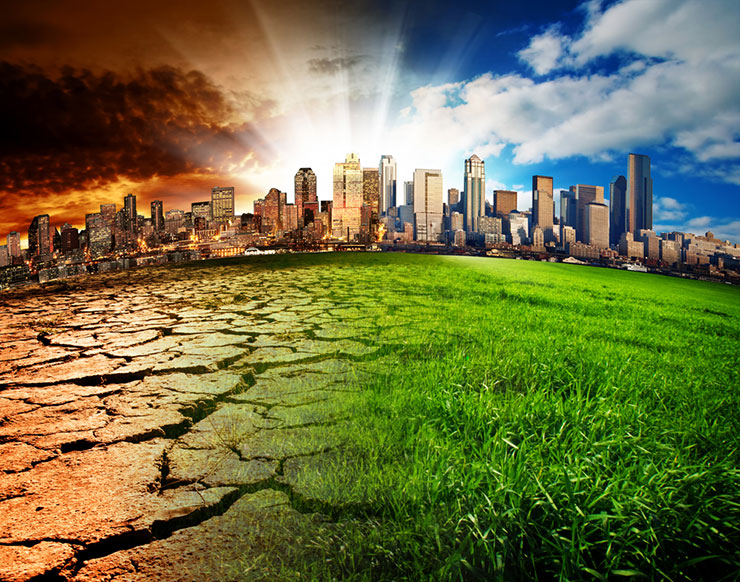
Climate change destabilises the Earth’s temperature equilibrium and has far-reaching effects on human beings and the environment. A distinction is made between the direct and indirect effects of climate change. During global warming, the energy balance and thus the temperature of the earth change, due to the increased concentration of greenhouse gases, which has a significant impact on humans and the environment.
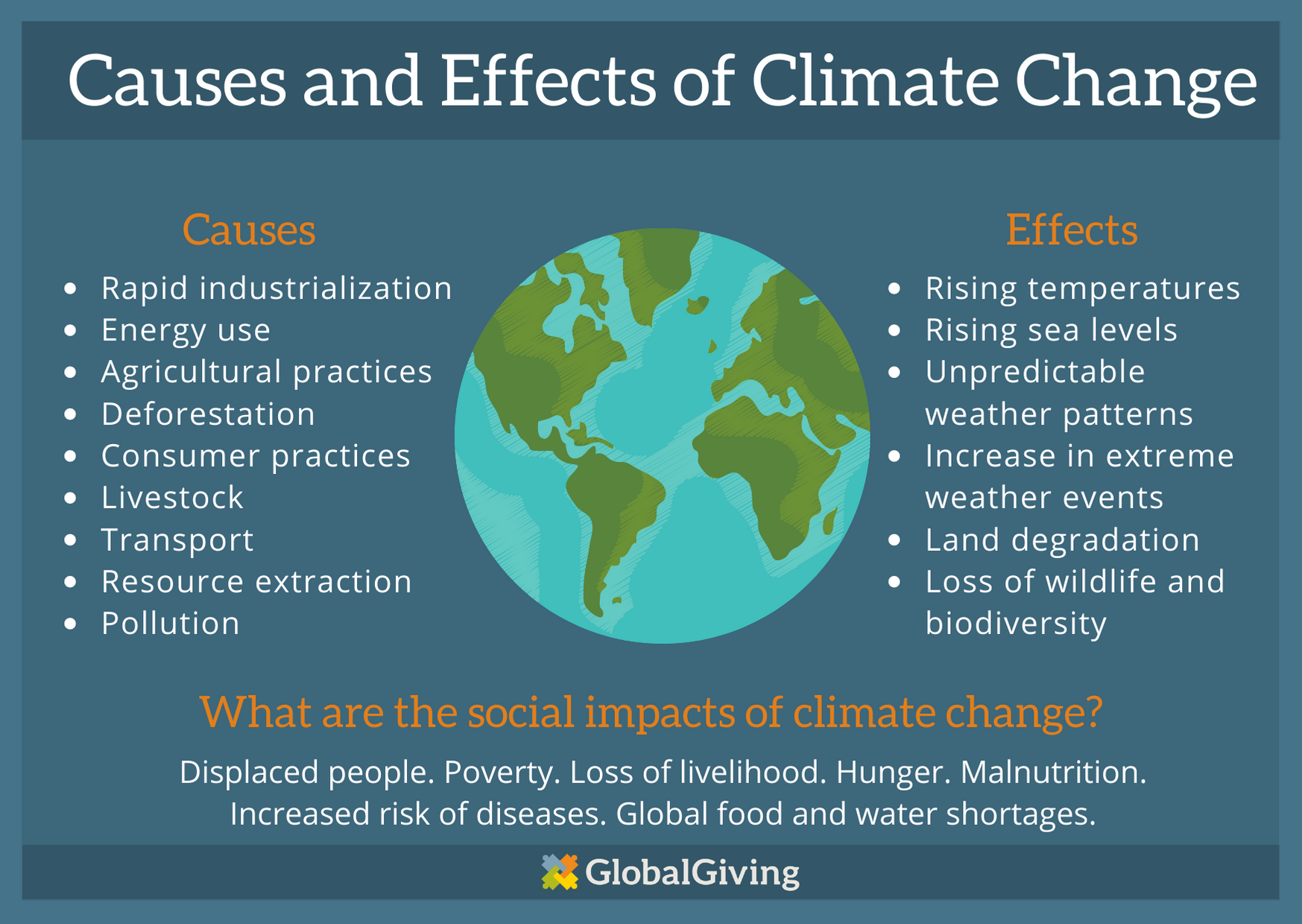
Burning fossil fuels generates greenhouse gas emissions that act like a blanket wrapped around the Earth, trapping the sun’s heat and raising temperatures. Examples of greenhouse gas emissions that are causing climate change include carbon dioxide and methane. These come from using gasoline for driving a car or coal for heating a building, for example. Clearing land and forests can also release carbon dioxide. Landfills for garbage are a major source of methane emissions. Energy, industry, transport, buildings, agriculture and land use are among the main emitters. Greenhouse gas concentrations are at their highest levels in two million years. And emissions continue to rise. As a result, the Earth is now about 1.1°C warmer than it was in the late 1800s. The last decade between 2011 and 2020 was the warmest on record.
Many people think climate change mainly means warmer temperatures. But temperature rise is only the beginning of the story. Because the Earth is a system, where everything is connected, changes in one area can influence changes in all others. The consequences of climate change now include, among others, intense droughts, water scarcity, severe fires, rising sea levels, flooding, melting polar ice, catastrophic storms and declining biodiversity. Climate change can affect our health, ability to grow food, housing, safety and work. Some of us are already more vulnerable to climate impacts, such as people living in small island nations and other developing countries. Conditions like sea-level rise and saltwater intrusion have advanced to the point where whole communities have had to relocate, and protracted droughts are putting people at risk of famine. In the future, the number of climate refugees is expected to rise.

The effects of climate change and global warming which we see today are irreversible for our generation and it will only worsen in the decades to come. The effects are already here and today we can see glaciers shrinking, ice on rivers and lakes breaking up earlier, trees flowering sooner, unseasonal weather and the shifting of plant and animal ranges. Effects that scientists had predicted in the past would result from global climate change are now occurring like the loss of sea ice, accelerated sea-level rising and longer, more intense heat waves.
According to a study published by the Intergovernmental Panel on Climate Change, the range of published evidence indicates that the net damage costs of climate change are likely to be significant and to increase over time. Scientists have high confidence that global temperatures will continue to rise for decades to come, largely due to greenhouse gases produced by human activities and forecast a temperature rise of 2.5 to 10 degrees Fahrenheit over the next century. The extent of climate change effects on individual regions will vary over time and with the ability of different societal and environmental systems to mitigate or adapt to change.

The direct consequences of man-made climate change include rising maximum temperatures, rising minimum temperatures, rising sea levels, higher ocean temperatures, an increase in heavy precipitation including heavy rain and hail, an increase in the proportion of violent tropical cyclones, an increase in aridity and drought, a decline in Arctic sea ice and snow cover, glacier recession and retreat and thawing permafrost.
The indirect consequences of climate change, which directly affect us humans and our environment, include an increase in hunger and water crises, especially in developing countries, threats to livelihoods from floods and forest fires, health risks due to an increase in frequency and intensity of heat extremes, economic implications of dealing with secondary damage related to climate change, the increasing spread of pests and pathogens, the loss of biodiversity due to limited adaptability and adaptability speed of flora and fauna, ocean acidification due to increased bicarbonate concentrations in the water as a consequence of increased carbon concentrations and the need for adaptation in all areas including agriculture, forestry, energy, infrastructure and tourism. Many changes, especially changes in the ocean, ice sheets and global sea level, due to past and future greenhouse gas emissions over centuries to millennia, are irreversible. Sea levels will continue to rise and are expected to increase by one to eight feet by 2100 and the Arctic Ocean is expected to become essentially ice-free in summer before mid-century.
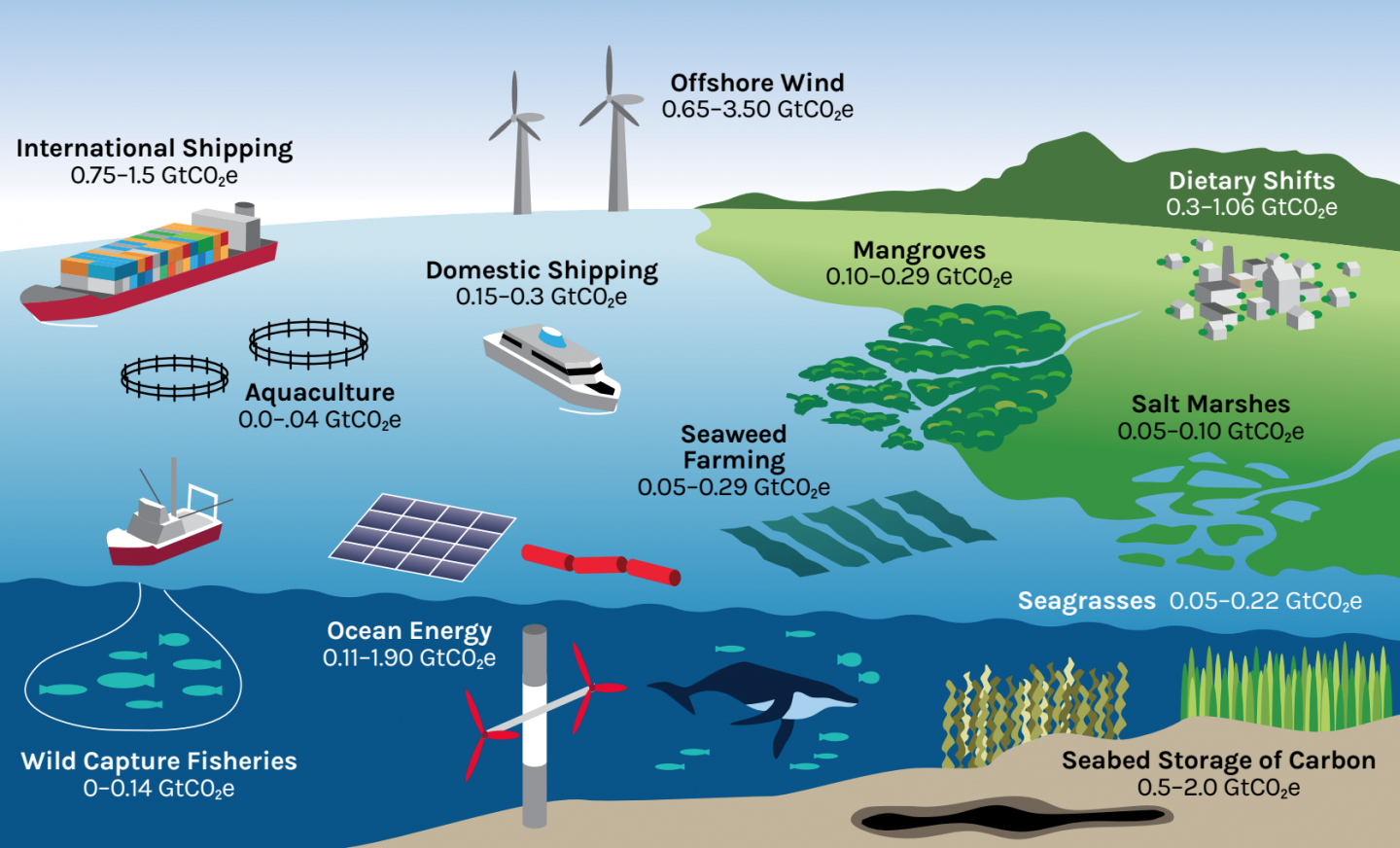
This sounds so dire and leaves a very uncertain world for future generations, but what can be done? Transformation in nearly all facets of our economies is necessary. The longer we wait to implement it, the more radical and impossible it will appear. The good news is that low-carbon energy sources are more affordable than ever. Transitioning the energy sector to clean, renewable systems is often the same price, or cheaper, than sustaining the existing carbon-intensive systems, especially when we consider the damage they are doing to the planet that will also cost billions to recover from or adapt to. Transforming the way we feed the planet is crucial, too. Unsustainable agriculture is a primary driver of deforestation, which in turn destroys wildlife habitats, increases carbon emissions, erodes income sources for local communities, and increases our risk of pandemics. Moving agriculture to sustainable practices can benefit food security and biodiversity, all while slashing emissions. It would be a win-win for people and nature. Restoring and expanding ecosystems like mangroves can not only help absorb and store carbon, but also protect from extreme weather, economically sustain communities, and preserve some of the world’s most biodiverse ecosystems.
Finally, across all sectors one of the biggest lacking pieces is finance. Today’s investments are currently three to six times lower than they need to be by 2030 for climate solutions to be at scale with the magnitude of the crisis. As economies are recovering from COVID-19, governments have a prime opportunity to inject funds into transformative climate action and international cooperation for a brighter future.
Collective power has extraordinary strength. Combining our voices to call for transformational climate action can influence political leaders, industries, and businesses that are the top decision-makers on whom cutting carbon emissions depends. We must cut emissions and enact a just transition to a clean, renewables-powered economy. We must take advantage of existing climate solutions by putting more money behind them. Developed countries must take accountability for their far-outsized contributions to the climate crisis and lead this transformation. Let’s not wait any longer, but act now, there is still time – for people, for the planet, and a brighter future.