Incompetence, at its core, refers to the inability to perform tasks effectively due to a lack of skill, knowledge, or aptitude. While genuine incompetence stems from legitimate shortcomings, weaponised incompetence is a manipulative behavior where individuals feign inability to avoid responsibility or shift burdens onto others. This tactic can lead to frustration, resentment, and imbalances in relationships and workplaces.
Incompetence is broadly defined as the inability to perform tasks or fulfill responsibilities effectively. It manifests in various forms across different domains: Administrative incompetence refers to dysfunctional behaviours that hinder organisational goals, while legal incompetence is the inability of individuals to make decisions due to mental impairment, and military incompetence is the failures in judgment or execution within military operations. Social ineptitude is the struggle with interpersonal skills or social interactions. Incompetence may arise from a lack of training, experience, or aptitude. However, when incompetence is intentionally feigned for personal gain or avoidance of responsibility, it becomes weaponised.
What is weaponised incompetence? Weaponised incompetence, also known as strategic incompetence, involves pretending to be incapable of performing tasks or intentionally doing them poorly to evade responsibility. This behavior often results in others taking over the task to ensure it is completed properly.
Key characteristics of weaponised incompetence include intentional underperformance, where one deliberately does tasks poorly or claims ignorance; manipulation, which is the shifting of responsibilities onto others through feigned inability; and imbalance, which creates unequal dynamics where one person bears an unfair workload.
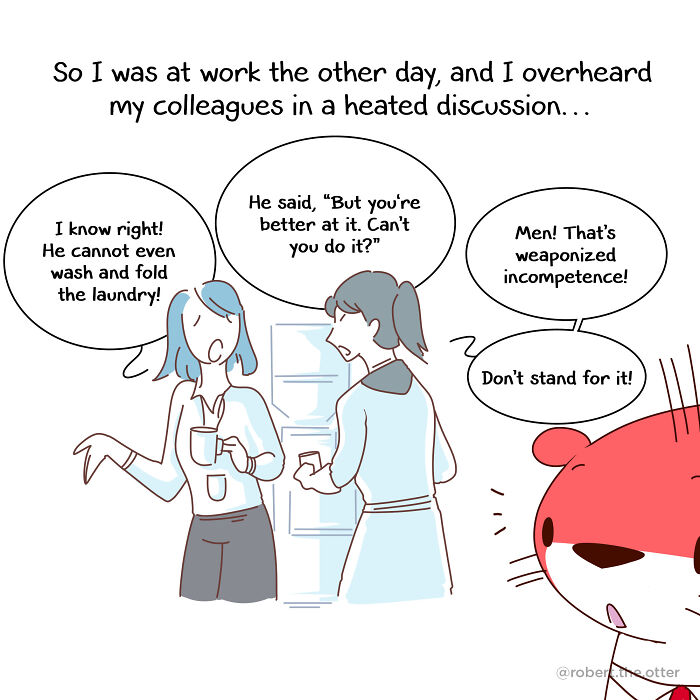
Examples of weaponised incompetence include a partner consistently claiming they are “bad” at household chores like laundry or cooking, forcing the other person to take over, or a coworker who avoids group responsibilities by showing up unprepared or delegating their tasks under the guise of incompetence.
Why do people weaponise incompetence? Weaponised incompetence is often driven by psychological motives and personal dynamics. Understanding these underlying factors can help address the behaviour effectively.
Psychological motives include a desire for control whereby by feigning incompetence, individuals manipulate others into taking over tasks, maintaining control over how responsibilities are distributed. There is also a fear of failure where some people avoid tasks due to anxiety about performing poorly or being exposed as inadequate. Some individuals also need validation by creating dependency through perceived incompetence that ensures others seek their assistance, feeding their need for attention and affirmation.
In situational factors, when responsibility is avoided, weaponised incompetence allows individuals to shirk unpleasant tasks while ensuring they are completed by someone else. Power dynamics also play a role, as weaponised incompetence can reinforce existing imbalances in relationships or workplaces with unequal power structures.
Weaponised incompetence can have far-reaching consequences in personal relationships and professional settings. In relationships, romantic partnerships, or family dynamics, weaponised incompetence leads to emotional distress and resentment. Over time, it undermines trust and respect between partners. For example, one partner consistently avoids shared responsibilities like childcare or household chores, and the other partner feels burdened by the disproportionate workload.
Weaponised incompetence disrupts teamwork and productivity in workplaces and professional environments. It often manifests as poor contributions to group projects, delegating tasks under pretenses, and consistently underperforming while expecting others to compensate. These behaviours create frustration among colleagues and may hinder career growth for those forced to pick up the slack.
So, what are the strategies for addressing weaponised incompetence? When faced with weaponised incompetence, individuals can employ various strategies tailored to their specific situations. General approaches include recognising the manipulation by identifying patterns of feigned incompetence and acknowledging its impact on workload or emotional well-being. They also include setting boundaries, clearly defining expectations, and refusing to take over responsibilities unnecessarily. Finally, they can communicate effectively by using “I” statements to express feelings and encourage constructive dialogues about sharing tasks equitably.
In personal relationships, addressing weaponised incompetence in relationships requires patience and open communication. Frame conversations around teamwork, and instead of blaming your partner, discuss how both parties can contribute equally and highlight the importance of shared responsibilities for a healthy relationship. Offer support without enabling, and if your partner genuinely struggles with certain tasks, offer guidance or teach them how to improve. Avoid stepping in every time they underperform; let them face the consequences of their actions. If weaponised incompetence persists despite efforts to address it, consider counseling or therapy as a neutral space for resolving conflicts.
In workplaces, dealing with weaponised incompetence at work requires assertiveness and collaboration. Document patterns and keep records of instances where coworkers feign inability or fail to contribute effectively. Use this documentation when addressing the issue with supervisors or HR. Delegate tasks strategically and assign responsibilities clearly, and ensure accountability for completion. Avoid taking over tasks unless necessary. Foster a culture of accountability by encouraging teamwork by emphasising shared goals and mutual respect and advocating for policies that reward effort and penalise consistent underperformance.
When dealing with weaponized incompetence, prioritise your mental health. Practice mindfulness to manage frustration, seek support from friends or colleagues who understand your situation, and focus on maintaining balance in your own responsibilities without overextending yourself.
Weaponised incompetence is a subtle yet impactful form of manipulation that can strain relationships and hinder productivity in workplaces. By understanding its motivations and effects, individuals can develop strategies to address this behaviour effectively. Tackling weaponised incompetence requires patience and assertiveness, whether through boundary-setting, communication, or professional intervention. Ultimately, fostering personal and professional environments that value accountability and teamwork can mitigate the prevalence of this manipulative tactic. Recognising the signs early on empowers individuals to protect their well-being while promoting fairness in shared responsibilities.






 Memories and Such