Poem: The Beauty of Ordinary Days

This poem comes from the idea that people are constantly taught to chase big moments: achievements, celebrations, milestones, and dramatic transformations. But real life is rarely built from extraordinary events alone. Most of our lives are made up of routines, pauses, conversations, errands, tired evenings, and quiet mornings. The poem tries to gently shift attention back to those overlooked spaces.

There is also something deeply comforting about ordinary days, especially after periods of struggle or uncertainty. When life feels chaotic, even simple routines can become grounding. A cup of tea, sunlight through a window, hearing someone move around the house: these tiny details begin to feel meaningful. The poem is really about learning to stop waiting for life to become spectacular before allowing ourselves to appreciate it.

The Beauty of Ordinary Days

Not every day arrives with fireworks.
Most days come quietly.
They slip in through half-open curtains.
through the smell of tea brewing in the kitchen,
through the familiar sound
of someone moving about the house
before the world fully wakes.

There is no grand announcement
for the ordinary days.
No orchestra.
No confetti falling from the sky.
Just laundry drying near the window,
messages replied to hours later,
a neighbour watering plants
with the same patience as yesterday.

And yet,
life happens there too.

In the waiting at the traffic light.
In cutting fruit for someone you love.
In the comfort of old clothes
that have softened with time.
In evening walks taken
without needing a destination.

We spend so much of our lives
looking toward milestones
that we almost miss the quiet miracle
of simply being alive on a Tuesday afternoon.

The truth is,
most of our existence
will never become headlines.
No one applauds us
for surviving difficult weeks,
for making dinner when we are tired,
for trying again after disappointment,
for carrying invisible grief
with grace.

But there is beauty in that too.

There is beauty
in the repetition of small rituals.
In sunlight resting briefly
on the living room floor.
In shared silence.
In unfinished books beside the bed.
In hearing laughter drift
from another room.

Ordinary days ask for nothing.
They do not demand perfection
or transformation.
They simply arrive,
softly placing small moments before us,
hoping we notice.

And maybe happiness
has never really been hidden
inside extraordinary things.

Maybe it has always lived here.
Inside warm meals.
Inside familiar roads.
Inside ordinary days
we once thought we would forget.

Skin Cycling: A Simple Routine for Healthy, Balanced Skin

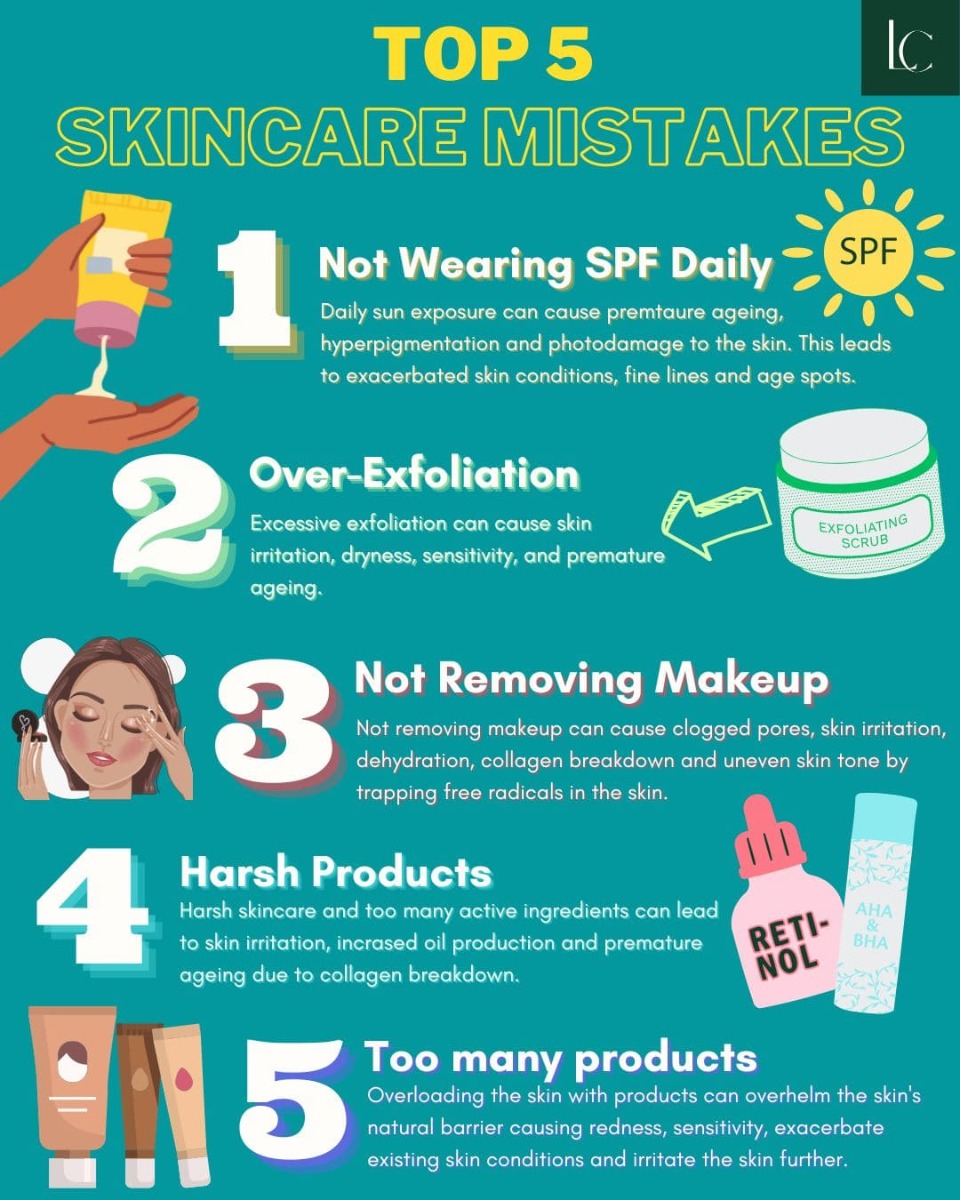
Most of us want clear, healthy skin, but the world of skincare can feel like a maze. Every product claims to be the one thing your skin has been waiting its whole life for. Every expert seems to have a different routine. And somewhere in the middle of all that noise, many of us end up layering too many products, too often, and wondering why our skin looks irritated instead of glowing.

Skin cycling is one of those ideas that cuts through the chaos. It’s simple, practical and doesn’t demand that you overhaul your bathroom cabinet. Think of it as rhythmic skincare: alternating active ingredients with rest days so your skin gets the benefits without the burnout.

Dermatologist Dr Whitney Bowe popularised this method, but the idea itself is intuitive. Our skin doesn’t need every active ingredient every day. In fact, it thrives with balance. With skin cycling, your routine follows a gentle four-night rhythm: exfoliation, retinoid, recovery, recovery. And then you repeat.

That’s it. No drama. No 14-step routines. Just a calm, steady flow that works with your skin rather than bullying it into submission.

To understand why this method resonates with so many people, you just need to think about your skin like you think about your body after a workout. You don’t train the same muscle groups intensely every single day. You push, rest, rebuild. If you skip the rest part, you hit a wall. Skin works the same way.

Active ingredients like acids and retinoids are powerful. Used correctly, they help with texture, pigmentation, acne, fine lines and overall radiance. But used too often, you end up with redness, dryness, or that uncomfortable, tight feeling that makes you consider abandoning skincare altogether. Skin cycling gives your skin room to breathe. It builds consistency without irritation. And because it’s predictable and easy to follow, most people actually stick to it.

Before we dive into age groups and tips, here’s the core routine:

Night 1: Exfoliation Night
Your goal here is to clear dead skin cells so your retinoid can work better the next night. You can use a gentle chemical exfoliant (AHAs like lactic acid or BHAs like salicylic acid), and a mild physical scrub (if you prefer, though chemical exfoliants tend to be kinder). Less is more. You’re not sanding a table, you’re polishing a surface.

Night 2: Retinoid Night
Retinoids support cell turnover and help with everything from acne to wrinkles. Apply a pea-sized amount. If you’re new, buffer it by applying moisturiser first.

Night 3: Recovery Night
Active ingredients take the night off. Your job is simple: hydrate, soothe, and support the barrier. A basic moisturiser works. If you want to be fancy, throw in ceramides, niacinamide or hyaluronic acid.

Night 4: Another Recovery Night
Same as Night 3. No shortcuts. This second rest day is what keeps your skin happy long-term.

Then repeat the cycle.

The beauty of this routine is that you can customise it endlessly. Sensitive skin can extend the cycle to six nights. Experienced users can strengthen their actives. Older skin may prioritise moisture; younger skin may focus on acne control. It grows with you.

Skin Cycling for Different Ages
Different life stages bring different skin concerns. While the method stays the same, the focus shifts.

Let’s break it down by decades, purely as a guideline. Skin never reads the manual, so feel free to adapt based on what yours actually does.

Teens and Early 20s: Keep It Simple
This age group doesn’t need an aggressive routine. Your skin is regenerating fast on its own, so overdoing it can easily lead to breakouts or irritation.

How to adapt skin cycling
• Use very gentle exfoliants, think mandelic or lactic acid.
• Choose the mildest retinoids or stick to retinol instead of prescription-strength versions.
• Keep moisturiser lightweight but consistent.

Why this works
This keeps pores clear without stripping the skin. Retinoids help with acne and early prevention, but the recovery nights stop you from going too far.

Extra tips
• Spot treat breakouts instead of attacking your whole face.
• Don’t mix too many new products at once. Your skin needs time to react honestly.
• Sunscreen every day. Yes, even when you’re not going anywhere.

Late 20s and 30s: Build Good Habits Now
This is the decade where early fine lines show up, pigmentation becomes a tiny bit more stubborn, and stress or lifestyle often shows on the skin.

How to adapt skin cycling
• Keep exfoliation moderate; glycolic acid in small amounts works well.
• Retinoid night becomes slightly more important; consistency beats strength.
• Layer a hydrating serum on exfoliation night so your skin doesn’t feel tight.

Why this works
You’re essentially supporting your natural collagen and slowing down early damage. The cycling rhythm keeps skin strong without overwhelming it.

Extra tips
• If you’re dealing with pigmentation, add vitamin C in the morning on recovery days.
• If you’ve ever said, “I feel tired, but I don’t know why I look tired,” focus on hydration.
• Be patient. Skin goals in your 30s are a marathon, not a sprint.

40s: Support and Strengthen
Skin turnover slows down, hydration decreases naturally, and retinoids become incredibly useful. Skin cycling helps you get the benefits without dryness.

How to adapt skin cycling
• You can keep the traditional four-night cycle.
• On exfoliation night, choose lactic acid — it exfoliates but also hydrates.
• Retinoid night might mean stepping up to a stronger retinol or a prescription option, only if you feel ready.
• Recovery nights should be heavier on barrier-repair ingredients.

Why this works
This age group benefits greatly from predictable routines. Skin cycling supports firmness and smoothness without overstressing the skin.

Extra tips
• Add a peptide serum on recovery nights for extra nourishment.
• Don’t skip sunscreen: UV damage is the biggest reason skin treatments don’t show results.
• Drink water consistently, not dramatically in one sitting.

50s and Beyond: Feed the Skin Generously
At this stage, skin wants comfort, moisture and gentle care. The same cycling pattern works beautifully, but your products may shift to richer textures.

How to adapt skin cycling
• Use the gentlest exfoliant possible; mandelic acid is excellent.
• Retinoid strength depends entirely on tolerance. Some people thrive on strong retinoids at 50; others prefer mild versions. There’s no gold medal for using the strongest product.
• Recovery nights become the star of the show. Layer moisturisers, seal in hydration, and nurture the skin barrier.

Why this works
Skin cycling lets you enjoy the rejuvenation benefits of retinoids without irritating mature skin that may already be dry.

Extra tips
• A humidifier at night can work wonders if you sleep in air-conditioning.
• Don’t forget the neck, it loves to betray us.
• If the cycle ever feels too strong, extend the recovery period. Your skin sets the pace.

Signs Your Skin Cycle Is Working
After a few weeks, you may notice:
• Less irritation
• Smoother texture
• Reduced breakouts
• A healthy glow that doesn’t look forced
• Fewer bad skin days
• More confidence in a routine that actually fits your life

The biggest sign? Your skincare starts feeling calmer. You don’t dread retinoid night. You don’t overthink exfoliation. There’s rhythm. And rhythm is sustainable.

Common Mistakes and How to Avoid Them
Even simple routines can go sideways. Here are the things that trip people up, and the easy fixes.

  • Using too many exfoliants across your products: Your cleanser, toner and serum should not all be exfoliating. Choose one.
  • Jumping into strong retinoids too fast: Start slow. If your skin is irritated, reduce the frequency, not your enthusiasm.
  • Skipping moisturiser because your skin is oily: Oily skin still needs hydration. Otherwise, it produces more oil to compensate.
  • Mixing actives on exfoliation or retinoid night: Don’t combine vitamin C, AHAs, BHAs, retinoids, and niacinamide all at once. Spread them across the week.
  • Changing your entire routine every week: Let the cycle run for at least a month before tweaking.

Can You Skin Cycle If You’re Already Using Other Treatments? Yes, you just need to place them thoughtfully.

  • If you use vitamin C, use it in the morning, preferably on recovery days.
  • If you use niacinamide, a great fit on recovery nights or layered gently under your moisturiser.
  • If you use acne treatments, use them on your retinoid night only if your skin can handle it. Otherwise, swap them into a recovery night.
  • If you have a prescription regimen, follow your doctor’s advice first, and modify the cycle around it.

Skin Cycling for Sensitive Skin
Sensitive or reactive skin often feels like it’s playing defence all the time. The four-night cycle can still work, just with a gentler touch.

  • Extend the cycle to six nights: exfoliation, retinoid, recovery, recovery, recovery, recovery.
  • Always apply moisturiser before actives.
  • Choose lactic or mandelic acid instead of glycolic.
  • Use retinol instead of stronger prescription retinoids.

Think “slow and soft” instead of “go big or go home.”

Skin Cycling for Acne-Prone Skin
If you’re dealing with acne, this routine gives structure without irritating your skin further.

  • BHAs like salicylic acid are helpful on exfoliation night.
  • Retinoid night helps keep pores unclogged.
  • Recovery nights stop the dryness spiral that leads to more breakouts.

One thing: avoid picking at your skin. Recovery nights are designed to calm everything, and picking undoes the magic.

Skin Cycling If You’re Busy or Forgetful
A routine that needs too much effort collapses after a week. Skin cycling is ideal if you’re juggling work, family, sleep, ambition and everything else life throws at you.

Try:

  • Setting reminders on your phone
  • Labelling products by night (some people literally write “Night 1” on their bottle)
  • Keeping your routine visible, not tucked away

Your skin doesn’t need perfection. It just needs consistency.

A Few Personal Notes to Bring This Home
The thing I love most about skin cycling is that it respects the skin instead of shaming it. It doesn’t ask you to commit to a complicated ritual. It doesn’t guilt you into panic-buying new serums. It’s gentle, structured and honest, qualities we could all use more of.

Good skincare shouldn’t feel like a second job. It should feel like a quiet conversation with yourself: What does my skin need today? What would help it feel calmer tomorrow?

Once you slip into that rhythm, the routine becomes less about products and more about care. And that’s when the glow happens, not the “Instagram filter glow,” but the real, healthy, rested version that comes from treating your skin with patience and respect.

In My Hands Today…

Pixel Flesh: How Toxic Beauty Culture Harms Women – Ellen Atlanta

We live in a new age of beauty. With advancements in cosmetic surgery, walk-in treatments, augmented-reality face filters, photo-editing apps, and exposure to more images than ever, we have the ability to craft the image we want everyone to see. We pinch, pull, squeeze, tweeze, smooth, and slice ourselves beyond recognition. But is modern beauty culture truly empowering? Are we really in control?

In Pixel Flesh, Ellen Atlanta holds a mirror up to our modern beauty ideal and the pressure to present a perfect image, to live in an age of constant comparison and curated feeds. She weaves in her personal story with others’ to reconfigure our obsession with the cult of beauty and to explore the reality of living in a world of paradoxes: We know our standards are unhealthy, but following them helps us succeed. We resent social media but continue to scroll. We know digital beauty is artificial, yet we strive for it.

From Love Island to lip filler, “blackfishing” to the “beauty tax,” Pixel Flesh exposes what young women face under a dominant industry. Nuanced, unflinching, and razor sharp, it unmasks the absurdities of the standards we suddenly find ourselves upholding and acts as a rallying cry and a refusal to suffer in silence.

Poem: Beauty lies in the eyes of the Beholder

In the eyes of the beholder, beauty is found,
A prism of visions where judgments are crowned,
What one may see plain, another sees gold,
For beauty, my dear, is a story retold.

A petal in bloom, a star in the night,
A whisper of wind, the softest of light,
To one, a mere moment; to another, divine,
Each gaze is unique, and and each heart intertwines.

An ancient oak tree, gnarled and wise,
Its rough bark is a testament, under open skies,
Some see it as weathered, old and uncouth,
Others find magic in its ageless truth.

A smile with a gap, a laugh full of mirth,
A soul that finds joy in the simplest of earth,
Not perfect by standards, yet perfect in kind,
Beauty resides in the eye and the mind.

For mirrors can’t capture the depths of the soul,
Nor portraits define what makes us whole,
It’s the lens of the heart that colors the view,
In the eyes of the beholder, all things are true.

So cherish your visions, the ones that you keep,
For beauty is vast, and endlessly deep,
In the eye of the beholder, where dreams take their flight,
Every glance holds a wonder, every gaze, pure delight.

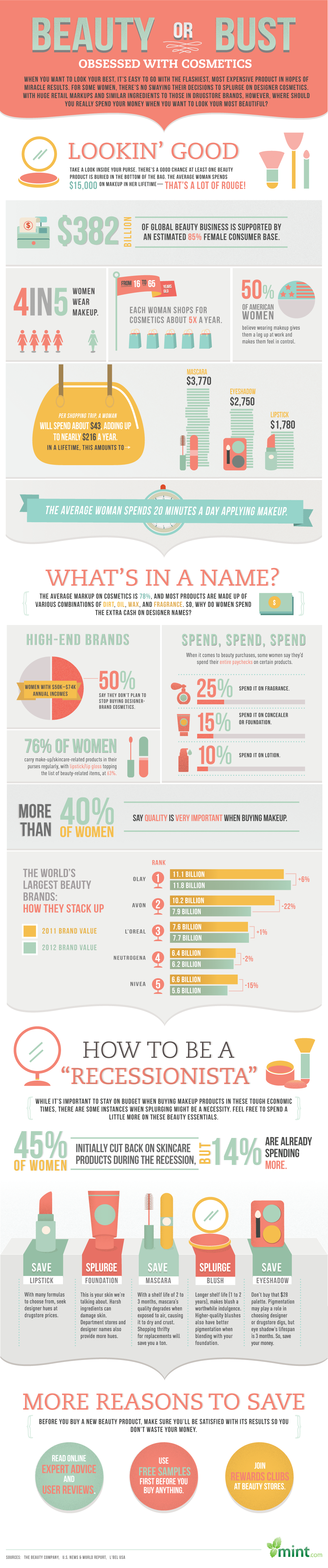
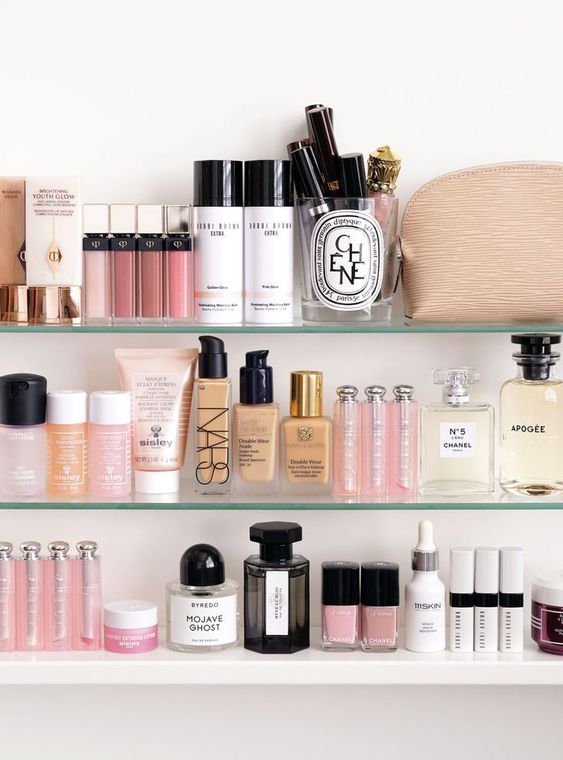
Skincare and Makeup Products: Splurge or Spend?

I normally don’t write about makeup or skincare but have a few exceptions. The first time I did write a post was on my Korean 10-step skincare and today it is an extension of that post. This post was the result of a conversation I had with GG about spending money on skincare. I had some ideas, but wanted to check if what I thought was true or not and decided to check it out more. This blog post is the result of that journey down the rabbit hole. This is my personal opinion and may not be in sync with conventional views.

I have always believed that if one has great skin, then one can get away with minimal or even no makeup. So I would rather invest in skincare rather than makeup mainly because our skin is with us our whole life and showcases our personality. So what are the skincare and makeup products that one should spend money and what should one save on?

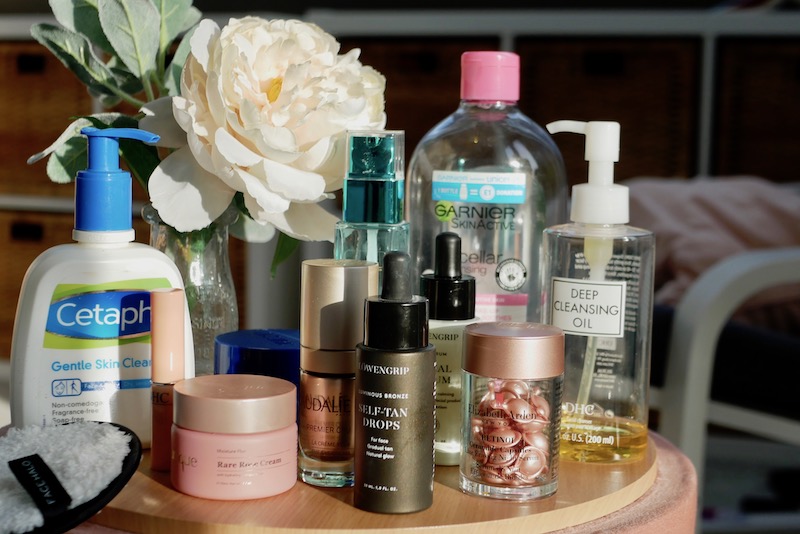
Facial Cleanser: This is a step in that one does not need to spend a lot of money. Any cleanser will stay on your face for a very short time and its only job is to clean the face. So any cleanser that claims to moisturise or give any benefit is just hype, I mean, what benefit can be gotten from a product that stays on the face for less than a minute and is washed off? Just purchase a cleanser that is suitable for your face type which is pocket friendly and get on with your day.
Verdict: Save

Toners: I am on the fence on this one. Toners help balance the skin’s PH level and prepare the skin for the following skincare products and no matter how expensive the product is, the main ingredient is water. So I would say save on this product, but buy the best within your budget, which means don’t buy anything that will strip the moisture from the skin, so nothing with alcohols in it.
Verdict: Save

Serums: Serums have highly concentrated ingredients and are designed to sink into the skin and treat them with a high concentration of active ingredients. They are formulated in smooth and smaller molecules that will penetrate deep into the skin. So the more expensive serums have more potent and effective ingredients like Argan oil, olive oil, hyaluronic acid and green tea that provide visible skin benefits. Using serums consistently should show results and for this reason, it’s better to splurge on serums.
Verdict: Spend

Eye Creams: Eye creams are used to hydrate the delicate skin around the eyes. The more hydrated the skin there, the fewer wrinkles will appear. A good quality eye cream will work wonders in depuffing this area and so it is better to spend than to save.
Verdict: Spend

Moisturiser: Another product I am on the fence about. When I did some reading to pent this post, almost all suggested that moisturisers should be in the save section, but I feel that it straddles both sections. Something that sits on your face for more than 12 hours a day should be purchased with thought. Moisturisers act as an invisible barrier that allows the skin to maintain its moisture levels, but it does not absorb into the skin. So any decent moisturiser that does the work of hydrating the skin and protects it from the elements and any makeup applied will do. So maybe instead of splurging, spend wisely, buying according to your budget, but not breaking the bank.
Verdict: Save

Sunscreen: Sun damage can cause premature ageing, dehydration, dark spots, and even skin cancer. So, sun protection is essential to protect the skin from sun damage, and putting on sunscreen is essential, especially given today’s climatic conditions. No matter the climate, one must apply it daily to keep the skin free from tanning and other complications later on in life. Some of the more expensive brands use ingredients that contain antioxidants which tend to be less runny and greasy and don’t make the skin oily or give the skin an ugly white cast. Sunscreens should also be selected based on the sensitivity of the skin.
Verdict: Spend

Sheet Masks: Sheet masks are used as an extra boost or treatment for the skin. Most of them are packed with active ingredients that will give the skin intense hydration in 20 mins. Prices of most sheet masks vary but depending on the need, it may be wiser to save rather than spend. Hydration or blemish control may need a less expensive mask while for anti-ageing masks which need expensive ingredients to work, spending money on them will be better.
Verdict: Save

Lip Balm: An essential product for dry lips, lip balms protect and moisturises lips from cracking and flaking. The skin on the lips is very delicate and thin and needs more care than the rest of the face. Vitamin E, beeswax, and petroleum jelly are the most common ingredients in lip balm. These ingredients are not expensive and in addition, over 80% of lip balms are petroleum jelly based. So one need not spend too much on these products unless the need for a more expensive product is medical.
Verdict: Save

Foundation: With product technology advancing, the foundation is no longer the first step in makeup, but the last step in skincare. According to experts, one should spend on foundations because of the options available at that price point and the technology used. High-quality foundations make the skin look smoother, cover dark spots better, and diminish wrinkles and fine lines, while also incorporating skincare benefits. The best formulation for the face has to be identified based on the skin type so that makeup can go on smoother and the face looks flawless.
Verdict: Spend

Eyeshadow: Pricier shadows tend to be made with better pigments, will last longer, and blend better. A highly pigmented product will stay on all day, so it’s better to invest in a palette that stays long and withstands tears, sweat, and rain.
Verdict: Spend

Eyeliner: While cheap eyeliners can look the same as the more expensive ones when first applied, the duration of application will prove why cheaper ones should be avoided. These tend to rub or break apart during the day with even the waterproof ones so waterproofed that one will have to scrub the eyes until they’re practically red when trying to take them off.
Verdict: Spend

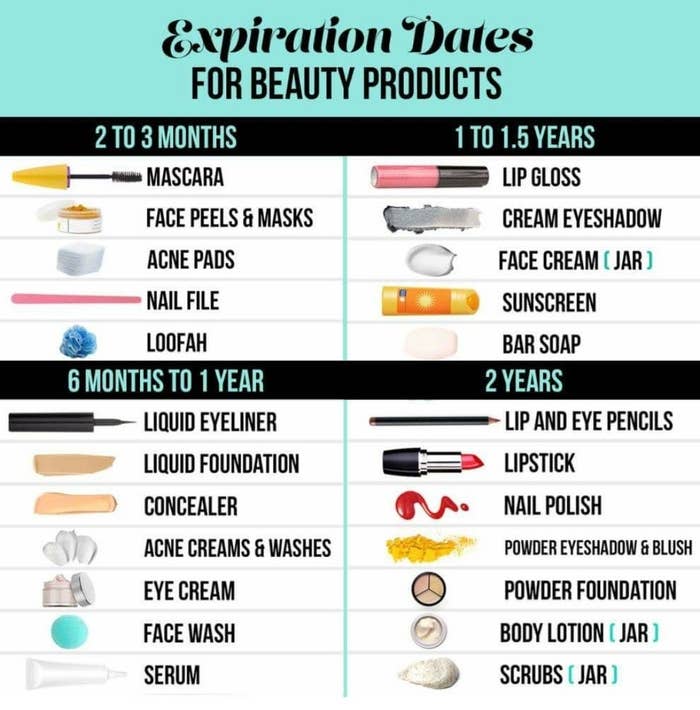
Mascara: Mascaras have a brief shelf life of a maximum of three months so it’s smart to not spend too much on this product. All mascaras irrespective of their price, tend to dry out quickly, so spending much on them is not advisable. Using a proper brush any mascara that’s available at a decent store, will serve the purpose.
Verdict: Save

Bronzer/Blusher: Bronzers and blushers give that nice glow and finding the right one is akin for some to find the holy grail. The key to finding the right bronzer and blusher is to know what works best with the skin type. They don’t need a lot to look good, because applying an excess will make one look like a clown.
Verdict: Save

Lipstick/LipGloss: The difference between an expensive glossy lipstick and a simple one is that the former looks prettier on the shelf. Lip products also have a shelf life so one can buy the less expensive ones and go for suitable colours. This also allows to try seasonal trends without spending too much money.
Verdict: Save

Makeup Remover: A powerful makeup remover can soften the makeup instantly making the entire cleaning process quick and easy. If one is using waterproof makeup such as waterproof mascara, gel liner, and lip tint, one will need an oil-based makeup remover. Otherwise, micellar water is a great option. If makeup is not removed properly, then it will lead to problems, so its better to spend than save here.
Verdict: Spend

Makeup Brushes: Cheap makeup brushes will often shed their bristles on the face, leaving stray hairs that will ruin the foundation and makeup. Spend money and buy good quality brushes because having the right tools and investing in good brushes will ensure the best makeup application. With proper care, they can last years.
Verdict: Spend

So which products do you spend on and where do you save? I’d love to hear your thoughts, so please comment below.