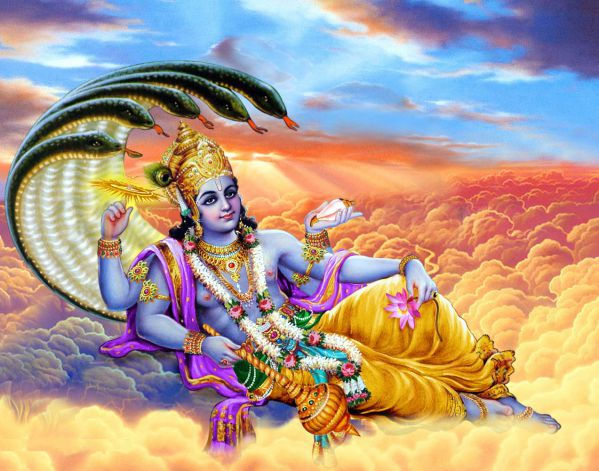
Festivals of India: Ramlakshamana Dwadashi

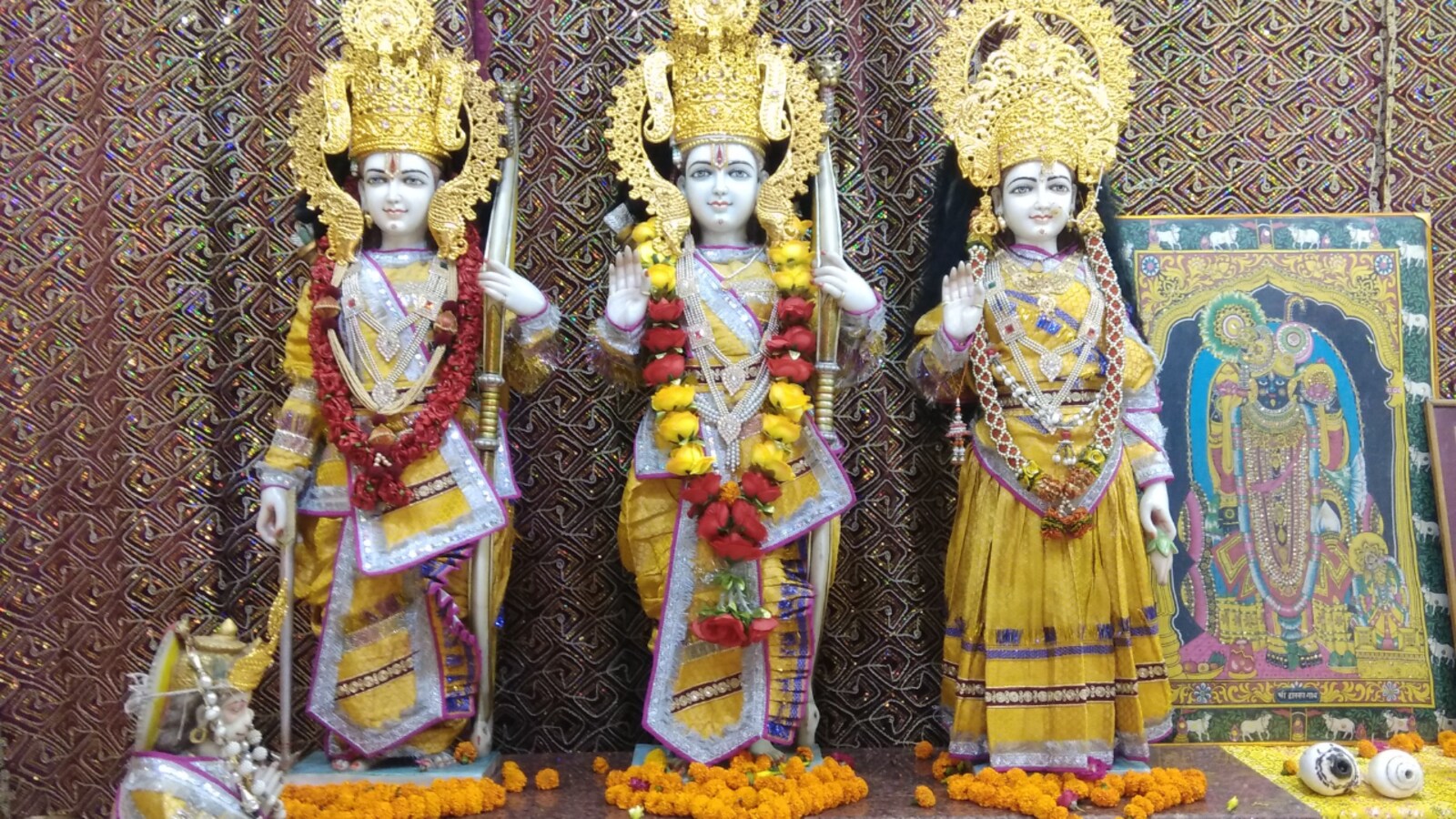
A significant Hindu festival holding deep religious and cultural importance, particularly in South India, Rama Lakshmana Dwadashi is dedicated to Lord Rama and his brother Lakshmana. The festival falls on the twelfth day, or Dwadashi, of the bright fortnight, or Shukla Paksha, in the month of Jyestha according to the Hindu lunar calendar.

The origins of Rama Lakshmana Dwadashi can be traced back to ancient Hindu scriptures and legends. It is believed that this observance has its roots in the Treta Yuga, one of the four ages in Hindu cosmology. The festival’s inception is closely tied to the story of King Dasaratha, the ruler of Ayodhya and father of Lord Rama. According to legend, King Dasaratha, who was childless, observed a stringent fast and performed rituals on this day, praying fervently for a son. His devotion and adherence to the Rama-Lakshmana Dwadashi Vrat were rewarded, as Lord Vishnu himself incarnated as his son, Rama, in the following year. This divine birth occurred on the auspicious day of Chaitra Masa Navami, which is celebrated as Ram Navami. The significance of this festival extends beyond its historical origins. It symbolises the power of devotion, the fulfilment of righteous desires, and the blessings that can be attained through sincere worship and adherence to spiritual practices.

Rama Lakshmana Dwadashi is celebrated with great fervour, especially in the states of Andhra Pradesh, Telangana, and Karnataka, and among certain Hindu communities in Tamil Nadu. The observance involves a series of rituals and practices that devotees follow with dedication. One of the primary aspects of this festival is fasting. Devotees have the option to observe a full-day fast or a simpler version where they consume only fruits and milk. This act of abstinence is believed to purify the body and mind, making one more receptive to spiritual energies.

The core of the celebration involves the worship of Lord Rama and Lakshmana. Devotees perform elaborate pujas, or ritual offerings, which include the offering of prayers and reciting mantras, lighting lamps as a symbol of divine light, and presenting sacred offerings to the deities. As Dwadashi is considered an auspicious day for worshipping the sacred Tulsi plant, devotees pay special attention to Tulsi Puja on this day. The Tulsi plant, also known as Holy Basil, holds a significant place in Hindu worship and is often associated with Lord Vishnu. Reading or listening to passages from the Ramayana, the epic that narrates the life and adventures of Lord Rama, is considered highly auspicious on this day. This practice not only reinforces the spiritual significance of the festival but also helps in imparting moral and ethical values to the listeners.

Rama Lakshmana Dwadashi holds immense importance in the Hindu faith for several reasons. One of the primary significances of this festival is its association with the blessing of children. Childless couples often observe this Vrat with the hope of being blessed with offspring, inspired by the story of King Dasaratha. It is believed that observing the Rama Lakshmana Dwadashi Vrat can bestow great spiritual merit. Devotees who partake in this auspicious observance are said to be blessed with happiness, prosperity, and even access to Vaikunta, or Vishnu Loka, the abode of Lord Vishnu, after their earthly life.

The festival celebrates the divine virtues embodied by Lord Rama and Lakshmana: righteousness, brotherhood, and unwavering devotion. By worshipping these deities, devotees aim to imbibe these qualities in their own lives. The fasting and rituals associated with this day are believed to purify the body and mind, allowing for spiritual growth and renewal.

Several myths and legends are associated with Rama Lakshmana Dwadashi, adding depth to its cultural and spiritual significance. The central legend revolves around King Dasaratha’s observance of this Vrat. It is said that Sage Vasishtha, the royal guru, instructed King Dasaratha on the proper rituals for this observance. The king’s steadfast devotion and adherence to the Vrat pleased Lord Vishnu, who then incarnated as his four sons—Rama, Lakshmana, Bharata, and Shatrughna.

While this festival primarily focuses on Rama and Lakshmana, it’s interesting to note that other Dwadashi observances are associated with different avatars of Vishnu. For instance, Kurma Dwadashi is dedicated to the Kurma or tortoise avatar, and Vamana Dwadashi honours the Vamana or dwarf avatar. This interconnection emphasises the overarching presence of Vishnu in various forms throughout Hindu mythology.

While the essence of Rama Lakshmana Dwadashi remains consistent, there are regional variations in its celebration. In some parts of India, particularly in Odisha, this day is observed as Champaka Dwadashi. It is an important festival celebrated in the famous Jagannath Temple of Puri, holding special significance for the Utkala Brahmins. The festival is particularly prominent in South Indian states, where the worship of Rama and Lakshmana has deep-rooted traditions. The rituals and celebrations in these regions often have unique local flavours and customs.

Rama Lakshmana Dwadashi stands as a testament to the rich tapestry of Hindu traditions and beliefs. From its mythological origins rooted in the story of King Dasaratha to its continued observance in various parts of India, this festival encapsulates key aspects of Hindu spirituality and culture. The observance of this day goes beyond mere ritual – it is a celebration of devotion, familial bonds, and the triumph of righteousness. Through fasting, prayer, and charitable acts, devotees not only honour Lord Rama and Lakshmana but also strive to embody their virtues in their own lives. As with many ancient traditions, Rama Lakshmana Dwadashi continues to evolve, finding new relevance in contemporary society. It serves as a bridge between the past and the present, offering spiritual solace and cultural connection to those who observe it. It reminds us of the enduring power of faith, the importance of righteous living, and the blessings that come from sincere devotion and adherence to spiritual practices.

Festivals of India: Varuthini Ekadasi

Also known as Baruthani Ekadashi, Varuthini Ekadashi is a significant festival that holds deep spiritual and cultural importance. Falling on the 11th lunar day, or Ekadashi, of the waning moon in the Hindu month of Chaitra or Vaishakha, the festival typically falls in April or May of the Gregorian calendar.

The origins of Varuthini Ekadashi are rooted in ancient Hindu scriptures and mythology. The festival’s name, Varuthini, is derived from the Sanskrit word meaning armoured or protected, signifying the spiritual protection bestowed upon devotees who observe this sacred day. The day is dedicated to Lord Vishnu, particularly his fifth avatar, Vamana, and devotees believe that observing this Ekadashi is believed to bring devotees closer to the divine and offer protection from negative energies and evil influences.

The significance of this festival is highlighted in various Hindu texts, including the Bhavishya Purana, where Lord Krishna narrates its importance to King Yudhishthira. According to these scriptures, observing Varuthini Ekadashi brings numerous benefits, including protection from evil and good fortune, prosperity in this life and the next, liberation from curses and sins, and blessings equivalent to rigorous penance.

The celebration of Varuthini Ekadashi involves a series of rituals and practices that devotees follow with great devotion. The primary observance is fasting, which is considered crucial for reaping the spiritual benefits of this day. Devotees typically observe a strict fast on Varuthini Ekadashi, abstaining from certain foods and activities. Many choose to fast completely, while others may have a single meal while grains, certain vegetables, and specific foods are avoided. The consumption of Havishyanna, or boiled food without spices, salt, and oil from the previous day, is recommended.

The day is marked by various religious and spiritual activities. Devotees wake up during Brahma Muhurta, the auspicious pre-dawn hours, and take a purifying bath. This is the time before dawn that is considered a sacred time for meditation and spiritual practices. It is also known as the creator’s hour. Brahma muhurta is a 48-minute period that begins 1 hour and 36 minutes before sunrise, with the exact timing depending on the location and the time of sunrise, though it usually occurs between 3:30 and 5:30 am. A wooden platform is set up with an image of Lord Vishnu, covered in red or yellow cloth, and offerings of Panchamrit, a mixture of milk, curd, ghee, honey, and Ganga water, are made to Lord Vishnu. Incense, lamps, and camphor are lit as offerings, and mantras dedicated to Lord Vishnu are chanted by devotees, and an aarti is performed. Many engage in meditation and spiritual contemplation throughout the day.

Performing acts of charity is considered highly auspicious on Varuthini Ekadashi. Devotees are encouraged to donate various items, with the belief that different donations yield varying levels of spiritual benefits. Donating knowledge is considered the highest form of charity. Other beneficial donations include cows, gold, food grains, sesame seeds, land, elephants, and horses.

Several mythological stories are associated with Varuthini Ekadashi, each highlighting its spiritual significance and transformative power. One of the most prominent legends involves Lord Shiva and Lord Brahma. In a fit of rage, Lord Shiva cut off the fifth head of Lord Brahma. As a consequence, Lord Brahma cursed Lord Shiva. Seeking a remedy, Lord Vishnu advised Lord Shiva to observe the Varuthini Ekadashi fast. By following this advice, Lord Shiva was eventually released from the curse. Another tale speaks of King Mandata, who gained enlightenment through the observance of Varuthini Ekadashi. The legend of King Dhundhumara from the Ikshvaku dynasty is also associated with Varuthini Ekadashi. According to this story, the king was freed from a curse by Lord Shiva through the observance of this sacred day.

While not specific to Varuthini Ekadashi, the origin story of Ekadashi itself is worth mentioning. Lord Vishnu was in a state of deep sleep or meditation. A demon named Murdanav attempted to attack the sleeping Vishnu. A beautiful woman emerged from Vishnu’s 11th sense, the mind. Murdanav, infatuated, asked to marry her. She agreed on the condition that he defeat her in battle. During the fight, Murdanav was killed. Vishnu awoke and blessed the woman, naming her Ekadashi. He decreed that those who fast on this day would attain moksha or liberation. This legend explains the spiritual significance of all Ekadashi observances, including Varuthini Ekadashi.

Varuthini Ekadashi holds a special place among the 24 Ekadashi observances that occur in a lunar year Its importance is multifaceted, touching various aspects of Hindu spiritual and cultural life. The observance is believed to cleanse the soul and elevate spiritual consciousness. Devotees seek the grace of Lord Vishnu, believing that sincere observance brings immense spiritual benefits. It is thought to help individuals overcome the burden of past sins and negative karma. The festival is seen as a shield against evil influences and negative energies. Many believe that observing Varuthini Ekadashi can lead to the fulfilment of righteous wishes and aspirations. The festival also brings people together, strengthening social and cultural ties within the community.

In contemporary times, the observance of Varuthini Ekadashi continues to be an important part of Hindu religious practice. While the core spiritual principles remain unchanged, the way the festival is celebrated has adapted to modern lifestyles. Many temples now offer online darshan and puja services, allowing devotees to participate remotely. While traditional fasting practices are still followed by many, some adapt the fast to suit their health needs and work schedules.

Varuthini Ekadashi stands as a testament to the rich spiritual heritage of Hinduism. It embodies the principles of devotion, self-discipline, and the pursuit of spiritual growth. The festival’s enduring popularity and significance highlight its relevance in both ancient and modern contexts.

Through its rituals, myths, and spiritual practices, Varuthini Ekadashi offers devotees a path to connect with the divine, seek personal transformation, and contribute to the welfare of their community. As with many Hindu observances, it blends deep philosophical concepts with practical spiritual practices, making it accessible to devotees from all walks of life. In an increasingly fast-paced and materialistic world, festivals like Varuthini Ekadashi serve as important reminders of the eternal spiritual truths that have guided Hindu civilization for millennia. They offer a moment of pause, reflection, and renewal, allowing individuals to realign themselves with their higher purpose and spiritual goals. It is these festivals that stand as a bridge between the ancient and the contemporary, ensuring that the spiritual legacy of Hinduism remains vibrant and relevant for generations to come.

Festivals of India: Pana Sankranti

Also known as Maha Vishuba Sankranti, Pana Sankranti is a vibrant and culturally significant festival celebrated in Odisha. This auspicious occasion marks the traditional Odia New Year and heralds the arrival of spring, serving as a time for renewal, spiritual reflection, and communal joy. Falling on the first day of the Odia calendar month of Baisakha, typically around mid-April, Pana Sankranti coincides with the solar transit into the Mesha (Aries) Rashi, lending it cultural and astrological importance.

The roots of Pana Sankranti can be traced back to ancient times, with references found in various scriptures and texts. The festival’s origins are deeply intertwined with the agrarian culture of the region. Marking the beginning of the new agricultural year, the festival highlights its importance in the traditional Odia way of life.

One of the most significant aspects of Pana Sankranti is its association with Lord Jagannath, the presiding deity of the Puri Jagannath Temple. According to legend, Lord Jagannath created the Pana drink to remedy the scorching summer heat. Another mythological tale associated with Pana Sankranti involves Lord Vishnu’s incarnation as Varaha (the boar). It is believed that on this day, Lord Vishnu rescued the Earth from the demon Hiranyaksha, an act of divine intervention that is commemorated through various rituals and prayers during the festival.

Pana Sankranti is celebrated with great enthusiasm and fervour across Odisha, with each region adding its unique cultural flavour to the festivities. At the festival’s heart is the preparation and sharing of Pana, a special drink that gives the festival its name. This refreshing concoction is made from many ingredients, including water, jaggery, fruits, and sometimes milk or yoghurt. The Pana is not only a delicious treat but also serves a symbolic purpose, representing the essence of life and the spirit of sharing. It is offered to deities and distributed among family members, friends, and neighbours, fostering a sense of community and togetherness.

Devotees mark Pana Sankranti by visiting temples dedicated to various deities, with special emphasis on Lord Jagannath, Lord Shiva, and Goddess Tarini. The Tarini Temple near Brahmapur and the Cuttack Chandi are particularly popular pilgrimage sites during this time. One of the most spectacular rituals associated with Pana Sankranti is the Jhaamu Yatra at Sarala Temple, where priests walk across hot coals, demonstrating their devotion and faith. This awe-inspiring display draws many spectators and adds to the festival’s mystical atmosphere.

Pana Sankranti is also a time for vibrant cultural expression. One of the most notable traditions is the Danda Nacha, or Danda Jatra, an ancient dance form dedicated to Goddess Kali. Performed by a group of men known as Danduas, this dance is a testament to physical endurance and spiritual devotion, often involving acrobatic feats and rhythmic movements. In different parts of Odisha, various cultural events mark the occasion. For instance, in Chhatrapada, Bhadrak, the Patua Yatra festival spans from April 14th to April 21st, bringing communities together. Northern Odisha resonates with the festivities of Chadak Parva, while in the south, the Meru Yatra festival marks the culmination of the month-long Danda Nata dance festival.

The festival is a time for strengthening social bonds. In urban areas, Odia families often gather in community halls to celebrate together, while in rural settings, the festival takes on a more traditional flavour with community-wide celebrations. These gatherings often feature feasts where traditional delicacies are shared, further reinforcing the sense of community and shared cultural heritage.

Pana Sankranti holds deep significance in Odia culture, embodying various symbolic meanings and cultural values. As the traditional New Year, Pana Sankranti symbolises new beginnings and fresh starts. It’s a time for people to clean their homes, wear new clothes, and set positive intentions for the year ahead. This reflects the universal desire for renewal and the opportunity to begin anew. Pana Sankranti marks the beginning of the new agricultural year. This connection to the land reminds people of the importance of agriculture in their lives and the need to maintain harmony with nature. The festival provides an opportunity for spiritual reflection and devotion. The various rituals, temple visits, and prayers associated with Pana Sankranti allow people to connect with their spiritual beliefs and seek divine blessings for the coming year.

Several myths and legends are associated with Pana Sankranti, adding depth and richness to the festival’s cultural significance. According to one legend, Pana Sankranti is linked to the story of Lord Vishnu’s incarnation as Lord Jagannath. It is believed that on this day, Lord Jagannath, with his siblings Lord Balabhadra and Devi Subhadra, embarked on their annual journey to the Gundicha Temple in Puri, known as the Ratha Yatra. The legend of Lord Jagannath creating the Pana drink as a remedy for the summer heat explains the origin of this central element of the festival and emphasises the belief in divine intervention in everyday life. The myth of Lord Vishnu, in his Varaha avatar, rescuing the Earth from the demon Hiranyaksha on this day adds a cosmic dimension to the festival. This story symbolises the triumph of good over evil and the restoration of cosmic order, themes that resonate with the idea of new beginnings associated with the New Year.

While Pana Sankranti is primarily celebrated in Odisha, similar festivals marking the solar New Year are observed across South and Southeast Asia. These include Vaisakhi in North and Central India and Nepal, Bohag Bihu in Assam, Pohela Boishakh in Bengal, and Puthandu in Tamil Nadu. Each of these festivals shares common themes of renewal and celebration while incorporating unique regional traditions and customs.

In Odisha, the celebration of Pana Sankranti can vary from region to region, with each area adding its local flavour to the festivities. In the Taratarini Temple area, the festival coincides with the Chaitra Yatra, drawing large crowds of devotees. In Northern Odisha, the Chadak Parva is a significant part of the Pana Sankranti celebrations. The Meru Yatra festival in Southern Odisha marks the end of the month-long Danda Nata dance festival, coinciding with Pana Sankranti. These regional variations highlight the diversity within Odisha’s cultural landscape and demonstrate how a single festival can take on different forms while maintaining its core significance.

As with many traditional festivals, the celebration of Pana Sankranti has evolved, adapting to changing social structures and urban lifestyles. In cities, community halls often become the focal point of celebrations, where Odia families gather to observe the festival. This adaptation allows urban dwellers to maintain cultural connections even in modern settings. The preparation and sharing of Pana remain central to the festival, but the recipe might vary from household to household, with some incorporating modern ingredients or adapting the drink to suit contemporary tastes. However, the spirit of sharing and community bonding remains intact.

Pana Sankranti plays a significant role in preserving and promoting Odia culture. The festival serves as a platform for showcasing traditional art forms, music, and dance, helping to pass these cultural treasures on to younger generations. The Danda Nacha, for instance, not only entertains but also educates people about ancient rituals and beliefs. Economically, the festival boosts local businesses. The demand for traditional foods, new clothes, and items used in rituals increased during this time, benefiting local traders and artisans. Additionally, the influx of visitors to temples and pilgrimage sites during Pana Sankranti contributes to the local tourism industry.

In recent years, there has been a growing awareness of the environmental impact of festivals. While Pana Sankranti is generally an eco-friendly celebration, with its focus on natural ingredients and traditional practices, efforts are being made to make it even more sustainable. For instance, some communities are promoting the use of biodegradable materials for decorations and encouraging the responsible disposal of waste generated during the festivities. The tradition of offering water to the Tulsi plant and the symbolic representation of rain through the Pana-filled earthen pot also serve as reminders of the importance of water conservation, especially relevant as the festival marks the beginning of summer.

Pana Sankranti stands as a testament to the rich cultural heritage of Odisha, blending spiritual devotion, communal harmony, and joyous celebration. This festival, with its deep-rooted traditions and evolving practices, continues to play a vital role in the cultural and social fabric of Odia society. As a celebration of new beginnings, Pana Sankranti offers a moment for reflection, renewal, and community bonding. It serves as a bridge between the past and the present, allowing people to honour their traditions while adapting to the changing world around them.

In an increasingly globalised world, festivals like Pana Sankranti play a crucial role in maintaining cultural distinctiveness while fostering a sense of unity and shared heritage. The enduring popularity and significance of Pana Sankranti demonstrate the power of cultural traditions to adapt and thrive, even in the face of rapid social change. As long as people continue to find meaning and joy in coming together to celebrate new beginnings, share in age-old customs, and reaffirm their cultural identity, Pana Sankranti will continue to be a vibrant and integral part of Odia life for generations to come.

Festivals of India: Cheti Chand

Celebrated primarily by the Sindhi community, Cheti Chand marks the beginning of the Hindu New Year and commemorates the birth of their revered patron saint, Lord Jhulelal. This festival, which falls on the second day of the month of Chet in the Sindhi lunar calendar, corresponding to March and April in the Gregorian calendar, holds immense cultural and religious significance. It is a time for renewal, reflection, and celebration among Sindhis worldwide.

The roots of Cheti Chand can be traced back to the Sindhi community’s struggle against oppression during the rule of Mirkhshah, a tyrannical Muslim ruler. According to legend, Mirkhshah sought to convert the Sindhi Hindus to Islam, threatening their cultural and religious identity. In desperation, the Sindhi people prayed to Varun Devta, the Water God for deliverance. Their prayers led to a divine promise that a saviour would be born to protect them.

This saviour was Uderolal, later known as Jhulelal, who was born in Nasarpur in 1007 CE. His miraculous birth was heralded by a divine voice that assured the Sindhis of their protection. Jhulelal is believed to have performed numerous miracles that not only saved his people from persecution but also reinforced their faith and cultural identity. The festival of Cheti Chand thus symbolises hope, resilience, and divine intervention.

Jhulelal is often depicted as an old man with a long beard, seated on a lotus flower supported by a fish. He embodies wisdom and strength and is regarded as the protector of Sindhi culture and values. Celebrating Cheti Chand serves as a reaffirmation of faith for Sindhis, honouring their heritage while fostering a sense of unity within the community.

Cheti Chand holds deep spiritual significance for the Sindhi community. The festival marks the start of the Hindu New Year for Sindhis, symbolizing fresh starts and new opportunities. It reinforces the cultural identity of Sindhis, especially those who migrated after the Partition in 1947. Cheti Chand serves as a reminder of their roots and traditions. The festival fosters communal harmony as families come together to celebrate with rituals, prayers, and festive meals. And it is an occasion for introspection and gratitude towards Lord Jhulelal for his protection and blessings.

Cheti Chand is celebrated with enthusiasm across various regions in India, each with its own unique customs and traditions. In states like Punjab and Haryana, Cheti Chand is observed with fervour among local Sindhi communities. Families come together to perform rituals at home or in temples dedicated to Jhulelal and devotees prepare offerings such as fruits, sweets, and special dishes like Guji Deg, a sweet dish made from rice flour to honour Jhulelal.

In Maharashtra, celebrations during Cheti Chand include traditional folk dances performed in honour of Lord Jhulelal. Participants often dress in colourful attire and engage in lively music. The Behrana Sahib Ceremony involves preparing a ceremonial plate containing items like an oil lamp or diya, sugar crystals or misri, fruits, and flowers which are taken to nearby rivers or lakes as offerings. In states like Karnataka and Tamil Nadu, devotees visit rivers or lakes to perform rituals, reflecting their gratitude towards Varun Devta. Leading up to Cheti Chand, many observe a period of prayer known as Chaliho for 40 days. In West Bengal, families prepare special dishes for communal feasts after performing rituals and local communities organise events that include singing devotional songs dedicated to Jhulelal.

Cheti Chand is characterised by several unique rituals that reflect its cultural significance. A central ritual involves lighting an earthen wheat lamp known as Jyot Jagan on a bronze plate filled with rice grains. This lamp typically has five wicks symbolising enlightenment and prosperity. The lighting marks the beginning of the festivities. The Behrana Sahib consists of symbolic items such as an oil lamp, crystal sugar, and fruits. These items are taken to water bodies where they are immersed as an offering to Lord Jhulelal.

One of the most vibrant aspects of Cheti Chand celebrations is the Chhej dance, where participants form circles while clapping in rhythm with traditional drums, or dhols, and wind instruments, or shehnais. This dance embodies communal joy and unity among devotees.

On this day, devotees prepare an offering called Akho—made from rice mixed with flour and milk—which symbolises gratitude towards Varun Devta.

The festival is rich with stories that highlight its significance. The tale of how Jhulelal emerged during a time of crisis for the Sindhi people serves as a reminder of hope amidst adversity. The miraculous circumstances surrounding Jhulelal’s birth reflect divine intervention in protecting his devotees. The narrative emphasises how faith can triumph over tyranny, reinforcing the importance of cultural identity among Sindhis.

Cheti Chand transcends geographical boundaries; it is celebrated by Sindhi communities around the globe. In Pakistan’s Sindh province, where many original traditions have been preserved, local temples host elaborate celebrations while community feasts are organised with families gathering to celebrate their heritage. The Sindhi diaspora communities in North America celebrate Cheti Chand through cultural events showcasing traditional music and dance, and community gatherings where prayers are offered collectively. In the United Kingdom, in cities with significant Sindhi populations, temples organise special prayers and community members participate in cultural programs highlighting Sindhi traditions.

Cheti Chand stands as a beacon of hope, resilience, and cultural pride for the Sindhi community worldwide. As they commemorate the birth of Lord Jhulelal on this auspicious day, they reaffirm their faith while celebrating their rich heritage through vibrant rituals, communal gatherings, and heartfelt prayers. The festival not only marks the beginning of a new year but also reinforces the values that bind them together as a community—unity, devotion, and an unwavering spirit in preserving their identity against challenges throughout history. Through its unique customs and stories that resonate deeply within their cultural memory, Cheti Chand invites everyone to partake in its love, light, and legacy—a celebration that transcends time and space while nurturing communal bonds across generations.

Festivals of India: Mahashivaratri

Often referred to as “The Great Night of Shiva,” Maha Shivaratri is one of the most significant festivals in Hinduism, dedicated to Lord Shiva, the deity symbolising creation, preservation, and destruction. This festival is celebrated annually on the 14th night of the dark fortnight in the month of Phalguna, which comes in February or March, marking a time for spiritual reflection, devotion, and celebration. The festival’s origins are steeped in rich mythology and tradition, and its observance varies widely across different regions of India and among Hindu communities worldwide.

The origins of Maha Shivaratri are deeply rooted in Hindu mythology. Several legends recount the significance of this festival. One prominent legend states that Maha Shivaratri commemorates the night when Lord Shiva performed the ‘Tandava’, a cosmic dance symbolising creation, preservation, and destruction. This dance is believed to represent the rhythm of the universe and is a vital aspect of Shiva’s divine nature. Another significant narrative is that Maha Shivaratri marks the wedding night of Lord Shiva and Goddess Parvati. Their union symbolises the balance between masculine and feminine energies, representing harmony in the cosmos. This aspect makes Maha Shivaratri particularly special for married couples who seek blessings for their relationships. According to another legend, it was on this night that Shiva manifested himself in the form of a Lingam, a representation of his divine presence. This event signifies his infinite existence and connection to creation.

Maha Shivaratri has been celebrated for centuries, with its roots tracing back to ancient Hindu civilisation. The festival reflects a broader cultural significance beyond mere religious observance; it encapsulates themes of transformation, renewal, and spiritual awakening that resonate across various aspects of life.

Maha Shivaratri holds profound spiritual importance for devotees. The festival is seen as an opportunity for spiritual growth and introspection. Devotees believe that observing rituals during this time can lead to purification of the mind and soul, helping them overcome obstacles in life. Fasting and prayer during Maha Shivaratri are believed to cleanse devotees’ hearts and minds. Many observe strict fasts, consuming only water or milk throughout the day before breaking their fast at dawn on the following day. The festival fosters a sense of community among participants as they come together for prayers, chanting, and singing devotional songs or bhajans. It serves as a reminder of shared beliefs and collective spirituality.

The festival is celebrated with great fervor across India, with regional variations reflecting local customs and traditions. In northern states like Uttar Pradesh and Uttarakhand, devotees flock to temples such as Kashi Vishwanath in Varanasi and Kedarnath to participate in elaborate rituals. The night is marked by all-night vigils where devotees chant “Om Namah Shivaya” while offering milk, honey, and bel leaves to Shiva Lingams. In South India, particularly among Brahmin communities, rituals begin early in the morning with special prayers or pujas at temples dedicated to Lord Shiva. Devotees often perform Rudra Abhishek, bathing Shiva Lingams with sacred substances like milk and honey. The night is spent in meditation, bhajans, and discussions about Shiva’s teachings.

In Maharashtra, celebrations often include processions featuring traditional music and dance. Temples are beautifully decorated, attracting large crowds who engage in communal prayers. In West Bengal and Odisha, Maha Shivaratri is celebrated with unique cultural performances such as folk dances that narrate stories from Shiva’s life. Devotees also prepare special dishes as offerings during this time.

Maha Shivaratri transcends geographical boundaries. In countries with significant Hindu populations such as Nepal, Mauritius, Fiji, and Trinidad & Tobago, festivities take place with similar fervor. In Nepal’s Pashupatinath Temple—one of the holiest sites for Hindus—thousands gather to participate in rituals throughout the night. Indo-Caribbean communities also observe this festival with solemnity in over 400 temples worldwide.

The rituals performed during Maha Shivaratri are diverse yet share common elements. Devotees typically fast throughout the day leading up to the night celebrations. Some consume only water or milk while others may choose to abstain from food altogether. Rituals involve offerings made to Shiva Lingams consisting of milk, honey, ghee (clarified butter), fruits, flowers, and bel leaves—considered sacred to Lord Shiva. The chanting of mantras such as “Om Namah Shivaya” plays a central role during worship sessions both at home and in temples. Many devotees stay awake throughout the night engaging in prayers, singing bhajans or participating in discourses about Lord Shiva’s teachings. In various regions, cultural performances including dance dramas depicting stories from Shiva’s life add vibrancy to the celebrations.

Several myths enhance the richness of Maha Shivaratri’s narrative. One myth recounts how Lord Shiva vanquished Tripurasura—the demon representing ignorance—on this auspicious night. This victory symbolises triumph over darkness and ignorance. Another popular tale involves Markandeya—a devotee who was destined to die young but was saved by Lord Shiva when he embraced him as a child amidst death’s approach. Legends often highlight Lord Shiva’s compassion towards his devotees; many stories illustrate how he intervenes to protect those who sincerely seek his blessings during Maha Shivaratri.

Maha Shivaratri stands as a testament to the rich tapestry of Hindu culture—a celebration that encompasses devotion, spirituality, community bonding, and deep-rooted traditions. As devotees across India and around the world honour Lord Shiva through fasting, prayer, cultural performances, and communal gatherings on this auspicious night, they not only pay homage to their deity but also embrace themes that resonate universally—transformation, renewal, love, and spiritual awakening. The festival serves not just as a religious observance but also as an opportunity for individuals to reflect on their lives while seeking blessings for personal growth and harmony within their families and communities. Through its myriad forms of celebration—from temple rituals to vibrant cultural expressions—Maha Shivaratri continues to inspire millions each year with its profound significance rooted in ancient mythology yet relevant in contemporary society.