Festivals of India: Akshaya Tritiya

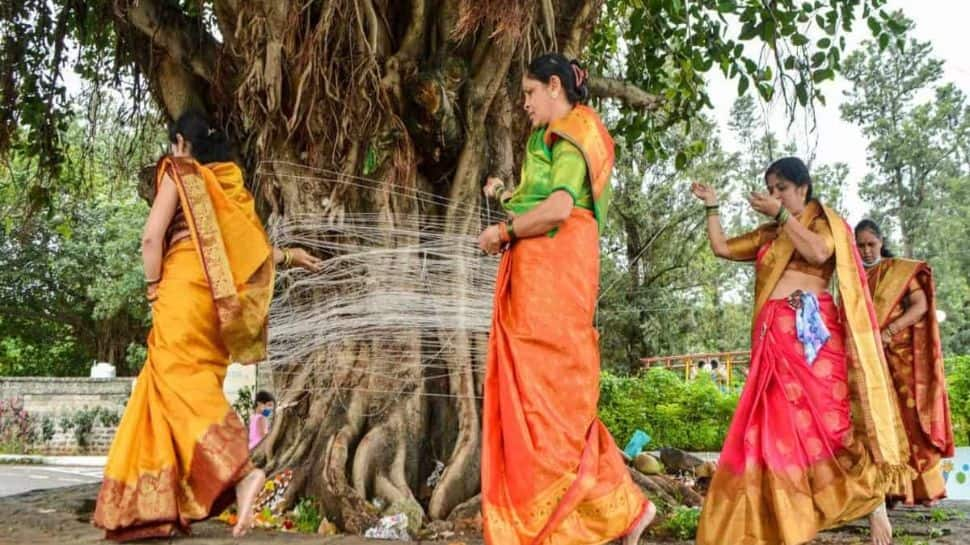
A celebration of eternal prosperity, new beginnings, and the triumph of good over evil, Akshaya Tritiya is a Hindu and Jain festival that will be celebrated on Friday. This auspicious day, which falls on the third lunar day or Tritiya of the bright fortnight, Shukla Paksha in the Hindu month of Vaisakha, holds a unique and profound significance that transcends the boundaries of religion and culture.

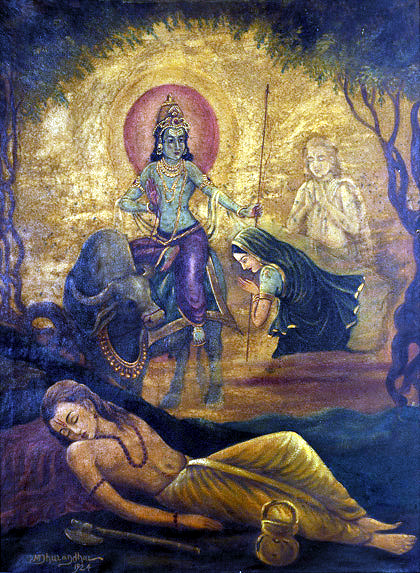
The origins of Akshaya Tritiya can be traced back to Hindu mythology, where it is believed to be a day of great significance. According to legend, it was on this day that Lord Vishnu’s sixth avatar, Lord Parashurama, was born. Parashurama, the wielder of the mighty axe, was tasked with the divine mission of restoring righteousness and vanquishing the tyrannical Kshatriya kings who had become corrupted by their power. The festival also marks the day when Lord Ganesha, the remover of obstacles, began writing the epic Mahabharata, the great Indian literary masterpiece that has captivated audiences for millennia.

In the Jain tradition, Akshaya Tritiya holds equal importance, as it is believed to be the day when the first Tirthankara, Rishabhanatha, ended his year-long asceticism by consuming sugarcane juice poured into his cupped hands. This act symbolised the triumph of the spirit over the physical, and the festival is celebrated as a testament to the enduring power of spiritual enlightenment.

The word “Akshaya” is a Sanskrit term that holds profound meaning within the context of Akshaya Tritiya. It translates to “that which never diminishes” or “that which is eternal.” This concept is central to the festival’s significance, as it represents the belief that any good deeds, investments, or new beginnings undertaken on this day will bring about unending prosperity and abundance.

This idea of the “Akshaya” or the eternal, is deeply rooted in Hindu philosophy, which emphasises the cyclical nature of existence and the perpetual renewal of the cosmic order. The festival of Akshaya Tritiya is seen as a celebration of this eternal cycle, where the divine and the earthly converge to create a harmonious balance.

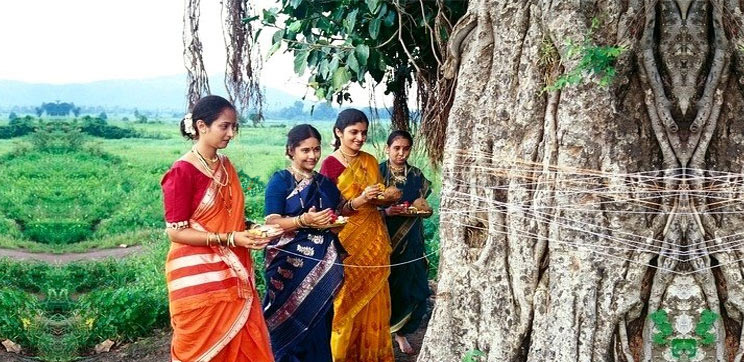
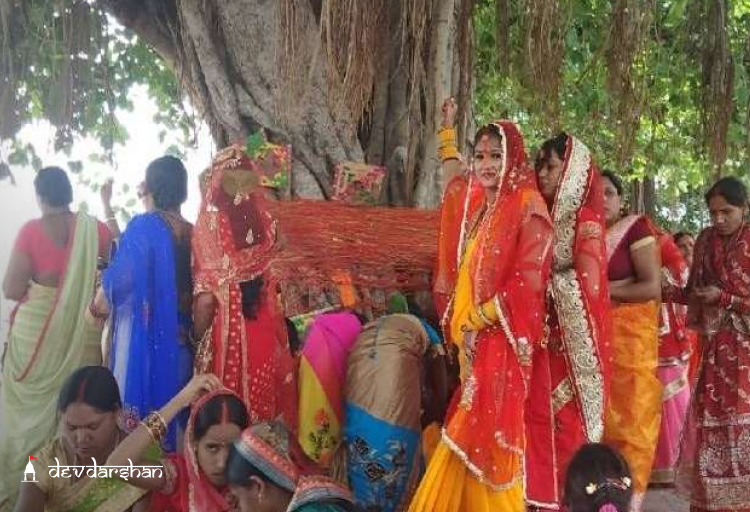
Akshaya Tritiya is celebrated with great fervour and devotion across India, with each region and community observing the festival in its own unique way. The spiritual significance of the day is manifested through various rituals and customs that are deeply ingrained in the Hindu and Jain traditions.

One of the most prominent practices associated with Akshaya Tritiya is the offering of puja, or worship, to the deities. Devotees visit temples and perform special ceremonies, lighting lamps, offering flowers, and chanting mantras to seek the blessings of Lord Vishnu, Goddess Lakshmi, and other revered figures. This act of devotion is believed to bring about spiritual enlightenment, as well as material prosperity and good fortune.

The cultural significance of Akshaya Tritiya is equally profound, as the festival is celebrated with a deep sense of community and shared heritage. In many parts of India, the day is marked by the exchange of gifts, the sharing of festive delicacies, and the coming together of families and friends to commemorate the occasion.

As the world continues to evolve, the festival of Akshaya Tritiya has adapted to the changing times, while still maintaining its core values and traditions. In the modern era, the celebration of this auspicious day has taken on new forms, reflecting the diverse needs and preferences of contemporary Indian society.

One of the most notable developments in the celebration of Akshaya Tritiya is the rise of online platforms and digital technologies. Many people now opt for virtual puja ceremonies, where they can connect with spiritual leaders and seek blessings from the comfort of their homes. This trend has been particularly prevalent during the COVID-19 pandemic, when physical gatherings were restricted.

Another emerging trend is the emphasis on eco-friendly and sustainable celebrations. Instead of traditional gold and silver purchases, some individuals are choosing to invest in eco-friendly products or services, such as planting trees or supporting local artisans. This shift reflects a growing awareness of the importance of environmental stewardship and social responsibility.

Social media has also become a crucial platform for the celebration of Akshaya Tritiya. People share festive greetings, photos, and videos on various platforms, connecting with friends and family members who may be geographically distant. This digital connectivity has helped to preserve the spirit of the festival, even in the face of physical separation.

The festival of Akshaya Tritiya has endured for centuries, transcending the boundaries of time and space. Its enduring legacy is a testament to the deep-rooted cultural and spiritual values that it represents, as well as its ability to adapt to the changing needs of the modern world.

As we look to the future, the celebration of Akshaya Tritiya will undoubtedly continue to evolve, incorporating new traditions and embracing the diverse perspectives of the global community. Yet, at its core, the festival will remain a celebration of the eternal, a reminder of the unending cycle of prosperity, and a testament to the triumph of good over evil.

In a world that is often marked by uncertainty and change, the festival of Akshaya Tritiya stands as a beacon of hope, a reminder of the timeless values that have sustained humanity for generations. As we continue to honor this auspicious day, we are not just celebrating a single event, but rather, we are embracing the enduring legacy of a festival that has the power to inspire, uplift, and transform lives.

Festivals of India: Agni Keli

In Spain, giant effigies are set alight. In China, molten iron is sprayed on city walls. And in Scotland, a replica Viking ship is lit by a thousand torches. All over the world – and despite the obvious dangers – fire means festivities. But in South India, there’s a fire festival that might just be the wildest of the lot.

Agni Keli, also known as Agni Khela, is an eight-day-long event held every April in Mangalore, Karnataka. It features an all-out fire brawl, in which participants fling flaming branches straight at each other. Imagine a genuine battle – branches flying through the night sky, sparks falling around the participants, who pick up more branches and throw again. The neat line of men breaks up into chaos, creating a mesmerising spectacle.

It takes part as part of the grand festival of Thoothedhara at the Kateel Durga Parameswari Temple. This temple, also known as Kateelu, lies in Dakshin Kannada on an islet formed naturally in the middle of the sacred Nandini River. The surroundings are adorned with lush greenery and panoramic views, creating a serene and spiritual atmosphere. The temple is dedicated to Goddess Durga Parameswari, who manifests as a Udbhava Moorthi or a naturally formed deity. The goddess is also known as Bhramare, which translates to a big, furious bee. Kateel is considered one of the holiest Hindu temple towns in India.

Agni Keli is a fire-throwing festival in honour of Goddess Durga, the Hindu goddess of war. She is often pictured riding a lion or tiger, bearing weapons in her many arms as she fights demons. Followers believe that Durga is appeased by wild and adventurous rituals like Agni Keli. She is also honoured during the Durga Puja festivities, which take place across South Asia in September and October.

The Agni Keli festival runs over eight days every April. The fire-throwing itself takes place by the Kateel Durga Parameswari Temple, just outside Mangalore. During Agni Keli, participants are divided into two groups, facing each other. They engage in an all-out fire brawl, throwing burning palm fronds at each other from a distance. This fiery exchange symbolises devotion, courage, and the triumph of good over evil.

Agni Keli brings together devotees from various backgrounds. Regardless of caste, creed, or social status, participants engage in this fiery battle with fervour. The shared experience fosters unity and a sense of community. Participants believe that engaging in Agni Keli cleanses them of impurities and negative energies. Agni Keli is a spiritual journey through flames, akin to a baptism by fire, with the fire symbolising purification and renewal.

Agni Keli requires courage and trust in the divine. Participants surrender to the flames, knowing that they are part of a sacred tradition, with their devotion to Goddess Durga fueling their determination. Despite the risks, Agni Keli continues to thrive, preserving its cultural heritage and ancient traditions. The festival ignites the flames of tradition, reminding us of our roots and shared humanity.

Despite the risks, Agni Keli continues to thrive. It reminds us of our ancient roots, our connection to the divine, and the power of collective rituals. In a rapidly changing world, festivals like Agni Keli preserve cultural heritage and ignite the flames of tradition. Agni Keli is not just a fire festival; it is a testament to human resilience, faith, and the enduring spirit of celebration. As the flames dance, they carry the echoes of centuries, reminding us that sometimes, the wildest celebrations are the ones that warm our souls.

Festivals of India: Ramanavami

India, a land steeped in mythology and spirituality, celebrates a multitude of festivals. Among these, Rama Navami holds a special place—a day that reverberates with devotion, storytelling, and vibrant traditions. Let us delve into the origins, legends, and unique customs associated with this auspicious occasion.

The tale of Lord Rama begins in the ancient city of Ayodhya, where King Dasharatha and Queen Kausalya longed for an heir. Their prayers bore fruit when the celestial sage Rishyasringa conducted a yajna or sacrifice, leading to the divine appearance of Rama. Born at noon, Rama embodied virtue, righteousness, and compassion. His life would become a beacon for humanity.

Rama, the seventh avatar of Lord Vishnu, symbolises dharma, or righteousness and duty. His unwavering commitment to truth, justice, and love for all beings makes him an enduring icon. The epic Ramayana, attributed to the sage Valmiki, narrates Rama’s journey—his exile, the abduction of his wife Sita by the demon king Ravana, and the eventual triumph of good over evil.

Rama’s marriage to Sita is a pivotal moment. To win her hand, suitors must string the divine bow of Lord Shiva. Rama effortlessly lifts and breaks the bow, signifying his destiny as Sita’s husband. The cunning demon Maricha transforms into a golden deer to distract Rama and Lakshmana. While they chase the deer, Ravana abducts Sita, leading to the epic quest for her rescue. Rama’s battle against Ravana, the ten-headed demon king of Lanka, culminates in the victory of virtue. The burning of Lanka, the rescue of Sita, and the return to Ayodhya are celebrated during Rama Navami.

Ayodhya, Rama’s birthplace, becomes a pilgrimage site during Rama Navami. Devotees throng the Ram Janmabhoomi temple, where Rama’s birth is commemorated. The Sarayu River witnesses devotees taking a purifying dip before offering prayers. In various cities, grand chariot processions depict Rama, Sita, Lakshmana, and Hanuman. These yatras symbolise Rama’s triumphant return to Ayodhya after defeating Ravana. Temples resonate with spiritual discourses, narrating episodes from the Ramayana. Devotees sing bhajans or devotional songs in praise of Rama’s valour and compassion. In some regions, Rama is revered like an infant. Devotees place an image of baby Rama in a cradle, symbolizing his divine birth. Charitable events and community feasts exemplify Rama’s compassion. Sharing food and resources with others is a way to honour his legacy.

Not just when it was written, the Ramayana continues to hold immense significance in today’s world. The epic promotes moral and ethical values that remain relevant even in contemporary society. Through the characters and their actions, it depicts virtues such as righteousness, loyalty, duty, and sacrifice. The story serves as a guide, providing ethical guidelines for individuals to lead virtuous lives.

Life is akin to a game of chess or a battlefield. The Ramayana teaches the threefold Dharma, the code of conduct about the individual, family, and society. It emphasises the importance of understanding our duties in these realms. Lord Rama’s character exemplifies compassion and love, which are essential for navigating the complexities of modern life. The epic delves into the true identity of the individual, the significance of family bonds, and the sanctity of society. In an era where corruption prevails in various fields—business, education, and politics—the principles of the Ramayana offer guidance. It outlines relationships between brothers, fathers and sons, and preceptors and disciples, emphasising mutual respect and duty.

The Ramayana reminds us of our shared existence on this earth. Despite apparent multiplicity, we all breathe the same air and drink the same water. Ignoring this underlying unity leads to the mistaken perception of division.

The festival of Rama Navami holds immense importance and relevance in today’s world and continues to resonate with millions of people. It invites introspection. As we celebrate Lord Rama’s birth, we reflect on our paths—our choices, virtues, and struggles. The festival reminds us that goodness prevails, even in the face of adversity.

Rama Navami transcends time, connecting generations through devotion and storytelling. As we chant “Jai Shri Ram,” we honour not just a historical figure, but an eternal truth—the victory of light over darkness, of love over hatred. May Rama’s grace guide us, and may our hearts echo the timeless chant: Raghupati Raghava Raja Ram, Patita Pavana Sita Ram. Here’s the uncomparable MS Subbalakshmi with the song. Rama Navami celebrates not just a historical figure, but an eternal truth—the victory of light over darkness, love over hatred. Lord Rama’s teachings continue to guide us, inspiring courage, sacrifice, and devotion.

Festivals of India: Halla Mohalla

A Sikh festival that celebrates the martial spirit and bravery of the Khalsa, the community of initiated Sikhs, Halla Mohalla was started by the tenth Sikh Guru, Guru Gobind Singh, in the 17th century, as a way of training his soldiers and showcasing their skills. The festival is held every year in Anandpur Sahib, Punjab, where the Khalsa was founded. It coincides with the Hindu festival of Holi but has a distinct identity and meaning.

The Halla Mohalla festival traces its origins to the 17th century, during the time of Guru Gobind Singh, the tenth Sikh Guru. In response to prevailing social and political challenges, Guru Gobind Singh envisioned the festival as a platform to foster unity, resilience, and martial spirit among his followers. The term “Halla Mohalla” translates to “mock fight” or “mock battle,” reflecting the festival’s emphasis on martial arts, military exercises, and mock battles as a means of promoting physical fitness, discipline, and preparedness among Sikhs.

The main attractions of Halla Mohalla are the mock battles, the display of weapons, horseback riding, and the martial arts. The participants, called Nihangs, wear traditional blue robes and turbans and carry swords, daggers, spears, and rifles. They perform feats of agility, strength, and courage, such as breaking bricks with their hands, riding two horses at once, or throwing a spear from a moving horse. They also recite poems and hymns in praise of the Guru and the Khalsa.

Central to the Halla Mohalla festival are the awe-inspiring displays of Sikh martial arts, or Gatka, showcasing the agility, strength, and precision of Sikh warriors as they engage in mock battles and intricate swordplay. The festival kicks off with grand processions and parades, featuring Nihang Sikhs adorned in colourful attire, elaborate turbans, and ceremonial weapons, symbolizing the valour and chivalry of the Sikh warrior tradition.

Halla Mohalla takes place immediately after Holi, the Hindu festival of colours, often coinciding with or following the day after. Unlike Holi’s playful colour-throwing, Halla Mohalla focuses on martial displays, reflecting the Sikh tradition of being warriors and readiness for defence. It celebrates the formation of the Khalsa, a community of committed Sikhs, upholding principles like equality, service, and justice.

Amidst the festivities, Halla Mohalla also offers devotees an opportunity for spiritual reflection and enlightenment, with religious discourses, prayers, and kirtan or devotional music sessions held at gurdwaras, the Sikh temples throughout Anandpur Sahib. They also take part in the langar, the communal kitchen, where free food is served to everyone, regardless of caste, creed, or religion. The festival promotes the values of equality, service, and brotherhood among the Sikhs and society.

Anandpur Sahib, the birthplace of the Khalsa, serves as the epicentre of Halla Mohalla festivities, with pilgrims and devotees flocking to the sacred city to pay homage to Sikh tradition and heritage. At the heart of Halla Mohalla lies the sprawling Akhara complex, where Sikhs gather to engage in martial arts training, physical exercises, and spiritual rituals under the guidance of seasoned Nihang warriors. The festival is also marked by acts of seva, or selfless service and community feasts, where devotees come together to prepare and share the langar, or free communal meals, as a symbol of equality, unity, and solidarity.

Nihangs, also known as Akalis, are an esteemed order of Sikh warriors with a rich history dating back to the early days of Sikh military history. Nihangs are part of an armed warrior order within Sikhism, known for their distinctive blue attire and proficiency in martial arts. They played a crucial role in the military history of the Sikhs, often celebrated for their victories despite being outnumbered. Nihangs embody the spirit of fearlessness, commitment to justice, and readiness for martyrdom as taught by the Sikh Gurus. They are seen as the protectors of Sikh gurdwaras and the upholders of the faith, especially during times of conflict. Today, Nihangs also have a ceremonial role, representing the martial heritage and the spiritual ethos of the Sikh community. Nihangs hold a special place in Sikhism, symbolizing the courage, resilience, and unwavering dedication to the principles laid down by the Sikh Gurus. They are a reminder of the Sikh tradition of saint soldiers, committed to both spiritual and temporal duties.

For Sikhs around the world, Halla Mohalla serves as a time to reaffirm their commitment to the core principles of Sikhism: equality, justice, compassion, and service to humanity. The festival inspires future generations of Sikhs to embrace their heritage, uphold their traditions, and embody the spirit of courage, resilience, and compassion that defines the Sikh faith.

In an era of rapid change and globalisation, Halla Mohalla serves as a symbol of cultural resilience, preserving the rich heritage and identity of the Sikh community for generations to come. The festival also promotes interfaith understanding and dialogue, inviting people of all backgrounds to partake in the festivities and experience the richness and diversity of Sikh culture and tradition.

In the kaleidoscope of festivals that adorn India’s cultural landscape, Halla Mohalla shines as a beacon of Sikh valour, spirituality, and tradition. As pilgrims and devotees converge upon Anandpur Sahib to partake in the festivities, they are reminded of the timeless values of courage, compassion, and community that lie at the heart of the Sikh faith.

In a world marked by division and discord, Halla Mohalla stands as a testament to the power of unity, solidarity, and shared humanity. As we celebrate this cherished festival, let us embrace its message of peace, tolerance, and brotherhood, and strive to build a world where diversity is celebrated, differences are respected, and all people are treated with dignity and respect.

International Day of Nowruz

Tomorrow is the International Day of Nowroz, a celebration of the first day of spring and the new year in the Solar Hijri calendar, which is based on the astronomical vernal equinox. It is observed by more than 300 million people around the world, especially in Iran and the Persian diaspora, as well as in Central Asia, the Caucasus, the Balkans, and South Asia. It has been celebrated for over 3,000 years and has its roots in the ancient Iranian religion of Zoroastrianism, which viewed the arrival of spring as a victory of light over darkness.

The Solar Hijri calendar is a solar calendar that is used in Iran and Afghanistan. It is based on the astronomical observation of the March equinox, which marks the beginning of the new year, called Nowruz. The calendar has 12 months, with the first six months having 31 days, the next five having 30 days, and the last month having 29 or 30 days depending on the leap year. The calendar counts the years from the migration of the Islamic prophet Muhammad in 622 CE, but it is not related to the Islamic Hijri calendar, which is a lunar calendar. The Solar Hijri calendar is also known as the Persian calendar, the Iranian calendar, and the SH calendar.

The history of Nowruz is very ancient and rich. Nowruz which means a new day in Persian, is the celebration of the first day of spring and the new year in the Solar Hijri calendar, which is based on the astronomical vernal equinox. Nowruz survived the Islamic conquest of Persia in the seventh century and the decline of Zoroastrianism’s popularity, and it spread across the globe through the diaspora of Persian people throughout history. It is also a holy day for Zoroastrians, Baháʼís, and some Muslim communities.

The International Day of Nowroz was proclaimed by the United Nations General Assembly in 2010, at the initiative of several countries that share this holiday, to promote the values of peace, solidarity, reconciliation, neighbourliness, and mutual respect among peoples and communities. It is also inscribed on the UNESCO Representative List of the Intangible Cultural Heritage of Humanity, as a cultural tradition observed by numerous peoples.

The 2024 theme of the International Day of Nowroz is “To protect the planet and live in harmony with nature”. This theme reflects the message of the UN Secretary-General António Guterres, who urged the world to choose hope and compassion, embrace the opportunities that lie ahead, and work together to build a more peaceful, more sustainable and more inclusive world for all. He also highlighted the importance of celebrating humanity’s rich cultural heritage and diversity and being guided by the values of peace, dialogue and solidarity.

The theme also resonates with the spirit of Nowruz, which means “new day” in Persian and symbolises the renewal of nature and life. Celebrating Nowruz means the affirmation of life in harmony with nature, awareness of the inseparable link between constructive labour and natural cycles of renewal, and a solicitous and respectful attitude towards natural sources of life.

Some of the traditions and rituals of Nowruz include preparing for the holiday by cleaning the house, buying new clothes, and visiting family and friends. The haft-seen table is also set up. This is a display of seven symbolic items that start with the letter “s” in Farsi, such as seed sprouts, garlic, apple, vinegar, sumac, and a pudding made of sprouted wheat. The table may also include other items, such as a mirror, eggs, coins, candles, a book of poetry, and a Koran. Charshanbe Suri, which is the last Wednesday before Nowruz, is celebrated by jumping over fire, banging spoons on doors, and visiting cemeteries. These activities are meant to scare away bad luck, bring happiness, and honour the dead. Gifts are exchanged, especially for children, and charity is given to the poor and needy. Celebrants enjoy a special meal with loved ones, usually consisting of rice, fish, herbs, and other dishes and participate in various festivities, such as music, dance, sports, games, and nature outings. The 13th of Nowruz, known as Sizdah Bedar is celebrated by spending the day outdoors, picnicking, and throwing away the seed sprouts from the haft-seen table. This is believed to ward off evil and bring good fortune.

Different countries celebrate Nowruz in their way. In Iran, people light up the streets and skies for Chaharshanbe Suri, or Red Celebration, in honour of fire, an element Zoroastrians believe to be a symbol of purity. They also set up a haft-seen table, which is a display of seven symbolic items that start with the letter “s” in Farsi, such as seed sprouts, garlic, apple, vinegar, sumac, and a pudding made of sprouted wheat. In Azerbaijan, people celebrate Novruz by making bonfires and jumping over them, which is believed to burn away the troubles of the past year. They also visit the graves of their ancestors, plant trees, and cook special dishes, such as samani halva, a sweet paste made from wheat germ and nuts. In Afghanistan, people celebrate Nowroz by flying kites, playing games, and watching buzkashi, a traditional sport involving horsemen competing for a goat carcass. They also prepare a special dish called haft mewa, which is a mixture of seven dried fruits and nuts soaked in water. In Central Asia, people celebrate Nawruz by wearing new clothes, visiting relatives and friends, and exchanging gifts. They also enjoy various festivities, such as music, dance, sports, and nature outings. Some of the traditional foods include sumalak, a porridge made from wheat sprouts and flour, and naan, a flatbread baked in a clay oven. In Kurdish regions, people celebrate Newroz by wearing colourful clothes, dancing in circles, and singing folk songs. They also light bonfires and jump over them, symbolising the resistance and freedom of the Kurdish people. Some of the traditional foods include dolma, stuffed grape leaves, and kofta, minced meatballs.

Nowruz is a celebration of life, hope, and renewal that transcends borders, religions, and cultures. It is a reminder of our common humanity and our shared responsibility to care for our planet and each other. As the world faces unprecedented challenges and uncertainties, Nowruz offers us a message of hope and resilience. It invites us to appreciate the beauty of nature, the diversity of cultures, and the bonds of friendship. It also urges us to reflect on our actions, our values, and our goals. It is a time to express our love and gratitude to our families and friends and to extend our generosity and compassion to those in need. Let us join the millions of people around the world who celebrate Nowruz, and let us share the blessings of this new day.