Festivals of India: Medaram Jatara

The world’s largest festival for tribals, the Medaram Jatra, is held every two years over four days and, in the last decade, has become a major pilgrimage. The festival is held in the Medaram village of Tadvai Mandal, deep in the heart of the thick forests of the Mulugu district in the state of Telangana. Declared a state festival in 1998, the Jathra will take place between February 21 and 24 this year.

Pilgrims make their way to this tiny village whose population otherwise does not exceed 300, but during the jathra, it swells to almost ten million from Telangana, Andhra Pradesh, Orissa, Maharashtra and Madhya Pradesh to pay their respects and pray to the deities Sammakka and Saralamma.

The origins of the Medaram Jatara are shrouded in legend and mythology, tracing back to the valiant tale of Sammakka and Saralamma—the revered tribal deities of the region. The Jathara commemorates the fight of a mother and daughter, Sammakka and Saralamma, with the reigning rulers against an unjust law. According to folklore, Sammakka, a fearless warrior queen of the Koya tribe, waged a fierce battle against injustice and tyranny, ultimately sacrificing her life to protect her people. In her honour, a grand temple was erected in Medaram, where pilgrims flock to seek blessings and offer prayers to this day. It is believed that after the Kumbha Mela, the Medaram Jathara attracts the largest number of devotees in the country. It is celebrated in Medaram during the time the goddesses of the tribals are believed to visit them. Medaram is a remote place in the Eturnagaram Wildlife Sanctuary, a part of Dandakaranya, the largest surviving forest belt in the Mulugu.

There are many legends about the miraculous powers of Sammakka. According to a tribal story, in the 13th century, some tribal leaders who went hunting found a newborn girl, aka Sammakka, emitting enormous light while playing amidst tigers. She was taken to their home. The head of the tribe adopted her and brought her up as a chieftain. When she came of age, she was married to Pagididda Raju, a feudatory tribal chief of the Kakatiyas, who ruled the country of Andhra from Warangal City between 1000 AD and 1380 AD. She was blessed with two daughters and one son, namely Sarakka, Nagulamma and Jampanna, respectively.

The festival has no Vedic or Brahmanic influence. Until 1998, the only way to reach Medaram was by a bullock cart. In 1998 the state government declared the 1000-yr-old festival official and laid down a motorable road. In recent times the gatherings in the Jathara are roughly near 10 million. The traffic jam during the festival sometimes goes as far as 60 km on the Warangal highway.

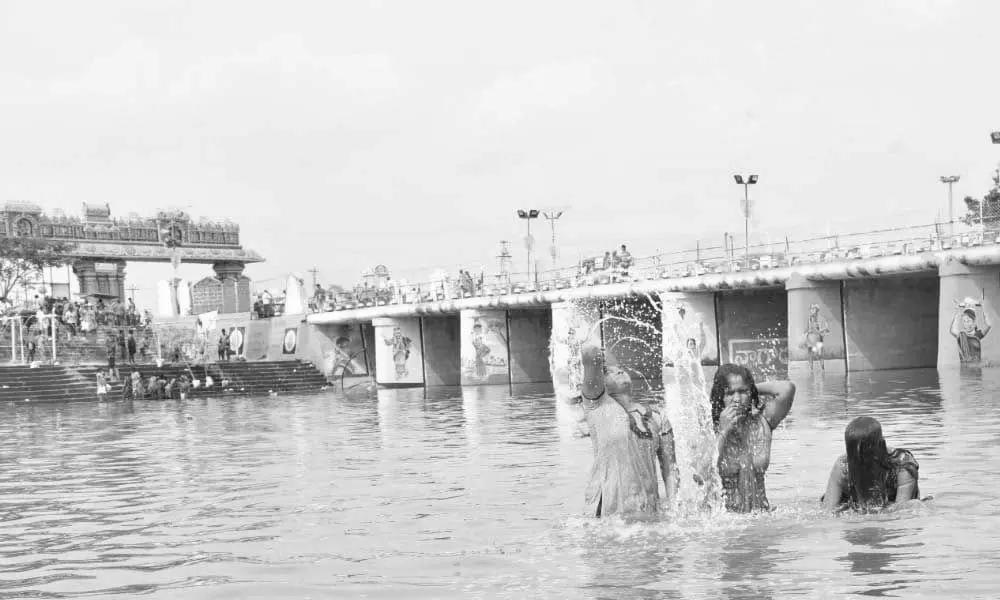
Jampanna Vagu is a tributary of the River Godavari. According to history, Jampanna is the tribal warrior and the son of the tribal goddess Sammakka. Jampanna Vagu took his name as he died in a battle fighting against the Kakatiyan army in the stream. The Jampanna vagu is still red, marked with the blood of Jampanna, though scientifically the red colour of the water is attributed to the soil composition. Tribals believe that taking a holy dip in the red water of Jampanna Vagu reminds them of the sacrifice of their Gods who will save them and also induces courage into their souls. There is a bridge constructed on top of Jampanna Vagu, known as Jampanna Vagu Bridge.

At the heart of the Medaram Jatara are the sacred rituals and traditions that define the festival’s essence. From the ceremonial installation of the gaddelu—wooden poles adorned with sacred symbols—to the ritualistic offering of jaggery and bangaram (jaggery and gold) at the feet of the deity, each gesture is imbued with deep spiritual significance.

The first day of the festival is celebrated as the arrival of Saralamma onto the Medaram Gaddhe or platform. Saralamma was the daughter of Sammakka. Saralamma is installed in a temple at Kannepalli, a small village near Medaram. In the morning pujaris perform pujas secretly. The unmarried women and men, those who want to have children and those who are suffering from diseases perform special pujas to Saralamma on this day. The villages of Kannepalli perform Aarti and organise a grand farewell to Saralamma. From there, the idol of Saralamma is brought to Medaram Gaddhe through the Jampanna Vaagu and after arriving at the Gaddhe, Saralamma is worshipped with special pujas and other rituals.

Day 2 of the Jathra is celebrated as the arrival of Sammakka on the Medaram Gaddhe. Sammakka is welcomed amidst the official homage from the police and government. On this day, pujaris bring bamboo sticks and place them on the Gaddhe. Amidst the protection and official homages of police, Pujaris bring Sammakka to the Gaddhe. Sammakka is usually installed at Chilukala Gutta in the form of a Kumkuma Bharina. Sammakka is the presiding deity of Medaram Sammakka Saralamma Jathara At Chilukala Gutta, as the indication of the arrival of Sammakka, the district Superintendent of Police fires his gun thrice in the air and inaugurates the bali to please Sammakka. Amidst the slogans praising Sammakka, pujaris bring the deity onto Gaddhe.

On the 3rd day of the Medaram Jathara, devotees and pilgrims can finally have a glimpse of their beloved deities. After taking a bath in the Jampanna Vaagu, devotees visit the Goddesses and offer various offerings to Sammakka and Saralamma. Women offer Odi Biyyam or sacred rice and saare which is a combination of necessary daily items to the Goddesses. The third day is the busiest one among the four festival days. The important offering in Sammakka Sarakka Jathara is Bangaram or jaggery which is offered as gold to the Goddesses.

The 4th day, which is the last day of the jathra is celebrated as Vana Pravesham of Sammakka and Sarakka. After getting worshipped the goddesses return to the forest. The day marks the conclusion of the 4-day Sammakka Saralamma Jathara. The same security and the official homage they have got while arriving on the platform are paid to the Goddesses while returning to the forest.

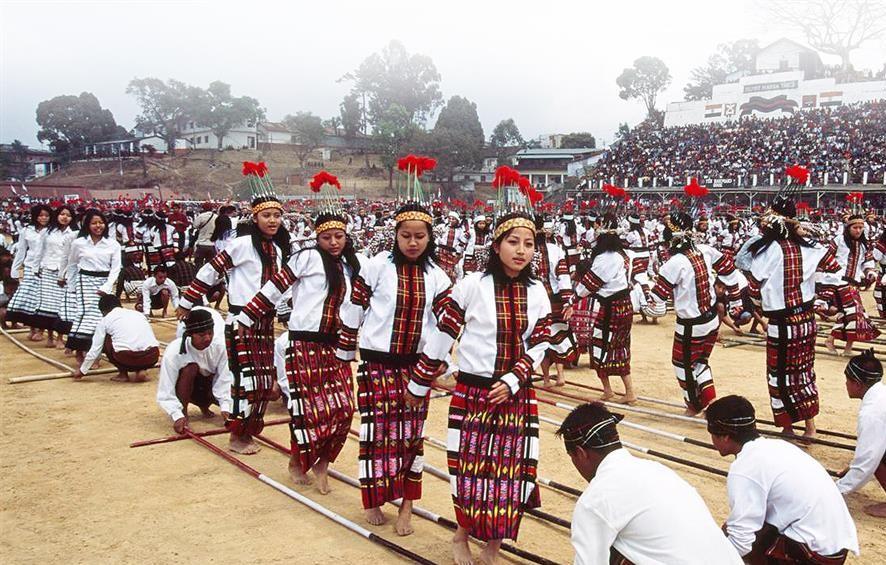
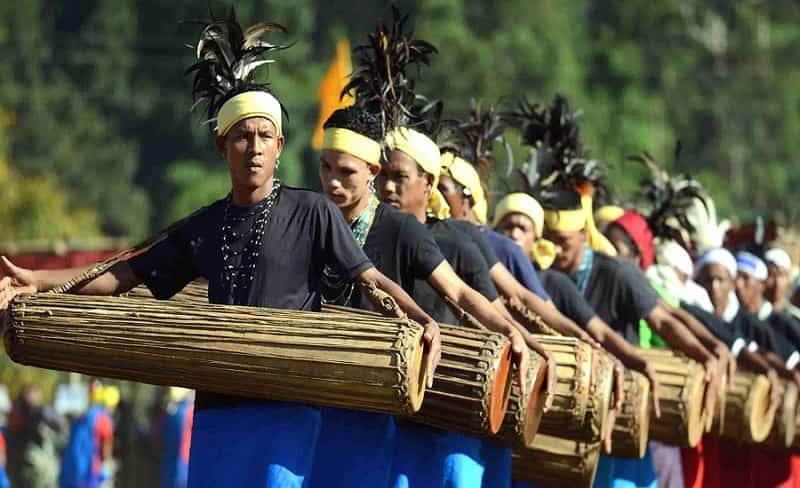
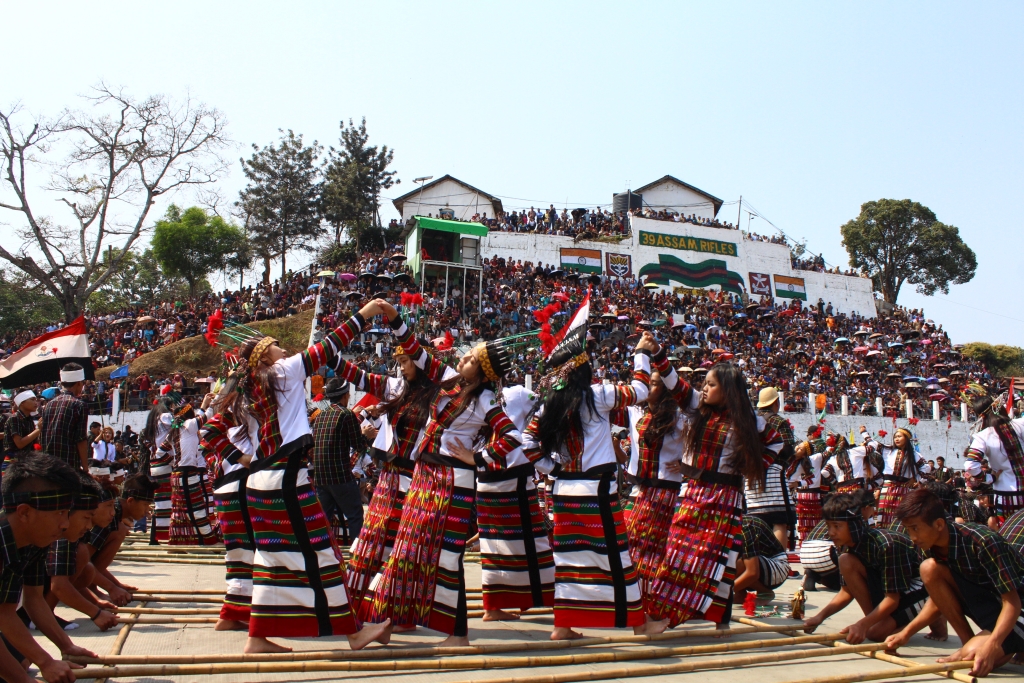
The Medaram Jatara is not just a religious pilgrimage but a celebration of Telangana’s rich cultural heritage. Traditional folk dances, music performances, and theatrical presentations captivate audiences, transporting them to a bygone era of rustic charm and rural splendour. In recent years, efforts have been made to promote environmental sustainability and conservation during the festival. Initiatives such as waste management, water conservation, and tree plantation drives aim to mitigate the ecological impact of the massive congregation while preserving the natural beauty of the surrounding landscape.

With the growing influx of pilgrims and visitors, there is a pressing need for infrastructure development to accommodate the increasing footfall. Investments in road networks, sanitation facilities, and accommodation options can enhance the pilgrim experience while ensuring the sustainable growth of the festival. As the Medaram Jatara embraces modernity, there is a delicate balance to be struck between tradition and innovation. Efforts must be made to preserve the authenticity of the festival’s rituals and traditions while embracing opportunities for cultural exchange and enrichment.

The Medaram Jatara stands as a symbol of faith, resilience, and cultural identity. In an era of rapid change and upheaval, the festival stands as a testament to the enduring spirit of the tribals of not just Telangana, but also the neighbouring states.

Festivals of India: Marleshwar Yatra Sangameshawar

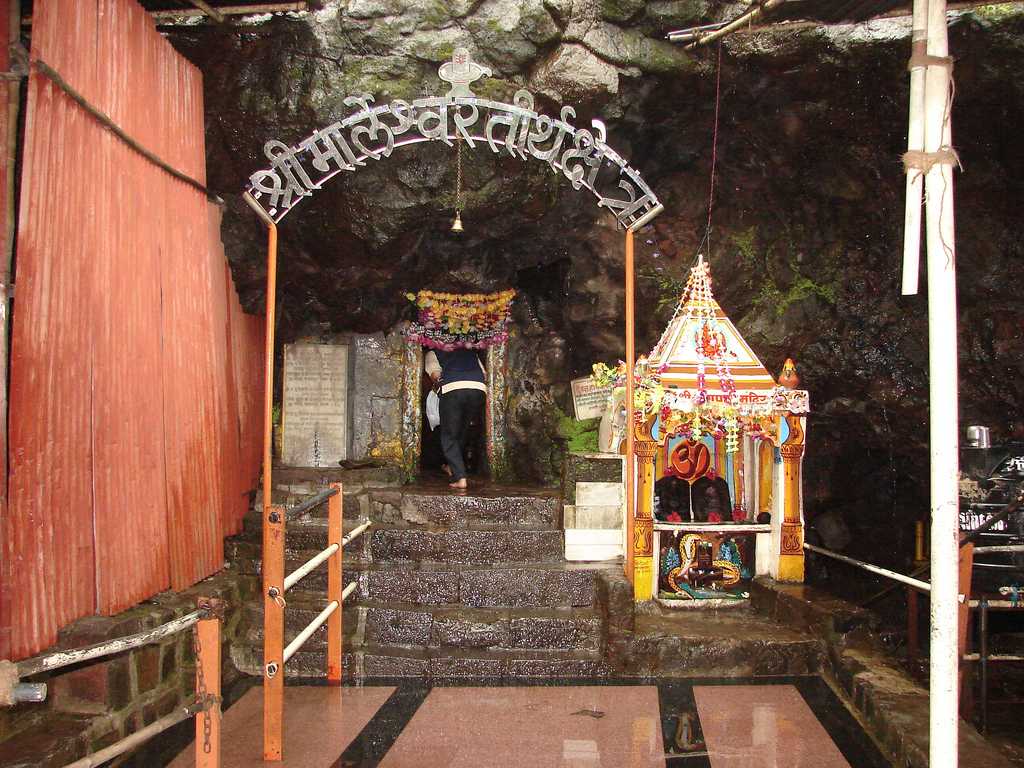
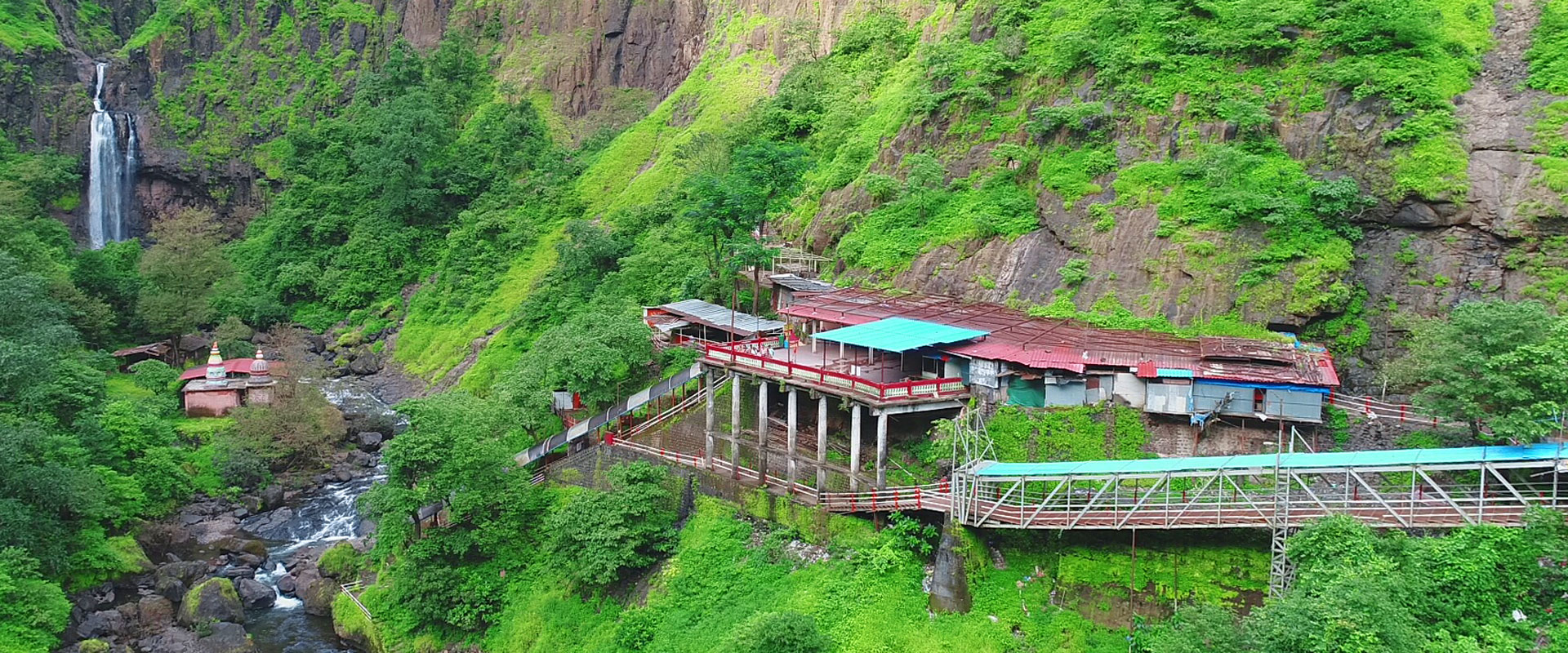
Nestled amidst the emerald embrace of the Sahyadri Mountains in Maharashtra, India, lies the ancient cave temple of Marleshwar, a hallowed sanctuary dedicated to Lord Shiva. The Marleshwar Yatra Sangameshwar is a unique pilgrimage that converges at the sacred confluence of the Marleshwar and Sangameshwar rivers. Located in Sangameshwar in Ratnagiri in the state of Maharashtra, the temple has 300–400 steps, which need to be climbed to reach the cave where the temple is located and has a small viewing platform from which the magnificent Dhareshwar Waterfalls can be admired. Surrounded by the Sahyadri range and the Dhareshwar Waterfalls, the temple has treacherous yet exhilarating pathways and its natural environment makes it a nature lover’s getaway destination. Marleshwar’s name may have been inspired by Maral village.

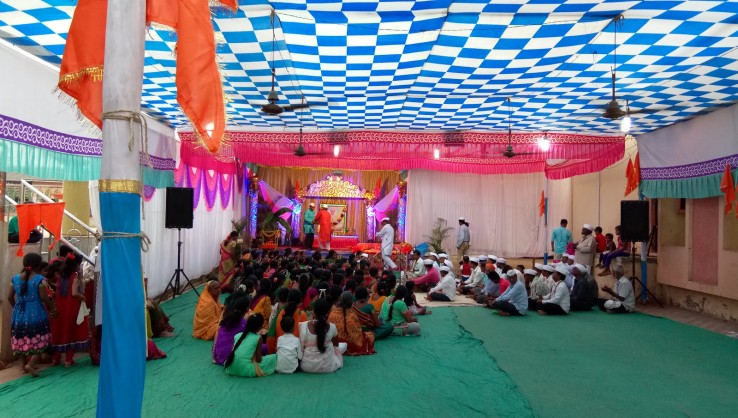
Every year on the day of Makarsankranti, on January 15, the temple witnesses the marriage of Marleshwar and Girijadevi. This two-day festival, steeped in myth and vibrant tradition, celebrates the divine union of Lord Marleshwar, or Lord Shiva and Goddess Girija Devi, or Goddess Parvati. In a tapestry woven with threads of faith, folklore, and the raw beauty of nature, the celebration draws thousands of devotees from across the country.

Legend has it that Marleshwar is associated with the sage Parashurama, an avatar of Lord Vishnu. Devotees believe that Parashurama, in search of penance and solitude, created the Marleshwar Linga at this location. The Sangameshwar River, a tributary of the Shastri, flows nearby, adding to the spiritual aura of the site.

The legend behind the yatra is as captivating as the landscape itself. It’s said that Lord Shiva, disguised as a hunter, fell in love with a beautiful cowherd named Girija. Impressed by his strength and unwavering resolve, Girija’s father, King Daksha, agreed to their marriage on the condition that Shiva complete a series of arduous tasks. Undeterred, Shiva conquered each challenge, and the sacred union was blessed.

The Marleshwar Yatra celebrates this divine marriage, with the temple becoming a symbol of their eternal bond. The cave itself, formed by a natural spring, adds a mystical touch to the experience. The ancient carvings and sculptures adorn the walls, whispering stories of faith and devotion, while the gentle flow of the spring water creates a soothing ambience.

The most unusual phenomenon related to the Marleshwar Temple, which also makes it extremely popular among pilgrims, is the presence of cobra snakes in the temple complex. It is widely believed that Lord Shiva lived here with these snakes. Legend says that these snakes are harmless and do not bite the visiting pilgrims and one can even touch them if they want to. So far, there have been no reports or incidents involving the snakes, and this occurrence makes the temple extremely renowned among devotees. The sighting of these cobras has, however, reduced drastically over the past few years because tourists tend to annoy or scare away the snakes.

The Yatra transcends a mere religious event; it’s a vibrant explosion of colours, music, and cultural immersion. The air thrums with devotional chants and the rhythmic beats of drums. Devotees adorned in their finest attire offer prayers and seek blessings from the deities. The surrounding fairground comes alive with a kaleidoscope of stalls selling traditional handicrafts, sweets, and souvenirs. Cultural performances like dance dramas depicting the story of Shiva and Parvati add to the festive spirit, filling the atmosphere with captivating narratives. There are also fairs on Mahashivratri and Tripuri Poornima.

The journey to Marleshwar itself is an adventure in its own right. Nestled amidst verdant forests and cascading waterfalls, the path to the temple winds its way through breathtaking scenery. The air is crisp and invigorating, and the sounds of nature create a symphony of their own. The trek to the cave temple, although challenging, is a rewarding one, offering panoramic vistas of the surrounding Konkan region. For those seeking a deeper connection with nature, the yatra provides an opportunity to explore the surrounding beauty. The cascading Dhareshwar waterfall, a short distance from the temple, offers a refreshing respite. Adventure enthusiasts can trek further to explore nearby forts and ancient caves, each whispering tales of a bygone era.

Central to the Marleshwar Yatra Sangameshwar is the unwavering faith and devotion of the pilgrims. The act of undertaking this pilgrimage is not merely a tradition; it is an expression of deep-rooted belief and commitment to spiritual growth. Pilgrims approach the yatra with humility, surrendering to the divine forces that guide their journey.

While the Marleshwar Yatra Sangameshwar embodies the timeless traditions of Maharashtra, it is not immune to the challenges of the modern era. Environmental conservation, infrastructural development, and the preservation of cultural authenticity pose complex challenges. Efforts are underway to strike a balance between preserving the sanctity of the pilgrimage and adapting to the needs of the contemporary world. Conservation initiatives, awareness campaigns, and community involvement play crucial roles in ensuring the sustainable continuation of this sacred tradition.

For those who undertake the yatra, it is a transformative experience—a journey that transcends the physical and delves into the spiritual. The Marleshwar Yatra Sangameshwar is more than a pilgrimage; it is a celebration of faith, community, and the timeless connection between humans and the sacred landscapes they traverse.

Festivals of India: Theyyam

Rooted in some parts of Karnataka and Northern Kerala’s folklore and traditions, Theyyam is an ancient ritualistic dance form that transcends the boundaries between the divine and the earthly and is performed to honour the heroes and ancestral spirits. Also known as Kaliyattam or Tira, the dance is performed in various places in North Malabar annually between December and April. In Kerala, Theyyam is performed predominantly in the North Malabar region, consisting of present-day Kasargod, Kannur Districts, Mananthavady Taluk of Wayanad and Vadakara and Koyilandy Taluks of Kozhikode. A similar custom known as Bhuta Kola is followed in the Tulunadu region of neighbouring Karnataka. It is also performed each day at the Parassini Kadava Sri Muthappan Temple in Kannur. The people of the region consider Theyyam itself a channel to a god and they thus seek blessings from Theyyam.

Theyyam, believed to have been derived from the word Daivam, meaning God, is based on the belief that immortal spirits enter mortal bodies to perform a ritual dance of divine revelation. Theyyam may have its origins from ancestor worship. It has been observed that a vast majority of the Theyyam deities have their origin from people who were in the backward castes of the Kerala’s caste system. The ancestor worship ritual was later evolved into the elaborate dance ritual that is seen nowadays. Incorporating many other local beliefs. The spectacular varieties of Theyyam performances are possible using elaborate facial make-up, captivating headgear, special costumes, and unique ornaments. Theyyams are staged in various temples of Malabar, usually in front of the village shrine, with regularity each year. As performances are on an open stage, they can also be showcased in traditional Malabar households during festive or special occasions.

One fascinating aspect of Theyyam is its year-round occurrence, with different deities taking center stage during specific seasons. The festival follows a cyclical pattern, aligning with the agricultural calendar and reflecting the symbiotic relationship between nature and culture. This perpetual celebration ensures that the spirit of Theyyam is woven into the fabric of daily life. Theyyam season starts from the tenth day of the Malayalam month of Thulam that usually falls during October, and known as paththaam-udayam and lasts up to seven months till the middle of Edavam month, typically late May and June. The last Kaliyaattam for the season is performed at Madayi Kavu and Kalarivathukkal Bhagavathy Temple, both being the family shrines of the Kolathiri royal family. The performers, known as Theyyam artists or Vellattam, transform into deities, donning elaborate costumes, vibrant makeup, and intricate headgear. Through their mesmerizing movements, the artists channel the spirit of the gods, embodying them for a brief yet profound interaction with the community.

Source

The dance form incorporates dance, music, and mime and is believed to be distinguished into 400 forms, each with its own unique style, make-up, costumes, songs, and choreography. The most prominent Theyyams are the Pottan, Gulikan, Bhagavati, Kari Chamundi, and Raktha Chamundi. The ornamental decorations, size, and appearance of the performers are also worth noticing. The festival dates to the Dravidian age and is said to be part of the ancient tribal culture of Kerala.

There are about 456 types of Theyyams documented. Theyyam is mainly performed by males, except for the Devakkoothu Theyyam; the Devakkoothu is the only Theyyam ritual performed by women. Devakoothu is performed only in the Thekkumbad Kulom temple. In Kasaragod and Kannur districts, this ritual art is mainly performed in the kavus, or temples or ancestral houses, of the Thiyyar, Nambiar, Vaniyar, and Maniyani communities.

The preparation for a Theyyam performance is an elaborate process that involves various rituals and ceremonies. The artists, traditionally belonging to specific communities, undergo a period of purification and isolation before embodying the deity. The ritual begins with the invocation of the divine, accompanied by traditional music and chanting. As the rhythm intensifies, the Theyyam artist enters a trance-like state, connecting with the deity’s spirit. This transformative process is a sacred and highly respected undertaking, emphasizing the spiritual essence of Theyyam. The makeup, a vital aspect of Theyyam, transforms the artists into divine beings. The striking red and black hues, coupled with bold facial expressions, bring the gods to life in a way that captivates the audience and communicates the deity’s energy and character.

According to some experts, all the prominent characteristics of primitive, tribal, and religious worship had widened the stream of Theyyam, where even the followers of Islam are associated with the cult in its functional aspect and made it a deep-rooted folk religion of millions. Besides this, practices like spirit worship, ancestor worship, hero worship, masathi worship, tree worship, animal worship, serpent worship, the worship of the goddesses of disease and the worship of Gramadevata or the village deity, are included in the mainstream of the Theyyam. Along with these gods and goddesses, there exist innumerable folk gods and goddesses. Most of these goddesses are known as Bhagavathy. Theyyam showcases a diverse pantheon of deities, each with its own unique attributes, stories, and rituals. Some of the prominent deities include Vishnumoorthy, Muchilottu Bhagavathi, Raktha Chamundi, and Kari Chamundi, among many others. Each deity represents different aspects of the divine, from benevolence and protection to power and ferocity. Different branches of mainstream Hindu religion, such as Shaktism, Vaishnavism and Shaivism, now dominate Theyyam. However, the forms of propitiation and other rituals are continuations of a very ancient tradition.

Music is an integral part of the Theyyam performance, enhancing the immersive experience for both the artists and the audience. Traditional instruments like Chenda, Elathalam, and Kuzhal contribute to the rhythmic and melodic accompaniment, creating an atmosphere charged with spiritual energy. The beats of the chenda resonate deeply, complementing the dancers’ movements and adding a layer of intensity to the ritual.

Out of devotion, ruling clans established their own shrines and Kavus for Theyyam deities, where non-Sattvic rituals and customs are observed. The goddesses like Rakteshwari, Chamundi, Someshwari, and Kurathi, and the gods like Vishnumoorthi, are propitiated in these household shrines. There, the Theyyam dancers appear during the annual festivals of gods and goddesses. The rituals in such shrines are different from those of the Brahmanical temples. The impact of this cultural fusion could be traced to social organisation based on the caste system and agrarian relations. The invitation of Brahmin Thanthri to consecrate the idols of Kavu is a recent development.

The dance or invocation is generally performed in front of the village shrine. It is also performed in the houses as ancestor-worship with elaborate rites and rituals. There is no stage or curtain or other such arrangements for the performance. The devotees would be standing or some of them would be sitting on a sacred tree in front of the shrine. In short, it is an open theatre. Performance of a particular deity according to its significance and hierarchy in the shrine continues for 12 to 24 hours with intervals. The chief dancer who propitiates the central deity of the shrine must reside in the rituals. After sunset, this dancer would not eat anything for the remainder of that day. His make-up is done by specialists and other dancers.

The first part of the performance is usually known as Vellattam or Thottam. It is performed without proper make-up or any decorative costume. Only a small, red headdress is worn on this occasion. The dancer along with the drummers recites the ritual song, which describes the myths and legends, of the deity of the shrine or the folk deity to be propitiated. This is accompanied by the playing of folk musical instruments. After finishing this primary ritualistic part of the invocation, the dancer returns to the green room. Again, after a short interval, he appears with proper make-up and costumes. There are different patterns of face painting. Some of these patterns are called vairadelam, kattaram, kozhipuspam, kottumpurikam, and prakkezhuthu. Mostly primary and secondary colours are applied with contrast for face painting. The dancer comes in front of the shrine and gradually metamorphoses into the deity of the shrine. The performance signifies the transitional inversion, reversal, and elevation of status denoting the anti-structural homogeneity of Theyyam. He, after observation of certain rituals places the head-dress on his head and starts dancing.

In the background, folk musical instruments like chenda, tudi, kuzhal and veekni are played in a certain rhythm. All the dancers take a shield and kadthala or sword, in their hands as a continuation of the weapons. The dancer then circumambulates the shrine, runs into the courtyard and continues dancing there. The Theyyam dance has different steps known as akalaasamsms. Each Kalasam is repeated systematically from the first to the eighth step of footwork. A performance is a combination of playing of musical instruments, vocal recitations, dance, and peculiar makeup, usually predominantly orange, and costumes. The Kathivanoor Veeran Theyyam is one of the most famous Theyyams in Kerala.

As with many traditional art forms, Theyyam faces challenges in the modern era. Economic pressures, changing social dynamics, and the impact of globalisation pose threats to the sustainability of this ancient ritual. However, efforts are underway to preserve and promote Theyyam, both within India and on the global stage. Cultural enthusiasts, scholars, and artists collaborate to ensure that Theyyam’s flame continues to burn brightly.

Festivals of India: International Sand Art Festival

The International Sand Art Festival, held annually from November 24 to December 1, in Odisha, is a testament to the boundless creativity of artists who craft delicate sculptures from the most humble of materials—sand. This unique festival, which takes place on the shores of Chandrabhaga Beach in Konark, has been captivating the hearts of visitors and art enthusiasts from around the world since its inception. This annual event transforms ordinary grains of sand into magnificent masterpieces of creativity and imagination.

The festival is set against a stunning backdrop—Chandrabhaga Beach. Known for its pristine beauty and tranquil ambience, this beach, nestled in the coastal town of Konark with its golden sands, provides the perfect canvas for the artists’ sand sculptures to come to life.

At the heart of the International Sand Art Festival lies the legacy of one man, Sudarsan Pattnaik. A renowned sand artist hailing from Odisha, Pattnaik has not only earned international acclaim for his sand sculptures but has also been a driving force behind the festival’s inception and continued success.

The International Sand Art Festival began as a modest local event in Puri, Odisha, in the early 1990s, primarily showcasing the talents of Sudarsan Pattnaik and his students. Over the years, it grew in stature, attracting sand artists from India and beyond. In 2011, the festival found its current home on Chandrabhaga Beach, offering artists a larger canvas and a stunning coastal backdrop.

Each year, the festival adopts a specific theme, guiding artists to create sculptures that resonate with the chosen motif. Themes have ranged from environmental conservation to cultural heritage, and artists draw inspiration from a wide array of sources.

Artists begin with an empty patch of sand, meticulously sculpting their visions using only sand and water. The delicate nature of the medium demands precision and patience, as sculptors must work quickly before the sand dries. The festival showcases a diverse range of sculptures, from intricate figurines and lifelike portraits to towering structures that seem to defy gravity. The level of detail that artists achieve with grains of sand is nothing short of awe-inspiring. Alongside local talents like Sudarsan Pattnaik, the festival often attracts renowned sand artists from around the world. Their participation adds an international flair to the event, fostering cross-cultural exchange and artistic collaboration.

In 2023, the International Sand Art Festival will embrace the theme of “Celebrating Cultural Heritage.” This theme invites artists to explore and depict the rich tapestry of cultural diversity that defines India and the world. Through their sand sculptures, artists pay homage to the traditions, rituals, and artistic expressions that have shaped our collective heritage.

The theme highlights the importance of preserving and celebrating cultural heritage in a rapidly changing world. It serves as a reminder that our past informs our present and shapes our future. By showcasing the cultural heritage of different regions and communities, the festival encourages dialogue and understanding among people from diverse backgrounds. It fosters an appreciation for the beauty of our shared human heritage. Sand art transcends language barriers, allowing artists to communicate complex cultural narratives through their sculptures. It demonstrates the power of art to convey messages and emotions across cultures. The theme inspires artists and visitors alike to reflect on the significance of their cultural backgrounds and the contributions of diverse cultures to our global society.

The festival plays a pivotal role in promoting art and culture, not only in Odisha but on a global scale. It showcases the immense artistic talent of sand sculptors and fosters an appreciation for the arts. The festival draws tourists from all over the world, benefiting the local economy and supporting tourism-related businesses in Odisha. It serves as a platform for cultural exchange, allowing artists from different parts of India and the world to come together, share their perspectives, and learn from one another. The festival engages the local community in various ways, from providing opportunities for local artisans to showcase their crafts to offering art workshops for children.

The International Sand Art Festival, with its mesmerizing sculptures and cultural celebrations, reminds us of the power of art to bridge divides, celebrate diversity, and inspire generations. In the delicate grains of sand sculpted into intricate forms, we find not only beauty but also a profound message – that creativity knows no bounds and that cultural heritage is a treasure to be cherished and shared.

Festivals of India: Chemrey Wangchok Festival

Over the weekend, enchanting Ladakh celebrated the festival of Chemrey Wangchok. Often referred to as “Little Tibet”, Ladakh is renowned for its stark yet mesmerizing landscapes, monasteries perched atop rugged mountains, and a culture that seamlessly blends Tibetan Buddhism with the natural beauty of the region.

Also known as the Chemrey Angchok Festival, the Chemrey Wangchok Festival is one of Ladakh’s most cherished cultural events. Held at the Chemrey Monastery, which is perched dramatically on a hilltop overlooking the Indus Valley, this festival offers a window into the spiritual and cultural heart of Ladakh.

The Chemrey Wangchok Festival is celebrated on the 28th and 29th day of the ninth month of the Tibetan lunar calendar, which this year was this weekend, 11 and 12 November. Typically falling in November or December in the Gregorian calendar, the festival marks the victory of good over evil and the ultimate triumph of the Buddhist teachings. Chemrey Monastery’s white-washed walls glisten brilliantly against the clear blue Ladakhi skies, and the aura of serenity envelops this sacred site. It’s a place where time seems to stand still, and every stone whispers stories of devotion.

The festival kicks off with the Cham dance, a traditional masked dance performed by the resident monks. This intricate and colourful performance reenacts ancient Buddhist stories and teachings, inviting the audience to contemplate their deep meanings. Beyond the visual spectacle of the Cham dance, the Chemrey Wangchok Festival provides an opportunity for spiritual teachings and reflections. Monks share wisdom and insights, guiding attendees on a journey of self-discovery and enlightenment.

The air reverberates with the soothing sounds of traditional Ladakhi music and chants. The melodies played on traditional instruments like Tibetan horns and cymbals, add a mystical and enchanting ambience to the festival. The masked performers, adorned in elaborate costumes representing various deities and supernatural beings, are a sight to behold. Each mask tells a story and adds depth to the festival’s spiritual narratives.

Throughout the Chemrey Wangchok Festival, offerings are made to deities, symbolising the reverence and gratitude of the people of Ladakh. These rituals serve as a reminder of the deep connection between the spiritual and everyday lives of the locals.

Chemrey Wangchok is a testament to Ladakh’s commitment to preserving its rich cultural heritage. It serves as a reminder of the importance of passing down traditions and rituals from one generation to the next. The festival offers a moment of pause in our busy lives, inviting us to reflect on the deeper aspects of existence. It encourages introspection, mindfulness, and a connection with the spiritual dimensions of life. For visitors to Ladakh, the Chemrey Wangchok Festival provides a unique opportunity to engage with the local culture and forge meaningful connections with the Ladakhi people. In a world often divided by differences, this festival reminds us of the power of unity and shared values. It transcends barriers of nationality, language, and background, fostering a sense of oneness among those who attend. The colourful Cham dance and the profound spiritual teachings inspire attendees to seek inner peace, wisdom, and enlightenment in their own lives. It serves as a source of motivation and a reminder of life’s deeper purpose.

In a rapidly changing world, festivals like Chemrey Wangchok play an essential role in preserving cultural heritage, fostering spirituality, and celebrating unity. They remind us of the beauty that lies in tradition and the profound wisdom contained within ancient rituals. Festivals like these offer a respite from our often-hectic lives, inviting us to slow down and reflect on the deeper aspects of our existence. In an era of constant distractions, they serve as a sanctuary for inner peace and self-discovery.

This festival, with its Cham dance, spiritual teachings, and cultural richness, is a radiant celebration of Ladakh’s soul. It reminds us that amid the hustle and bustle of modern life, there are places where tradition thrives, where spirituality is woven into the fabric of daily existence, and where unity is celebrated. The Chemrey Wangchok Festival is a testament to the enduring beauty of Ladakh and the timeless wisdom of its people—a legacy that continues to shine brightly against the backdrop of the Himalayas.