Festivals of India: Behdienkhlam

India is a land of diverse cultures, traditions, and festivals. Every region and state has their special festival and the Behdienkhlam festival holds a special place in the hearts of the people of Meghalaya, the Pnars. This vibrant festival showcases the rich cultural heritage of the region and serves as a testament to the spirit of unity and harmony.

The Behdienkhlam Festival or Chasing away the Demon of Cholera is celebrated annually in July after the sowing period and is the most important dance festival of the Jaintia tribes. This festival is also an invocation to God, seeking his blessings for a bumper harvest. Women however do not participate in the dancing, as they offer sacrificial food to the spirits of their forefathers. The festival held at Jowai is one of the most well-known recreational festivals in Meghalaya. Derived from the Khasi language, Behdienkhlam translates to driving away the plague. Historically, the festival was initiated as a means to ward off epidemics and promote good health and prosperity within the community. Over time, it has evolved into a celebration of unity, agricultural abundance, and the overall well-being of the Khasi people.

The Behdienkhlam festival takes place annually in July, after the sowing of paddy fields and before the harvest season. It spans several days, typically lasting for a week. The festival culminates on the fourth day with the most significant events and rituals.

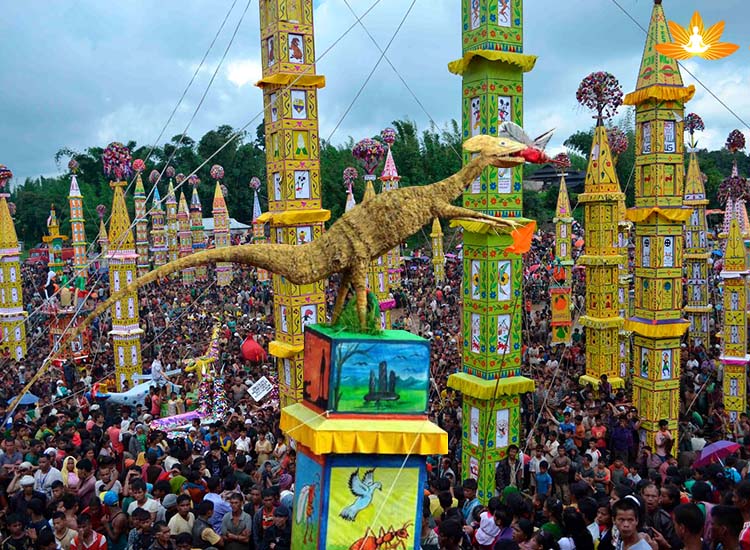
The preparation for the festival begins weeks in advance with the construction of raths or chariots. These elaborately decorated structures are carried by the villagers in a procession, symbolising the collective strength and unity of the community.

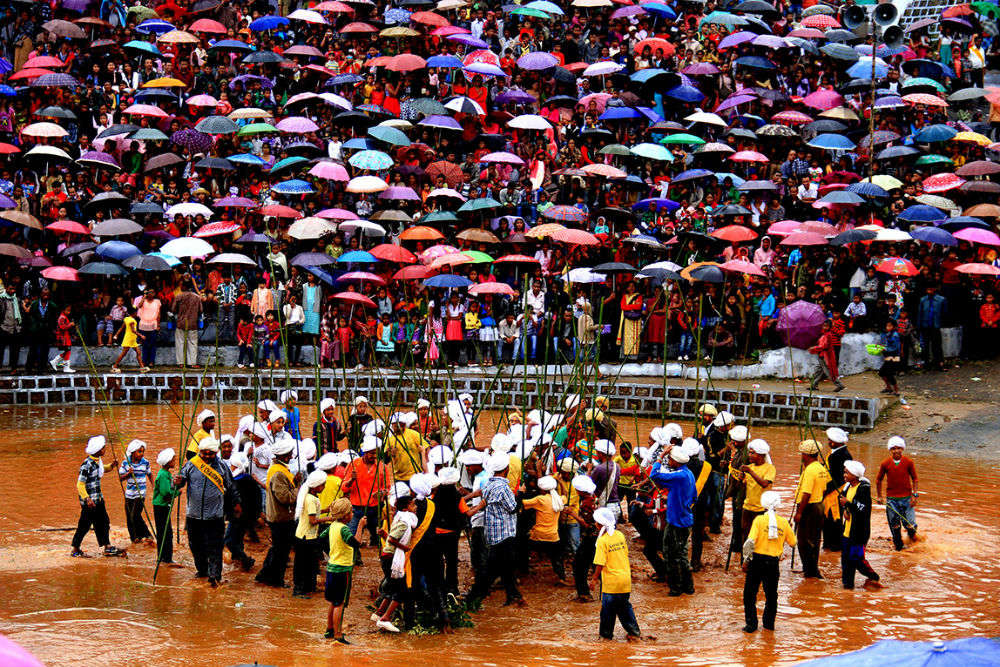
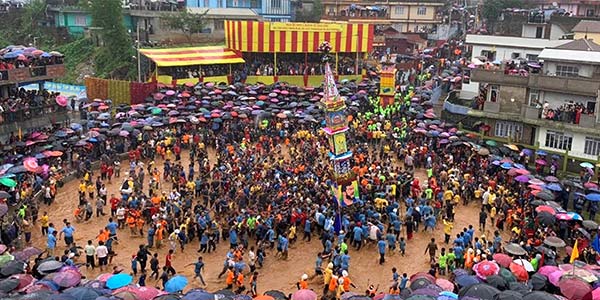
A series of religious rites are being performed by the Daloi or the chief with young men making a symbolic gesture of driving away the evil spirit, plague and disease by beating the roof of every house with bamboo poles. The Pomblang ceremony is a crucial aspect of the festival involving the sacrifice of goats and cocks to appease the deities and seek their blessings. The sacrificial animals are chosen based on specific criteria, and the rituals are performed by designated priests. One of the prominent highlights of the festival is the Nongkrem dance, performed by young men and women from the community. This captivating dance is a rhythmic display of synchronised movements accompanied by traditional musical instruments. It is believed to invoke blessings from the deities for a prosperous harvest season. Behdienkhlam is known for its unique sporting events that reflect the physical prowess and camaraderie of the participants. The most notable among these is the Dewanshah, a game that involves the throwing of a wooden ball and another popular sport is Khnong Lum, a race where participants carry large wooden posts on their shoulders. The climax of the celebration is the fight for a large undressed beam by two groups of people in opposition to each other. This leads to the heavy beam getting across a muddy ditch called Wah-eit-nar and a lot of horseplay enters into this part of the event when mud is smeared by the participants on each other.

On the last day, in the afternoon people would gather in a place called Aitnar and both young and old would dance to the tunes of the pipes and drums. The dancers are highly emotional when tall-decorated structures called rots and wooden post-called khnongs would be brought into the pool with rain expected on the last day of the festival. On the last day, people dressed up in their best attire converge in Mynthong to witness a game similar to football, called dad-lawakor. The game is played with a wooden ball between the Northerners and the Southerners with the side winning the match signifying that in the following year, there would be a bumper harvest in that particular region.

The Behdienkhlam festival is a community-driven celebration that fosters a sense of belonging and solidarity. It brings people together, transcending caste, creed, and social barriers. This collective engagement strengthens the social fabric and reinforces the cultural identity of the Khasi people. The festival plays a crucial role in preserving the indigenous cultural heritage of the Khasi community and serves as a platform for the transmission of traditional knowledge, rituals, and values to younger generations. The festival has also become a major tourist attraction, drawing visitors from across India and around the world. Despite its significance and popularity, the Behdienkhlam festival faces certain challenges in the modern era. Rapid urbanisation, changing lifestyles, and the influence of globalisation have impacted the traditional practices associated with the festival.

Festivals: Vesak Day

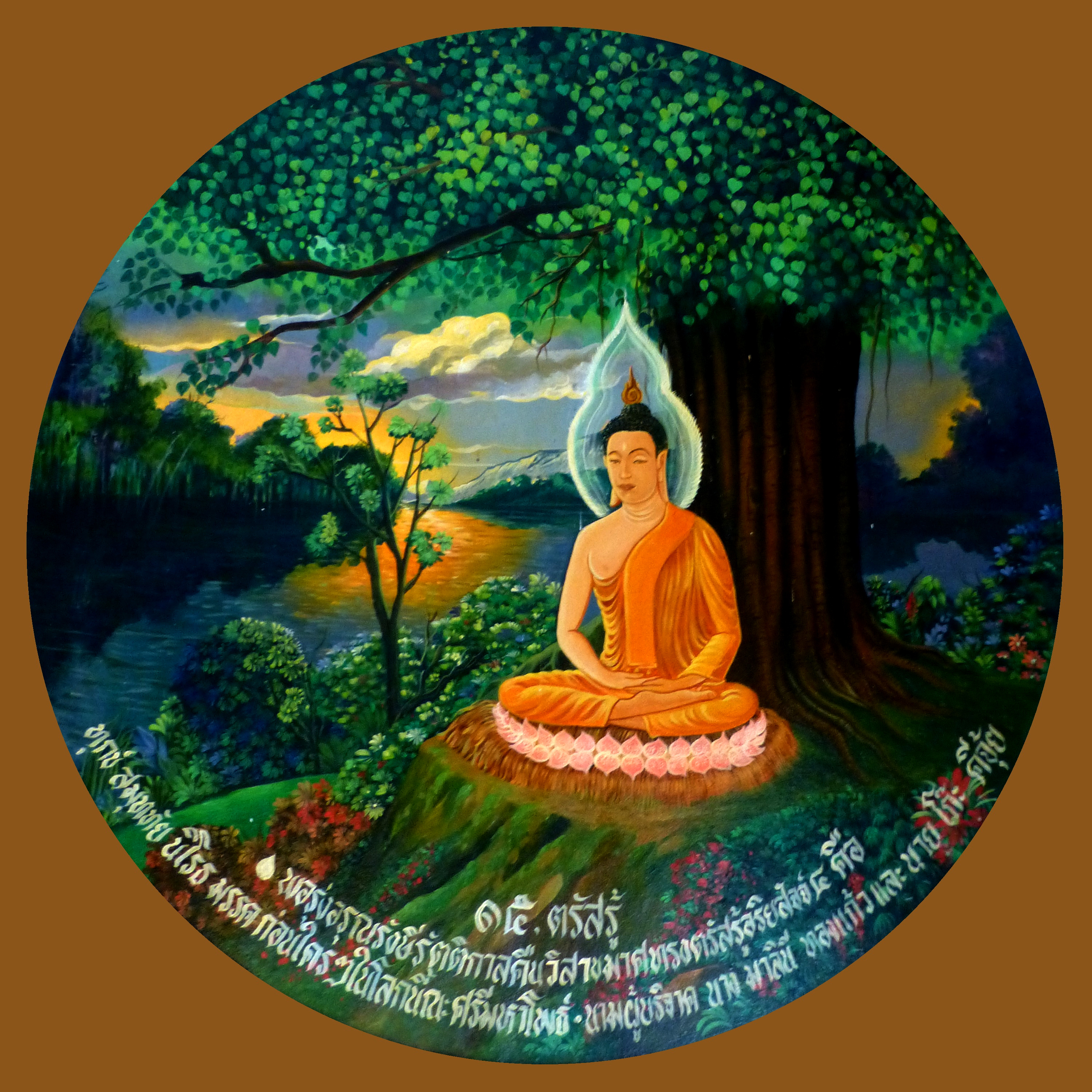
Tomorrow is Vesak Day, also known as Buddha Purnima or Buddha Jayanti, is a significant holiday in the Buddhist calendar. It commemorates the birth, enlightenment, and death of Siddhartha Gautama, also known as Buddha, the founder of Buddhism. The holiday is celebrated on different days in different countries, but it usually falls on the full moon day in May.

The day of Vesak is considered the most sacred day to millions of Buddhists around the world. The origins of Vesak Day date back to ancient India, about two and a half millennia ago, in 623 BC, when Buddha was born in Lumbini, a small town in present-day Nepal. According to Buddhist tradition, Buddha was born on the full moon day in May, attained enlightenment on the same day several years later, and passed away on the same day at the age of 80. These three events are celebrated as Vesak Day.

The celebration of Vesak Day varies from country to country and even within different schools of Buddhism. However, some common practices are observed by most Buddhists on this day.

One of the most important practices on Vesak Day is the offering of alms to monks and nuns. This practice is called dana, which means giving or generosity. Buddhists believe that offering food and other necessities to monks and nuns is a way of accumulating merit, which can lead to a better rebirth or even liberation from the cycle of rebirths. In some countries, such as Thailand, Myanmar, and Sri Lanka, it is customary for laypeople to wake up early and line up along the streets to offer alms to the monks.

Another important practice on Vesak Day is the recitation of the Buddha’s teachings, or sutras which contain the wisdom and teachings of the Buddha, and Buddhists believe that reciting them is a way of showing respect and gratitude to the Buddha. In some countries, people gather in temples to recite sutras together. The lighting of lanterns is also a common practice on Vesak Day as Buddhists believe light symbolises wisdom and enlightenment, and lighting lanterns spreads this wisdom to others. In some countries, such as South Korea and Vietnam, people hang colourful lanterns at home and in public places. Buddhists also engage in acts of kindness and compassion on Vesak Day including donating to charities and volunteering at local hospitals or orphanages.

Vesak Day is a public holiday in many countries with significant Buddhist populations, including Singapore, Sri Lanka, Thailand, Cambodia, Vietnam, and Malaysia. In many of these countries, Vesak Day is celebrated with elaborate ceremonies and processions, which often involve the participation of government officials and other prominent figures.

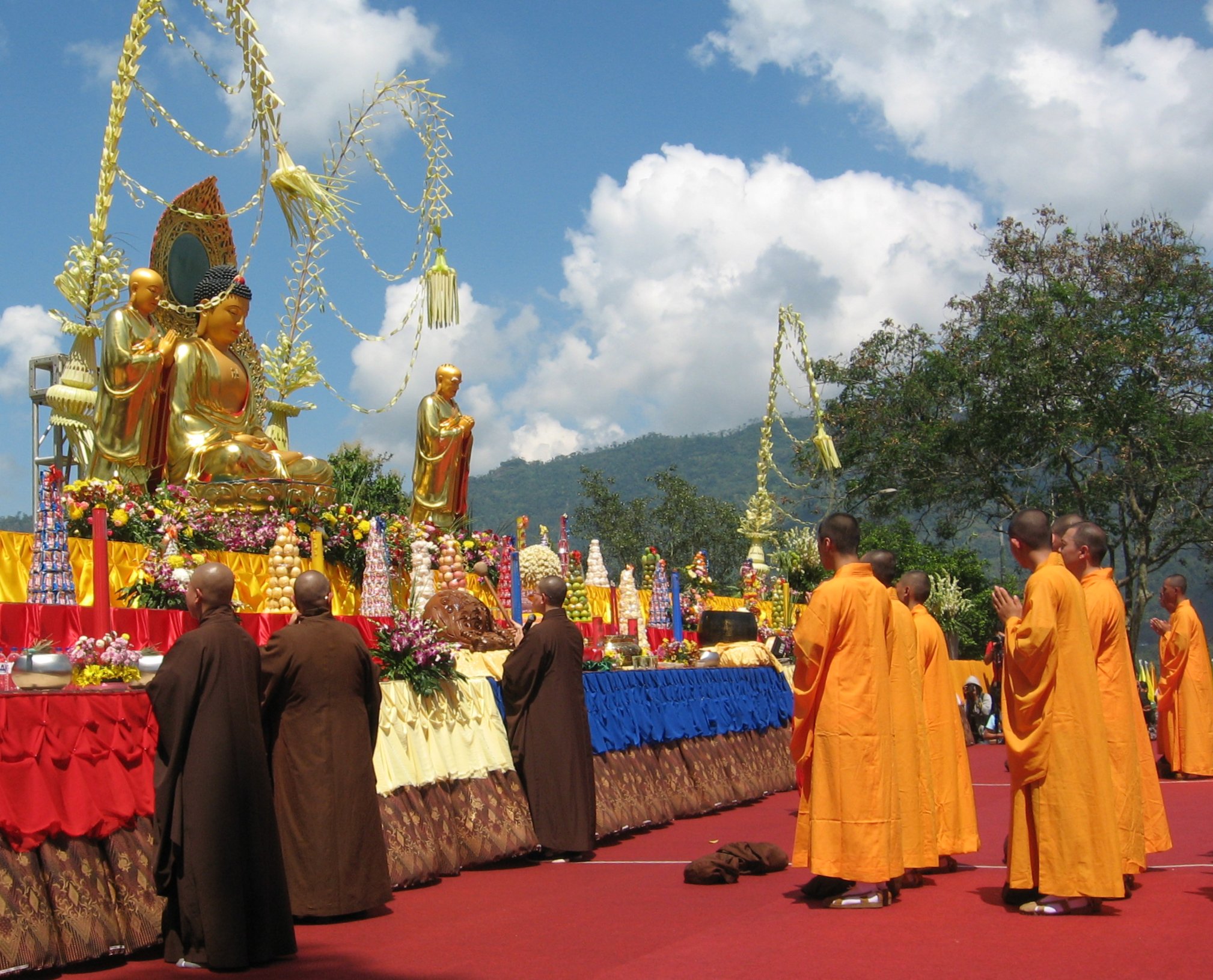
Some common practices observed during Vesak Day include the gold gliding of Buddha statues, the consumption of vegetarian meals, the lighting of oil lamps, the performance of charitable deeds or volunteering, as well as the participation in religious talks by venerable monks. Devout Buddhists will go to temples to attend activities such as chanting scripture, listening to sermons, the three steps one bow and bathing of the Buddha ceremony. The celebration also includes the practices of Giving, Virtue and Cultivation and the doing of good and meritorious deeds.

In Singapore, devout Buddhists will visit their nearest temple, prepare their offerings and engage in many rituals. One of the most popular rituals is the bathing of the Buddha. Worshippers crowd around basins or pools decorated with garlands of flowers and dominated by a small central elevated statue of the child Siddhartha. Ladlefuls of water are scooped from the basin and poured over the statue, in remembrance of the Buddha’s birth. Other common practices include monks chanting and acts of generosity by Buddhist organisations and temples like the freeing of caged birds and animals, and visiting and giving alms to the poor and needy. Silent marches or meditations in the evening end the daylong celebration.

In Sri Lanka, Vesak Day is celebrated as a three-day festival, during which the streets are decorated with colourful lights and people gather in temples to meditate, listen to sermons, and offer alms to monks. In Thailand, people celebrate by visiting temples and offering food and other necessities to monks.

The Four Noble Truths, the cornerstone of Buddhist teaching, include the reality of suffering, which teaches that pain is an intrinsic aspect of life and is produced by the impermanence and instability of all things. The cause of pain is explained as craving and attachment in the truth of the reason of suffering. Attachment to things, people, and ideas, according to Buddhists, causes misery since everything in the world is ephemeral and prone to change. The reality of the cessation of suffering provides hope by teaching that suffering may be terminated by letting go of craving and attachment, the ultimate goal of Buddhist practise, which is attained by gaining Nirvana, the state of perfect peace and liberation from the cycle of rebirths.

The Four Noble Truths, which make up the core of Buddhist doctrine, include the truth of suffering, which believes that all things are ephemeral and unstable and that suffering is an inevitable component of life. The cause of suffering is explained as craving and attachment through the truth of suffering. Buddhists believe that as everything in the world is fleeting and prone to change, attachment to objects, people, and ideas leads to suffering. By demonstrating that suffering could be terminated by letting go of craving and attachment, the ultimate objective of Buddhist practise, and realised by achieving Nirvana, the state of perfect peace and freedom from the cycle of rebirths, the reality of the cessation of suffering offers hope. When considered collectively, the four Noble Truths offer a guide to leading a life that is meaningful and rewarding, free from pain and brimming with wisdom and compassion.

Vesak Day is a day for introspection and contemplation as well as festivity. The deeply significant day is a chance for Buddhists to ponder the Buddha’s teachings and how they might be applied to daily life. It is a time for reflection, renewal, and rededication to the teachings of the Buddha, as well as an opportunity to express gratitude, compassion, and generosity towards others. Vesak Day reminds us that the Buddha’s teachings are still relevant and inspiring today, offering a path towards greater compassion, mindfulness, and inner peace.

Festivals of India – Cheykor Festival

The Cheykor Festival, also known as the Festival of Joy, or the Parikrama of Wisdom is a popular harvest festival celebrated by the people of Arunachal Pradesh. It is observed by the people of the Nyishi tribe, who are one of the major indigenous communities in the state. The festival is a time when people come together to offer their thanks and gratitude to the Gods for the bountiful harvest and good fortune that they have received.

The Festival is celebrated annually to welcome the spring for five days, with each day having a special significance and ritual associated with it. The festival is marked by feasting, dancing, singing, and the exchange of gifts and greetings among friends, relatives, and neighbours.

It is said that Gelong Doyan Tenzing, a monk introduced this festival in the Sherdukpen region. The main theme of the festival portrays the introduction of Chhey or holy ures of Buddhism. Unlike other festivals, the Cheykor festival which probably falls during June is unique to the Shergaon people. Besides carrying the holy Buddhist ures around the village, special prayers are offered to the Phu or deities at various places. The Cheykor celebration at Shergaon village combines the traditional Bon religion with the preaching of Buddhism. The reading of the Kaso or the ancient document and performing rituals at various Chhodam or resting places is an instance. The singing of the Lurjang is done for seeking courage & protection of the villagers from mountain deities. Three community clans, the Aju Lampu Blang, the Chhampu Blang and the Thuksna Blang play a vital role in traditional affairs and also have a traditional educational system where the young generation learns how to be responsible citizens. Active participation of the Abosus or the elders, the Blangpu jomjis or girls and the Makpenpus or boys add flavour to the festival.

The first day of the festival is known as ‘Chindang,’ and it is observed as a day of purification. On this day, people clean their houses, wear new clothes, and prepare special dishes to offer to the Gods. They also light bonfires to purify their surroundings and ward off evil spirits. The second day of the festival is known as ‘Gumkum Gumpa,’ and it is celebrated as a day of merrymaking. People gather in large numbers and participate in traditional dances and songs. They also prepare and share traditional dishes like ‘Apong,’ a local rice beer, and ‘Gyathu,’ a spicy meat dish. The third day of the festival is known as ‘Nyecheon Yullo,’ and it is celebrated as a day of offerings. On this day, people offer prayers and offerings to the Gods for a good harvest, good health, and prosperity. They also visit their relatives and friends to exchange gifts and greetings. The fourth day of the festival is known as ‘Rineng Yullo,’ and it is observed as a day of reconciliation. People come together to forgive each other and bury their differences. They also participate in traditional games and sports like archery, wrestling, and tug-of-war. The fifth and final day of the festival is known as ‘Takhe Takhe,’ and it is celebrated as a day of farewell. On this day, people bid goodbye to the festival and exchange gifts and greetings one last time. They also pray to the Gods to bless them with a bountiful harvest in the coming year.

The Cheykor Festival is not only a celebration of the harvest but also a celebration of the rich cultural heritage of the Nyishi tribe. The festival showcases the traditional costumes, dances, songs, and games of the tribe, and it is a time for the younger generation to learn and appreciate their cultural roots. It is a time for people to come together, forget their differences, and celebrate the joys of life. The festival is a testimony to the resilience and diversity of the people of Arunachal Pradesh and their rich cultural traditions.

Festivals of India: Moatsu Festival

Celebrated by the Ao people of Nagaland, the Moatsü festival is celebrated in the first week of May every year with various rituals performed during this period. The Moatsu Festival is one of the most popular and significant festivals celebrated by the Naga tribe and is a time of great joy and celebration.

The Moatsu Festival is a harvest festival, and it is celebrated after the sowing season is over. The festival provides them with a period of recreation and entertainment after the stressful work of clearing fields, burning jungles, sowing seeds, cleaning up the Tsubu or wells and repairing and constructing houses by the elders of the Putu Menden or the village council, that stretches over a week. The festival also is the beginning of marriages in spring and the ploughing of old and new Jhum fields. The Moatsü festival which runs for three days from 01 to 03 May is marked by peppy songs and dances and is full of merrymaking and fun. The festival aims to invoke the blessings of the almighty after the completion of sowing. During the festival, the villagers come together to clean the village and the surrounding areas, as they believe that this will bring good luck and prosperity to their village.

During this festival, one of the symbolic celebrations is Sangpangtu, where a big fire is lit and men and women sit around it putting on their complete best attire, the womenfolk serve the wine and meat. The village witch doctors forecast whether good or evil days are awaiting the people and the village by the readings of the celebration.

The first day of the festival is known as the ‘Likhümthi’, which means the day of the cleaning of the village. On this day, the villagers clean their houses, the streets, and the village common areas. They also decorate their homes with flowers and other decorations to welcome the guests who will visit their homes during the festival. The second day of the festival is known as ‘Moatsu proper’. On this day, the villagers wear their traditional costumes and gather at the village ground to perform various cultural activities. The men and women dance together, sing traditional songs, and play various musical instruments. The Ao people are known for their traditional warrior dances, which are performed during the festival.

The third and final day of the festival is known as ‘Tsuru Nyekha’, which means the day of feasting. On this day, the villagers prepare traditional dishes and invite their friends and relatives to their homes for a feast. The feast includes a variety of dishes, including smoked pork, dried fish, bamboo shoot, and various other delicacies. The feast is a time for the villagers to bond and strengthen their relationships.

During the festival, one of the symbolic celebrations is Sangpangtu where a big fire is lit and women & men sit around it. The best women serve the best wine and meat and make merry. The forecast is made by the righteous men who live by the guidance of the Almighty to see whether good or evil days are awaiting the people.

The Moatsu Festival is not just a time for celebration, but it is also a time for the Ao people to reinforce their cultural identity. The festival is an opportunity for the villagers to showcase their traditional arts and crafts, such as weaving, wood carving, and beadwork. The festival is also an occasion for young people to learn about their cultural heritage and the traditions of their ancestors.

Source

The Moatsu Festival has a deep spiritual significance for the Ao people when they offer prayers to their gods and goddesses for a bountiful harvest and good health. The Ao people believe that their gods and goddesses will bless them if they perform the festival with sincerity and devotion. The Moatsu Festival is also a popular tourist attraction with many tourists visiting Nagaland during the festival to experience the rich cultural heritage of the state. In conclusion, the Moatsu Festival is a time of great joy and celebration for the Ao Naga tribe in Nagaland, India. It is a time for the villagers to come together and celebrate their cultural heritage. The festival is a time for the Ao people to give thanks to their gods and goddesses for the bountiful harvest that they have received. The festival is not just a time for celebration, but it is also an opportunity for the villagers to reinforce their cultural identity and showcase their traditional arts and crafts. The Moatsu Festival is a unique festival that showcases the rich cultural heritage of the Ao people and is a must-visit for anyone interested in learning about the customs and traditions of the Nagas

Festivals of India – Shirui Lily Festival

The Shirui Lily Festival celebrates the state flower of Manipur and is part of the state’s efforts to develop and implement sustainable and responsible tourism in the state and also to save and increase awareness about the endangered species of Manipur’s Shirui Lily found only in the Shirui Hills. The festival is organized every year around April-May. The 5th edition of the festival will take place between 17 to 20 May at Ukhrul.

In celebration of the stunning and rare Shirui Lily, a beautiful flower that grows only in the region of Shirui Hill in Manipur, the festival is a celebration of the beauty and richness of the local culture and attracts tourists from all over the world to this region.

The festival starts with a parade through the streets of the city, with participants dressed in traditional attire, dancing and singing to the beat of the drum. The parade is led by the Queen of the festival, who is usually a local girl selected for her beauty and grace. The Queen is adorned with a crown made of Shirui Lily, which is a symbol of her royalty and is considered a great honour.

The Shirui Lily grows on top of the Shirui hills in Manipur and cannot be replanted anywhere else in the world. It fills the air with its pleasant fragrance during the blooming season. The festival is observed to spread awareness and conserve the endangered state flower.

Climbing the Shirui hills is one of the most interesting treks in Manipur and a chance to see the rare flower. It is the ultimate treat for nature and adventure lovers.

One of the most fascinating aspects of the Shirui Lily Festival is the display of the Shirui Lily. The flower is considered a symbol of purity and beauty and is used extensively in various rituals and ceremonies. During the festival, the flower is displayed in various forms, such as garlands, bouquets, and arrangements, and is admired by tourists and locals alike. Another highlight of the Shirui Lily Festival is the traditional music and dance performances. The local folk dances, such as the Rasa Dance and the Khamba-Thoibi Dance, are performed with great passion and enthusiasm. The music, which is accompanied by instruments such as the pena and the drum, is a fusion of traditional and contemporary styles and creates a unique and mesmerizing sound.

In addition to the cultural events, the Shirui Lily Festival is also a time for people to come together and enjoy the delicious local cuisine. Events during the festival include live music concerts, folk performances, traditional dances, indigenous games and competitions, art and handicraft exhibitions, ethnic food eateries and various adventure activities like camping, biking and a lot more. Shirock, the musical extravaganza of live music concerts and competitions is one of the major highlights of the festival that attracts a large number of crowds not only from different corners of the state, and even from neighbouring states.

The Shirui Lily Festival is not just a celebration of the beauty of the Shirui Lily, but it is also a celebration of the local culture and heritage. Visitors to the festival can experience the traditional way of life of the people of Manipur, and learn about their customs, traditions, and beliefs. The festival is a time for people to come together and celebrate the richness of their culture and to share it with others.

One of the most unique and exciting aspects of the Shirui Lily Festival is the opportunity to trek to Shirui Hill, where the Shirui Lily grows in abundance. This trek is a challenging but rewarding experience, as visitors can admire the breathtaking beauty of the region and see the Shirui Lily in its natural habitat. The trek is also a great opportunity for adventure enthusiasts, as the route is surrounded by stunning natural scenery and offers a glimpse into the rich and diverse flora and fauna of the region.