Recipes: Phirni

I like to think of Phirni as a sophisticated cousin of the Payasam. Also known as Kheer, Kheeri, Payesh, Payox, Payasam, Phirni is a sweet dish and a type of wet pudding, usually made by boiling milk, sugar or jaggery, and rice, although rice is sometimes substituted with dals, tapioca or vermicelli. It is typically flavoured with desiccated coconut, cardamom, raisins, saffron, cashews, pistachios, almonds, or other dry fruits and nuts and is typically served as a dessert. The word kheer is derived from the Sanskrit word for milk, ksheer and is also the archaic name for sweet rice pudding. The difference as I see between kheer or payasam and phirni is that payasam has whole rice grains cooked in it while Phirni has powdered rice, usually, Basmati added to it. Tasting great both hot and cold, we prefer it cold, but this is a personal preference.

Phirni

Ingredients:

  • ¼ cup basmati rice
  • 1-litre full cream milk
  • ½ cup sugar or as required
  • 10 to 12 almonds, blanched and peeled, keep about a tbsp for garnishing
  • 10 to 12 pistachios, blanched and peeled, keep about a tbsp for garnishing
  • ½ tsp cardamom powder
  • A large pinch of saffron strands
  • 2 tsp rose water

Method:

  • Rinse the basmati rice a couple of times in water. Drain the water and dry the rice by spreading them on a tray or plate. Let the rice dry completely and keep it aside.
  • Grind the rice in a grinder till the consistency resembles fine semolina or couscous and keep the ground rice aside.
  • In a small bowl, add the nuts, add boiling water to it and keep aside for about 30 minutes.
  • After 30 minutes, drain the water and let the nuts cool slightly. Peel the nuts and slice or chop them finely and keep them aside. Keep aside about 1 tbsp each of the almonds and pistachios for the garnish.
  • Heat milk in a thick-bottomed broad pan.
  • When the milk starts to boil, take 1 tbsp of the milk into a small bowl, add in the saffron strands and stir it until the saffron dissolves and the milk becomes a lovely orange colour.
  • Let the milk in the pan reach a rolling boil, lower the heat and add the ground rice. Stir and add the sugar.
  • Cook the ground rice in the milk on low to medium heat on the pan with the pan uncovered and keep stirring at intervals so that the milk is completely lump-free.
  • Add In the cardamom powder, almonds, pistachios, cardamom powder and saffron-infused milk.
  • Stir and cook for another five minutes, or a bit more until the Phirni thickens and the rice granules are softened and cooked completely.
  • Switch off the flame and drizzle the rose water.
  • Garnish it with the reserved chopped nuts and cover tightly and let the Phirni cool down.
  • Once the Phirni is cool, refrigerate until it becomes cold and serve cold as a dessert. It should stay for 2-3 days in the fridge, but I doubt it will last that long!

Recipes: Dahi Dal aka Yogurt Dal

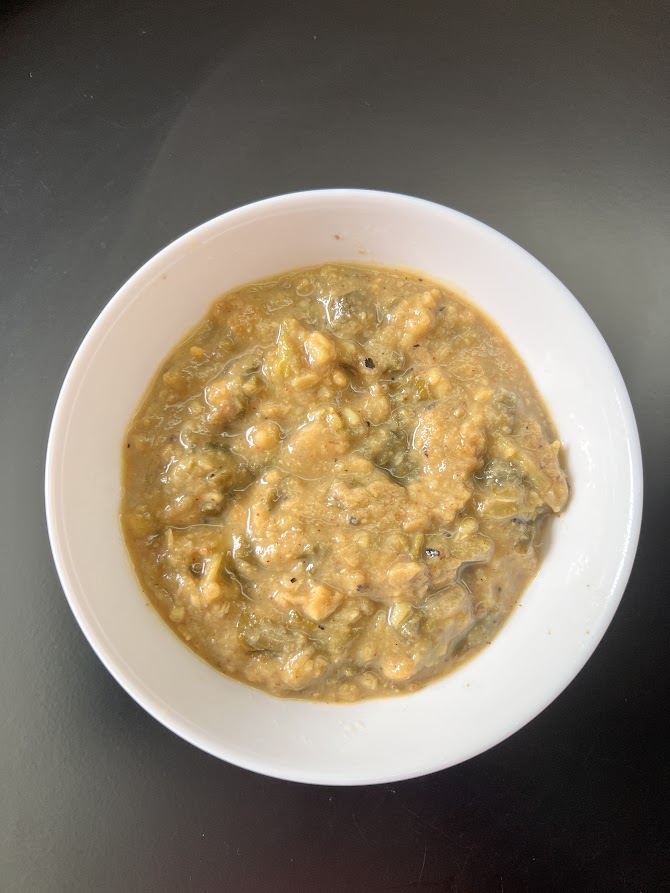
I have been mulling about this recipe ever since I saw something like this on social media. And I recently got a chance to play around with this recipe. I had some leftover dal which was not enough to make an actual dal, I was saving it to make rasam but decided to make this instead. This is actually a very simple recipe and takes hardly any time to make, especially if like me, you already have the prepared dal.

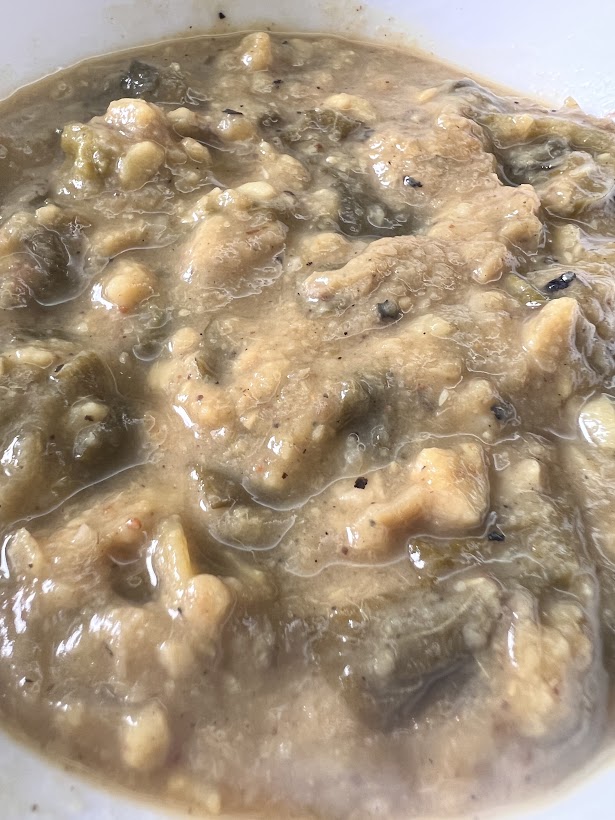
Dahi Dal aka Yogurt Lentils

Ingredients:

  • 1 cup prepared moong or toor dal
  • 1 medium-sized onion, finely chopped
  • 1 cup beaten yoghurt
  • 2 tsp gramflour or besan
  • 1 tsp cumin seeds
  • 2 dried red chillies, broken
  • ¼ tsp turmeric powder
  • ½ tsp ginger paste
  • 1 tsp garlic paste
  • Salt to taste
  • 1 tsp sugar (optional)
  • 1 tbsp ghee or oil
  • 1 tbsp kasuri methi
  • Coriander leaves to garnish

Method:

  • Heat the ghee or oil in a pan and when it warms up, add in the cumin seeds and let the seeds splutter. Then add the dried red chillies and saute for a couple of seconds.
  • Then add in the onions and saute until the onions become translucent.
  • Now add in the ginger and garlic pastes and saute for a couple of minutes.
  • Beat the prepared dal till it is a creamy consistency and pour it in and let it come to a rolling boil.
  • In the meantime beat the yoghurt well with the gram flour so that there are no lumps.
  • When the dal is boiling, slowly add in the yoghurt and stir continuously so that the yoghurt does not start stringing.
  • Add salt and sugar to taste. Add more water to thin it as per preference.
  • Crush the kasuri methi in the palms of your hands and add it to the dal. Garnish with finely chopped coriander leaves and serve hot with rice or rotis.

Recipe: Pineapple Halwa or Pineapple Kesari

One of the simplest sweets, a kesari or Halwa is made of semolina or rava and is usually the go-to sweet in many South Indian households. Very simply put, a kesari is a sweet sweet upma.

The usual way to make a Kesari is to make it exactly like a plain upma and substitute salt with sugar. Most people add a bit of orange colour to get the distinctive orange hue. During Navaratri last year, I decided to make this on one of the days and added pineapple to it to make Pineapple Kesari. Because I didn’t have any colour on hand, I used a bit of saffron which is why my Kesari is pale cream or yellow. If orange or yellow colour is used, it would have a bright yellow colour.

Pineapple Kesari

Ingredients:

  • 1 cup semolina or rava, roasted
  • 1 cup sugar
  • 3 cups water
  • 4 tbsp ghee
  • 12-15 cashewnuts
  • 1 tbsp raisins
  • ¼ tsp cardamom powder
  • 1 tin canned pineapple
  • 1-2 drops natural yellow or orange colour
  • 1 large pinch saffron

Method:

  • Dry roast the semolina until it starts to emit an aroma. If it is already pre-roasted, you just need to dry roast it for a couple of minutes.
  • Boil the water in a kettle or pot and keep aside, letting it be boiling until needed.
  • Heat 2 tbsp ghee in the same pan in which the semolina was roasted and when the ghee becomes warm and fry the cashew nuts until they are golden brown. Drain the ghee and remove to a kitchen towel and keep aside.
  • Fry the raisins for a couple of seconds and remove and keep aside.
  • Keep aside some of the pineapple and chop it into tiny pieces and keep aside. Blend the balance pineapple into a fine puree and keep aside.
  • Heat 2 tbsp ghee and fry the pineapple pieces for a few minutes. Add in the puree and saute covered for about two minutes.
  • Now add the sugar and stir well. Add in the water and let the water come to a rolling boil. Add in any colour if you are using as well as the saffron.
  • Now add the roasted semolina and quickly stir so that there no lumps form. Add in the cardamom powder as well as the fried cashew nuts and raisins and stir constantly so that lumps are avoided. A rule of thumb I use is that to make the kesari slightly watery so that it does not harden as it cools. Once the water has been absorbed, cover and serve hot.

Notes:

  • If the kesari is cold, you can warm it slightly before serving as this sweet tastes better warm rather than cold.
  • If you are not using tinned pineapple, you will need to cook the pineapple pieces for a bit and soften it before adding the semolina.

In My Hands Today…

Banana: The Fate of the Fruit That Changed the World – Dan Koeppel

To most people, a banana is a banana: a simple yellow fruit. Americans eat more bananas than apples and oranges combined. In others parts of the world, bananas are what keep millions of people alive. But for all its ubiquity, the banana is surprisingly mysterious; nobody knows how bananas evolved or exactly where they originated. Rich cultural lore surrounds the fruit: In ancient translations of the Bible, the ‘apple’ consumed by Eve is actually a banana (it makes sense, doesn’t it?). Entire Central American nations have been said to rise and fall over the banana.

But the biggest mystery about the banana today is whether it will survive. A seedless fruit with a unique reproductive system, every banana is a genetic duplicate of the next, and therefore susceptible to the same blights. Today’s yellow banana, the Cavendish, is increasingly threatened by such a blight — and there’s no cure in sight.

Banana combines a pop-science journey around the globe, a fascinating tale of an iconic American business enterprise, and a look into the alternately tragic and hilarious banana subculture (one does exist) — ultimately taking us to the high-tech labs where new bananas are literally being built in test tubes, in a race to save the world’s most beloved fruit.

Recipes: Panchmel Dal

I have mentioned before that dal is an integral part of Indian cuisine and this dal comes to us from the state of Rajasthan. I have been curious about this dal for a while now and when I finally made it, I had to share it.

This dal is usually made from five different types of dal, but you can play with the types of dal and use less than five or more if you want. It usually made from toor dal, moong dal, chana dal, moong dal and black urad dal. The dal becomes quite thick when it cools down so it needs to be made slightly thinner than usual.

Panchmel Dal

Ingredients:

  • ¼ cup toor dal
  • ¼ cup urad dal
  • ¼ cup moong dal
  • ¼ cup masoor dal
  • ¼ cup chana dal
  • ¾ tsp turmeric
  • 3 bay leaves
  • 4 cloves
  • 1 black cardamom
  • 2 tsp cumin seeds
  • 1 dried red chilli
  • 1¼ tsp chilli powder
  • 1 tsp coriander powder
  • 1 tsp cumin powder
  • ½ tsp garam masala
  • 1 tbsp crushed Kasuri Methi
  • 3-4 tbsp ghee
  • 2 dried red chillis
  • 1 tsp ginger garlic paste
  • 2 medium-sized finely chopped onion
  • 2 finely chopped medium-sized tomatoes
  • Salt to taste
  • Finely chopped coriander leaves to garnish

Method:

  • Wash and rinse the dals multiple times. Soak them in hot water for a few hours.
  • Once the dals are soaked, drain the water and transfer the soaked dals to a pressure cooker.
  • Add ½ tsp turmeric powder, ½ tsp salt, 2 bay leaves, 1 tsp ghee and water to cover the dals and pressure cook for about 6-7 whistles.
  • When the pressure reduces, open the pressure cooker, and check if the dals are cooked. Mash lightly and keep aside.
  • In another pan, heat about 2 tbsp ghee and add the balance bay leaf, the black cardamom, 1 tsp tsp cumin seeds and 1 dried chilli.
  • Saute the spices on a low flame until the spices start becoming fragrant.
  • At this point, add the finely chopped onion, and saute until the onions become translucent.
  • When the onions become golden brown, add 1 tsp chilli powder, ¼ tsp turmeric powder, 1 tsp cumin powder and some salt and saute for a while.
  • When the spices have mixed well into the onion paste, add the finely chopped tomatoes and saute until the tomatoes become soft, mushy and start to disintegrate.
  • When this whole mixture starts bubbling, add the cooked dals and mix well adjusting consistency as required.
  • Cover and simmer on a low to medium flame for about 10 minutes or until the flavours are well absorbed.
  • Then add the garam masala, crush the Kasuri Methi in the palms of your hands and add to the dal.
  • In a smaller skillet, heat the balance ghee and add the balance cumin seeds, ¼ tsp chillu powder and the remaining dried chilli and let it splutter.
  • Pour this tempering into the dal, add the coriander leaves and serve hot with rice or Indian flatbreads.