In My Hands Today…

Invitation to a Banquet: The Story of Chinese Food – Fuchsia Dunlop

Chinese was the earliest truly global cuisine.

When the first Chinese laborers began to settle abroad, restaurants appeared in their wake. Yet Chinese has the curious distinction of being both one of the world’s best-loved culinary traditions and one of the least understood.

For more than a century, the overwhelming dominance of a simplified form of Cantonese cooking ensured that few foreigners experienced anything of its richness and sophistication, but today that is beginning to change.

In Invitation to a Banquet, award-winning cook and writer Fuchsia Dunlop explores the history, philosophy, and techniques of Chinese culinary culture. In each chapter, she examines a classic dish, from mapo tofu to Dongpo pork, knife-scraped noodles to braised pomelo pith, to reveal a distinctive aspect of Chinese gastronomy, whether it’s the importance of the soybean, the lure of exotic ingredients, or the history of Buddhist vegetarian cuisine.

Meeting food producers, chefs, gourmets, and home cooks as she tastes her way across the country, Fuchsia invites readers to join her on an unforgettable journey into Chinese food as it is cooked, eaten, and considered in its homeland. Weaving together history, mouthwatering descriptions of food, and on-the-ground research conducted over the course of three decades, Invitation to a Banquet is a lively, landmark tribute to the pleasures and mysteries of Chinese cuisine.

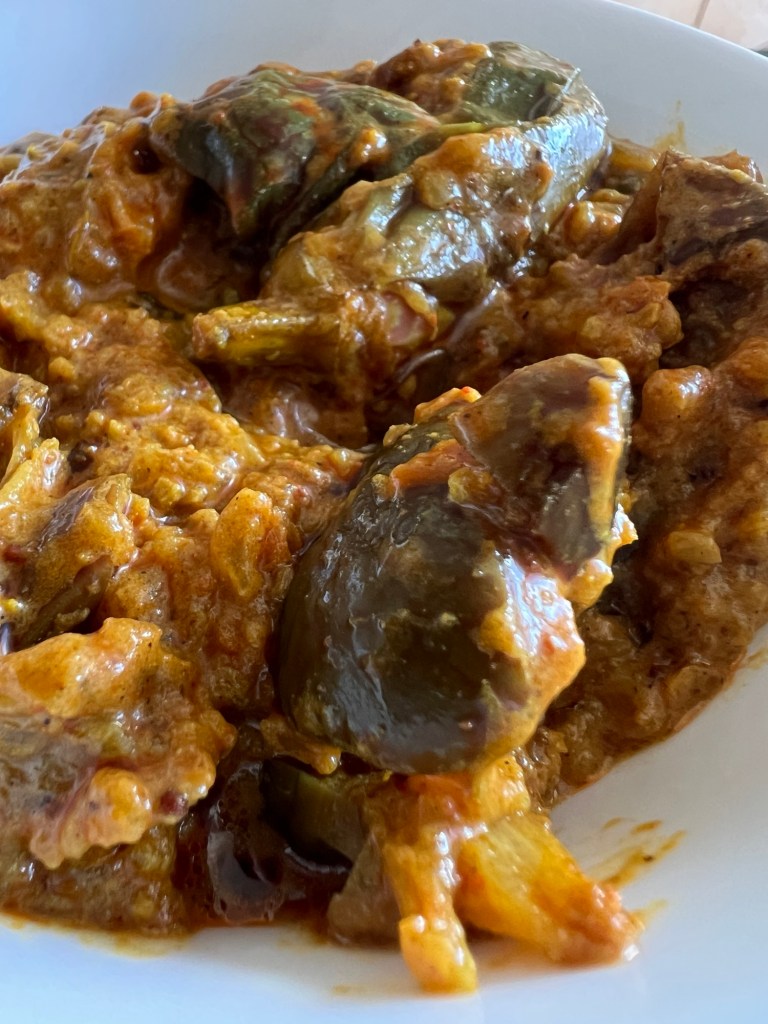
Recipes: Bharvan Baingan or Stuffed Eggplant

One of my favourite recipes to order at restaurants (if they have them) is stuffed eggplant or stuffed okra. I love the stuffed eggplant recipe from my home state and when I saw this recipe on Facebook, I saved it for making one day. That one day was a couple of weeks back. The chef who posted the recipe promised it was an easy one. Well, it was easy, but she didn’t mention that it took so long. The recipe took me two hours to make, start to end. But it was so worth it, it was so tasty that even GG, who does not like eggplant, had some of the gravy and pronounced it delicious!

Bharvan Baingan or Stuffed Eggplant

Ingredients:

  • 12-15 medium sized baby eggplants

For the stuffing:

  • 1 tbsp besan or chickpea flour
  • 3 tbsp coriander powder
  • 1 tbsp cumin powder
  • 1 tsp turmeric powder
  • 1 tbsp red chilli powder
  • 1 tbsp Kashmiri red chilli powder
  • 1 tbsp amchur powder
  • 1 tsp asafoetida podwer
  • 1 tbsp fennel seed powder
  • 1 tsp garam masala powder
  • 2 tbsp kauri methi
  • 4 tbsp oil (any oil, but mustard oil will be the best)

For the Gravy:

  • 2 tbsp oil
  • 1 tsp cumin seeds
  • ½ tsp mustard seeds
  • 3-4 finely chopped green chillies
  • 2 medium-sized finely minced onions
  • 2-3 medium-sized finely minced tomatoes
  • Salt to taste
  • 5 tbsp yoghurt, whisked
  • ½ tsp turmeric powder
  • 1 tsp Kashmiri red chilli powder
  • 1 tsp coriander powder
  • The balance masala
  • 1 tsp ginger garlic paste

Method:

  • If the stalk of the eggplant is more than 1 inch, cut it off and also remove the excess crown. Keep aside.
  • Make a cross on the bottom of the brinjal (opposite the crown), check and see inside for any worms and discard any unsightly ones. Put the cut brinjals in water for a while to avoid oxidation.

For the Masala:

  • Heat a pan and when warm, take the chickpea flour and lightly roast it till it starts to emit an aroma. This should take about 3-4 mins.
  • At this point switch off the flame and add the dry masalas –coriander powder, cumin powder, turmeric powder, Kashmiri red chilli powder, red chilli powder, amchur powder, asafoetida, fennel powder, garam masala and kasuri methi. Toss the masalas with the chickpea flour and keep them aside on a plate. Add 2 tbsp oil to it and mix well.
  • Fill the masalas into the brinjal, filling it tightly. The masala should show up as a nice thick line. Remove the extra masala and drop it into the masala plate.
  • In a pan, take 2 tbsp oil and shallow fry the stuffed brinjals for about 3-4 mins. Remove and keep aside.

For the Gravy:

  • In another pan, take 2 tbsp oil and when it heats, add the cumin seeds, mustard seeds and finely chopped green chillies.
  • Then add the finely chopped onions and fry until they become translucent.
  • At this point, add the finely chopped tomatoes and let it cook.
  • Add salt to taste and let the tomatoes cook well until the gravy starts to ooze oil.  
  • In a bowl, add the yoghurt and whisk it well. To this, add ½ tsp turmeric powder, 1 tsp Kashmiri red chilli powder, 1 tsp coriander powder, 1 tsp ginger-garlic paste and the balance masala. Whisk everything well and keep it aside.
  • Once the tomatoes are cooked, add 2-3 tsp water, switch off the gas and add in the yoghurt mixture.
  • Mix well and switch on the gas again. Add water if needed.

To assemble:

  • Gently add the stuffed eggplants and garnish with coriander leaves. Cover and cook on a low flame for 5 mins.
  • Serve with rotis or Indian flatbreads or rice.

In My Hands Today…

Slow Death by Rubber Duck: How the Toxic Chemistry of Everyday Life Affects Our Health – Rick Smith, Bruce Lourie

Pollution is no longer just about belching smokestacks and ugly sewer pipes – now, it’s personal.

The most dangerous pollution has always come from commonplace items in our homes and workplaces. Smith and Lourie ingested and inhaled a host of things that surround all of us all the time. This book exposes the extent to which we are poisoned every day of our lives. For this book, over the period of a week – the kind of week that would be familiar to most people – the authors use their own bodies as the reference point and tell the story of pollution in our modern world, the miscreant corporate giants who manufacture the toxins, the weak-kneed government officials who let it happen, and the effects on people and families across the globe. Parents and concerned citizens will have to read this book.

Key concerns raised in Slow Death by Rubber Duck include flame-retardant chemicals from electronics and household dust polluting our blood; toxins in our urine caused by leaching from plastics and run-of-the-mill shampoos, toothpastes and deodorant; mercury in our blood from eating tuna; and the chemicals that build up in our body when carpets and upholstery off-gas.

Ultimately hopeful, the book empowers readers with some simple ideas for protecting themselves and their families, and changing things for the better.

Recipes: Kottu Rasam

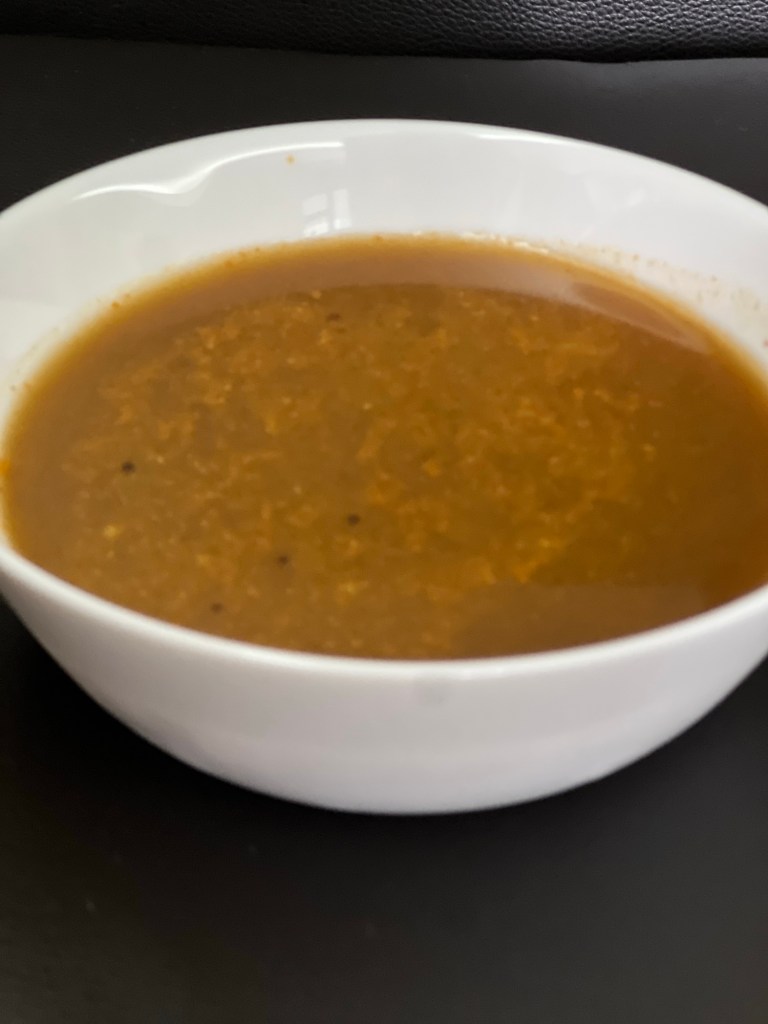
Rasam is a favourite with BB & GG and they are happy to have it for every meal. But I don’t make it that often. Having said that, I had not made this Rasam as yet for the children. When I did make it, it was a huge hit. It does not take a long time to make and can be eaten with rice or as a soup. In my home, kottu Rasam is prepared for those who are not well. It is prepared without using dal and is lightly tempered.

Kottu Rasam

Ingredients:

  • 2 large tomatoes
  • 1 tsp ghee
  • ½ tsp mustard seeds
  • ½ tsp cumin seeds
  • 5-6 curry leaves
  • 1 tsp crushed ginger and green chilli paste
  • 1 small lemon-sized ball of tamarind
  • 1.5 tsp rasam powder
  • 1 tsp jaggery powder
  • Salt to taste
  • Finely chopped coriander leaves to garnish

Method:

  • Soak the tamarind in hot water for about 30 minutes. Then crush the tamarind pulp and drain, keeping the tamarind water aside.
  • Either finely chop the tomatoes or use a food processor and crush the tomatoes into fine pieces.
  • In a pan, heat the ghee and when it warms, add the mustard and cumin seeds and let them pop. Then add the crushed ginger and green chillis and stir for a couple of seconds.
  • Now, add the tomatoes, sprinkle some salt and let the tomatoes cook for about five minutes.
  • At this point, add the tamarind water, rasam powder, jaggery powder and any additional salt, if needed.
  • Let this cook for about 5-7 minutes, then switch off the flame. Garnish with finely chopped coriander leaves and serve hot.

Notes:

  • This is great as an accompaniment to rice or as a soup.
  • Instead of crushing the tomatoes, you could also use tomato puree for a more soup-like experience.
  • Tamarind paste or lemon juice could be substituted for tamarind water.

Recipes: Date and Mint Raita

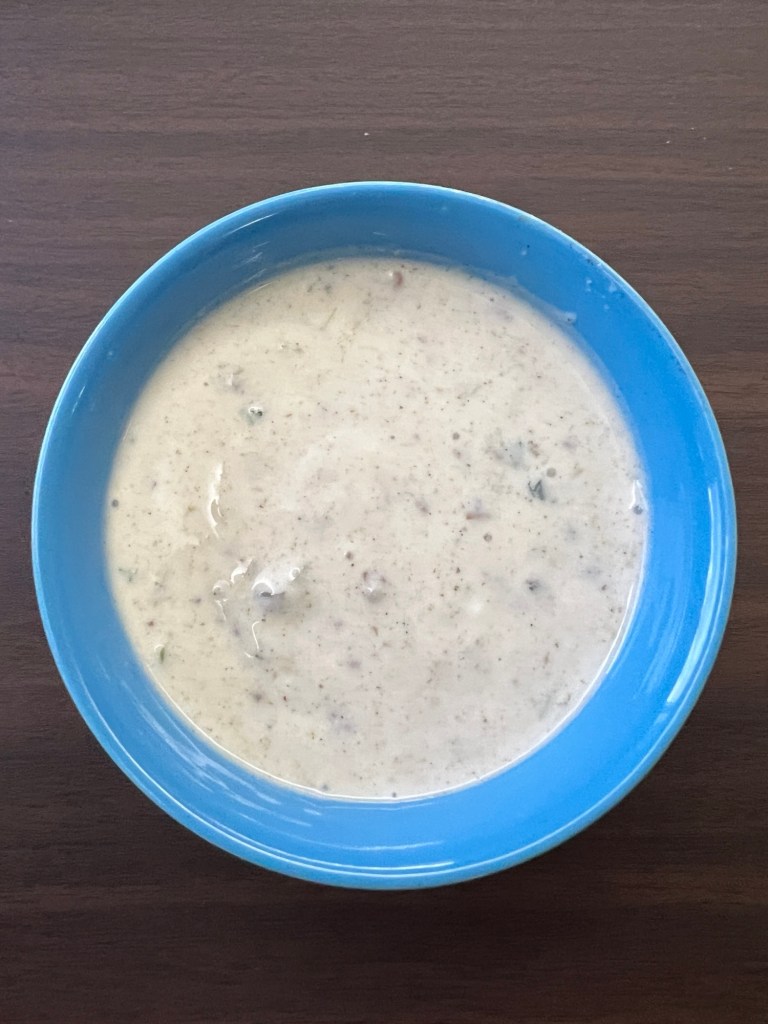
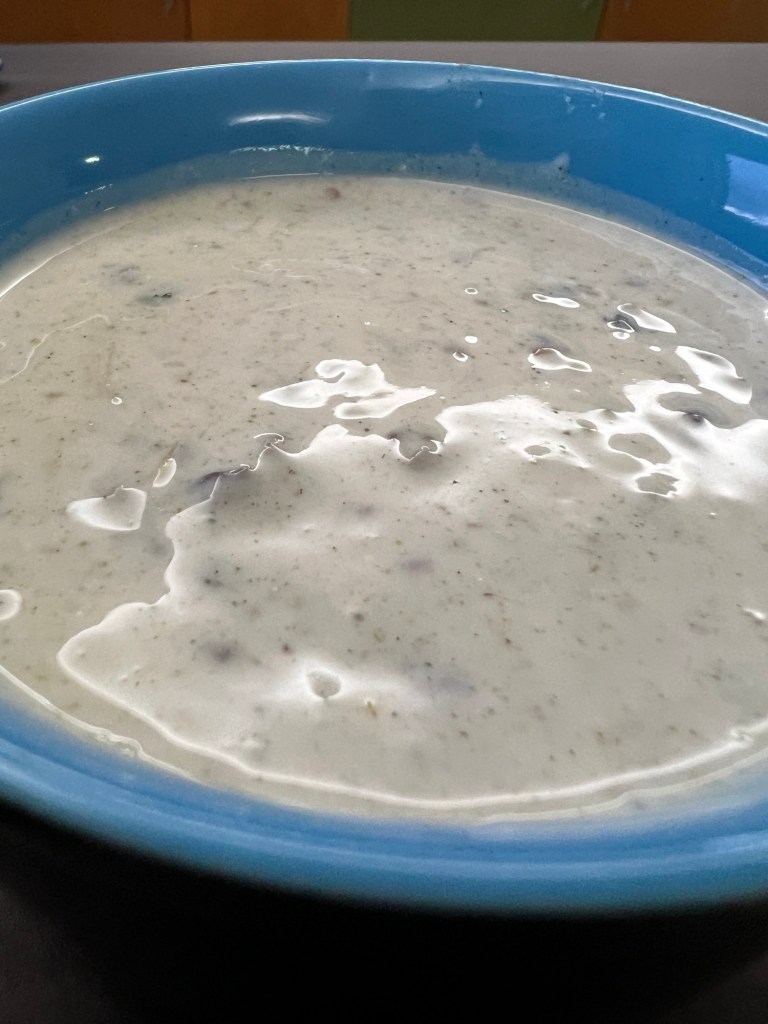
Sometime back, I saw a video by Rujuta Divekar about date raita with very minimal ingredients. I was intrigued and decided to make my version of this recipe recently. It has been very hot in Singapore the last few months and this was made for lunch on one of those hot, summery days. This is perfect for the summer and can be made in 10 minutes, from start to finish. This sweet and savoury yoghurt-based dish goes with anything and is very good on its own too.

Date Raita

Ingredients:

  • 1 cup plain yoghurt
  • 12–15 Dates, pitted
  • ½ tsp. cumin powder
  • ½ tsp. black salt, or to taste
  • 1 inch of ginger
  • 2-3 green chillies, chopped
  • 1 tbsp chopped fresh mint leaves or 1 tsp dried mint powder
  • Salt to taste

Method:

  • In a mixing bowl, whisk the yoghurt until smooth. If the yoghurt is too thick, you can add a little water or milk to achieve the desired consistency.
  • In a small blender, add the pitted dates, ginger, green chillies, and mint (or mint powder) and coarsely grind them using some yoghurt or water.
  • Add this to the whisked yoghurt.
  • Season with salt, black salt, and cumin powder. Mix well to combine all the ingredients evenly.
  • Taste the raita and adjust the seasoning if necessary, adding more salt or black salt according to your preference.
  • Refrigerate the Dates Raita for at least 30 minutes to allow the flavours to meld together and for the raita to chill.
  • Before serving, give the raita a final stir. Optionally, sprinkle a pinch of roasted cumin powder on top for extra flavour.