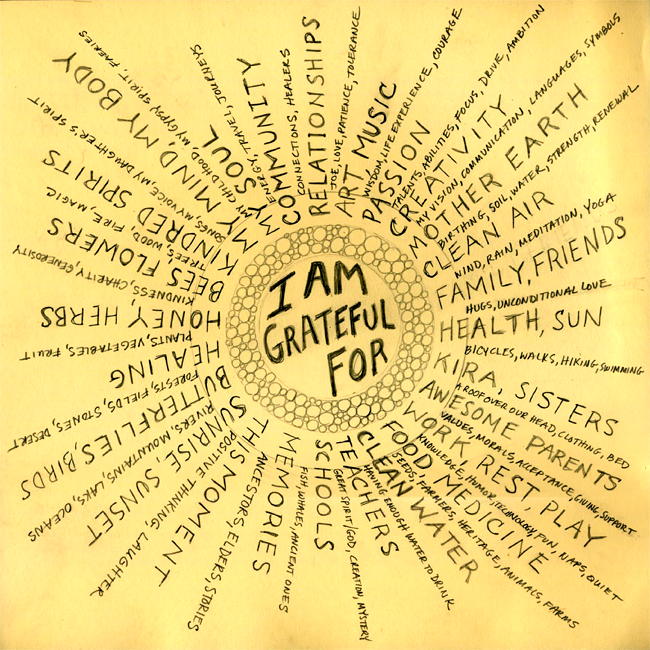
World Gratitude Day: The Power of Thankfulness

In a world often dominated by stress, negativity, and the relentless pursuit of more, World Gratitude Day stands as a beacon of positivity, reminding us to pause and appreciate the good in our lives. Celebrated annually on September 21, this day encourages individuals, communities, and nations to express thankfulness and recognise the profound impact of gratitude on our well-being.

World Gratitude Day was born in 1965 during a Thanksgiving dinner in the meditation room of the United Nations building. The idea was proposed by Sri Chinmoy, a spiritual leader and meditation teacher who believed that gratitude could foster global unity and peace. At the dinner, Chinmoy suggested the creation of a global holiday dedicated to gratitude, and each attendee pledged to host an event in their home country on September 21 every year. The first World Gratitude Day was celebrated in 1966, and by 1977, the United Nations Meditation Group officially recognised the day. Since then, it has been observed annually, with people from all walks of life coming together to express their appreciation for the blessings in their lives.
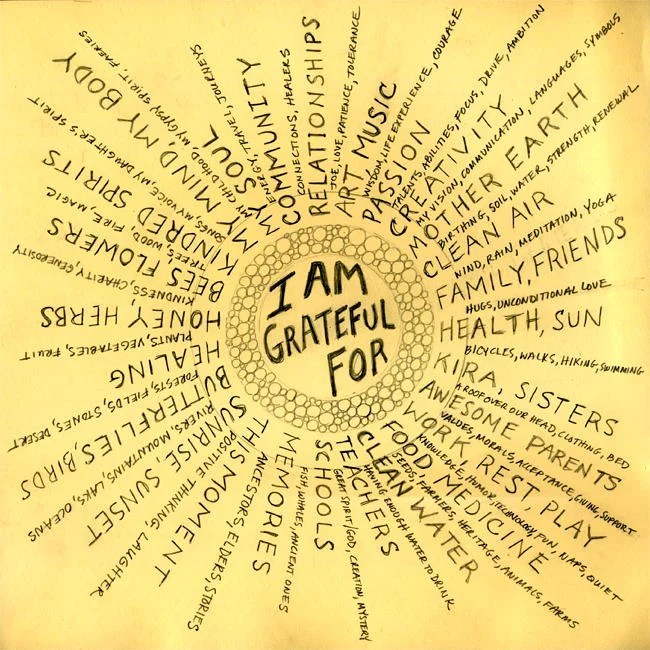
Gratitude is more than just a polite “thank you”; it is a profound emotion that can transform our mental, emotional, and physical well-being. Research has shown that practicing gratitude can lead to increased happiness, improved relationships, and even better physical health.

Gratitude shifts our focus from what we lack to what we have, fostering a sense of contentment and reducing feelings of envy and resentment. Studies have shown that individuals who regularly practice gratitude experience higher levels of happiness and life satisfaction. Expressing gratitude strengthens our relationships by making others feel valued and appreciated. It fosters empathy and compassion, creating a positive feedback loop of kindness and generosity.

Gratitude has been linked to improved sleep, reduced stress, and even a stronger immune system. By focusing on the positive aspects of our lives, we can reduce the harmful effects of stress and promote overall health.

While World Gratitude Day does not have an official theme each year, the overarching message remains the same: to cultivate a sense of appreciation and thankfulness in our lives. There are countless ways to celebrate World Gratitude Day, whether through personal reflection, acts of kindness, or community events.

  • Keep a gratitude journal: Start writing down three things you are grateful for everyday. This simple exercise can help shift your focus to the positive aspects of your life and cultivate a sense of appreciation.
  • Write gratitude letters: Take the time to write heartfelt letters to the people who have made a positive impact on your life. Expressing your gratitude in writing can be a powerful way to strengthen your relationships and make others feel valued.
  • Perform random acts of kindness: Show your appreciation for others by performing small acts of kindness. Whether it’s buying coffee for a stranger, helping a colleague with a project, or volunteering your time, these gestures can have a ripple effect of positivity.
  • Practice mindfulness: Take a few moments throughout the day to be present and appreciate the beauty around you. Notice the small things, like the warmth of the sun on your face or the sound of birds chirping outside your window.
  • Host a gratitude gathering: Organise a gathering with friends, family, or colleagues to share what you are grateful for. This can be a powerful way to foster a sense of community and connection.

Gratitude has the power to transform not only individuals but also entire communities and societies. When people practice gratitude, they are more likely to engage in prosocial behaviors, such as volunteering, donating to charity, and helping others in need. This creates a culture of kindness and generosity, where people feel valued and supported.

In the workplace, gratitude can increase employee satisfaction, improve teamwork, and increase productivity. When employees feel appreciated, they are more motivated and engaged, creating a positive and productive work environment.

On a global scale, gratitude can foster a sense of unity and peace. By recognising and appreciating the good in our lives, we can cultivate a sense of interconnectedness and empathy, leading to a more compassionate and harmonious world.

As we approach World Gratitude Day, let us take the time to reflect on the blessings in our lives and express our appreciation to those who have made a positive impact. Gratitude is a powerful force that can transform our lives, our relationships, and our world. By practicing gratitude, we can create a ripple effect of positivity, kindness, and compassion that extends far beyond ourselves.

So, make gratitude a daily practice. Whether through a simple “thank you,” a heartfelt letter, or an act of kindness, let us spread the message of gratitude and create a world where appreciation and thankfulness are at the forefront of our lives.


Poem: The Gifts We Often Forget

Gratitude is the quiet, heartfelt recognition of life’s blessings, big and small, that enrich our days. It is the acknowledgement of the simple joys, fleeting moments, and enduring connections that make life meaningful. From the warmth of a sunrise to the love of family and friends, gratitude teaches us to see beauty in the ordinary and cherish every gift we’re given.

The Gifts We Often Forget

For the first breath of dawn, soft and new,
For skies painted gold and the morning dew.
For the warmth of the sun and the touch of the breeze,
For the dance of the leaves on whispering trees.

For a heart that beats and eyes that see,
For a mind that dreams and a soul that’s free.
For laughter shared and love that stays,
For the quiet comfort of familiar days.

For the food on our table, the roof overhead,
For the simplest joys, for the paths we tread.
For the kindness of strangers, the bonds that we share,
For moments of peace and answered prayers.

For lessons learned, both easy and tough,
For finding abundance when we feel there’s not enough.
For the strength to rise when the road feels steep,
For the stars that watch over us as we drift to sleep.

Gratitude lives in all that we see,
In the humblest of gifts, in life’s melody.
So let us be thankful, let’s cherish it all,
For the grand and the simple, the big and the small.

An Attitude of Gratitude

Gratitude is the quality of being thankful, a readiness to show appreciation for and to return kindness. And today this quality is needed more than ever. When one is content with what we have and are thankful for it, it boosts happiness and the overall sense of wellbeing.

When you have an attitude of gratitude, you tend to appreciate everything in life, grateful for relationships, health, work, and have a general sense of well-being. It shifts the focus from yourself to appreciating someone or something else. But this is something that is not innate in human beings, it has to be cultivated and one needs to make it a conscious habit to express thankfulness and appreciation for every part of their life. Having an attitude of gratitude means one operates from a place of abundance, rather than scarcity.

Gratitude shifts the mindset and is a thankful appreciation for what one has, not what one doesn’t have. When gratitude is expressed, one feels more positive and intentional and developing this attitude requires a mindset shift to make it a daily habit. It is important because what one appreciates grows and increases in value, so when one practices gratitude, all that is around, like relationships, work, health and mindset become more important.

Being grateful improves self-confidence, self-esteem and enhances the enjoyment of the present moment. So, when one feels grateful daily, they feel more positive and are more present at the moment.

Source

An attitude of gratitude means creating a conscious mindset and habit to express thankfulness and be grateful for every aspect of our life, both the things that are going well and the things that aren’t. When one has an attitude of gratitude, they can focus on expanding the positives in their lives, rather than dwelling on the negatives. When one expresses gratitude, they feel more confident, positive, and optimistic as well as happier and joyful about the things they have, and the people that matter most. This mindset reduces stress, overwhelm and frustration and creates feelings of abundance and happiness.

And in addition to improving mood, recent studies show that feeling and expressing gratitude leads to better physical health as well. Paul Mills, a Professor of Family Medicine and Public Health at the University of California San Diego School of Medicine, conducted studies that looked at the role of gratitude on heart health. Among other things, he found that participants who kept a journal most days of the week, writing about 2-3 things they were grateful for, which included everything from appreciating their children to travel and good food, had reduced levels of inflammation and improved heart rhythm compared to people who did not write in a journal. And the journal-keepers also showed a decreased risk of heart disease after only 2 months of this new routine.

Another study from the University of Pennsylvania found that people who wrote and delivered a heartfelt thank-you letter actually felt happier for a full month after, and the same researchers discovered that writing down three positive events each day for a week kept happiness levels high for up to six months.

So how does one develop an attitude of gratitude?

Appreciate everything: To cultivate an attitude of gratitude, look for things to appreciate daily. Developing active gratitude is different from reactive gratitude. With reactive gratitude, one waits for something to happen before they express appreciation or thanks, but with active gratitude, one consciously looks for ways to be grateful and express appreciation. Thus, expressing gratitude becomes a choice. When one express gratitude daily, the things and people they appreciate grow in value and they start to see more things to be grateful for, which in turn makes one happier and more content, increasing positivity and happiness.

Express gratitude every day: It’s important to express gratitude daily, rather than on occasion. Developing a gratitude practice of acknowledging what one is thankful for or appreciate daily will expand the value of the things one is grateful for. A good gratitude practice is to start and end each day by writing down three things you’re grateful for. When one expresses gratitude on a daily basis, one builds positive habits and forces them to appreciate every day, even if was a bad day. It may seem strange initially, especially when you have to think about what you are grateful for that day, but after some time, it gets easier and one can easily find a few things that day to be grateful for. Try it initially for 30 days. Be specific about what you are thankful for and watch how your thoughts develop over time.

Take ownership of your present: Start with appreciating and giving thanks for what you have today and be happy about what you’ve achieved and give thanks to the people in your life which increases gratitude. When one takes ownership of their present moment, they choose to be grateful, optimistic and positive. A positive mindset reframes negative thoughts and builds confidence from past accomplishments.

Source

Meditate: Meditation is a powerful practice in self-awareness. The goal isn’t to silence your thoughts, rather, it’s to become an active observer of them. The process of meditation is all about allowing the mind to do its thing and accept it as it is. Through meditation, one can build up areas of the brain and rewire it to enhance positive traits like focus and decision making and diminish the less positive ones like fear and stress. When the mind is masters, the emotions become a servant to the mind and one becomes less reactive and better able to handle life’s challenges. Irrespective of whether you regularly meditate, try and take a break a few times a day to focus on a spirit of thankfulness.

Celebrate the small things: Humans are conditioned to focus on and celebrate big achievements, instead of small wins. However, if one fails to ignore the small things in life and keep rushing from one thing to the next, demotivation will quickly set in. Who one becomes is not determined by the end goal, instead, it’s determined by the person they become while going on the journey to reach the goal and life’s successes. When the small things in life are celebrated, it means celebrating good habits. Take time to pause, slow down and savour the small things. Instead of obsessing about the future or dwelling on the past and be more aware of the present moment.

Commit to a gratitude practice: When one commits to a daily gratitude practice, their mindset and thinking changes. When there is an appreciation for the things that matter, there is more insight into what’s important. This, in turn, gives a chance to pause and think about the purpose with clarity on why certain things are important and why certain things and people are valuable. Committing to a gratitude practice helps one understand why they appreciate certain things rather than others and learn about themselves a little bit more. They also get to see the positive effect their gratitude has on others.

So there you have it, a gratitude practice, irrespective of how you do it, has immense benefits. As this practice develops, the habit will eventually bring positivity to our lives and we will feel happier, more positive and learn to appreciate and value all the little happiness in life.

As for me, after researching for this post, I have started to work on my gratitude journal, something I have done off and on for a few years now, but have never followed through consistently. Hopefully, this post will give me that push I need to make it a regular practice.