In May, when I went back to India to drop my parents, I made a day trip to Mumbai to do some bank work. The photos below are photos of my beloved city from the air.
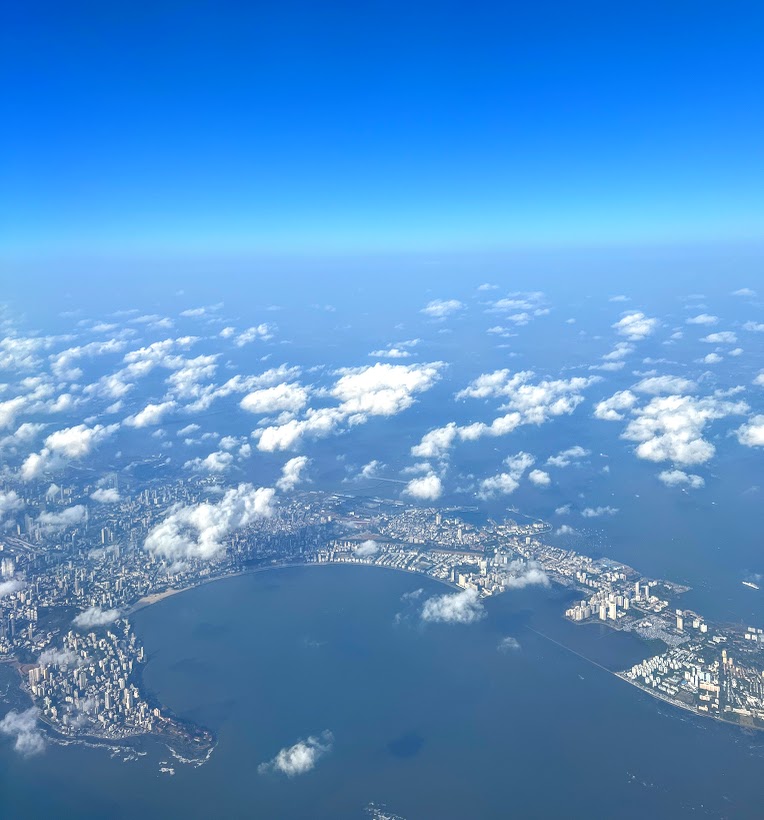


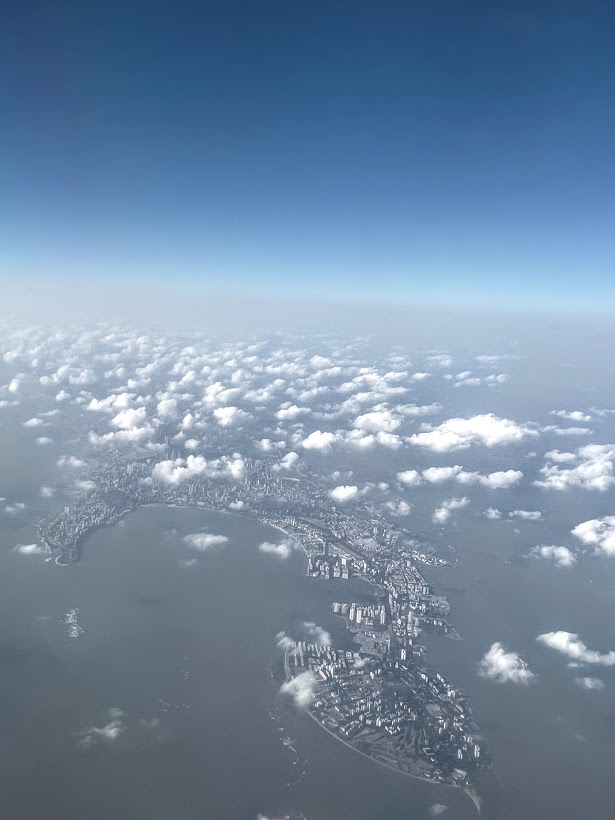

In May, when I went back to India to drop my parents, I made a day trip to Mumbai to do some bank work. The photos below are photos of my beloved city from the air.
The Incredible History of India’s Geography – Sanjeev Sanyal
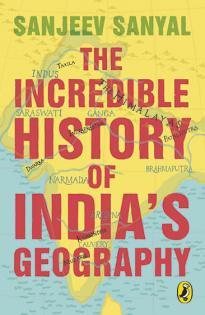
Maps and mountains, lions and tigers, rivers and oceans-all sorts of things you didn’t know about India’s geography
Could you be related to a blond Lithuanian? What if ostriches once roamed in India? Did you know that India is the only country that has both lions and tigers? Who found out how tall Mt Everest is?
If you’ve ever wanted to know the answers to questions like these, this is the book for you. In here you will discover various things you never expected, such as the fact that we still greet each other like the Harappans did or that people used to think India was full of one-eyed giants. And sneakily you’ll also know more about India’s history and geography by the end of it. Full of quirky pictures and crazy trivia, this book takes you on a fantastic journey through the incredible history of India’s geography.
The Partitions of Memory: The Afterlife of the Division of India – edited by Suvir Kaul
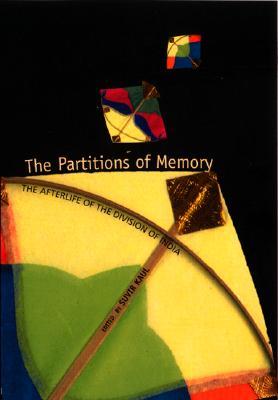
Echoes of the traumatic events surrounding the Partition of India in 1947 can be heard to this day in the daily life of the subcontinent, each time India and Pakistan play a cricket match or when their political leaders speak of “unfinished business.” Sikhs who lived through the pogrom following the assassination of Indira Gandhi recall Partition, as do, most recently, Muslim communities targeted by mobs in Gujarat.
The eight essays in The Partitions of Memory suggest ways in which the tangled skein of Partition might be unraveled. The contributors range over issues as diverse as literary reactions to Partition; the relief and rehabilitation measures provided to refugees; children’s understanding of Partition; the power of “national” monuments to evoke a historical past; the power of letters to evoke more immediately poignant pasts; and the Dalit claim, at the prospect of Partition, to a separate political identity. The book demonstrates how fundamental the material and symbolic histories of Partition are to much that has happened in South Asia since 1947.
Contributors:
Mukulika Banerjee, Urvashi Butalia, Joya Chatterji, Priyamvada Gopal, Suvir Kaul, Nita Kumar, Sunil Kumar, Richard Murphy, and Ramnarayan S. Rawat.
More photos from Banerghetta….


An Era of Darkness: The British Empire in India – Shashi Tharoor

In 1930, the American historian and philosopher Will Durant wrote that Britain’s ‘conscious and deliberate bleeding of India… [was the] greatest crime in all history’. He was not the only one to denounce the rapacity and cruelty of British rule, and his assessment was not exaggerated. Almost thirty-five million Indians died because of acts of commission and omission by the British—in famines, epidemics, communal riots and wholesale slaughter like the reprisal killings after the 1857 War of Independence and the Amritsar massacre of 1919.
Besides the deaths of Indians, British rule impoverished India in a manner that beggars belief. When the East India Company took control of the country, in the chaos that ensued after the collapse of the Mughal empire, India’s share of world GDP was 23 per cent. When the British left it was just above 3 per cent.
The British empire in India began with the East India Company, incorporated in 1600, by royal charter of Her Majesty Queen Elizabeth I, to trade in silk, spices and other profitable Indian commodities. Within a century and a half, the Company had become a power to reckon with in India. In 1757, under the command of Robert Clive, Company forces defeated the ruling Nawab Siraj-ud-Daula of Bengal at Plassey, through a combination of superior artillery and even more superior chicanery. A few years later, the young and weakened Mughal emperor, Shah Alam II, was browbeaten into issuing an edict that replaced his own revenue officials with the Company’s representatives. Over the next several decades, the East India Company, backed by the British government, extended its control over most of India, ruling with a combination of extortion, double-dealing, and outright corruption backed by violence and superior force. This state of affairs continued until 1857, when large numbers of the Company’s Indian soldiers spearheaded the first major rebellion against colonial rule. After the rebels were defeated, the British Crown took over power and ruled the country ostensibly more benignly until 1947, when India won independence.
In this explosive book, bestselling author Shashi Tharoor reveals with acuity, impeccable research, and trademark wit, just how disastrous British rule was for India. Besides examining the many ways in which the colonizers exploited India, ranging from the drain of national resources to Britain, the destruction of the Indian textile, steel-making and shipping industries, and the negative transformation of agriculture, he demolishes the arguments of Western and Indian apologists for Empire on the supposed benefits of British rule, including democracy and political freedom, the rule of law, and the railways.
The few unarguable benefits—the English language, tea, and cricket—were never actually intended for the benefit of the colonized but introduced to serve the interests of the colonizers. Brilliantly narrated and passionately argued, An Era of Darkness will serve to correct many misconceptions about one of the most contested periods of Indian history.
 Memories and Such