India After Gandhi: The History of the World’s Largest Democracy – Ramachandra Guha
A magisterial account of the pains, the struggles, the humiliations, and the glories of the world’s largest and least likely democracy, Ramachandra Guha’s India After Gandhi is a breathtaking chronicle of the brutal conflicts that have rocked a giant nation and the extraordinary factors that have held it together. An intricately researched and elegantly written epic history peopled with larger-than-life characters, it is the work of a major scholar at the peak of his abilities…
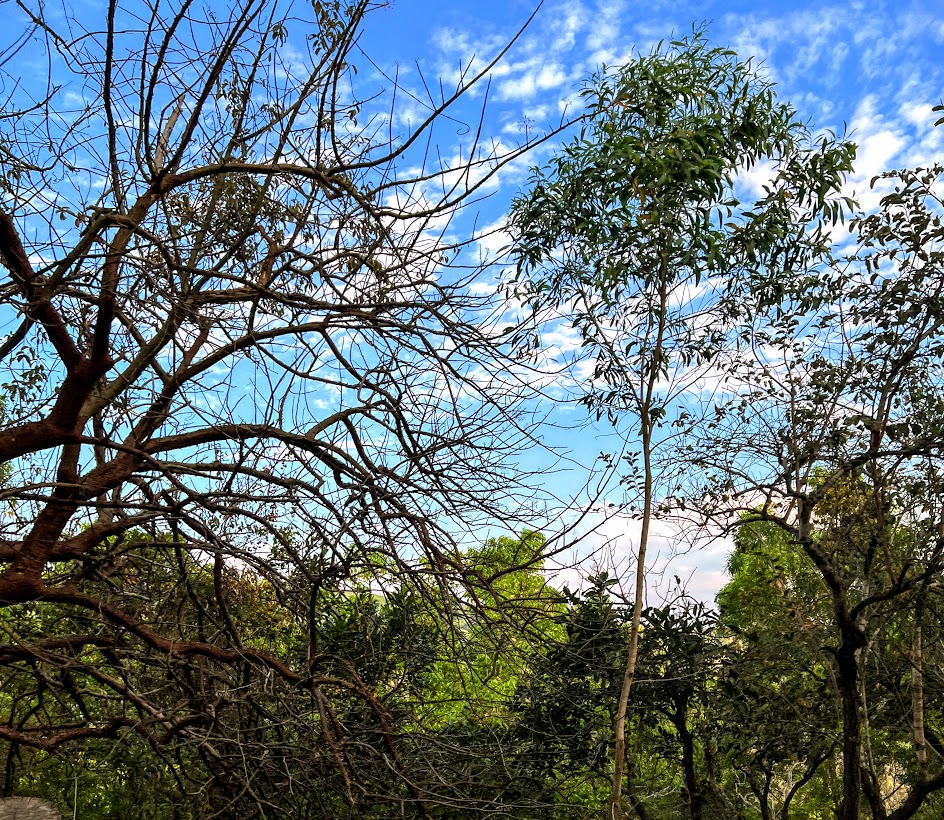
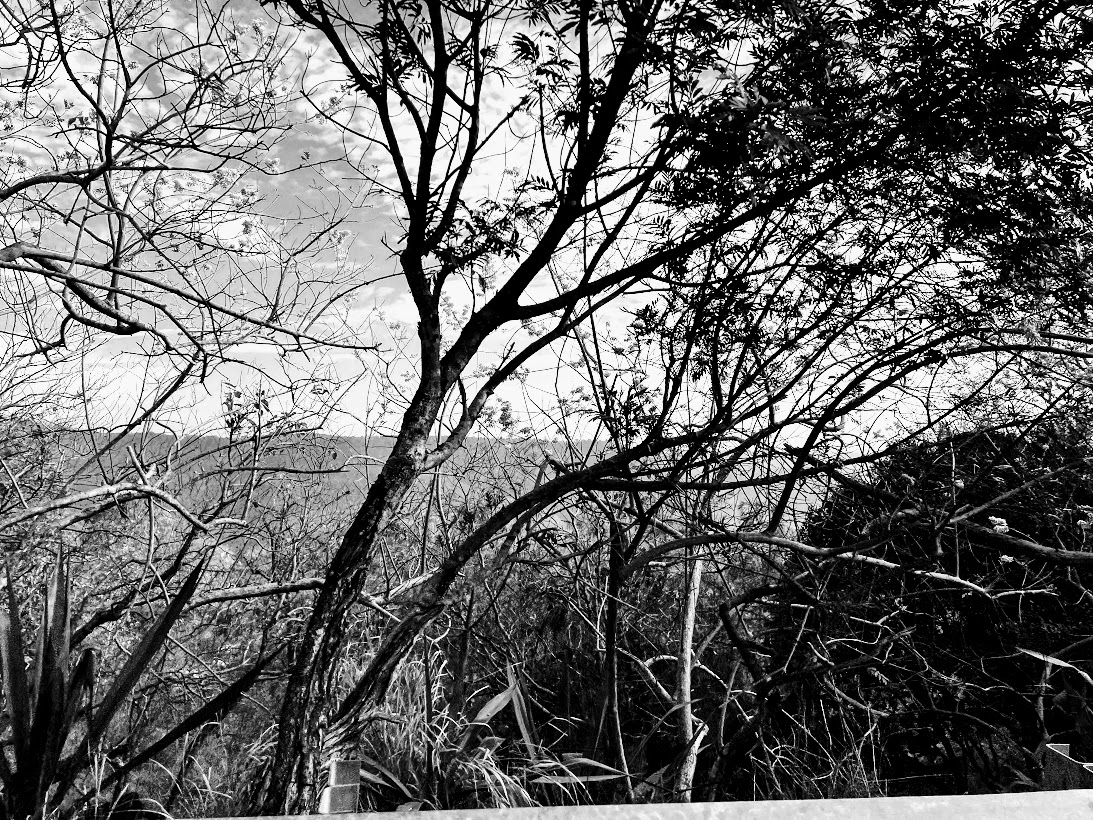
Some more photos from Tirupati, showcasing the beauty of the place. All the photos were taken while travelling from Tirumala Hills to the town of Tirupati.
Jahangir : An Intimate Portrait of a Great Mughal – Parvati Sharma
Jahangir was the fourth of the six Great Mughals – great grandson of Babur and grandfather of Aurangzeb – and the least known among them.
His father, Akbar, transformed the Mughal kingdom into an empire, and his reign is often considered an epoch in itself. Jahangir’s son Shahjahan built the tomb that Tagore famously described as a ‘teardrop on the cheek of time’, and was sometimes upheld as Akbar’s true heir.
Jahangir, on the other hand, has the reputation of a weak man, at best: an alcoholic with an eye for art and greed for pleasure, controlled by a powerful wife. But far from being a disinterested prince and insignificant ruler, Jahangir showed tremendous ambition and strength throughout his life.
When his succession was threatened, Jahangir set up a rebel court in the face of the mighty Akbar himself. While he made no conquests to match his father’s, Jahangir was the first Mughal to win the allegiance of the fearsome Ranas of Mewar. And, for all his reputed frivolity, Jahangir was the emperor who won his dynasty its glorious association with things of beauty and splendour – and who wrote one of the most perceptive and entertaining imperial memoirs of all time.
The man who is most often defined by his relationships is here presented holistically as a canny ruler and conscientious administrator, an astute observer of human society and a connoisseur with wide-ranging interests. In this marvellous work of popular history, Parvati Sharma tells a compelling story of one of the most fascinating and undervalued rulers of India.
The Cheykor Festival, also known as the Festival of Joy, or the Parikrama of Wisdom is a popular harvest festival celebrated by the people of Arunachal Pradesh. It is observed by the people of the Nyishi tribe, who are one of the major indigenous communities in the state. The festival is a time when people come together to offer their thanks and gratitude to the Gods for the bountiful harvest and good fortune that they have received.
The Festival is celebrated annually to welcome the spring for five days, with each day having a special significance and ritual associated with it. The festival is marked by feasting, dancing, singing, and the exchange of gifts and greetings among friends, relatives, and neighbours.
It is said that Gelong Doyan Tenzing, a monk introduced this festival in the Sherdukpen region. The main theme of the festival portrays the introduction of Chhey or holy ures of Buddhism. Unlike other festivals, the Cheykor festival which probably falls during June is unique to the Shergaon people. Besides carrying the holy Buddhist ures around the village, special prayers are offered to the Phu or deities at various places. The Cheykor celebration at Shergaon village combines the traditional Bon religion with the preaching of Buddhism. The reading of the Kaso or the ancient document and performing rituals at various Chhodam or resting places is an instance. The singing of the Lurjang is done for seeking courage & protection of the villagers from mountain deities. Three community clans, the Aju Lampu Blang, the Chhampu Blang and the Thuksna Blang play a vital role in traditional affairs and also have a traditional educational system where the young generation learns how to be responsible citizens. Active participation of the Abosus or the elders, the Blangpu jomjis or girls and the Makpenpus or boys add flavour to the festival.
The first day of the festival is known as ‘Chindang,’ and it is observed as a day of purification. On this day, people clean their houses, wear new clothes, and prepare special dishes to offer to the Gods. They also light bonfires to purify their surroundings and ward off evil spirits. The second day of the festival is known as ‘Gumkum Gumpa,’ and it is celebrated as a day of merrymaking. People gather in large numbers and participate in traditional dances and songs. They also prepare and share traditional dishes like ‘Apong,’ a local rice beer, and ‘Gyathu,’ a spicy meat dish. The third day of the festival is known as ‘Nyecheon Yullo,’ and it is celebrated as a day of offerings. On this day, people offer prayers and offerings to the Gods for a good harvest, good health, and prosperity. They also visit their relatives and friends to exchange gifts and greetings. The fourth day of the festival is known as ‘Rineng Yullo,’ and it is observed as a day of reconciliation. People come together to forgive each other and bury their differences. They also participate in traditional games and sports like archery, wrestling, and tug-of-war. The fifth and final day of the festival is known as ‘Takhe Takhe,’ and it is celebrated as a day of farewell. On this day, people bid goodbye to the festival and exchange gifts and greetings one last time. They also pray to the Gods to bless them with a bountiful harvest in the coming year.
The Cheykor Festival is not only a celebration of the harvest but also a celebration of the rich cultural heritage of the Nyishi tribe. The festival showcases the traditional costumes, dances, songs, and games of the tribe, and it is a time for the younger generation to learn and appreciate their cultural roots. It is a time for people to come together, forget their differences, and celebrate the joys of life. The festival is a testimony to the resilience and diversity of the people of Arunachal Pradesh and their rich cultural traditions.
This is Part 2 of our temple pilgrimage to the Tirupati Balaji Temple, the Sri Padmavati Temple and the Sri Kalahasthi Temple on a road trip from Bengaluru.
Coming down from Tirumala took almost an hour because there are speed restrictions and it took us about 45 minutes from the point of entering Tirupati to reaching the Padmavati temple. Located in Tiruchanur on the outskirts of Tirupati, the temple is under the administration of Tirumala Tirupati Devasthanams. Padmavathi or Alamelumanga is the main deity of the temple and faces the east. She is an incarnation of Goddess Lakshmi and the consort of Lord Venkateswara. It is believed that the Goddess Lakshmi was born as Alamelu to Akasha Raja, the ruler of this region, and wed Venkateshwara of Tirupati. Goddess Lakshmi gave darshan to Lord Venkateswara on a red Lotus flower or a Padma in Sanskrit at Alamelu Mangapuram after his deep penance for twelve years. According to tradition, the Mother Goddess manifested Herself in the holy Pushkarini called Padmasarovaram in a golden lotus. The Venkatachala Mahatyam states that Lord Suryanarayana was instrumental in the blossoming of the lotus in full splendour. A temple dedicated to Lord Suryanarayana is situated on the eastern side of the Pushkarini. The Padma Purana gives a vivid description of the advent of the Goddess and subsequent wedding with Lord Srinivasa. The manifestation of Sri Padmavathi Devi occurred in the month of Karthika on Sukla Paksha Panchami when the star Uttarashada was in the ascendant. The Brahmotsavam of the Goddess is celebrated with pomp and glory.
We reached the temple around 8:15 am and realised that the temple was closed after the early morning prayers and would reopen at 9 am. So while waiting, we had breakfast nearby. After breakfast, we brought the tickets for the express queue which were for about Rs 200 per person and started waiting. As with Tirumala, our belongings were scanned and all mobile phones asked to be deposited at a counter. My parents were sent on ahead in the senior citizen queue. The queue took about 20 minutes to reach the goddess who was beautiful! We had a very good darshan and then waited for my parents to come, after which we rushed to the last temple in our itinerary, the Sri Kalahasthi temple.
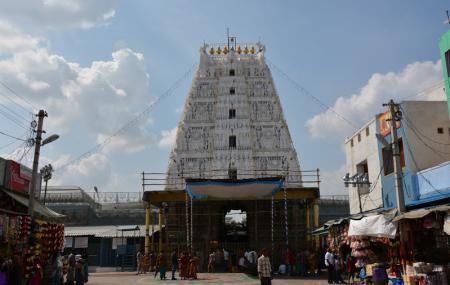
The only photo I could click in the of a temple in the entire trip – SriKalahasthi Temple
By the time we finished with the Padmavati temple, the time was nearly 10:45 am. On Friday, the day we were to go to the SriKalahasthi temple, the Rahu Kalam was between 10:30 am to 12 noon and I wanted to visit the temple during this time. Located in the town of Srikalahasti, about 40 km from the Padmavati temple, the temple is one of the most famous Shiva temples in South India and is said to be the site where Kannappa was ready to offer both his eyes to cover the blood flowing from the linga before Lord Shiva stopped him and granted him moksha. It is also famous for its Vayu or Wind Lingam, one of the Panchabhoota Sthalams, representing wind. The temple is also regarded as a Rahu-Ketu kshetra and Dakshina Kailasam. The inner temple was constructed around the 5th century and the outer temple was constructed in the 11th century by the Rajendra Chola I, later Chola kings and the Vijayanagara kings. Shiva in his aspect as Vayu is worshipped as Kalahasteeswara. This is the only temple in India which remains open during Solar and lunar eclipses, while, all other temples are closed. This temple is famous for Rahu-Kethu pooja where it is believed that performing this pooja will ward the people from the astrological effects of Rahu and Kethu.
Goddess Parvati is enshrined in the temple as Shiva-Gnanam Gnana Prasunamba or Gnana Prasunambika Devi. According to legend, Lord Shiva’s consort Goddess Parvati was cursed by him to discard her divine form and assume human form. To atone, Parvati performed penance at Srikalahasti and pleased Shiva. Shiva granted her a heavenly body, a hundred times better than her previous divine form. Cursed to become a ghost, Ghanakala prayed at Srikalahasti for 15 years and after chanting the Bhairava Mantra, Shiva restored her original form.
On reaching the temple, I was praying hard to Lord Shiva that we make it to the sanctum sanctorum before Rahu Kalam ends. Our driver was god-sent and raced down and made sure we reached and prayed to the Lord just as it turned noon. He also spoke to someone at the temple entrance and got us to alight at the VIP entrance. He also spoke to an employee who, on payment, became our guide and took us on a very good tour of the temple without standing in any line and also procured a wheelchair for my father. Goddess Parvati was decked out in gold and this is something only done twice a week, on Mondays and Fridays and we were fortunate to have a glimpse of the Goddess in this form. At this temple also, we were asked to deposit our phones and electronic devices, so I could not take any photos anywhere.
After an hour spent in the temple, we finally exited the temple and started our journey back to Bengaluru. The journey back to Bengaluru was uneventful and took us about seven hours because just as we entered the city, we caught the evening rush hour which added another hour to the journey. We had lunch at the same place we had brunch the day before and our next meal was at our home. We all slept a fair bit of the drive back and were pretty exhausted by the time we hit the bed. But our hearts were full because of the amazing darshans we had. I was happy that I could facilitate this trip for my parents. Hopefully, we can make another trip to all these temples again and soon.





 Memories and Such