Short Story: Breaking Barriers

In the bustling city of Lahore, Pakistan, Amina Khan grew up in a modest household, deeply influenced by her mother, a dedicated schoolteacher. From an early age, Amina learned the value of education and the importance of fighting for one’s rights. Her mother’s stories of struggle and perseverance instilled in her a desire to make a difference.

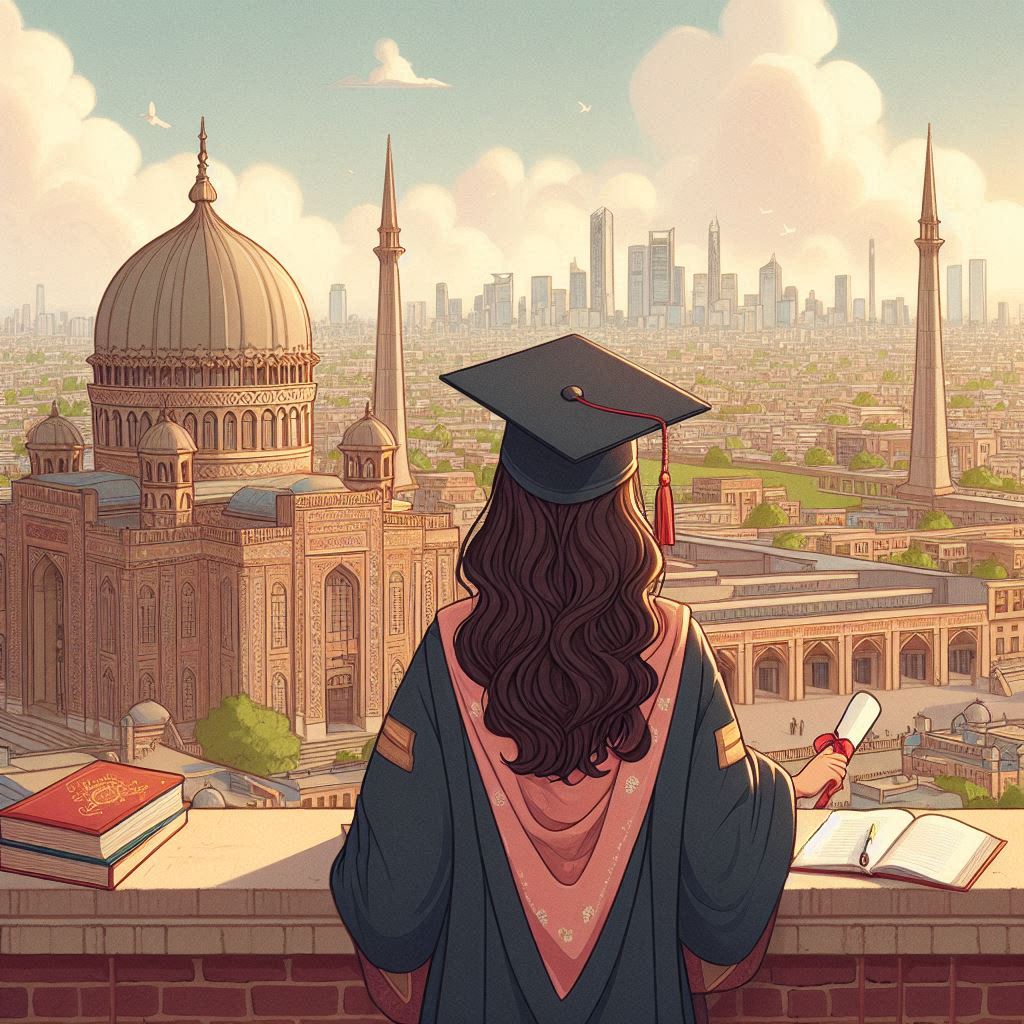
Despite societal pressures to conform to traditional roles, Amina pursued her studies with determination. She earned a degree in sociology from the University of Punjab, where her passion for women’s rights blossomed. It was during her university years that she first participated in the Aurat March, an annual event advocating for gender equality. This experience opened her eyes to the systemic issues faced by women across Pakistan; issues that were often silenced or ignored.

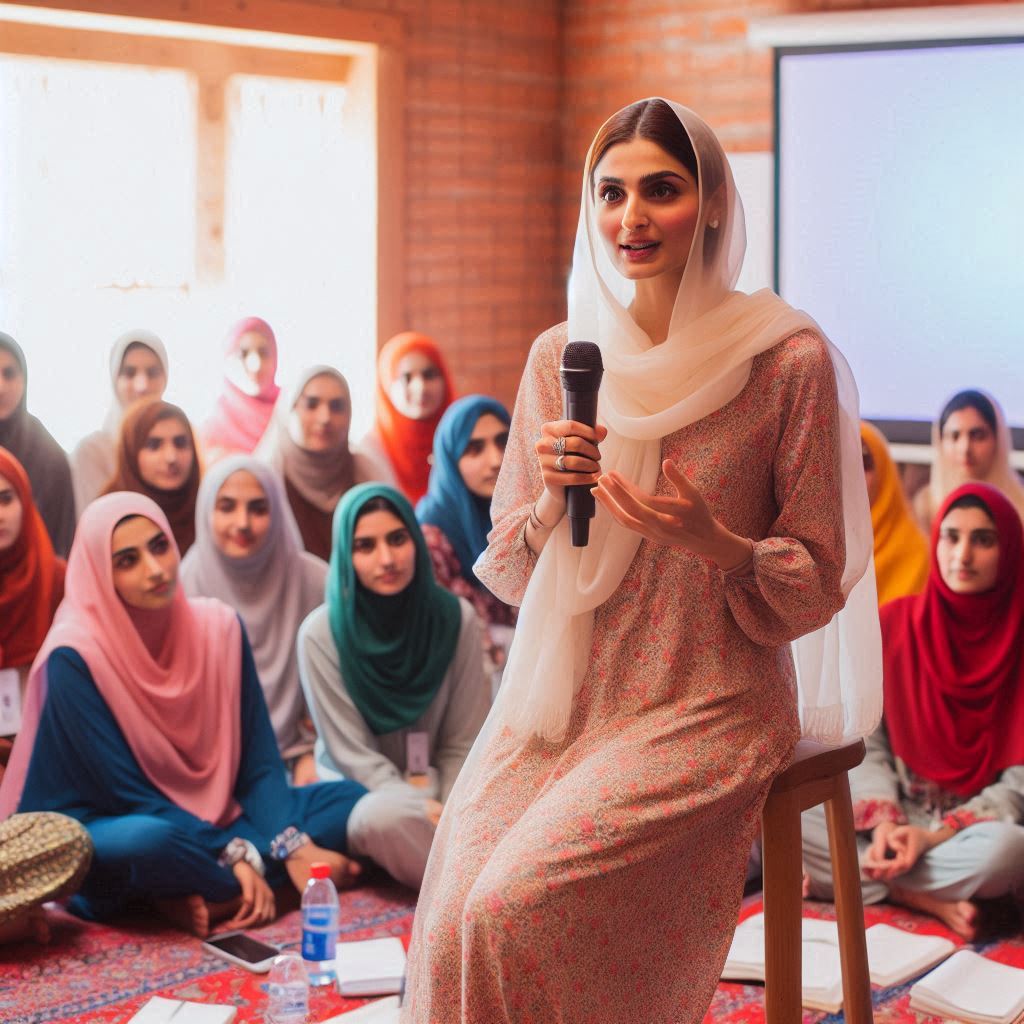
One fateful day, while volunteering at a local women’s shelter, Amina met Fatima, a victim of domestic violence. Fatima’s harrowing story of abuse and resilience struck a chord with Amina. Inspired by Fatima’s bravery in seeking help, Amina decided to take action. She organised workshops at the shelter focusing on legal rights, self-defence, and mental health support for women like Fatima. As word spread about these workshops, more women began to attend—not just to learn but also to share their stories. The shelter transformed into a safe haven where women could reclaim their narratives and find strength in the community.

Amina’s initiative quickly gained traction. She began speaking at community events, sharing her vision for women’s empowerment. Her passion resonated with many, and soon she found herself leading a grassroots movement in Lahore. However, not everyone welcomed her efforts. Traditionalists viewed her activism as a threat to societal norms.

During a heated community meeting, an elder accused her of “spreading Western values.” Undeterred, Amina responded with grace: “Empowerment does not mean abandoning our culture; it means enriching it by ensuring every woman has the right to choose her path.” This moment marked a turning point for Amina. Her words sparked discussions among community members about adapting cultural practices to promote equality rather than suppress it.

Despite her growing influence, Amina faced significant personal challenges. Balancing activism with familial expectations weighed heavily on her shoulders. Her father often questioned her choices, fearing that her public persona would bring shame to their family.

In one poignant conversation, he expressed his concerns: “Amina, this path is fraught with danger. You risk everything for these women, who may never appreciate your efforts.” Amina listened but remained resolute. She understood that change required sacrifice and that true empowerment often came at a personal cost.

Recognising the need for broader support networks, Amina initiated partnerships with universities and businesses to create mentorship programs for young women entering the workforce. She believed that economic independence was crucial for women’s empowerment.

Through these programs, young women learned essential skills such as coding, entrepreneurship, and financial literacy. The initiative attracted attention from local media, further amplifying Amina’s message. During one mentorship session at a local tech hub, Amina met Sara, a talented coder who had faced discrimination in her job search due to her gender. Inspired by Sara’s resilience and talent, Amina encouraged her to apply for tech competitions aimed at women.

Sara’s success in securing a scholarship for an international coding boot camp became a symbol of hope within their community—a testament that with support and guidance, women could excel in fields traditionally dominated by men.

As Amina’s movement gained momentum, backlash intensified. Threatening messages began appearing on social media aimed at silencing her voice. During one particularly tense week leading up to International Women’s Day, she received anonymous threats warning her to stop her activism or face dire consequences.

Instead of retreating in fear, Amina organised a rally to coincide with International Women’s Day—a celebration of achievements and a call to action against ongoing struggles faced by women in Pakistan. On the day of the rally, thousands gathered despite threats from extremist groups attempting to intimidate participants. The atmosphere was electric as speakers shared their stories of resilience and hope.

“We will not be silenced,” Amina declared from the stage. “Our voices are our strength!”

The rally garnered national attention and sparked discussions about women’s rights across various platforms.

In recognition of her work, Amina received an award from an international human rights organisation for her contributions to women’s empowerment in Pakistan. This acknowledgement brought new opportunities; she was invited to speak at conferences around the world about grassroots movements and the importance of local solutions in addressing global issues. However, she remained grounded in her mission: empowering women within her community first and foremost.

Years later, as Amina looked back on her journey during an anniversary celebration of the Aurat March in Lahore, she reflected on how far they had come together as a community. More people were discussing women’s rights openly and local governments began implementing policies aimed at protecting women’s rights. Many women who attended her workshops started their initiatives or entered leadership roles within their communities. Amina recognised that while challenges such as systemic misogyny and economic disparities remained, her work had planted seeds of change that would continue to grow long after she was gone.

Amina Khan’s story is one of resilience against adversity, a testament to what can be achieved when individuals dare to challenge societal norms in pursuit of justice and equality. In Pakistan today, as more women like Amina rise up against oppression and advocate for their rights, they embody the spirit of empowerment that is crucial for building a more equitable society. Through education, advocacy, and unwavering determination, these women are reshaping their destinies and inspiring future generations to continue the fight for gender equality in a fight that transcends borders and resonates globally on International Women’s Day and beyond.

International Women’s Day

International Women’s Day (IWD), celebrated annually on March 8, is a global occasion dedicated to recognising the achievements of women and advocating for gender equality. This day has its roots in the early 20th century, emerging from labour movements and the suffrage movement in North America and Europe. Its significance has evolved over the years, becoming a focal point for women’s rights and empowerment across various sectors.

The origins of International Women’s Day can be traced back to February 28, 1909, when the Socialist Party of America organised the first National Woman’s Day in New York City. This event responded to the growing unrest among women regarding their working conditions, pay disparities, and voting rights. The following year, Clara Zetkin, a German activist, proposed the idea of an international women’s day during the second International Conference of Working Women in Copenhagen. Her proposal aimed to unify women across nations in their struggle for equal rights, and it was met with unanimous approval from over 100 women representing 17 countries.

The first official International Women’s Day was celebrated on March 19, 1911, in Austria, Denmark, Germany, and Switzerland, where more than one million people participated in rallies advocating for women’s rights to work, vote, and hold public office. However, it wasn’t until March 8 became established as the global date for IWD after a significant event in Russia in 1917. On this day, women in Petrograd staged a strike demanding bread and peace amid World War I. This protest marked a pivotal moment that contributed to the Russian Revolution and solidified March 8 as International Women’s Day.

The United Nations theme for 2025 IWD is “For ALL Women and Girls: Rights. Equality. Empowerment.” This theme underscores the urgent need to create a world where every woman and girl, regardless of background, has access to equal rights, opportunities, and empowerment. Marking the 30th anniversary of the Beijing Declaration and Platform for Action, this year’s theme reflects on the progress made since 1995 while emphasising the unfinished work in achieving gender equality. The Beijing Declaration remains a landmark global commitment to advancing women’s rights, yet systemic barriers such as violence, discrimination, and economic disparities continue to hinder progress. The UN’s campaign calls for action in three critical areas: advancing women’s rights by fighting all forms of violence and exploitation, promoting gender equality by dismantling patriarchal systems and amplifying marginalized voices, and fostering empowerment through inclusive access to education, leadership roles, and economic opportunities. With just five years left to meet the Sustainable Development Goals (SDGs), this theme serves as a rallying cry for governments, organizations, and individuals to accelerate efforts toward building a feminist future where no one is left behind.

The International Women’s Day (IWD) organisation has chosen #AccelerateAction as its 2025 campaign theme. This theme highlights the pressing need to hasten progress toward gender equality in light of persistent inequalities across various sectors. According to recent data from the World Economic Forum, at the current pace, it will take over 130 years to achieve full gender parity globally—a timeline that is unacceptable for millions of women facing systemic challenges today. #AccelerateAction focuses on driving bold and decisive interventions at all levels—political, corporate, and grassroots—to dismantle barriers such as unequal pay, limited educational access, and underrepresentation in leadership roles. The campaign also emphasises recovering lost ground caused by crises like the COVID-19 pandemic, which disproportionately impacted women through job losses and increased caregiving burdens. By calling on individuals and institutions to step forward in solidarity, this theme seeks to inspire collective action that not only addresses immediate challenges but also fosters long-term systemic change. The message is clear: gender equality cannot wait another century; it requires urgent action now.

The theme of ‘March Forward’ serves as a reminder that progress is not merely about reflection but about taking actionable steps towards achieving a truly equal future for all women and girls. This theme calls for collective efforts to dismantle persistent barriers to gender equality and to ensure that commitments translate into real change. The IWD 2025 theme encourages everyone to take bold steps in the ongoing fight for gender equality.

International Women’s Day is not only a celebration of women’s achievements but also a vital reminder of the ongoing struggle for gender equality worldwide. As we look toward, it is crucial to continue advocating for women’s rights across all sectors. By investing in women and girls today, we pave the way for a more equitable future for generations to come.

International Women’s Day 2024

Celebrated annually on March 8, International Women’s Day, or IWD, recognises the social, economic, cultural, and political achievements of women. It also serves as a powerful reminder of the ongoing fight for gender equality.

The roots of International Women’s Day can be traced back to the early 20th century. In 1908, 15,000 women marched through the streets of New York City, demanding shorter hours, better pay, and voting rights — a testament to the growing momentum of the women’s suffrage movement in the United States. The idea of an international day to honour women’s achievements gained traction at the second International Conference of Working Women in Copenhagen in 1910. Inspired by the courage and resolve of their American counterparts, delegates from across the globe unanimously agreed to establish a day dedicated to advancing women’s rights and promoting gender equality. In 1911, International Women’s Day was officially celebrated for the first time in Austria, Denmark, Germany, and Switzerland, with rallies, marches, and public gatherings calling for women’s suffrage, improved working conditions, and an end to discrimination and inequality. Over the years, International Women’s Day has evolved into a global phenomenon, celebrated in countries and communities around the world. From grassroots initiatives to high-profile events, the day serves as a platform to recognize and celebrate the achievements, contributions, and resilience of women from all walks of life.

At its core, International Women’s Day is a rallying cry for gender equality and women’s empowerment. It serves as a reminder of the progress made in advancing women’s rights, while also shining a spotlight on the persistent barriers and challenges that women continue to face in achieving full equality and justice. International Women’s Day is a catalyst for change—a call to action for individuals, communities, and governments to redouble their efforts in promoting gender equality and women’s rights. It sparks conversations, ignites movements, and fosters solidarity among women and allies worldwide.

The theme for IWD 2024 is Inspire Inclusion. But what does it truly entail? When we inspire others to understand and value women’s inclusion, we forge a better world. When women themselves are inspired to be included, there’s a sense of belonging, relevance, and empowerment. As world-renowned feminist, journalist, and activist Gloria Steinem once said, “The story of women’s struggle for equality belongs to no single feminist nor to any one organization but to the collective efforts of all who care about human rights.” IWD transcends borders, organisations, and groups—it’s a day of collective global activism and celebration. To inspire inclusion, we must act consistently. When women aren’t present, we must question why. When discrimination occurs, we must call it out. When treatment isn’t equitable, we must act. This commitment applies each and every time.

So how can we inspire inclusion? On an individual basis, we should understand, value, and seek out the inclusion of women and girls; share knowledge, support, and encouragement with others; and embrace diversity, be it race, age, ability, faith, body image, and identity. As a group or on an organisational level, we must forge women’s economic empowerment; recruit, retain, and develop female talent; support women and girls in leadership, decision-making, business, and STEM; design and build infrastructure that meets women’s needs; help women and girls make informed decisions about their health; provide access to quality education and training; elevate women and girls’ participation and achievement in sports; and promote the creative and artistic talents of women and girls.

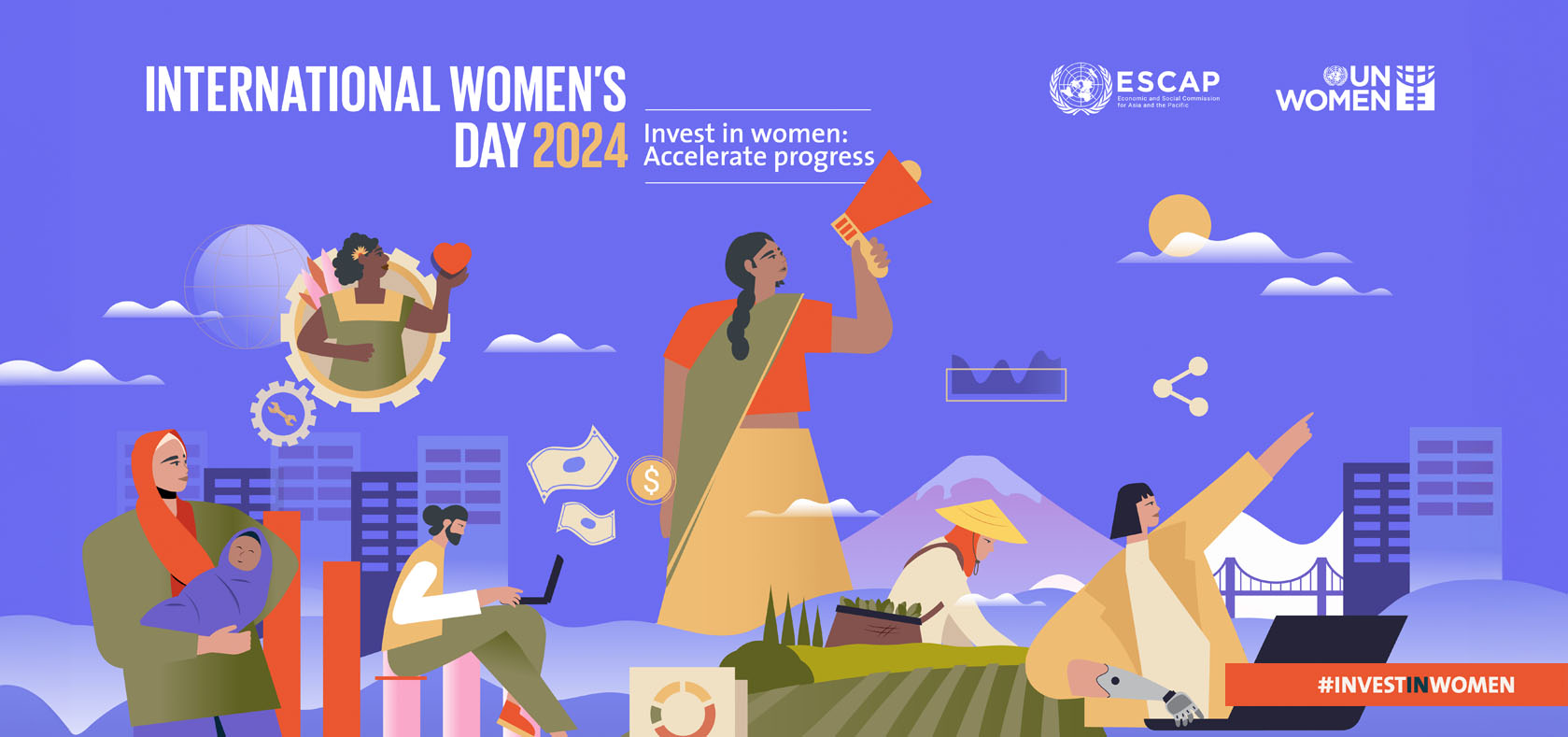
Over at the United Nations, the theme for IWD 2024 is Invest in Women: Accelerate Progress. In a world grappling with geopolitical conflicts, poverty, and climate change, empowering women becomes paramount. We can invest in women through:

  • Economic Empowerment: By economically empowering women, we advance women’s rights and gender equality globally. Financial independence opens doors to education, healthcare, and self-determination.
  • Technology and Education: Leverage technology and education in the digital age to empower women and girls. Bridging the digital divide ensures equal access to opportunities.
  • Collective Solutions: These crises demand collective solutions. When we invest in women, we invest in progress for all.

As we celebrate International Women’s Day, let us commit to inspiring inclusion, championing economic empowerment, and investing in women. Together, we can create a world where every woman’s voice is heard, every dream is achievable, and every barrier is dismantled.

International Women’s Day 2023

Today is International Women’s Day, a day which brings to the fore the women’s rights movement, bringing attention to issues such as gender equality, reproductive rights, and violence and abuse against women.

Spurred on by the universal female suffrage movement that had begun in New Zealand, IWD originated from labour movements in North America and Europe during the early 20th century. The earliest version was purportedly a Women’s Day organised by the Socialist Party of America in New York City on February 28, 1909. This inspired German delegates at the 1910 International Socialist Women’s Conference to propose a special Women’s Day be organised annually, albeit with no set date; the following year saw the first demonstrations and commemorations of International Women’s Day across Europe. After women gained suffrage in Soviet Russia in 1917 which was the beginning of the February Revolution, International Women’s Day was made a national holiday on March 8; it was subsequently celebrated on that date by the socialist movement and communist countries. The holiday was associated with far-left movements and governments until its adoption by the global feminist movement in the late 1960s. International Women’s Day became a mainstream global holiday following its adoption by the United Nations in 1977. The UN observes the holiday in connection with a particular issue, campaign, or theme in women’s rights.

International Women’s Day is a day when women can imagine a gender-equal world, a world free of bias, stereotypes, and discrimination. A world that’s diverse, equitable, and inclusive an a world where difference is valued and celebrated. Together and collectively, women’s equality can be forged and equity embraced.

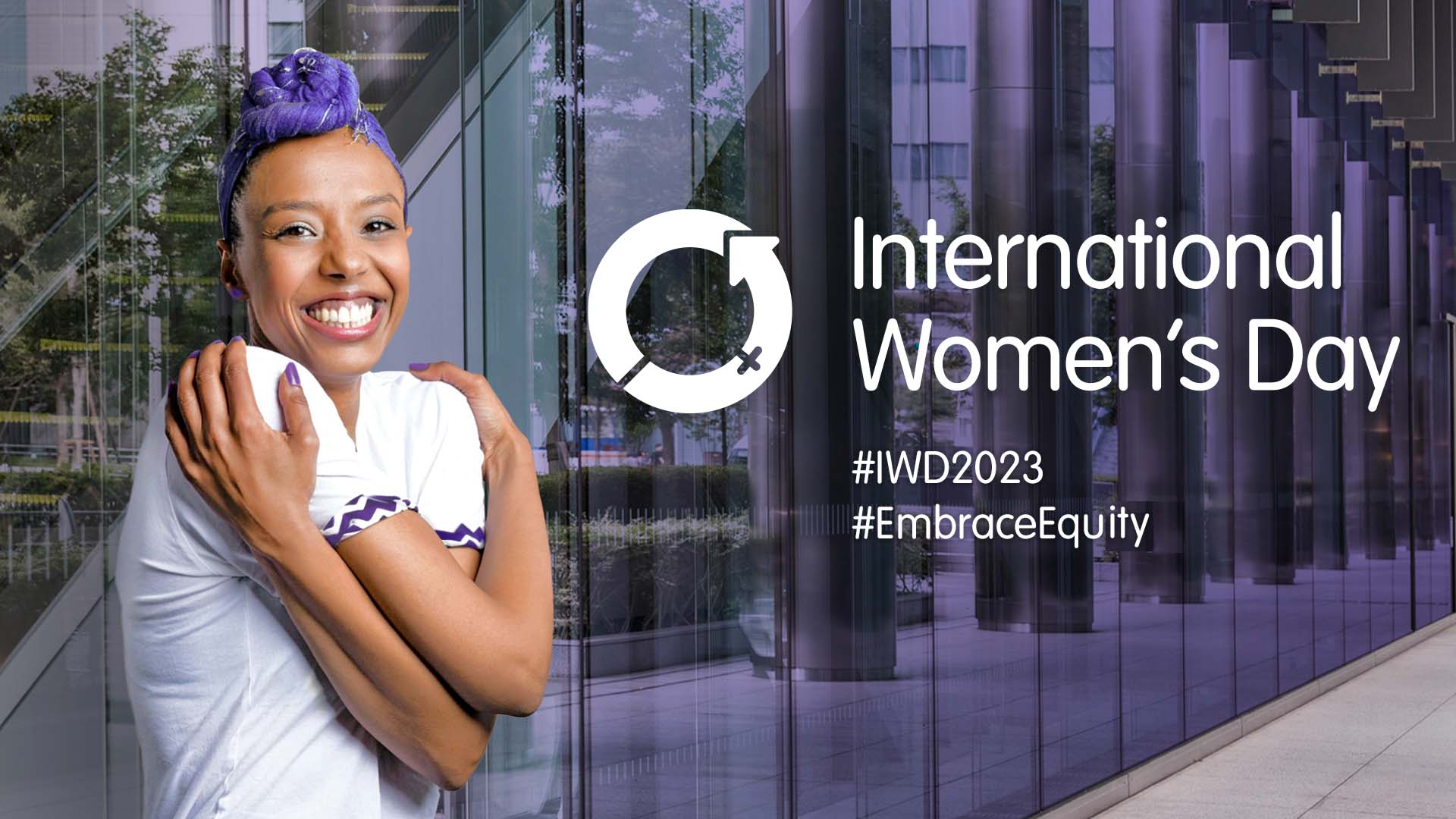
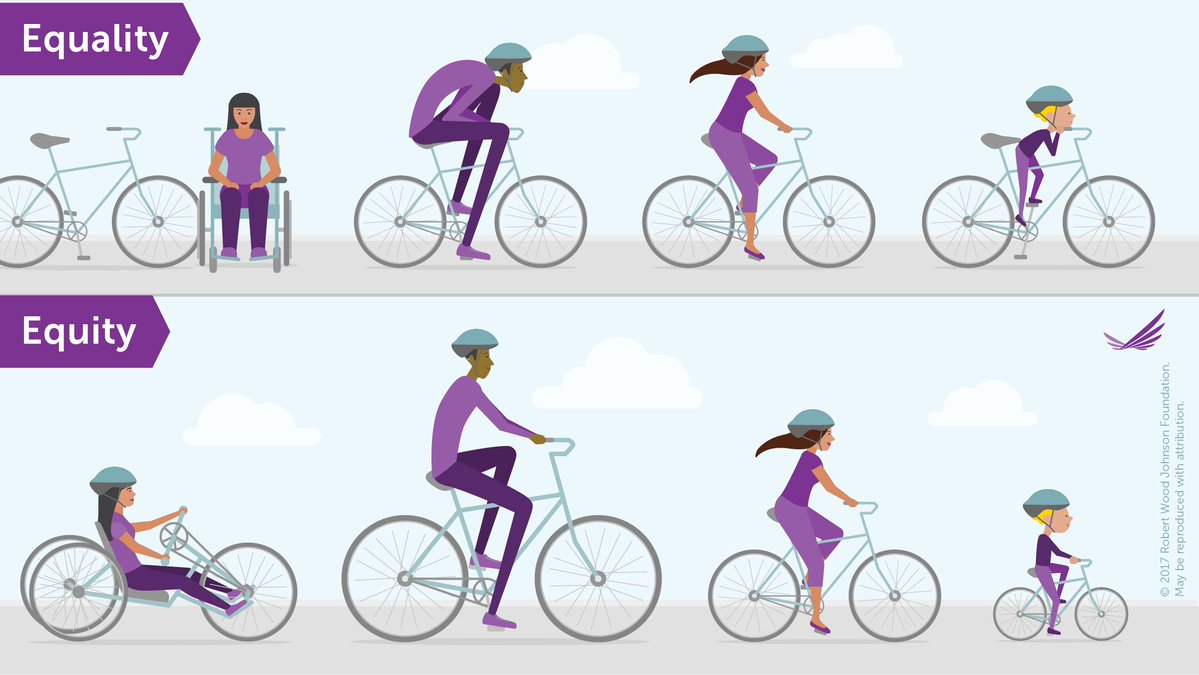
And Embrace Equity is the theme for this year’s IWD. Equity isn’t just a nice-to-have, it’s a must-have. A focus on gender equity needs to be part of every society’s DNA and it is critical to understand the difference between equity and equality. The words equity and equality are often used interchangeably. Etymologically, the root word they share is aequus, meaning even, fair or equal – which led to equity being from the Latin aequitas, and equality from aequalitas. Yet, despite these similarities, equity and equality are inherently different concepts, and the IWD 2023 #EmbraceEquity campaign theme seeks to help forge worldwide conversations about this important issue and its impact. 

So, what’s the difference between equity and equality – and why is it important to understand and acknowledge this? Equality means each individual or group of people is given the same resources or opportunities. Equity recognizes that each person has different circumstances, and allocates the exact resources and opportunities needed to reach an equal outcome. Equity can be defined as giving everyone what they need to be successful. In other words, it’s not giving everyone the same thing. If we give everyone the same thing, expecting that will make people equal, it assumes that everyone started in the same place – and this can be vastly inaccurate because everyone isn’t the same.

We can all truly embrace equity. It should not be just something we say or write about. It’s something we need to think about, know, and embrace. It’s what we believe in, unconditionally. Equity means creating an inclusive world. All of us, irrespective of gender can play a part in creating an inclusive world by actively supporting and embracing equity within our sphere of influence. We can and should challenge gender stereotypes, call out discrimination, draw attention to bias, and seek out inclusion. Collective activism is what drives change. From grassroots action to wide-scale momentum, we can all embrace equity. Forging gender equity isn’t limited to women solely fighting the good fight. Allies are incredibly important for the social, economic, cultural, and political advancement of women.

Over at the United Nations, the theme for International Women’s Day is DigitALL: Innovation and technology for gender equality. This theme highlights the need for inclusive and transformative technology and digital education.

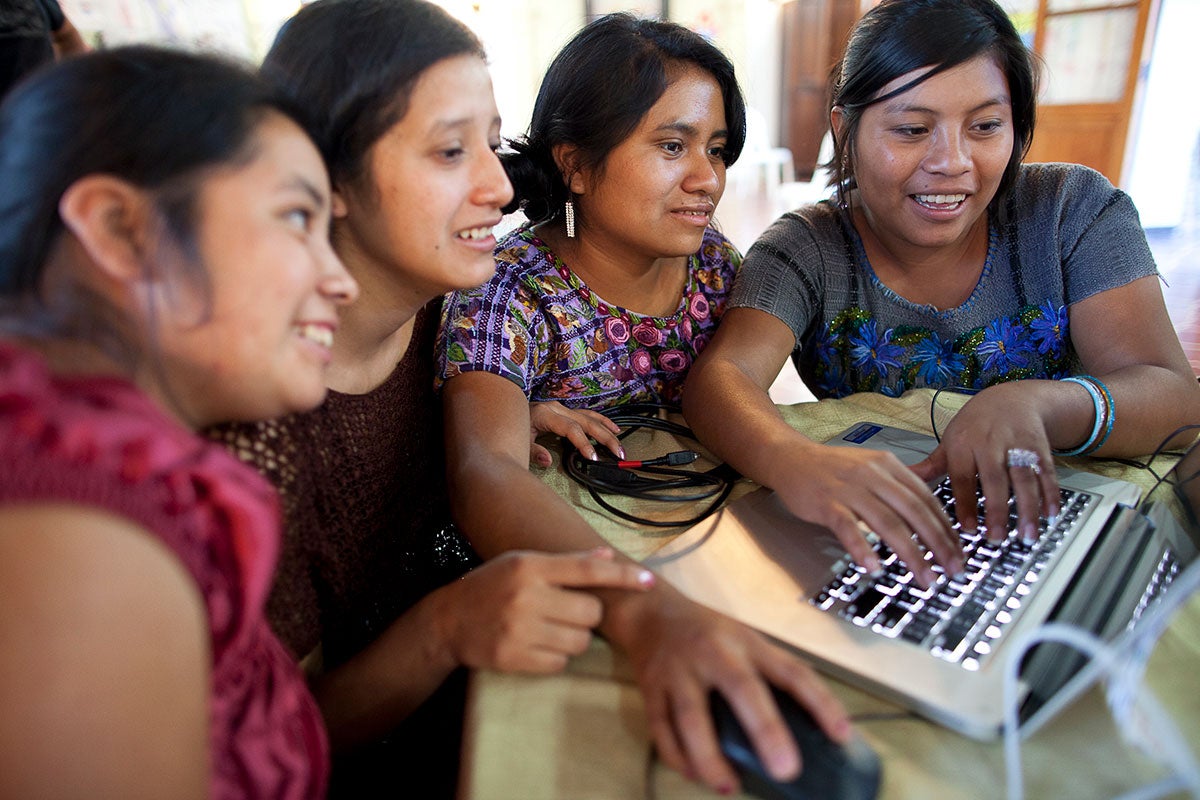
The United Nations recognises and celebrates the women and girls who are championing the advancement of transformative technology and digital education. This IWD will explore the impact of the digital gender gap on widening economic and social inequalities and will also spotlight the importance of protecting the rights of women and girls in digital spaces and addressing online and ICT-facilitated gender-based violence. Bringing women and other marginalised groups into technology results in more creative solutions and has greater potential for innovations that meet women’s needs and promote gender equality. Their lack of inclusion, by contrast, comes with massive costs. As per the UN Women’s Gender Snapshot 2022 report, women’s exclusion from the digital world has shaved $1 trillion from the gross domestic product of low-and middle-income countries in the last decade—a loss that will grow to $1.5 trillion by 2025 without action. Reversing this trend will require tackling the problem of online violence, which a study of 51 countries revealed 38 percent of women had personally experienced.

A gender-responsive approach to innovation, technology, and digital education can increase the awareness of women and girls regarding their rights and civic engagement. Advancements in digital technology offer immense opportunities to address development and humanitarian challenges and to achieve the 2030 Agenda’s Sustainable Development Goals. Unfortunately, the opportunities of the digital revolution also present a risk of perpetuating existing patterns of gender inequality. Growing inequalities are becoming increasingly evident in the context of digital skills and access to technologies, with women being left behind as the result of this digital gender divide. The need for inclusive and transformative technology and digital education is therefore crucial for a sustainable future.

Lets us all celebrate women’s achievements today and raise awareness about the discriminations we face. Let’s take action to drive gender parity and embrace equity.

International Women’s Day

Regular readers will know that I am a huge supporter of women’s rights and so International Women’s Day which falls tomorrow is a topic I never fail to write about.

International Women’s Day is celebrated in many countries around the world. It is a day when all women are recognised for their achievements. International Women’s Day was first born out of labour movements at the turn of the twentieth century in North America and across Europe. Since those early days, International Women’s Day has grown in prominence and reach, touching women in every corner of the world. The growing international women’s movement has helped make International Women’s Day a central point for action, to build support for women’s rights and their full participation in the economy, politics, community and everyday life.

In 1910, Clara Zetkin, the leader of the Women’s Office for the Social Democratic Party in Germany tabled the idea of an International Women’s Day at the second International Conference of Working Women in Copenhagen. The proposal received unanimous support from over one hundred women representing 17 countries. The very first International Women’s Day was held the following year on March 19th. Meetings and protests were held across Europe, with the largest street demonstration attracting 30,000 women. In 1913, IWD was moved to March 8th and has been held on this day ever since.

International Women’s Day or IWD, celebrated on March 08 is a global day celebrating the social, economic, cultural, and political achievements of women. The day also marks a call to action for accelerating women’s equality. The IWD has occurred for well over a century, with the first IWD gathering in 1911 supported by over a million people. Today, International Women’s Day belongs to all groups collectively everywhere and is not country, group or organization specific.

The theme for this year’s International Women’s Day from the IWD organisation is Break the Bias. Let’s imagine a gender-equal world free of bias, stereotypes, and discrimination, a world that is diverse, equitable, and inclusive and a world where difference is valued and celebrated. Let us all forge women’s equality and collectively we can all Break the Bias. Individually, we’re all responsible for our thoughts and actions – all day, every day and we can break the biases in our communities, our workplaces, our schools, colleges and universities and together, we can all break the bias – on International Women’s Day and beyond. Purple, green and white are the colours of International Women’s Day with purple signifying justice and dignity, green symbolising hope and white representing purity, albeit a controversial concept. The colours originated from the Women’s Social and Political Union or WSPU in the UK in 1908.

The United Nations celebrated International Women’s Day with a separate theme. Women and girls face greater vulnerability and exposure to disasters, and conflicts, and yet they remain largely ignored in developing solutions and their capabilities are often under-utilised. As the most impacted, women are also a critical part of the solution. The theme this year is Women in leadership: Achieving an equal future in a COVID-19 world. Women stand at the front lines of the COVID-19 crisis, as health care workers, caregivers, innovators, community organizers and as some of the most exemplary and effective national leaders in combating the pandemic. The crisis has highlighted both the centrality of their contributions and the disproportionate burdens that women carry. This year’s theme celebrates the tremendous efforts made by women and girls around the world in shaping a more equal future and recovery from the COVID-19 pandemic.

International Women’s Day is a time to reflect on progress made, to call for change and to celebrate acts of courage and determination by ordinary women, who have played an extraordinary role in the history of their countries and communities. The world has made unprecedented advances, but no country has achieved gender equality. Fifty years ago, we landed on the moon; in the last decade, we discovered new human ancestors and photographed a black hole for the first time. In the meantime, legal restrictions have kept 2.7 billion women from accessing the same choice of jobs as men. Less than 25 per cent of parliamentarians were women, as of 2019 and even today one in three women experiences gender-based violence.

Because sometimes we need to remember we’re not alone. Happy International Women’s Day to all the lovely women and the men who support and motivate their women!