The Power of Introverts: Unleashing Quiet Brilliance

In a world that often celebrates extroversion, the quiet strength of introverts often goes unnoticed. But beneath the calm and sometimes unassuming demeanour lie many unique talents and abilities that shape our society in profound ways.

Introversion refers to a personality trait characterised by a preference for solitude, introspection, and quiet reflection. Introverts tend to feel more energised and fulfilled when they spend time alone or engage in activities that allow for deep thinking and self-exploration. Introversion is not simply about shyness or reticence in social situations, but rather a preference for solitude, reflection, and deep introspection. Introverts draw energy from within, finding solace and renewal in moments of quiet contemplation and solitude.
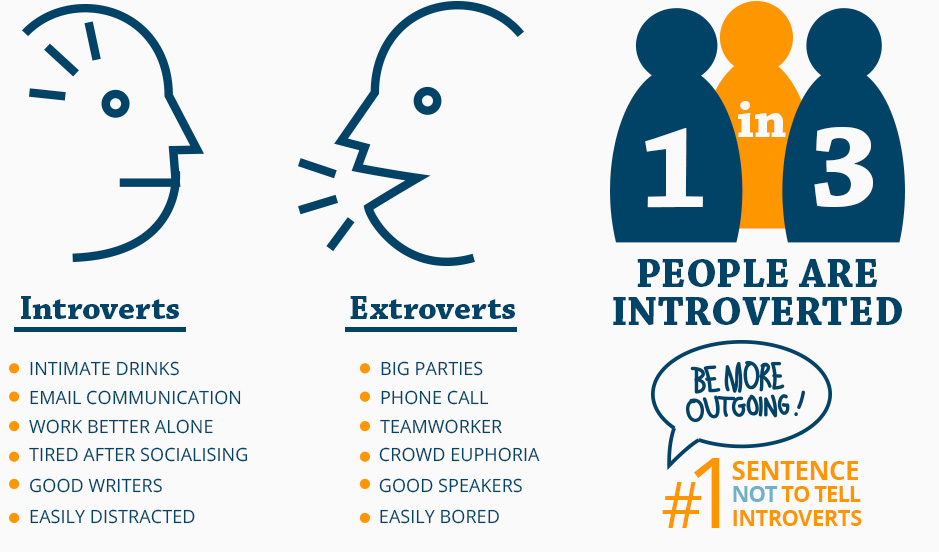
Introverts possess a remarkable capacity for reflection and self-awareness, often delving deep into their inner thoughts and emotions to gain insights and perspective on themselves and the world around them. This introspective nature fuels creativity, innovation, and personal growth. Introverts thrive in the quiet corners of life. They find solace in solitude, introspection, and deep thought. While extroverts draw energy from social interactions, introverts recharge their mental and emotional batteries by retreating to their inner sanctums. They often seek out quiet environments where they can focus their thoughts and feelings. But this preference for quietude doesn’t equate to weakness; rather, it’s a wellspring of strength waiting to be tapped.

Introverts may have a smaller circle of friends but maintain meaningful connections. They value quality over quantity in relationships and prefer deeper conversations. They are deep thinkers, often excelling at contemplating complex ideas and exploring their inner worlds. Their ability to listen to and understand others makes them empathetic and supportive. Introverts are also very creative, with many artists, writers, and thinkers identifying as introverts and channeling their creativity into their work.

Introverts are exceptional listeners. Their ability to absorb information, empathize, and truly understand others is unparalleled. In a world where noise often drowns out nuance, introverts provide a vital counterbalance. They listen not just with their ears but with their hearts, fostering genuine connections and bridging gaps between people.

Introverts possess a unique set of strengths that contribute to their success and well-being. Introverts tend to listen more than they speak, allowing them to absorb information about other people. Their empathetic nature enables them to understand others deeply and offer meaningful support. Solitude provides fertile ground for creativity. Introverts often tap into their rich inner world to generate innovative ideas, artistic expressions, and unique solutions. Their preference for focused, solitary work allows introverts to excel in academic pursuits. They thrive when given the opportunity to delve into complex subjects and explore ideas deeply. They prioritise self-care and introspection. Their ability to recharge through alone time contributes to better mental and physical health. Introverts possess qualities like thoughtful preparation, calm focus, and grounded energy. These attributes make them effective leaders and entrepreneurs. Introverts thrive when working independently. Their ability to concentrate without distractions leads to increased productivity. Introverts value quality over quantity in relationships. Their small circle of close friends allows for deeper connections and meaningful interactions.
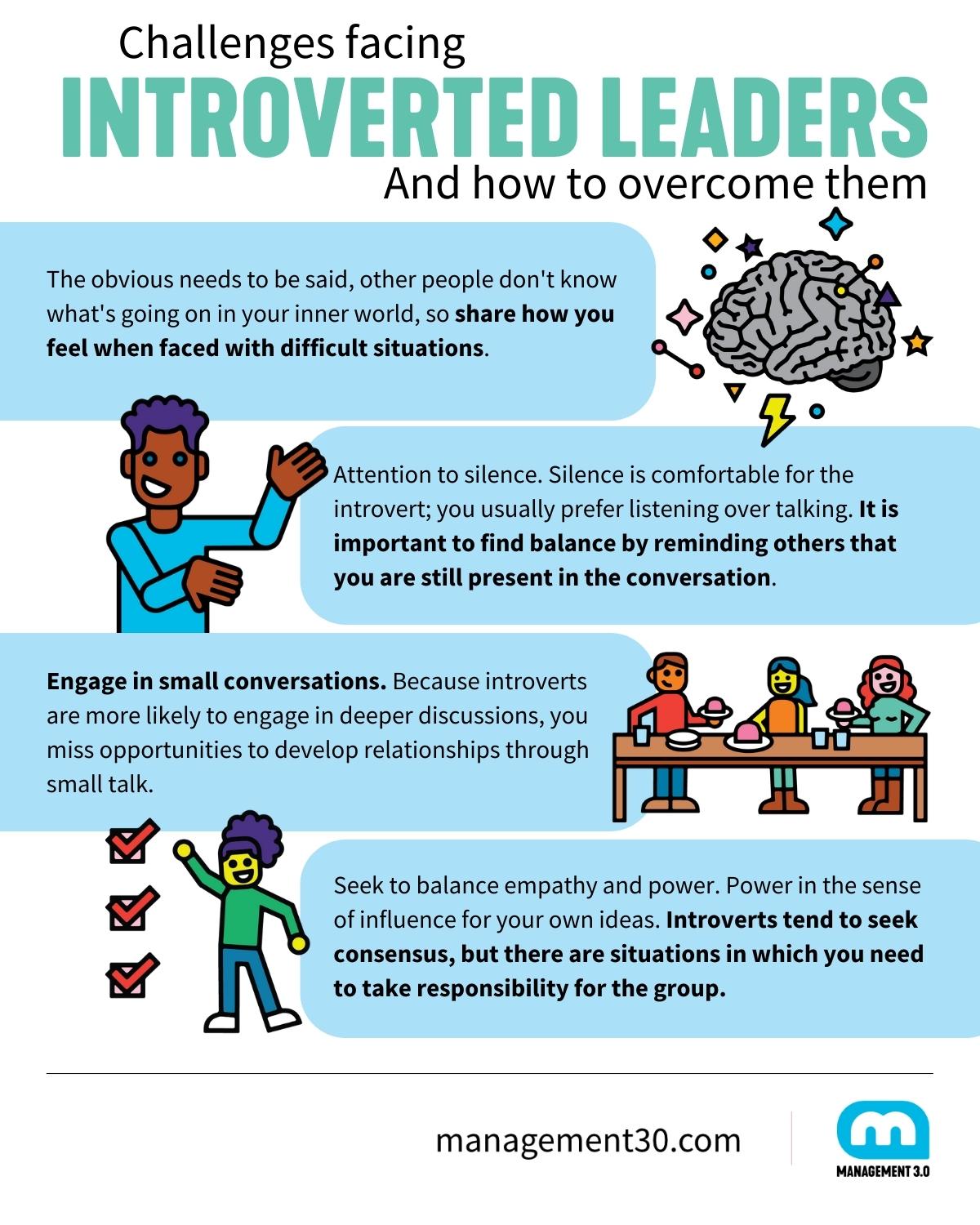
Leadership isn’t synonymous with extroversion. Contrary to stereotypes, introverts can be effective leaders. Introverted leaders lead by example, inspire through their actions, and create spaces where everyone’s voice is heard. Consider Rosa Parks, whose quiet defiance sparked a civil rights movement, or Mahatma Gandhi, whose inner strength transformed nations. Introverted leaders lead not with bravado or charisma, but with authenticity, humility, and integrity. Their quiet strength inspires trust, loyalty, and commitment, empowering others to embrace their own unique gifts and talents. In a world that often values extroversion over introversion, introverted leaders serve as catalysts for change, challenging conventional wisdom and championing inclusivity, diversity, and authenticity. Their quiet revolution sparks innovation, empathy, and social change. Introverted leaders often exhibit qualities such as not dominating conversations, synthesising information, and reassuring others during challenging times.

Introverts are catalysts for change. Their thoughtful contributions—whether in art, science, or social justice—shape the world. Susan Cain, author of “Quiet: The Power of Introverts in a World That Can’t Stop Talking,” ignited a quiet revolution by championing introverts’ value. TED Talks like hers remind us that introverts are not outliers; they are essential threads in our societal fabric.

Despite their strengths, introverts often face challenges. Society tends to favour the gregarious, the charismatic, and the outspoken. But introverts have much to offer, and it’s time to recognise their quiet brilliance. Introversion is not a flaw or a weakness. It is a unique way of being. Remember, introversion is not a limitation, it’s a strength that contributes to the rich diversity of human personalities.

As we celebrate extroversion, let’s also honour the introverts—the poets, the thinkers, and the dreamers. Let’s recognize that their quiet brilliance fuels progress, innovation, and compassion. So, the next time you encounter an introvert, listen closely. Under their soft-spoken words lies a symphony of wisdom waiting to be heard. In a world that often shouts, let’s lean in and listen to the whispers of introverts. Their power lies not in volume but in depth, not in noise but in nuance. Let’s celebrate the introvert within us all.
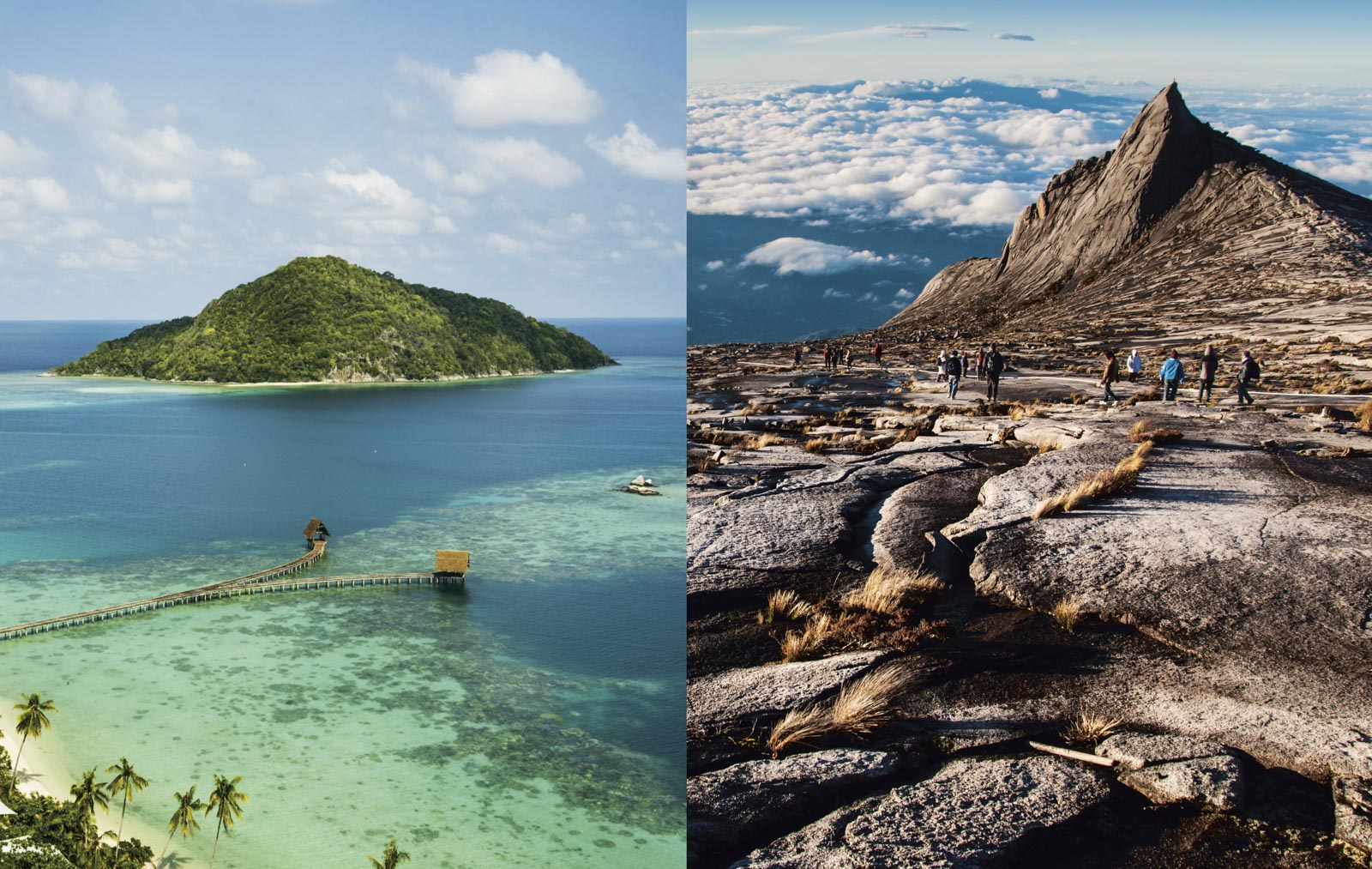

Beaches or Mountains: What kind of holiday do you prefer?

While wondering what to write, I saw this writing prompt and thought it was apt for today. It’s summer time now and we are all thinking about past holidays, unfortunately here, travel is still not allowed. Since Singapore is tiny, we usually travel out of the country for all holidays, even if it’s a short weekend jaunt. This is unlike most other countries which have a rich hinterland which can be used as holiday destinations.

So, mountains or beaches? This is easy and difficult at the same time, because I love the water. My ideal holiday destination would be a place somewhere in the mountains, surrounded by greenery and overlooks a water body. I don’t know swimming and am not very fond of water sports, so a beach holiday would not really be a preference. Though I would say that a hammock on the beach or even a nice lounger with access to cool drinks and a good, gripping book is what a real relaxing holiday is all about. However, for those who do, a beach holiday can provide hours of fun and relaxation.

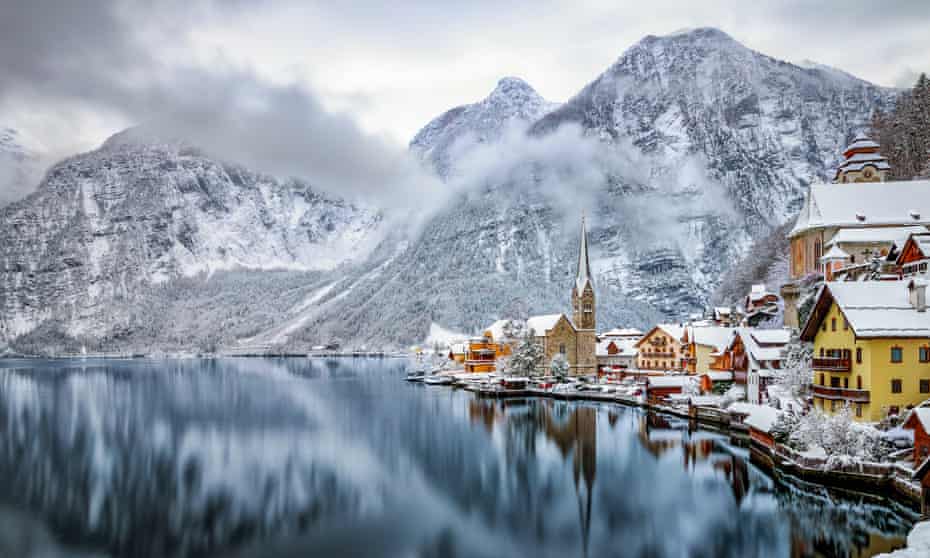
Anyone who has spent time at the beach already knows that the beach is the perfect stress reliever. In fact, Hippocrates created a word, Thalassotherapy, for the buzz you get from being by the sea. Science has even proven that a day at the beach can lead to increased mood, better sleep, and a general feeling of bliss. A day at the beach increases the Vitamin D production in the body, an essential ingredient for healthy skin and bones. It also boosts the immune system and general mood. The ocean’s saltwater is a natural saline that can clear sinuses, which can help fight infection, allergies, and general sinus issues. The minerals in saltwater are great for the skin and the sand can help with exfoliation. Recent studies have also found that sea air is full of negative ions which help bodies absorb oxygen better and help balance levels of serotonin. One study even proved that negative ions can help treat seasonal affective disorder. Researchers have found that the sound of waves actually changes brain patterns, it puts the mind into a deep meditative state. There is even one study by the Barcelona Institute for Global Health that showed that exposure to blue spaces like bodies of water, had a better effect on mood than exposure to green spaces like parks and trees.

At the beach, looking out at the vast ocean which changes minute to minute is awe-inspiring and watching the waves roll and ebb with the sun glistening on the water can make hours feel like minutes. And how can one forget ocean sunrises and sunsets which showcase all that is beautiful in nature. It is like watching a beautiful painting come to life. For those living in climates which are cold, a beach holiday is a chance to escape the weather. Though for someone like me, who grew up in a tropical climate and now lives in one, the heat is not the best reason to go to the beach. Seafood lovers have another reason to love beach holidays as it is known fact that the best and freshest seafood is found in coastal areas. Sitting in a beachside shack with some delicious food, watching the waves would probably be bliss for such people.

Other than what I have written above, those who like water sports would also enjoy a beach holiday as well as those who enjoy diving, snorkelling and wakeboarding. Lovers of the marine life can also take rides to check out the many marine creatures with experienced guides. Many coastal areas are home to coral reefs, both natural and artificial, that are a haven for marine diversity.

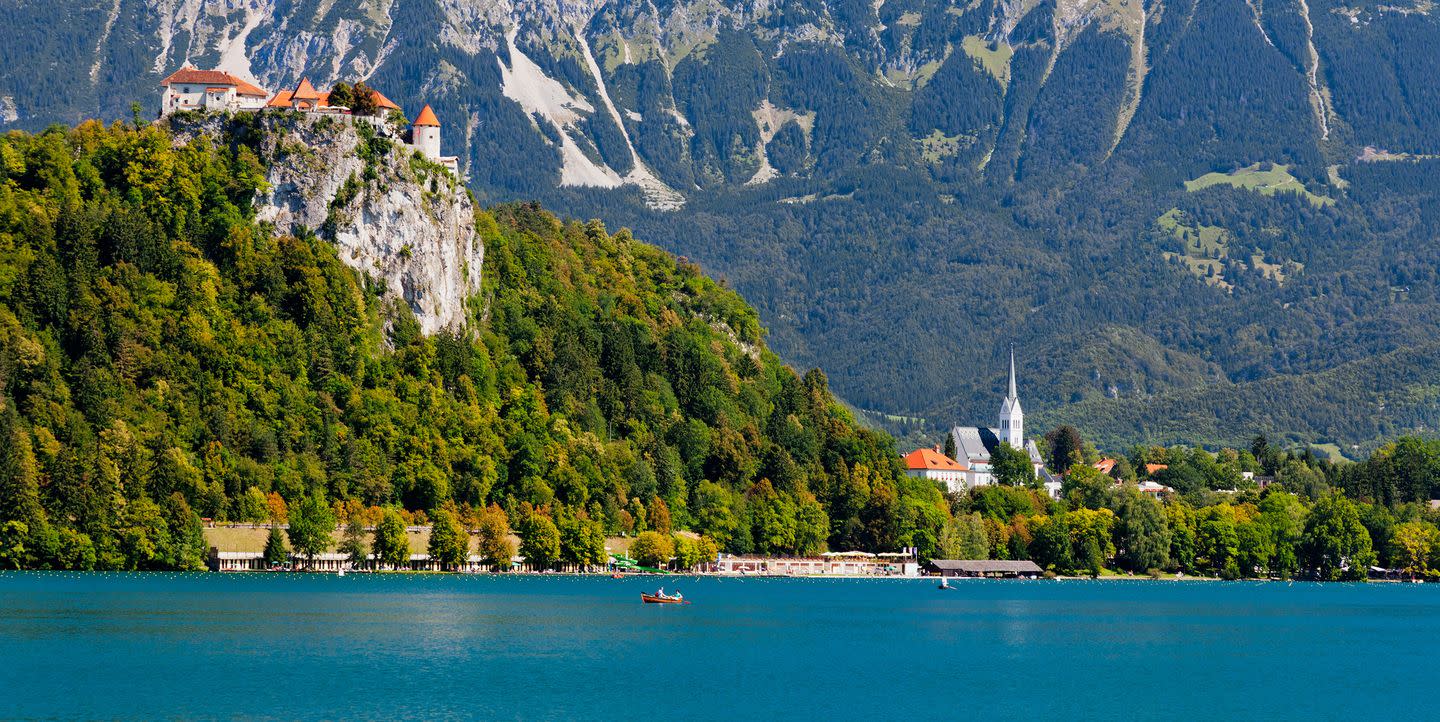
Mountain and high altitudes have been shown to have positive effects on everything from muscle building to fighting obesity. In the mountains, one can disconnect and relax completely and be connected with nature. One can enjoy the early morning mists, the dew on the trees and grass and who can forget the loads of oxygen and fresh air one gets in the mountains. Walking barefoot in the grass is a feeling like no other.

One study showed that even a weeklong vacation in the mountains can have a positive impact on weight loss. Participants at a higher altitude lost an average of 1.5 kg per person in a week even when they kept to their regular diet and activity level. Not only does the high altitude have a positive effect on the metabolism, it also reduces appetite and increases the feeling of being satisfied after eating. Higher altitudes also lower the risk of heart disease. At high altitude, the lower oxygen levels force the body to produce new blood vessels that increase blood flow to the heart. The air up in the mountains has lower pollution levels which also has a positive impact on health. Spending time in the mountains has shown to be beneficial for people with asthma or other respiratory problems and the scent of pine and lavender, be found in the mountains, has a calming effect, reducing depression and stress. The mountains are nature’s gym and vacations in the mountains tend to be more active with even a gentle walk that takes in declines and inclines, and gravity being a great personal trainer. Hiking which has a whole range of health benefits like increasing the heart rate, exercising the core muscles, increase bone density, build strength in the legs, buttocks, hips and lower back and reduces the risk of diabetes. So, time spent in the mountains can transform the body and mind.

There is also an interesting study done by psychologists of the University of Virginia. Psychologist Shigehiro Oishi and colleagues Thomas Talhelm and Minha Lee in a series of three studies, tested whether there is a link between personality and an aspect of physical ecology: flat terrain versus mountainous terrain. For one of the studies, the research group analysed a database of 613,000 personality surveys across the United States to see whether introversion and extroversion was associated with a state’s geography. The study found that only one of the Big Five personality traits predicted terrain preference – extraversion.

Extroverts prefer beaches to mountains and introverts love the mountains more. The study was developed on the basis of the psychologists’ hypothesis called person-environment fit which suggests that people choose surroundings that help them fulfil their desires. The study also reveals that mountain lovers are more introverted than beach lovers. Mountain lovers seek isolation when they travel and hence, they wish to go to the mountains where the population density is low and the probability of meeting people is less. People who prefer beaches are extroverts, who like to socialise.

Participants perceived wooded/secluded terrain to be calmer, quieter and more peaceful. In contrast, participants in the flat/open condition perceived the terrain to be more sociable, exciting and stimulating. The study found that when people want to socialize with others, they prefer the ocean far more (75%) than mountains (25%). In contrast, when they want to be alone, they choose mountains (52%) as much as the ocean (48%). Results of the study also showed that introverts tend to live in mountainous regions, while extroverts live in open and flat regions. The researchers caution that there is no evidence mountains make people introverted, but rather, introverts tend to choose mountainous geography because of the secluded environment.

According to the lead researcher, Shige Oishi, individuals should consider their personalities more closely when choosing a place to live as some cities and towns have a geography that is more accommodating for some people than for others and if someone knows they are introverted, then they may be rejuvenated by being in a secluded place, while an extrovert may be rejuvenated more in an open space.

So, in conclusion, beach lovers are social, have a large group of friends and can often divulge in small talk. Their phones do not stop buzzing and they make friends freely and easily. They probably love music and believe in the notion of carpe diem which means to live in the present moment and be too concerned about the future. A mountain lover is an introvert at heart, who likes seclusion and loves their own company above anybody else’s. They are creative, be it writing, painting, sketching, or singing and belong to the mountains because they think they bring out the best in them. They are also philosophical and like conversations that are much deeper and love talking about art, nature, life and philosophy. They are also better listeners.

When I initially said I would prefer mountains, it was right up my alley as I am self-professed introvert and maybe that study is absolutely accurate. What about you? Are you a beach person or someone who prefers the mountains?

Introverts, Extroverts and Ambiverts

For as long as I remember, I have been an introvert, preferring books and my own company to other people. But as I grew older and started appreciating people, I realised that I actually like engaging with people some of the time, especially when we are having an interesting conversation. This made me realise while I will never be an extrovert who likes being the centre of attraction, I was not the introvert I was growing up. That’s when I learnt that I may be an ambivert instead.

So, what are all the definitions of such people?

Extroverts are those who tend to enjoy human interactions and to be enthusiastic, talkative, assertive, and gregarious. Extroverts are energised and thrive off being around other people, taking pleasure in activities that involve large social gatherings, including activities like parties, community activities, public demonstrations and business or political groups. They also tend to work well in groups and is more likely to enjoy time spent with people and find less reward in time spent alone as they tend to be energized when around other people, and they are more prone to boredom when they are by themselves.

Extroverts are wired for enthusiasm. Research has found that extroverts are more likely to associate pleasurable feelings with their current environment, according to one analysis of neurological differences between introverts and extroverts. They are more likely to be a leader with research findings showing that most leaders self-identify as extroverts. They are great in groups, large rooms and often have no problem building rapport with anyone. Extroverts are anti-boring and great at pulling out the best from people, be it conversation, energy and confidence as well as more likely to have lots of interesting adventures, fun activities and socialising in their calendars which gives them lots to talk about. Extroverts also tend to be happier with research that found that extroverts tend to be more optimistic, cheerful and better at mood regulation, which means that in a given situation someone can control their moods or emotional responses more easily and allowing them to be social fixers.

Famous extroverts include politicians like Winston Churchill, Margaret Thatcher, Bill Clinton and sports personalities like Muhammed Ali.

Introverts are typically perceived as being more reserved or reflective and some popular psychologists have characterised introverts as people whose energy tends to expand through reflection and dwindle during interaction. Introverts often take pleasure in solitary activities like reading, writing, or meditating and is likely to enjoy time spent alone and find less reward in time spent with large groups of people. Introverts are easily overwhelmed by too much stimulation from social gatherings and engagement, with introversion defined by some in terms of a preference for a quiet, more minimally stimulating external environment. They prefer to concentrate on a single activity at a time and like to observe situations before they participate and are more analytical before speaking. Mistaking introversion for shyness is a common error as introversion is a preference, while shyness stems from distress. While introverts prefer solitary to social activities, they do not necessarily fear social encounters like shy people do.

Studies have found that introverts are humbler than extroverts, an incredibly important and hard to learn trait which makes them more perceptive, more open and less bogged down by ego making them wonderful leaders, managers and friends. Why, because they are wonderful observers who can pick up on social nuances, hidden emotions and team dynamics better than anyone. When they speak, people listen and take their words seriously because they tend to think carefully before speaking and use words carefully. Introverts also make some of the best employees because they are incredible listeners, great at asking the right questions and think before they speak and are very observant so often give the best input.

Some of the most talented people in history have been introverts from Apple co-founder Steve Wozniak to the greatest genius of the 20th century, Albert Einstein. Other super successful introverts include J.K Rowling, Bill Gates and Mahatma Gandhi

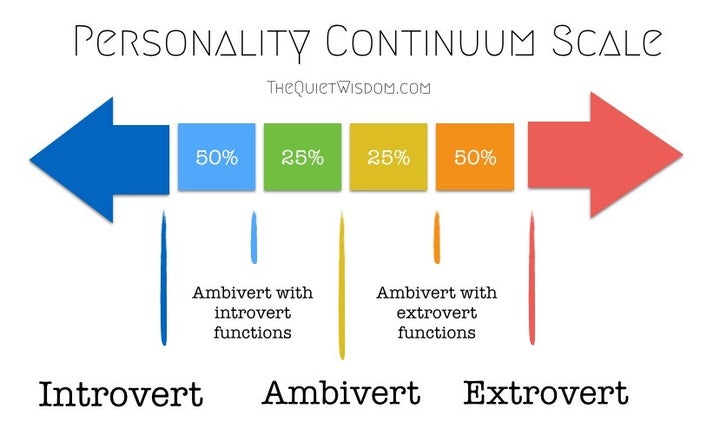
While most people view being introverted or extraverted as mutually exclusive, it is actually part of a single, continuous dimension of personality, with some scoring near one end, and others near the halfway mark. Ambiverts falls more or less directly in the middle. Ambivert are moderately comfortable with groups and social interaction, but also relish time alone, away from a crowd. In simpler words, an ambivert is a person whose behaviour changes according to the situation they are in. In the face of authority or in the presence of strangers, the person may be introverted. However, in the presence of family or close friends, the person may be highly energetic or extroverted.

It is commonly accepted that extroverts excel in jobs that require interaction with people, the best in sales, in leading people and being successful at work, but this fallacy was turned in its head during an analysis by Adam Grant, an associate professor at the Wharton School of the University of Pennsylvania, who analysed 35 separate studies and found the statistical relationship between extroversion and income was basically zero. He conducted a personality survey and collected three-month sales records for more than 300 salespeople, both male and female. The people who ranked right in the middle for extroversion and introversion–ambiverts–turned out to be the best salespeople. Grant theorised that ambiverts seem to strike a balance between the two more extreme personality traits theorising that the ambivert advantage stems from the tendency to be assertive and enthusiastic enough to persuade and close, but at the same time, listening carefully to customers and avoiding the appearance of being overly confident or excited.

There is nothing wrong in being an introvert, extrovert or an ambivert. Each type has its strengths and weaknesses and knowing what personality type you are (and most people know this by the time they get to their teens or latest by their early twenties) will help you amplify your strengths and help you overcome weaknesses.

If you want to know where on the spectrum you lie, here’s a short, ten question quiz from TED to help you find out.

And here are some TED videos about these personality traits. Watch and learn more…