In My Hands Today…

The Age of Shiva – Manil Suri

1799910India, 1955: As the scars of Partition are beginning to heal, seventeen-year-old Meera sits enraptured: in the spotlight is Dev, singing a song so infused with passion that it arouses in her the first flush of erotic longing. But when Meera’s reverie comes true, it does not lead to the fairy-tale marriage she imagined. Meera has no choice but to obey her in-laws, tolerate Dev’s drunken night-time fumblings, even observe the most arduous of Hindu fasts for his longevity. A move to Bombay seems at first like a fresh start, but soon that dream turns to ashes. It is only when their son is born that things change and Meera is ready to unleash the passion she has suppressed for so long.
In My Hands Today…

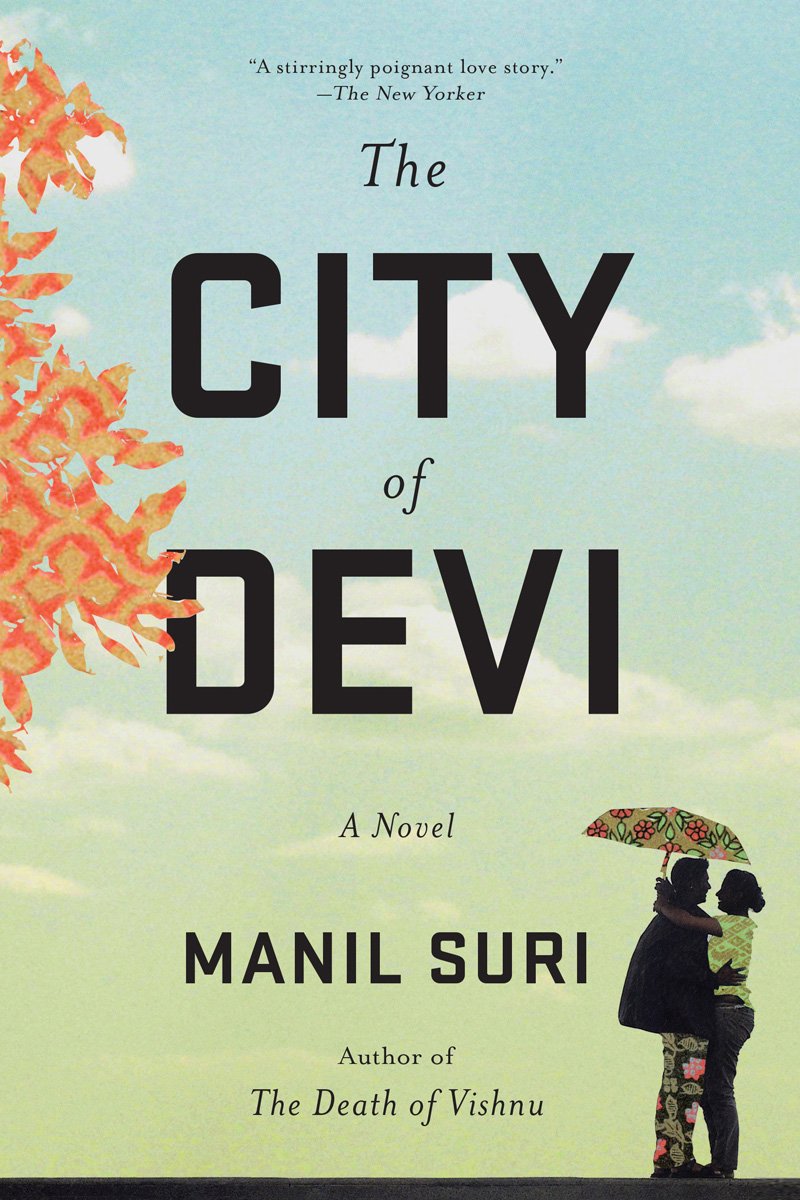
The City of Devi – Manil Suri

Mumbai has emptied under the threat of imminent nuclear annihilation; gangs of marauding Hindu and Muslim thugs rove the desolate streets; yet Sarita can think of only one thing: buying the last pomegranate that remains in perhaps the entire city. She is convinced that the fruit holds the key to reuniting her with her physicist husband, Karun, who has been mysteriously missing for more than a fortnight. Searching for his own lover in the midst of this turmoil is Jaz–cocky, handsome, and glib. “The Jazter,” as he calls himself, is Muslim, but his true religion has steadfastly been sex with men. Dodging danger at every step, both he and Sarita are inexorably drawn to Devi ma, the patron goddess who has reputedly appeared in person to save her city. What they find will alter their lives more fundamentally than any apocalypse to come.

A wickedly comedic and fearlessly provocative portrayal of individuals balancing on the sharp edge of fate, The City of Devi brilliantly upends assumptions of politics, religion, and sex, and offers a terrifying yet exuberant glimpse of the end of the world.

In My Hands Today…

The Death of Vishnu – Manil Suri

Manil Suri’s comic prose and imaginative language transport readers to the petty squabbles and unrelenting conflicts of modern-day India. At the center of the narrative is the character of Vishnu, an aging alcoholic houseboy on the precipice of death, who lies, penniless, on the bottom step of a middle-class Bombay apartment house. While Vishnu appears to face his impending death placidly and philosophically, a maelstrom swirls around him. The residents of the building include a reclusive widower mourning the untimely death of his young wife, a Moslem family coping with the daily prejudices of their Hindu neighbors, and two families who unhappily share a kitchen. Worlds collide when the Moslem family’s son elopes with the Hindu family’s daughter, and Mr. Jalal, the Moslem family patriarch, apparently flips his wig, recognizing Vishnu not as their dying houseboy but as the deity whose name he bears, with the power to save. And when Mr. Jalal is found sleeping on the stairs beside Vishnu, he becomes the scapegoat for the building’s many ills. In its frenetic and hilarious conclusion, The Death of Vishnu trumpets the arrival of an extremely gifted Indian writer, bringing to spectacular life the tempestuous chaos that is life in India today.