In My Hands Today…

Remember: The Science of Memory and the Art of Forgetting – Lisa Genova

Have you ever felt a crushing wave of panic when you can’t for the life of you remember the name of that actor in the movie you saw last week, or you walk into a room only to forget why you went there in the first place? If you’re over forty, you’re probably not laughing. You might even be worried that these lapses in memory could be an early sign of Alzheimer’s or dementia. In reality, for the vast majority of us, these examples of forgetting are completely normal. Why? Because while memory is amazing, it is far from perfect. Our brains aren’t designed to remember every name we hear, plan we make, or day we experience. Just because your memory sometimes fails doesn’t mean it’s broken or succumbing to disease. Forgetting is actually part of being human.

In Remember, neuroscientist and acclaimed novelist Lisa Genova delves into how memories are made and how we retrieve them. You’ll learn whether forgotten memories are temporarily inaccessible or erased forever and why some memories are built to exist for only a few seconds (like a passcode) while others can last a lifetime (your wedding day). You’ll come to appreciate the clear distinction between normal forgetting (where you parked your car) and forgetting due to Alzheimer’s (that you own a car). And you’ll see how memory is profoundly impacted by meaning, emotion, sleep, stress, and context. Once you understand the language of memory and how it functions, its incredible strengths and maddening weaknesses, its natural vulnerabilities and potential superpowers, you can both vastly improve your ability to remember and feel less rattled when you inevitably forget. You can set educated expectations for your memory, and in doing so, create a better relationship with it. You don’t have to fear it anymore. And that can be life-changing.

World Mental Health Day

Tomorrow is World Mental Health Day. This day serves as a global reminder of the importance of mental health and encourages open conversations around mental well-being. It was first celebrated in 1992 at the initiative of the World Federation for Mental Health, a global mental health organisation with members and contacts in more than 150 countries. This day, each October, thousands of supporters come to celebrate this annual awareness program to bring attention to mental illness and its major effects on people’s lives worldwide. In addition, this day provides an opportunity for mental health professionals to discuss and shed light on their work, making mental health a priority worldwide. In some countries, this day is part of an awareness week.

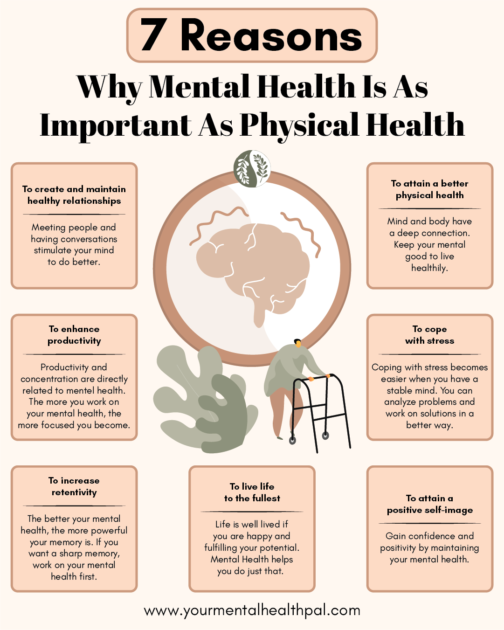
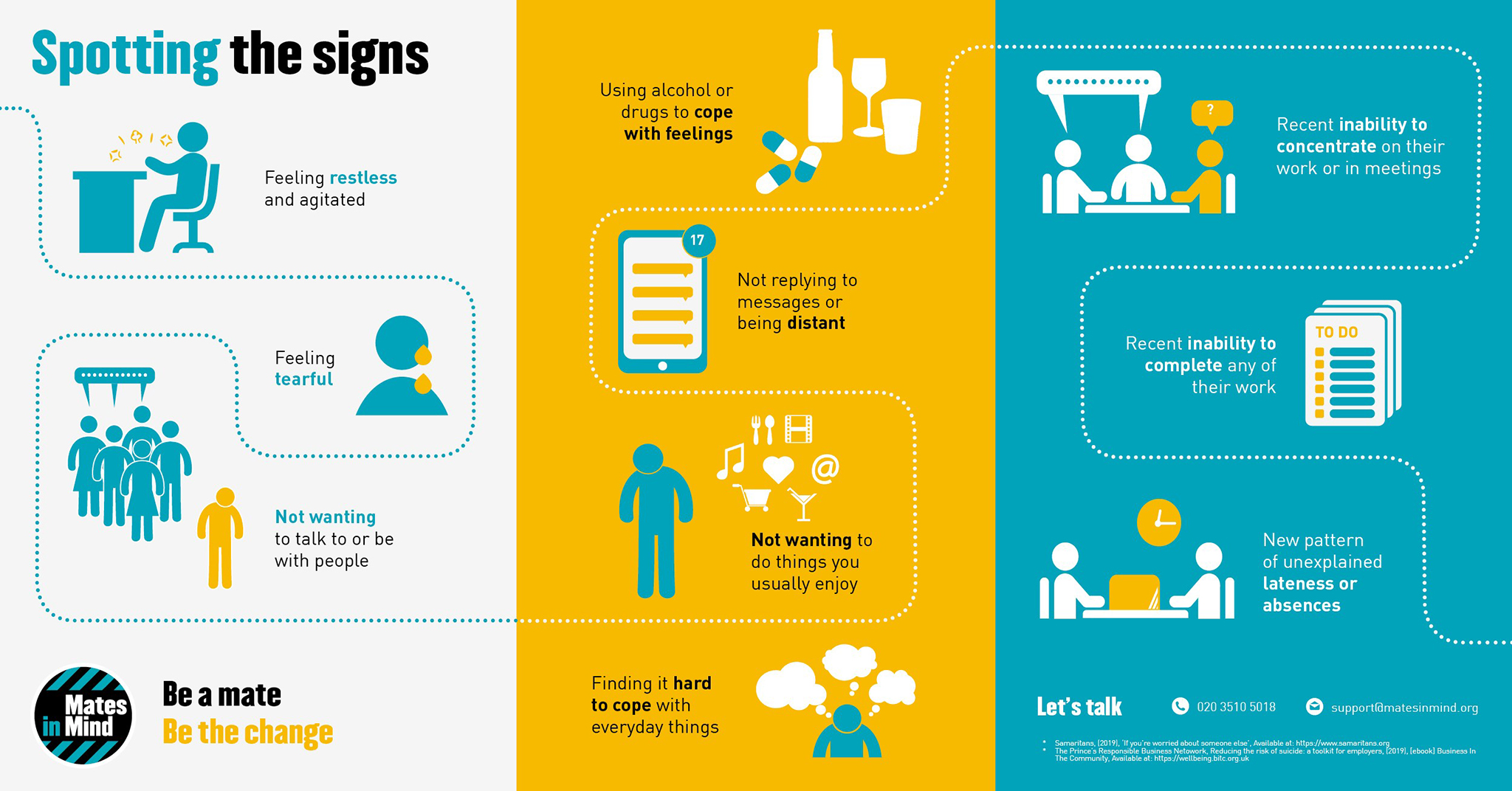
Mental health is an integral part of our overall well-being and encompasses the emotional, psychological, and social aspects of our lives. It affects how we think, feel, and act, as well as how we handle stress, make choices and relate to others. It is crucial to recognise that mental health is not merely the absence of mental illness but rather the presence of positive psychological states and coping mechanisms. Just like physical health, mental health is subject to fluctuations throughout our lives. We all experience a range of emotions, face challenges, and cope with stress at various times. This is perfectly normal. However, when these challenges become overwhelming and persist over extended periods, they can negatively impact our mental well-being.

Maintaining a healthy mental state is essential for multiple reasons. Mental health is interconnected with physical health and impacts every aspect of our lives. When we take care of our mental health, we are better equipped to handle stress, make informed decisions, and maintain healthy relationships. Good mental health is linked to higher productivity and improved performance in various areas of life, including work, academics, and personal goals. Research has shown a strong connection between mental and physical health. Poor mental health can lead to a weakened immune system, increased risk of chronic diseases, and even slower recovery from illnesses. Promoting mental health helps reduce the stigma associated with mental illnesses. Open discussions encourage empathy and understanding, leading to a more inclusive society. Taking care of our mental health proactively can act as a protective measure, reducing the risk of developing mental illnesses or exacerbating existing conditions.

The theme for the 2023 edition of World Mental Health Day is “Mental Health for All,” emphasising the need for universal access to mental health care and support. This year’s theme aims to break barriers and ensure that mental health services are available to everyone, regardless of their background or location. The theme addresses the disparity in mental health care and aims to break down barriers that prevent individuals from seeking help.

By encouraging open conversations and education about mental health, we can work towards eliminating the stigma that often prevents people from seeking help. Ensuring that mental health services are accessible to everyone, regardless of their socioeconomic status, location, or background, is crucial to achieving mental health for all. The theme highlights the need to prioritise mental health support for vulnerable populations, such as refugees, victims of violence, and those facing discrimination. Empowering individuals with the knowledge and tools to take care of their mental health can lead to better self-awareness and improved coping mechanisms. The theme also emphasises the importance of collaboration between governments, non-governmental organizations, healthcare providers, and communities to advocate for mental health support and resources.

World Mental Health Day is not just a day of awareness, but also a call to action. There are several ways individuals and communities can contribute to the “Mental Health for All” initiative. One can educate themselves and others about mental health issues, signs of distress, and available resources. By raising awareness, one can create a supportive environment for those in need. One can and should advocate for inclusive mental health policies and services that cater to the diverse needs of all individuals, including marginalised communities. One should volunteer or contribute to mental health organisations and initiatives that work towards improving access to mental health care. Open conversations about mental health should be encouraged and seeking help from mental health professionals when needed, is normalised. So one should prioritise self-care and mental well-being in their daily life and engage in activities that promote relaxation, stress reduction, and emotional well-being.

World Mental Health Day is a powerful reminder that mental health is a fundamental aspect of our lives and should be a global priority. 2023’s theme emphasises the importance of breaking down barriers and ensuring universal access to mental health care and support. By promoting awareness, education, and inclusivity, we can work towards building a society that fosters mental well-being for everyone, regardless of their background or circumstances. Let’s visualise a world where mental health is valued, protected, and nurtured, not just on World Mental Health Day but every day of the year.

In My Hands Today…

Chatter: The Voice in Our Head, Why It Matters, and How to Harness It – Ethan Kross

Tell a stranger that you talk to yourself, and you’re likely to get written off as eccentric. But the truth is that we all have a voice in our head. When we talk to ourselves, we often hope to tap into our inner coach but find our inner critic instead. When we’re facing a tough task, our inner coach can buoy us up: Focus – you can do this. But, just as often, our inner critic sinks us entirely: I’m going to fail. They’ll all laugh at me. What’s the use?

In ‘CHATTER’, acclaimed psychologist Ethan Kross explores the silent conversations we have with ourselves. Interweaving groundbreaking behavioral and brain research from his own lab with real-world case studies – from a pitcher who forgets how to pitch, to a Harvard undergrad negotiating her double life as a spy – Kross explains how these conversations shape our lives, work, and relationships. He warns that giving in to negative and disorienting self-talk – what he calls “chatter” – can tank our health, sink our moods, strain our social connections, and cause us to fold under pressure.

But the good news is that we’re already equipped with the tools we need to make our inner voice work in our favor. These tools are often hidden in plain sight – in the words we use to think about ourselves, the technologies we embrace, the diaries we keep in our drawers, the conversations we have with our loved ones, and the cultures we create in our schools and workplaces.

Brilliantly argued, expertly researched, and filled with compelling stories, ‘CHATTER’ gives us the power to change the most important conversation we have each day: the one we have with ourselves.

In My Hands Today…

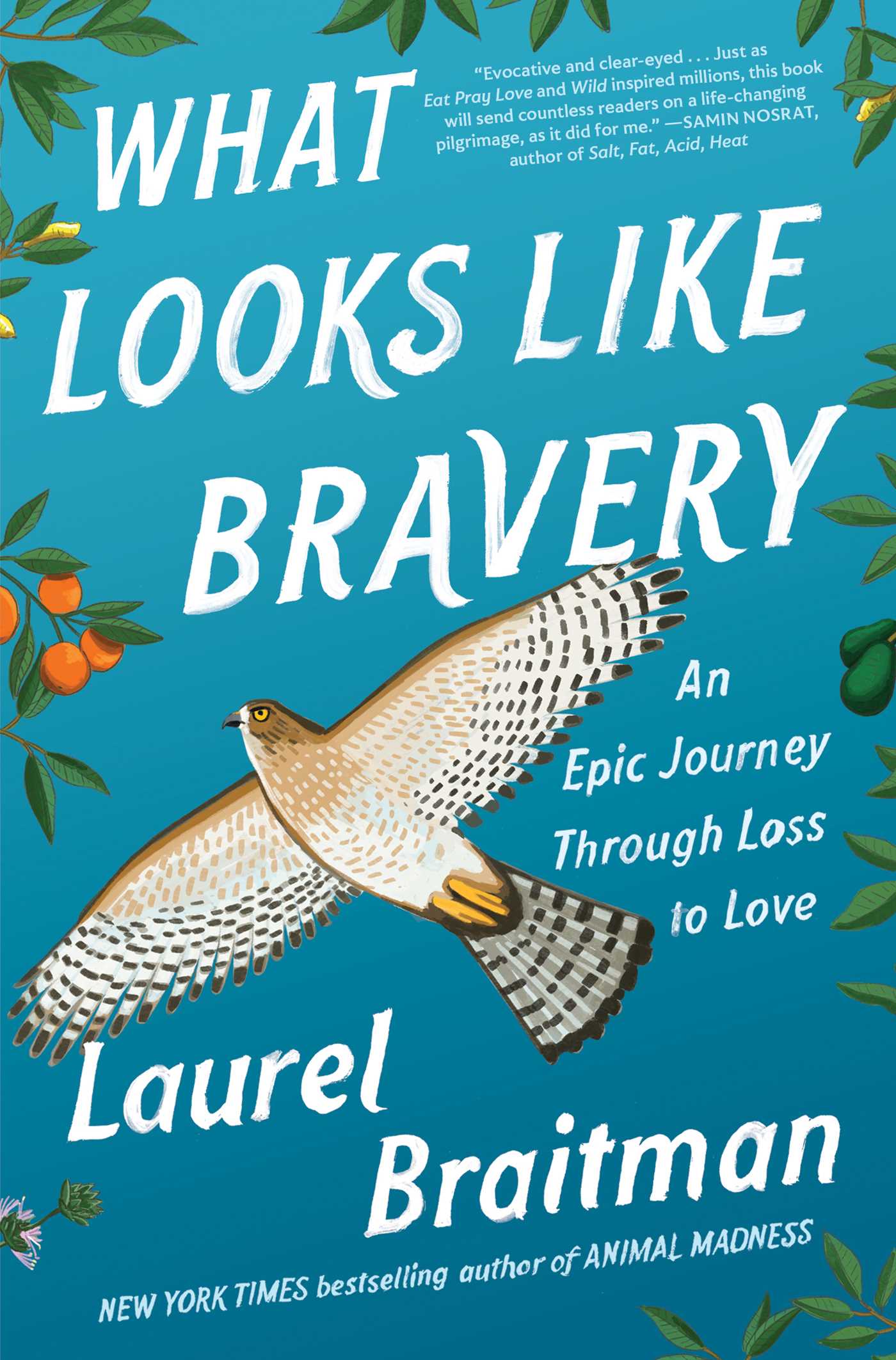
What Looks Like Bravery: An Epic Journey Through Loss to Love – Laurel Braitman

Laurel Braitman spent her childhood learning how to outfish grown men, keep bees, and fix carburetors from her larger-than-life dad. Diagnosed with terminal cancer, he went to spectacular lengths to teach her the skills she’d need to survive without him. But by her mid-thirties she is a ship about to splinter on the rocks, exhausted by running from her own bad feelings. We follow as Laurel changes course, navigating multiple wildernesses—from northern New Mexico and western Alaska to her own Tinder app. She learns the hard way that no achievement, no matter how shiny, can protect her from pain, and works to transform guilt and regret into gold: learning from a badass birder in the Bering Sea, a few dozen grieving kids in a support group, a pile of smoking ashes, and countless online dates. Along the way, she faces a wildfire that threatens everyone and everything she cares about, a grueling test of her own survival skills, and the fact that we often have to say our hardest goodbyes before we’re ready. In the end Laurel realizes that being open to love after loss is not only possible, it can set us free.

What Looks Like Bravery is a hero’s journey for our times. Laurel teaches us that hope is a form of courage, one that can work as an all-purpose key to the locked doors of your dreams.

In My Hands Today…

Set Boundaries, Find Peace: A Guide to Reclaiming Yourself – Nedra Glover Tawwab

End the struggle, speak up for what you need, and experience the freedom of being truly yourself.

Healthy boundaries. We all know we should have them–in order to achieve work/life balance, cope with toxic people, and enjoy rewarding relationships with partners, friends, and family. But what do healthy boundaries really mean–and how can we successfully express our needs, say no, and be assertive without offending others?

Licensed counselor, sought-after relationship expert, and one of the most influential therapists on Instagram Nedra Glover Tawwab demystifies this complex topic for today’s world. In a relatable and inclusive tone, Set Boundaries, Find Peace presents simple-yet-powerful ways to establish healthy boundaries in all aspects of life. Rooted in the latest research and best practices used in cognitive behavioral therapy (CBT), these techniques help us identify and express our needs clearly and without apology–and unravel a root problem behind codependency, power struggles, anxiety, depression, burnout, and more.