In My Hands Today…

Set Boundaries, Find Peace: A Guide to Reclaiming Yourself – Nedra Glover Tawwab

End the struggle, speak up for what you need, and experience the freedom of being truly yourself.

Healthy boundaries. We all know we should have them–in order to achieve work/life balance, cope with toxic people, and enjoy rewarding relationships with partners, friends, and family. But what do healthy boundaries really mean–and how can we successfully express our needs, say no, and be assertive without offending others?

Licensed counselor, sought-after relationship expert, and one of the most influential therapists on Instagram Nedra Glover Tawwab demystifies this complex topic for today’s world. In a relatable and inclusive tone, Set Boundaries, Find Peace presents simple-yet-powerful ways to establish healthy boundaries in all aspects of life. Rooted in the latest research and best practices used in cognitive behavioral therapy (CBT), these techniques help us identify and express our needs clearly and without apology–and unravel a root problem behind codependency, power struggles, anxiety, depression, burnout, and more.

Quiet Quitting: Good or Bad?

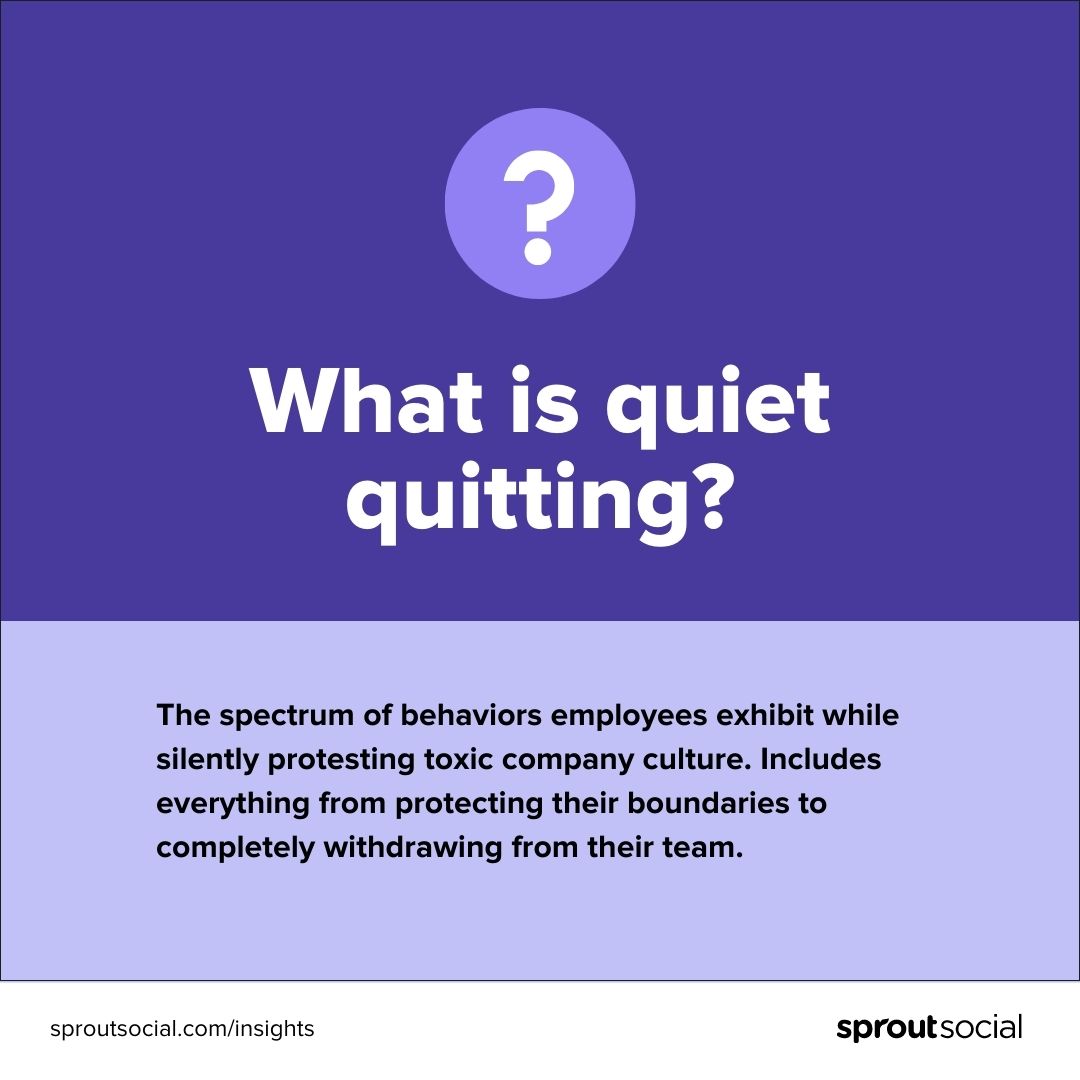
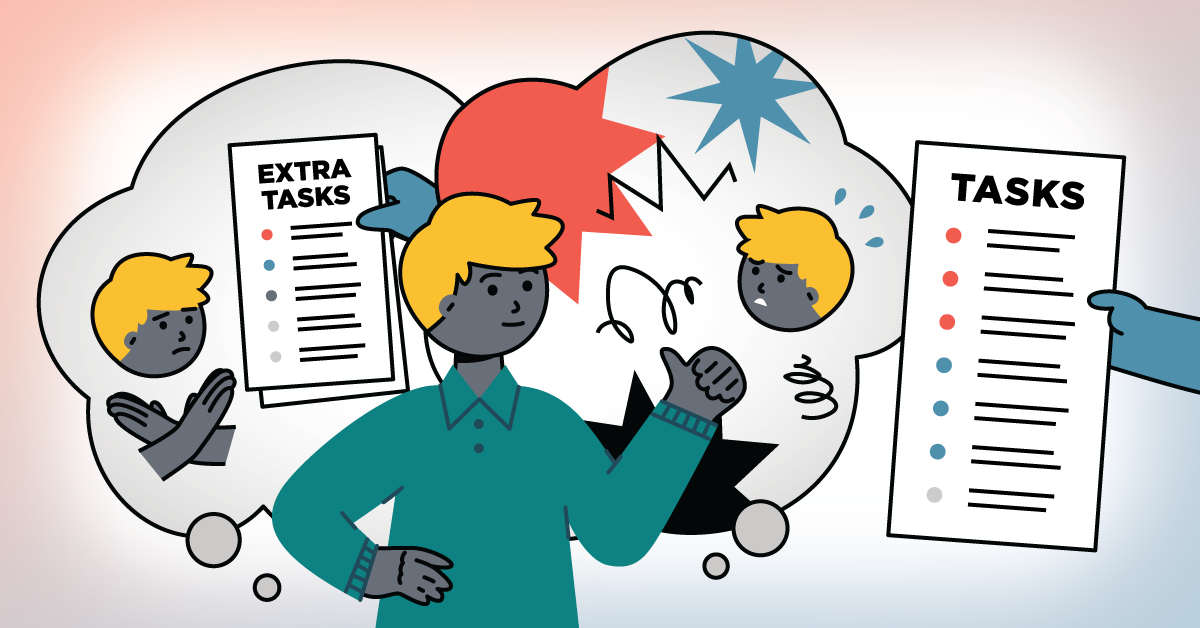
In 2022, we all heard millennials speak of quiet quitting. So what exactly is this phenomenon sweeping the world? A phenomenon that spread on TikTok, quiet quitting refers to doing the minimum requirements of one’s job and putting in no more time, effort, or enthusiasm than is necessary. As such, it is something of a misnomer, since the worker doesn’t leave their position and continues to collect a salary. In some places, soft quitting is used interchangeably with quiet quitting.

A 2022 Gallup survey suggested that at least half of the U.S. workforce, particularly those under 35, where this percentage is higher consists of quiet quitters, but these numbers are questioned and even if quiet quitting is a new trend or simply a trendy new name for worker dissatisfaction. In September 2022, a Harvard Business Review article observed that quiet quitters continue to fulfil their primary responsibilities, but they’re less willing to engage in activities known as citizenship behaviours like not staying late, showing up early, or attending non-mandatory meetings.

Beyond the workplace, the term quiet quitting is now being applied to nonwork aspects of people’s lives, such as marriages and relationships. The hashtag #QuietQuitting has now racked up more than 17 million views on TikTok and articles in print and online media worldwide have used the term and the noise has spread to Twitter, LinkedIn and other social media sites.

Adult Gen Zers are big influencers on social media and about 60% say they post content they hope will change the world, according to the 2022 Edelman Trust Barometer. Those aged 18-26 are the most worried about security, health, finances, social connections and keeping up with change, the Edelman survey of 36,000 people found. But workforce studies on the changing world of work support the rise of quiet quitting – and suggest it’s more than just a social media hashtag.

Quiet quitting is a way of dealing with burnout according to organisational behaviour experts. Burnout is a big risk in the workplace, especially amongst younger Gen Z professionals aged in their 20s, research shows. A survey of 30,000 workers by Microsoft showed 54% of Gen Z workers are considering quitting their job. In its 2021 Global Risks Report, the World Economic Forum ranks youth disillusionment as eighth of 10 immediate risks. Findings include deteriorating mental health since the start of the pandemic, leaving 80% of young people worldwide vulnerable to depression, anxiety and disappointment.

COVID-19 has changed the world of work – and how seriously we take it. Twenty-something Gen Z workers, in particular, may have joined the world of work during the pandemic with all of its dislocating effects – especially remote working. This generation has also come of age amidst rising activism. More people are quitting 9 to 5 jobs to start their businesses or try non-traditional work like temporary work, gig or part-time roles. It also shows some are quitting to take a break or care for family, as remote working has removed boundaries for working or living overseas. Gen Z workers aged 18-24 years most value flexibility and meaningful work, while Millennials and Gen Xers aged between about 25 and 45 years are largely the ones trying self-employment and new types of work. Experts say the passion economy where people do more of what they love has heralded a new era of side hustles, in everything from craft to campaigning.

Does quiet quitting just affect young people? Workforce data from major organizations including McKinsey & Company suggests 40% of the global workforce is looking to quit their jobs in the next three to six months. The average person will spend 90,000 hours at work over a lifetime, so it’s no surprise that job satisfaction, or dissatisfaction, can significantly affect your life according to McKinsey. The 2022 State of the Global Workplace report from Gallup shows only 21% of employees are engaged at work. Living for the weekend, watching the clock tick and work is just a paycheck are the mantras of most global workers, according to Gallup. People are realising that work is not life and that one’s worth as a person is not defined by their job.

The reaction of managers to the phenomenon has been mixed. Some have been tolerant, in part because the tight labour market of recent years makes replacing quiet quitters difficult, at least for the time being. Others have responded to quiet quitting by quietly, or loudly, firing employees whom they see as slacking off. Quiet firing has become a buzz phrase in its own right, generally defined as making a job so unrewarding that the employee will feel compelled to resign.

Some experts have suggested that bosses should get tough on quiet quitting while others say they need to lighten up. Some experts advise managers to first examine their behaviour and check if this trend is a reflection of their leadership abilities rather than the person quiet quitting.

Quiet quitting may or may not be a bona fide trend or recent phenomenon. But it has called attention to what appears to be fairly widespread dissatisfaction that employers might need to address. Quiet quitting is not a life philosophy or policy proposal that needs logical scrutiny. It’s also not a political weapon to be wielded to prove how much more woke or conservative one is than everyone else. It’s both more incoherent and essential than all of that. Figuring out how work fits into a life well lived is hard, but it’s an evolution that has to happen. Quiet quitting is the messy starting gun of a new generation embarking on this challenge.

So what are your views on quiet quitting? I know it’s been around and many of us are also guilty of quiet quitting at some point or the other.

In My Hands Today…

The Book of Overthinking: How to Stop the Cycle of Worry – Gwendoline Smith

Overthinking is also known as worrying or ruminating and it’s a form of anxiety that many people suffer from.

Psychologist and bestselling author Gwendoline Smith explains in clear and simple language the concepts of positive and negative overthinking, the truth about worry and how to deal with the ‘thought viruses’ that are holding you back.

She helps you understand what’s going on in your head, using humour, lots of examples and anecdotes, and she offers powerful strategies for addressing your issues.

Based on cognitive behavioural theory, this book will help you in all the key areas of your

International Men’s Day

Every year, I write about International Women’s Day as I believe that women do not have the voice they should have in this world and so this is my small effort in spreading the word about women’s voices and the need to be heard and to hear. And so when I realised that I had never written about men’s day, I knew that this year, there had to be a blog post about this day.

International Men’s Day is celebrated annually in November to recognise and celebrate the cultural, political, and socioeconomic achievements of men. It is an occasion to celebrate boys’ and men’s lives, achievements and contributions, in particular for their contributions to the nation, union, society, community, family, marriage, and childcare. The broader and ultimate aim of the event is to promote basic awareness towards men’s issues. The objectives of celebrating an International Men’s Day are set out in All The Six Pillars of International Men’s Day. The day celebrates worldwide the positive value men bring to the world, their families and communities and highlights positive role models and raise awareness of men’s well-being.

Calls for an International Men’s Day have been going on since at least the 1960s. Since this time there have been persistent international calls for the creation of an IMD, calls in the form of rhetorical questions about gender equality. The proposed objectives of International Men’s Day included a focus on men’s and boys’ health, improving gender relations, promoting gender equality, and highlighting positive male role models. Early pioneers of IMD reminded us that the day is not intended to compete against International Woman’s Day, but to highlight men’s experiences.

There were various attempts to start an International Men’s Day that received little response. An event was conceptualised on 7 February 1992 by Thomas Oaster, with International Men’s Day conceived one year earlier on 8 February 1991. The project was re-initialised in 1999 on November in Trinidad and Tobago by Dr Jerome Teelucksingh in 1999 that the International Men’s Day began to get international traction. The new event received overwhelming support in the Caribbean and soon took root on the international scene. Jerome Teelucksingh chose November 19 to honour his father’s birthday and also to celebrate how on that date in 1989 Trinidad and Tobago’s football team had united the country with their endeavours to qualify for the World Cup. Unlike International Women’s Day, observed on March 8, International Men’s Day is not officially recognised by the United Nations, which observes World Toilet Day on November 19. The theme for the 2022 International Men’s Day is Helping Men and Boys.

Although International Men’s and Women’s Day are considered to be gender-focused events, they are not ideological mirror images because they highlight issues that are considered unique to men or women. The history of IMD primarily concerns celebrating issues that are considered unique to the experiences of men and boys, along with an emphasis on positive role models, which is especially deemed necessary in a social context which is often fascinated with images of males behaving badly. In highlighting positive male role models IMD attempts to show that males of all ages respond much more energetically to positive role models than they do to negative stereotyping.

  • The objectives of International Men’s Day are set as six pillars which include:
  • To promote positive male role models – not just movie stars and sportsmen but everyday, working-class men who are living decent, honest lives.
  • To celebrate men’s positive contributions to society, community, family, marriage, child care, and the environment.
  • To focus on men’s health and well-being: social, emotional, physical, and spiritual.
  • To highlight discrimination against men in areas of social services, social attitudes and expectations, and law.
  • To improve gender relations and promote gender equality.
  • To create a safer, better world, where people can be safe and grow to reach their full potential.

Like many others, I also wondered why we needed a day to celebrate men when they are celebrated and feted the whole year. For many, celebrating the notion of man which has dominated the socio-economic-political narrative for hundreds of years, leaves a sour taste. International Women’s Day or IWD, which has been marked since 1911, is a global day to celebrate women’s emancipation and draw attention to the barriers still faced by women all over the world. However, International Men’s Day is not intended to compete with International Women’s Day and there are some major objectives behind having a day dedicated to men’s issues.

Many men are still trapped by stereotype threat, conforming to society’s idea of what a man should be. It’s part of the reason that according to the World Health Organization, WHO, suicide is the top cause of death among men under the age of 45, boys are struggling academically and prisons are full of men. Men die 6 years younger than women on average, single fathers who want to be more involved in their children’s lives face a range of barriers and men are less likely to go and see a medical practitioner as compared to women.

Arguably it’s harder for men to be vulnerable because that is acting outside their prescribed gender role. If International Women’s Day is to celebrate women’s success in the face of sexism, IMD can celebrate men challenging stereotype threat. Men have parenting rights, do suffer domestic abuse and do have unmet mental health needs. They are just as lonely, just as vulnerable, but far less likely to admit it and seek help. IMD aims to open the conversation, break down toxic forms of masculinity and remind us all that men don’t have to be imprisoned by stereotypes.

International Men’s Day celebrates positive male role models and raises awareness of men’s issues which are often overlooked including mental health, toxic masculinity and the prevalence of male suicide. International Men’s Day coincides with Movember, when men grow their facial hair to promote conversations about men’s mental health, suicide prevention, prostate cancer and testicular cancer.

To all the men reading this post, Happy Men’s Day and to all the women reading this, please celebrate the men in your life tomorrow.

In My Hands Today…

The Art of Rest: How to Find Respite in the Modern Age – Claudia Hammond

Today busyness has become a badge of honour. We want to say we’re busy, yet at the same time, we feel exhausted. Instead, we should start taking rest seriously as a method of self-care and this book can help us to work out how.

The Art of Rest draws on ground-breaking research Claudia Hammond collaborated on – ‘The Rest Test’ – the largest global survey into rest ever undertaken, which was completed by 18,000 people across 135 different countries. Much of value has been written about sleep, but rest is different; it is how we unwind, calm our minds and recharge our bodies. And, as the survey revealed, how much rest you get is directly linked to your sense of well-being.

Counting down through the top ten activities which people find most restful, Hammond explains why rest matters, examines the science behind the results to establish what really works and offers a roadmap for a new, more restful and balanced life.