
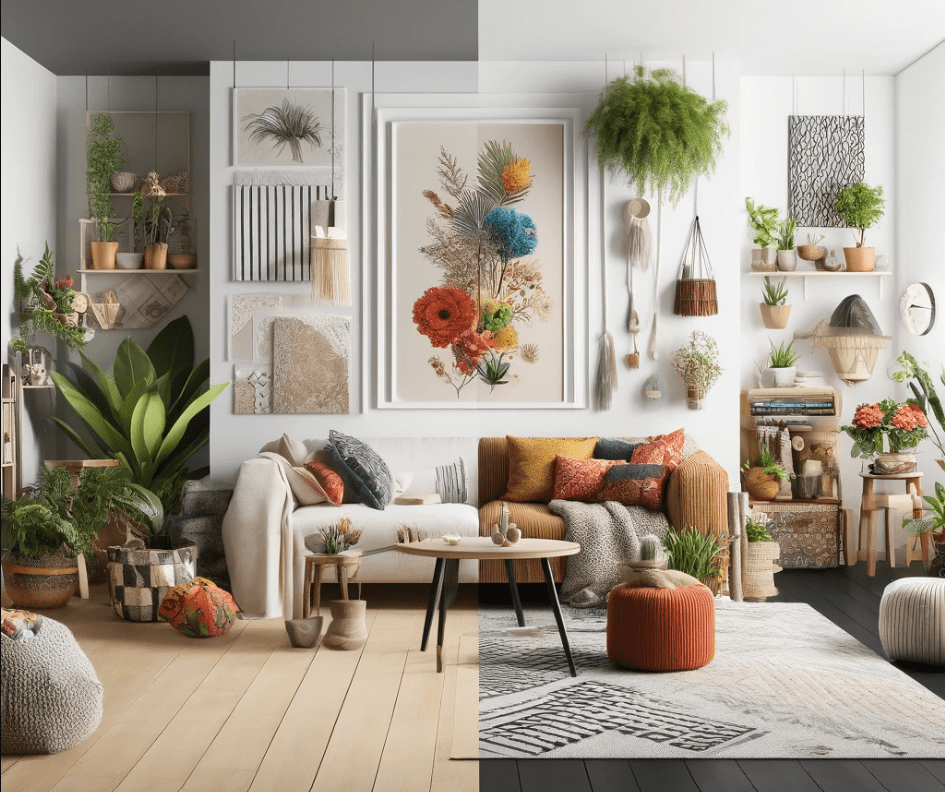
The debate between minimalism and maximalism continues to shape our lifestyle choices today, influencing everything from interior design to personal habits. Both philosophies offer unique perspectives on how to live, each with its own set of principles and aesthetic values.
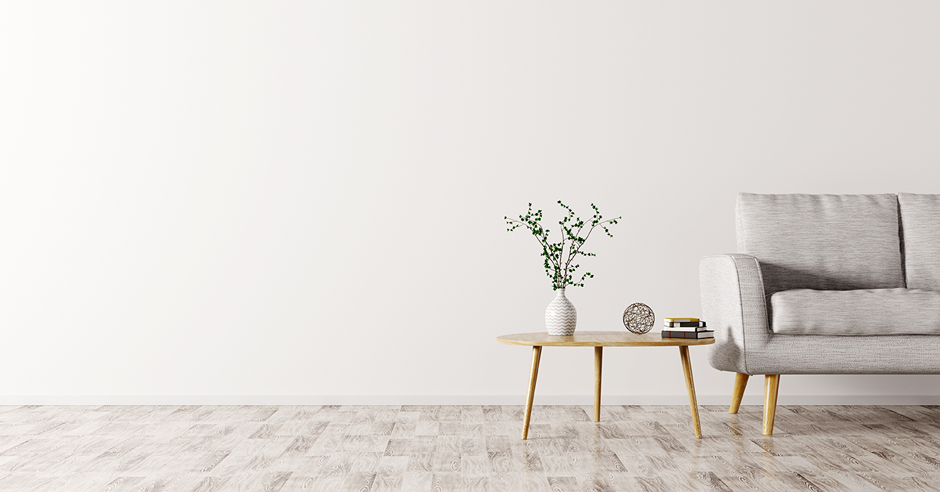
Understanding Minimalism
Minimalism is a lifestyle and design philosophy that emphasises simplicity, functionality, and intentionality. It’s about stripping away the excess and focusing on what truly matters. In the context of interior design, minimalism is characterised by clean lines and uncluttered spaces, neutral colour palettes, an emphasis on functionality, and limited decorative elements. The minimalist approach extends beyond aesthetics, encouraging a lifestyle of reduced consumption and increased mindfulness. Minimalists often report feeling a sense of calm and clarity in their simplified environments. The key principles of minimalism include quality over quantity, intentional living, decluttering and organisation, a focus on essentials, and sustainable consumption.
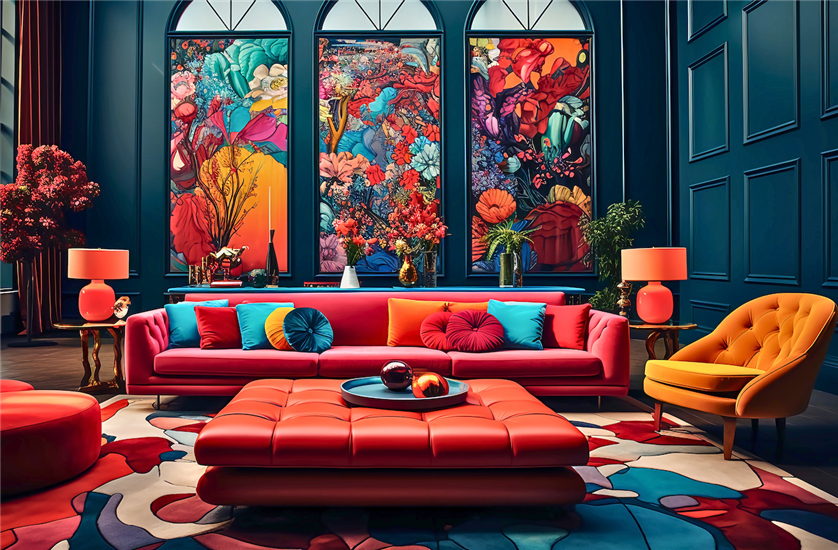
Understanding Maximalism
In contrast to minimalism, maximalism embraces abundance, complexity, and rich visual experiences. This design philosophy is characterised by bold colours and patterns, an eclectic mix of furniture and decor, layered textures and materials, and personal collections and statement pieces. Maximalism is not just about accumulating things; it’s about creating spaces that reflect personality, inspire curiosity, and encourage conversation. Maximalist environments often evoke feelings of energy and excitement. The key principles of maximalism are self-expression through design, embracing variety and contrast, storytelling through objects, celebration of personal interests, and creating immersive environments.
The pendulum of design trends has swung between minimalism and maximalism over the years, reflecting broader societal shifts. In the 1980s and 1990s, maximalism thrived, mirroring the optimism and prosperity of the era. The late 1990s and early 2000s saw a shift towards minimalism, influenced by modernist principles and growing awareness of sustainability. Recently, there has been a resurgence of maximalism, particularly in the wake of the COVID-19 pandemic. This revival is driven by a desire for joy, self-expression, and escapism after periods of isolation. Social media platforms have also played a role in showcasing and popularising bold, maximalist aesthetics.
As we look forward, both minimalism and maximalism continue to evolve and coexist. Here’s how these philosophies are expected to manifest.
Minimalism is expected to have a renewed focus on reducing physical and digital clutter, as well as an emphasis on investing in high-quality, durable items rather than disposable goods. Minimalists also pay attention to sustainable choices with increased attention to eco-friendly and sustainable products and practices and live in multifunctional spaces in designs that prioritise versatility and efficiency in living areas. Minimalists also extend their minimalist principles to digital minimalism, which includes the use of minimalist principles in the use of technology and online presence.
Maximalism is expected to continue to be bold in its expressions with the continued use of vibrant colours, patterns, and eclectic combinations. They live in personalised spaces in interiors that reflect an individual’s personality and interests more strongly. They have curated collections with thoughtful displays of personal collections and meaningful objects and layered textures that incorporate various materials and textures to create rich, sensory experiences. Maximalists tell stories through design, using decor and arrangements to convey personal narratives and cultural influences.
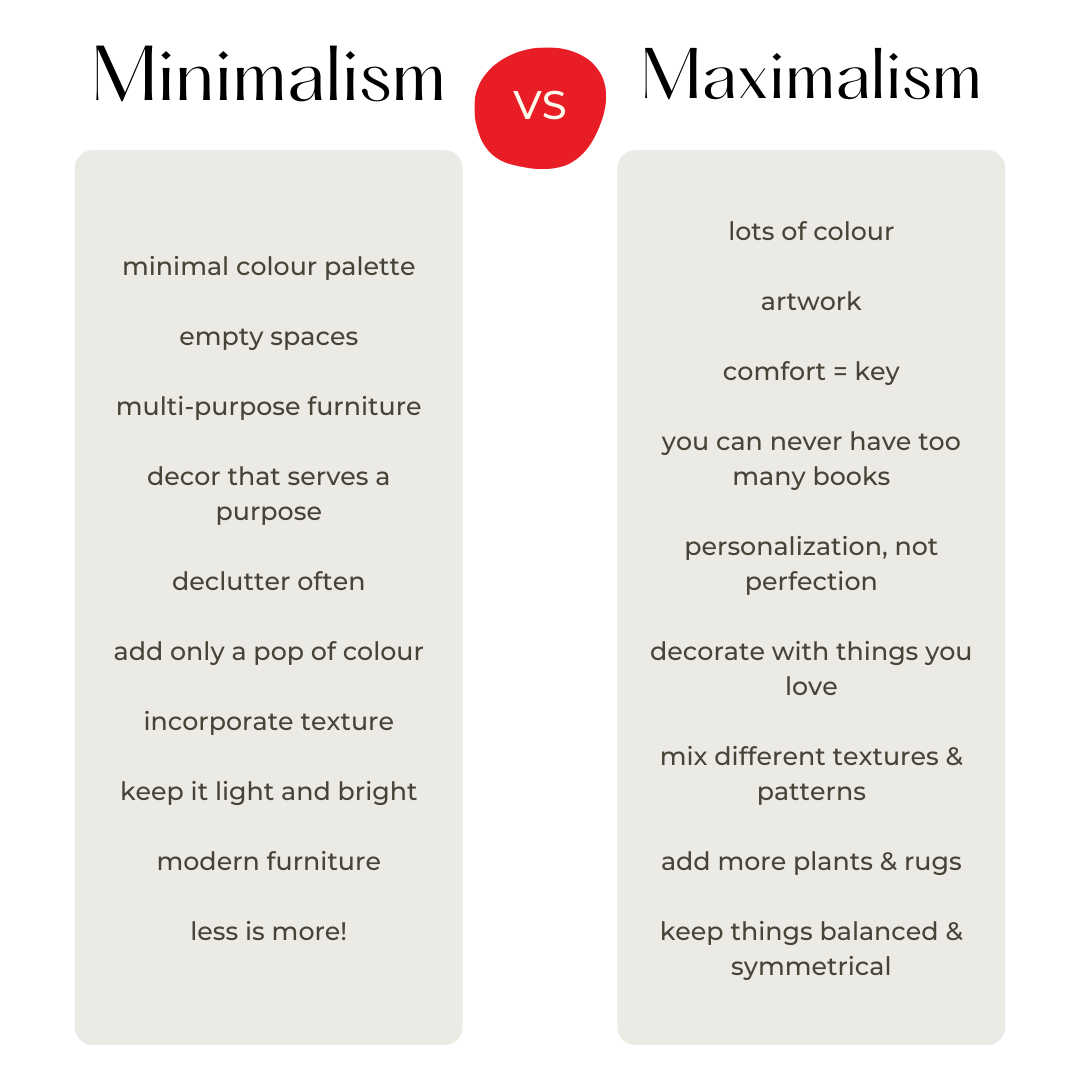
Is one better than the other?
The question of whether minimalism or maximalism is better is subjective and depends on individual preferences, lifestyles, and goals. Both approaches have their strengths and can contribute positively to one’s life when applied thoughtfully.
Benefits of minimalism include reduced stress from clutter, increased focus and productivity, financial benefits from reduced consumption, environmental sustainability, and easier maintenance of living spaces. The benefits of maximalism are enhanced creativity and self-expression, rich, stimulating environments, celebrations of personal history and interests, the potential for unique, characterful spaces, and the opportunity for constant evolution and change. Ultimately, the choice between minimalism and maximalism should be guided by what brings one joy and aligns with one’s values. Some individuals may find a balance by incorporating elements of both philosophies, creating a personalised approach that suits their needs.
Strategies for becoming a minimalist
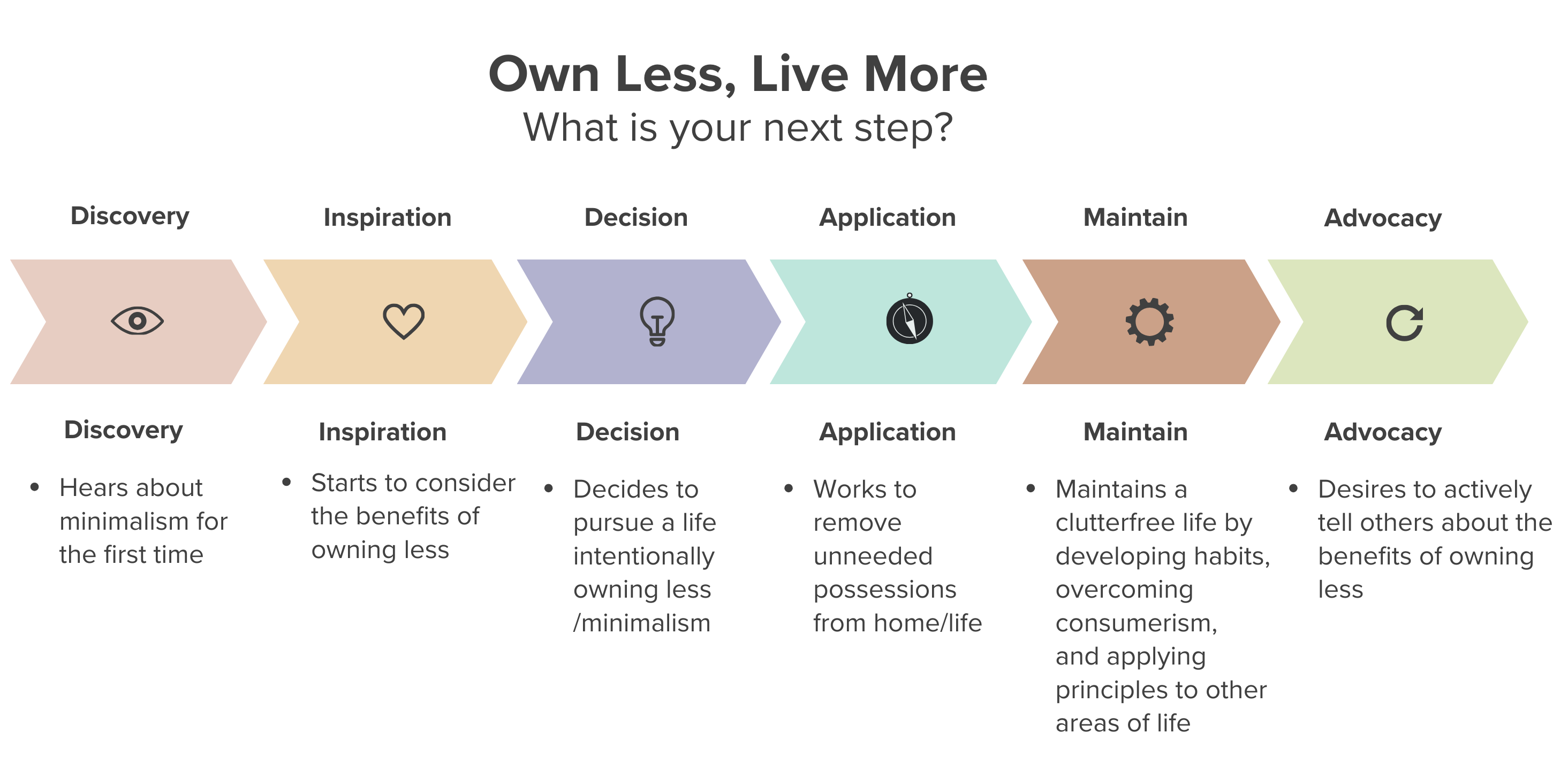
If one is drawn to the minimalist lifestyle, here are some strategies to help one embrace this philosophy:
- Start with a decluttering challenge: Begin by systematically going through one’s belongings and removing items that don’t serve a purpose or bring one joy.
- Adopt the one-in-one-out rule: For every new item one brings into one’s home, remove one existing item.
- Focus on quality: When making purchases, prioritise well-made, durable items that will last longer and serve multiple purposes.
- Simplify one’s wardrobe: Create a capsule wardrobe with versatile pieces that can be mixed and matched.
- Embrace digital minimalism: Declutter one’s digital life by organising files, unsubscribing from unnecessary emails, and limiting social media use.
- Practice mindful consumption: Before making a purchase, one should ask oneself if the item is truly necessary and aligns with one’s values.
- Create breathing space: In one’s living areas, leave some empty spaces to promote a sense of calm and openness.
- Develop a minimalist mindset: Focus on experiences rather than material possessions, and practice gratitude for what one has.
- Streamline one’s schedule: Eliminate unnecessary commitments and focus on activities that truly matter.
- Regular maintenance: Schedule periodic decluttering sessions to prevent the accumulation of unnecessary items.

Strategies for becoming a maximalist
If the maximalist approach resonates, one can consider these strategies to embrace this vibrant lifestyle:
- Start with colour: Introduce bold colours into one’s space through paint, textiles, or artwork.
- Mix patterns and textures: Experiment with combining different patterns and textures in one’s decor and clothing.
- Curate personal collections: Display collections of items that reflect one’s interests and experiences.
- Layer one’s decor: Add depth to one’s spaces by layering rugs, textiles, and decorative objects.
- Embrace eclectic furniture: Mix different styles and periods of furniture to create a unique, personalised look.
- Create gallery walls: Use walls as a canvas to display a variety of artwork, photographs, and meaningful objects.
- Incorporate plants: Add life and texture to the space with a variety of indoor plants.
- Use statement pieces: Invest in bold, eye-catching furniture or decor items that serve as conversation starters.
- Play with lighting: Use various light sources, including statement fixtures, to create ambience and visual interest.
- Tell a story: Use the space to showcase items that represent one’s personal history, travels, and experiences.
Finding balance
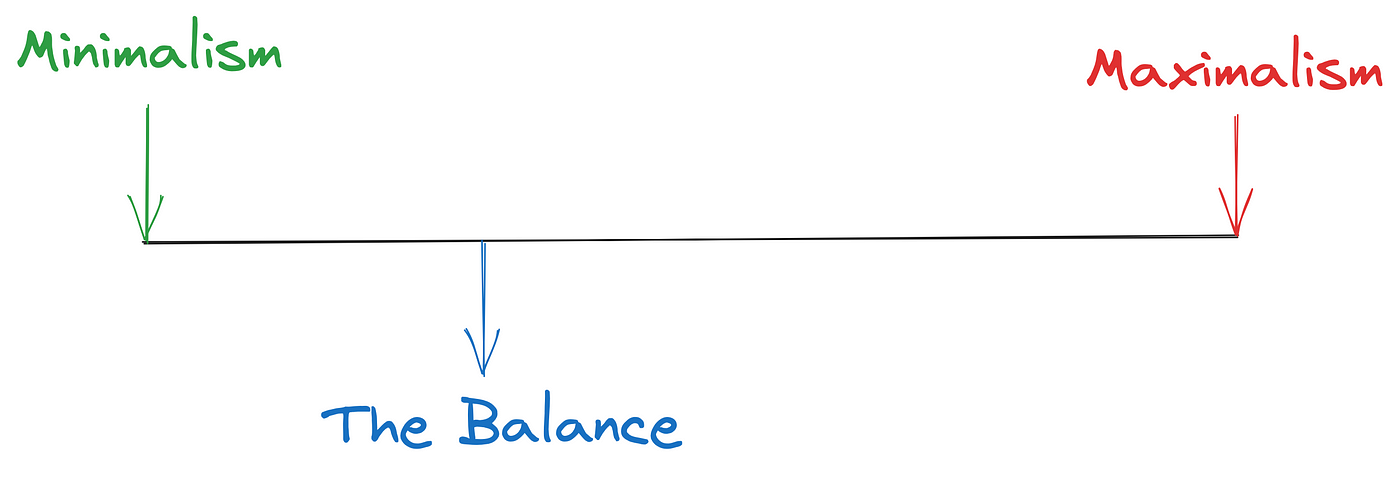
While minimalism and maximalism represent two ends of the spectrum, many people find that a balanced approach works best for them. Here are some ways to incorporate elements of both philosophies:
- Selective maximalism: Apply maximalist principles to specific areas or rooms while keeping others more minimalist.
- Rotating displays: Use a minimalist base but rotate collections or artwork to keep spaces fresh and interesting.
- Functional maximalism: Embrace bold design choices while ensuring that each item serves a purpose.
- Minimalist colour palette with maximalist textures: Use a limited colour scheme but incorporate various textures for depth.
- Curated maximalism: Apply maximalist principles thoughtfully, ensuring that each element contributes to a cohesive whole.

The choice between minimalism and maximalism remains a personal one, reflecting individual values, lifestyles, and aesthetic preferences. Both philosophies offer unique benefits and can contribute to a fulfilling life when applied thoughtfully. Minimalism provides a framework for simplicity, intentionality, and reduced consumption, which can lead to decreased stress and increased focus. On the other hand, maximalism offers opportunities for self-expression, creativity, and the creation of rich, personalised environments. Ultimately, the right choice depends on what resonates with the individual and supports their well-being. Some may find that a hybrid approach, incorporating elements of both minimalism and maximalism, provides the best of both worlds. Whether one chooses to embrace minimalism, maximalism, or a balance of both, the key is to create an environment and lifestyle that brings one joy, supports their goals, and reflects their authentic self.


 Memories and Such