
International Moon Day, observed annually on July 20, commemorates humanity’s first crewed lunar landing, the Apollo 11 mission in 1969, while promoting peaceful international cooperation in space exploration. Established by the United Nations in 2021, this day underscores the Moon’s role as a cornerstone of scientific discovery, cultural inspiration, and a stepping stone for future deep-space endeavors.
The Moon has captivated humanity for millennia, inspiring myths, art, and scientific inquiry. Ancient civilisations tracked its phases for agriculture and timekeeping, while Galileo’s telescopic observations in 1609 unveiled its cratered surface. The 20th-century space race transformed lunar exploration from fantasy to reality.
The Cold War rivalry between the U.S. and USSR catalysed early space achievements. The USSR’s Luna 2 (1959) became the first human-made object to reach the Moon, while NASA’s Apollo program, launched in 1961, aimed to land humans on the lunar surface. On July 20, 1969, astronauts Neil Armstrong and Buzz Aldrin made history, symbolising technological prowess and human ingenuity.
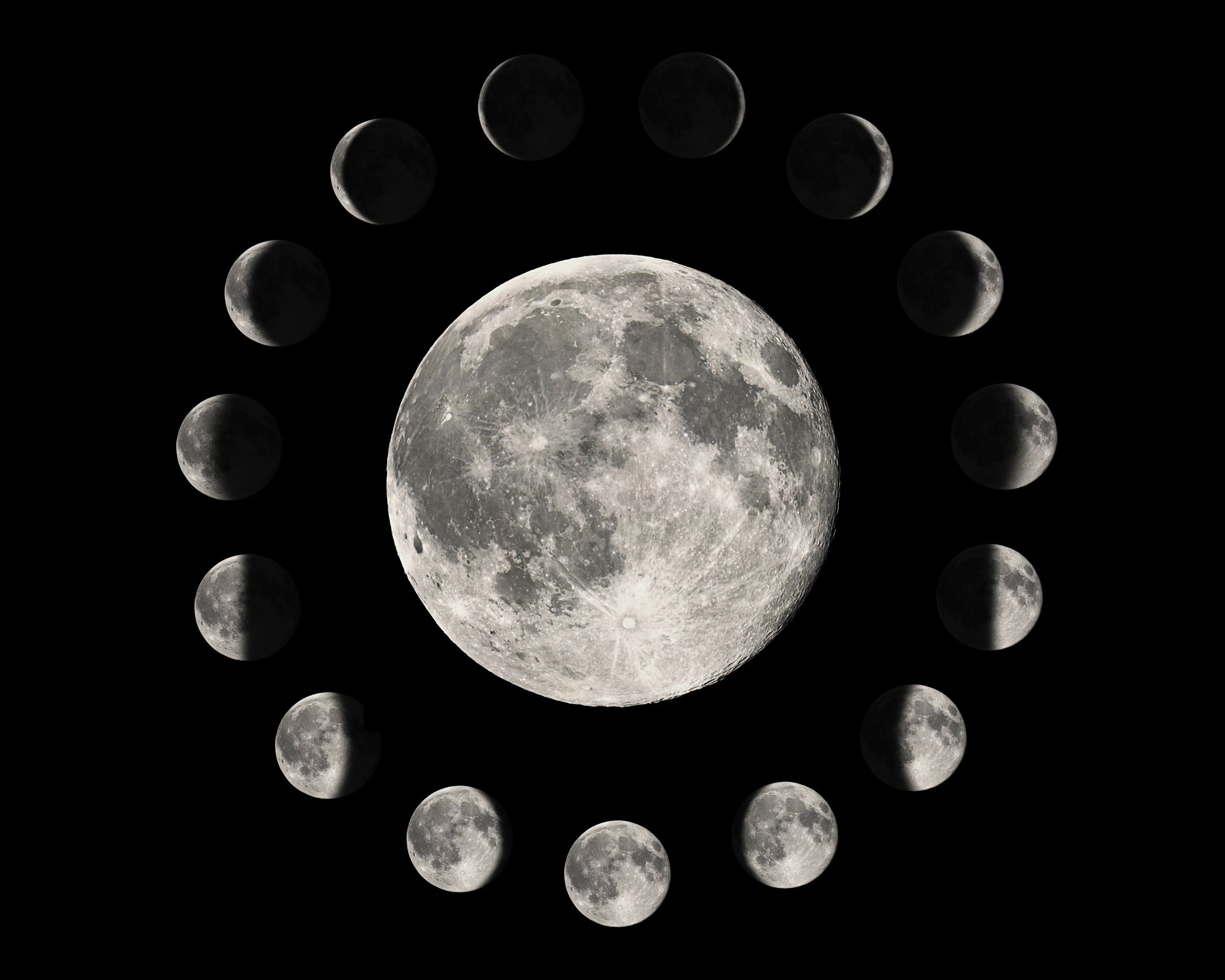
Following Apollo, lunar exploration shifted toward robotic missions and international partnerships. The 1994 Clementine mission and 2009 Lunar Reconnaissance Orbiter mapped the Moon’s terrain, while China’s Chang’e program (2013–present) and India’s Chandrayaan missions (2008–2023) reignited global interest. These efforts laid the groundwork for the UN’s designation of International Moon Day in 2021, which was proposed by over 20 nations to celebrate multilateralism in space.
International Moon Day addresses three core objectives. The day honours the Apollo programme’s technological milestones and its message of unity during a divided era. Armstrong’s “giant leap” remains a touchstone for global ambition. The 1967 Outer Space Treaty established space as a shared domain, free from militarisation. International Moon Day reinforces these principles amid modern initiatives like NASA’s Artemis Accords, emphasising transparency and sustainability. With plans for lunar bases and resource utilisation (e.g., water ice extraction), the day advocates for ethical frameworks to prevent environmental harm and ensure equitable benefits.
2025’s theme for International Moon Day is “One Moon, One Vision, One Future”. This theme encapsulates the spirit of unity, collaboration, and sustainability that underpins modern lunar exploration. As nations and organisations worldwide accelerate efforts to return to the Moon, this theme emphasises the Moon’s role as a shared resource, a unifying goal for humanity, and a foundation for intergenerational progress.

The Moon is humanity’s only natural satellite, a singular, unclaimed celestial body that has inspired wonder across cultures for millennia. One Moon underscores two critical principles: a common heritage of humankind and cultural and scientific universality. The theme calls for the preservation of lunar sites like the Apollo landing zones and geological wonders from damage by future missions and ensuring all nations, including emerging spacefaring states, can participate in lunar research and benefit from its resources. One Vision reflects the shift from Cold War-era competition to 21st-century cooperation. Today’s lunar efforts rely on multinational partnerships, blending public and private expertise. The theme urges harmonising standards by aligning safety, communication, and data-sharing protocols across programmes and expanding participation to nations with nascent space programmes, such as African and Latin American countries. One Future highlights the need to balance exploration with responsibility, ensuring the moon remains a viable platform for future generations.
International Moon Day engages diverse stakeholders through educational programmes, public events, digital campaigns, and policy dialogues. The day’s impact extends beyond celebration. It encourages youth to pursue careers in science, particularly in underrepresented regions. Space collaborations, such as the ISS, demonstrate how shared goals can transcend terrestrial disputes while public engagement democratises space discourse, ensuring citizens understand lunar exploration’s societal benefits like medical tech spin-offs.
Obstacles that need to be overcome include geopolitical tensions with competing national agendas that risk fragmenting exploration efforts, technical hurdles, including radiation exposure and life support systems that remain unsolved. Among the varied ethical dilemmas, balancing commercial interests like mining with lunar preservation.
The Artemis program aims to return humans to the Moon by 2026, including the first woman and person of color. Concurrently, the China-Russia International Lunar Research Station (ILRS) project targets a 2035 completion. Such initiatives, coupled with advances in AI and robotics, could establish a sustained human presence by the 2040s.
International Moon Day is both a tribute to past achievements and a call to action. As humanity stands on the brink of a new lunar era, collaboration and sustainability must guide our path. By uniting nations under shared goals, we ensure the Moon remains a beacon of hope, not just for exploration, but for global unity.

 Memories and Such