Mumbai Memories: The Ambi Phenomenon

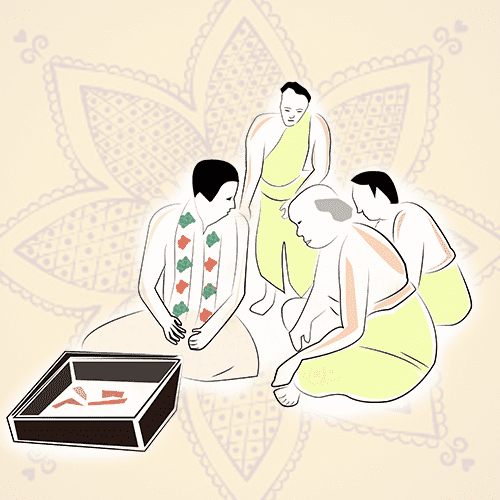
All his life, even today in fact, my father has been called ‘Ambi’ by his family and neighbours. So much so that when I was younger, I used to think this was his name. Why? In Tamil Brahmin culture, the term ‘Ambi’ has traditionally been used to refer to the oldest son in a family, a title that carries with it a sense of affection and respect.

The Tamil Brahmin community is known for its rich cultural heritage and adherence to traditional practices. The term ‘Ambi’ likely derives from the word “Amba,” which means mother or goddess in Sanskrit, signifying a connection to nurturing and familial roles. In many families, the firstborn son would be affectionately called ‘Ambi,’ symbolising his position as the primary heir and caretaker within the family unit.

Historically, Tamil Brahmin families have followed strict naming conventions. The firstborn son is often named after his paternal grandfather, while subsequent children may receive names based on familial traditions or characteristics. This practice not only preserves lineage but also reinforces social structures within the community.

The title ‘Ambi’ has implications beyond mere nomenclature; it embodies a set of expectations and responsibilities. As the eldest son, the Ambi is often seen as a leader within the family. He is expected to uphold family traditions, participate in religious rituals, and act as a mediator during disputes. This role is particularly significant in joint family systems common among Tamil Brahmins, where multiple generations live together under one roof.

In many households, the Ambi is also viewed as a bridge between the older and younger generations. He often helps younger siblings navigate societal expectations while maintaining respect for traditional values. This dynamic fosters a sense of unity within families, as the Ambi becomes a central figure around whom family gatherings revolve.

My father, though born to the middle son, was the oldest son of his generation. There were girls born before him, but none of his uncles or aunts had any sons until he was born. So he was the designated ‘Ambi’ in his family. Not only did his extended family call him Ambi, but he was also known as Ambi to the tambram residents in our building. Unfortunately, this practice is now hardly being used. If it were, both S and BB would also be Ambis as they both are the oldest boys in their generation.

The cultural significance of ‘Ambi’ extends into various facets of Tamil Brahmin life. The title signifies love and respect from both parents and relatives. It is not uncommon for children to refer to their uncles or older male relatives as ‘Ambi,’ emphasising the term’s affectionate connotation. Being an Ambi can enhance one’s status among peers within social gatherings. It often comes with expectations of leadership in community events or family functions. The name carries with it a sense of legacy. Many families have multiple generations with members named Ambi or variations thereof (like Chinnambi for younger siblings), showcasing how this tradition persists through time.

Today, with increasing numbers of nuclear families replacing joint family systems, the role of an Ambi may hold a different weight than it once did. However, many still find comfort in these traditional titles as they navigate their identities in a rapidly changing world.

The phenomenon of calling the eldest boy ‘Ambi’ in Tamil Brahmin families encapsulates much more than just a name; it represents deep-rooted cultural values that emphasise respect, responsibility, and familial unity. While modern influences may alter its usage or significance over time, the essence of what it means to be an Ambi remains an integral part of Tamil Brahmin identity.

For future generations, it will be interesting to see how this tradition adapts while still honouring its historical roots. The enduring affection associated with ‘Ambi’ serves as a reminder of the importance of family ties and cultural heritage in shaping individual identities within this vibrant community.
Mumbai Memories: The Lost Art of Letter Writing

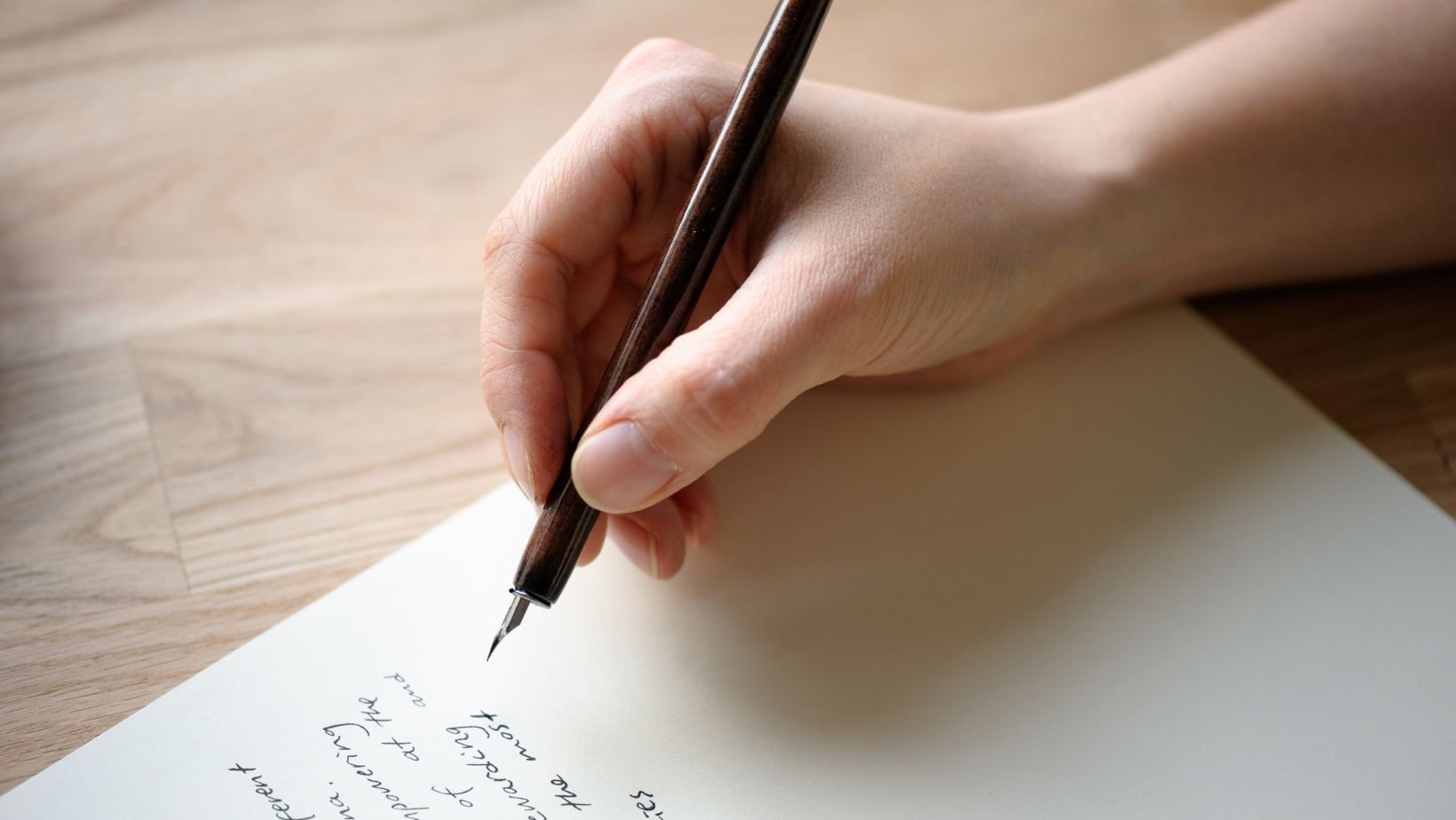
When was the last time you either wrote a letter to someone or received a letter from someone? I haven’t received one or written one in decades. The only letters I receive these days are bills or notices. But this is the digital age where everyone connects with others online or virtually.

The practice of letter writing dates back to ancient civilisations. The earliest known letters were written on clay tablets in Mesopotamia around 2500 BCE. These early communications were primarily administrative or commercial in nature. As societies evolved, so did the form and function of letters. In ancient Rome, letters became a vital tool for personal communication among the elite. Figures like Cicero and Pliny the Younger wrote extensively, using letters to convey thoughts, share news, and maintain relationships across distances. The invention of the printing press in the 15th century further revolutionized letter writing by making writing materials more accessible.

The 18th and 19th centuries marked the golden age of letter writing. This period saw a flourishing of epistolary literature, where novels were crafted in letter form, allowing authors to explore characters’ inner thoughts and emotions intimately. Famous works such as Mary Shelley’s “Frankenstein” and Bram Stoker’s “Dracula” utilised this format effectively.

During this time, letters became essential for maintaining long-distance relationships. People would pour their hearts into beautifully crafted missives, often adorned with elaborate stationery. The art of penmanship was highly regarded, with individuals taking pride in their handwriting styles.

The advent of the internet and mobile technology has drastically altered how we communicate. Emails emerged in the 1990s as a faster alternative to traditional mail, quickly gaining popularity for both personal and professional correspondence. Social media platforms further accelerated this shift by enabling real-time communication. As a result, the frequency of letter writing has diminished significantly. The convenience of texting and emailing has led many to view letter writing as outdated or unnecessarily time-consuming. The fast-paced nature of modern life has also contributed to a decline in letter writing. People often prioritise efficiency over thoughtfulness; quick messages have replaced carefully considered letters. The younger generations who have grown up with digital communication may not fully appreciate the emotional depth that a handwritten letter can convey.

Growing up, my grandfather, tatha was a prolific letter writer and maintained correspondence with many relatives and friends across India and the world. Tatha was very old school, a product of colonial education and a very proper person. He is the sort of person who would dress up for meals and would insist on the proper mealtime etiquette at all times. From the time my sister and I were toddlers, he would insist on speaking with us only in English and that too in proper British English. That is why both of us have a fairly good grasp of the language.

My earliest memories are of him pounding away letters to family and friends on his typewriter. In those days, domestic letters would come as a blue inland letter. Very rarely, you would see people writing on paper and sending it in an envelope. And you had to write within the space provided. The postman would come to our home in the early afternoon and as soon as he received a letter, he would read it and if it was also meant for my grandmother, ammama, he would share it with her and then start composing a reply on his typewriter. This would be repeated for every letter he received. He would not take more than 24 hours to reply and would have a ready stock of inland letters, paper, envelopes and stamps. This continued even after he retired and moved to Bangalore. From Bangalore, we also became the recipient of regular letters from him and ammama.

My mother was the letter writer in our family and would reply to tatha and ammama with my sister and me writing a few lines at the end, squeezing in as much as we could in the meagre space we got. She is the oldest of four sisters and when we were young, two of her sisters lived in the Middle East. So her correspondence with her sisters was through aerogrammes, Also known as an air letter, an aerogramme was a lightweight, foldable, gummed paper that functioned as both the letter and the envelope. Again, you had to write within the space provided and squeeze in everything you wanted to share with them. Some people even added physical photos inside the aerogramme.

I too had a period when I wrote a lot of letters. That was my penpal phase when I used to correspond with a few people across the country. That lasted perhaps for about six months when I was about 17-18 and whittled down to one penpal to whom I wrote until both of us got married. I recently reconnected with her and it was good to go back to old friendships. Of course, today we talk on Whatsapp, and sometimes I miss getting special paper and envelopes and sitting down to write a long letter to her telling her all about what happened in life since the last letter. Ah, memories!

After reading this post, if you have the urge to write a letter to someone, remember that writing letters can also provide therapeutic benefits. The act of putting pen to paper allows one to articulate their thoughts and feelings more deeply than they might in a text message or email. This process can be particularly beneficial during times of stress or grief, offering an outlet for reflection and emotional processing. Studies have shown that expressive writing can improve mental health by reducing anxiety and enhancing overall well-being. Crafting letters, whether to loved ones or even to oneself, can serve as a form of self-care that promotes mindfulness and emotional clarity.

In our fast-paced digital world, the lost art of letter writing offers an opportunity for deeper connections and meaningful communication. While technology continues to shape how we interact, embracing handwritten correspondence allows us to slow down and reflect on our thoughts and emotions.

Mumbai Memories: My favourite Mumbai Photos

As I mentioned previously, this year I will be posting posts about Mumbai, my childhood, and my grandparents under Mumbai Memories. So to kick off this series, here are some of my favourite photos of the city of my birth, Mumbai.

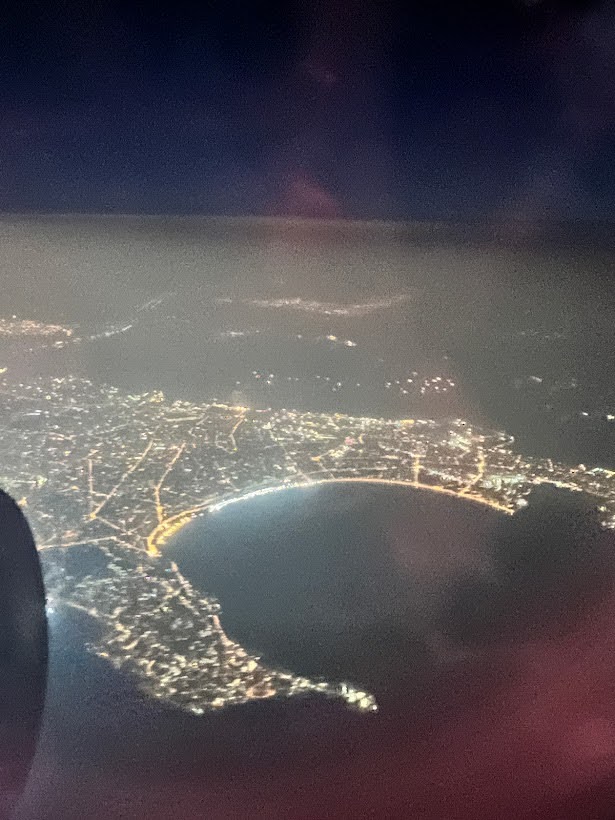
This photo was taken in 2022 and shows Mumbai around 2-2:30 am. During this trip, I flew to Mumbai to move my parents to the retirement community in Bangalore they currently are in. Because of COVID, I could only use a Vaccinated Travel Lane (VTL) flight. This meant that I could not take a direct flight from Bangalore back to Singapore. So I flew back to Mumbai and then took a VTL flight back to Singapore. This was my first trip back home after the two-plus years of the pandemic.

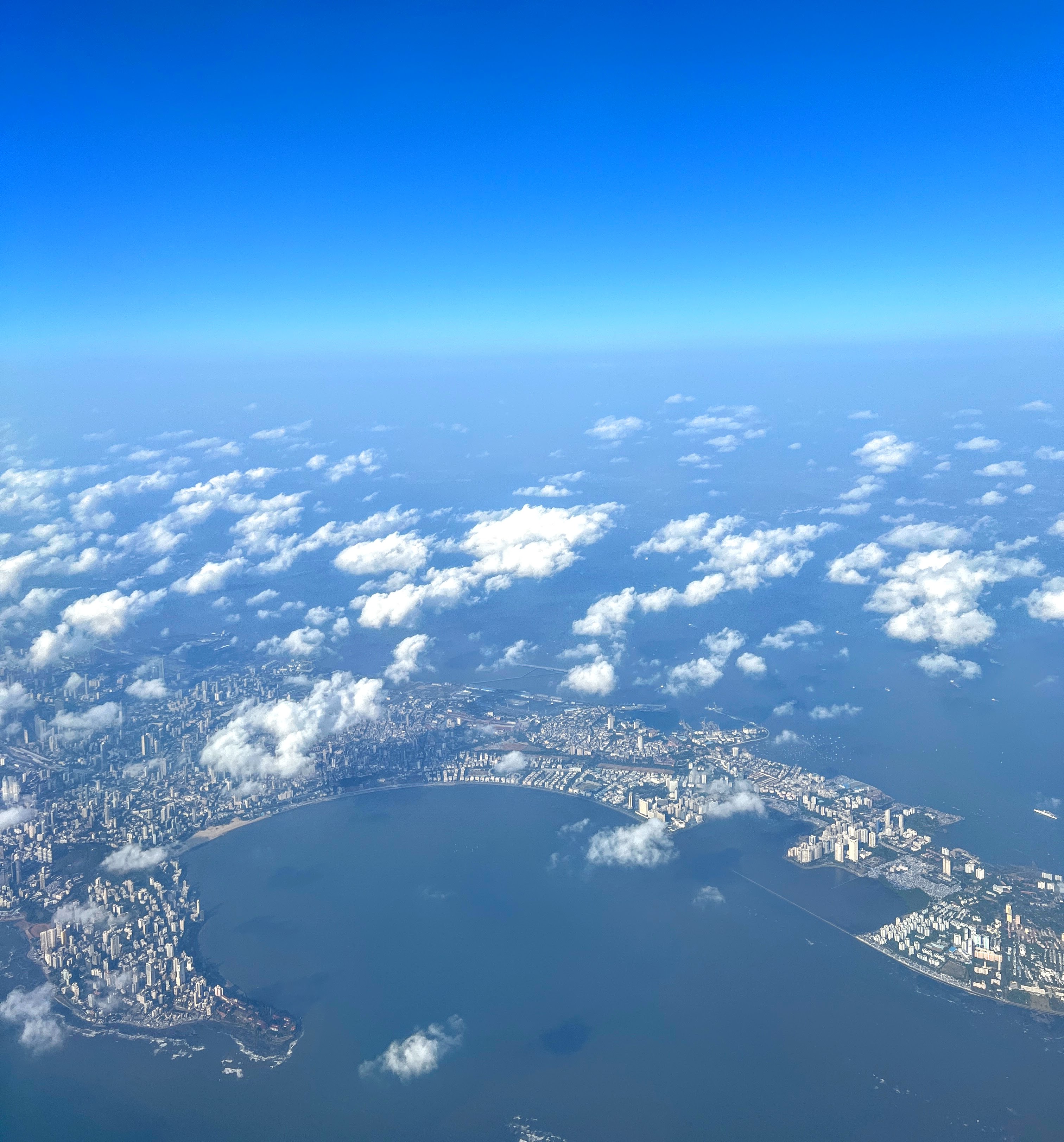
The same image, but during the day! This was taken last year in 2023 when I went back to India to drop my parents back home after they spent a couple of months with us in Singapore. Because of my father’s condition, this was probably their last international flight. I flew to Mumbai on a day trip to take care of some bank business. This was on my flight back to Bangalore.

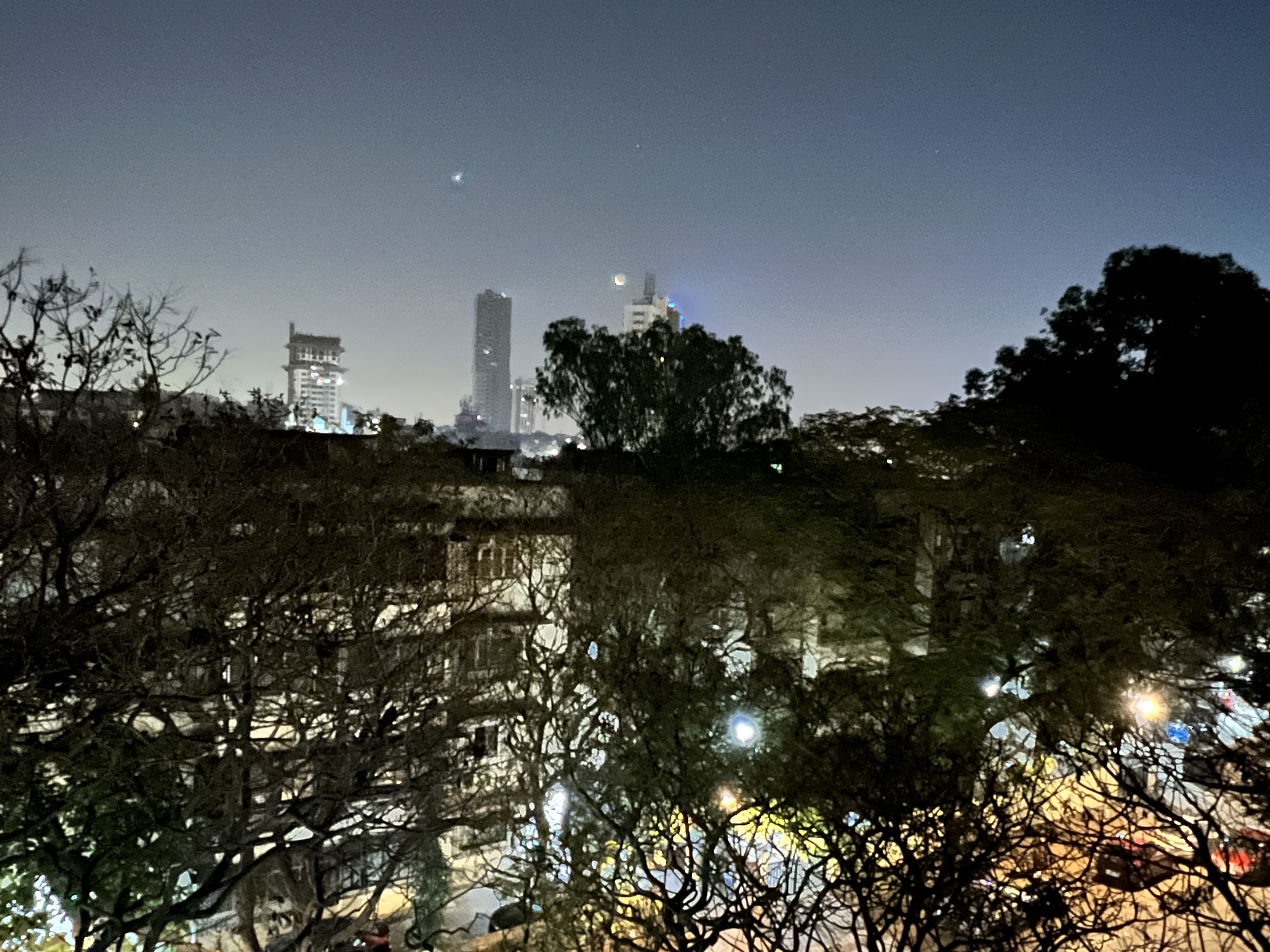
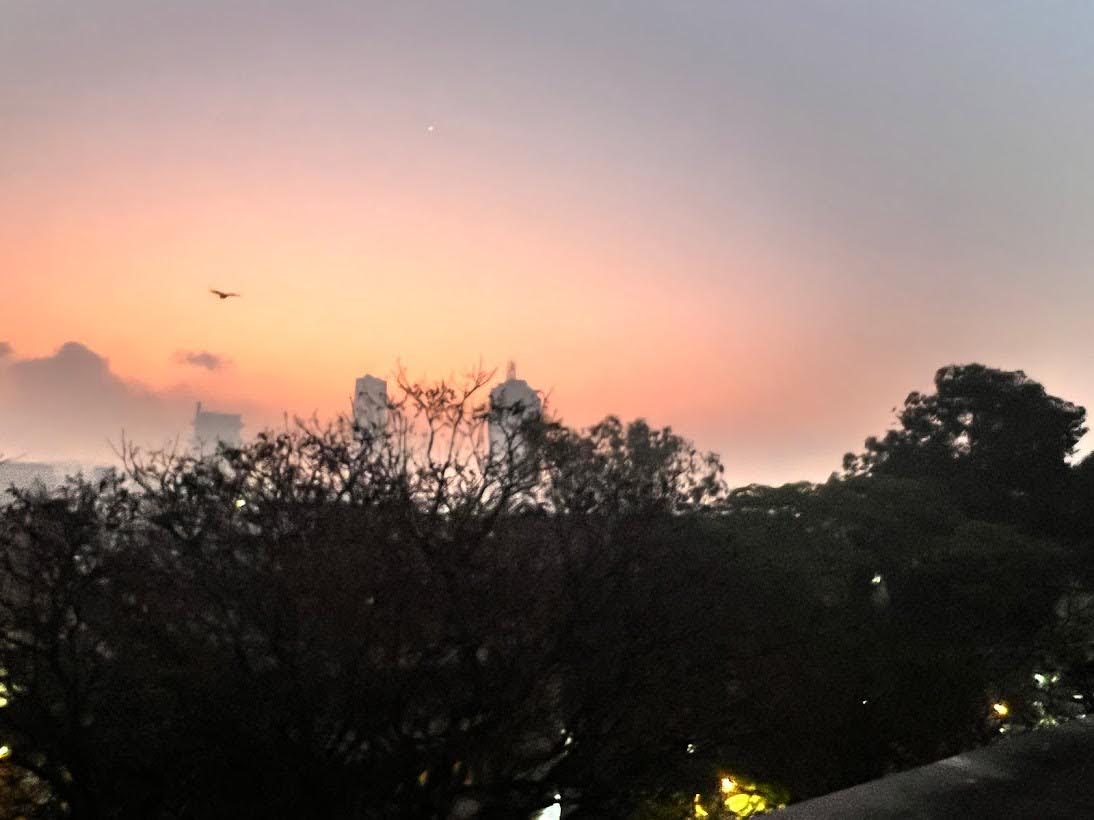
A photo again from my 2022 trip. This was taken during my morning walk on our building’s terrace. I had the entire terrace to myself since I used to walk around 5:30 am. I loved how the light played with the trees and the scenery and created this ethereal photo.

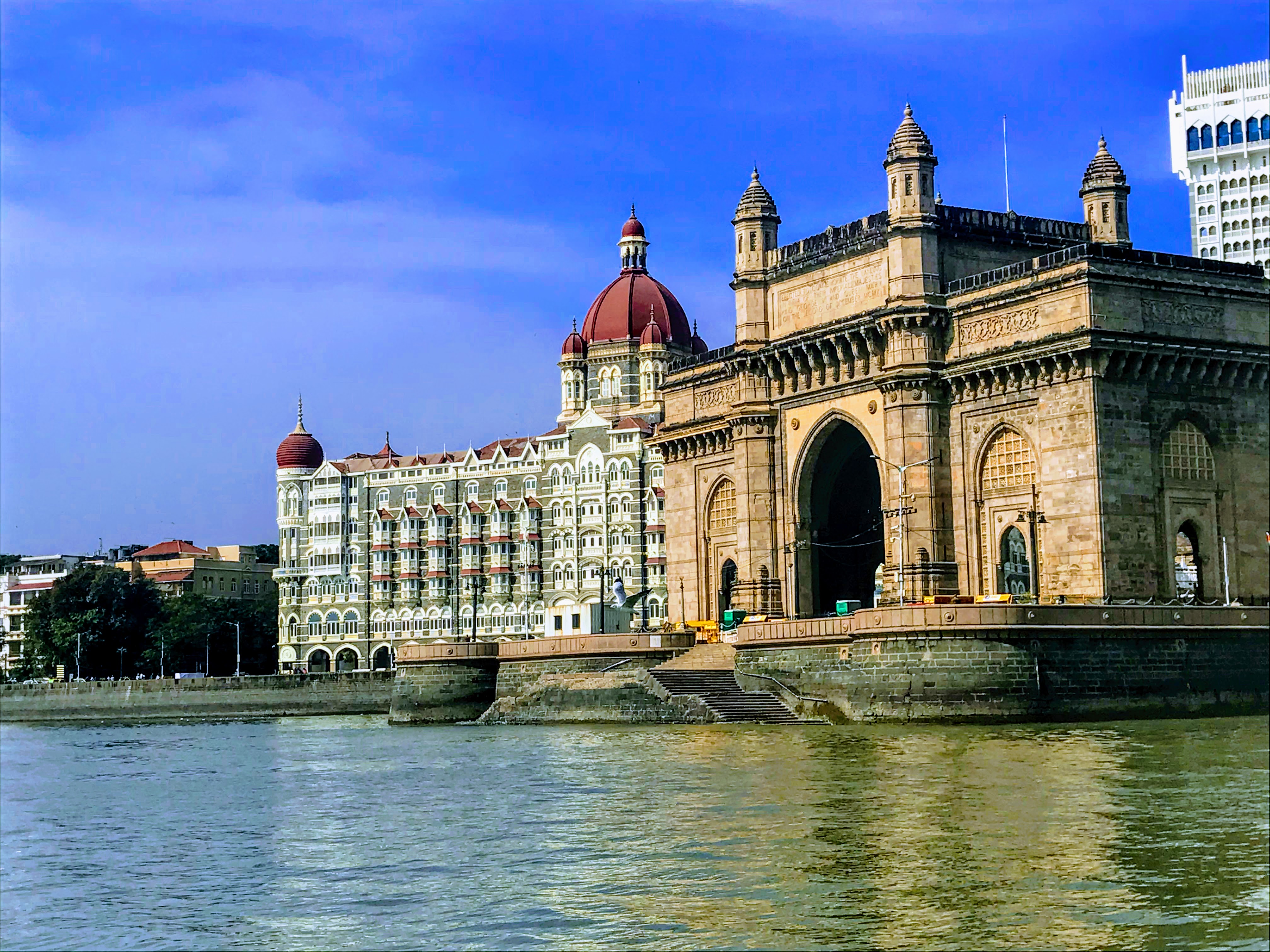
This photo is from 2019 on a trip to Elephanta Caves. I clicked this just as the boat left Gateway of India. The Gateway itself was closed due to some Navy ceremonies, and I couldn’t take any photos of this iconic structure. An arch-monument, the Gateway of India was completed in 1924 to commemorate the landing of George V for his coronation as the Emperor of India in December 1911, the first British monarch to visit India.

This last photo is again from the 2022 trip and from my building terrace. I used to enjoy the sunrises when I walked there, and the colours were simply amazing. I feel this photo looks like a painting, with the clouds creating illusions of peaks.

I have more photos coming up from my recent trip, so look out for them.