In My Hands Today…

Group: How One Therapist and a Circle of Strangers Saved My Life – Christie Tate

Christie Tate had just been named the top student in her law school class and finally had her eating disorder under control. Why then was she driving through Chicago fantasizing about her own death? Why was she envisioning putting an end to the isolation and sadness that still plagued her in spite of her achievements?

Enter Dr. Rosen, a therapist who calmly assures her that if she joins one of his psychotherapy groups, he can transform her life. All she has to do is show up and be honest. About everything—her eating habits, childhood, sexual history, etc. Christie is skeptical, insisting that that she is defective, beyond cure. But Dr. Rosen issues a nine-word prescription that will change everything: “You don’t need a cure, you need a witness.

So begins her entry into the strange, terrifying, and ultimately life-changing world of group therapy. Christie is initially put off by Dr. Rosen’s outlandish directives, but as her defenses break down and she comes to trust Dr. Rosen and to depend on the sessions and the prescribed nightly phone calls with various group members, she begins to understand what it means to connect.

Group is a deliciously addictive read, and with Christie as our guide—skeptical of her own capacity for connection and intimacy, but hopeful in spite of herself—we are given a front row seat to the daring, exhilarating, painful, and hilarious journey that is group therapy—an under-explored process that breaks you down, and then reassembles you so that all the pieces finally fit.

Emotional Intelligence: Respond, not React

The other day, when GG, BB and I were speaking, we went on a tangent about how BB who is smarter than his sister falls short when he has to empathise with someone. She is smarter in social situations whereas he is not. This, in turn, led me to find out more about Emotional Intelligence or Emotional Quotient and how it is different from the intellectual intelligence we all know and use as a gauge to check the smartness of someone.

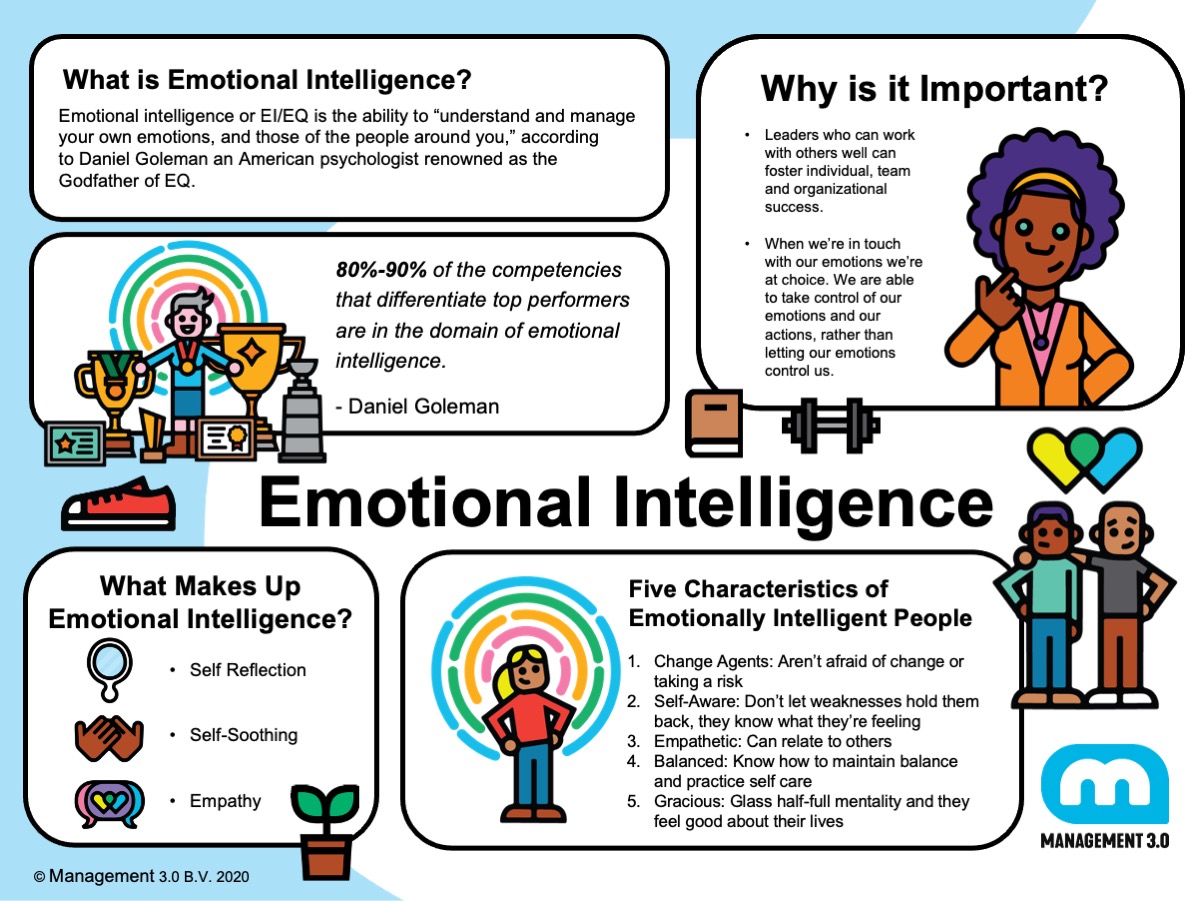
Emotional intelligence or Emotional Quotient is most often defined as the ability to perceive, use, understand, manage, and handle emotions. People with high emotional intelligence can recognise their own emotions and those of others, use emotional information to guide thinking and behaviour, discern between different feelings and label them appropriately, and adjust emotions to adapt to environments. It is also defined as the array of skills and characteristics that drive leadership performance.

Studies have shown that people with a high level of emotional intelligence have greater mental health, job performance, and leadership skills, although no causal relationships have been shown. This kind of intelligence is typically associated with empathy because it involves an individual connecting their personal experiences with those of others.

It is different from the standard intelligence quotient or intellectual intelligence which is a score derived from one of several standardised tests designed to assess an individual’s intelligence. The IQ is used to determine academic abilities and identify individuals with off-the-chart intelligence or mental challenges while the EQ is a better indicator of success in the workplace and is used to identify leaders, good team players, and people who best work by themselves.

Several different assessments have emerged to measure levels of emotional intelligence. Such tests generally fall into one of two types: self-report tests and ability tests. Self-report tests are the most common because they are the easiest to administer and score. On such tests, respondents respond to questions or statements by rating their behaviours. Ability tests, on the other hand, involve having people respond to situations and then assessing their skills. Such tests often require people to demonstrate their abilities, which are then rated by a third party.

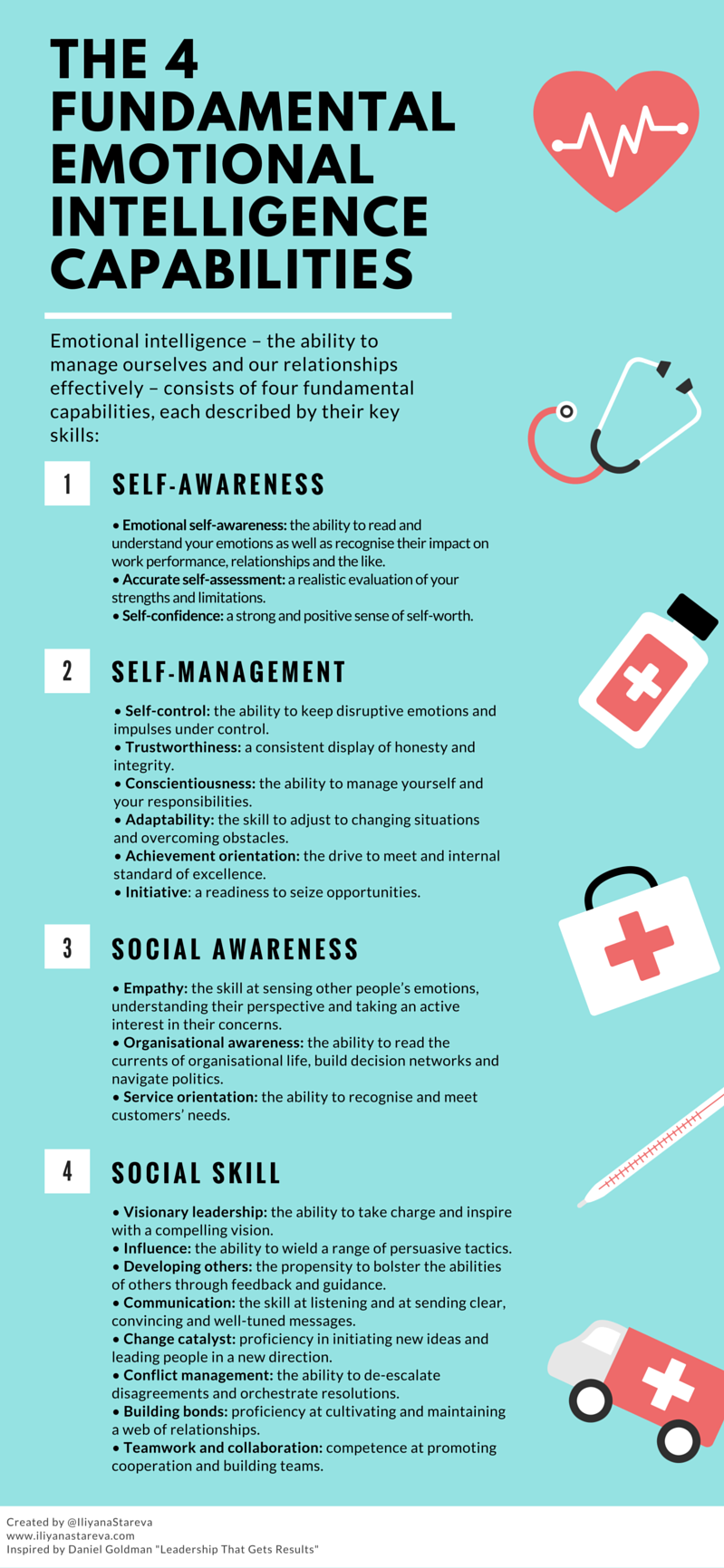
Researchers suggest that there are four different levels of emotional intelligence including emotional perception, the ability to reason using emotions, the ability to understand emotions, and the ability to manage emotions. The first step in understanding emotions is to perceive them accurately. In many cases, this might involve understanding nonverbal signals such as body language and facial expressions. The next step involves using emotions to promote thinking and cognitive activity. Emotions help prioritize what we pay attention to and react to; we respond emotionally to things that garner our attention. The emotions that we perceive can carry a wide variety of meanings. If someone is expressing angry emotions, the observer must interpret the cause of the person’s anger and what it could mean. The ability to manage emotions effectively is a crucial part of emotional intelligence and the highest level. Regulating emotions and responding appropriately as well as responding to the emotions of others are all important aspects of emotional management.
The four branches of this model are arranged by complexity with the more basic processes at the lower levels and the more advanced processes at the higher levels. For example, the lowest levels involve perceiving and expressing emotion, while higher levels require greater conscious involvement and involve regulating emotions.

Having lower emotional intelligence skills can lead to many potential pitfalls that can affect multiple areas of life including work and relationships. People who have fewer emotional skills tend to get in more arguments, have lower quality relationships, and have poor emotional coping skills. But on the flip side, having a very high level of emotional skills can also come with challenges. Research suggests that people with high emotional intelligence may be less creative and innovative, may have a hard time delivering negative feedback for fear of hurting other people’s feelings and those with a high EQ can sometimes manipulate and deceive.

So why is emotional intelligence so important today? Interest in knowing more about emotional intelligence has grown in recent years with programmes improving social and emotional learning becoming popular.

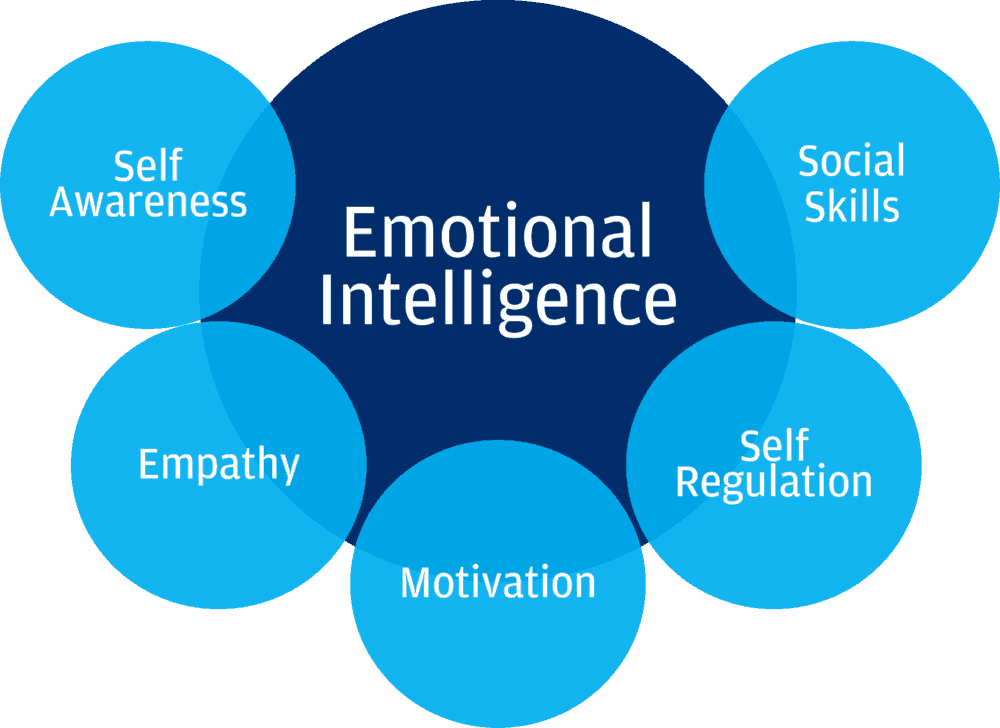
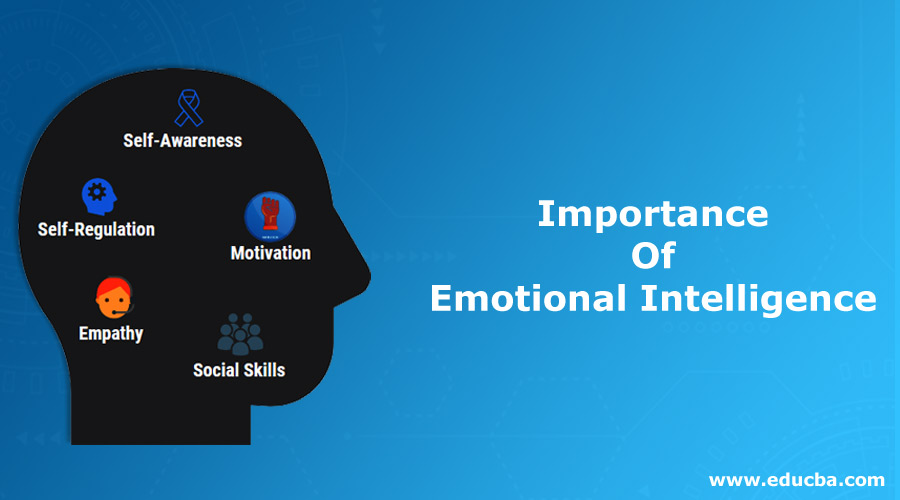
Thinking Before Reacting: Emotionally intelligent people know that emotions can be powerful, but also temporary. When a highly charged emotional event happens, such as becoming angry with a co-worker, the emotionally intelligent response would be to take some time before responding. This allows everyone to calm their emotions and think more rationally about all the factors surrounding the argument.

Greater Self-Awareness: Emotionally intelligent people are not only good at thinking about how other people might feel but they are also adept at understanding their feelings. Self-awareness allows people to consider the many different factors that contribute to their emotions. Self-aware individuals can handle and learn from constructive criticism better than those who aren’t.

Empathy for Others: A large part of emotional intelligence is being able to think about and empathise with how other people are feeling. This often involves considering how you would respond if you were in the same situation and respond genuinely to others’ concerns.

Self-regulation: Individuals with high EQ can control themselves. They can decide when to reveal their emotions and when to restrain themselves. Others can be prone to emotional outbursts and have no control whatsoever.

Motivation: Being self-motivated is a trait of emotionally intelligent individuals. Money or prestigious titles are not motivating factors for them. They are not easily disappointed when they face failure. On the contrary, they are driven by an inner ambition to overcome these failures.

People skills: Emotionally intelligent people can easily build rapport and develop trust in people around them. They stay away from power struggles or backstabbing to get ahead and are more liked as well as respected by others around them.

Being emotionally intelligent is important, but what steps can you take to improve your own social and emotional skills? Here are some tips.

Listen: If you want to understand what other people are feeling, the first step is to pay attention. Take the time to listen to what people are trying to tell you, both verbally and non-verbally. Body language can carry a great deal of meaning. When you sense that someone is feeling a certain way, consider the different factors that might be contributing to that emotion.

Empathise: Picking up on emotions is critical, but you also need to be able to put yourself into someone else’s shoes to truly understand their point of view. Practice empathizing with other people. Imagine how you would feel in their situation. Such activities can help you build an emotional understanding of a specific situation as well as develop stronger emotional skills in the long term. Empathy opens the door for mutual respect and understanding between people with differing opinions and situations.

Reflect: The ability to reason with emotions is an important part of emotional intelligence. Consider how your own emotions influence your decisions and behaviours. When you are thinking about how other people respond, assess the role that their emotions play.

Utilise an assertive style of communicating: Assertive communication goes a long way toward earning respect without coming across as too aggressive or too passive. Emotionally intelligent people know how to communicate their opinions and needs directly while still respecting others.

Respond instead of reacting to conflict: During instances of conflict, emotional outbursts and feelings of anger are common. The emotionally intelligent person knows how to stay calm during stressful situations. They don’t make impulsive decisions that can lead to even bigger problems. They understand that in times of conflict the goal is a resolution, and they make a conscious choice to focus on ensuring that their actions and words are in alignment with that.

Utilise active listening skills: In conversations, emotionally intelligent people listen for clarity instead of just waiting for their turn to speak. They make sure they understand what is being said before responding. They also pay attention to the nonverbal details of a conversation. This prevents misunderstandings, allows the listener to respond properly and shows respect for the person they are speaking to.

Practice ways to maintain a positive attitude: A negative attitude easily infects others if a person allows it to. Emotionally intelligent people have an awareness of the moods of those around them and guard their attitude accordingly. They know what they need to do to have a good day and an optimistic outlook.

Practice self-awareness: Emotionally intelligent people are self-aware and intuitive. They are aware of their own emotions and how they can affect those around them. They also pick up on others’ emotions and body language and use that information to enhance their communication skills.

Take critique well: An important part of increasing your emotional intelligence is to be able to take critique. Instead of getting offended or defensive, high EQ people take a few moments to understand where the critique is coming from, how it is affecting others or their performance and how they can constructively resolve any issues.

Leadership skills: Emotionally intelligent people have excellent leadership skills setting high standards for themselves and setting an example for others to follow. They take initiative and have great decision-making and problem-solving skills. This allows for a higher and more productive level of performance in life and at work.

Emotional intelligence is essential for good interpersonal communication. Some experts believe that this ability is more important in determining life success than IQ alone. Fortunately, there are things that you can do to strengthen your own social and emotional intelligence. 

No is a complete sentence

Source

A few months back, I finally saw the Bollywood film, Pink. This film, which is a Hindi language legal thriller about three women who are sexually assaulted and who are then portrayed to be culprits and women of loose character because they live alone, away from their families, dress in not conservative clothes, drink and date. One sentence from the film, uttered by the lawyer Deepak Sehgal, played by Amitabh Bachchan stood out in my mind and the sentence is the title of my post; “No is a complete sentence”

If you think about it, No is indeed a complete sentence. It’s okay to say it whenever we need to, without fear or guilt. Yet many of us find it hard to say no because our boundaries have become so eroded that we scarcely know where we stop and other people begin. We don’t need to justify our actions when we refuse someone’s request. At work, at home and in any situation, when people ask us for help, we usually find it very hard to refuse the request or command. Hence, reluctantly even, we agree to help because we feel guilty in refusing. If we don’t know how to say no to things, then saying yes loses meaning. By saying yes to everything that is asked of us, we are setting ourselves up for failure at some point or the other.

Our need for connection is what instils fear of saying no, because we believe that it will make the people on the other end upset, creating a barrier in our relationship with them. Saying no can also cause cognitive dissonance in us — that uncomfortable feeling in our solar plexus and mind when our actions don’t match up with our words, values, and morals. When we believe ourselves to be a helpful, kind person above all else, and then choose to say no to something helpful and kind, it causes this feeling.

As if this was not enough, our culture places an unrealistic value on the pursuit of busyness. Society tells us that if we aren’t working on something, anything, we are just wasting time. Thus, if the reason we are saying no is so that we can find time to do something for ourselves or, perhaps, even manage to do nothing at all, we feel unworthy. And even when we finally muster up the courage to say no or I can’t, we then feel obligated to offer up an explanation to justify this unfavourable response. And this is why No is a complete sentence.

Saying the word no when someone asks you to do something, and then not following it up with the why may feel odd and even rude. The charged space that word leaves behind is palpable. But learning to say no and letting it hang out there all alone in its glory is a small kind of superpower. Of course, the person getting the no from you will fire back a why when you decline to do what they are asking you to do. If this happens and you feel that stating no is a complete sentence is a bit harsh, try bundling up your courage with a little vulnerability. When pushed for a reason, you could say something on the lines that you are tired or you have other commitments, but more often than not, just saying no will be very liberating. Of course, you may have to give some explanation if it’s at work and your manager pushes you, but keep it as simple as possible so you don’t get into any complicated explanations.

It’s pretty natural that after years of societal and generational impact, no has a distinctively negative connotation and denotation. The No has to be reframed as not being a negative term and we have to begin to think of no not as a solitary decision but in the context of the positive impact saying no has.

Here is what you need to do when you don’t want to do something: say No. That’s no, period, end of the story. If you want to say, No, thank you, that is acceptable, but don’t add anything else to the sentence. However, if you feel it is rude or abrupt by simply stating no, there are many alternative ways to say no without ever uttering the word. One degree of departure from the word No would be saying I can’t. Two degrees of departure would be saying, I’ll get back to you and buying yourself enough time to give yourself a pep talk so that you can politely decline. Three degrees of departure would be saying yes to something else by creating alternatives, kind of like a reverse mind trick. By doing this, you shift the response from a negative one of something you can’t or won’t do to something positive and something you can or are willing to do.

Learning to say no is sort of like learning how to meditate; it’s a habit that you have to cultivate. The more you say it, the easier it gets. The easier it gets, the less guilty you feel. We need to set up personal boundaries around what we are and aren’t willing to accept for our mental stability. And saying no doesn’t just mean declining invitations or saying no to extra work.

Learning to say no isn’t something you only need to do with other people, it’s something you need to learn to say to yourself. Saying no to yourself means creating personal boundaries that will ultimately contribute to your well-being in the long term. Setting up boundaries means recognizing that other people have boundaries, too. It means asking for consent. No is the magic word to getting your life back. Just remember that it is a complete sentence, and act accordingly. Because if you can’t say no, your Yes doesn’t mean anything.

Book Smart or Street Smart

Source

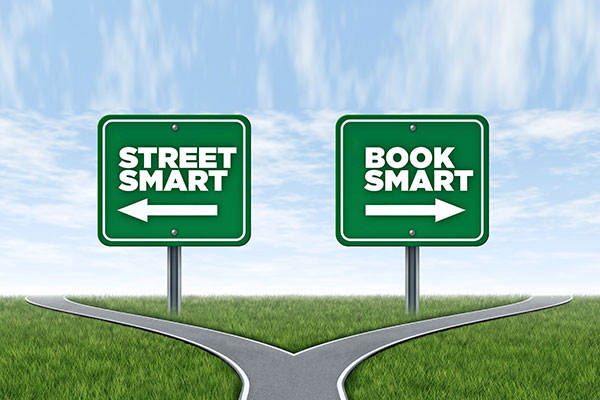
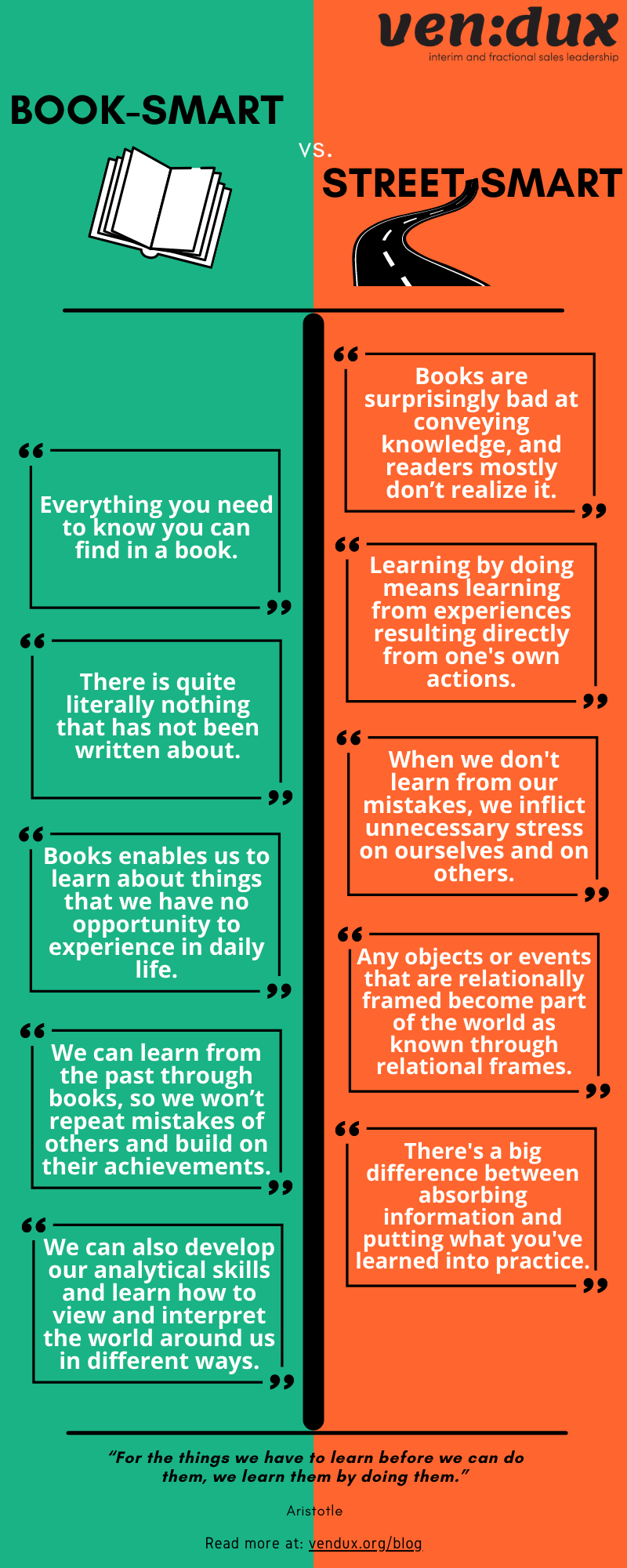
A topic that has been in my mind for a while now, is the eternal debate between being book smart and street smart and which is better. Book smart is an adjective that refers to the learning or education one gets and describes a person whose knowledge greatly derives from book-learning, as opposed to practical experience, or street smarts. Book smart is knowledge derived from facts, science and communication and is explicit knowledge. Street smart, on the other hand, is procedural or practical knowledge on how to accomplish something. It is often tacit knowledge, which means that it can be difficult to transfer to another person through writing it down or verbalising it.

Someone who is known as being book smart people is usually well-read and often have read the classics, know facts and information that many other people don’t and are usually good at things like trivia games and crossword puzzles. The stereotype of a book-smart person is someone who deals with ordinary but challenging situations, especially bad or difficult ones, only from an intellectual point of view by basing their decisions strictly on available facts, accumulated knowledge, or personal insights primarily obtained from an educational environment. Book smart people are good with exams and academically inclined and enjoy the structure of the learning environment. They believe value lies in knowing things and reading things and are sometimes described as smart dumb people. In fact, in Tamil, there is a term for such people known as Padicha Muttal which means an educated fool

On the other hand, people who are good at dealing with practical life problems have lots of street-smarts. They may not be as educated or read as much as those with book smarts, but they have something just as valuable – the ability to use their experiences in many different situations. They are very aware of their surroundings. The stereotype of a street-smart person is someone who knows how to handle practical situations in everyday life necessary to get things done but is not as inherently educated or gifted academically.

In their most extreme and negative stereotypes, book-smart people are essentially naive, easily manipulated, unfeeling, and display bad judgment in ordinary situations while street-smart people are unintelligent and incapable of achieving higher education, but are more passionate and can usually find an answer to a problem through trial and error.

In my opinion, neither alone is good and a combination of book smarts with a dash of street smartness is what differentiates the wheat from the chaff. A highly educated person should not be derided for the advantages they may have and at the same time, just having a certificate does not prove that they know. Conversely, street-smart people are often demeaned simply because they are classified as those who didn’t have the grades to study at an institute of higher learning. Sometimes they are much smarter than those who are highly qualified.

Politics, power, social dynamics, leadership abilities, professional networks, and social status play a big part in an individual’s ability to succeed in life. To succeed in this environment, a person needs to navigate successfully in an opaque world and make the right decisions. In many situations and, in most industries, with the possible exception of teaching and academia, being book smart but not street smart is a distinct disadvantage. Being street smart doesn’t mean one is uneducated, undereducated or unintelligent and dumb. Being street smart means one is more aware of what is happening around them. They have environmental and situational awareness and can judge a situation so they can react to it accordingly. Street smartness comes from life’s experiences and situations that one would have encountered.

Someone who is only book smart, with low to no street smartness will only have the theoretical aspects of what he or she has learnt, but will not know if the theory works in real life. But, without the foundation of that theory, maybe the practical applications can only go so far. So a combination of both is where you hit that sweet spot. The key to success in the workplace and, in all aspects of life, is to have some, actually quite a bit of street smartness. With only book knowledge, when an individual enters the real world, the going is get tough. In these situations, those with street smarts are ready to fight and defend themselves because they have prepared themselves for these moments. This is where their expertise comes into play. They have the world experience, which trumps the book smarts word experience every single time. They have life skills, which trumps the abstract learning of those with bookish knowledge and they know and understand their environment and who is in it.

For someone who is not very street smart, and I count myself in this, here are some good tips to increase your confidence levels.

Recognise your faults and use setbacks to learn and grow. Get in there, the environment you want to succeed in and immerse yourself in it. Get involved with all the nitty-gritty of the work you are doing and be completely hands-on. Learn from mistakes and make sure every experience, whether positive or negative, teaches you something, even if it is what not to do. Doing so will make you more accustomed, more comfortable, and more aware of your world. Also, learn to look for opportunities that are everywhere, but need a keen eye to spot. Acknowledge that people are different and so keep track of their biases, consciously put them aside and judge each person on their merit. That will make you more effective at evaluating people. Choose what feels most certain rather than what’s most logical. And this is something I struggle with, I feel some decisions, and then my logical brain takes over and I change my decision which more often than not backfires. If something is too perfect, too simple, then it’s probably not right, you need to prod and find out more. Everything you do, keep an eye on the future and not just be in the present. A street-smart person puts aside the primal pull of scarcity and assesses value based on utility. In some cases, they may even profit off of other people’s obsession with scarcity.

Become more aware, detach yourself from your emotions because emotions lead to poor decision-making skills, slow down your thinking and become more deliberate using logic which allows seeing through manipulative efforts to choose what’s best for you rather than what feels emotionally satisfying will make you more street smart, even if you are not one now.

What makes someone successful?

Sourcen

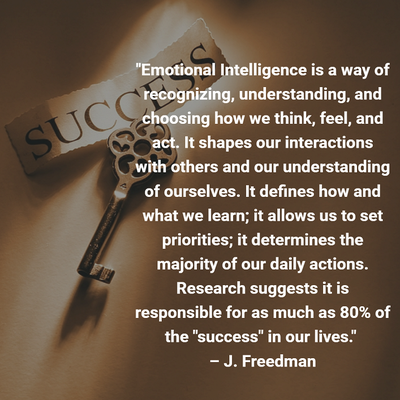
Over the past few weeks, I have been speaking to BB & GG about their future and I realised that a common refrain emerged in what I was speaking, which was being successful. So that led me think on what success means? I define success as accomplishing goals, be it small or large. Success is always doing your best, being happy and most importantly believing that you can do what you set out to achieve.

To become successful in any area of life, one should first want it. There is a saying that success only comes to those to dare, which most people don’t. Success only comes to those who are fully committed and determined that come what may, they will give their 100% to what they want to succeed in. So, what are those elusive qualities that someone who is successful has and that we, ordinary people are lacking?

Willing to fail: When one fails, one knows what it takes to succeed. And everyone fails before they succeed and so, a successful person is willing to fail to eventually succeed. The important thing, however, is to learn from each failure, which will eventually lead to better decisions in the future and persevering and not giving up at the first sign of failure.

Go the extra mile: A successful person does more than what’s asked of them. They view their job descriptions as just the beginning of what they can do with their job and once they’ve completed their mandatory tasks, they will always ask to take on more projects that challenge them including those tedious jobs that no one else wants to do in order to be a team player.

Forgive and maybe forget: Successful people learn to forgive and don’t hold on to grudges. The art of forgiveness is the art of letting go and successful people know that to forgive doesn’t mean condoning what someone has done, but rather releasing the negative emotion around it for their own peace of mind. Only then can they move past it and strive harder. On the other hand, unsuccessful people tend to hold on to grudges, causing the negative situation and energy to fester away and inevitably affect their success.

Set real goals: Successful people make achievable and attainable goals that can be accomplished. They also plan their days and even weeks with focussed goals that are aligned with their strengths while avoiding their weaknesses.

Accountability and responsibility: They are accountable for themselves and their actions and don’t rely on others to get their job done. They try to look inwards and search for solutions and own up to mistakes. They make their own luck and position themselves for success. By being slightly better each day and doing at least one thing each day that contributes to their success, they position themselves to get lucky and use that luck to grow and become better in life. They also know they are responsible for their own actions, reactions and ultimately successes and failures which creates a mindset of empowerment and control where bad outcomes direct them to a better path and lets them grow from failure.

Flexible: Those who are successful tend to be more flexible and learn to adjust themselves according to the changes happening in their lives. They are willing to reinvent themselves to stay relevant, constantly coming up with new ideas, learning new skills and searching for ways to be more productive. They don’t wait for things to happen; they make things happen.

Effective communicators: Successful people are able to communicate effectively. They are good story tellers and are persuasive and confident while doing so. They are able to negotiate well and can compile compelling tracks about themselves and their motivations. What makes them effective is that they are clear about and sensitive to the outcome they want to get from their communication and are flexible in their method of communication to achieve their outcome. They are experts at building rapport and separate what is being said from the meaning they put into what is being said.

Networks: Successful people build good networks whom they can tap into when they need answers, people or even help. They aren’t afraid of emailing or calling the best person who can help them and are always prepared with the right questions. They are, in turn, always willing to help others. They also realise that the best way to build a great network is to give help to others first with no expectation of reward. Those who constantly take without giving usually do very poorly on building a solid network.

Source

Life-long learners: Successful people are always learning. They are life-long learners who push themselves out of their comfort zones. Successful people always remain students and are constantly learning new things and have new experiences. They aren’t afraid to try new activities and to fail at them because they know that only by failing will they learn. They are also more excited about the journey than the result because they enjoy the process.

Consistency: Successful people follow through with their habits which others say they would like to, but don’t. Success is down to consistent habits and successful people know this and stick to them. They create positive routines and take time to journal or plan out goals every day. They also have positive but consistent habits like reading, not watching too much television and use their downtime to implements positive and powerful habits which allow them to succeed.

Focus: Successful people are focussed on where they want to go, how they want to be and how to get there. They know the importance of personal growth within their journey towards success. Those who are not successful, focus on the end goal without giving much thought to how to get there. They are also more interested in what others are doing as opposed to what they should be doing instead. This is an important part of being successful in any aspect of life.

Positive Mindset: Successful people focus on the positive and have a positive mindset which propels them on the path to success. Such a state, even when facing a particular challenge, attracts more positive opportunities. It does not matter if they are not successful right now, what matters most is where they would want to go and if they are willing to work for it. Unsuccessful people on the other hand, focus on the negative which can only steer one towards failure because when one only sees the negative, they literally blind themselves from seeing answers to problems because they’re usually fixated on the problem itself and not the solution.

Attitude of gratitude: The attitude of gratitude is the secret weapon for every successful person. Whether it’s gratitude for where they are no matter what stage they’re at, for the people around them and even the challenges they face, appreciation for everything brings more things to be grateful for, and therefore success into their lives.

Embrace Change: The only constant in this world is change and those who know this and take advantage of this adage are successful. They know that change is necessary to grow in life and become successful and so they willingly embrace change because they see change as positive. Others fear change and find it hard to adapt to a changing world.

Share credit: Those who are successful in life usually share credit and don’t hog all the credit for success. Any team effort, even with the major work done by one individual is cause for the group to be credited and share in the celebration. Acknowledging the contributions of others is a common trait in successful people.

Dream big: If one aims for the stars, they will at least touch the moon. Those who are successful know this and have big dreams. Most people don’t live their dream life because they do not dare to dream big. Most of us just aim to get by in life, but if one is serious about being successful, they need to start thinking of having an extraordinary life and think big. It’s quite simple actually, if one thinks of success all the time, there is a high chance that it will be achieved. Conversely, if failure is all that is being thought about, guess what happens?

Continuously improving: A successful person knows that they have to be just slightly better today than they were yesterday and a bit better tomorrow than they were today. This puts them on a path to becoming better on a continuous basis and reach the goals they set for themselves.

Never give up: The journey to success is tough and one will go through a lot of failures and setbacks before reaching the apex. However, they never let that get to them, but have the confidence to move on and to turn failures into learning lessons. Those who are successful never quit and give up on their dreams. They hold on to their dreams and continue to work hard even when the world tells them that it is impossible.

Self-Discipline and Self-confidence: Everyone procrastinates. And everyone has a vice or two, however minor. But those who are continually successful never let distractions overtake them. Instead, they have the discipline to force themselves to keep at it, even when they feel the urge to do something less important. Confidence shouldn’t be confused with arrogance. Confidence is the belief and conviction in self. Successful people are great at this.

Time management skills: Those who are successful are able to manage their time well. They know that time can’t actually be managed, because you can only manage something that you can actually change. Instead, successful people prioritise the things that matter most, focus on those and leave the rest to be tackled on another day.

High self-esteem: Those who succeed are people who believe they deserve their success and know that they can do anything they set their mind to. They understand that a mistake is something that they do and not who they are. They also monitor the warning signs of low self-esteem to ensure they always keep a positive self-image of themselves. They realize that self-esteem is a state of mind and choosing to have high self-esteem is much more useful than choosing to have low self-esteem.

Well-rounded and balanced: Truly successful people strive to be successful in all aspects of their lives. They live healthy lives, become financially independent, nurture meaningful relationships, develop personal mastery, and accomplish their professional goals. They know that sacrificing one key area to achieve another will not help them maximise their true potential. It is hard to be your best and to contribute when you have to worry about how you are going to pay the rent.

Great listeners: Everyone wants to be a great speaker but how many people strive to be excellent listeners. People who listen succeed in life because they are able to hear and understand the needs of other people and to focus their energy on meeting those needs. The fastest way to be a good conversationalist is to listen well and ask questions.

Always prepared: Successful people are always prepared. They not only have a plan B but also a Plan C, D, E, and F. They mentally rehearse and visualise the possibilities vividly so that when the actual situation occurs, their brains will remember what to do and they are never stuck on the back foot.

So here you have it. These are some of the key elements to what makes someone successful. A mindset of gratitude, teamwork and putting more emphasis on the journey rather than the destination are all important when it comes to success.