The Psychology of Regret: How to Make Decisions You Won’t Regret

Regret is a complex and multifaceted emotion that plays a significant role in the decision-making process and one’s overall well-being. It involves the cognitive and emotional recognition that something desirable did not occur, often due to our actions or inactions. While regret can be challenging to grapple with, understanding its psychology and learning strategies to make better decisions can help us lead more fulfilling lives with fewer regrets.

Regret is an inevitable part of the human experience, particularly in modern times when we are faced with many choices. This emotion can range from mild and fleeting to intense and long-lasting, potentially haunting individuals for years or even a lifetime.

Regret is often characterised by several key components. Self-reproach is a sense of responsibility for the negative outcome, while sadness is about the emotional distress over what could have been. Ruminations are persistent thoughts about the decision and its consequences, and a desire for change is a wish to undo or alter the past decision. Regret can be triggered by both actions taken and opportunities missed. Interestingly, research suggests that regrets related to inaction—the roads not taken—tend to be more persistent and harder to overcome than those stemming from actions.

While regret is a natural and sometimes beneficial emotion, excessive or chronic regret can have significant negative impacts. Regret has been linked to anxiety, depression, and sleep problems. It can increase stress levels and negatively affect hormones and immune systems. Regret, which is also the fear of future regret, can lead to decision paralysis or overly cautious choices. However, when managed effectively, regret can also serve as a catalyst for personal growth and improved decision-making.
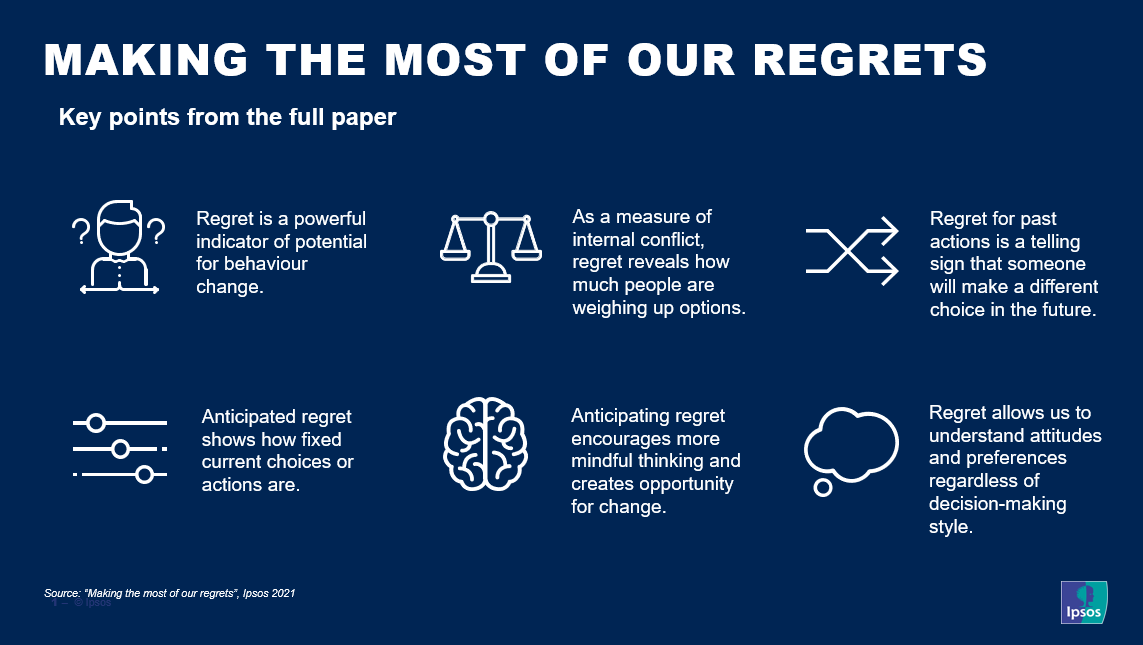
To better understand regret and how to manage it, it’s crucial to explore the psychological mechanisms at play.

Several cognitive biases can influence our experience of regret. Negativity bias is the tendency to focus more on negative experiences than positive ones. In black-and-white thinking, one views situations as entirely good or bad, with no middle ground. Catastrophising is assuming the worst possible outcome in a given situation. These biases can amplify feelings of regret and make it more difficult to move past negative experiences.

Regret is closely tied to counterfactual thinking – the process of imagining alternative outcomes to past events. While this type of thinking can sometimes lead to rumination and increased distress, it also plays a crucial role in learning from our experiences and improving future decision-making.

Not everyone experiences regret in the same way. Factors that can influence an individual’s propensity for regret include perfectionism, where those with perfectionistic tendencies may be more prone to regret. Maximisers who seek optimal outcomes tend to experience more regret than satisficers who are content with good enough results. The more opportunities one perceives, the greater the potential for regret.

While it’s impossible to completely eliminate regret from our lives, there are several strategies we can employ to make better decisions and minimise future regrets.

Embrace Self-Compassion: Practicing self-compassion is crucial in managing regret and making better decisions. This involves acknowledging that everyone makes mistakes and experiences regret, treating yourself with kindness and understanding, and using past experiences as learning opportunities rather than sources of self-criticism.

Develop Emotional Intelligence: Improving your emotional intelligence can help you better understand and manage your feelings of regret. Practice identifying and naming your emotions accurately, learn to accept and sit with uncomfortable emotions rather than avoiding them, and use emotional awareness to inform your decision-making process.

Utilise Counterfactual Thinking Constructively: Instead of getting stuck in unproductive rumination, use counterfactual thinking to your advantage. Analyse past decisions objectively to identify areas for improvement, focus on controllable factors that you can change in the future, and use insights gained from this process to inform future decisions.

Implement a Structured Decision-Making Process: Adopting a systematic approach to decision-making can help reduce the likelihood of future regrets. Clearly define the decision to be made, gather relevant information and consider multiple perspectives, identify and evaluate potential alternatives, make a choice based on your values and priorities, implement your decision and monitor the results, and reflect on the outcome and learn from the experience.

Practice Mindfulness: Incorporating mindfulness into your decision-making process can help you make more thoughtful choices. Stay present in the moment and avoid getting caught up in past regrets or future anxieties, pay attention to your thoughts and feelings without judgment, and use mindfulness techniques to reduce stress and enhance clarity when facing important decisions.

Cultivate a Growth Mindset: Adopting a growth mindset can help you view regret as an opportunity for learning and personal development. Embrace challenges as chances to grow and improve, see failures and mistakes as valuable learning experiences, and focus on the process of improvement rather than fixating on outcomes.

Consider Long-Term Consequences: When making decisions, try to look beyond immediate gratification and consider the long-term implications. Visualise how you might feel about your choice in the future, consider how the decision aligns with your core values and life goals, and use techniques like the “10-10-10” rule: How will you feel about this decision in 10 minutes, 10 months, and 10 years?

Seek Multiple Perspectives: Gathering input from others can help you make more well-rounded decisions. Consult with trusted friends, family members, or mentors, seek out diverse viewpoints to challenge your assumptions, and be open to constructive feedback and alternative perspectives.

Learn to Forgive Yourself: Developing the ability to forgive yourself for past mistakes is crucial in managing regret. Acknowledge that you did the best you could with the information and resources available at the time, practice self-forgiveness exercises, such as writing a letter of forgiveness to yourself, and use the REACH model: Recall the hurt, Empathise, Altruistically offer forgiveness, Commit publicly, and Hold onto forgiveness.

Embrace Uncertainty and Imperfection: Accepting that life is inherently uncertain and that perfect decisions are rarely possible can help reduce regret. Recognise that some level of risk is inevitable in decision-making, focus on making good enough decisions rather than striving for perfection, and embrace the idea that mistakes and regrets are part of the human experience and can lead to personal growth.

While regret is often viewed negatively, research suggests that people value regret more than many other negative emotions. This seemingly paradoxical finding highlights the potential benefits of regret when managed effectively. Regret can serve as a powerful motivator for personal development and behaviour change. The experience of regret can inform future choices, helping us avoid similar mistakes. Reflecting on regrets can provide valuable insights into our values and priorities. The counterfactual thinking associated with regret can improve our ability to identify and address issues. Sharing regrets can foster empathy and strengthen relationships.
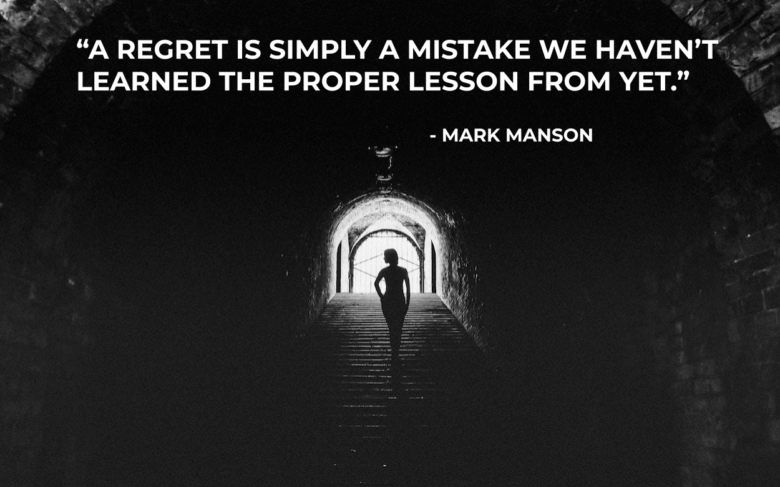
To make the most of regret’s potential benefits, reflect on the lessons learned from past regrets, identify patterns in your regrets to uncover areas for personal growth, use regret as motivation to take positive action in the present, and share your experiences with others to gain new perspectives and foster connection.

Regret is a complex emotion that plays a significant role in our lives and decision-making processes. While it can be challenging to experience, understanding the psychology of regret and implementing strategies to make better decisions can help us lead more fulfilling lives with fewer regrets. By embracing self-compassion, developing emotional intelligence, utilising counterfactual thinking constructively, and implementing structured decision-making processes, we can learn to navigate life’s choices more effectively. By cultivating a growth mindset, considering long-term consequences, seeking multiple perspectives, and learning to forgive ourselves, we can transform regret from a source of distress into a catalyst for personal growth and improved decision-making.

The goal is not to eliminate regret entirely—as it is a natural and sometimes beneficial part of the human experience—but to develop a healthier relationship with this emotion. By doing so, we can make decisions that align more closely with our values and aspirations, leading to a life of fewer regrets and greater satisfaction. Perfection is not attainable, and some level of regret is inevitable. But, by maintaining a balanced perspective, we can learn to make peace with our regrets and use them as stepping stones toward a more fulfilling future.


Que Sera, Sera: Embracing the Flow of Life

“Que sera, sera, whatever will be, will be. The future’s not ours to see.” – Ray Evans and Jay Livingston

This song was a favourite while growing up among my friends and myself and we would sing it frequently when we had time in class and when we went on picnics and camps. The phrase “Que sera, sera” (pronounced “kay sair-uh, sair-uh”) is Spanish for “Whatever will be, will be.” It gained widespread popularity in the 1950s through the song of the same name, written by the legendary songwriting duo of Jay Livingston and Ray Evans.

The song was first featured in the 1956 Alfred Hitchcock film “The Man Who Knew Too Much,” where it was sung by Doris Day. Although Day initially disliked the song and only recorded one take, it went on to become her signature song and a massive hit. The lyrics reflect the philosophy of accepting the future as it unfolds:

“When I was just a little girl, I asked my mother, ‘What will I be? Will I be pretty? Will I be rich?’ Here’s what she said to me: ‘Que sera, sera. Whatever will be, will be. The future’s not ours to see. Que sera, sera.'”

However, the phrase “Que sera, sera” actually predates the song. It was found carved in stone in the 1954 film “The Barefoot Contessa,” where it was translated by the character played by Rossano Brazzi as “What will be, will be.” Livingston and Evans recognised the potential of the phrase and crafted the now-iconic song around it.

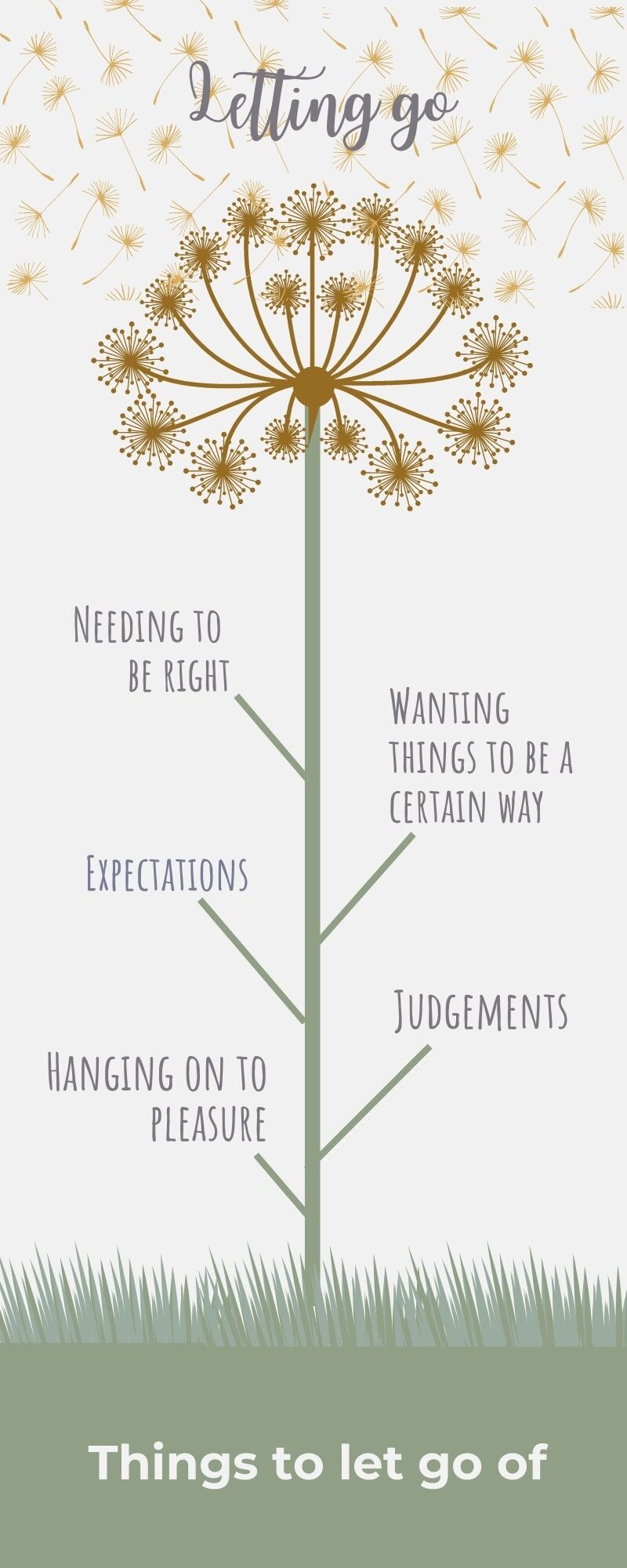
The philosophy behind “Que sera, sera” is one of acceptance and letting go. It suggests that worrying about the future is futile, as it is not ours to control or predict. Instead, we should focus on the present moment and trust that whatever happens is meant to be.

The concept aligns closely with existentialist philosophy, which emphasises individual experience and the inherent uncertainty of life. Existentialism posits that life lacks inherent meaning, and individuals must navigate their existence amidst this ambiguity. So Que Sera, Sera reflects the acceptance of life’s unpredictability, resonating with existentialist themes of embracing uncertainty and the limits of control over one’s fate. This perspective encourages individuals to focus on the present and make choices despite the unknown future, embodying the existentialist belief in personal agency within an indifferent universe.

This concept is closely related to the Serenity Prayer, which asks for the wisdom to accept the things we cannot change, the courage to change the things we can, and the wisdom to know the difference. It is also reminiscent of the Buddhist teaching of non-attachment, which encourages letting go of desires and expectations to find peace and contentment.

In a world that often emphasises goal-setting, planning, and control, the idea of “Que sera, sera” can be a refreshing and liberating perspective. It acknowledges that life is unpredictable and that we cannot always predict or control the outcomes of our actions. By accepting this uncertainty and trusting in the flow of life, we can reduce stress, anxiety, and disappointment.

Adopting a “Que sera, sera” attitude can bring numerous benefits to our lives. When we let go of the need to control every aspect of our lives, we free ourselves from the burden of constant worry and stress. By accepting that some things are beyond our control, we can focus our energy on what we can influence and let go of the rest. By embracing the unpredictability of life, we build resilience and the ability to adapt to changing circumstances. When we face challenges or setbacks, we can approach them with a mindset of flexibility and openness rather than rigidity and resistance. By not fixating on the future, we can fully engage with and appreciate the present moment. We can savour the joys and pleasures of daily life rather than constantly looking ahead to the next goal or milestone. When we let go of expectations and attachments, we reduce the risk of disappointment. If things don’t turn out as we had hoped, we can more easily accept the situation and move forward, rather than getting stuck in regret or bitterness. Embracing “Que sera, sera” can foster a sense of trust in the larger forces at work in the universe. Whether one believes in God, fate, or simply the natural flow of life, trusting that things happen for a reason can provide a sense of comfort and security in the face of uncertainty.

Adopting a “Que sera, sera” mindset doesn’t mean abandoning all planning or goal-setting. It simply means striking a balance between taking action and letting go of the need to control the outcome. Here are some ways to incorporate this philosophy into your daily life:

  • Practice Acceptance: When faced with a situation that is out of one’s control, consciously practice acceptance. Acknowledge the reality of the situation, let go of any resistance or resentment, and focus the energy on what one can influence.
  • Cultivate Gratitude: Regularly expressing gratitude for the good things in one’s life can help shift one’s focus from what one lacks to what one already has. This practice can foster a sense of abundance and appreciation, even in the face of uncertainty.
  • Embrace Flexibility: Be willing to adapt and change course when necessary. Rigidly clinging to a specific outcome can lead to disappointment and frustration. Instead, approach life with a flexible mindset, ready to pivot and explore new possibilities as they arise.
  • Trust the Process: When working towards a goal or facing a challenge, trust that the process is unfolding as it should. Have faith that even if the outcome is not what one expected, one will learn and grow from the experience. Celebrate the small victories along the way.
  • Seek Balance: Strive for a balance between taking action and letting go. Set goals and make plans, but hold them lightly. Engage fully in the present moment while also keeping an eye on the future. By finding this balance, one can make the most of their life while still embracing the unpredictability of the journey.

The song “Que Sera, Sera” has endured for over 60 years, with covers by artists ranging from Sly and the Family Stone to The Carpenters. Its enduring appeal speaks to the timeless wisdom of its message. In a world that often feels chaotic and uncertain, the idea of accepting and embracing the flow of life can be a powerful antidote to stress and anxiety. By letting go of the need to control every aspect of one’s lives, one can find greater peace, joy, and resilience.

Of course, adopting a “Que sera, sera” mindset is not always easy. It requires practice, patience, and a willingness to step outside one’s comfort zone. But by making small steps towards acceptance and flexibility, one can gradually transform one’s relationship with uncertainty and embrace the adventure of life.

In the end, “Que sera, sera” is not just a catchy song lyric, but a profound invitation to live with greater presence, trust, and resilience. By embracing the uncertainty of the future and focusing on the beauty of the present moment, one can find a sense of freedom and joy that transcends the ups and downs of life.

So take a cue from Doris Day and her mother in the song and let go of worries about what the future may hold. Instead, trust in the flow of life, embrace the journey, and sing along with the chorus:

“Que sera, sera, whatever will be, will be. The future’s not ours to see. Que sera, sera.”

The Tyranny of the Inner Critic: Silencing the Voice that Holds You Back

We all have an inner voice that whispers in our ears, offering commentary on our thoughts, actions, and decisions. For some, this voice is a gentle guide, nudging us towards growth and self-improvement. But for many, this inner voice takes on a more sinister form – the inner critic. This relentless, negative self-talk can be a formidable foe, undermining our confidence, sabotaging our efforts, and holding us back from reaching our full potential.

What is the Inner Critic? The inner critic is the voice of self-doubt, self-judgment, and self-criticism that resides within each of us. It’s the nagging voice that tells us we’re not good enough, smart enough, or worthy enough. It’s the voice that magnifies our flaws, minimizes our accomplishments, and perpetuates a cycle of negative self-talk. This inner critic is often rooted in our past experiences, societal conditioning, and the internalization of external criticism. It can stem from childhood experiences, where we may have been criticised or made to feel inadequate, leading to the development of a harsh inner voice that echoes those early messages. While the inner critic may have initially served as a protective mechanism, helping us to conform to societal norms or avoid potential dangers, it can quickly spiral out of control, becoming a relentless tormentor that undermines our self-worth and hinders our personal growth.

The inner critic’s negative influence can manifest in various aspects of our lives, leaving a trail of destruction in its wake. The constant barrage of self-criticism can erode our self-confidence, making us doubt our abilities and question our worth. This lack of confidence can prevent us from taking risks, pursuing opportunities, or stepping out of our comfort zones. The inner critic’s voice can be so overwhelming that we become paralyzed by fear of failure or criticism. This can lead to procrastination, avoidance of challenges, and a reluctance to put ourselves out there, ultimately hindering our personal and professional growth. The inner critic often sets unrealistic standards and demands perfection, leading to a constant state of dissatisfaction and self-criticism. This perfectionism can be crippling, preventing us from taking action or celebrating our achievements. The inner critic’s negative self-talk can become a vicious cycle, where we ruminate on our perceived flaws and shortcomings, perpetuating a negative mindset and limiting our potential. The inner critic’s influence can extend beyond our personal lives, impacting our relationships with others. When we constantly doubt ourselves and engage in negative self-talk, it can create distance, mistrust, and communication breakdowns with those around us.

How do you identify and recognise your inner critic? Notice the critical, negative self-talk in your mind. Pay attention to thoughts that are harsh, judgmental, or demeaning towards yourself. The inner critic often uses words like “should”, “never”, and “always”, and makes overgeneralised negative statements. 2. Observe when the inner critic gets triggered. It may arise after making a mistake, receiving criticism from others, or when you are feeling insecure or vulnerable. Identifying the situations that activate the inner critic can help you recognise its voice. Listen for absolute, black-and-white thinking. The inner critic tends to view things through an all-or-nothing lens, with no room for nuance or grey areas. It makes blanket statements like “You’re a total failure” or “You’ll never succeed.” Note if the voice is from a critical person in your past. For some, the inner critic is an internalised voice of an authority figure, parent, teacher or someone else who was harsh or demeaning. Check if the voice is focused on particular insecurities. Different inner critics may hone in on insecurities about your worth, abilities, appearance, productivity etc. Identifying the themes can reveal which type of critic it is. Observe if it triggers intense negative emotions. The inner critic often provokes feelings of shame, anxiety, insecurity or low self-worth when it pipes up. See if it’s resistant to contradictory evidence. The inner critic tends to dismiss or explain away any facts that contradict its negative judgments.

Silencing the inner critic is not an easy task, but the rewards are immense. When we quiet this negative voice, we open ourselves up to a world of possibilities and personal growth. By quieting the critical voice, we create space for self-acceptance and self-compassion. We learn to embrace our flaws and imperfections, treating ourselves with kindness and understanding. Without the constant barrage of self-criticism, we can cultivate a healthier sense of self-confidence and self-esteem. This newfound confidence empowers us to take risks, pursue our dreams, and embrace new challenges. When we silence the inner critic, we free ourselves from the shackles of self-doubt and fear of failure. This liberation allows our creativity and innovation to flourish, enabling us to explore new ideas and approaches without the weight of self-criticism holding us back. By quieting the critical voice, we become more present and authentic in our relationships. We can communicate more effectively, build deeper connections, and foster a greater sense of trust and understanding with those around us. The constant self-criticism and negative self-talk can take a toll on our mental and emotional health. By silencing the inner critic, we reduce stress, anxiety, and negative emotions, paving the way for greater overall well-being and a more positive outlook on life.

Silencing the inner critic is a journey, and it requires a multifaceted approach. The first step in silencing the inner critic is to become aware of its presence. Practice mindfulness and observe your thoughts without judgment. When you notice the critical voice arising, acknowledge it, but don’t engage with it. Challenge the inner critic’s negative thoughts and replace them with more positive, realistic, and compassionate self-talk. Question the validity of the critical voice and reframe your perspective to a more balanced and constructive one. Treat yourself with the same kindness and understanding you would extend to a loved one. Practice self-care activities that nourish your mind, body, and soul, and cultivate a sense of self-acceptance and self-love. Counter the inner critic’s negative messages with positive affirmations and self-talk. Remind yourself of your strengths, accomplishments, and inherent worth. Surround yourself with positive reminders and mantras that reinforce a more compassionate inner dialogue. Share your struggles with trusted friends, family members, or a mental health professional. Talking about the inner critic can help diminish its power and provide you with valuable perspectives and coping strategies. Recognise that perfection is an unrealistic and unattainable goal. Embrace your imperfections and celebrate the unique qualities that make you who you are. Strive for progress, not perfection. Write a letter to yourself from the perspective of a compassionate friend or loved one. Express understanding, kindness, and encouragement, offering the support and reassurance you need to silence the inner critic.

Silencing the inner critic is a journey of self-discovery, self-acceptance, and personal growth. It requires patience, perseverance, and a commitment to cultivating a kinder, more compassionate relationship with yourself. By quieting the critical voice within, you open the door to a life of authenticity, confidence, and limitless possibilities. You should remember, that the inner critic is not who you are; it’s a voice that has been conditioned by past experiences and societal pressures. By recognizing its presence and actively working to silence it, you reclaim your power and pave the way for a life lived on your terms, free from the shackles of self-doubt and self-criticism.

Being mindful of the inner critic’s tone, content, triggers, and your emotional reactions to it can help you recognize when that critical inner voice is active. With awareness, you can then apply strategies to challenge and quiet it down. So, embrace the journey of self-discovery, and embark on the path to silencing the inner critic. The rewards are immeasurable – a deeper sense of self-acceptance, improved mental and emotional well-being, and the freedom to pursue your dreams without the weight of self-criticism holding you back.

In My Hands Today…

Die with Zero: Getting All You Can from Your Money and Your Life – Bill Perkins

Imagine if by the time you died, you did everything you were told to. You worked hard, saved your money, and looked forward to financial freedom when you retired.

The only thing you wasted along the way was…your life.

Die with Zero presents a startling new and provocative philosophy as well as practical guide on how to get the most out of your money—and out of your life. It’s intended for those who place lifelong memorable experiences far ahead of simply making and accumulating money for one’s so-called Golden Years.

In short, Bill Perkins wants to rescue you from over-saving and under-living. Regardless of your age, Die with Zero will teach you Perkins’ plan for optimizing your life, stage by stage, so you’re fully engaged and enjoying what you’ve worked and saved for.

You’ll discover how to maximize your lifetime memorable moments with “experience bucketing,” how to convert your earnings into priceless memories by following your “net worth curve,” and find out how to navigate whether to invest in, or delay, a meaningful adventure based on your “spend curve” and “personal interest rate.”

Using his own life experiences as well as the inspiring stories and cautionary tales of others—and drawing on eye-opening insights about time, money, and happiness from psychological science and behavioral finance —Perkins makes a timely, convincing, and contrarian case for living large.

Self-Discovery: A Satisfying Journey Inwards

After my poem on the same topic, I became inspired to write more about Self Discovery.

Self-discovery is the process of understanding one’s true self and is a journey that we all undertake at some point in our lives. It’s the process of getting to know oneself, including values, beliefs, strengths, weaknesses, and one’s purpose in life. Self-discovery can be a difficult process, but it’s worth taking because it can lead to a more fulfilling and purposeful life. Going deeper into self-discovery can transform your life. True self-discovery starts when one evaluates their life and thinks about what’s energising and what’s not, what will bring more joy into their life and probably the most important question, what inspires one to jump out of bed each morning.

So what exactly is Self-Discovery? Self-discovery is the process of exploring and understanding who one is as a person. It involves gaining insight into their thoughts, emotions, behaviours, and motivations. It’s a process of introspection that can help one understand what makes them unique, what drives them, and what they want to achieve in life.

Self-discovery is not a one-time event. It’s an ongoing process that can continue throughout their life. As one grows and evolves, their understanding of themselves will also change. Self-discovery is about staying curious and open to learning about oneself and the world around them. Self-discovery needs courage and resilience to stick with the process and in the process of looking inward, one may learn things about themselves that one finds hard to accept. Discovering the inner self also requires lots of self-awareness, otherwise known as self-knowledge. Self-knowledge usually refers to their knowledge of their feelings, beliefs, and desires. If one has more of this in their life, they’ll have better emotional regulation and this helps them better their personal and work relationships and improve stress management. Knowing more about the way the mind works also improves empathy, helps exercise better self-control, be more creative, and have higher self-esteem. One also becomes more honest as a result.

Why is Self-Discovery Important? Self-discovery is important for several reasons. Firstly, it can help understand one’s own needs and desires. When one knows themselves well, one can make decisions that are aligned with their values and goals, leading to greater fulfilment and happiness in life. Secondly, self-discovery can help to develop a sense of purpose. When one understands their strengths and weaknesses, one can identify areas where one can make a meaningful contribution, giving life direction and meaning. Lastly, self-discovery can help build better relationships. When one understands themself, one can also understand others better. This can lead to more empathy, better communication, and stronger connections with the people around them.

When one cannot live in alignment with their true self, one must spend energy attempting to deny and distort one’s experiences to make sense of a pervasive lack of happiness and personal fulfilment. According to experts, this ongoing effort can go so far as to produce psychological states and conditions such as depression. The goal in life should not be to pursue imagined or externally derived ideals, but rather to develop a more realistic understanding of one’s strengths and limitations. By doing so, one can avoid negative psychological states and self-actualise, feel contentment, and make better contributions to the world. This is why self-discovery is so important.

How to Embark on a Self-Discovery Journey? Embarking on a self-discovery journey can be a daunting task, but it’s worth taking. Here are some steps one can take to get started:

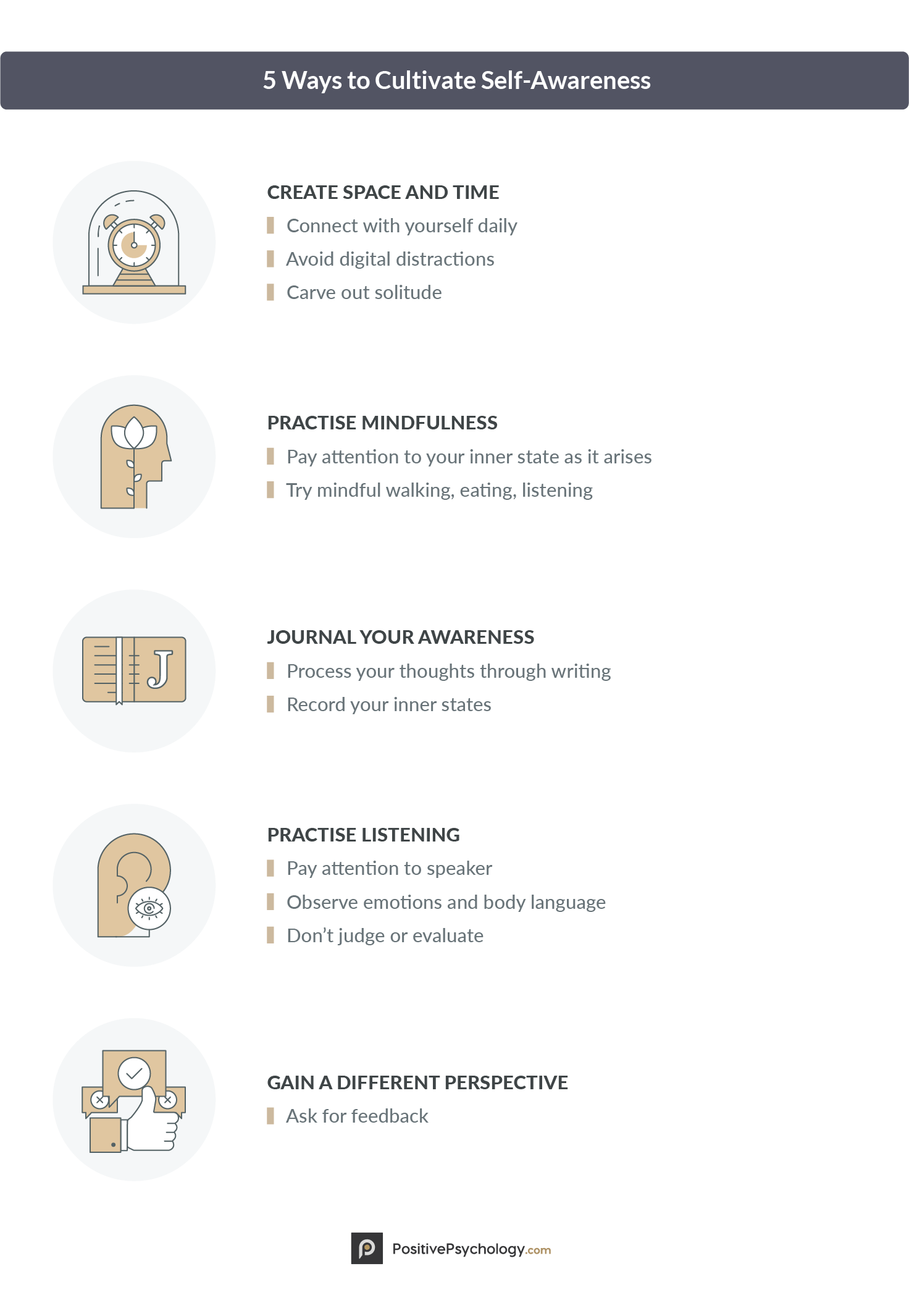
Reflect on life experiences: The first step in self-discovery is to reflect on one’s life experiences. Think about the things that have shaped one as a person. What were the defining moments? What were the biggest challenges and what did one learn from these experiences? Reflecting on one’s life experiences can help one understand their values and beliefs. It can also help identify patterns in their behaviour that may be holding them back.

Identify strengths and weaknesses: Identifying one’s strengths and weaknesses is an important part of self-discovery. One’s strengths are the things that come naturally, while weaknesses are the areas where one needs to improve. Understanding one’s strengths and weaknesses can help one identify areas where one can excel. It can also help identify areas where one needs to work on themself.

Practice mindfulness: Mindfulness is the practice of being present and aware of the moment. It involves paying attention to thoughts, emotions, and physical sensations without judgment. Practising mindfulness can help one become more aware of their thoughts and emotions. This can help identify patterns in one’s behaviour that may be holding one back.

Try new things: Trying new things is an important part of self-discovery. It can help one step out of their comfort zone and discover new things about themself. Trying new things can be as simple as taking a different route to work or trying a new hobby. It can also involve travelling to a new place or learning a new skill.

Seek feedback from others: Seeking feedback from others can be a valuable part of self-discovery. Other people can often see things that they can’t see in themselves. One can ask friends, family, or colleagues for feedback on their strengths.

So, start working on the road to self-discovery and work to be the best self each day, no matter what. Take risks and try new things. Self-discovery is a journey that can lead to a more fulfilling and purposeful life. It involves gaining insight into one’s thoughts, emotions, behaviours, and motivations. The process of self-discovery is ongoing and can continue throughout one’s entire life. It’s important to reflect on one’s life experiences, identify one’s strengths and weaknesses, practice mindfulness, try new things, and seek feedback from others. By taking these steps, one can gain a better understanding of themselves, their values, and purpose in life. Remember, self-discovery is a process that requires patience, curiosity, and openness to learning. The journey may be difficult, but it’s worth taking because it can lead to a more fulfilling and meaningful life.