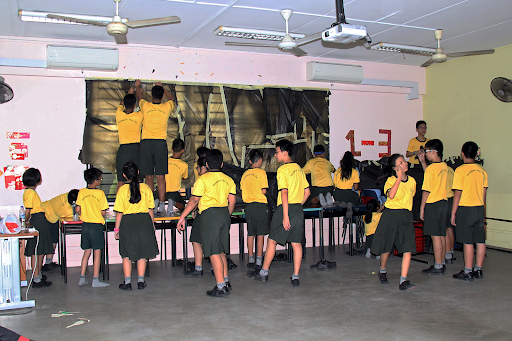
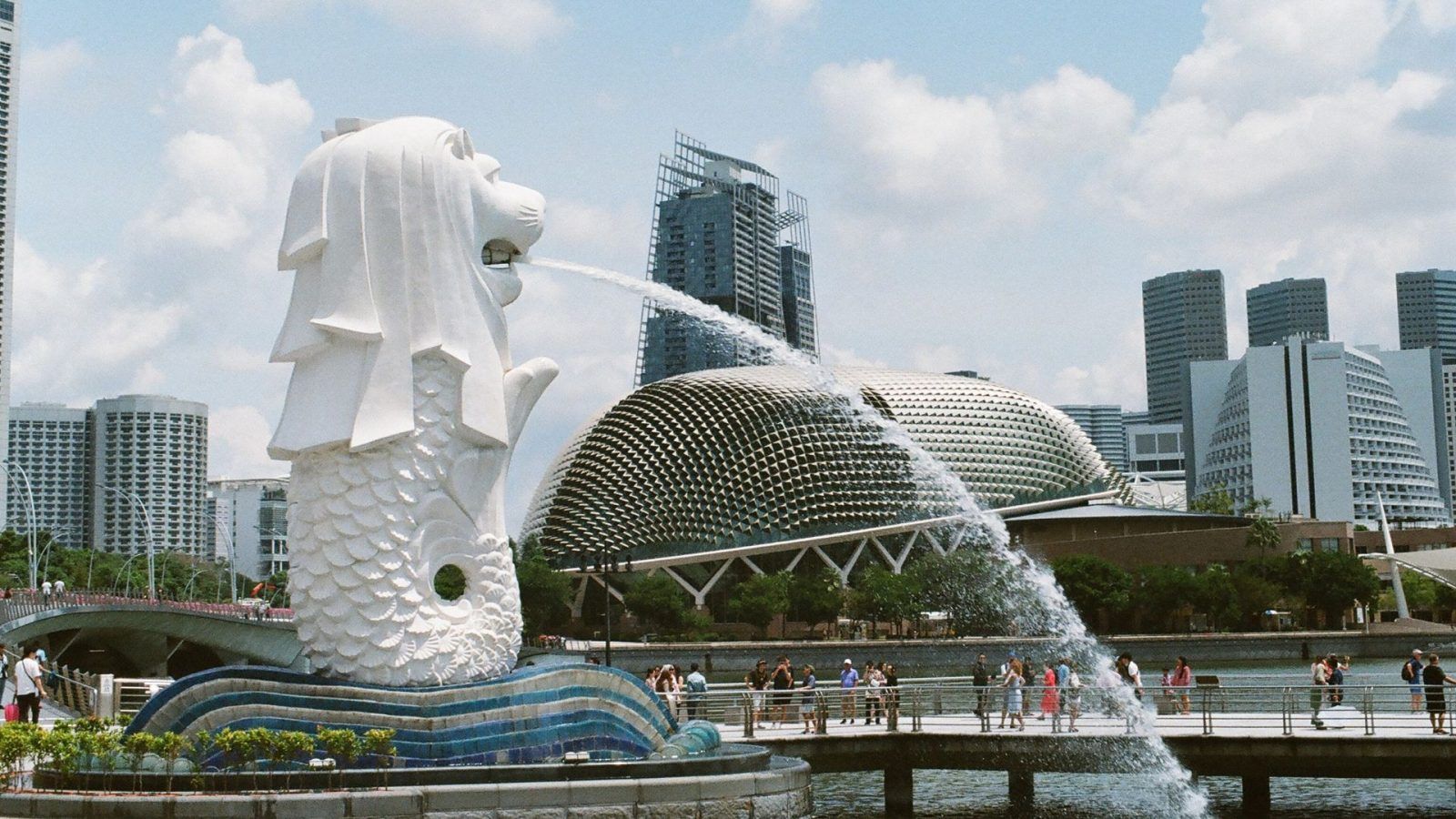
Some random photos taken in the past few weeks…

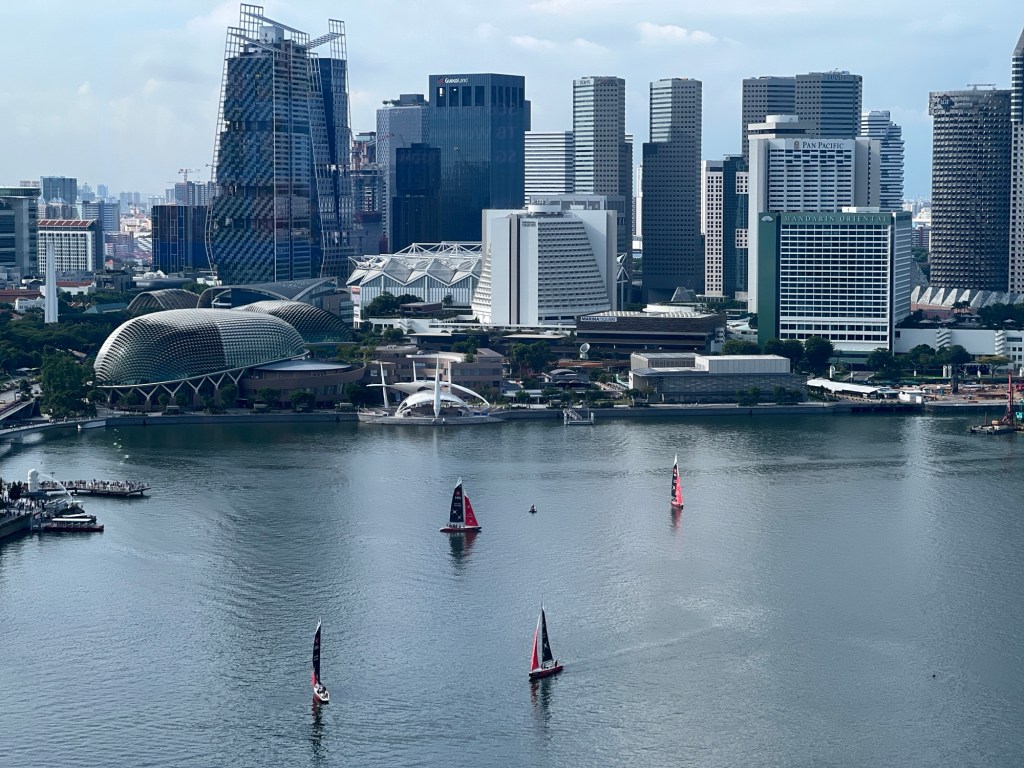

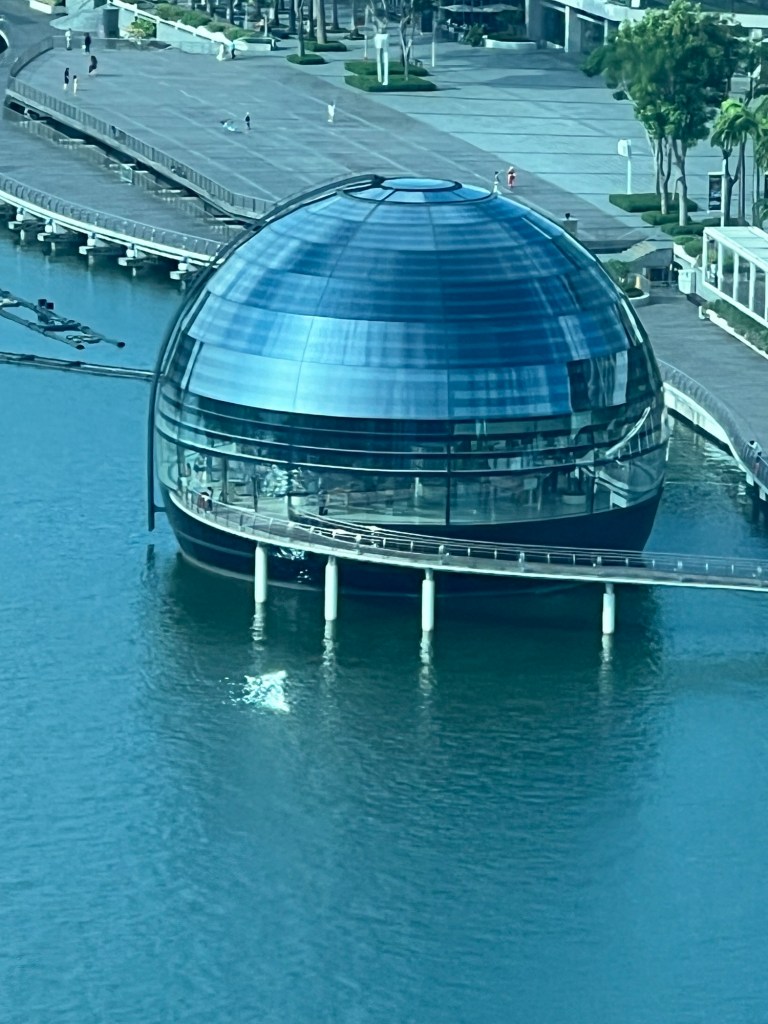

Some random photos taken in the past few weeks…
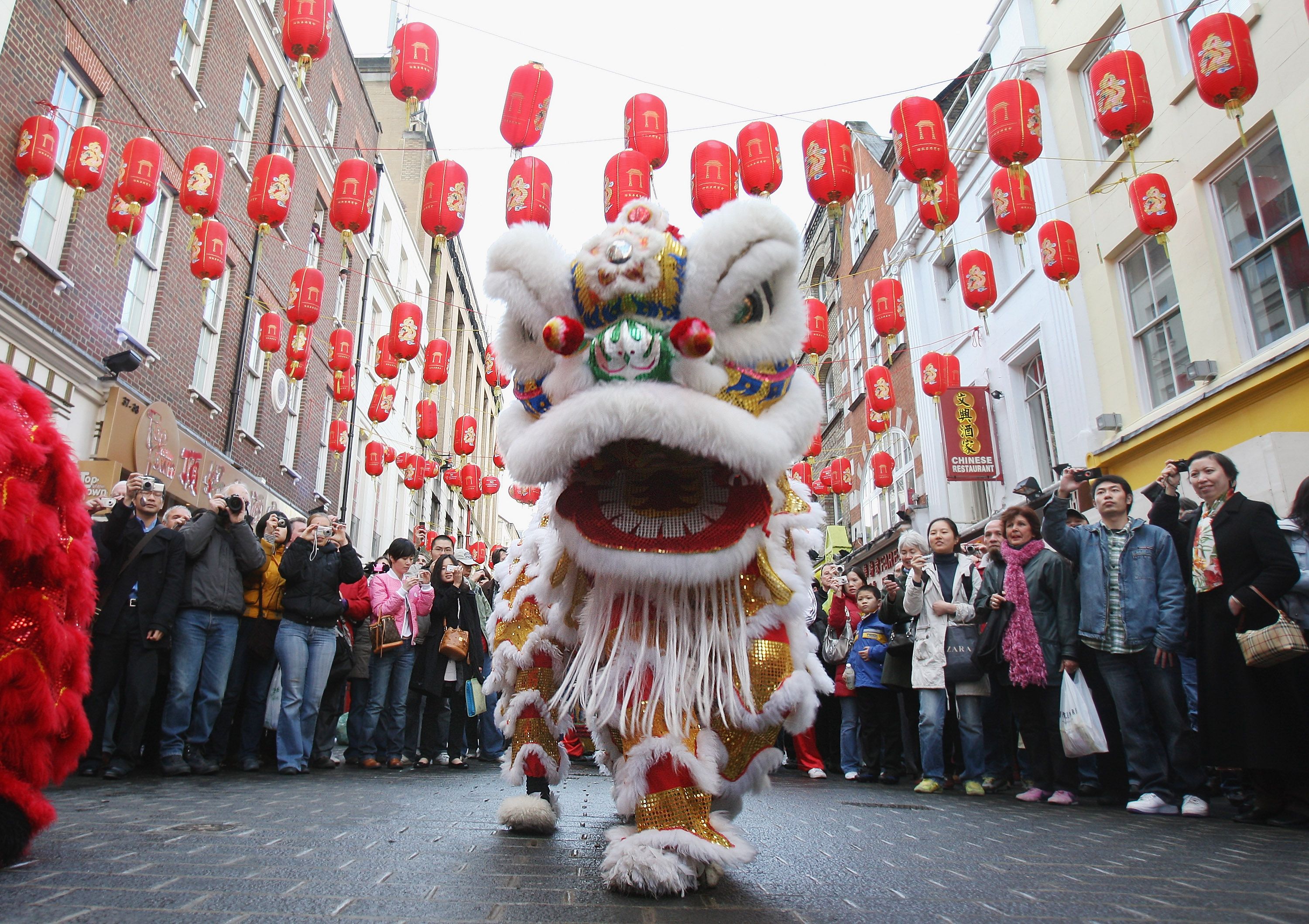
The Lunar New Year is the most important festival in the Chinese calendar. Also known as the Chinese New Year, this festival celebrates the beginning of a new year on the traditional lunisolar Chinese calendar. In Chinese, the festival is commonly referred to as the Spring Festival as the spring season in the lunisolar calendar traditionally starts with lichun, the first of the twenty-four solar terms which the festival celebrates around this time. of the Chinese New Year. Marking the end of winter and the beginning of the spring season, observances traditionally take place from Chinese New Year’s Eve, the evening preceding the first day of the year, to the Lantern Festival, held on the 15th day of the year. The first day of the Lunar New Year begins on the new moon that appears between 21 January and 20 February.
The Lunar New Year is one of the most important holidays in Chinese culture and has influenced similar celebrations in other cultures, such as the Losar of Tibet, the Tết of Vietnam, the Korean New Year, and the Ryukyu New Year.
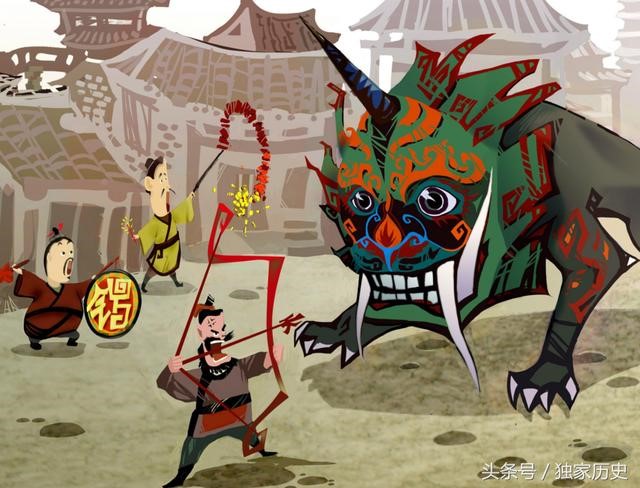
According to legend, the Chinese New Year started with a mythical beast called the Nian, a beast that lives under the sea or in the mountains during the annual Spring Festival. The Nian would eat villagers, especially children, in the middle of the night. One year, all the villagers decided to hide from the beast. An older man appeared before the villagers went into hiding and said that he would stay the night and would get revenge on the Nian. The old man put red papers up and set off firecrackers. The day after, the villagers came back to their town and saw that nothing had been destroyed. They assumed that the old man was a deity who came to save them. The villagers then understood that Yanhuang had discovered that the Nian was afraid of the colour red and loud noises. Then the tradition grew when New Year was approaching, and the villagers would wear red clothes, hang red lanterns, and red spring scrolls on windows and doors and use firecrackers and drums to frighten away the Nian. From then on, Nian never came to the village again. The Nian was eventually captured by Hongjun Laozu, an ancient Taoist monk.
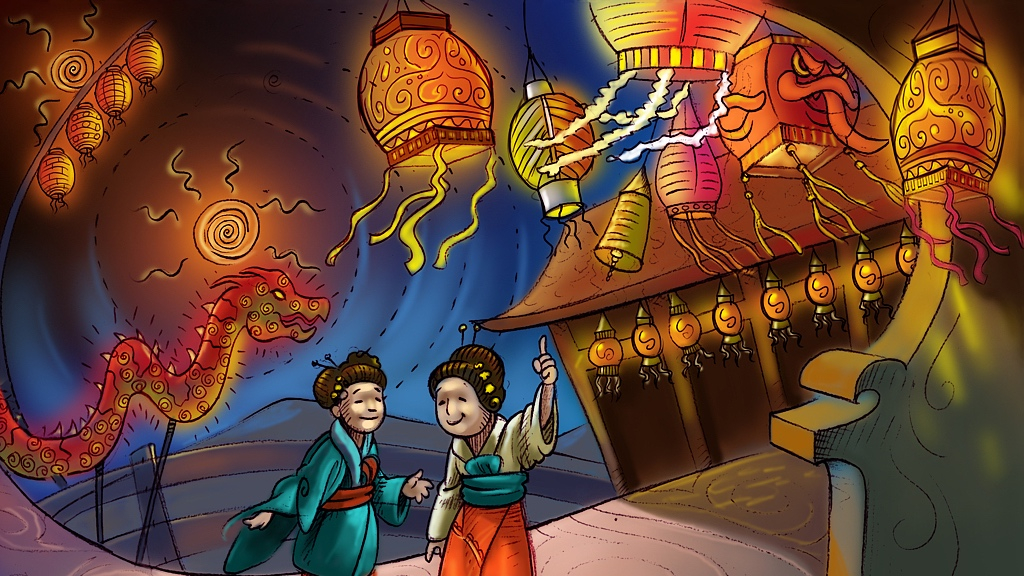
The fifteenth day of the new year is celebrated as the Lantern Festival, also known as the Yuanxiao Festival, the Shangyuan Festival, and Chap Goh Meh. Rice dumplings, or tangyuan, a sweet glutinous rice ball brewed in a soup, are eaten this day. Candles are lit outside houses as a way to guide wayward spirits home. Families may walk the streets carrying lanterns, which sometimes have riddles attached to or written on them as a tradition. This day often marks the end of the Chinese New Year festivities.
In China and Malaysia, this day is celebrated by individuals seeking a romantic partner, akin to Valentine’s Day. Nowadays, single women write their contact numbers on mandarin oranges and throw them in a river or a lake after which single men collect the oranges and eat them. The taste is an indication of their possible love: sweet represents a good fate while sour represents a bad fate. In Singapore, chap goh mei is also a day where single ladies wishing for husbands throw oranges, red dates and longans into the Singapore River.
Another reunion dinner is held with lanterns and oranges being a large part of the celebrations. It is also referred to as dengjie or lantern festival due to a tradition that originated during the Tang Dynasty involving the lighting of lanterns on this day. The Lantern Festival marks the final day of the traditional Chinese New Year celebrations. As early as the Western Han dynasty, between 206 BC and 25 AD, it had become a festival with great significance.
During the Lantern Festival, children go out at night carrying paper lanterns and solve riddles on the lanterns. In ancient times, the lanterns were fairly simple, and only the emperor and noblemen had large ornate ones. In modern times, lanterns have been embellished with many complex designs. The lanterns are almost always red to symbolise good fortune.
There are several beliefs about the origin of the Lantern Festival. However, its roots trace back more than 2,000 years and are popularly linked to the reign of Emperor Wen of the Han dynasty. Emperor Ming, an advocate of Buddhism, noticed that Buddhist monks would light lanterns in temples on the fifteenth day of the first lunar month. As a result, he ordered all households, temples and the imperial palace to light lanterns on that evening. From there it developed into a folk custom. Another likely origin is the celebration of the declining darkness of winter and the community’s ability to move about at night with human-made light, namely, lanterns. During the Han dynasty, the festival was connected to Ti Yin, the deity of the North Star.
There is one legend that states that it was a time to worship Taiyi, the God of Heaven in ancient times. The belief was that Taiyi controlled the destiny of the human world. He had sixteen dragons at his beck and call and he decided when to inflict drought, storms, famine or pestilence upon human beings. Beginning with Qin Shi Huang, the first emperor of China, all the emperors ordered splendid ceremonies each year. The emperor would ask Taiyi to bring favourable weather and good health to him and his people. Another legend associates the Lantern Festival with Taoism. Tianguan is the Taoist deity responsible for good fortune. His birthday falls on the fifteenth day of the first lunar month. It is said that Tianguan likes all types of entertainment, so followers prepare various kinds of activities during which they pray for good fortune. Yet another legend associates the Lantern Festival with the worship of the lunar goddess Chang’e, who is said to reside on the moon with her companion, the jade rabbit. According to folklore, on the 15th day of the first lunar month, Chang’e descends to Earth to bestow blessings upon those who honour her with offerings of lanterns, fruits, and sweet treats.
Another legend associates the Lantern Festival with an ancient warrior named Lan Moon, who led a rebellion against the tyrannical king in ancient China. He was killed in the storming of the city and the successful rebels commemorated the festival in his name. Yet another common legend dealing with the origins of the Lantern Festival speaks of a beautiful crane that flew down to earth from heaven. After it landed on earth it was hunted and killed by some villagers. This angered the Jade Emperor in heaven because the crane was his favourite. So, he planned a storm of fire to destroy the village on the fifteenth lunar day. The Jade Emperor’s daughter warned the inhabitants of her father’s plan to destroy their village. The village was in turmoil because nobody knew how they could escape their imminent destruction. However, a wise man from another village suggested that every family should hang red lanterns around their houses, set up bonfires on the streets, and explode firecrackers on the fourteenth, fifteenth, and sixteenth lunar days. This would give the village the appearance of being on fire to the Jade Emperor. On the fifteenth lunar day, troops sent down from heaven whose mission was to destroy the village saw that the village was already ablaze, and returned to heaven to report to the Jade Emperor. Satisfied, the Jade Emperor decided not to burn down the village. From that day on, people celebrate the anniversary on the fifteenth lunar day every year by carrying lanterns on the streets and exploding firecrackers and fireworks.
Another legend about the origins of the Lantern Festival involves a maid named Yuan-Xiao. In the Han dynasty, Dongfang Shuo was a favourite adviser of the emperor. One winter day, he went to the garden and heard a little girl crying and getting ready to jump into a well to commit suicide. Shuo stopped her and asked why. She said she was Yuan-Xiao, a maid in the emperor’s palace and that she never had a chance to see her family since she started working there. If she could not have the chance to show her filial piety in this life, she would rather die. Shuo promised to find a way to reunite her with her family. Shuo left the palace and set up a fortune-telling stall on the street. Due to his reputation, many people asked for their fortunes to be told but everyone got the same prediction – a calamitous fire on the fifteenth lunar day. The rumour spread quickly. Everyone was worried about the future so they asked Dongfang Shuo for help.
Dongfang Shuo said that on the thirteenth lunar day, the God of Fire would send a fairy in red riding a black horse to burn down the city. When people saw the fairy they should ask for her mercy. On that day, Yuan-Xiao pretended to be the red fairy. When people asked for her help, she said that she had a copy of a decree from the God of Fire that should be taken to the emperor. After she left, people went to the palace to show the emperor the decree which stated that the capital city would burn down on the fifteenth. When the emperor asked Dongfang Shuo for advice, the latter said that the God of Fire liked to eat tangyuan which are sweet dumplings. Yuan-Xiao should cook tangyuan on the fifteenth lunar day and the emperor should order every house to prepare tangyuan to worship the God of Fire at the same time. Also, every house in the city should hang a red lantern and explode firecrackers. Lastly, everyone in the palace and people outside the city should carry their lanterns on the street to watch the lantern decorations and fireworks. The Jade Emperor would be deceived and everyone would avoid the disastrous fire.
The emperor happily followed the plan. Lanterns were everywhere in the capital city on the night of the fifteenth lunar day and people were walking on the street and there were noisy firecrackers. It looked as if the entire city was on fire. Yuan-Xiao’s parents went into the palace to watch the lantern decorations and were reunited with their daughter. The emperor decreed that people should do the same thing every year. Since Yuan-Xiao cooked the best tangyuan, people called the day the Yuan-Xiao Festival.
As the lanterns cast their radiant glow upon the world, the Lantern Festival serves as a beacon of hope, renewal, and cultural pride. Across continents and generations, people come together to celebrate the triumph of light over darkness, unity over division, and joy over adversity.
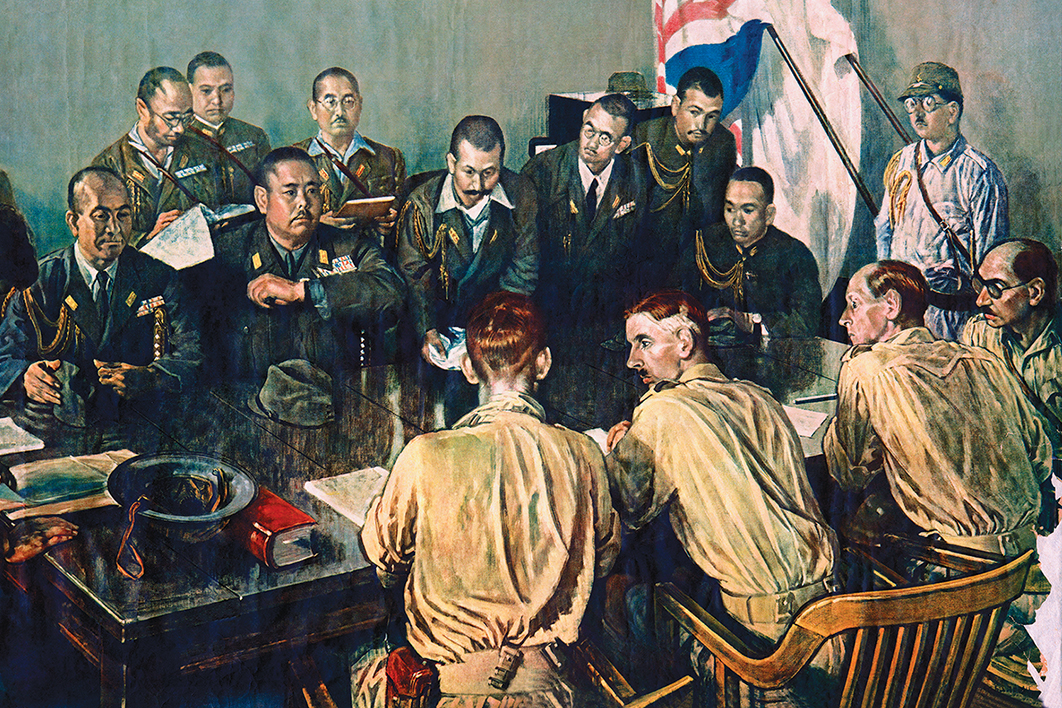
The date was February 15, 1942. After a week of intense fighting, the British colonial administration finally gave in and surrendered to the Japanese invaders. At the Ford Motor Factory, Lieutenant-General Arthur Percival formally surrendered to Japanese General Tomoyoki Yamashita shortly after 6:15 p.m. That day has been commemorated annually since 1984 to remind Singaporeans that every aspect of society contributes to the collective defence of the state.
The strategy behind Total Defence was adopted from the national defence strategies of Sweden and Switzerland. It initially consisted of five key tenets: military, civil, economic, social, and psychological, with the sixth, digital, being introduced in 2019.
The Singapore Government has justified Total Defence on several factors: the island city-state’s small size and marginal population; lack of natural resources; and a racial and religiously diverse population. It states that these factors make Singapore vulnerable to threats such as international terrorism, natural disasters, pandemics and disinformation campaigns that could result in an economic slowdown.
Military Defence: At the heart of Total Defence lies Singapore’s robust military capability—a deterrent against external aggression and a guarantor of national sovereignty. The Singapore defence budget is ranked among the highest in the ASEAN region. Through a policy of deterrence and diplomacy, Singapore maintains a formidable defence force capable of safeguarding its territorial integrity and protecting its people. A capable armed force is seen as a necessity to deter potential aggressors. In addition to two years of national service, the onus is placed on reservist troops to maintain their physical fitness through annual individual physical proficiency tests (IPPT) and in-camp training (ICT). Corporate companies are encouraged to create “pro-NS” policies for reservists, such as training spaces, monetary incentives and flexible working hours, and are recognised at an annual awards ceremony.
Civil Defence: Civil Defence encompasses a range of measures aimed at enhancing preparedness and response capabilities in the face of natural disasters, pandemics, and other emergencies and broadly refers to the activities of the Singapore Police Force and Singapore Civil Defence Force to restore a sense of normalcy during a national crisis with the aid of active civilian participation. Civilians are trained in first aid, urban survival, and the management of blood, water and food resources. Donating blood to national blood banks, volunteering, and being a medical frontline worker are also activities seen as contributing to civil defence.
Economic Defence: Economic resilience forms the bedrock of Singapore’s prosperity and stability and relates to governmental efforts to sustain and develop Singapore’s economy with a policy undertaken by the government for workers to upgrade their skill sets. The Singaporean government also stockpiles essential supplies of food, medication and personal protective equipment, in addition to pursuing secondary supply chains, to offset potential disruptions. The conservation of essential resources, including water, is placed under economic defence. Total Defence underscores the importance of diversification, innovation, and adaptability in navigating the complexities of the global economy. Through prudent fiscal policies, strategic investments, and a skilled workforce, Singapore fortifies its economic defenses against external shocks and disruptions.
Social Defence: A cohesive and resilient society is the linchpin of Singapore’s national identity. Social defence stems from official policies to maintain social cohesion among Singapore’s diverse population through multiculturalism. It emphasises the importance of unity, inclusivity, and social cohesion in fostering a resilient community. From grassroots initiatives to national campaigns promoting racial harmony and social cohesion, Singaporeans stand united in the face of adversity. Improving relations between neighbours is also listed as part of social defence.
Psychological Defence: Psychological defence refers to the Singapore Government’s programme to strengthen “resolve and resilience” amongst its citizens to face unexpected crises; it is also cited as necessary to combat fake news. Psychological Defence instils in Singaporeans a sense of national pride, identity, and purpose—a steadfast commitment to upholding Singapore’s core values and principles. Through education, awareness, and civic engagement, Singapore nurtures a resilient mindset capable of withstanding the psychological challenges of an uncertain world. The government views psychological resilience as the bedrock of a “social compact” and seeks to emulate Finland’s example. Efforts to improve mental health in Singapore are also placed under psychological defence.
Digital Defence: Digital defence refers to efforts to increase awareness of online security threats, including misinformation, cyberattacks and phishing scams. The threat is seen as particularly acute due to the country’s “open and connected” nature and governmental plans to orient the country around a digital economy and the Smart Nation concept. All civil servants are mandated to undergo cybersecurity training, with the government also increasing audits of state infrastructure.
Total Defence Day is a national observance, a time for reflection, remembrance, and reaffirmation of Singapore’s commitment to resilience. Total Defence Day was added to the list of dates for schools to commemorate in 1997 and was commemorated in schools in 1998. On this day, the Singapore Civil Defence Force sounds the Important Message Signal through the island-wide Public Warning System sirens and local radio stations for a minute. At its inception, the siren was sounded at 12:05 pm Singapore Standard Time; this was changed to 6:20 pm in 2015 to mark the actual time of the surrender in 1942. Schools conduct emergency preparedness drills, food and electricity rationing, and may organise tours to government exhibitions. A memorial service has been held annually at the War Memorial Park since 1967 to recognise civilians who lost their lives during the Japanese occupation. 2024 will mark 40 years of commemorating Total Defence Day.
Today, the principles of Total Defence remain as relevant as ever. In an era defined by rapid technological advancement, geopolitical shifts, and global pandemics, the need for resilience, unity, and preparedness has never been greater. Total Defence calls for agility and adaptability in the face of evolving threats and challenges. In an interconnected world, partnerships and alliances are essential in safeguarding the country’s interests and promoting regional stability. Total Defence encourages a culture of innovation, entrepreneurship, and creativity to address emerging threats and opportunities.
Total Defence is more than a strategy; it is a mindset, a way of life, and a testament to the indomitable spirit of a nation united in purpose and resolve. As Singapore navigates the complexities of the 21st century, the principles of Total Defence will continue to guide its journey—a steadfast commitment to safeguarding its sovereignty, prosperity, and future generations.
For the ninth time in eleven years, Singapore has made its way to the top of the global cost-of-living charts, sharing the crown with Zurich in Switzerland in 2023 and overtaking New York in the US, which fell to third place this year. This was reported based on the Economist Intelligence Unity’s (EIU’s) twice-yearly Worldwide Cost of Living survey. The survey was conducted from August 14 to September 11, 2023, comparing over 400 individual prices across more than 200 products and services in 173 cities.
Zurich moved up from sixth place to join Singapore at the top, bumping New York, which tied with Singapore for first place last year, down to third place. Zurich, which is back at the top after three years, moved up due to the strength of the Swiss franc as well as high prices for groceries, household goods and recreation. Overall, the top ten this year consist of two Asian cities—Singapore and Hong Kong; four European cities—Zurich, Geneva, Paris and Copenhagen; three US cities—New York, Los Angeles and San Francisco; and Tel Aviv in Israel. This survey was conducted before the start of the Israel-Hamas war, which has affected the exchange rates in Israel and may have made it harder to procure some goods in Tel Aviv, thereby affecting prices.
At the heart of this unwanted fame lies the global inflationary wave. The pandemic and subsequent supply chain disruptions have wreaked havoc on economies worldwide, and Singapore, despite its robust financial system, couldn’t escape the ripple effects. Grocery prices, a crucial indicator of everyday affordability, have seen a 7.4% increase for over 200 commonly used goods and services, with everyday essentials like cooking oil and meat bearing the brunt of the impact. Transportation, another significant contributor to the high cost of living, saw even steeper increases, particularly in car ownership due to strict government control on car numbers. This marks a decline from the record 8.1% increase reported last year, but price growth remains significantly higher than the trend in 2017–21. Although this year’s survey covers 173 of the world’s major cities, the global average has been calculated by excluding Kyiv (which was not surveyed in 2022) and Caracas (which continues to face hyperinflation), as was the case last year.

But inflation isn’t the sole culprit. The strength of the Singapore Dollar further inflates the cost of living for foreigners and tourists. This currency appreciation, driven by positive economic growth and foreign investment, makes imports pricier, impacting everything from consumer goods to restaurant bills. Singapore has the world’s highest transport prices, owing to strict government controls on car numbers. It is also amongst the most expensive for clothing, groceries and alcohol.
Globally, utility prices that included household energy and water bills, witnessed the slowest inflation of the ten categories covered in the survey. This was the fastest-rising category in 2022 and the moderation suggests an easing of the energy price shocks caused by Russia’s invasion of Ukraine. Grocery, on the other hand, saw the fastest pace of price growth. Food inflation has been sticky across the world as many manufacturers and retailers have passed on higher costs to consumers and the increasing frequency of extreme weather events continues to keep supply-side risks elevated.
Among the biggest decliners in the EIU list were Chinese and Japanese cities that were dragged down by the weakening Chinese yuan and Japanese yen. Chinese cities Nanjing, Wuxi, Dalian and Beijing all dropped more than 25 spots, while Tokyo and Osaka in Japan plummeted 23 and 27 spots, respectively.

However, it’s crucial to recognise that while Singapore’s price tag might induce sticker shock, it comes with a flip side: a high standard of living. The city-state boasts world-class infrastructure, a top-notch public healthcare system, and a safe and secure environment. Educational institutions consistently rank among the best, and career opportunities abound, particularly in finance, technology, and logistics. For high-income earners and global corporations, Singapore’s exorbitant costs are offset by its efficiency, security, and unparalleled quality of life.
So, what do you think? Is Singapore’s tag of being the most expensive city to live in correct? Let me know in the comments below.
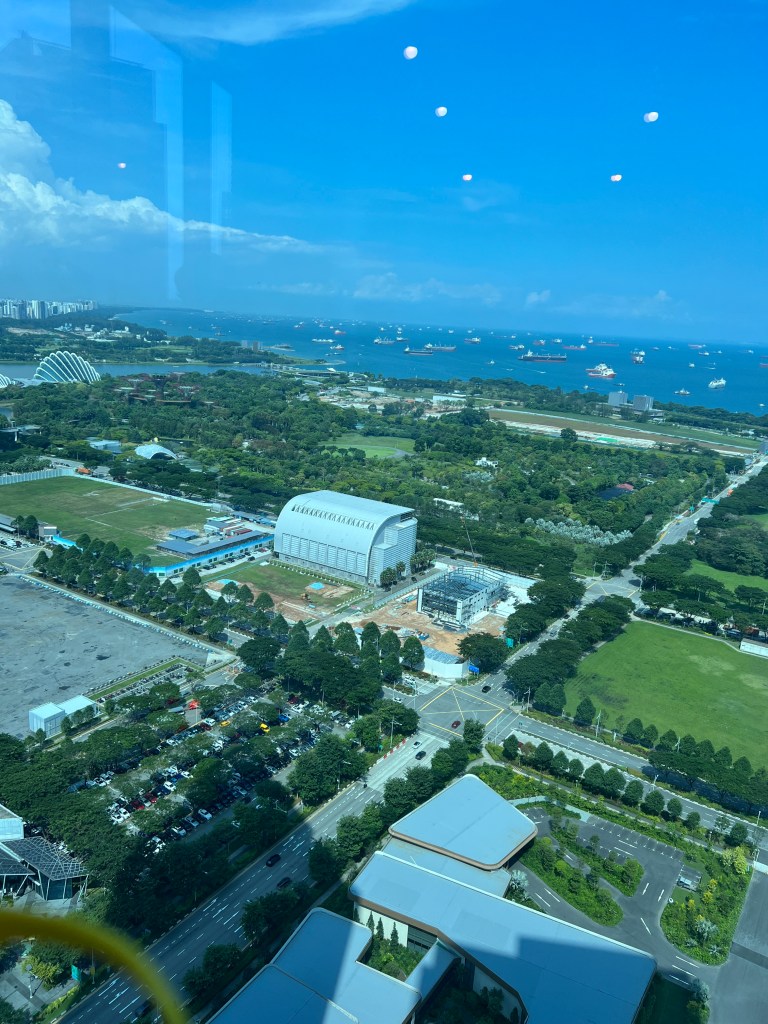
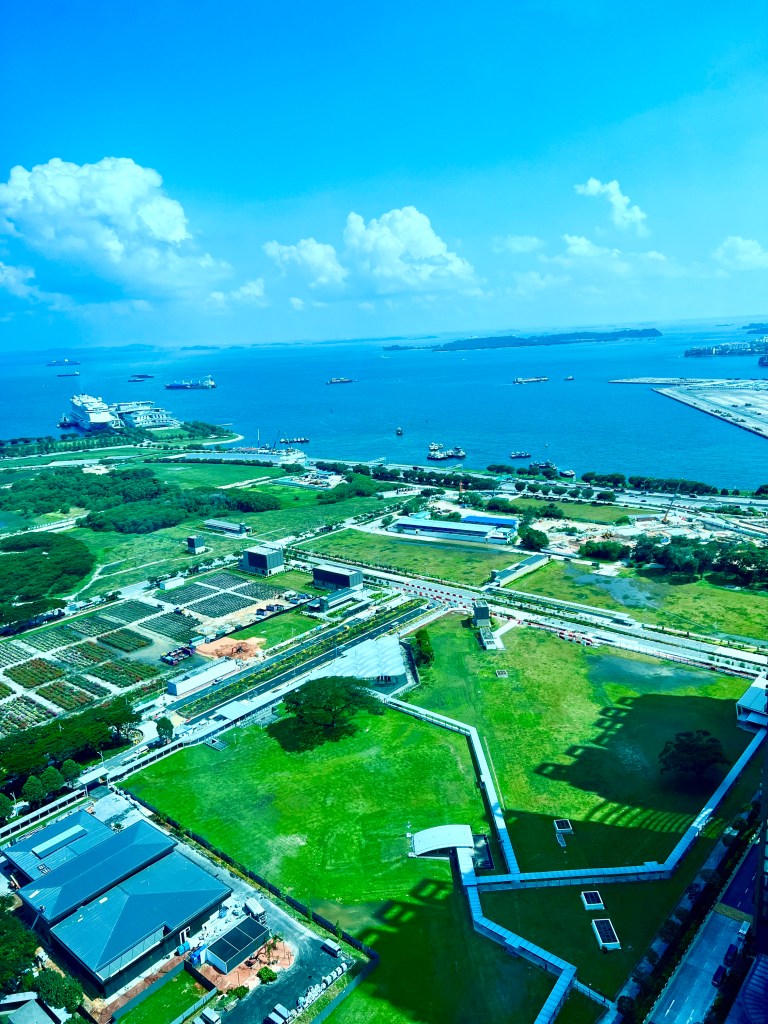
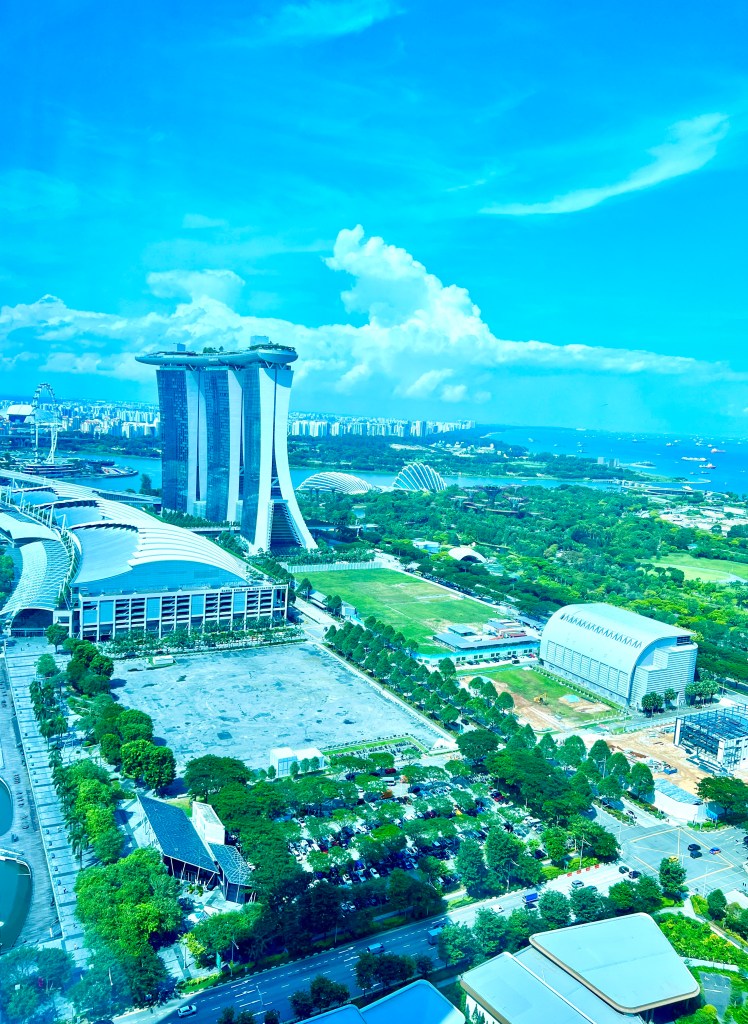
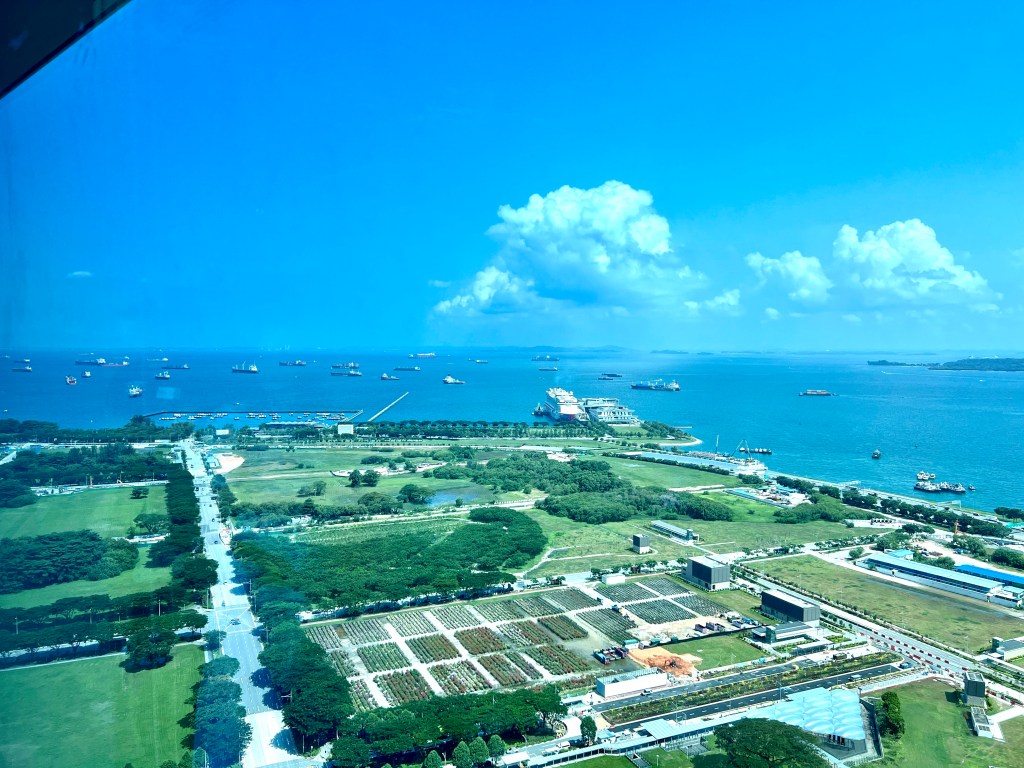
A couple of weeks ago, I visited an office at the Marina Bay Financial Centre and the views from the office were spectacular.
:max_bytes(150000):strip_icc():focal(999x0:1001x2)/year-of-the-dragon-020624-tout-f82b60115a9d462dbf2a40256e40c7ae.jpg)