Uniquely Singapore

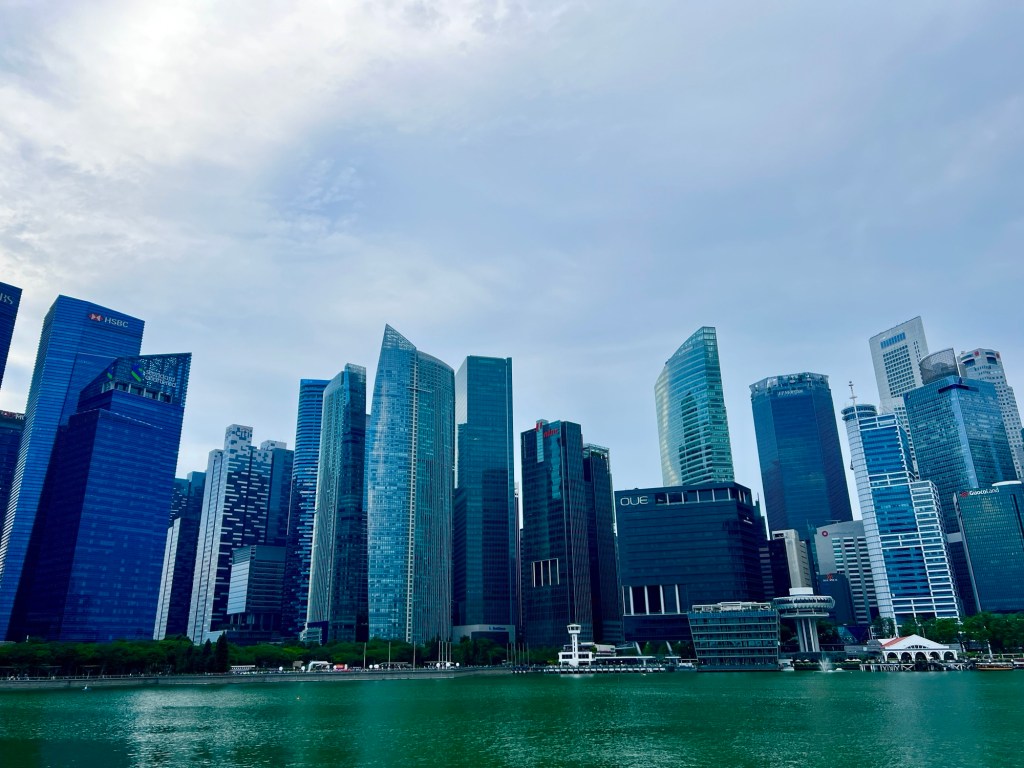
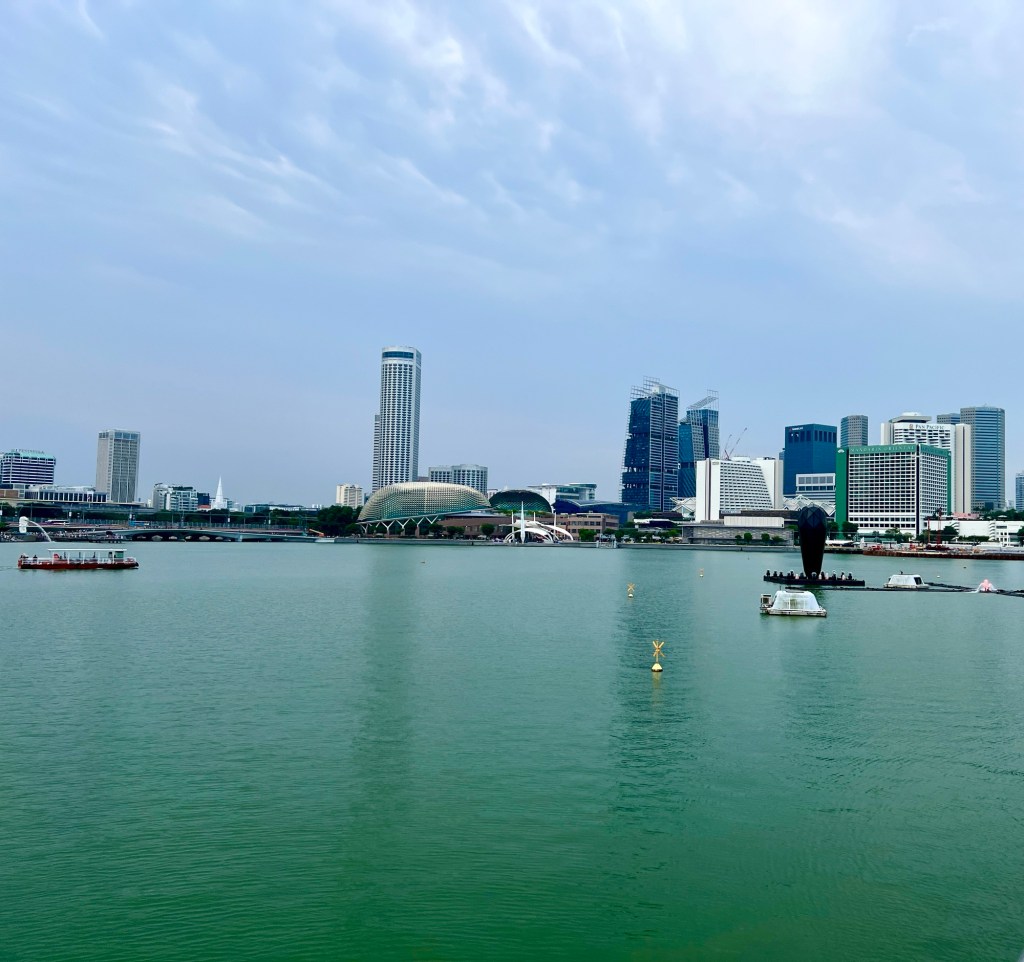
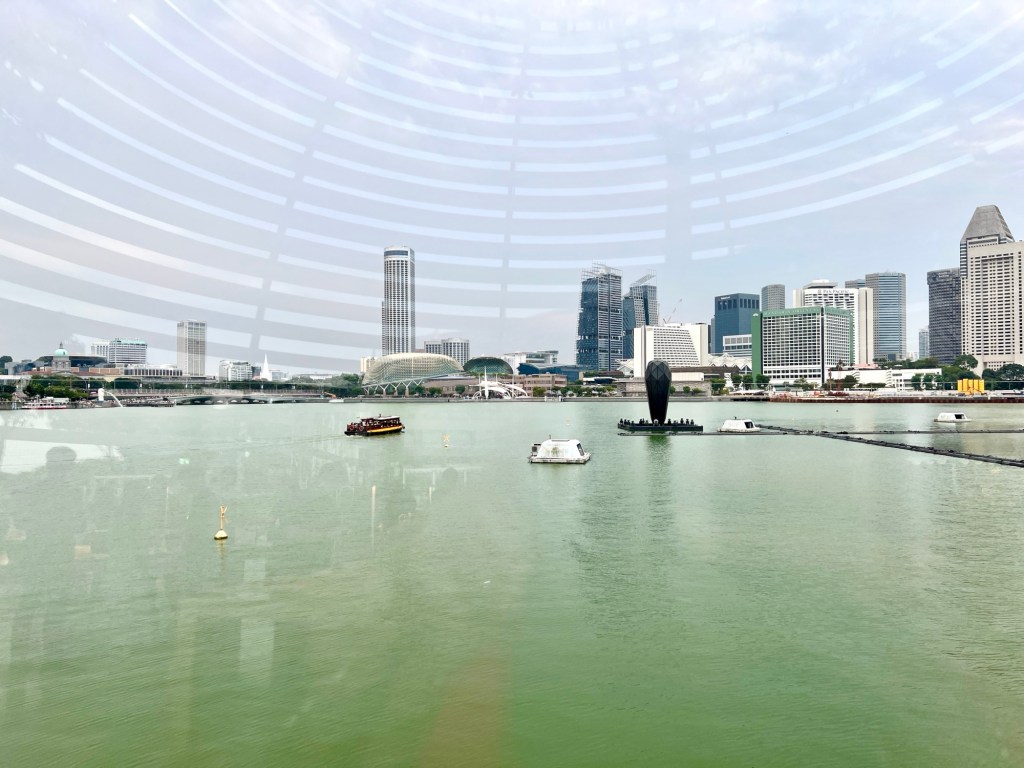
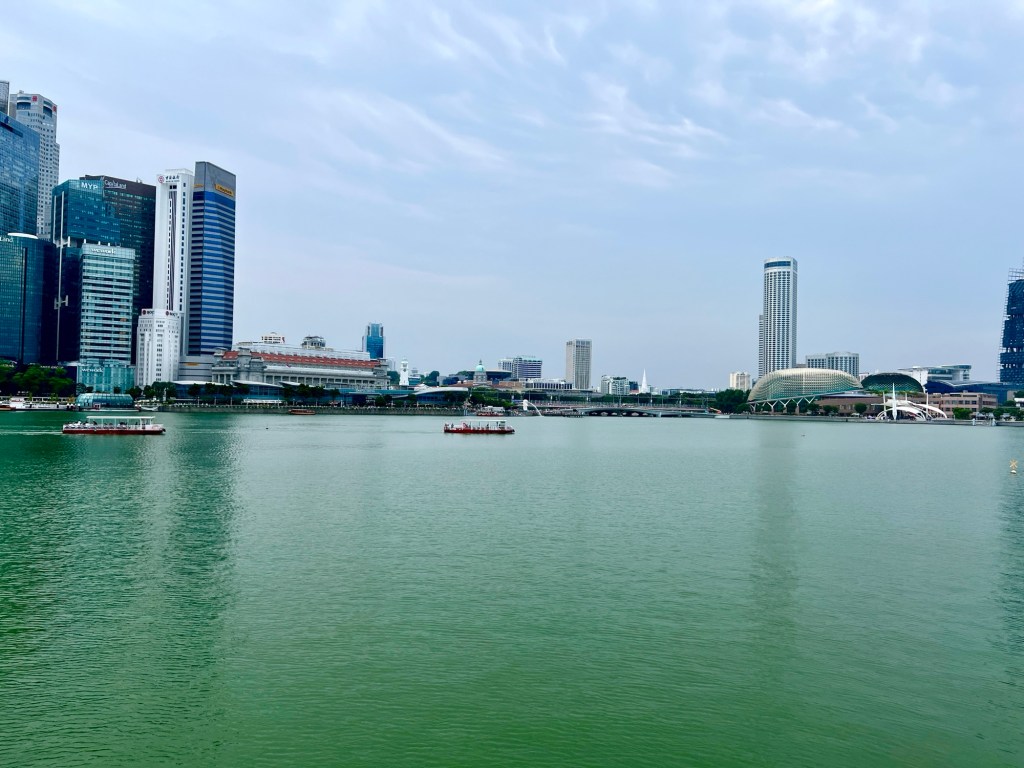
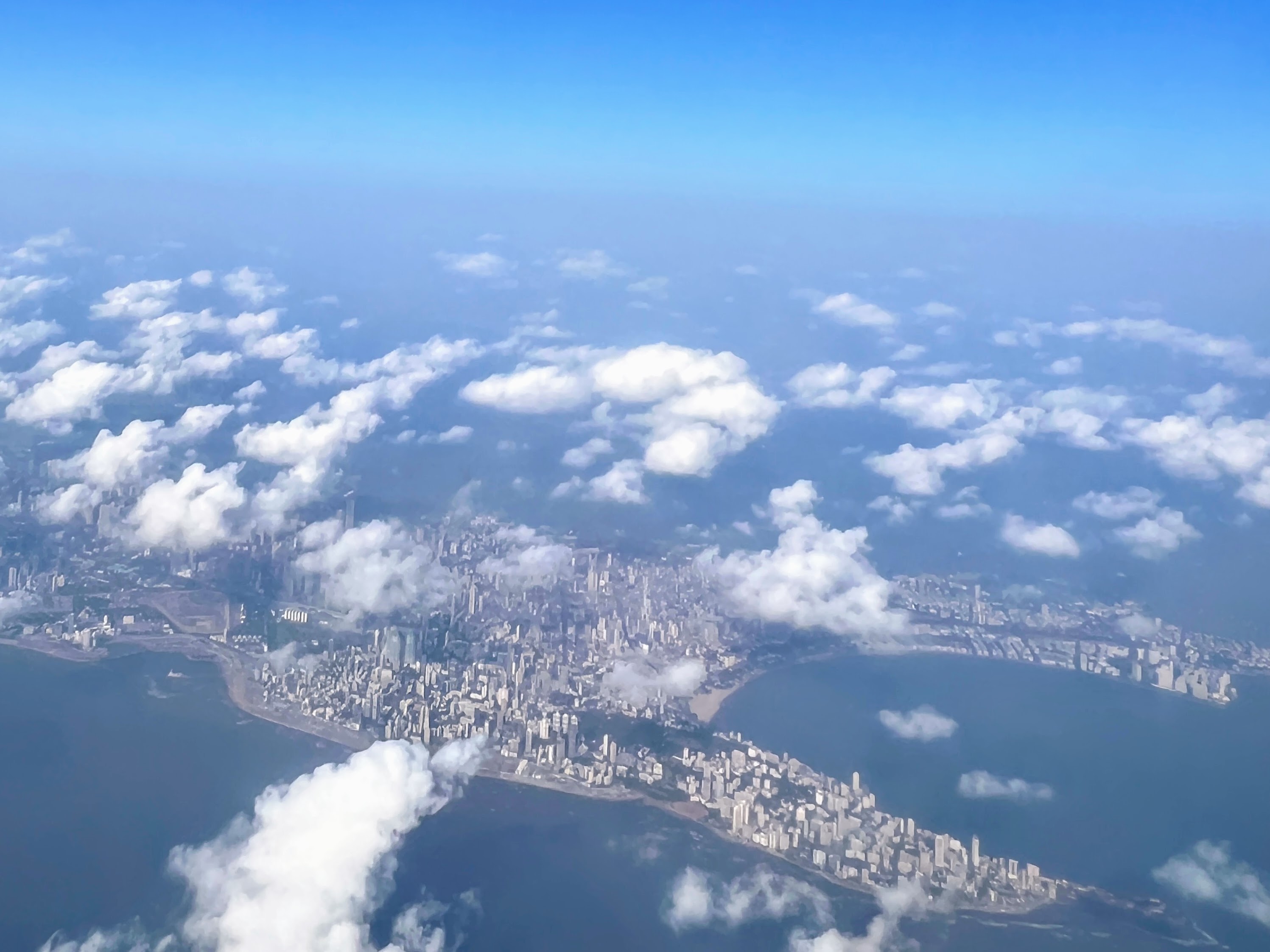
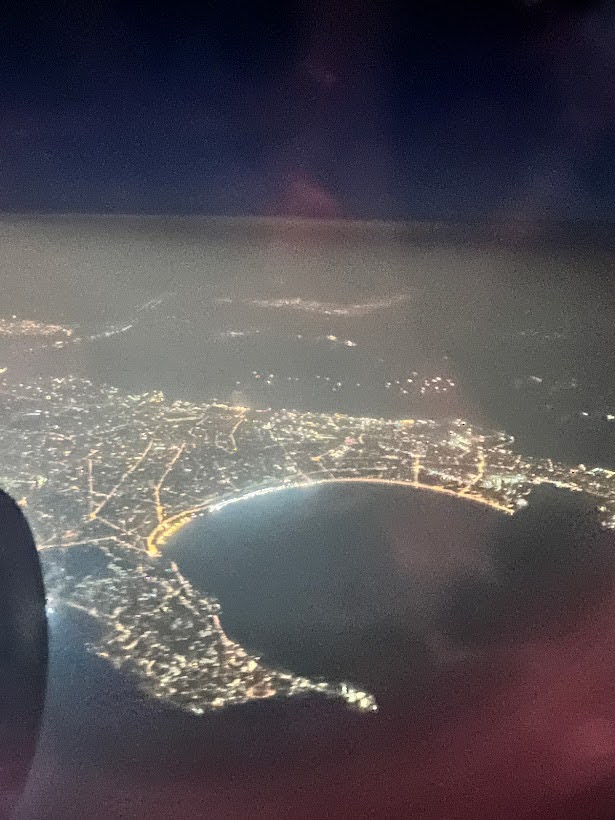
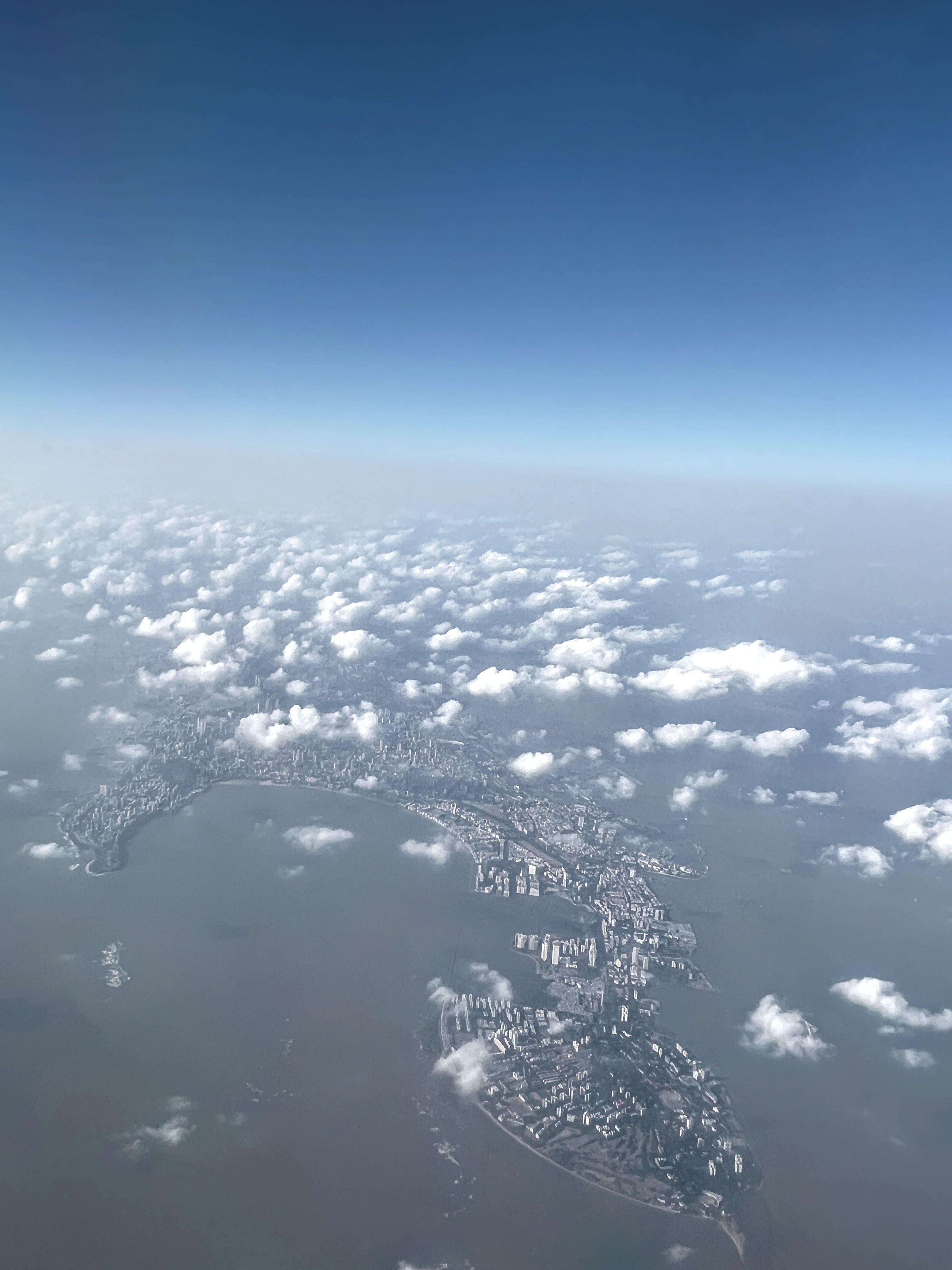
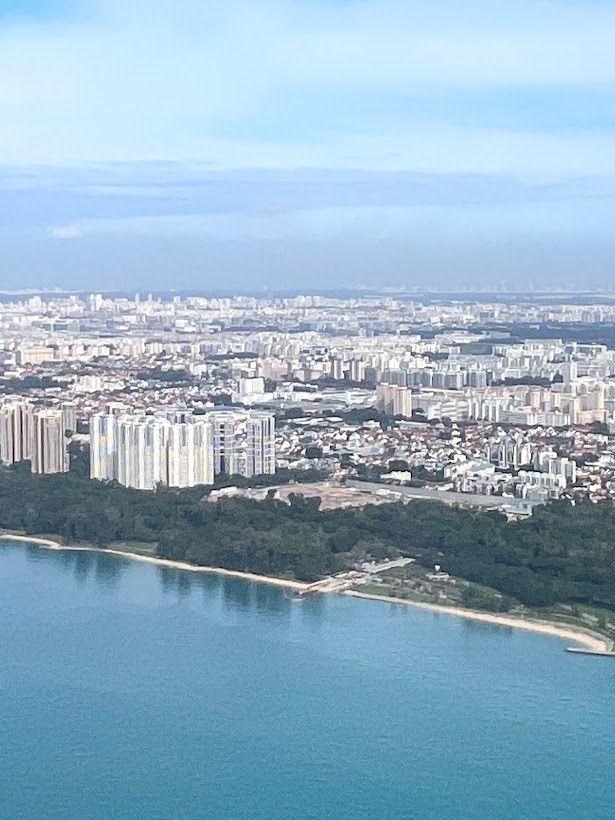
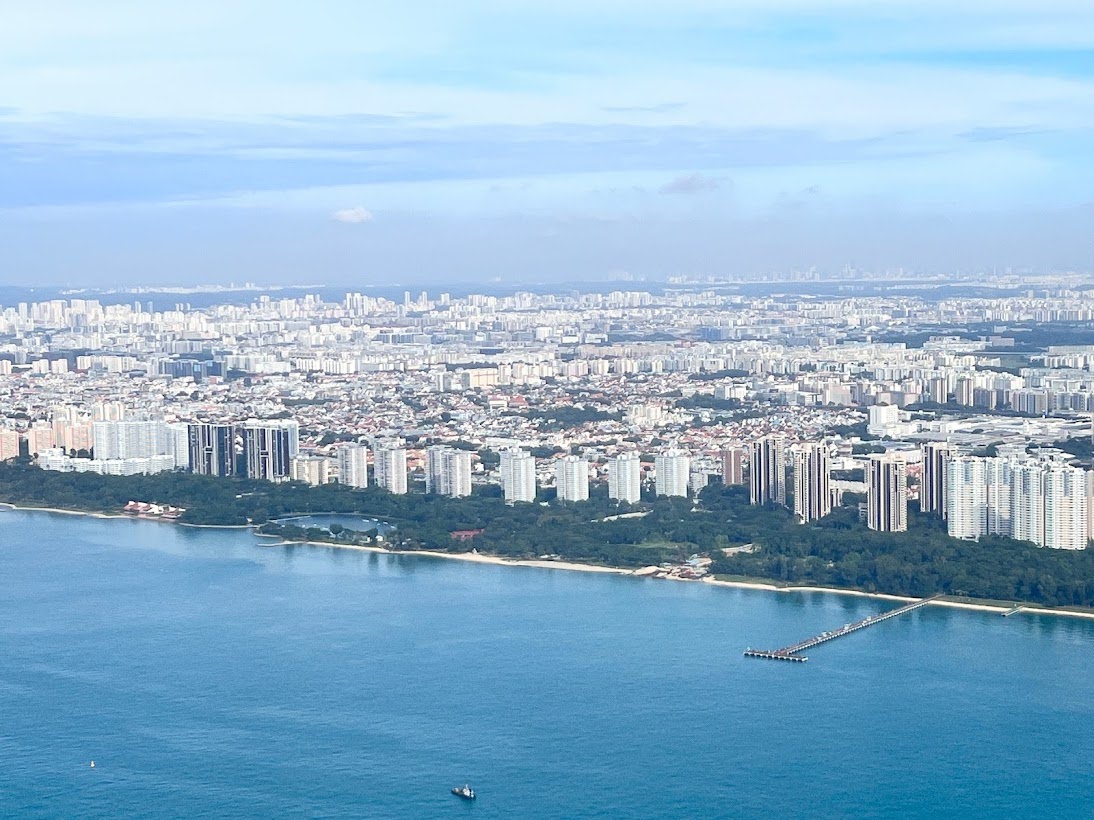
Today is my adopted home’s 59th birthday. Having lived here for more than two decades now, I call this little sunny island, the red dot, home as much as I believe Mumbai is home. Singapore is a melting pot of cultures, cuisines, and innovations. To celebrate its 59th birthday, here’s what makes it different and Uniquely Singapore!

  1. Singapore is the only island city-state in the world, making it a unique blend of urban and natural environments.
  2. Singapore was once a trading settlement in the 13th century, known as Temasek or Dan Ma Xi by Chinese sources. This settlement was inhabited by fishermen and pirates and was a centre for a wide trading network.
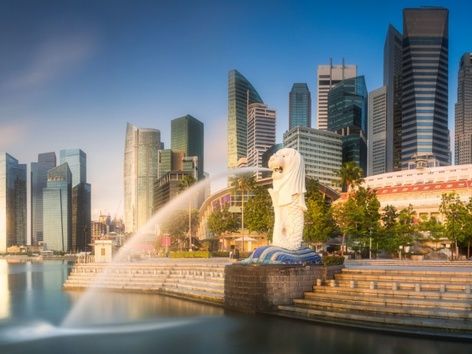
  3. According to legend, the Sumatran prince Sang Nila Utama spotted a grand lion standing on the island after a thunderstorm, leading to the name “Singapura” or “Lion City”
  4. During World War II, Old Changi Hospital was seized by the Japanese and used as a medical facility for war casualties and injured military personnel. It was also used by the Kempeitai, the Japanese military police, who were known for their inhumane torture techniques.
  5. In the 1960s, the Singaporean government implemented a policy prohibiting men from keeping long hair, as part of an effort to nullify the influence of the hippie subculture. This ban was later rescinded in the 1990s.
  6. Singapore nearly had its own Disneyland, with plans to build a theme park between the Yio Chu Kang and Khatib MRT stations. However, the project was scrapped due to land scarcity and financial disputes.
  7. Singapore has the highest number of millionaires per capita in Asia. One in 10 households contains a millionaire, according to the Boston Consulting Group’s Global Wealth Report.
  8. Singapore’s gross domestic product per person is the world’s highest at $61,577.
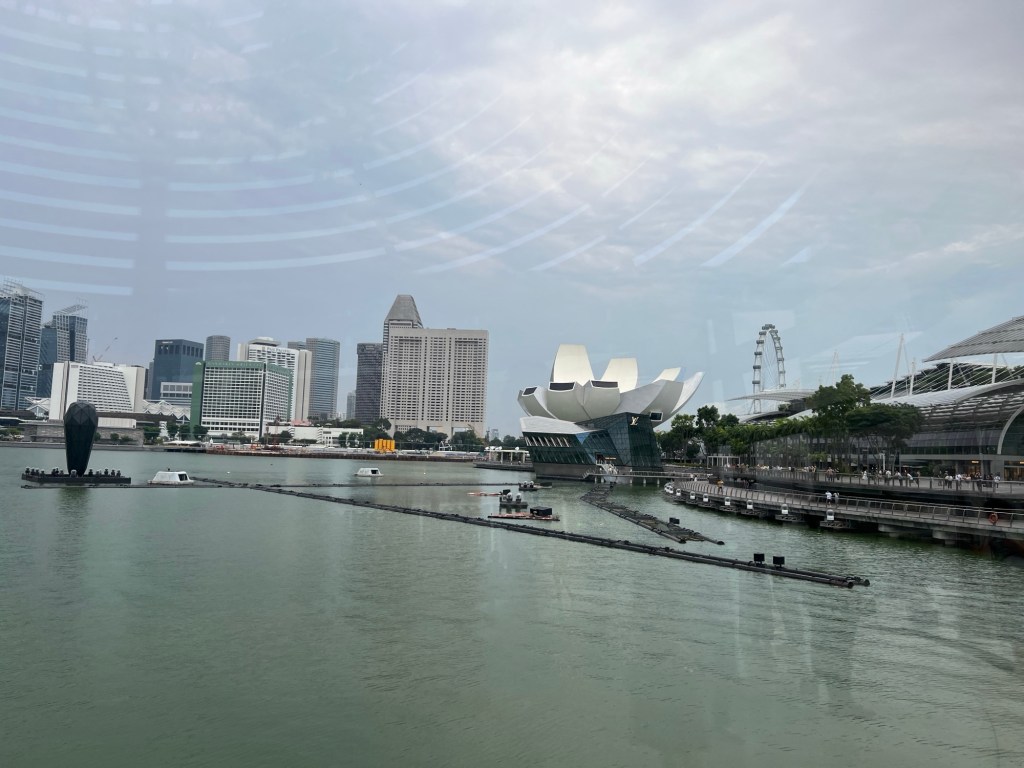
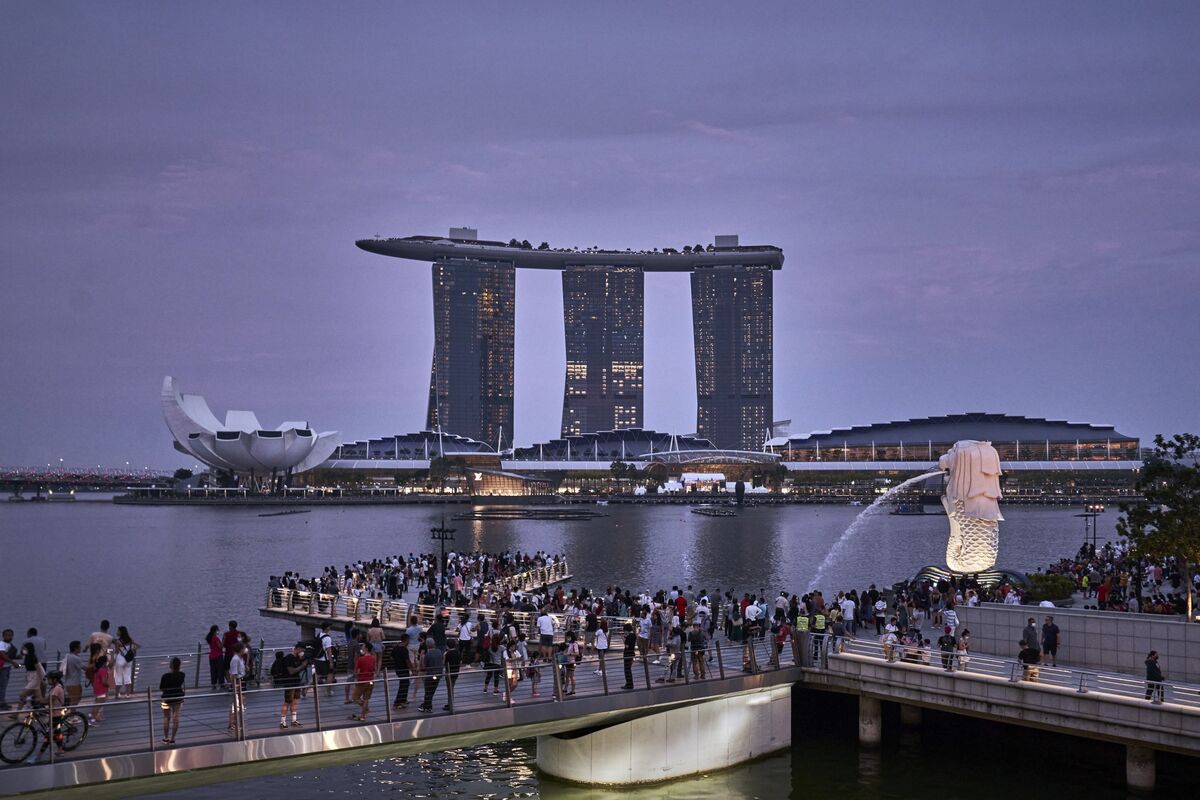
  9. The world’s most impressive swimming pool sits atop the Marina Bay Sands hotel, which looks like a spaceship marooned on three skyscrapers.
  10. Once upon a time, Singapore was wiped out from the world map. In 1613, Portuguese pirates burned the city down, leaving the city obsolete for more than a hundred years until migrants from around the region started setting camp, raising it from its ashes. In 1819, Sir Stamford Raffles established a British trading post, and word about Singapore got around.
  11. Singapore’s time zones changed 6 times. Singapore was seven hours ahead of GMT from 1905 to 1932. Then, it moved 20 minutes forward from 1933 to 1941, and a further 10 minutes from 1941 to 1942. During the Japanese occupation in World War II, clocks moved an hour and 30 minutes ahead to sync with Japan. After World War II, When the war ended, clocks moved back and finally settled to sync with Malaysia in 1982.
  12. Singapore is also known as a Garden City because of the lush greenery across the country.
  13. Singapore is home to the tallest indoor waterfall at the Jewel in Changi Airport. Standing at 40 metres and surrounded by the terminal’s lush indoor gardens, the HSBC Rain Vortex is a gorgeous sight, especially from 7.30 pm to midnight when the hourly light and sound show is in session.
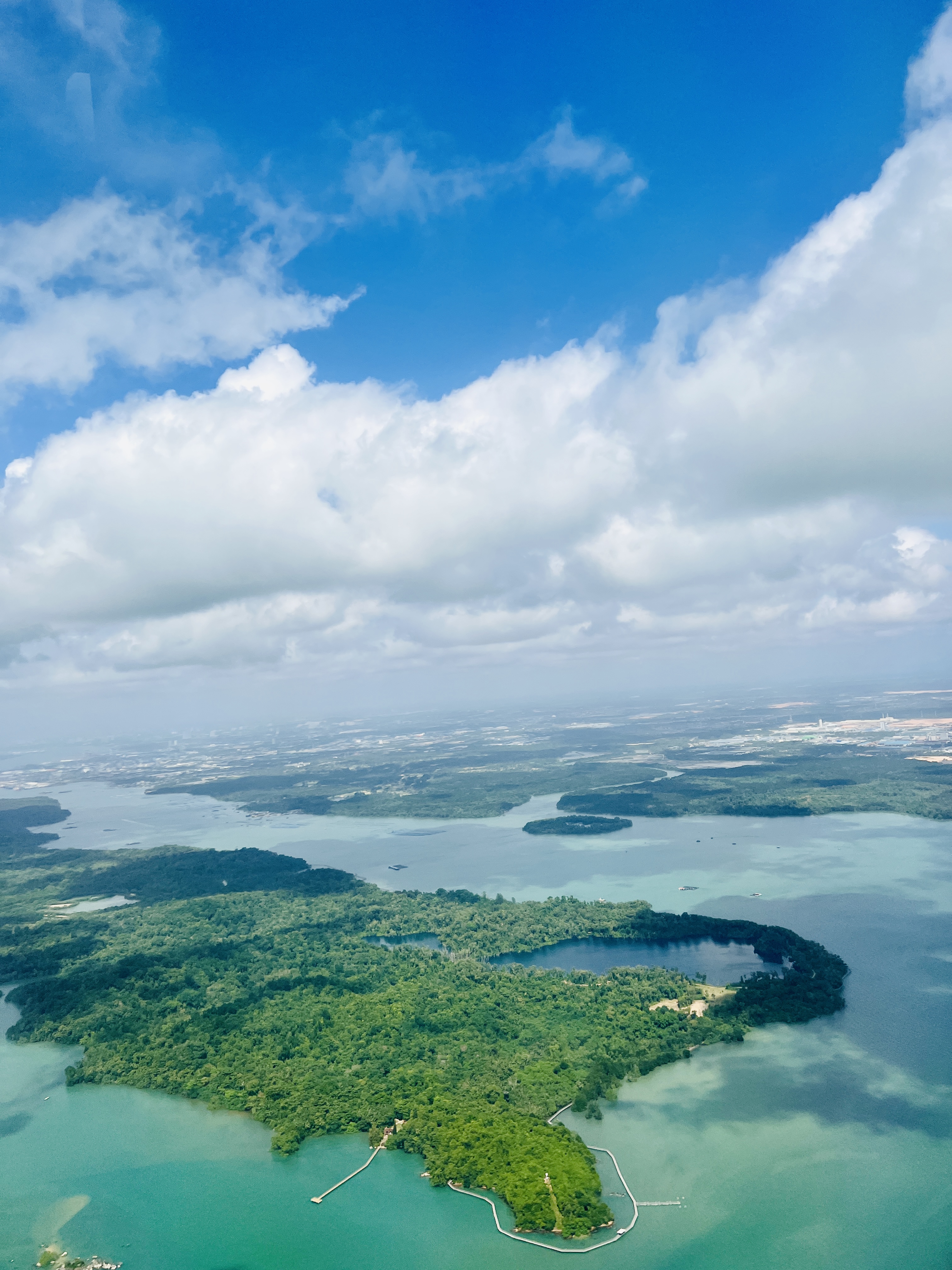
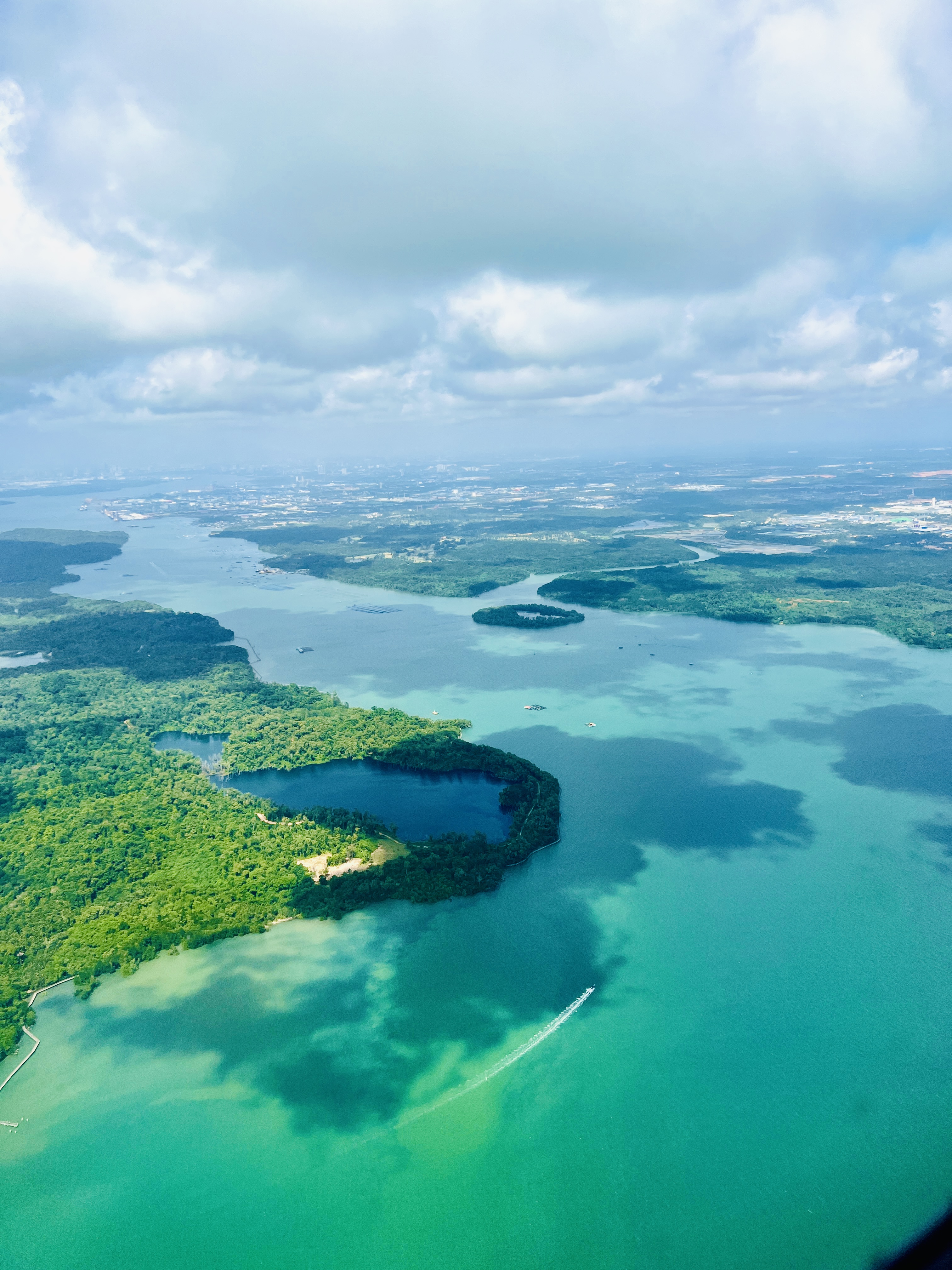
  14. Singapore is made up of the mainland and 63 smaller offshore islands, including St John’s Island, Kusu Island, Pulau Semakau, Pulau Ubin, Lazarus Island, and Sentosa, the largest of them all.
  15. Singapore is home to a harmonious blend of Chinese, Malays, Indians, and Eurasians, each contributing to the country’s rich cultural tapestry.
  16. English, Malay, Mandarin Chinese, and Tamil are the four official languages of Singapore, reflecting its diverse cultural heritage.
  17. The national anthem is written in micro-text on the back of the SGD 1000 note.
  18. The Tanjong Pagar Centre is Singapore’s tallest building, standing at 290 meters.
  19. Singaporeans are known to be the fastest pedestrians in the world, walking at a speed of about 6.15 kilometres per hour.
  20. The Tembusu Tree on the SGD 5 banknote is an actual living tree in the Botanic Gardens.
  21. Singapore celebrates National Tree Planting Day on November 7th each year.
  22. The iconic Supertrees at Gardens by the Bay are a testament to Singapore’s innovative approach to urban planning.
  23. Singapore offers ghost tours, exploring the city’s spooky side.
  24. Street performers or buskers add to the city’s vibrant atmosphere.
  25. Singapore has both natural and man-made waterfalls, including the one at the Cloud Forest in Gardens by the Bay.
  26. The Night Safari is the world’s first nocturnal zoo, offering a unique wildlife experience with more than 130 species of nocturnal animals in their natural habitat without any barriers.
  27. The historic landmark CHIJMES, was once a girls’ school and now houses restaurants and bars.
  28. The Kebun Baru Birdsinging Club is the largest songbird display area in Singapore.
  29. Seletar was once Singapore’s first airbase and now features cafes and restaurants amidst lush greenery.
  30. Sembawang Hot Spring Park features a natural hot spring and a floral walk.
  31. Coney Island in Punggol is a popular spot for nature lovers.
  32. Wallace Trail in Dairy Farm Nature Park is perfect for mountain bikers.
  33. The Bukit Brown Cemetery is one of the largest and last-remaining graveyards in Singapore.
  34. Singapore celebrates National Children’s Day on October 1st.
  35. The Singapore Kindness Movement aims to promote kindness, honesty, and good manners.
  36. Singapore is known for its strict laws and fines for minor offences and so is known as a “Fine City”.
  37. Elevators in Singapore have urine detection devices that set off alarms and shut the doors until authorities arrive.
  38. Littering is taken very seriously in Singapore, with fines and public shaming for repeat offenders.
  39. Changi Airport has been named the world’s best airport multiple times
  40. Changi Airport offers free movie screenings 24/7.
  41. Singapore’s passport is considered one of the best in the world, offering visa-free access to more than 192 countries in the world.
  42. The Chinatown Complex Food Centre is Singapore’s largest hawker centre in Singapore, with over 700 food stalls.
  43. Singapore is ranked as one of the easiest places to do business globally.
  44. Singapore imports everything from sand to freshwater.
  45. Singapore is the fifth-largest arms importer in the world.
  46. The National Stadium has the biggest retractable dome in the world.
  47. Two new restaurants open every day in Singapore.
  48. Singaporeans do not need a visa to visit China, South Korea, North Korea, or the United States.
  49. Singapore gained independence from Malaysia through a democratic vote.
  50. Bukit Timah Hill is the tallest natural point in Singapore, standing at 164 meters.
  51. The Singapore Flyer is a giant Ferris wheel that initially rotated counter-clockwise but was reversed due to Feng Shui concerns.
  52. The Singapore film, Ilo Ilo won the Camera d’Or award at the Cannes Film Festival in 2013.
  53. Tanjong Rimau is an area on the western tip of Singapore that features mangrove trails and secret caves.
  54. The century-old Keppel Hill Reservoir is a hidden gem for hikers.
  55. Singapore is famous for its street food, with popular dishes like chilli crab and Hainanese chicken rice.
  56. Hawker Centres and Food Courts are a staple in the city-state, offering a wide variety of affordable and delicious food options.
  57. Singapore hosts the world’s first night Formula 1 Singapore Grand Prix, a major international event.
  58. Singapore’s public transport ranks fourth in the world after Hong Kong, Zurich, and Stockholm.
  59. Singaporean sons and second-generation permanent residents are required to serve in National Service for two years.

Happy Birthday Singapore! May you stay the same, yet continue to prosper for years to come!

In My Hands Today…

What We Inherit: Growing Up Indian – Shailey Hingorani, Varsha Sivaram

A celebration of the slippages, strife and secret histories that make us—for better or worse—who we are.

A woman faces off against a xenophobic stranger across a supermarket turnstile.

A young girl mistakes her first period for strawberry yoghurt and endures an embarrassing puberty ceremony.

At the funeral of her cruel and prejudiced dadhi, a granddaughter reflects on the confusions of grief and the trauma passed through family lines.

A follow-up to the best-selling anthology Growing Up Perempuan (AWARE, 2018), What We Inherit tells the stories of Indian women (and a few men) in Singapore entirely in their own words. They question the expectations foisted upon them, discover new avenues into old traditions and carve out spaces for joy amid anger and sorrow. At a time when the bonds between us seem at constant risk of breaking, What We Inherit turns our attention towards community in all its complexities. It’s a reminder of how we honour, betray and ultimately bear witness to each other… and ourselves.

Unveiling the World’s Most Expensive Cities: A Global Perspective

In our increasingly interconnected world, the cost of living has become a crucial factor in determining the quality of life and economic opportunities available to individuals and families. From the bustling metropolises of Asia to the cultural hubs of Europe and the financial powerhouses of North America, certain cities stand out as the most expensive places to call home.

According to the Economist Intelligence Unit’s (EIU) Worldwide Cost of Living Survey for 2023, Singapore and Zurich, Switzerland, share the top spot as the world’s most expensive cities. This prestigious yet costly ranking is determined by analyzing the prices of over 200 goods and services across 173 cities worldwide, providing a comprehensive assessment of the cost of living.

The top 10 most expensive cities in the world for 2023 are:

  1. Singapore and Zurich, Switzerland (tied for first place)
  2. Geneva, Switzerland, and New York, USA (tied for third place)
  3. Hong Kong
  4. Los Angeles, USA
  5. Paris, France
  6. Copenhagen, Denmark, and Tel Aviv, Israel (tied for seventh place)
  7. San Francisco, USA

Singapore’s position as the world’s most expensive city is a testament to its remarkable economic growth, strategic location, and unwavering commitment to urban development. This island city-state has consistently ranked among the top three most expensive cities for over a decade, holding the number one spot for nine out of the last eleven years.

Several factors contribute to Singapore’s high cost of living, including its limited land area, robust housing demand, and thriving business environment. The city’s reputation as a global financial hub and its strong currency have also played a role in driving up costs. Despite the high prices, Singapore continues to attract expatriates and multinational corporations, drawn by its efficient infrastructure, low crime rates, and business-friendly policies.

While living in one of the world’s most expensive cities can offer unparalleled opportunities and experiences, it also presents significant challenges. Housing costs, in particular, can be a major burden, with sky-high rents and property prices often forcing residents to compromise on living space or commute long distances.

Transportation expenses, including fuel, public transit, and vehicle maintenance, can also strain household budgets. Additionally, the cost of essential goods and services, such as healthcare, education, and utilities, can be substantially higher in these cities, further exacerbating the financial strain on residents.

Despite the challenges, many individuals and families find ways to navigate the high costs of living in these cities. One common strategy is to prioritise housing in more affordable neighbourhoods or suburbs, sacrificing proximity to the city centre for lower housing costs. Others opt for shared living arrangements, such as renting rooms or apartments with roommates, to split expenses.

Careful budgeting and financial planning are also essential for managing the high costs associated with these cities. Residents may need to make trade-offs between discretionary spending and essential expenses, prioritizing necessities while finding creative ways to enjoy leisure activities and entertainment within their means.

Despite the high costs, the world’s most expensive cities continue to attract people from all walks of life, drawn by the promise of economic opportunities, cultural richness, and a vibrant quality of life. These cities often boast thriving job markets, world-class educational institutions, and a diverse array of cultural attractions, making them appealing destinations for professionals, students, and those seeking new experiences.

Additionally, the prestige associated with living in these cities can be a powerful draw, as they are often perceived as global centres of influence, innovation, and sophistication. For some, the high cost of living is a trade-off for the opportunity to be part of these dynamic and cosmopolitan environments.

While no Indian city features in the top 10 most expensive cities globally, several major metropolitan areas in the country rank among the pricier locations for residents and expatriates alike.

Mumbai, India’s financial capital, is often cited as one of the most expensive cities in the country. According to the EIU’s Cost of Living Index, Mumbai ranks 118th globally, making it one of the more expensive cities in South Asia.

Delhi, the nation’s capital, follows closely behind at 120th place, with high housing costs and a thriving expatriate community contributing to its relatively high cost of living.

Other major Indian cities like Bengaluru (135th), Chennai (146th), and Kolkata (156th) also feature in the rankings, reflecting the diverse economic landscapes and varying costs of living across the country.

It’s important to note that these rankings are based on a basket of goods and services tailored to expatriate and international business traveller lifestyles, which may not fully reflect the cost of living for residents.

Several key factors contribute to the high costs of living in these cities, including:

  • Housing and Real Estate: Limited land availability, high demand, and robust real estate markets drive up housing costs, making rent and property prices a significant expense for residents.
  • Currency Strength: Cities with strong currencies, such as Singapore and Zurich, often experience higher costs for imported goods and services, contributing to an overall higher cost of living.
  • Expatriate Demand: Cities with large expatriate populations and multinational corporations tend to have higher costs associated with goods and services catering to these communities.
  • Taxes and Regulations: Local taxes, regulations, and policies can impact the cost of goods, services, and housing, influencing the overall cost of living in a city.
  • Transportation and Infrastructure: Well-developed transportation systems and robust infrastructure can drive up costs, particularly in densely populated urban areas.
  • Cost of Goods and Services: The prices of essential goods and services, such as healthcare, education, and utilities, can vary significantly across cities, impacting the overall cost of living.

While the high costs of living in these cities can be daunting, many residents find that the benefits of living in these dynamic and vibrant environments outweigh the financial challenges. Access to world-class amenities, diverse cultural experiences, and robust job markets can make the trade-off worthwhile for those who can afford it.

However, cities must strike a balance between maintaining their appeal and ensuring that the cost of living remains manageable for a diverse range of residents. Affordable housing initiatives, public transportation improvements, and policies that promote economic inclusivity can help mitigate the financial strain on residents and ensure that these cities remain accessible to a broader population.

The world’s most expensive cities are a testament to the global diversity of economic landscapes, cultural influences, and quality of life aspirations. While the high costs of living in these cities present significant challenges, they also offer unparalleled opportunities and experiences that continue to draw people from around the world.

As we navigate the ever-changing global economic landscape, it’s essential to recognize the factors that contribute to these high costs and explore strategies to ensure that these cities remain accessible and inclusive. By striking a balance between economic growth, urban development, and affordability, we can create vibrant and sustainable communities that offer a high quality of life for all residents, regardless of their financial means.
Lantern Festival: The Fifteenth Day of the Lunar New Year Festivities

The Lunar New Year is the most important festival in the Chinese calendar. Also known as the Chinese New Year, this festival celebrates the beginning of a new year on the traditional lunisolar Chinese calendar. In Chinese, the festival is commonly referred to as the Spring Festival as the spring season in the lunisolar calendar traditionally starts with lichun, the first of the twenty-four solar terms which the festival celebrates around this time. of the Chinese New Year. Marking the end of winter and the beginning of the spring season, observances traditionally take place from Chinese New Year’s Eve, the evening preceding the first day of the year, to the Lantern Festival, held on the 15th day of the year. The first day of the Lunar New Year begins on the new moon that appears between 21 January and 20 February.

The Lunar New Year is one of the most important holidays in Chinese culture and has influenced similar celebrations in other cultures, such as the Losar of Tibet, the Tết of Vietnam, the Korean New Year, and the Ryukyu New Year.

According to legend, the Chinese New Year started with a mythical beast called the Nian, a beast that lives under the sea or in the mountains during the annual Spring Festival. The Nian would eat villagers, especially children, in the middle of the night. One year, all the villagers decided to hide from the beast. An older man appeared before the villagers went into hiding and said that he would stay the night and would get revenge on the Nian. The old man put red papers up and set off firecrackers. The day after, the villagers came back to their town and saw that nothing had been destroyed. They assumed that the old man was a deity who came to save them. The villagers then understood that Yanhuang had discovered that the Nian was afraid of the colour red and loud noises. Then the tradition grew when New Year was approaching, and the villagers would wear red clothes, hang red lanterns, and red spring scrolls on windows and doors and use firecrackers and drums to frighten away the Nian. From then on, Nian never came to the village again. The Nian was eventually captured by Hongjun Laozu, an ancient Taoist monk.

The fifteenth day of the new year is celebrated as the Lantern Festival, also known as the Yuanxiao Festival, the Shangyuan Festival, and Chap Goh Meh. Rice dumplings, or tangyuan, a sweet glutinous rice ball brewed in a soup, are eaten this day. Candles are lit outside houses as a way to guide wayward spirits home. Families may walk the streets carrying lanterns, which sometimes have riddles attached to or written on them as a tradition. This day often marks the end of the Chinese New Year festivities.

In China and Malaysia, this day is celebrated by individuals seeking a romantic partner, akin to Valentine’s Day. Nowadays, single women write their contact numbers on mandarin oranges and throw them in a river or a lake after which single men collect the oranges and eat them. The taste is an indication of their possible love: sweet represents a good fate while sour represents a bad fate. In Singapore, chap goh mei is also a day where single ladies wishing for husbands throw oranges, red dates and longans into the Singapore River.

Another reunion dinner is held with lanterns and oranges being a large part of the celebrations. It is also referred to as dengjie or lantern festival due to a tradition that originated during the Tang Dynasty involving the lighting of lanterns on this day. The Lantern Festival marks the final day of the traditional Chinese New Year celebrations. As early as the Western Han dynasty, between 206 BC and 25 AD, it had become a festival with great significance.

During the Lantern Festival, children go out at night carrying paper lanterns and solve riddles on the lanterns. In ancient times, the lanterns were fairly simple, and only the emperor and noblemen had large ornate ones. In modern times, lanterns have been embellished with many complex designs. The lanterns are almost always red to symbolise good fortune.

There are several beliefs about the origin of the Lantern Festival. However, its roots trace back more than 2,000 years and are popularly linked to the reign of Emperor Wen of the Han dynasty. Emperor Ming, an advocate of Buddhism, noticed that Buddhist monks would light lanterns in temples on the fifteenth day of the first lunar month. As a result, he ordered all households, temples and the imperial palace to light lanterns on that evening. From there it developed into a folk custom. Another likely origin is the celebration of the declining darkness of winter and the community’s ability to move about at night with human-made light, namely, lanterns. During the Han dynasty, the festival was connected to Ti Yin, the deity of the North Star.

There is one legend that states that it was a time to worship Taiyi, the God of Heaven in ancient times. The belief was that Taiyi controlled the destiny of the human world. He had sixteen dragons at his beck and call and he decided when to inflict drought, storms, famine or pestilence upon human beings. Beginning with Qin Shi Huang, the first emperor of China, all the emperors ordered splendid ceremonies each year. The emperor would ask Taiyi to bring favourable weather and good health to him and his people. Another legend associates the Lantern Festival with Taoism. Tianguan is the Taoist deity responsible for good fortune. His birthday falls on the fifteenth day of the first lunar month. It is said that Tianguan likes all types of entertainment, so followers prepare various kinds of activities during which they pray for good fortune. Yet another legend associates the Lantern Festival with the worship of the lunar goddess Chang’e, who is said to reside on the moon with her companion, the jade rabbit. According to folklore, on the 15th day of the first lunar month, Chang’e descends to Earth to bestow blessings upon those who honour her with offerings of lanterns, fruits, and sweet treats.

Another legend associates the Lantern Festival with an ancient warrior named Lan Moon, who led a rebellion against the tyrannical king in ancient China. He was killed in the storming of the city and the successful rebels commemorated the festival in his name. Yet another common legend dealing with the origins of the Lantern Festival speaks of a beautiful crane that flew down to earth from heaven. After it landed on earth it was hunted and killed by some villagers. This angered the Jade Emperor in heaven because the crane was his favourite. So, he planned a storm of fire to destroy the village on the fifteenth lunar day. The Jade Emperor’s daughter warned the inhabitants of her father’s plan to destroy their village. The village was in turmoil because nobody knew how they could escape their imminent destruction. However, a wise man from another village suggested that every family should hang red lanterns around their houses, set up bonfires on the streets, and explode firecrackers on the fourteenth, fifteenth, and sixteenth lunar days. This would give the village the appearance of being on fire to the Jade Emperor. On the fifteenth lunar day, troops sent down from heaven whose mission was to destroy the village saw that the village was already ablaze, and returned to heaven to report to the Jade Emperor. Satisfied, the Jade Emperor decided not to burn down the village. From that day on, people celebrate the anniversary on the fifteenth lunar day every year by carrying lanterns on the streets and exploding firecrackers and fireworks.

Another legend about the origins of the Lantern Festival involves a maid named Yuan-Xiao. In the Han dynasty, Dongfang Shuo was a favourite adviser of the emperor. One winter day, he went to the garden and heard a little girl crying and getting ready to jump into a well to commit suicide. Shuo stopped her and asked why. She said she was Yuan-Xiao, a maid in the emperor’s palace and that she never had a chance to see her family since she started working there. If she could not have the chance to show her filial piety in this life, she would rather die. Shuo promised to find a way to reunite her with her family. Shuo left the palace and set up a fortune-telling stall on the street. Due to his reputation, many people asked for their fortunes to be told but everyone got the same prediction – a calamitous fire on the fifteenth lunar day. The rumour spread quickly. Everyone was worried about the future so they asked Dongfang Shuo for help.

Dongfang Shuo said that on the thirteenth lunar day, the God of Fire would send a fairy in red riding a black horse to burn down the city. When people saw the fairy they should ask for her mercy. On that day, Yuan-Xiao pretended to be the red fairy. When people asked for her help, she said that she had a copy of a decree from the God of Fire that should be taken to the emperor. After she left, people went to the palace to show the emperor the decree which stated that the capital city would burn down on the fifteenth. When the emperor asked Dongfang Shuo for advice, the latter said that the God of Fire liked to eat tangyuan which are sweet dumplings. Yuan-Xiao should cook tangyuan on the fifteenth lunar day and the emperor should order every house to prepare tangyuan to worship the God of Fire at the same time. Also, every house in the city should hang a red lantern and explode firecrackers. Lastly, everyone in the palace and people outside the city should carry their lanterns on the street to watch the lantern decorations and fireworks. The Jade Emperor would be deceived and everyone would avoid the disastrous fire.

The emperor happily followed the plan. Lanterns were everywhere in the capital city on the night of the fifteenth lunar day and people were walking on the street and there were noisy firecrackers. It looked as if the entire city was on fire. Yuan-Xiao’s parents went into the palace to watch the lantern decorations and were reunited with their daughter. The emperor decreed that people should do the same thing every year. Since Yuan-Xiao cooked the best tangyuan, people called the day the Yuan-Xiao Festival.

As the lanterns cast their radiant glow upon the world, the Lantern Festival serves as a beacon of hope, renewal, and cultural pride. Across continents and generations, people come together to celebrate the triumph of light over darkness, unity over division, and joy over adversity.